SS VA Lightweight Military Vehicle

If you’re asked to picture a dune buggy, most people will probably imagine something very close to the iconic Meyers Manx based on the VW Beetle.
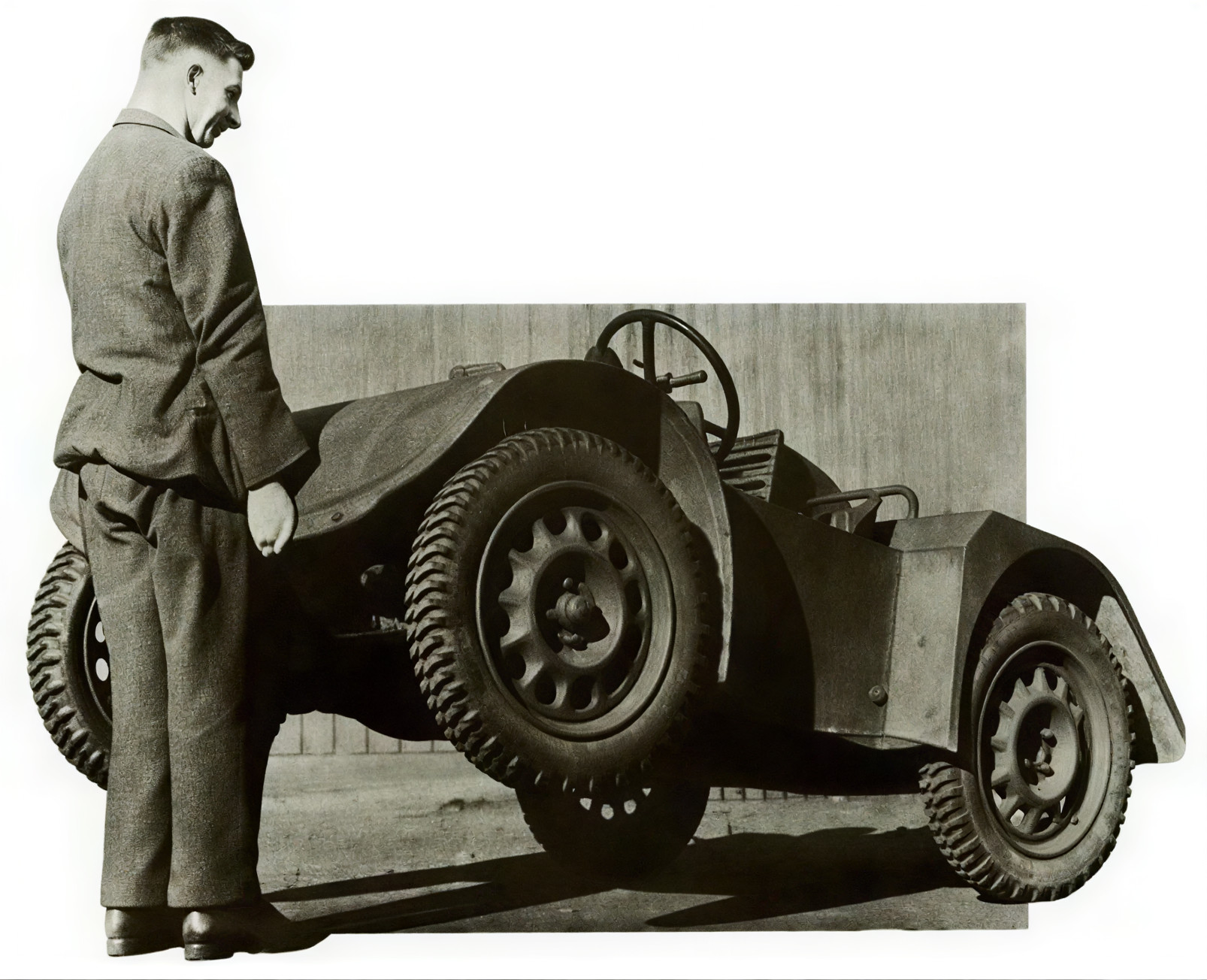
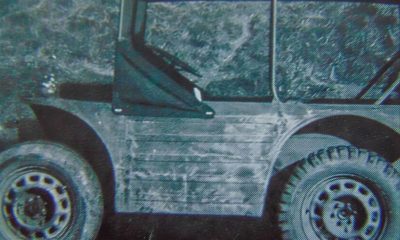
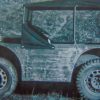
Far fewer people know that Jaguar — yes, Jaguar — built a vehicle strikingly similar to all those buggies more than 20 years earlier, and for completely different reasons. Meet the SS VA Lightweight Military Vehicle.
The VA Lightweight Military Vehicle was developed during World War II at the request of the British Ministry of Supply.
The task was extremely specific: to create a vehicle that could simply be dropped from an aircraft by parachute together with paratroopers. After landing, the soldiers were supposed to get in and drive away immediately — no assembly, no preparation, no extra steps.

The idea of lightweight transport suitable for airborne delivery is by no means new in military history and keeps resurfacing time and again. Among later and better-known examples are the unusual 1959 AMC Mighty Mite with its air-cooled V4 engine and the 1965 Land Rover 1/2 Ton Lightweight.
To make such a concept work, the vehicle had to be genuinely light — simple and reliable, and smaller and lighter than even the already very compact Willys Jeep.
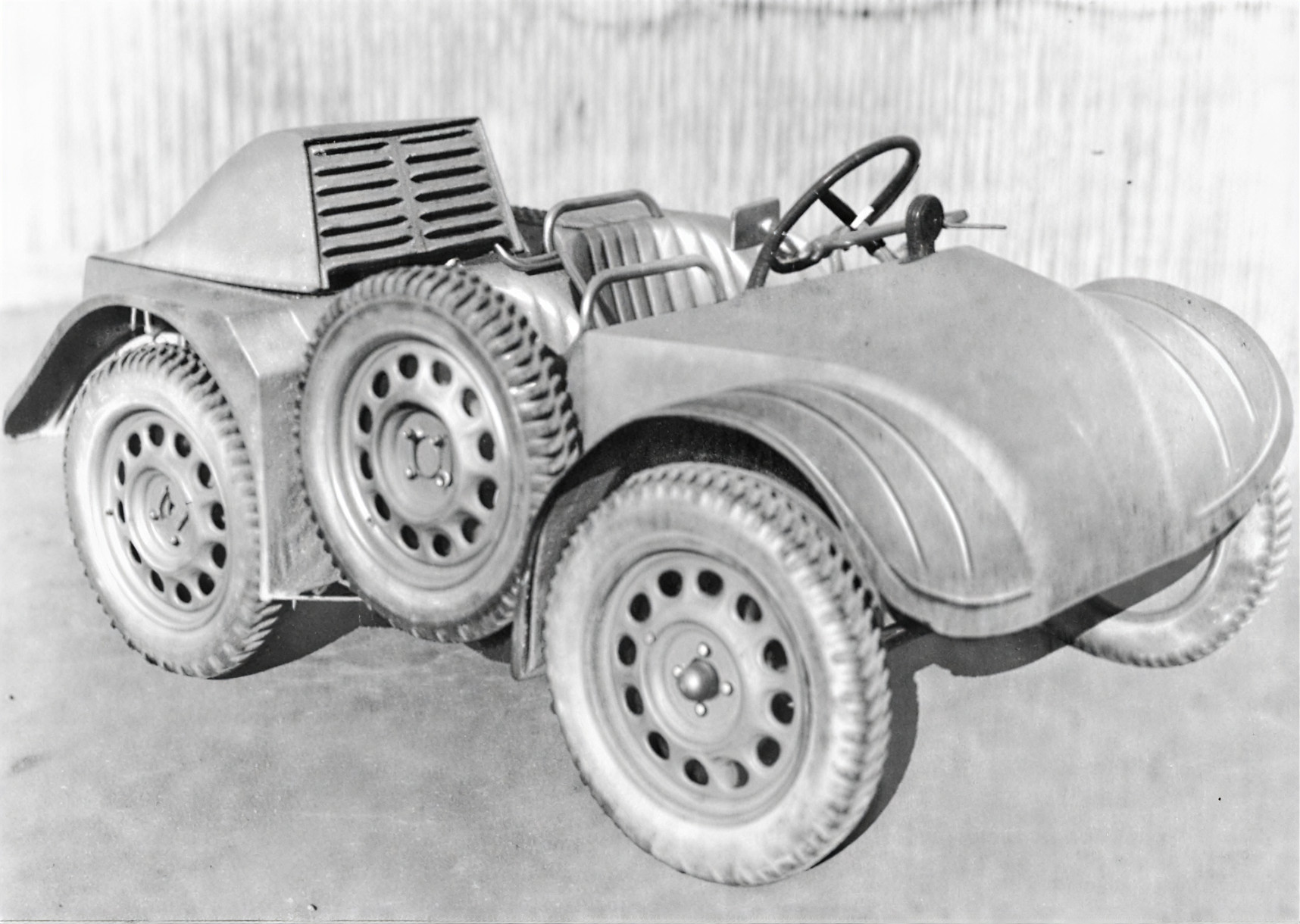
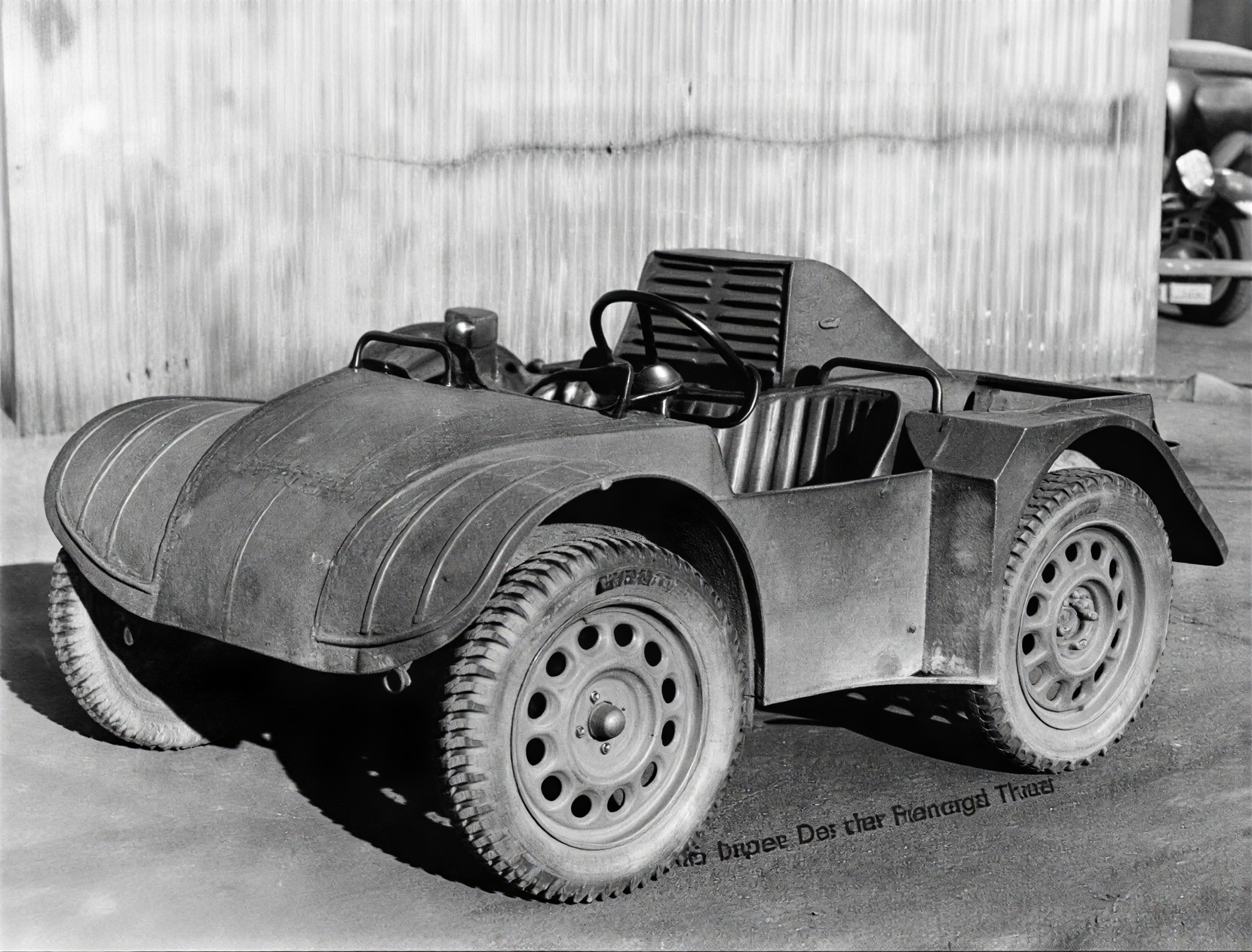
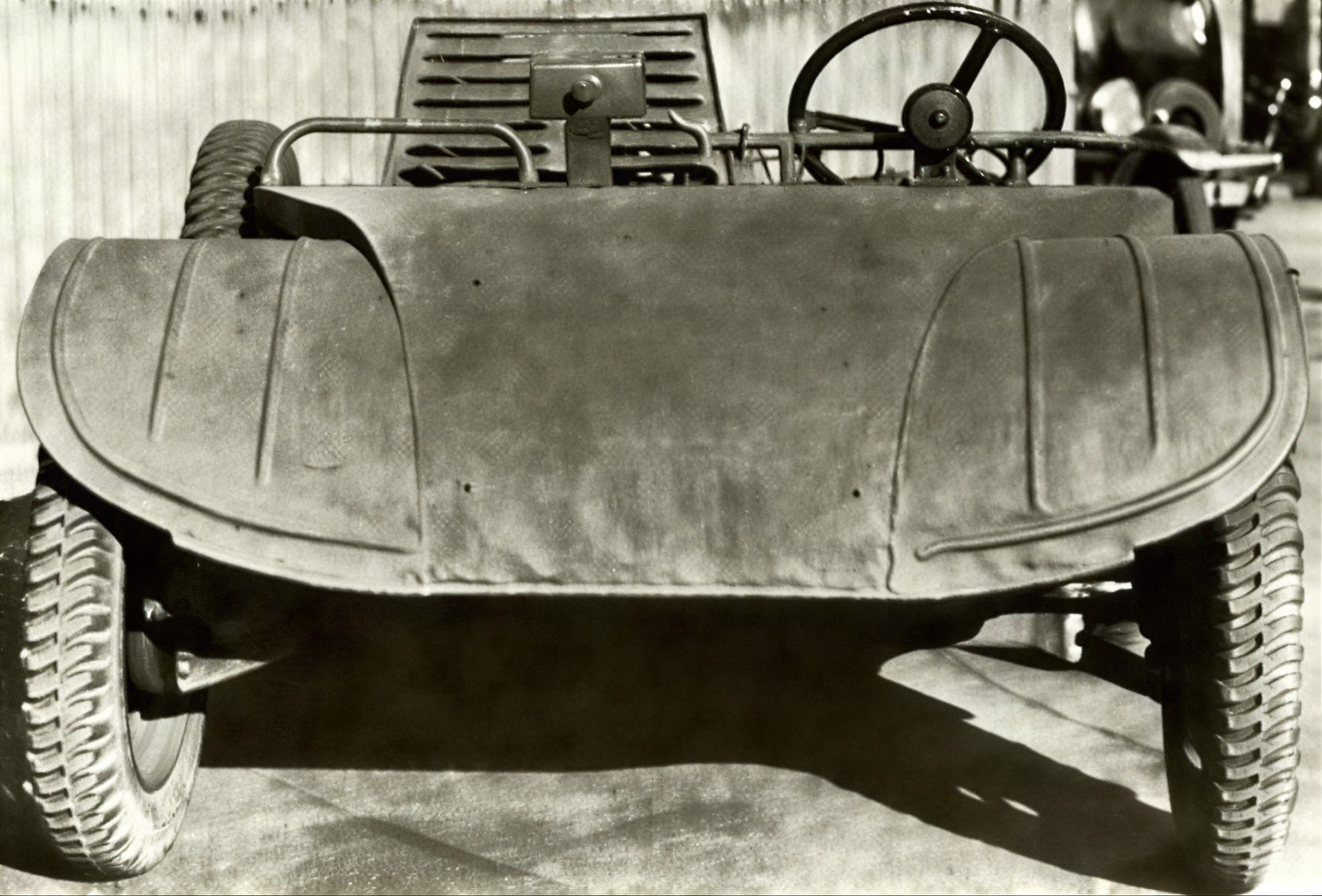
To achieve this, SS/Jaguar (a reminder that Jaguar began life as Swallow Sidecar and retained the SS abbreviation until certain aspects of that same war made those letters highly undesirable) built the first monocoque-bodied car in the company’s history. In this case, it was an extremely simple monocoque made from pressed steel sheets.

The prototype featured independent suspension and an air-cooled, flat-twin JAP engine mounted directly on the rear axle. A large air intake is clearly visible in the pictures.
Engineer Wally Hassan, who led the project, described the vehicle as follows:
“It was very light, not as unstable as the American Jeep, extremely simple in construction yet strong. Despite having only rear-wheel drive, it showed quite acceptable off-road ability, but it simply lacked power, and we moved on to the next idea.”
Only a single example was ever built. The vehicle was deemed underpowered, and at the same time, increases in aircraft payload capacity and performance soon made it possible to drop standard Jeeps by parachute. That was the end of the VA’s story — along with that one extraordinary little vehicle.