Nissan Be-1

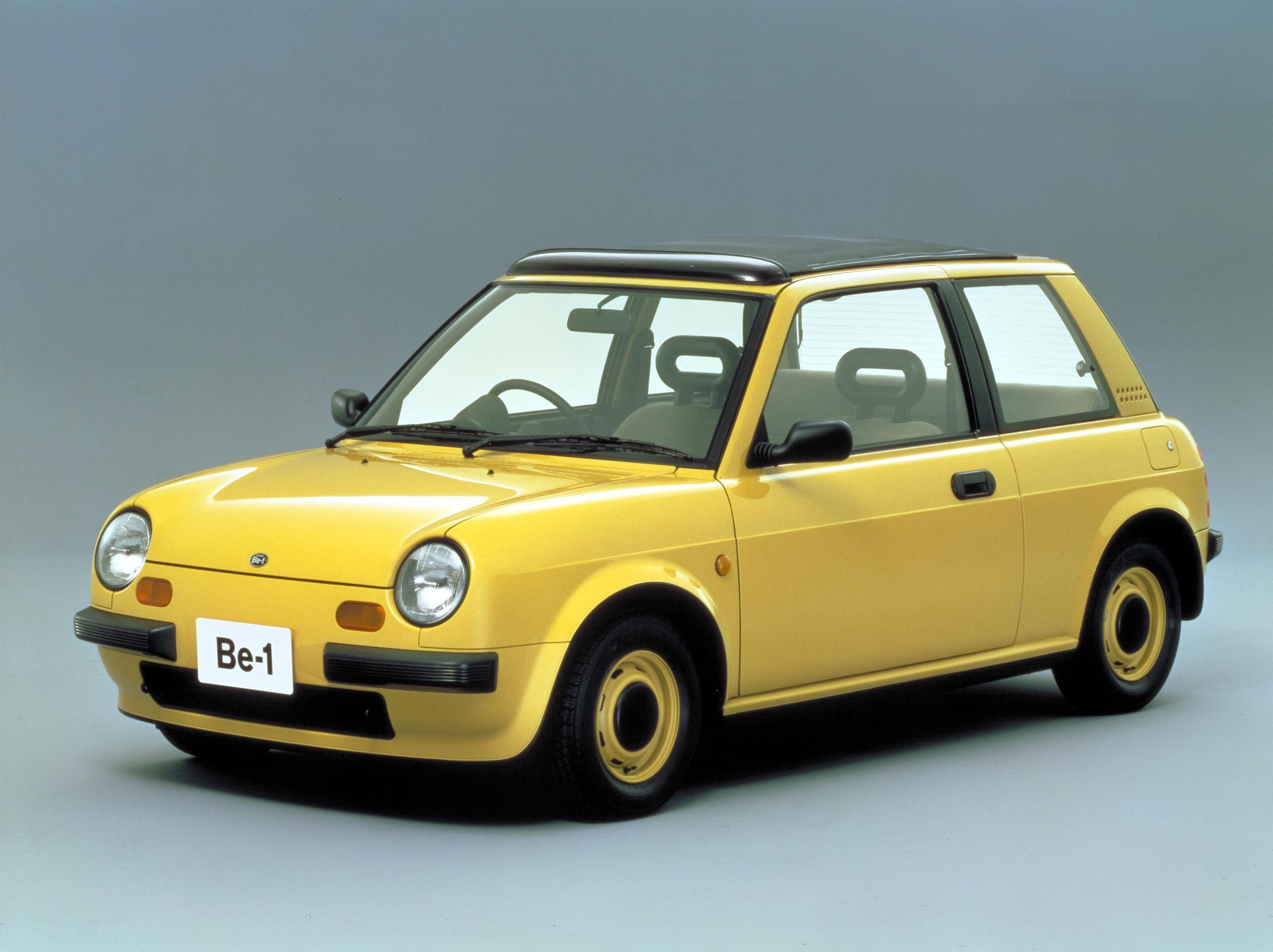
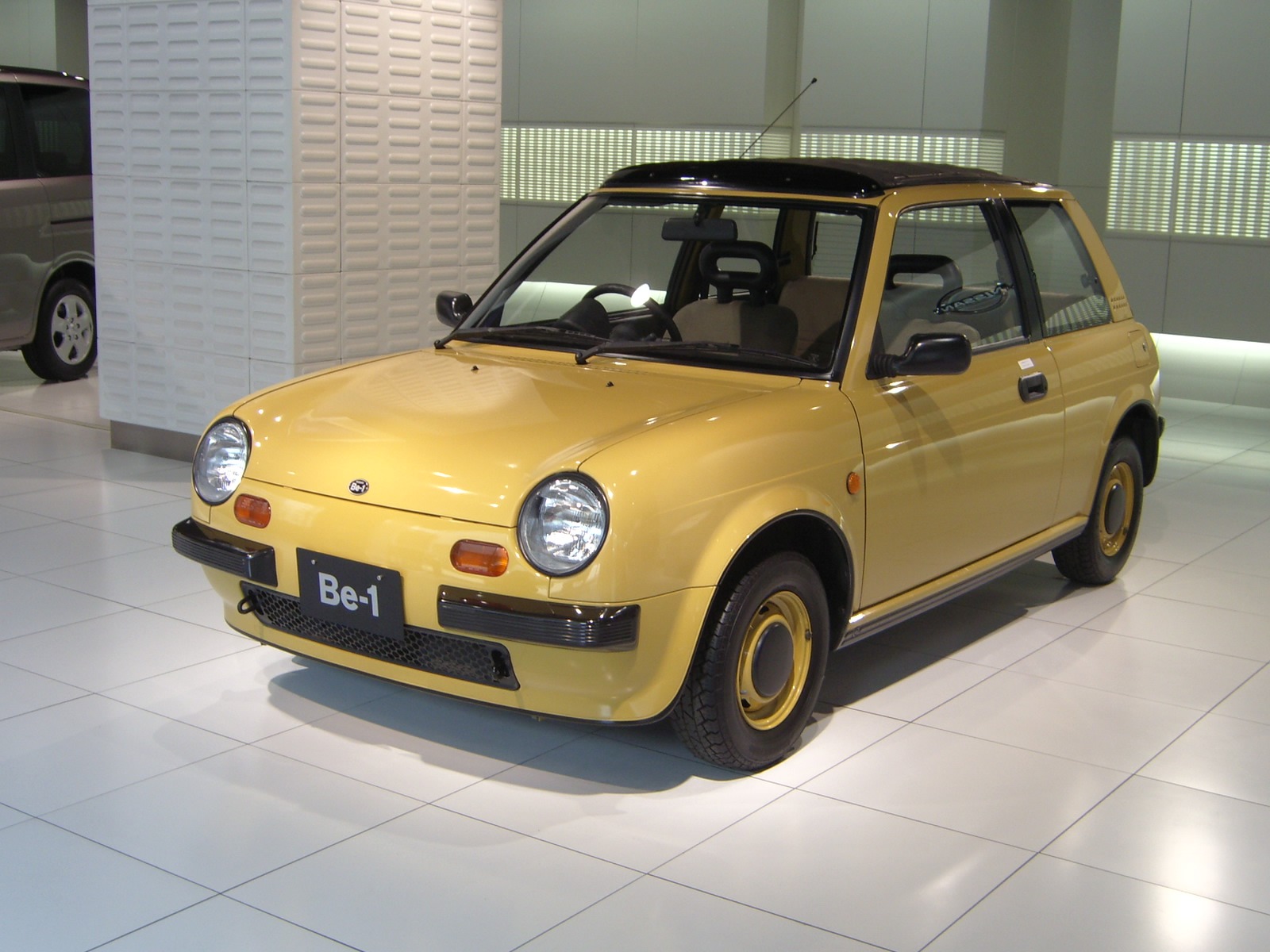
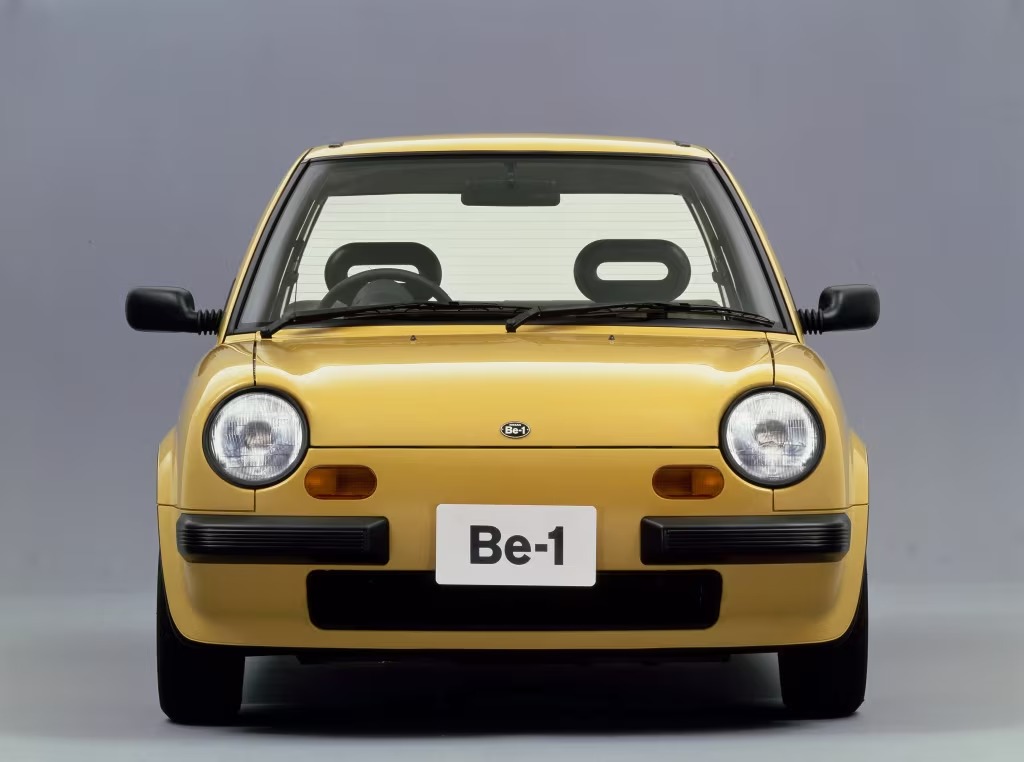
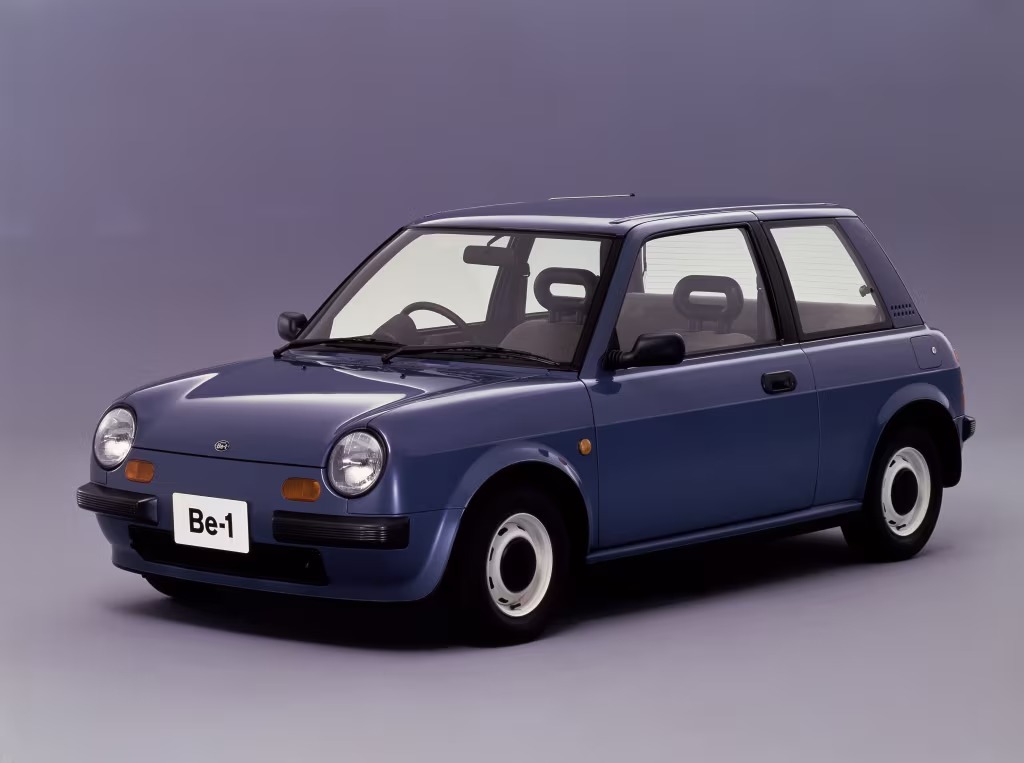
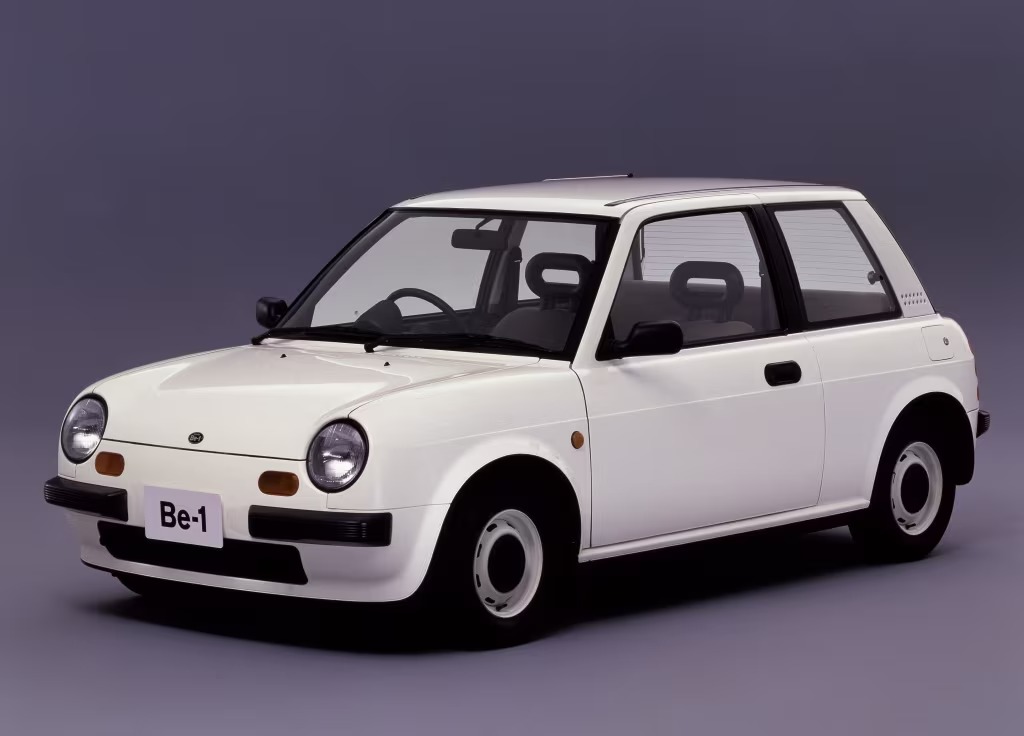
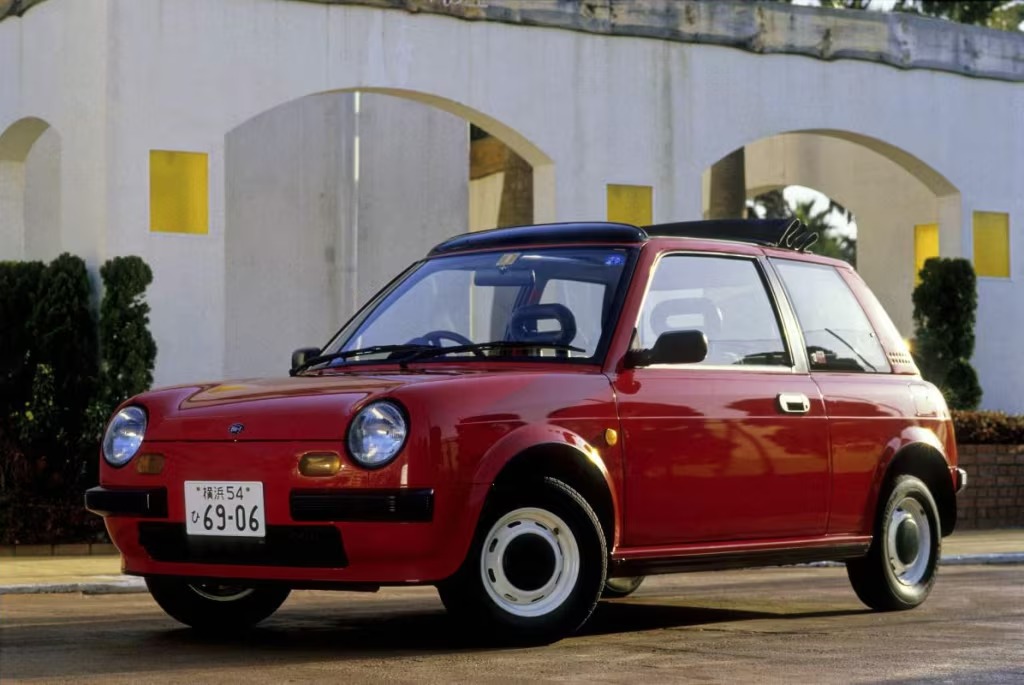
Nissan Be-1 made its debut as a reference model at the 26th Tokyo Motor Show in 1985, built around the idea of a “coziness-oriented car.”
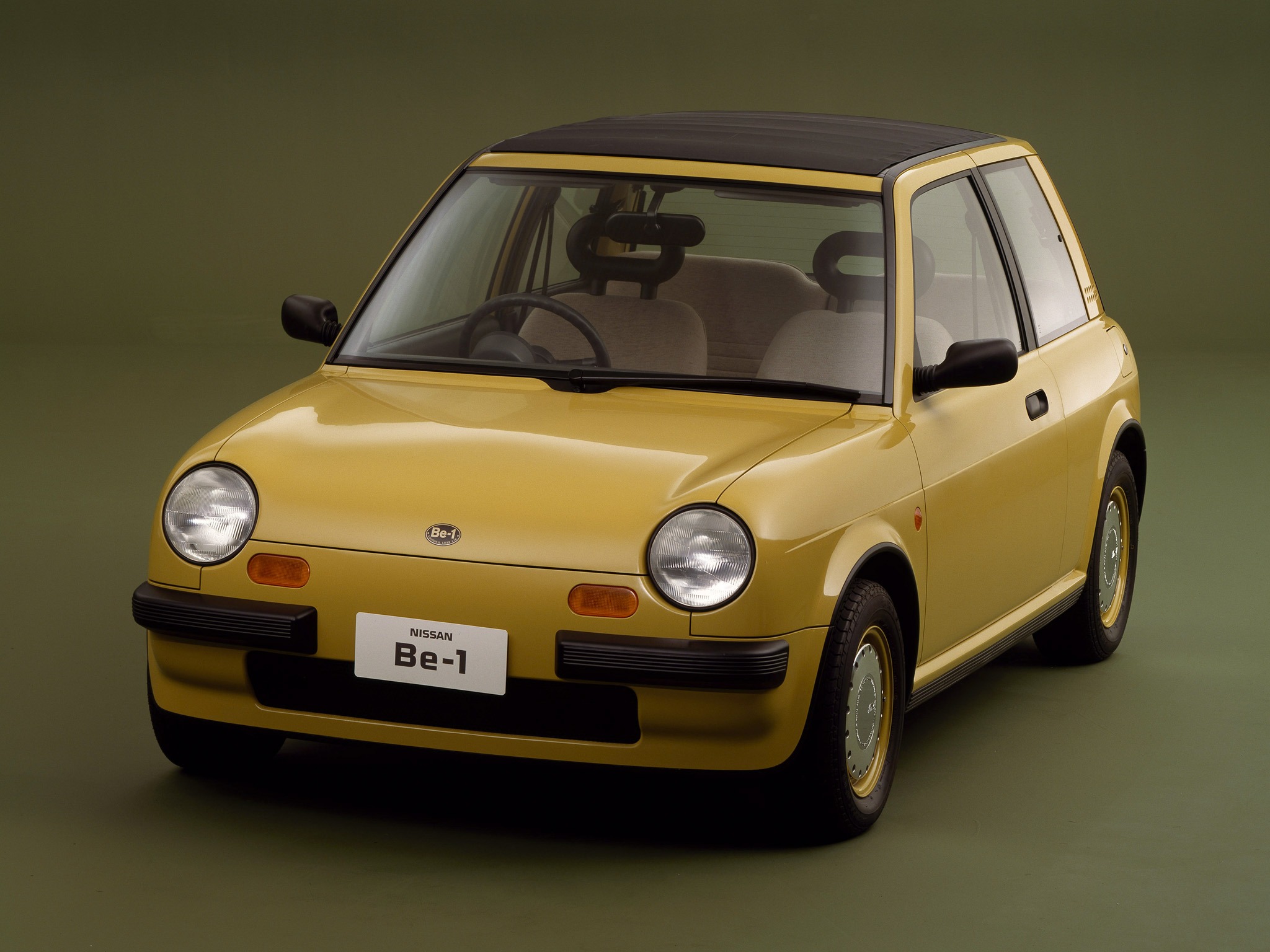
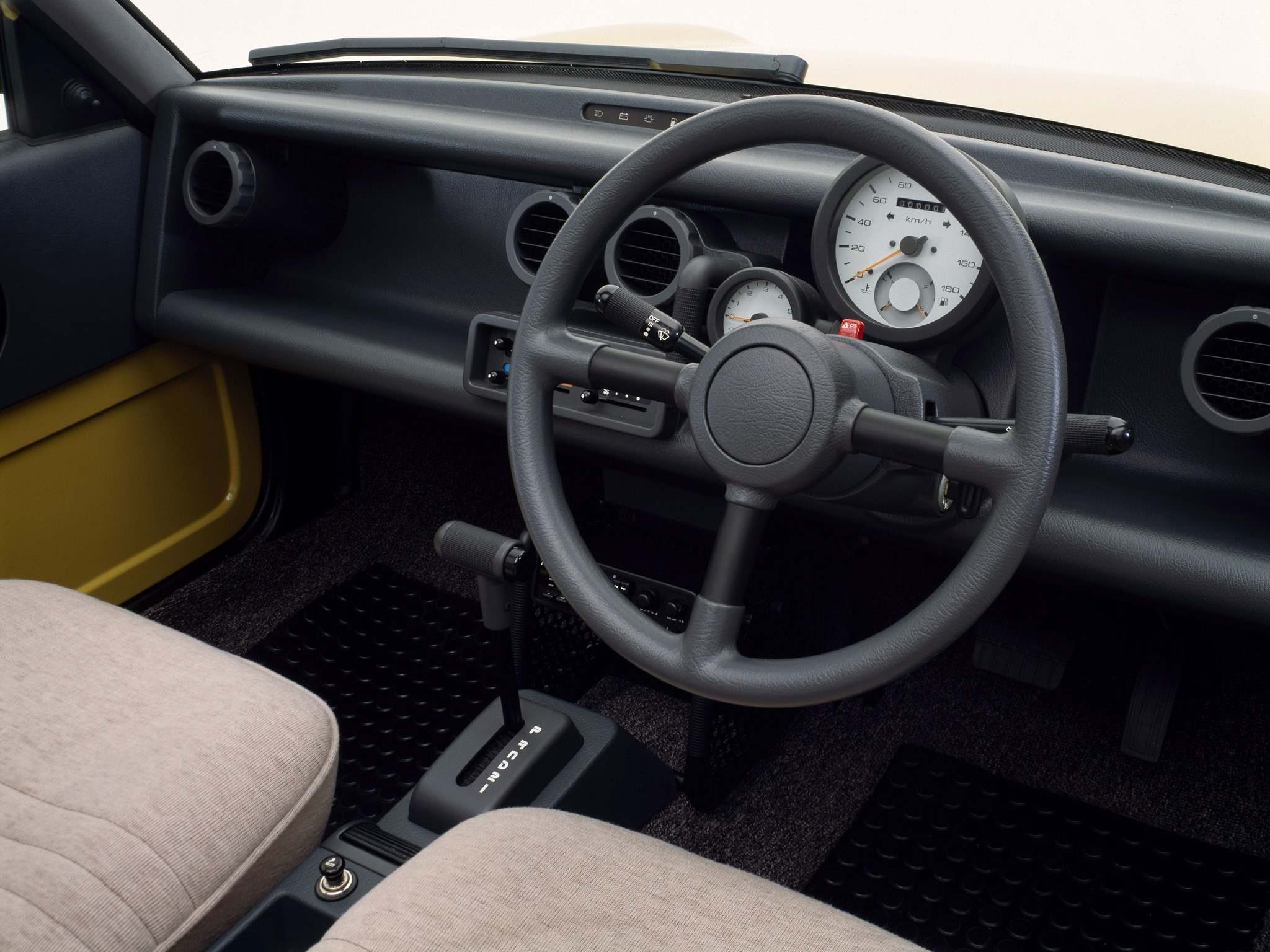
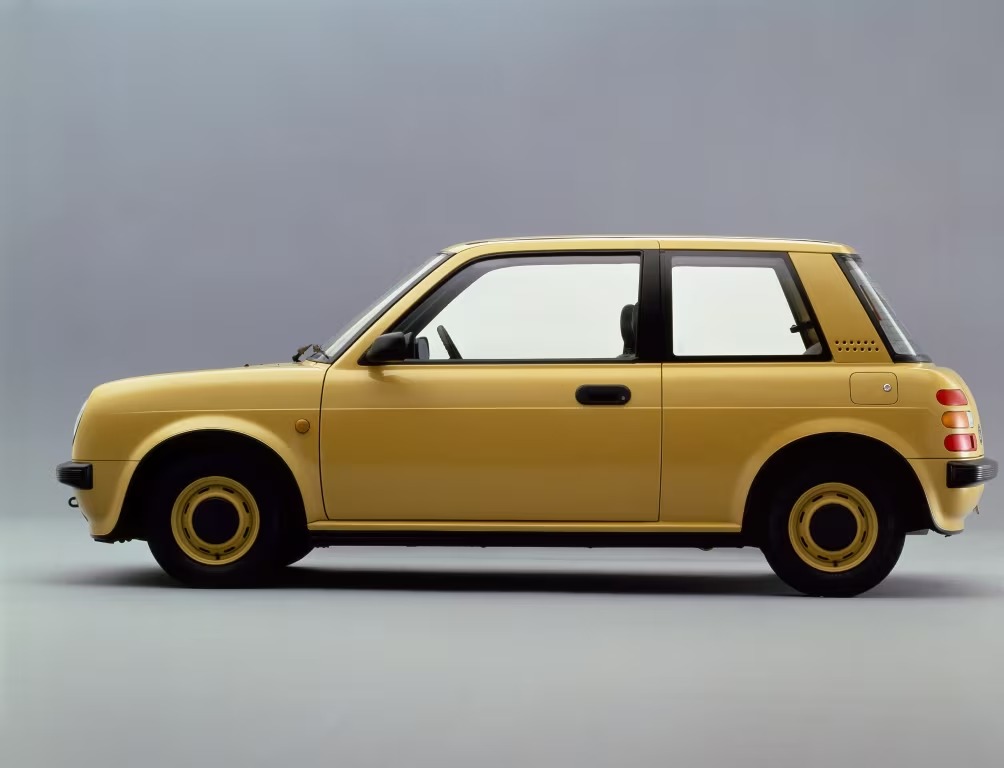
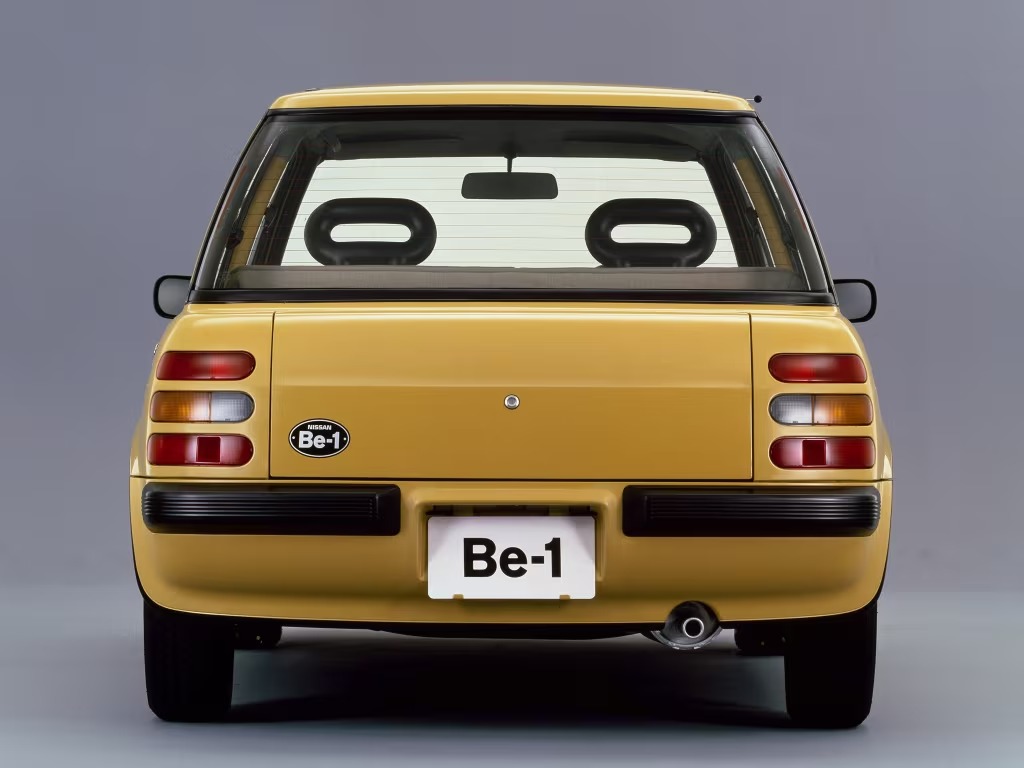
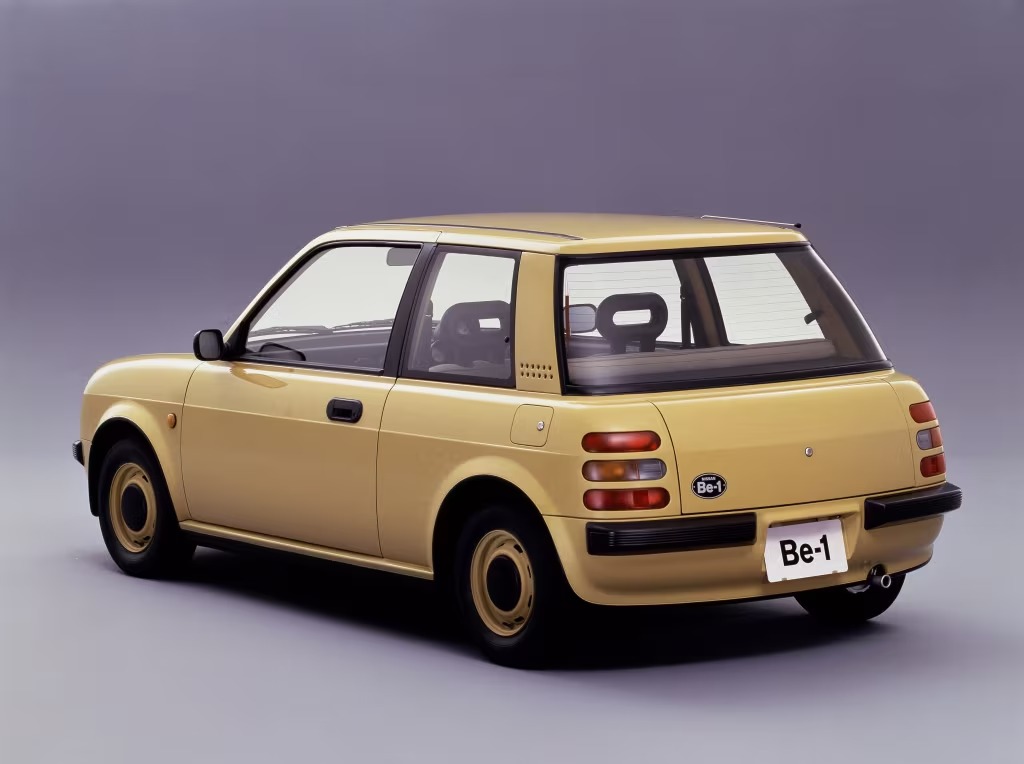
Although it was based on the first-generation Nissan March (K10), both the exterior and interior deliberately evoked the charm of classic automobiles.
Its name was derived from “Plan B-1” hinting at its experimental, alternative nature within Nissan’s lineup.
Styled around a “nostalgic modern” philosophy, the Be-1 featured soft, rounded forms, most notably in its circular headlights, giving the car a friendly, approachable character.
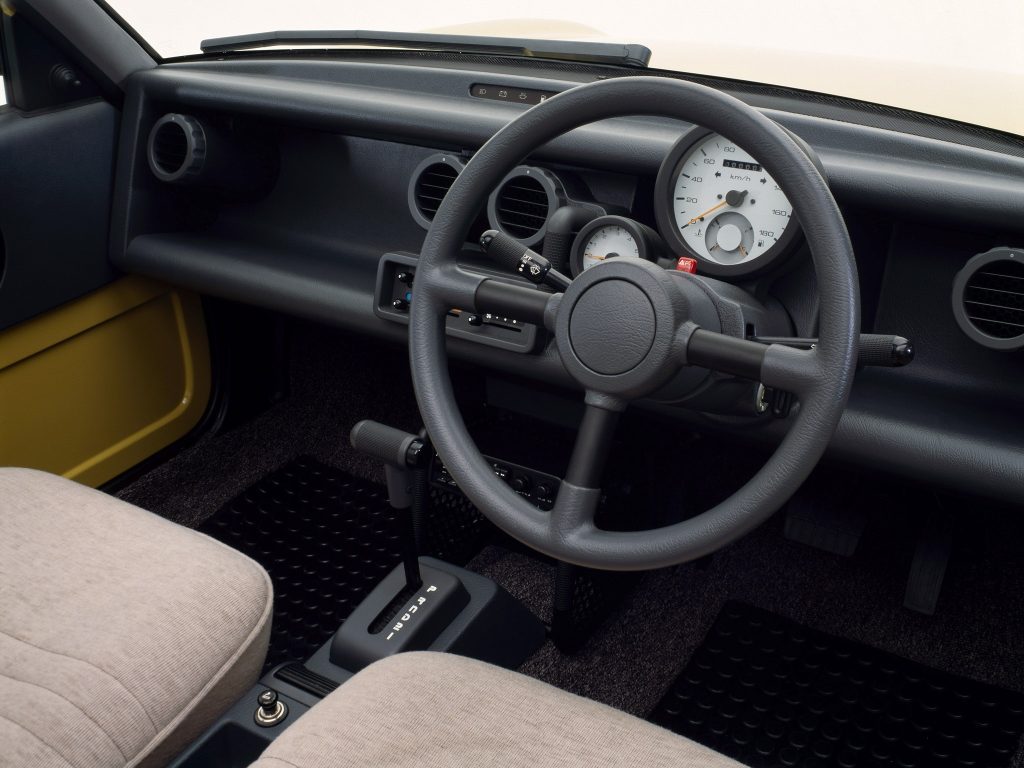
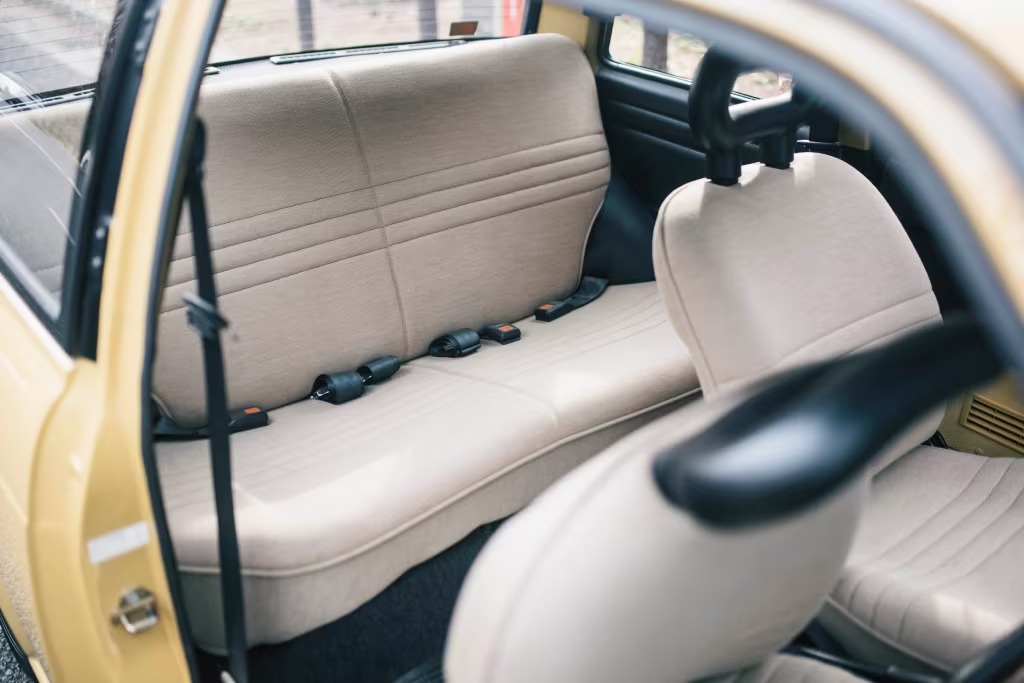
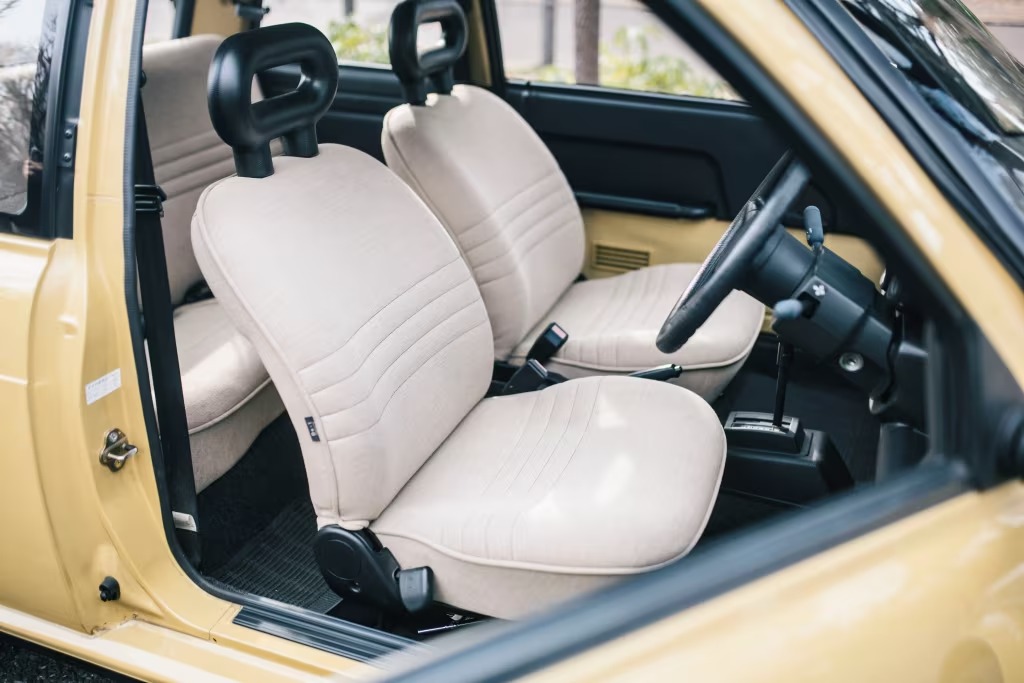
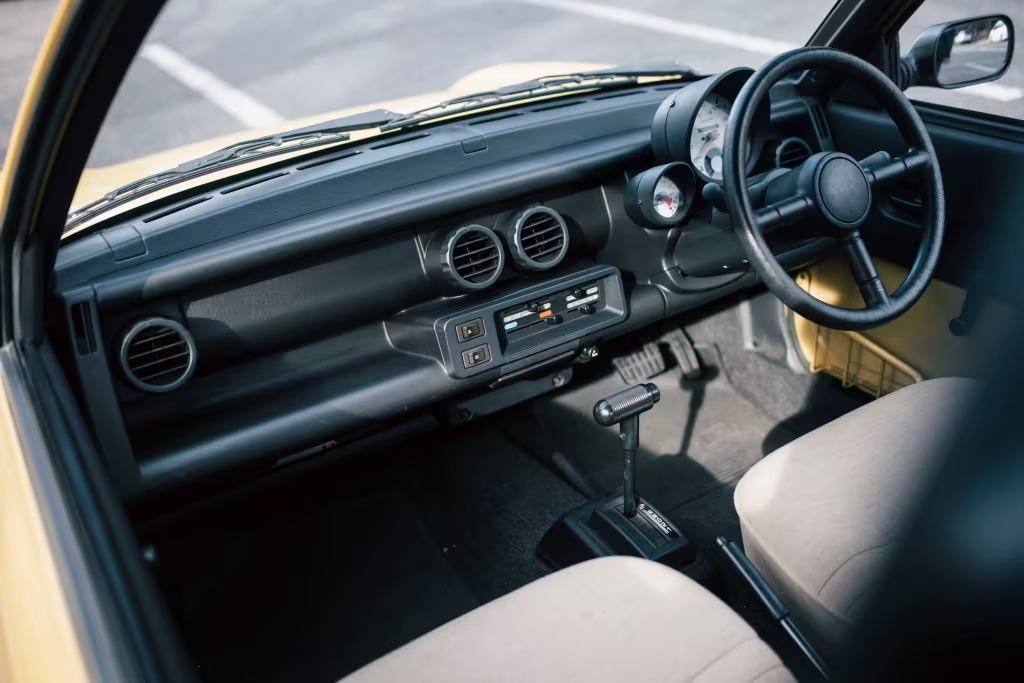
That same theme carried over into the cabin, which used full cloth knit upholstery and round air vents to create an atmosphere that felt warm, playful, and inviting.
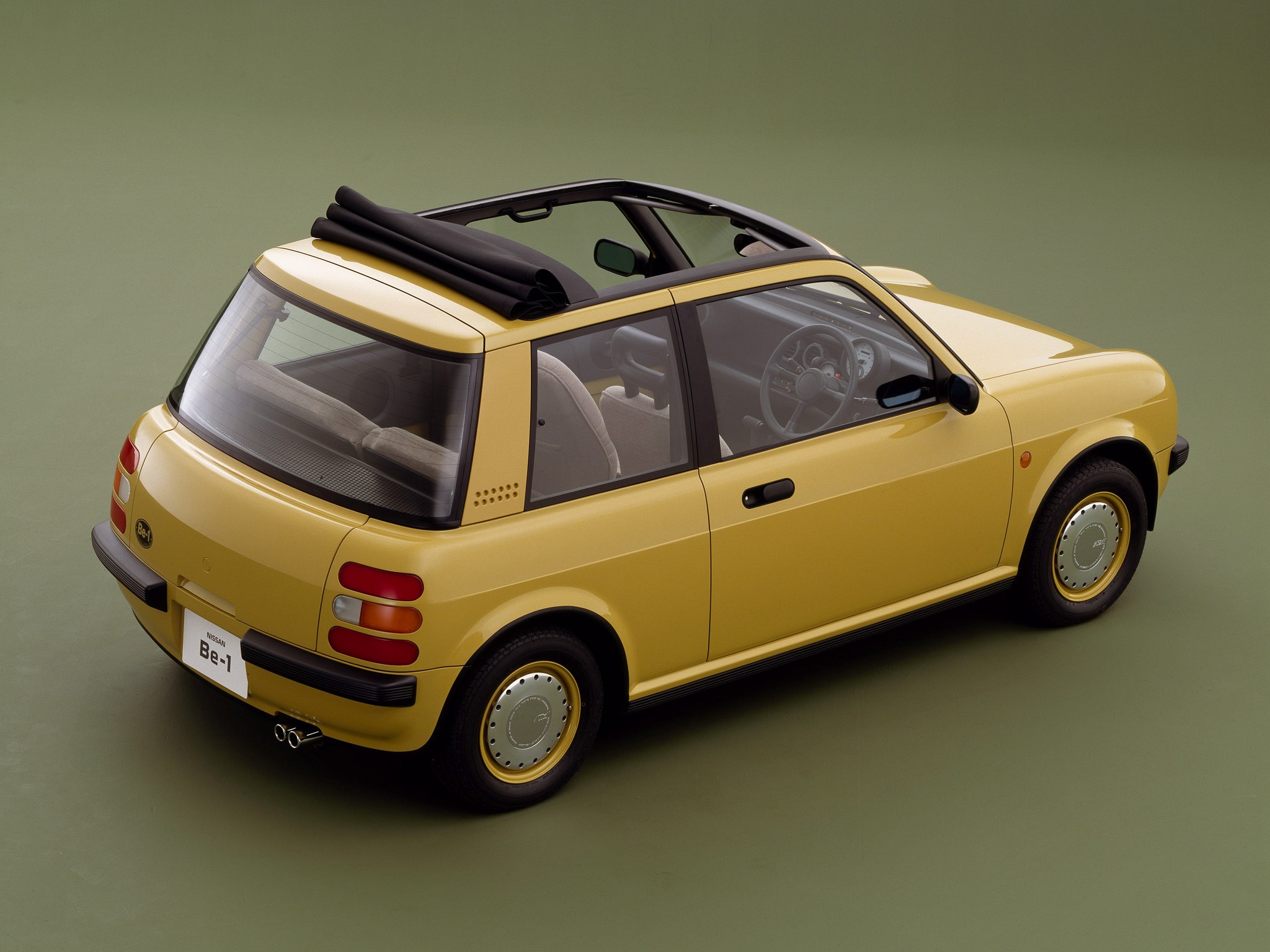
A canvas-top version followed in March 1987, and the model also stood out for its pioneering use of recyclable thermoplastic resin, a first for a production car at the time.
When Nissan launched the Be-1 as a limited run of 10,000 units in January 1987, demand immediately exceeded supply, with more than 10,000 orders placed. Buyers were ultimately chosen by lottery.
The Be-1’s success paved the way for the Nissan Pike Car series, which later included the Pao and Figaro. The term “pike” referred to something sharp or unconventional, reflecting the highly distinctive, low-volume approach that defined these cars.