1959 BMW Isetta 300 Cabriolet “Tropenlüftung”

Few cars capture the optimism, cleverness, and pared-back efficiency of the postwar era as completely as the BMW Isetta.
Born in 1950s Europe, a time defined by austerity and ingenuity, the Isetta emerged as an answer to the need for simple, affordable personal transportation.
Its origins lie in Italy with Iso SpA, but it was BMW’s inspired reengineering of the concept that transformed the quirky “bubble car” into an international icon. With its unmistakable egg-shaped body and single, front-hinged door, the Isetta didn’t just stand out—it helped redefine BMW’s place in the global automotive landscape.
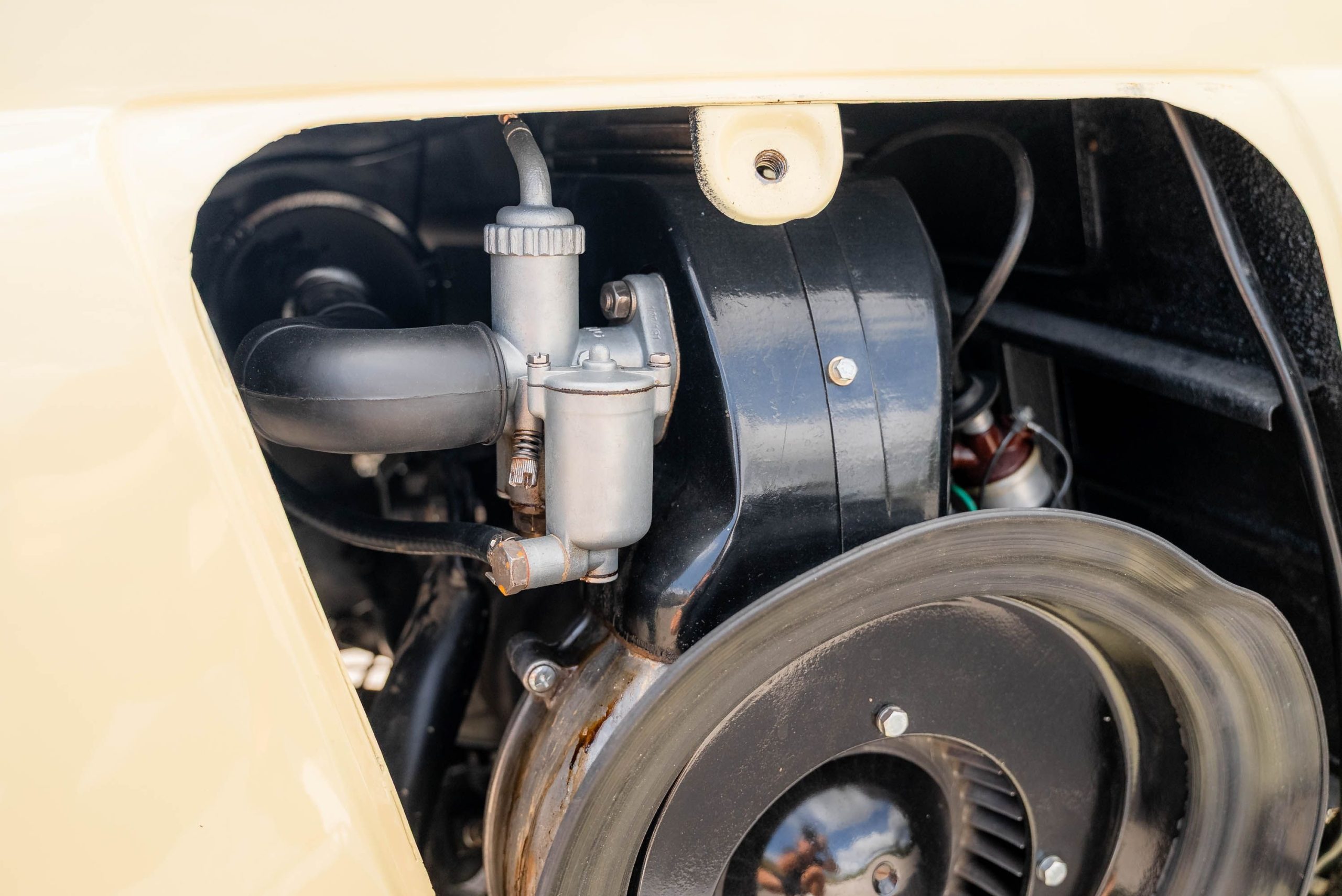
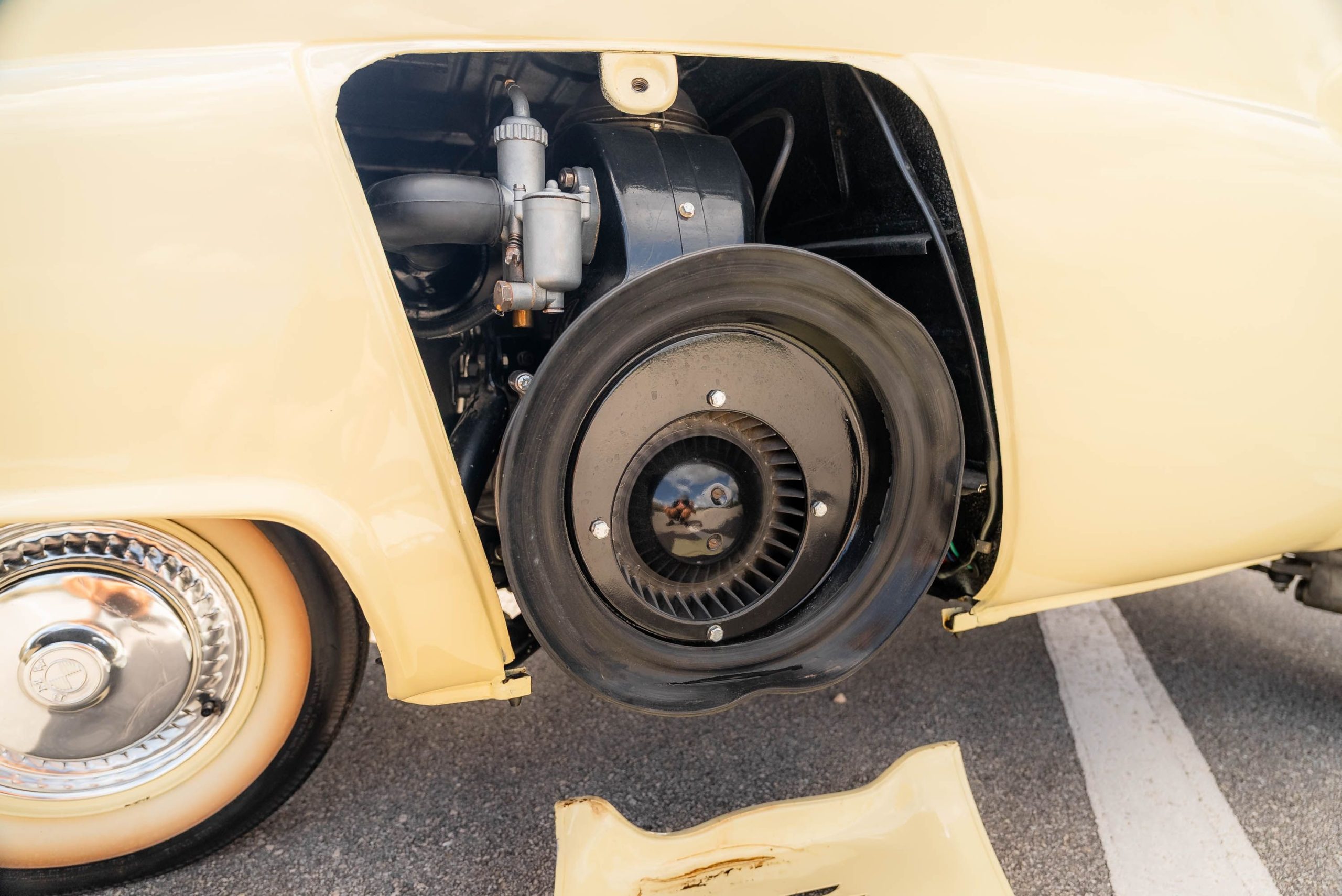
Introduced in 1955, the BMW Isetta relied on a compact single-cylinder, four-stroke engine derived from the company’s motorcycle expertise. Displacing 298 cc and producing 13 horsepower, the little powerplant was modest on paper yet perfectly suited to urban life, carrying two occupants and light luggage through crowded streets with surprising ease.

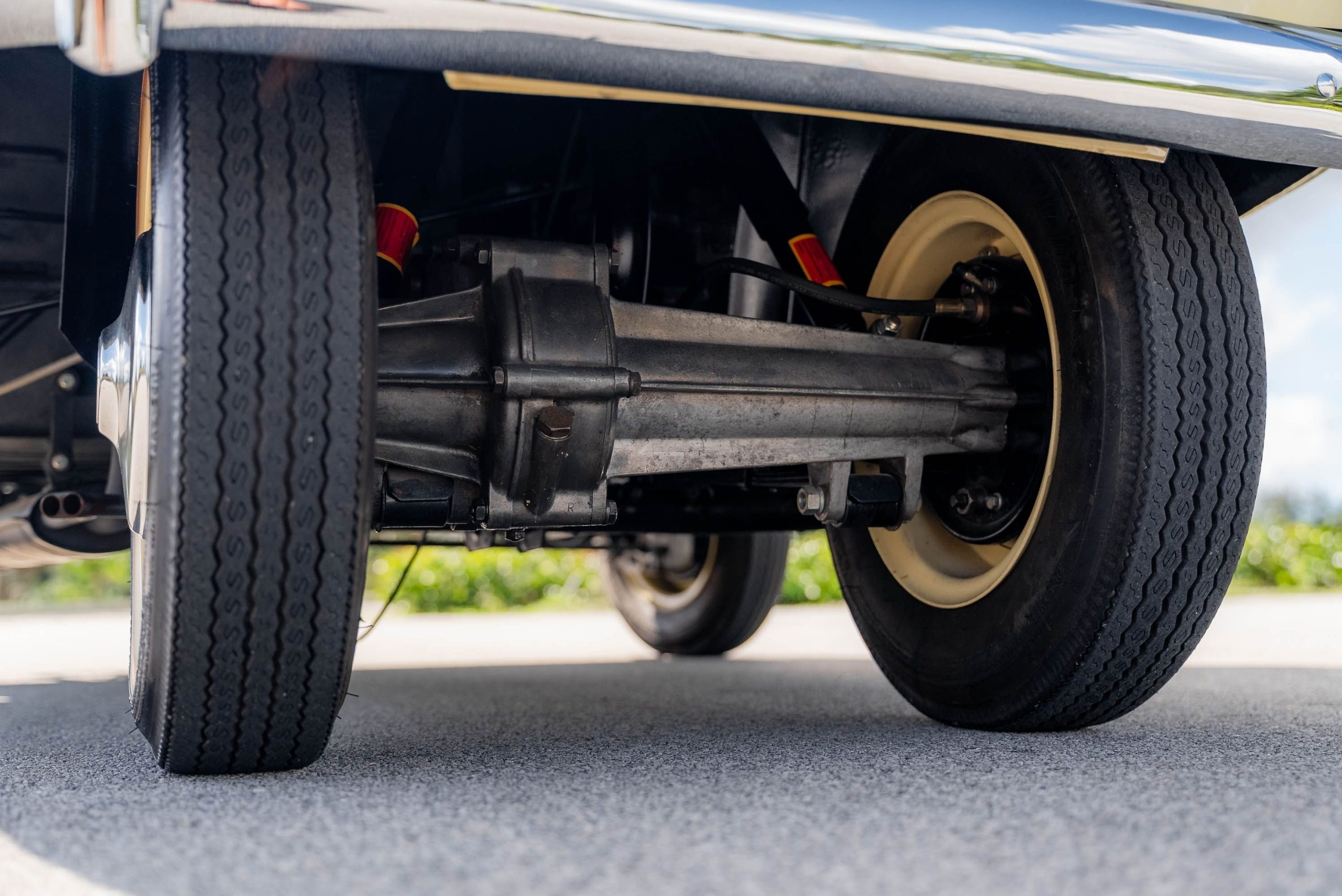
Beneath its charming simplicity lay thoughtful engineering, including independent front suspension, hydraulic drum brakes, and exceptionally efficient packaging that squeezed genuine comfort and usability from a tiny footprint.
As the model line evolved, BMW introduced several variations, culminating in the Isetta 300, widely regarded as the most refined and capable version. Among these, the cabriolet stood apart.
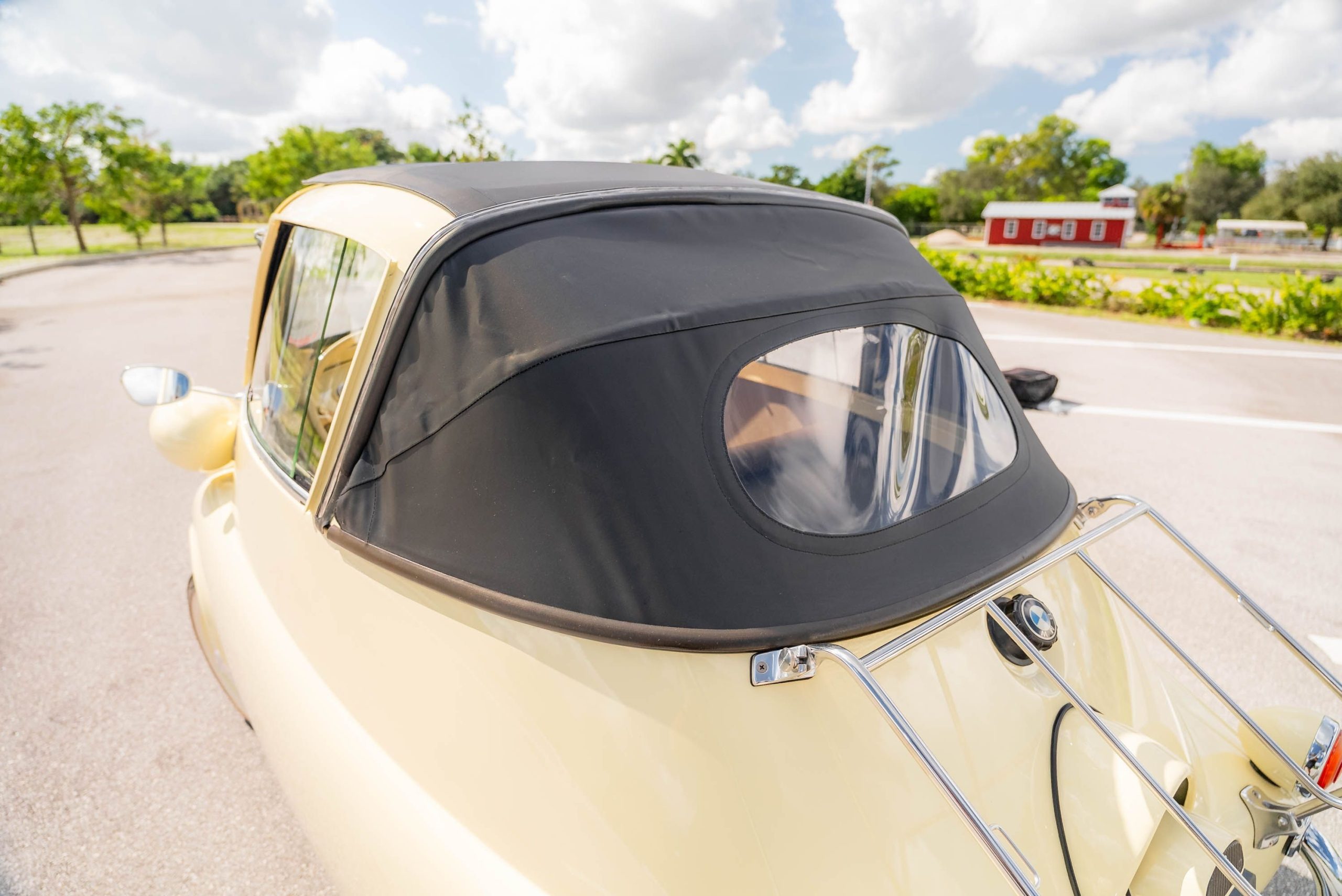
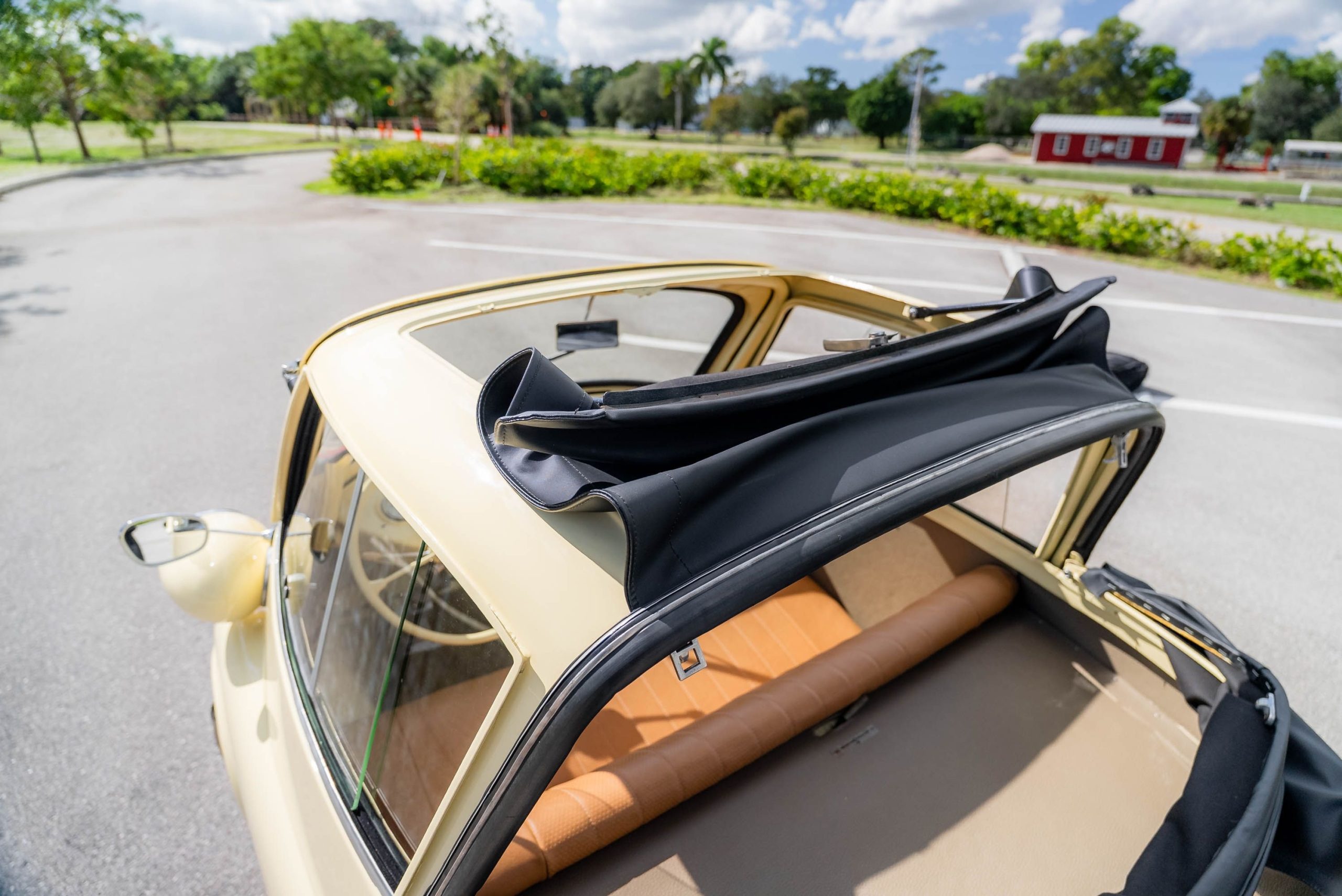
With its folding fabric roof, it added an unexpected sense of freedom to the Isetta’s practical mission. Rarer still were examples equipped with the Tropenlüftung, or tropical ventilation door, a clever solution developed for warmer export markets that improved airflow and occupant comfort in hot climates.
Despite its diminutive size, the Isetta quickly achieved cult status. Its friendly design, low running costs, and unique driving experience made it a cultural touchstone across Europe and beyond.

Today, collectors prize originality above all else, especially period-correct cars with rare specifications and authentic finishes. Convertible Isettas, particularly those fitted with factory tropical ventilation, are among the most desirable microcars in existence.
The importance of the Isetta to BMW cannot be overstated. At a critical moment in the company’s history, it provided much-needed financial stability and helped secure the future of the brand. In hindsight, it also laid the groundwork for BMW’s enduring reputation for intelligent engineering and innovative thinking.
For design enthusiasts, the Isetta remains unmatched. No other microcar blends function and whimsy so seamlessly, or leaves such a lasting impression with so little material. Its silhouette is instantly recognizable, its concept eternally relevant.
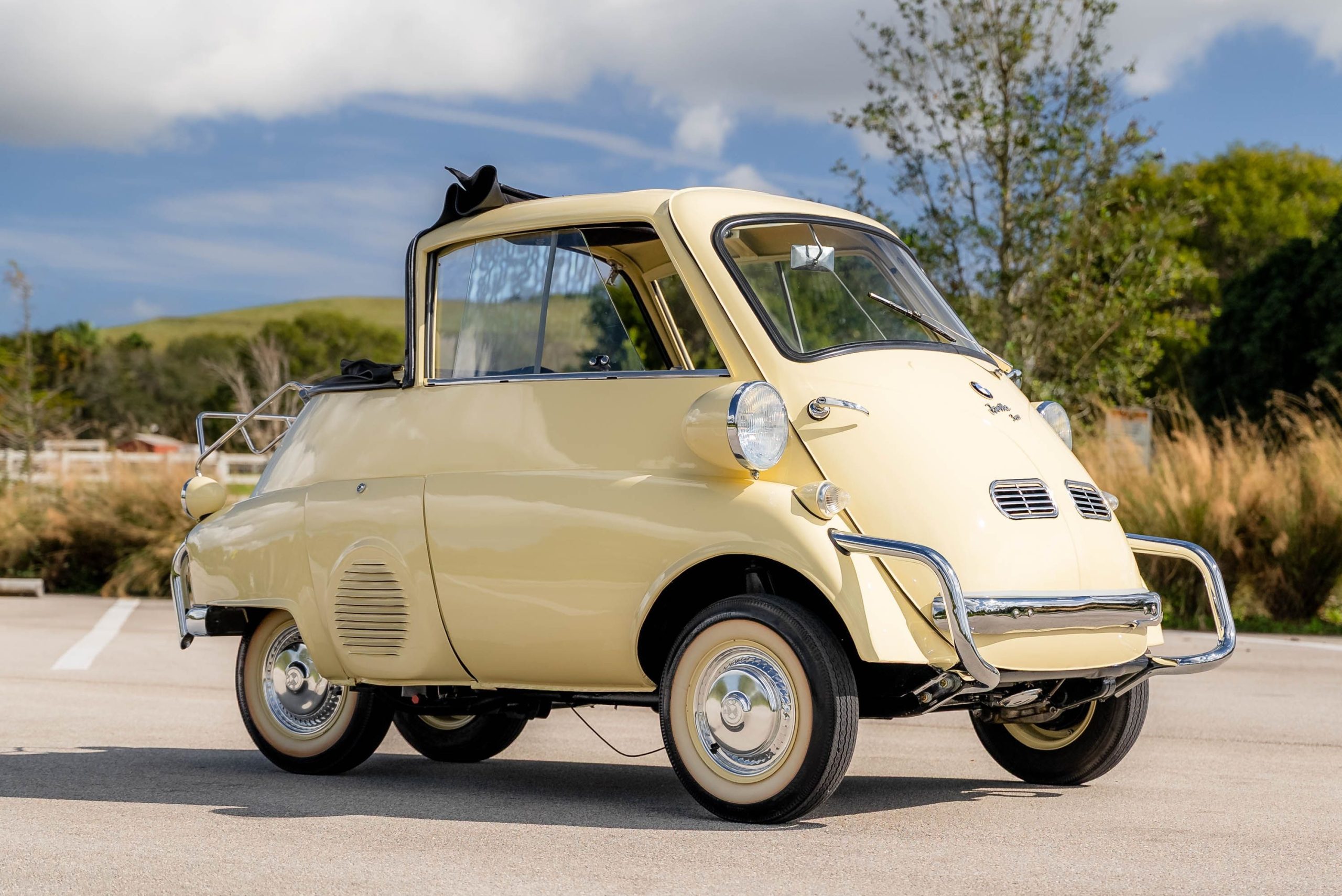
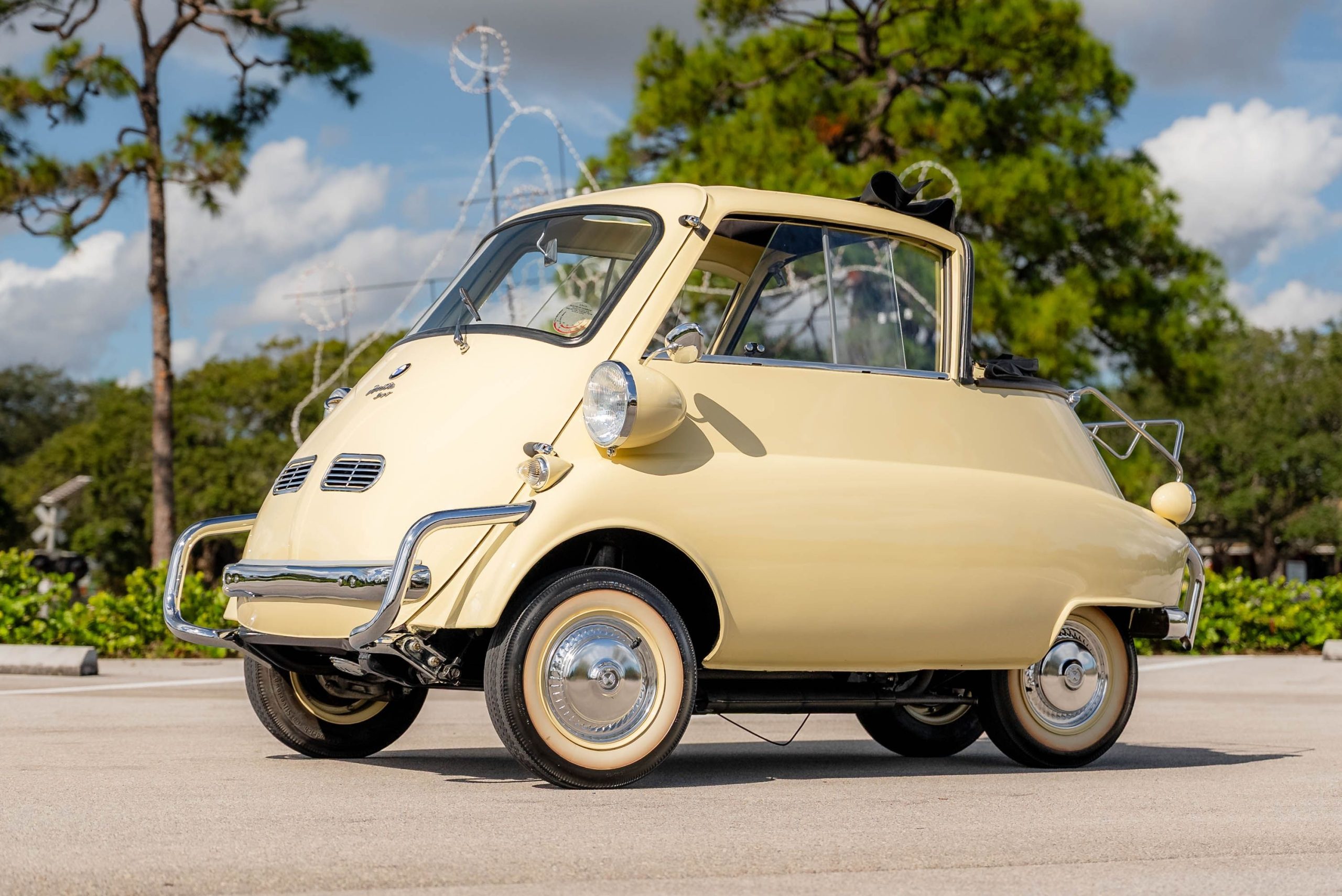
Presented here is an exceptional EU-specification 1959 BMW Isetta 300 Cabriolet, chassis number 501977, representing one of the rarest expressions of the model. Believed to be among roughly 80 surviving examples of the factory drophead configuration, this car was originally delivered to the United States before later making its way to Canada.

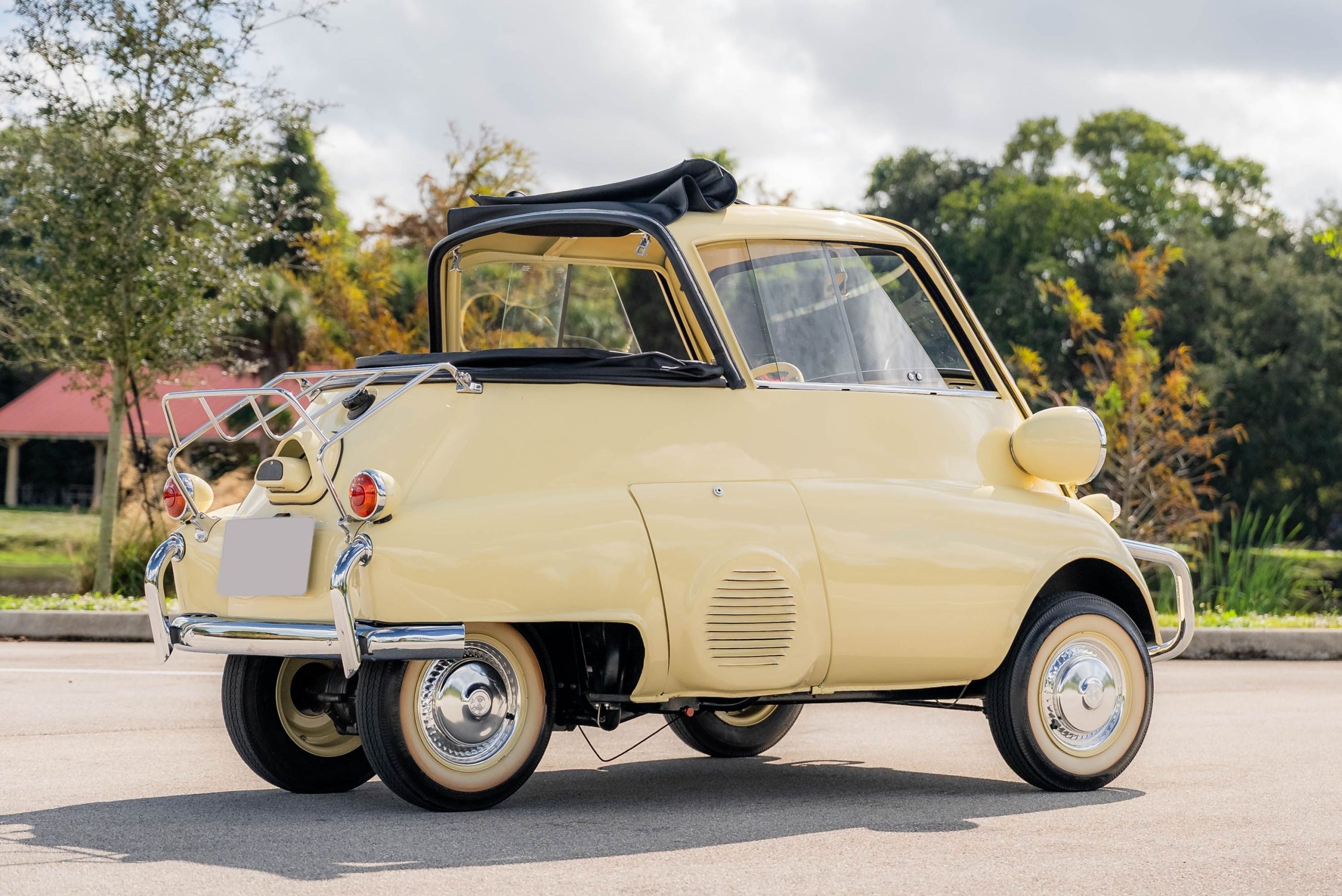
A sympathetic restoration completed around 2010 saw it refinished in the factory-correct Weißgold (Cream), a color that perfectly complements the Isetta’s soft curves. During this work, the chassis and underside were stripped and refinished, chrome elements were replated, and the distinctive black folding canvas roof was renewed.
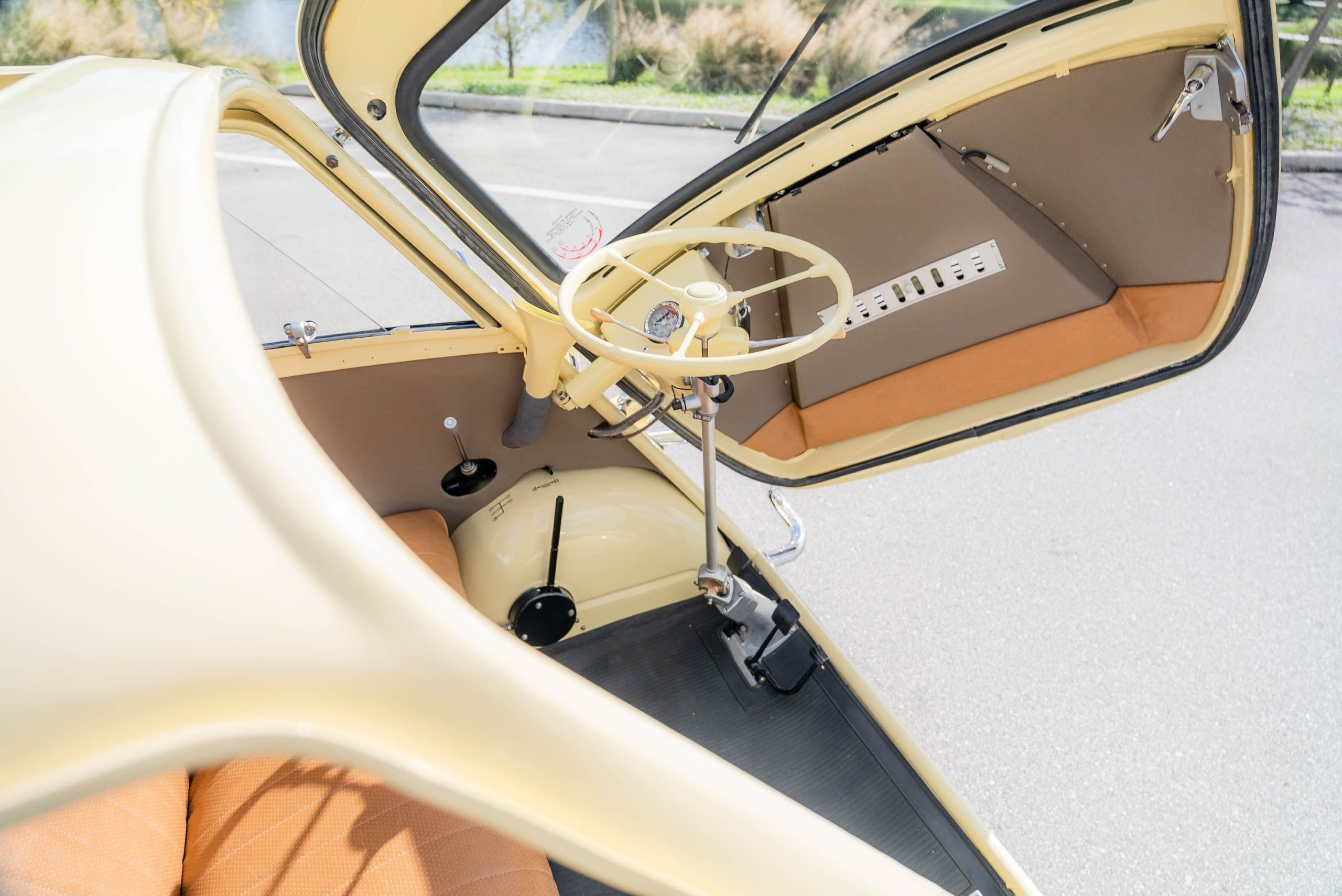
The presence of the tropical vented front door further elevates this example, adding both rarity and visual intrigue. Additional details include correct Isetta 300 badging, a rear luggage rack, chrome bumpers with nerf bars, sliding side windows, and 10-inch steel wheels with polished hubcaps and BFGoodrich whitewall tires. More recent updates in 2023 included the fitment of genuine Hella headlights and a new driver-side mirror, maintaining safety while preserving period authenticity.
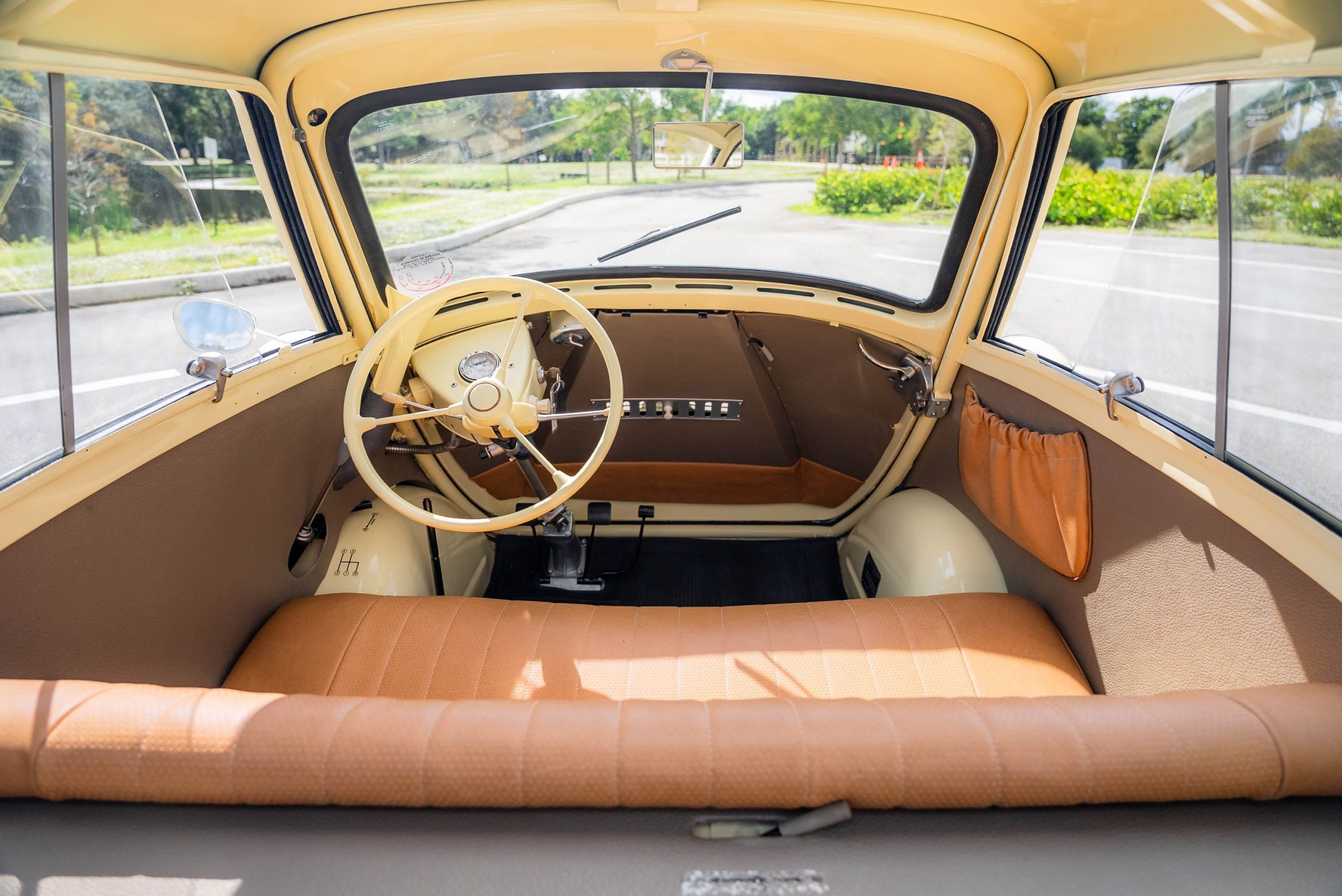
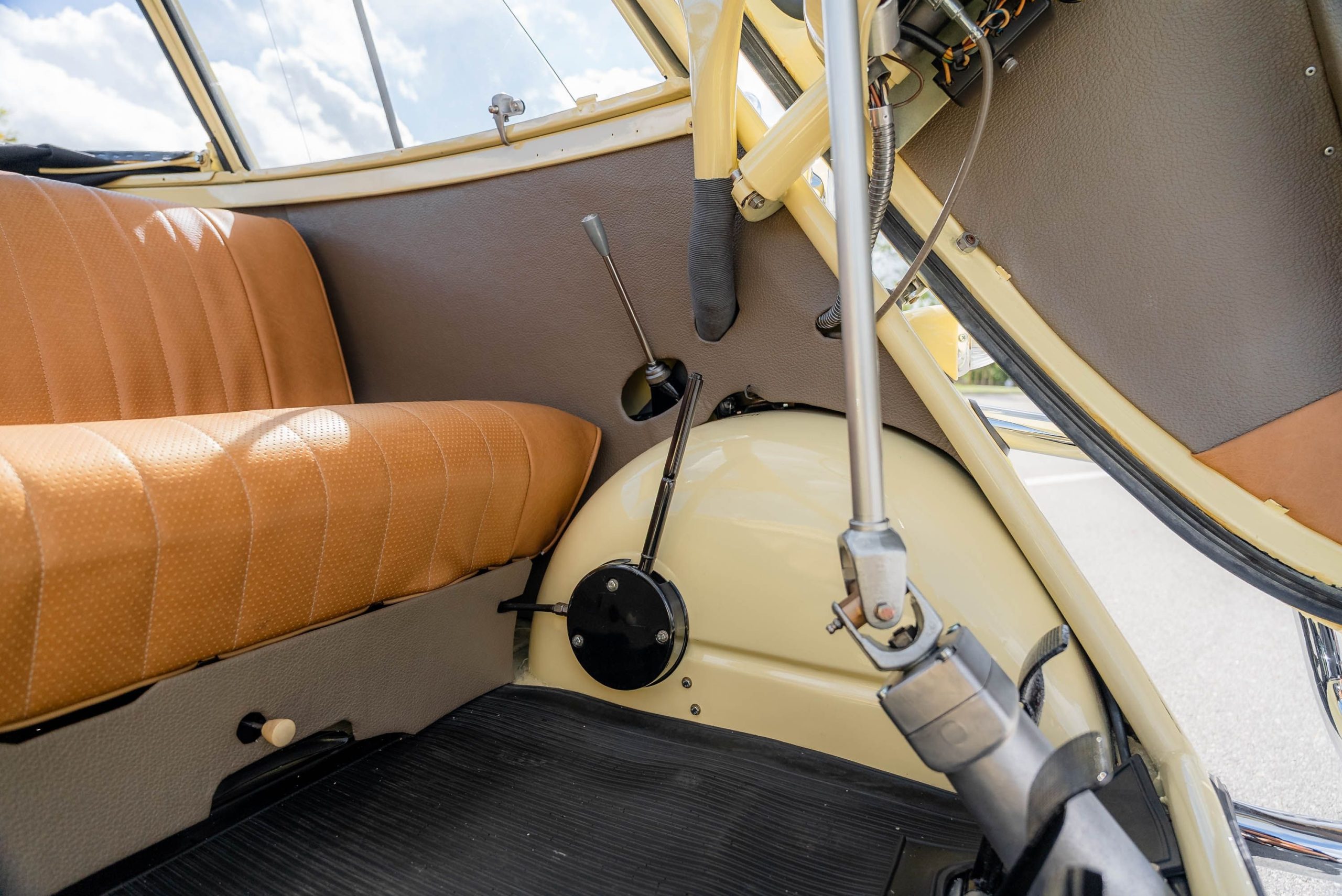
Mechanically, the car benefited from extensive work in 2023 covering the engine, transmission, brakes, and suspension. Inside, the cabin presents beautifully in brown vinyl, with the bench seat, parcel shelf, and rubber flooring all in excellent condition.
The cream steering wheel frames the signature reverse-sweep speedometer, and the four-speed manual shifter remains conveniently positioned. The odometer shows 36,000 miles, with only around 400 added by the current owner.
Accompanied by photographic documentation of the engine rebuild and restoration process, this Isetta 300 Cabriolet stands as one of the finest surviving examples.
Rare, characterful, and beautifully presented, it offers not only a delightful driving experience but also a tangible connection to the ingenuity and optimism of postwar automotive history—an irresistible jewel of the microcar movement.