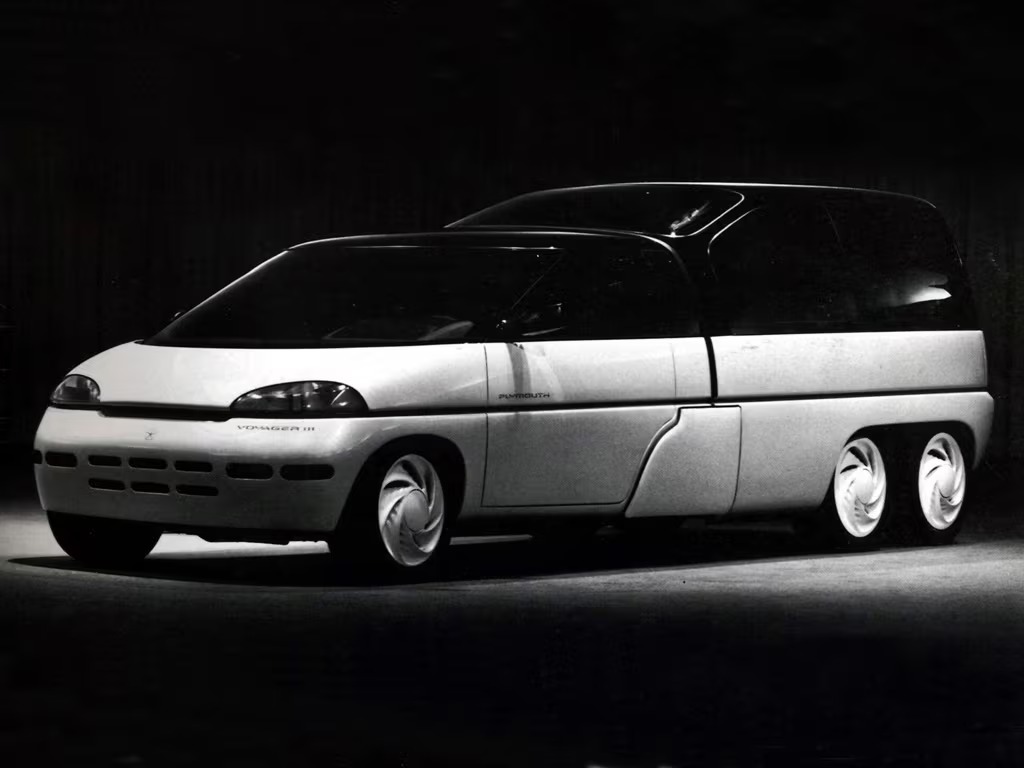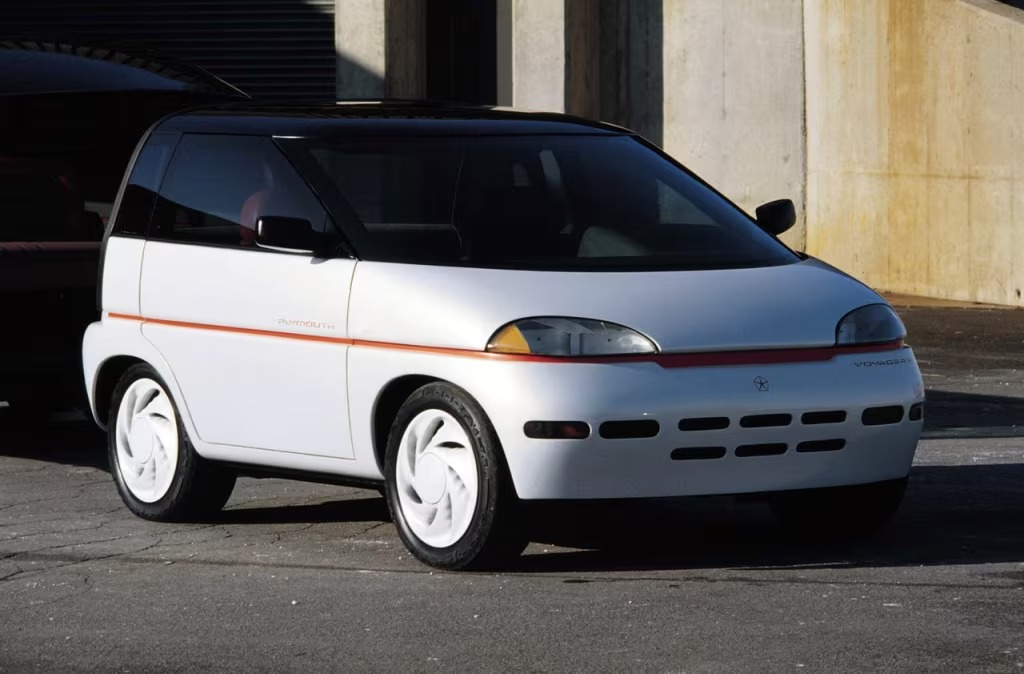
Plymouth Voyager III

In the 1980s, carmakers were grappling with new pressures that often ran counter to what buyers actually wanted, and those tensions produced some of the era’s most memorable—though not always flattering—automotive designs. The Plymouth Voyager III concept fits squarely into that category.
Now largely forgotten and never close to production, the Voyager III was nonetheless far from pointless. It distilled the conflicting ideas shaping the industry at the time and showed how Chrysler, through the Plymouth brand, was attempting to prepare for an uncertain future.
Concerns about climate change were beginning to surface, yet demand for vans was booming. The Voyager III tried to reconcile those opposing forces, pairing environmentally minded thinking with the practicality people still craved, albeit wrapped in styling that has not aged gracefully.
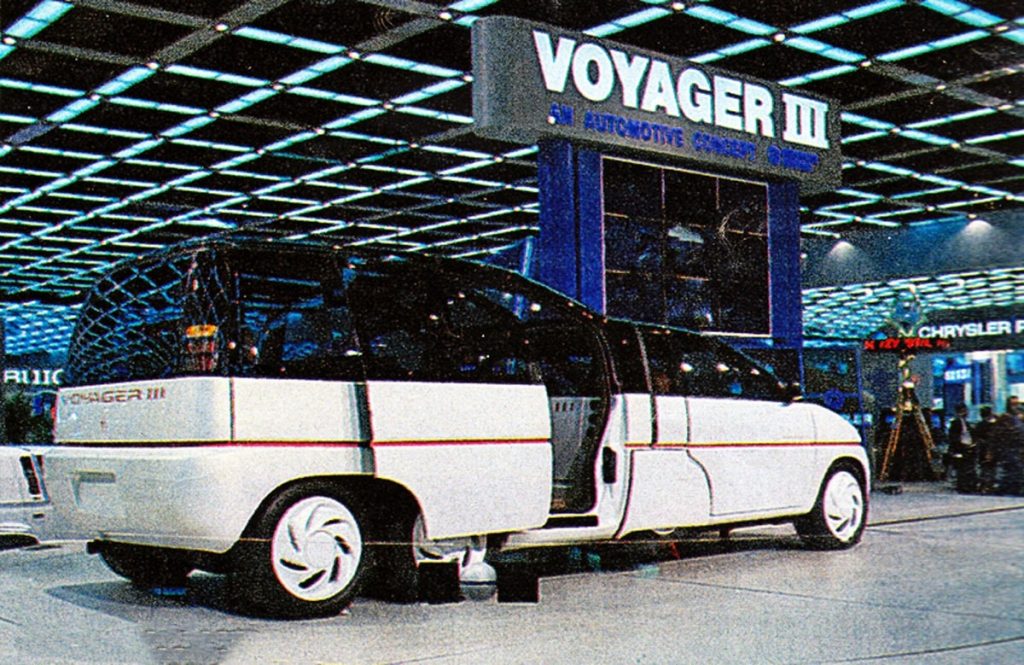
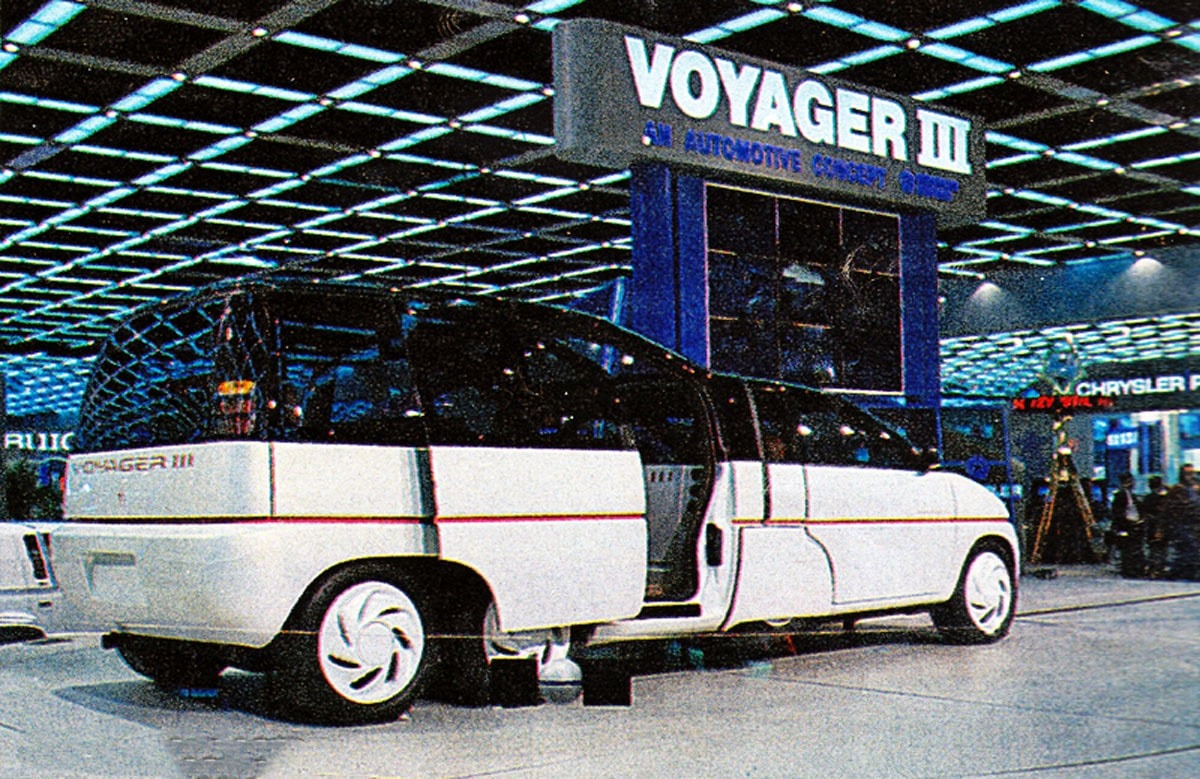
Built in 1989 and first shown publicly at the 1990 Detroit Auto Show, the Voyager III was described as a “socially responsible vehicle-within-a-vehicle,” intended to challenge conventional automotive design and address issues such as global warming, air quality, congestion, and alternative fuels—topics that remain just as relevant today.
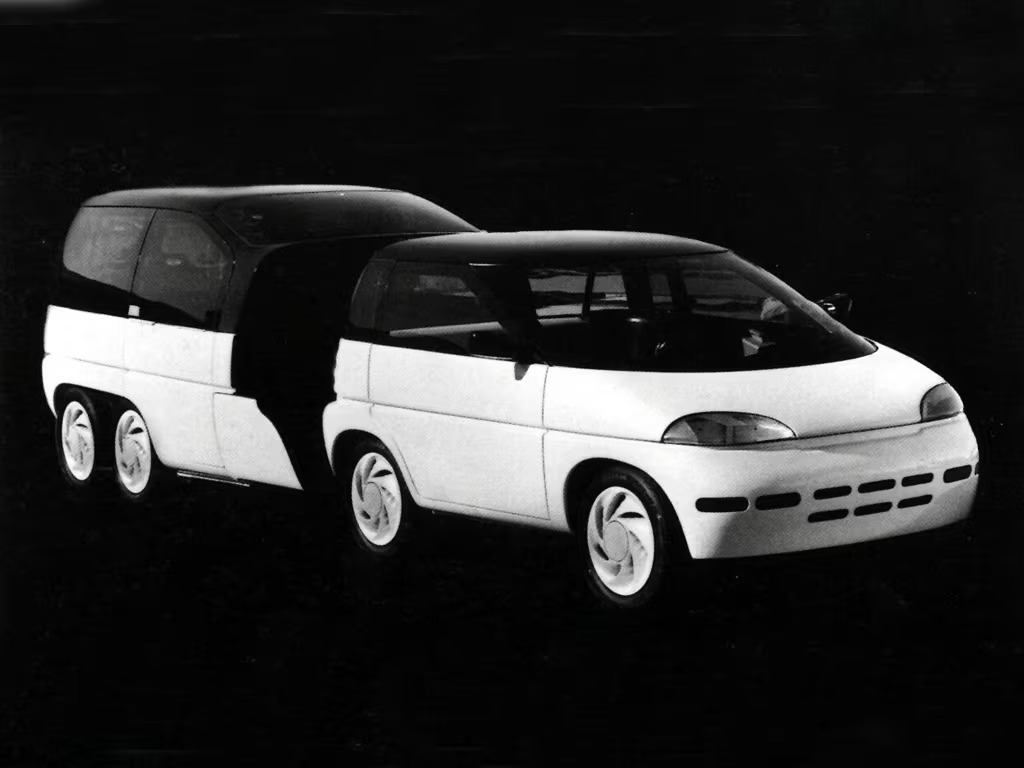
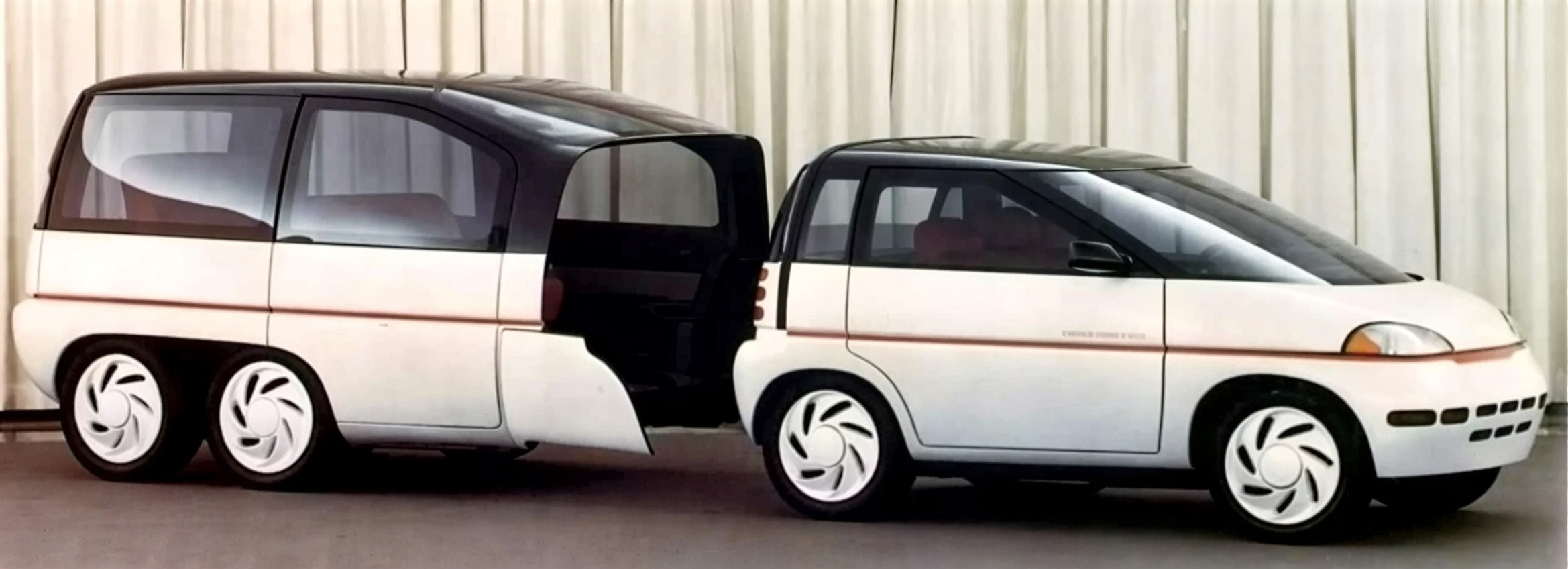
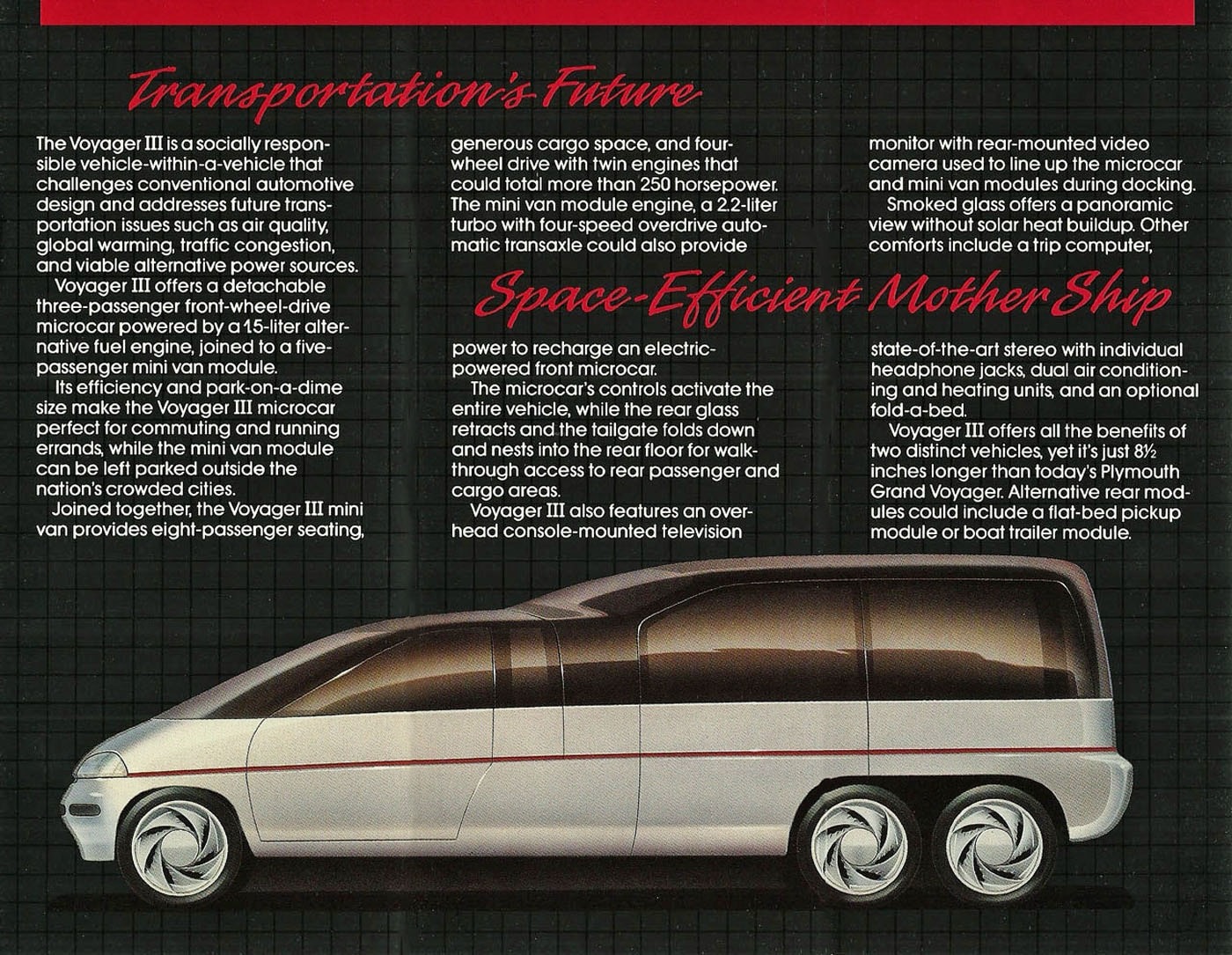
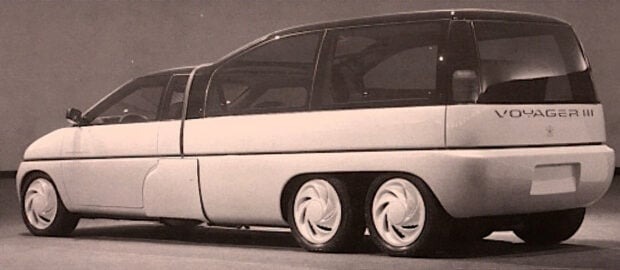
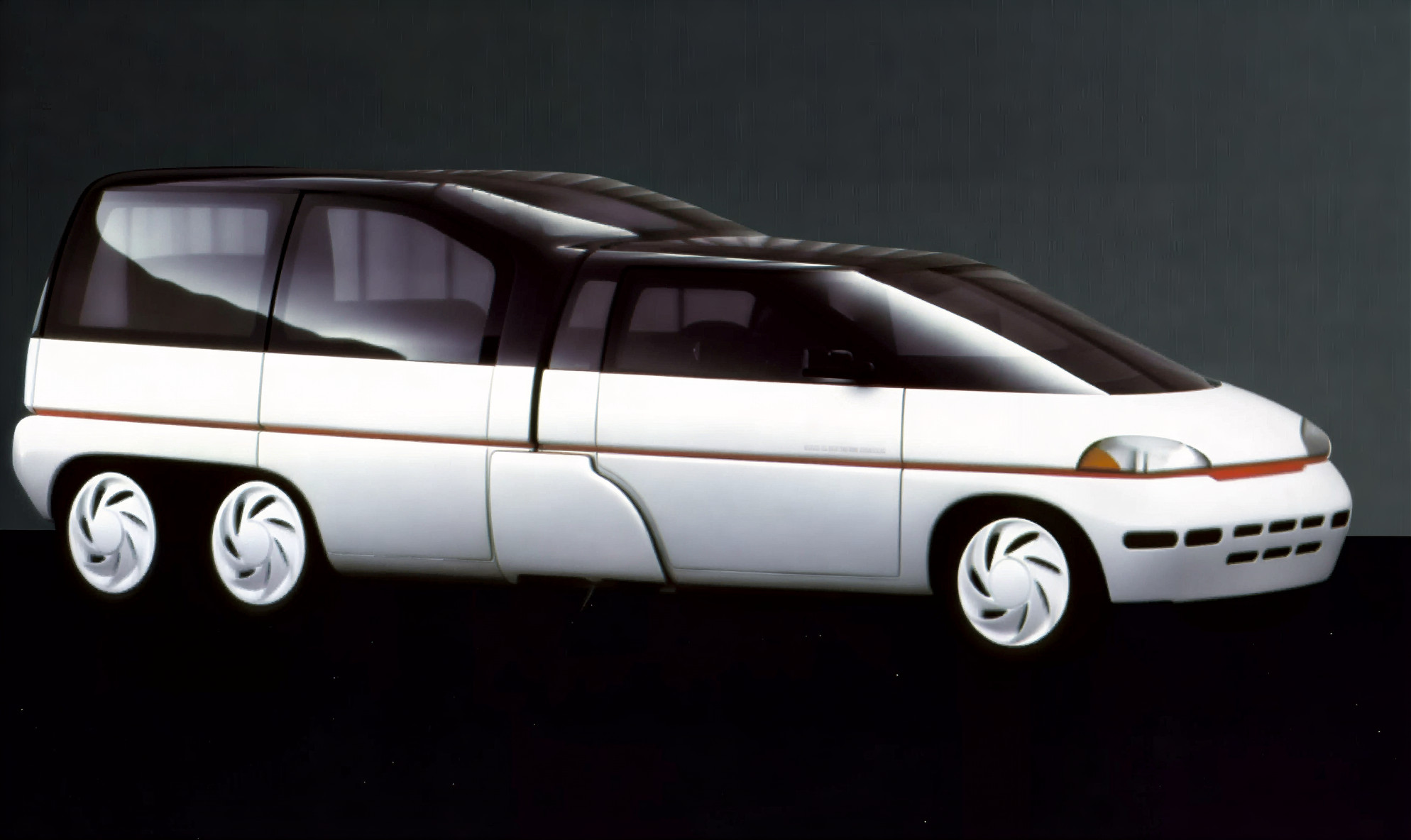
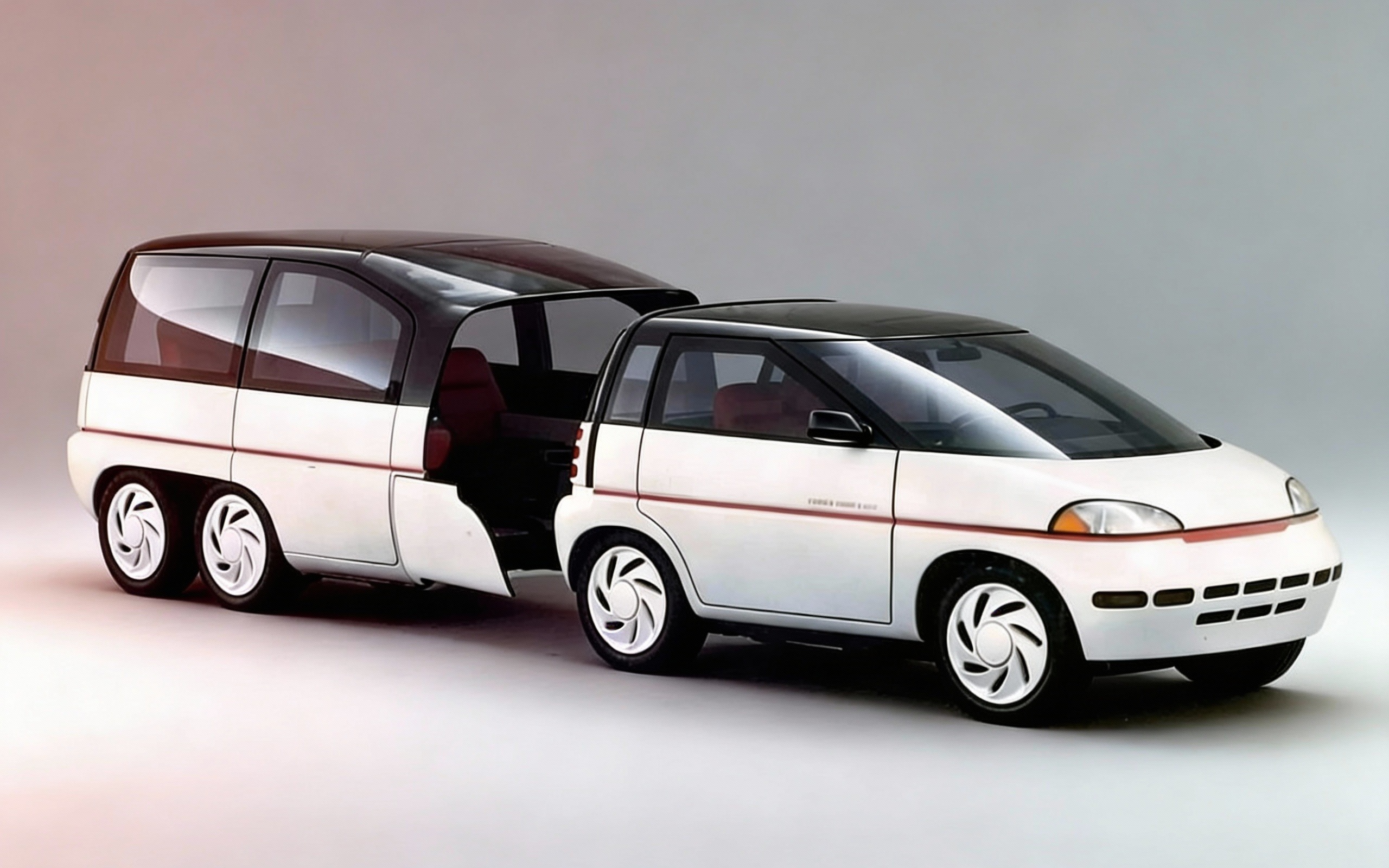
At its core, the concept was essentially two vehicles in one. Slightly longer than a contemporary Plymouth Grand Voyager, it offered added versatility through a modular, tractor-trailer-like layout.
The front section was a compact microcar whose dropped axle could retract into the body when docked with the rear module, which functioned as a van. The idea was simple in theory: buyers would get a small city car for commuting and errands, and a full van for family trips, all in a single purchase.
As Chrysler president Bob Lutz explained at the time, it made little sense for people to drive full-size vans into congested downtown areas, wasting fuel and space, when they could instead leave most of the vehicle at home.
Used on its own, the microcar would seat three people and was envisioned with a 1.5-liter engine running on alternative fuel such as propane.
The rear module had its own powertrain, a 2.2-liter turbocharged engine paired with a four-speed automatic transaxle. Drivers could choose to run one module or both together depending on load and driving conditions.
When combined, the system promised all-wheel drive and a total output of around 250 horsepower, and the rear module could even be used to power an electric version of the microcar.
Plymouth also imagined the Voyager III as a future-proof, modular platform. The front unit could eventually become fully electric, while the rear could be swapped for alternatives such as a flatbed pickup, a boat trailer, or different interior layouts, including sleeping accommodations.
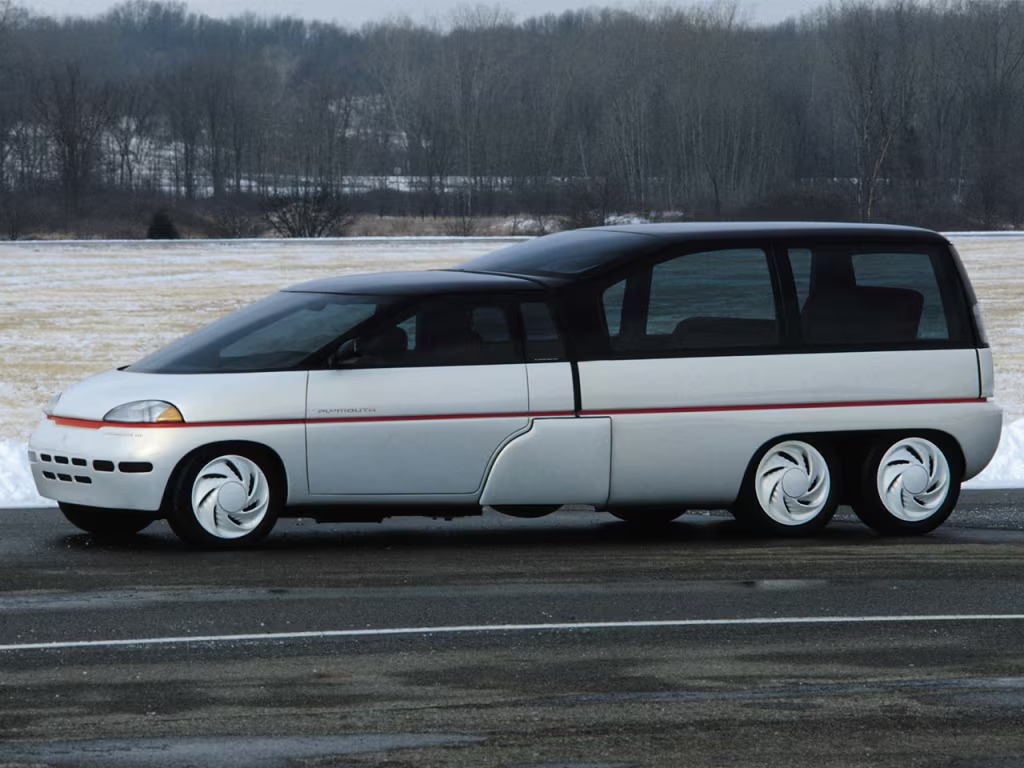
The show car featured two rows of seats for five passengers, with the option of a fold-out bed, and Plymouth claimed the vehicle could carry up to eight people in comfort, with some remaining cargo space.
Advanced features for the time included a rear-view camera and an overhead monitor to assist with docking the microcar into the van module, a trip computer, dual-zone climate control, and a high-end audio system with individual headphone jacks.
Despite being a showpiece, very few interior images were ever released. Measuring 5055 mm in length and featuring smoked glass at the rear, the Voyager III offered panoramic views without excessive heat buildup.
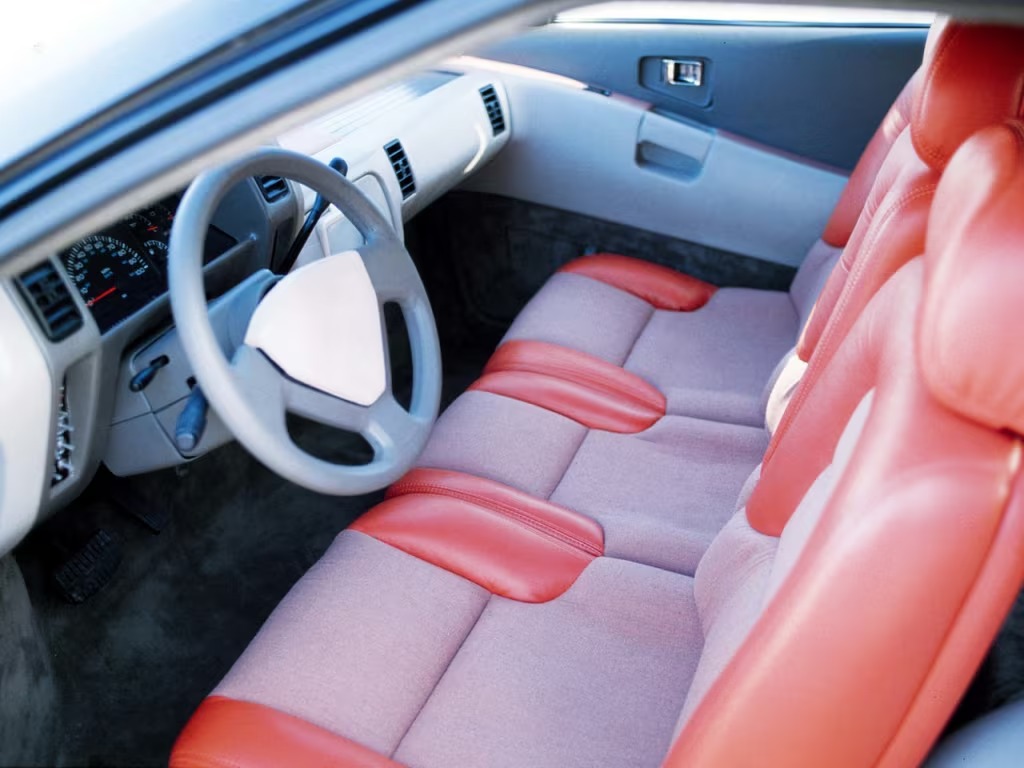
One practical issue the designers overlooked was what happened to the van module when left behind. When the two sections were joined, the microcar’s rear glass and tailgate folded down to create a seamless interior passage. But once separated, the van module was left open to the elements, meaning the vehicle could realistically only be split inside a secure garage.
In the end, though, this flaw wasn’t what killed the project. The real problem was cost. Producing such a complex, unconventional vehicle would have been prohibitively expensive, and buyers would effectively be paying for two cars while only being able to use one at a time.
The Voyager III never made it past the concept stage, but it remains a fascinating snapshot of a future that automakers once imagined—and ultimately left behind.