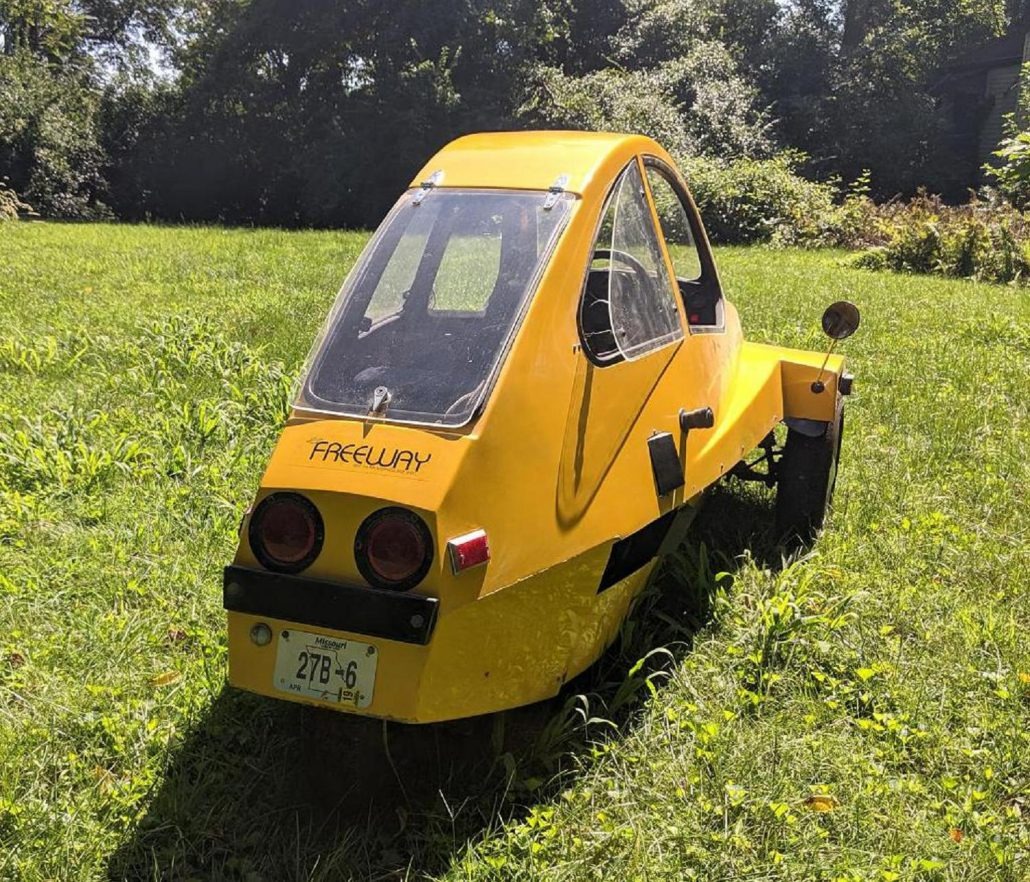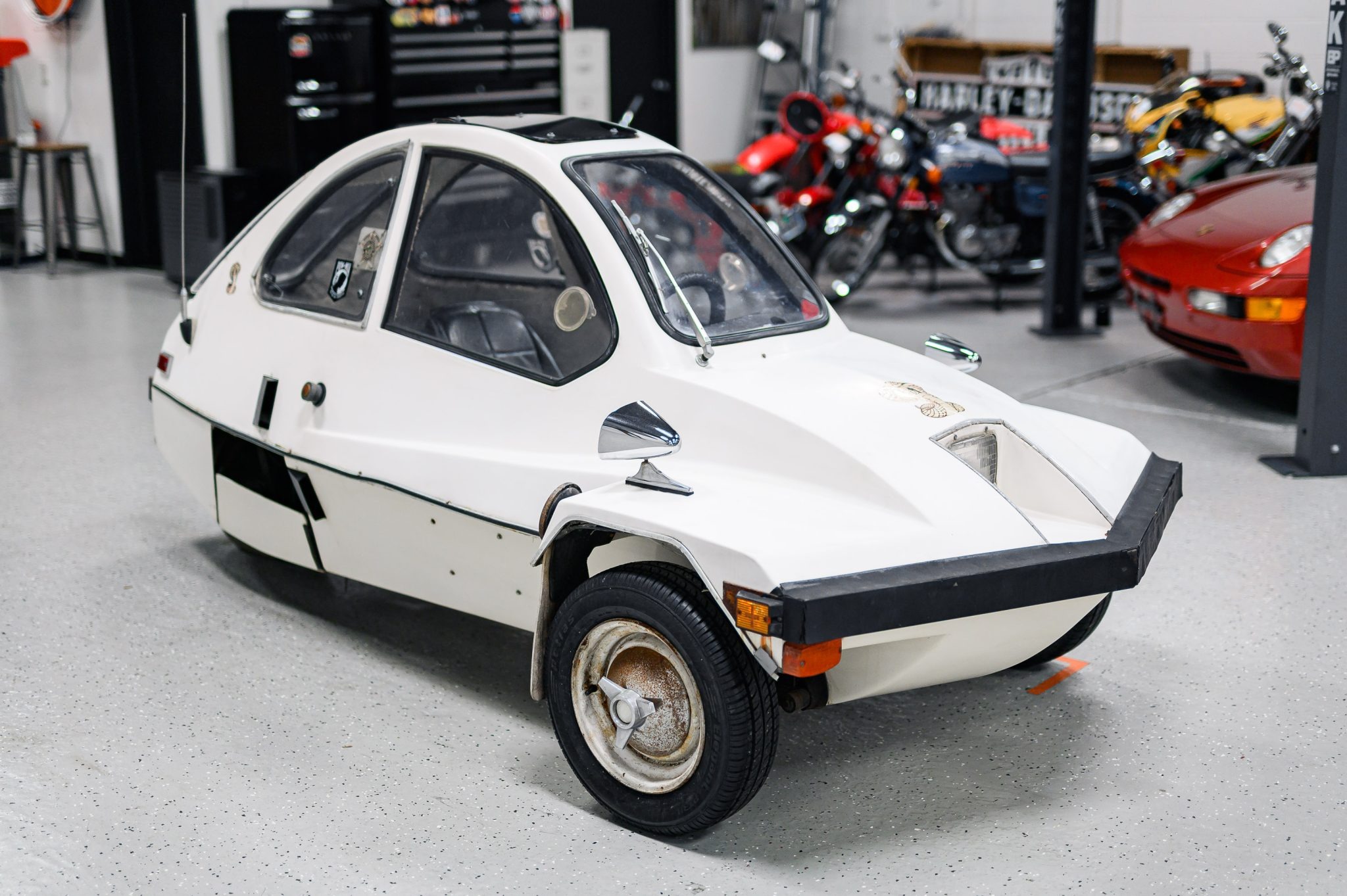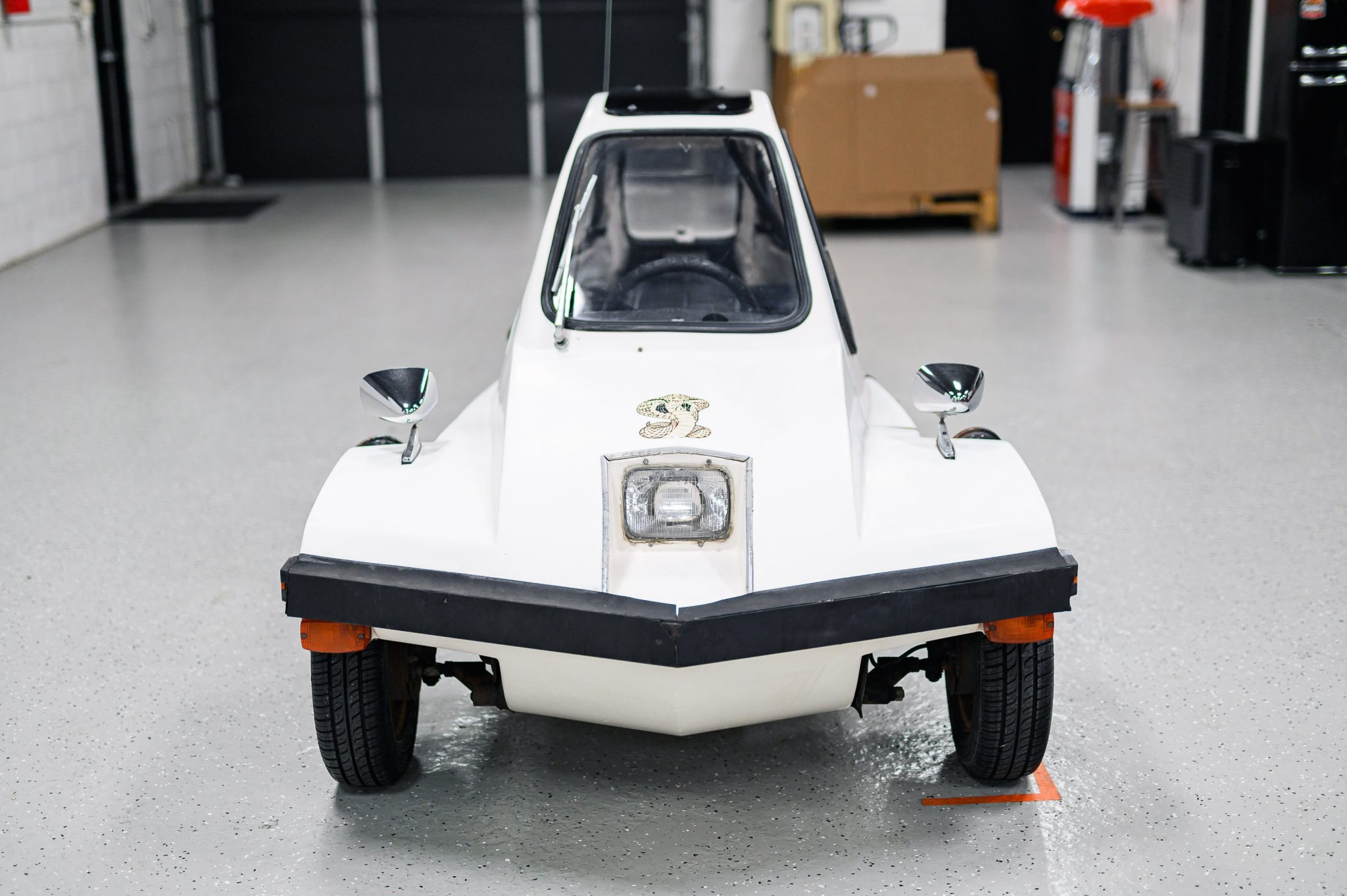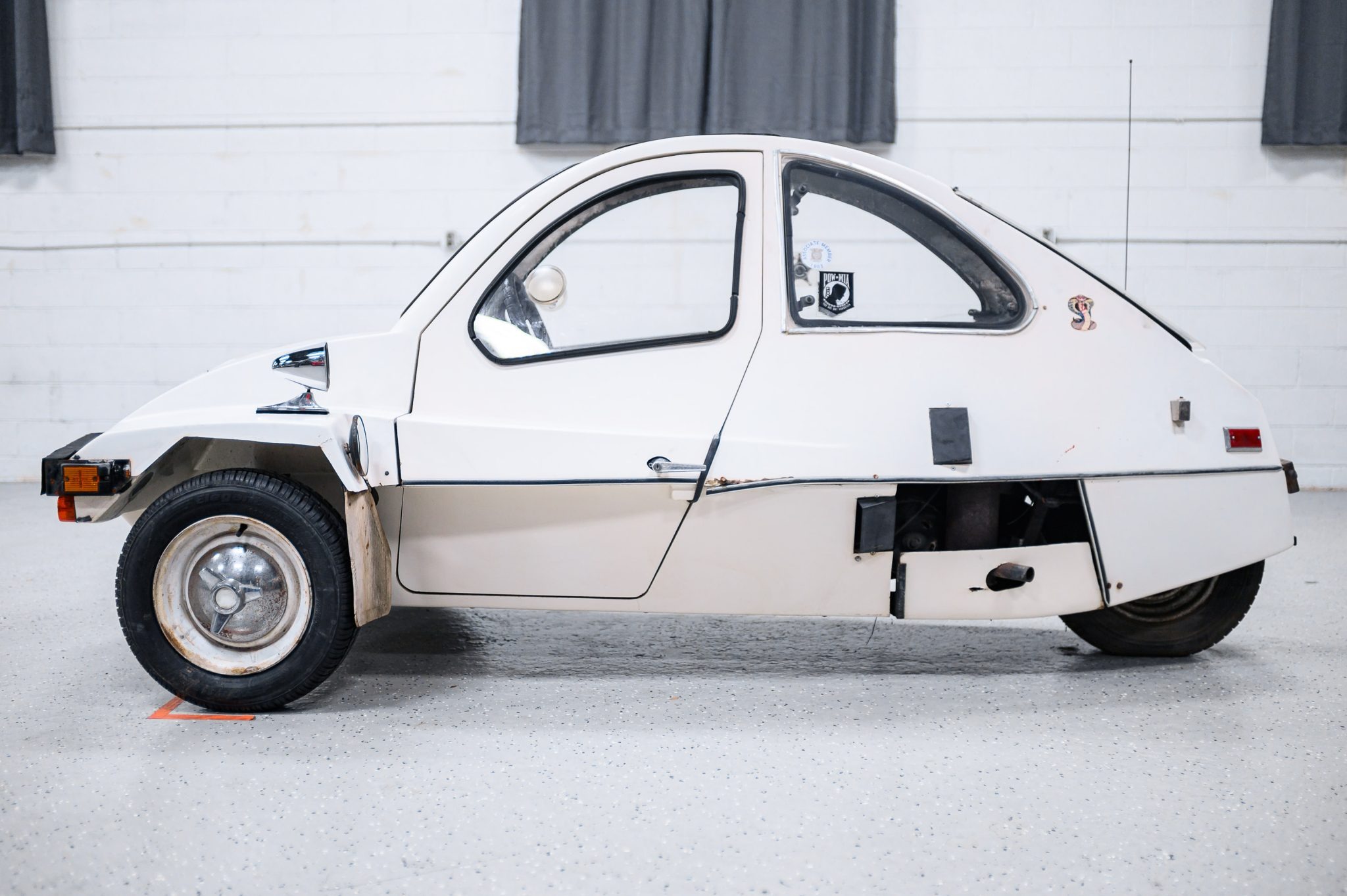
HMV FreeWay

The 1970s reshaped the auto industry. As fuel prices soared and the economy stumbled, massive V8-powered land yachts quickly fell out of favor. In their place came smaller, thriftier machines — and with them, some truly unconventional ideas about stretching a gallon of gas.
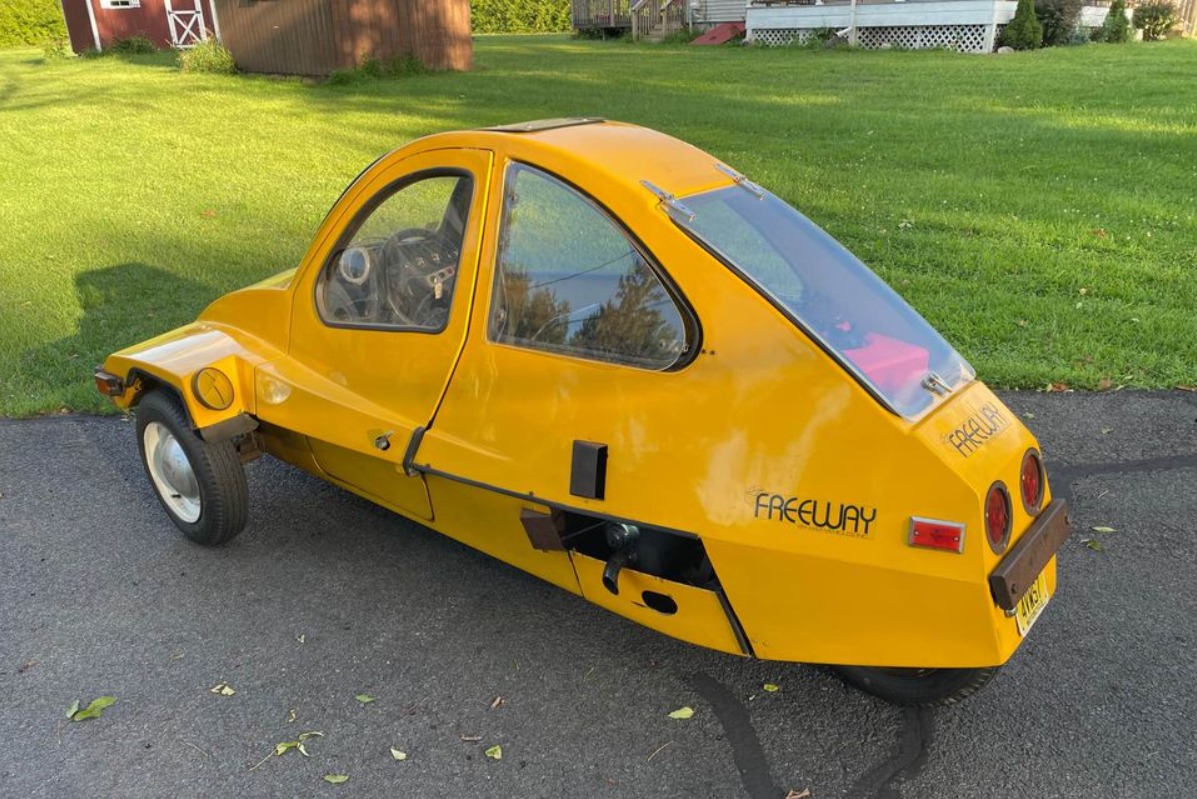
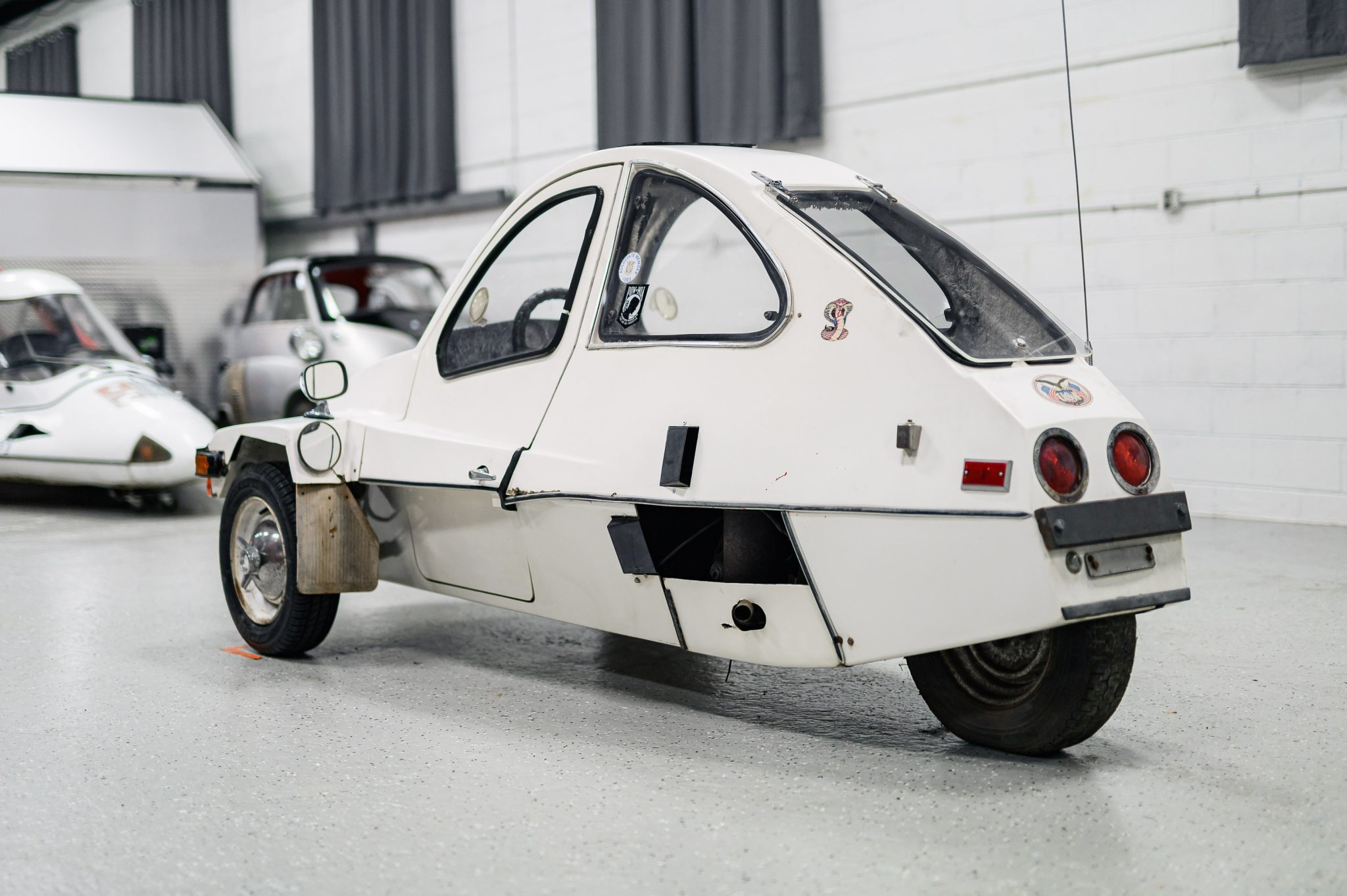
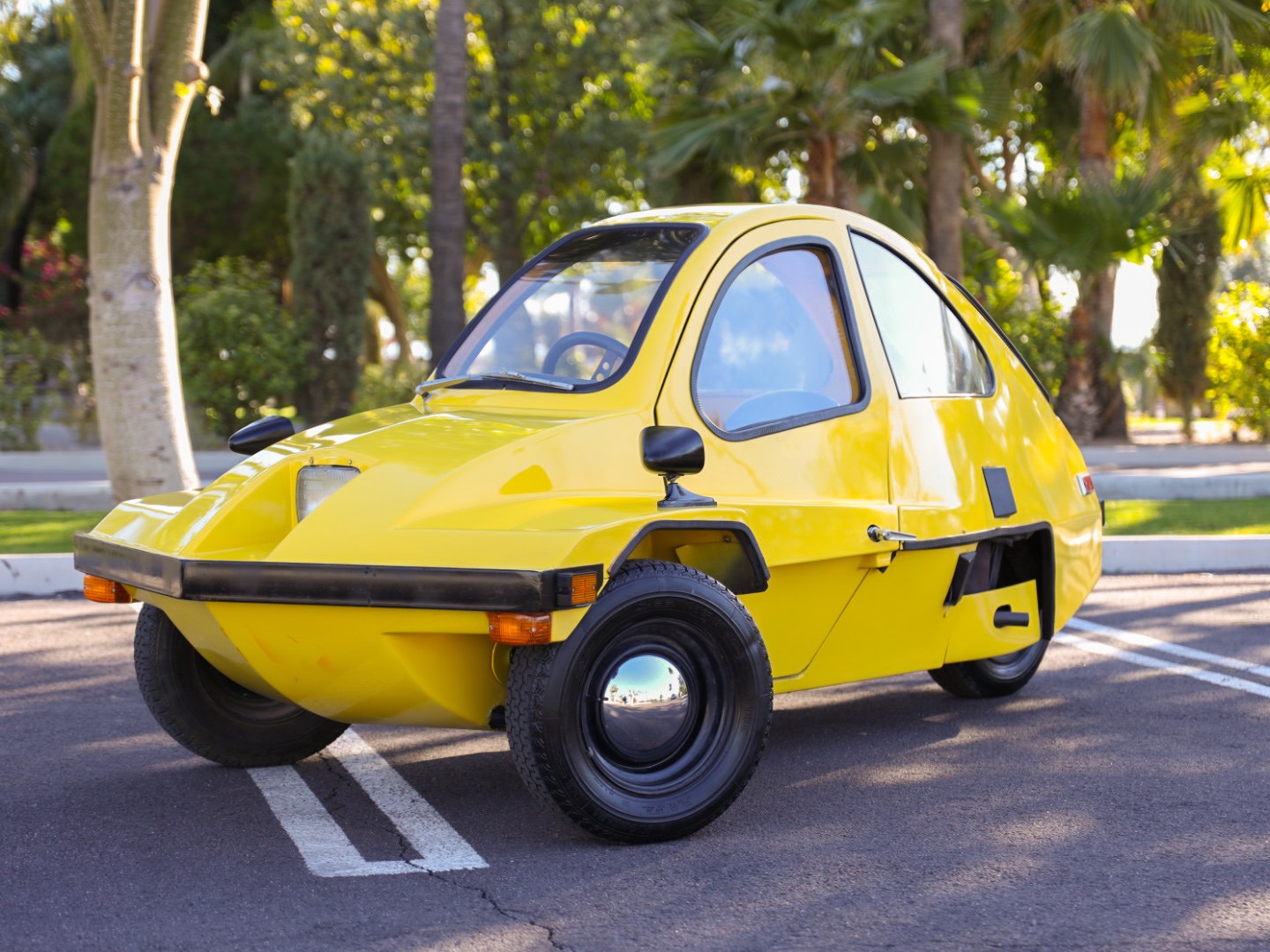
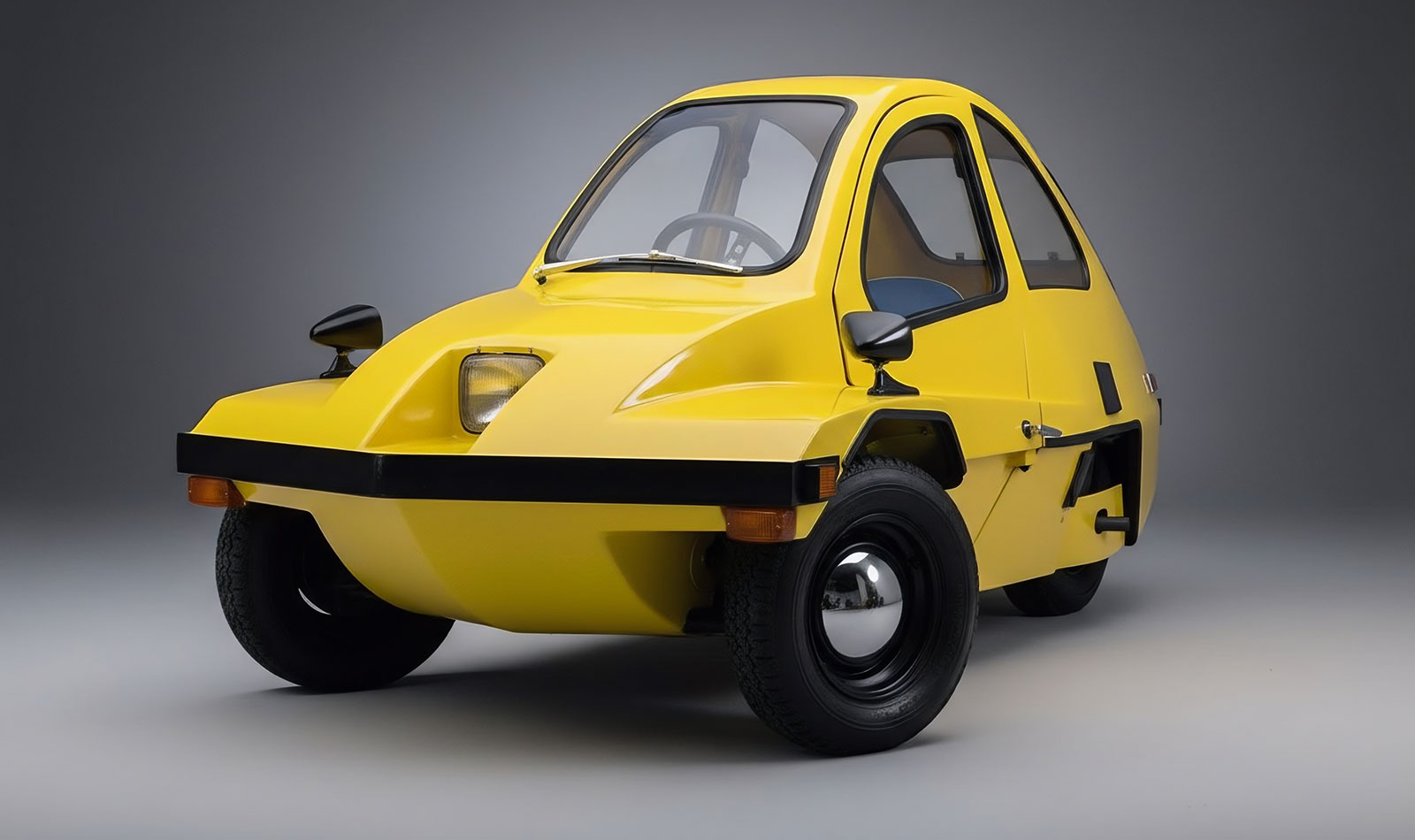
One of the most unusual was the High Mileage Vehicles FreeWay, a three-wheeled microcar that claimed an astonishing 100 mpg (2.35 liters/100 km) using what was essentially a lawnmower engine.
Like many oddball creations of the oil crisis era, the FreeWay was born from necessity. Americans suddenly realized their daily drivers were painfully inefficient, prompting inventors and startups to experiment with radical downsizing.
In 1979, Minnesota engineer Dave Edmonson believed he had cracked the code. His HMV FreeWay didn’t just advertise 100 mpg — it guaranteed it, provided drivers maintained a steady 40 mph and kept the vehicle in proper condition.
Edmonson’s idea dated back to 1970, when he was studying mechanical engineering at the University of Minnesota. Convinced that commuting alone in a full-size family car was wasteful, he began researching how little power was actually required to move a lightweight vehicle at moderate speeds.

By 1974, he was building a prototype; by 1976, it was complete. Two years later, with funding secured, production began in Burnsville, Minnesota.
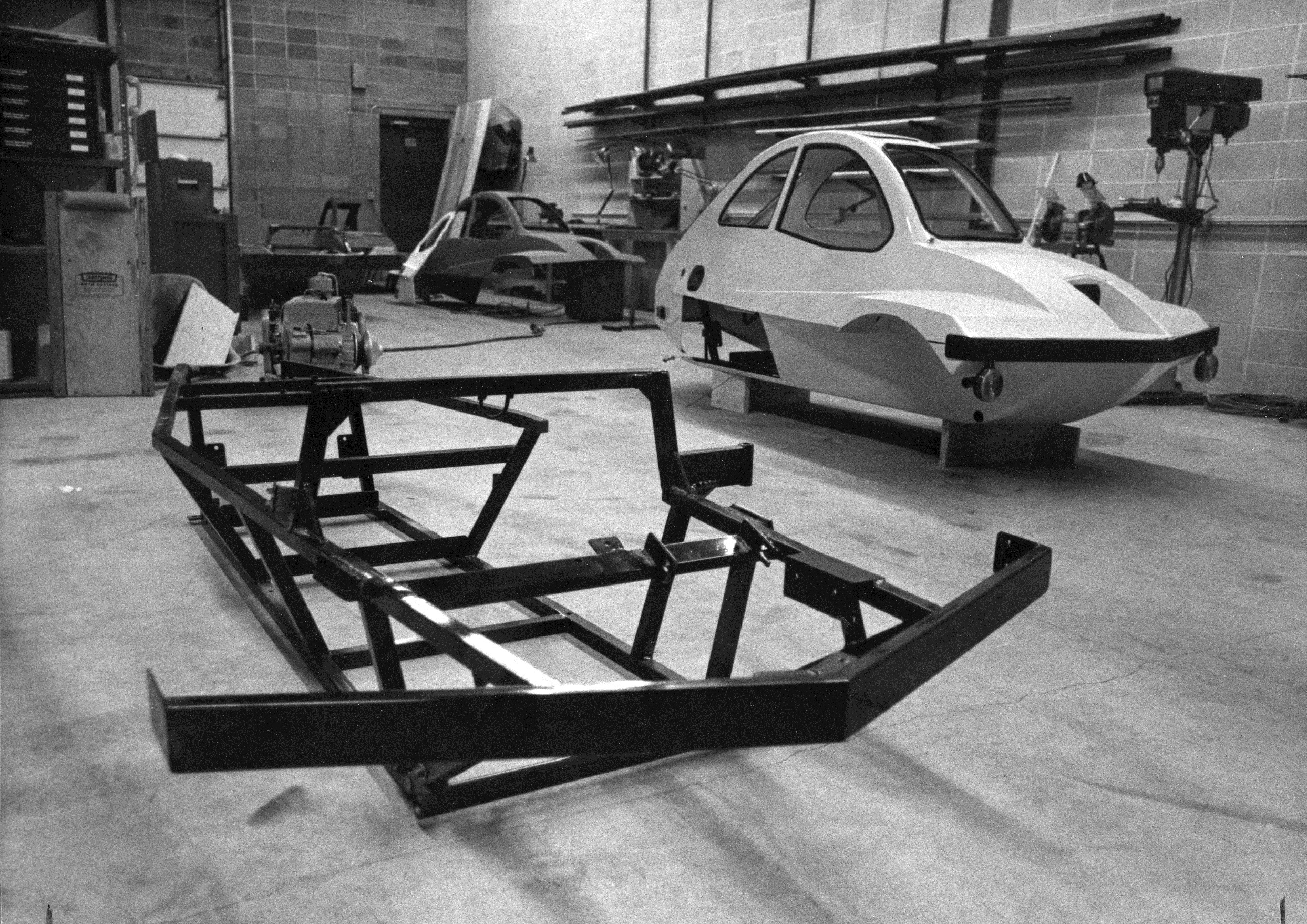
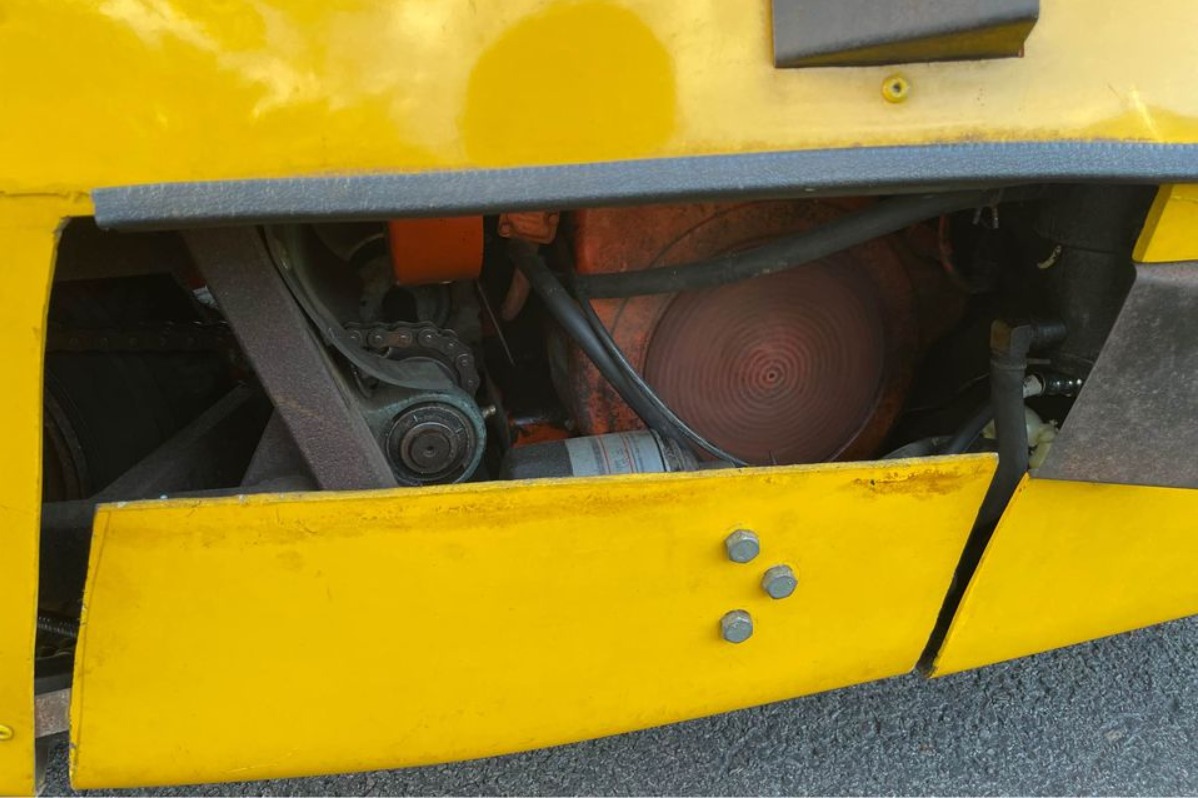
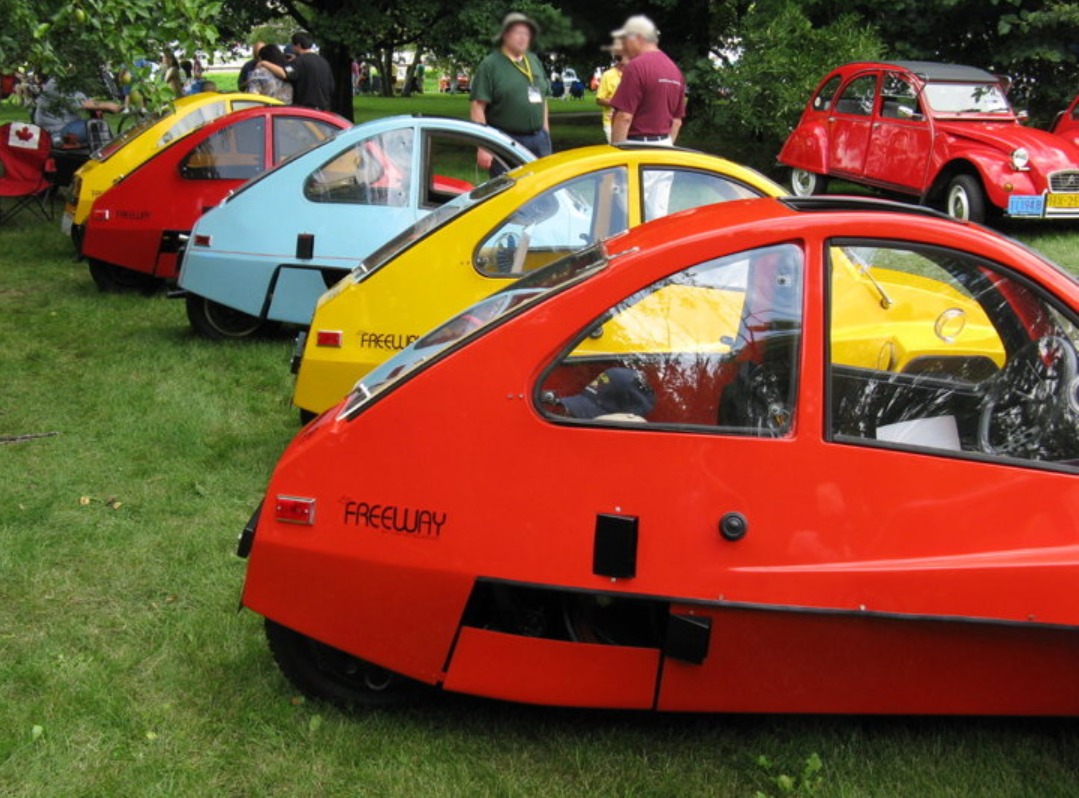
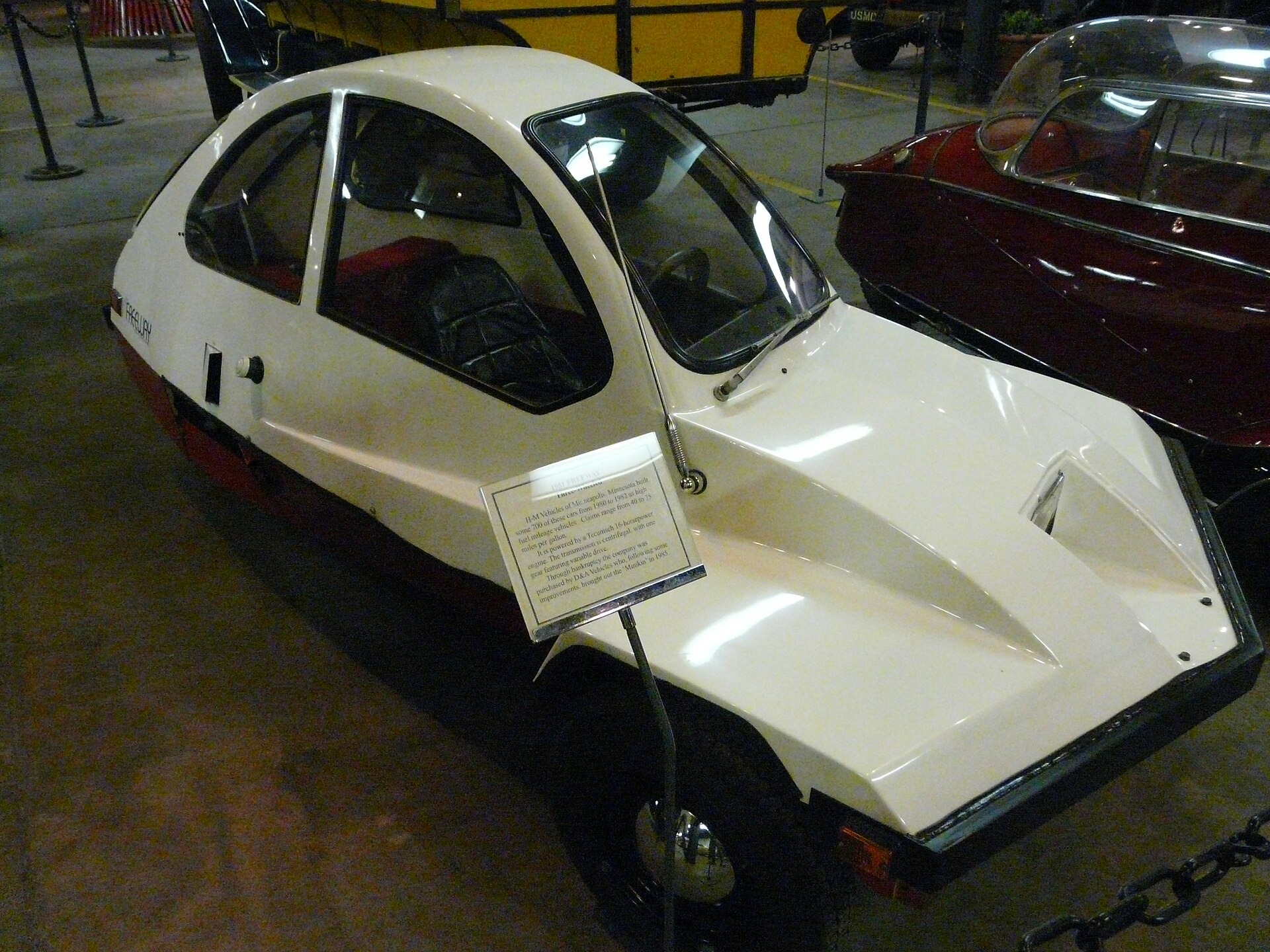
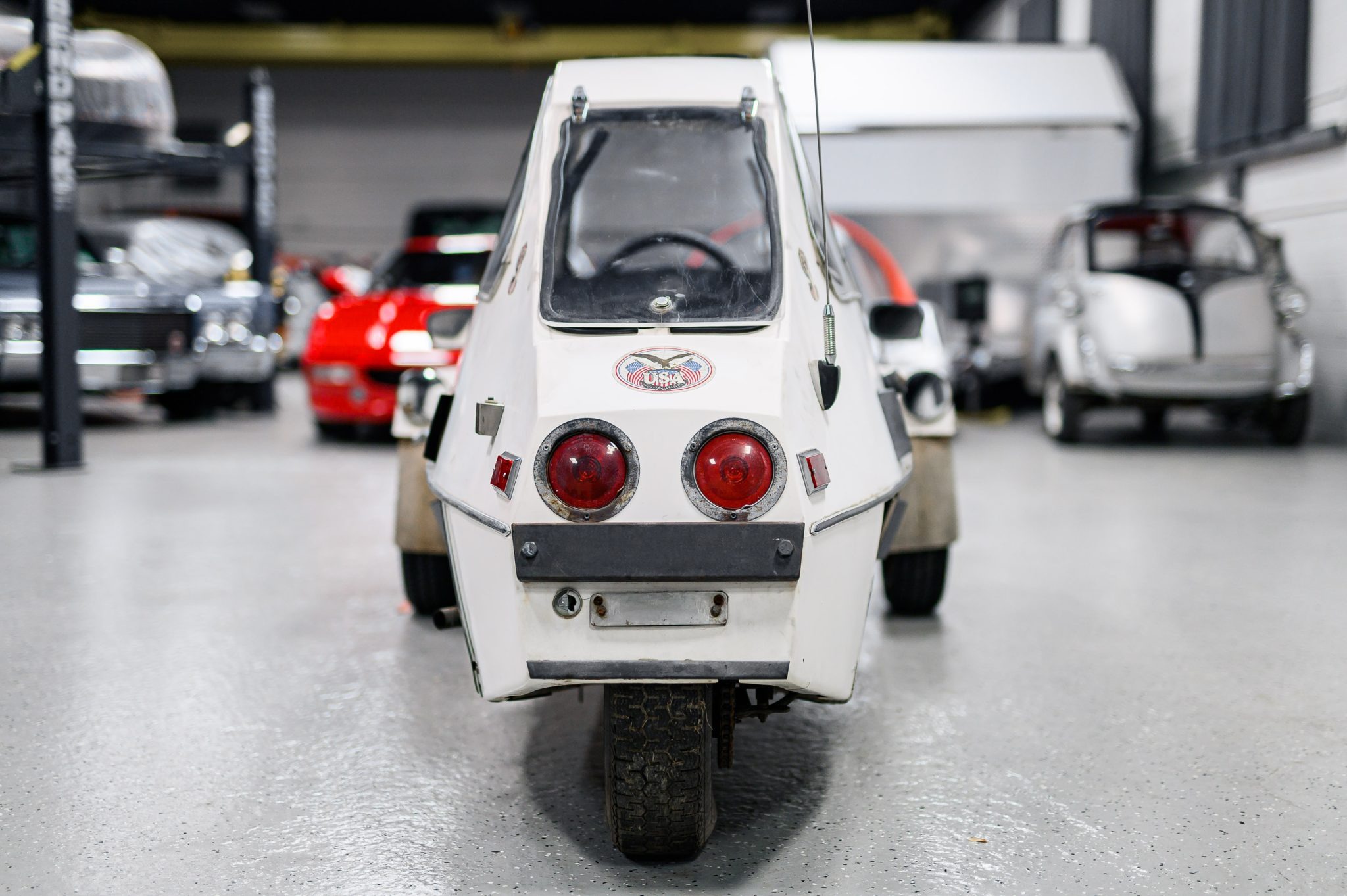
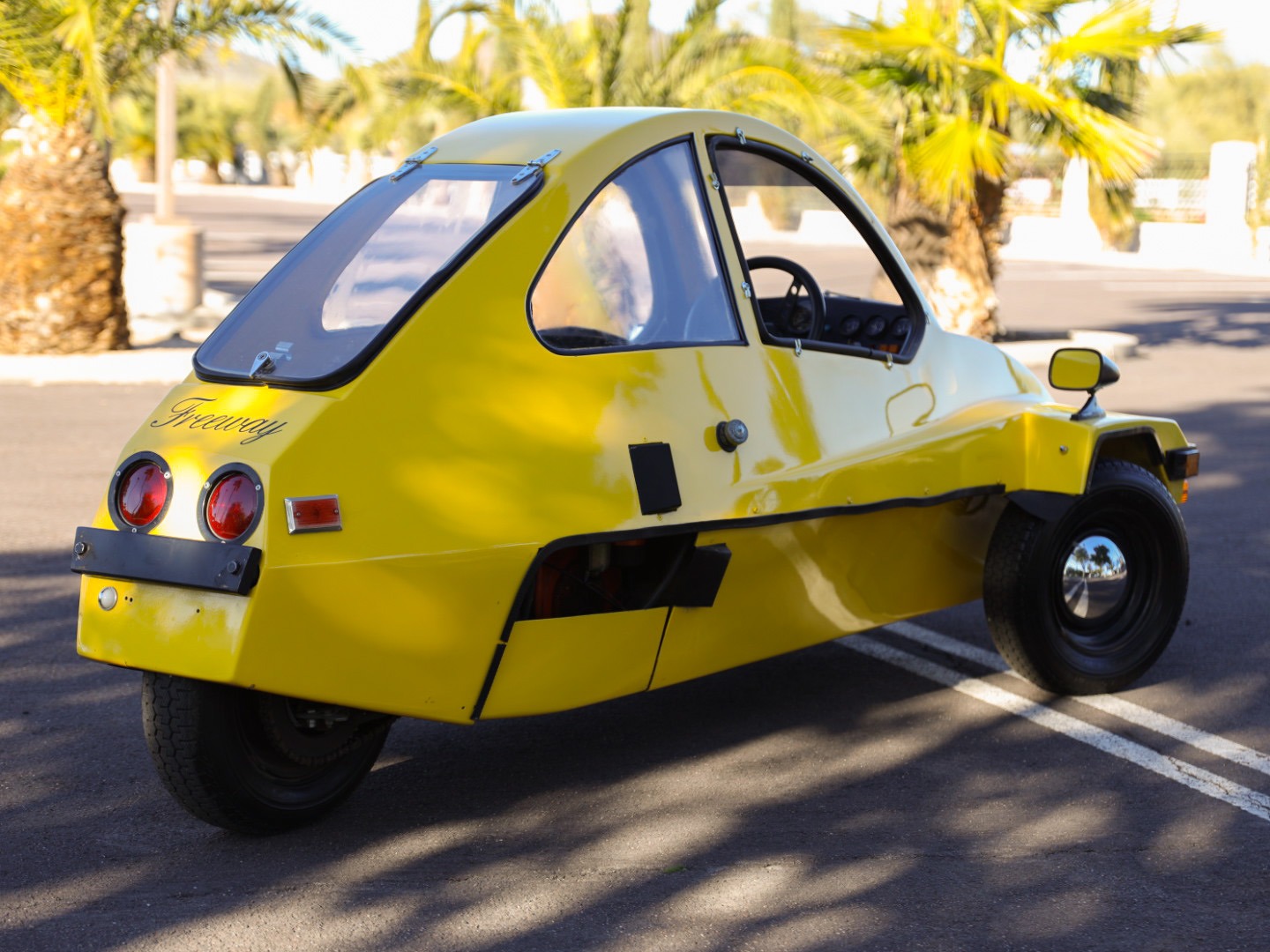
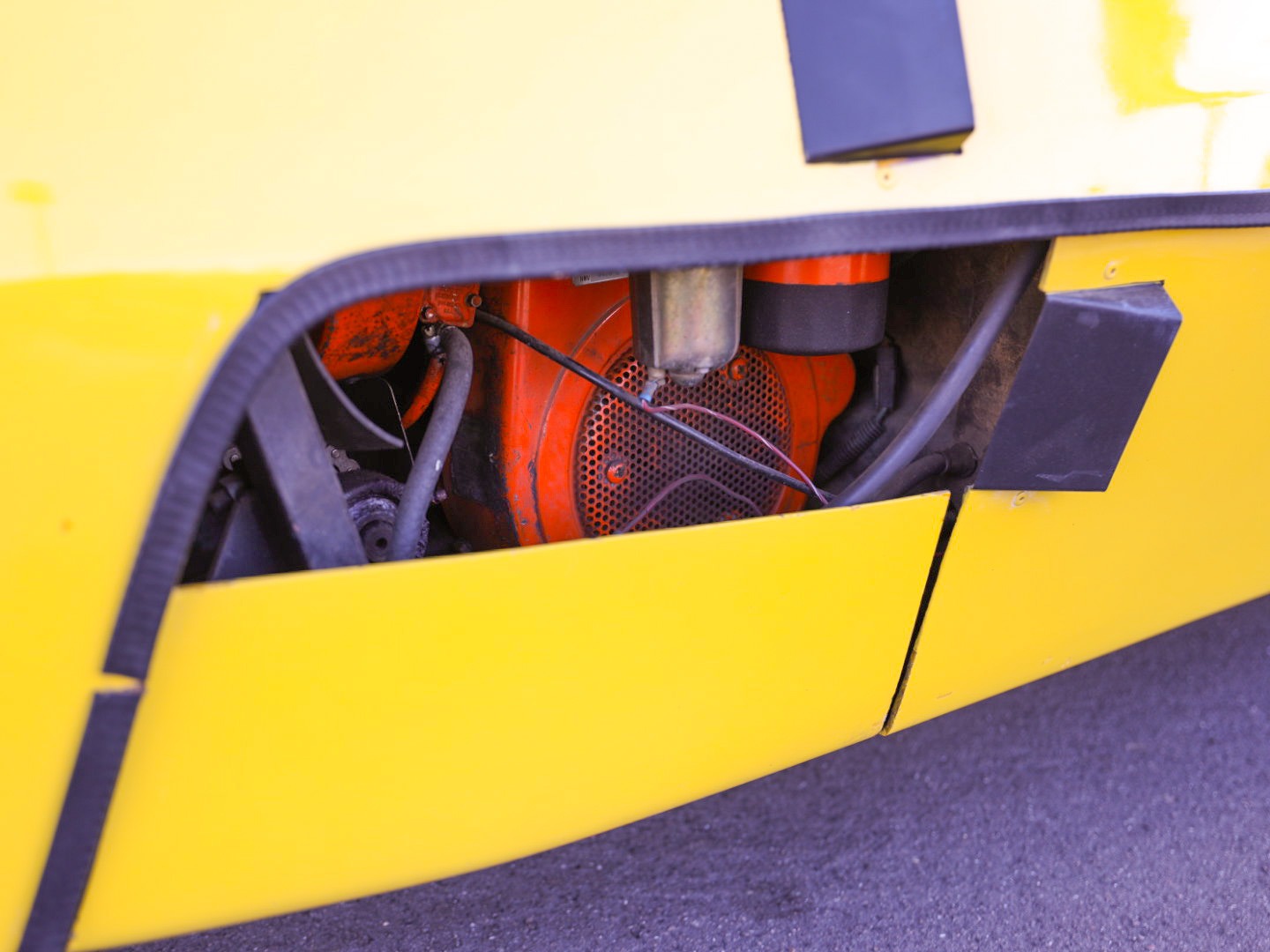
At its peak, High Mileage Vehicles employed just 22 people. The FreeWay itself was as simple as it gets. Its body consisted of two molded fiberglass shells mounted over a steel tube frame with a basic perimeter crash structure. Out back sat a Tecumseh single-cylinder engine — the kind more commonly found in riding lawnmowers. The standard 345cc version produced 12 horsepower and was the one capable of achieving the promised 100 mpg at 40 mph.
For those craving more speed, a 453cc engine delivered 16 horsepower and a top speed of about 65 mph, though fuel economy dropped to around 80 mpg (2.94 l/100 km). An electric version was also offered, pairing a modest 4-horsepower motor with batteries good for roughly 20 miles of range. Regardless of powertrain, drive went to the single rear wheel through a CVT and chain.
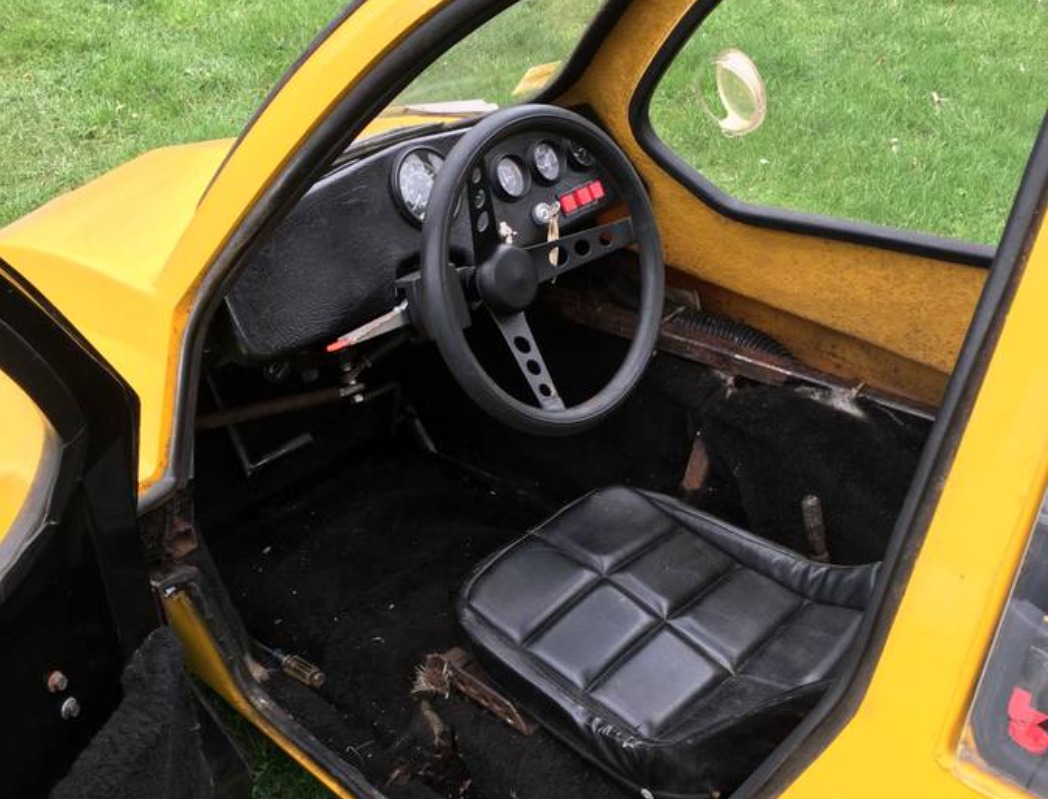
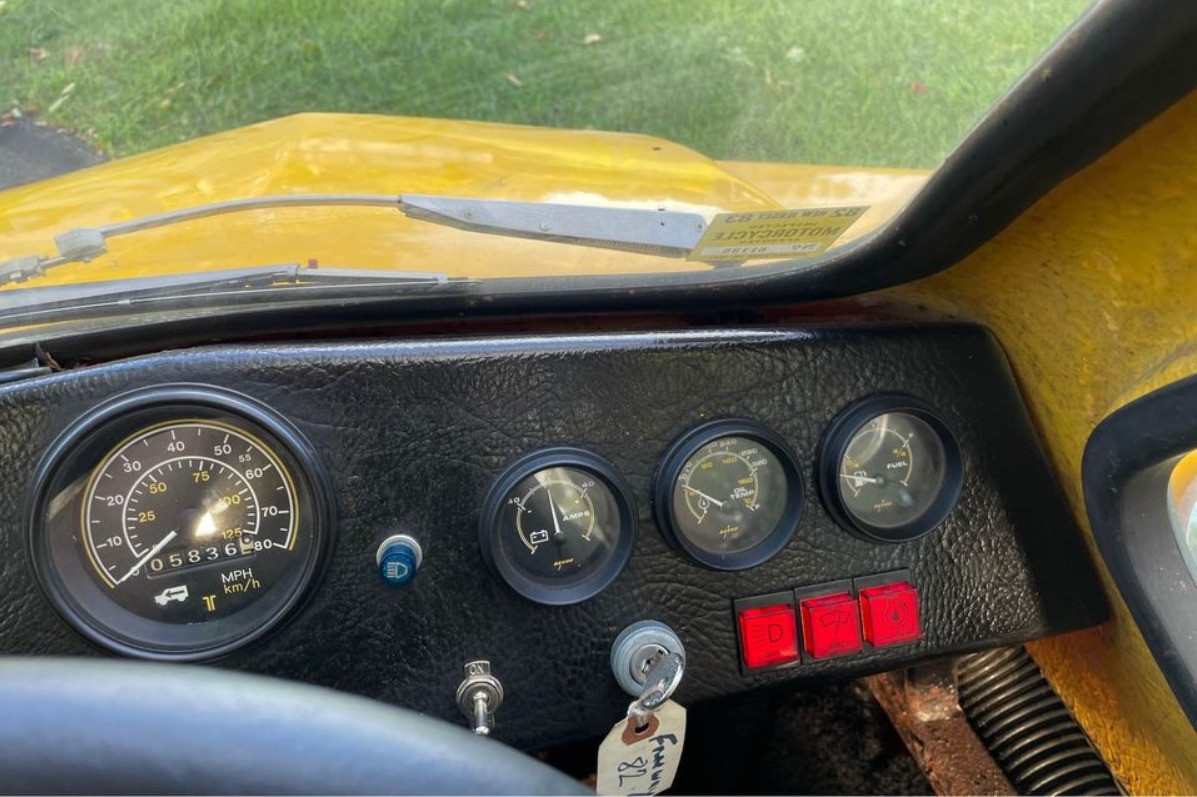
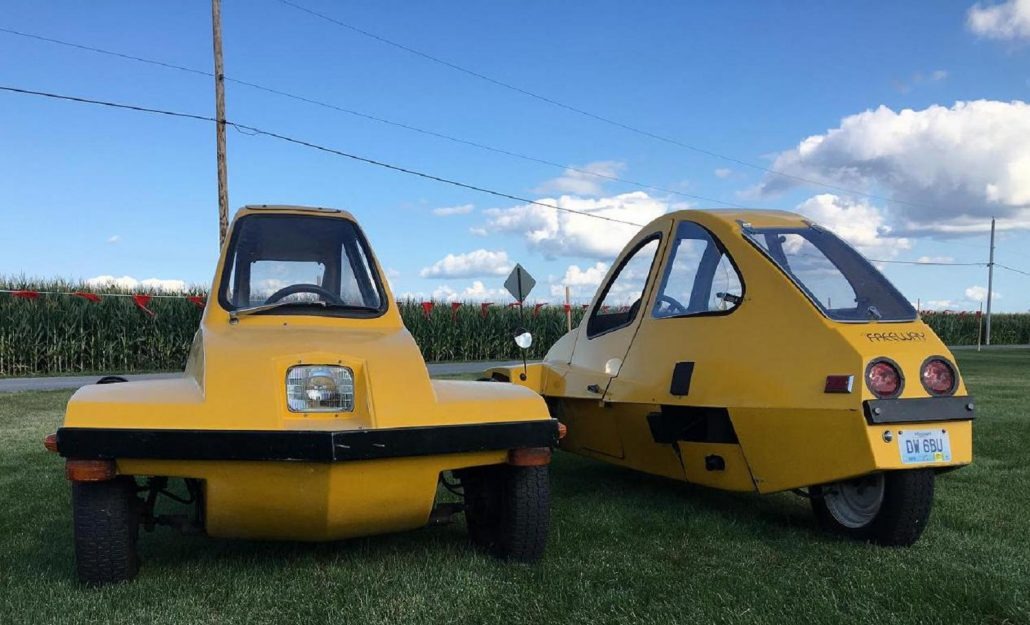
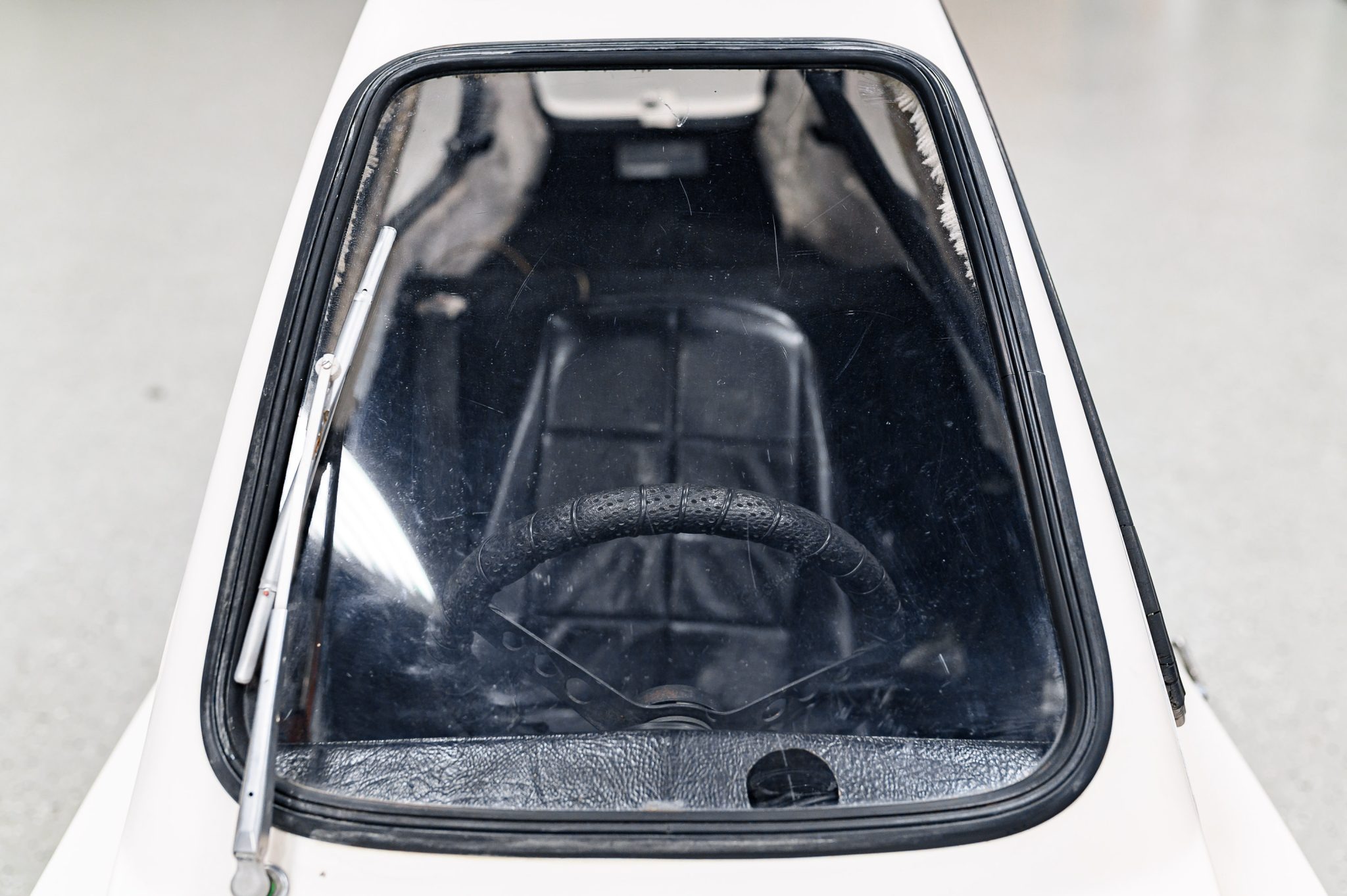
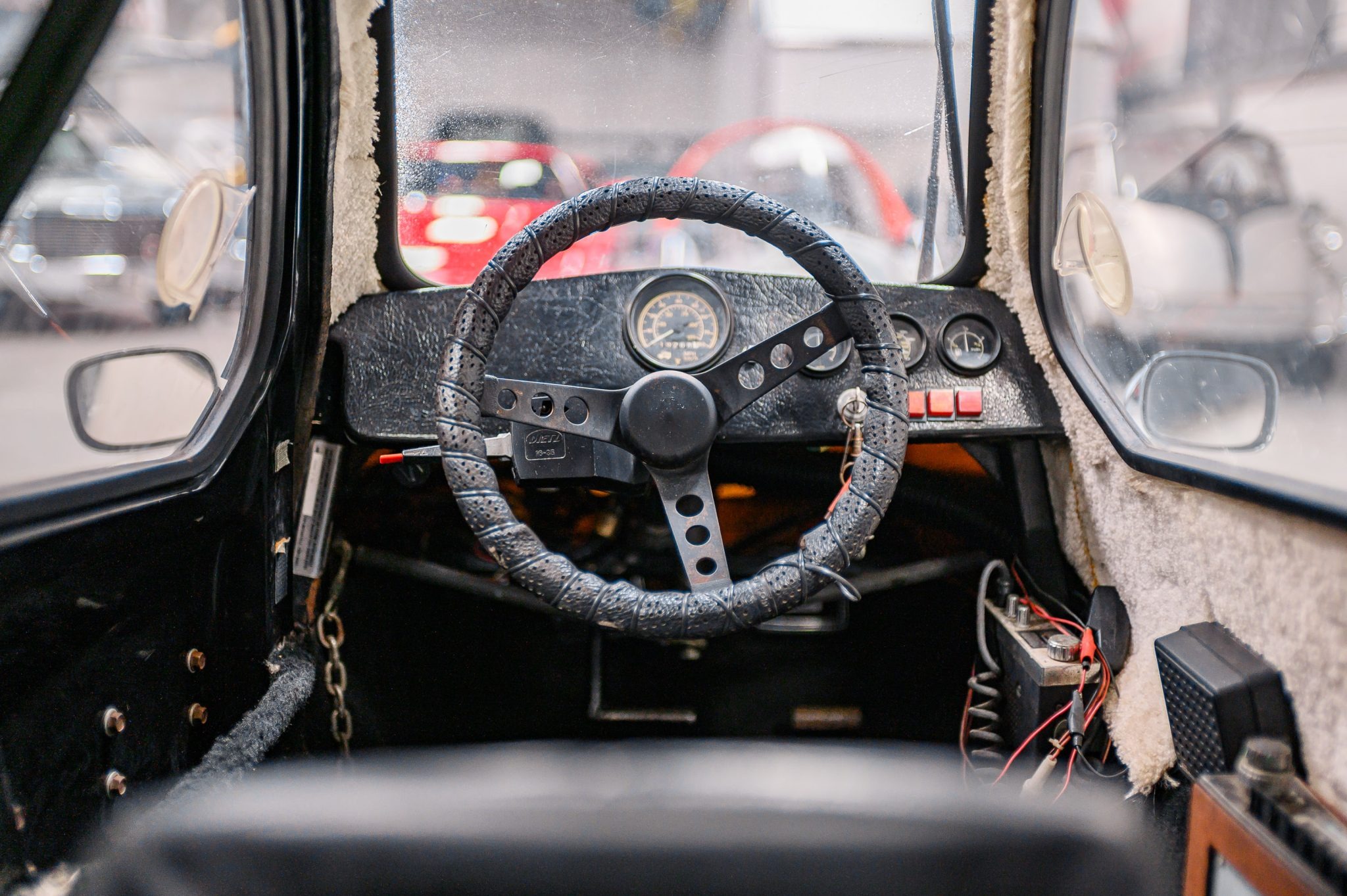
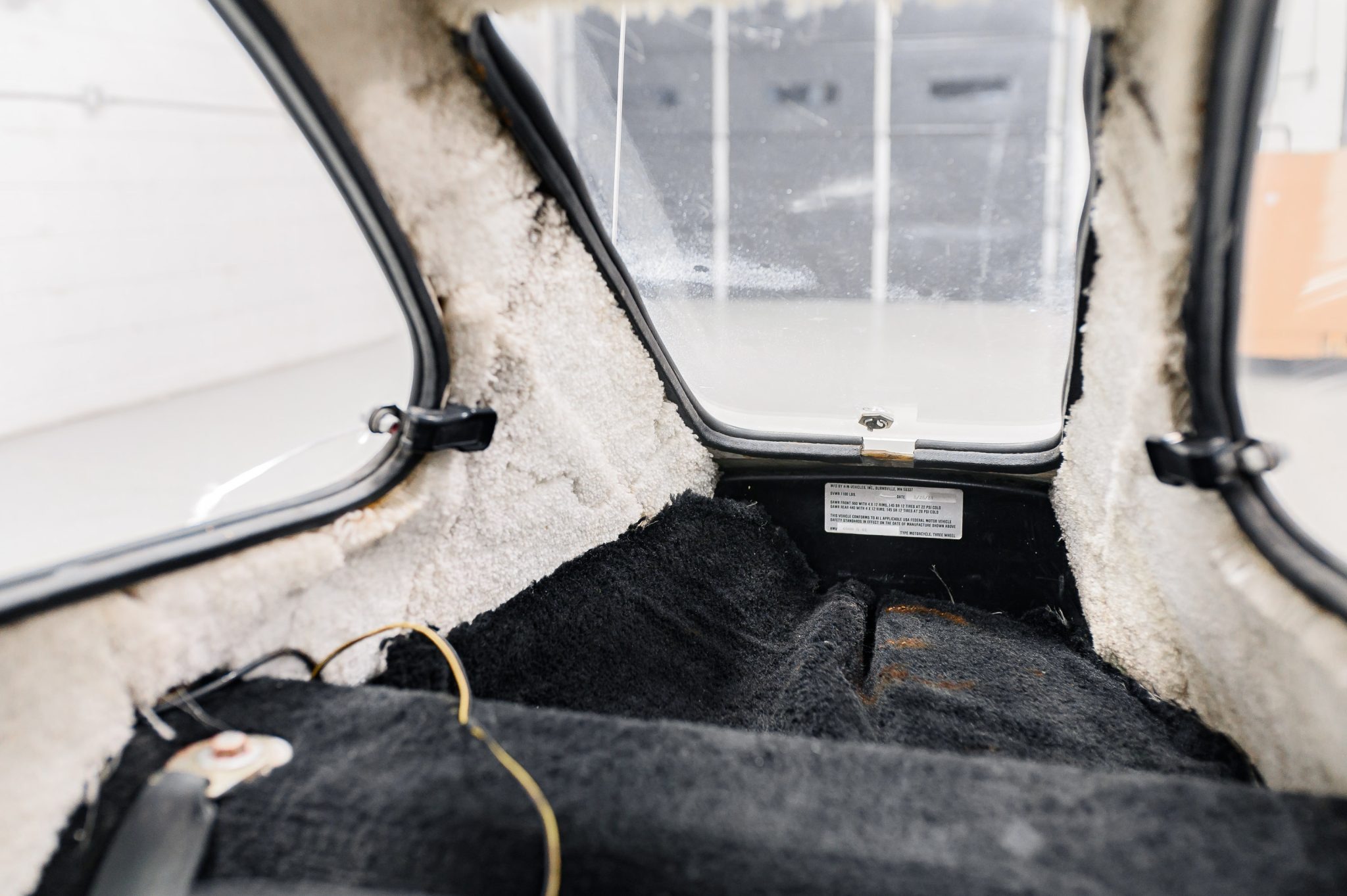
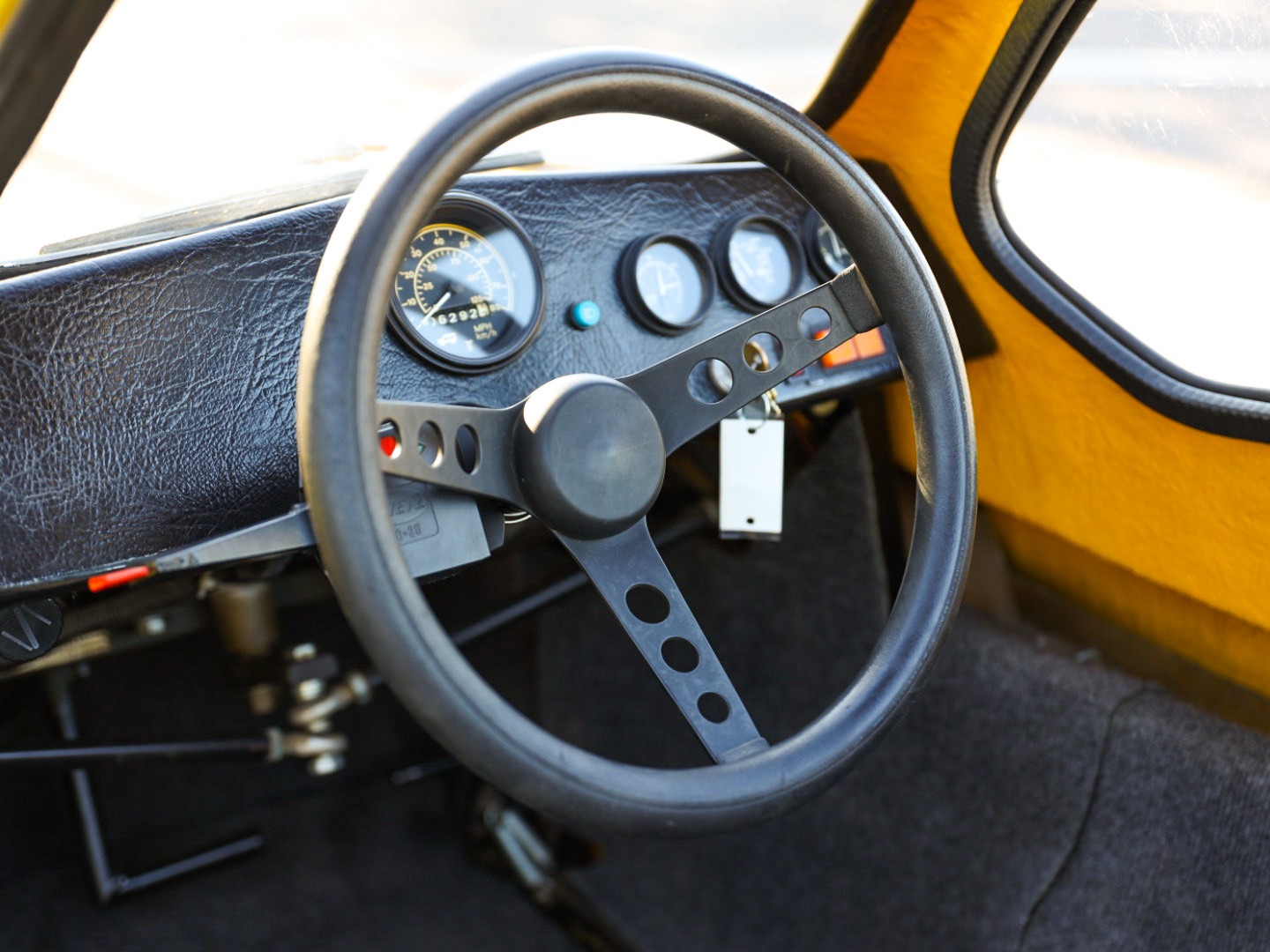
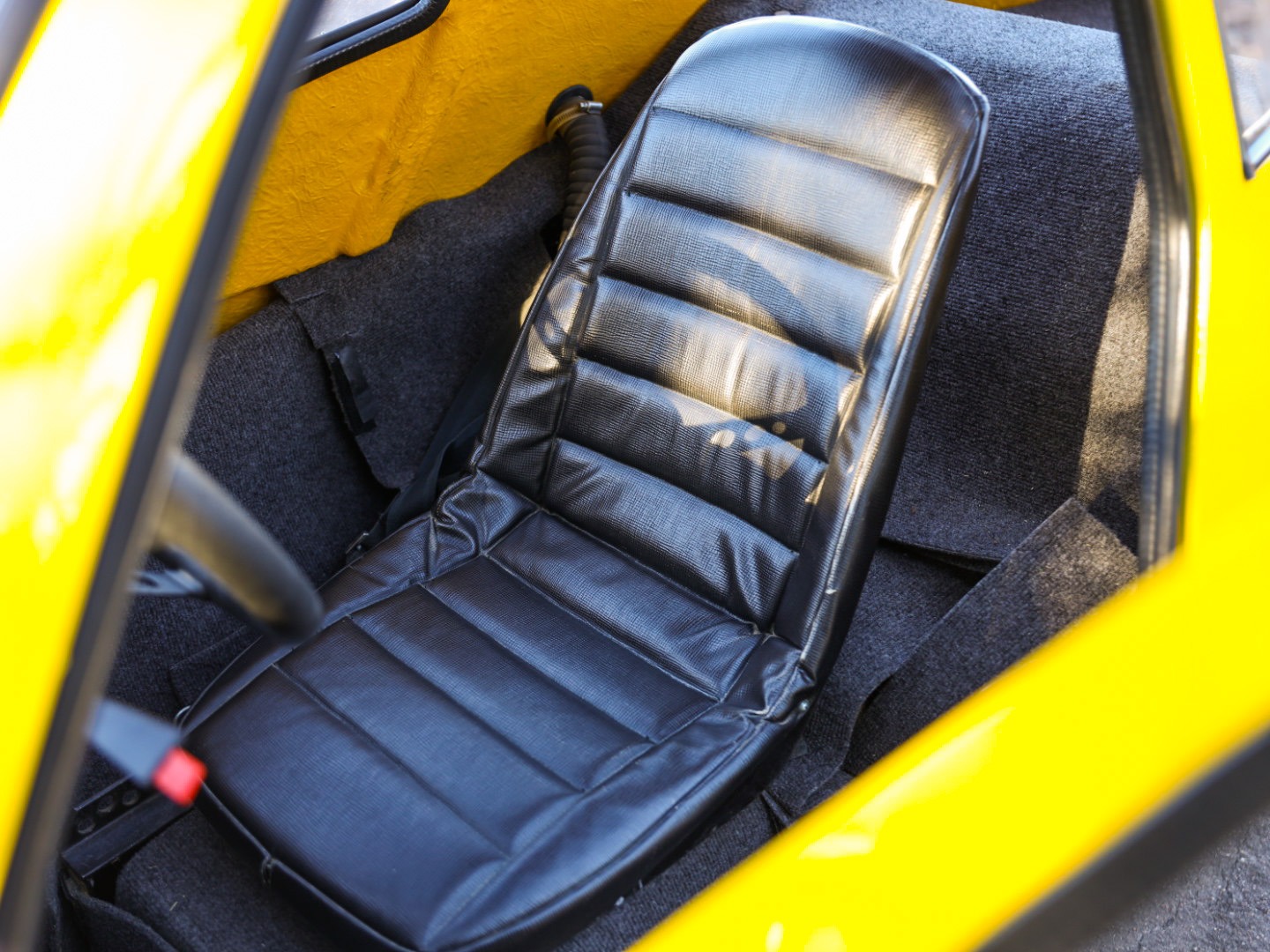
Weighing only about 700 pounds, the FreeWay was minimal inside and out. It had a single headlight, plastic windows on some examples, basic instrumentation, and even an oil cooler repurposed as a cabin heater. Independent suspension was fitted, but sporty handling was not part of the package. Some states registered it as a motorcycle, others as a car, and a few refused to register it at all, citing safety concerns.
When new, a FreeWay cost $3,400 — roughly $14,750 in today’s money. But timing proved cruel. As fuel prices eased and the economy tightened, demand evaporated.
By 1982, after building around 700 units, High Mileage Vehicles filed for bankruptcy, leaving some orders unfulfilled. The design briefly lived on under D&A Vehicles, which produced a handful of additional microcars using leftover components.
Though it failed commercially, the FreeWay developed a cult following. Owners have organized meetups and rallies, and surviving examples still surface for sale from time to time. Claims of surprising crash durability circulate among enthusiasts, though such stories are best treated with caution.
Ultimately, the HMV FreeWay stands as a fascinating artifact of the oil crisis — a bold, minimalist attempt to rethink personal transportation. It may not have revolutionized commuting, but it proves that with enough determination, even a small team armed with a lawnmower engine can build a car and put it on the road.