MCC Smart Eco-Speedster

The story of Smart began with bold ideas rather than cautious compromises. In 1990, Swiss watchmaker SMH — the company behind Swatch — partnered with Volkswagen to create a revolutionary microcar for urban mobility.
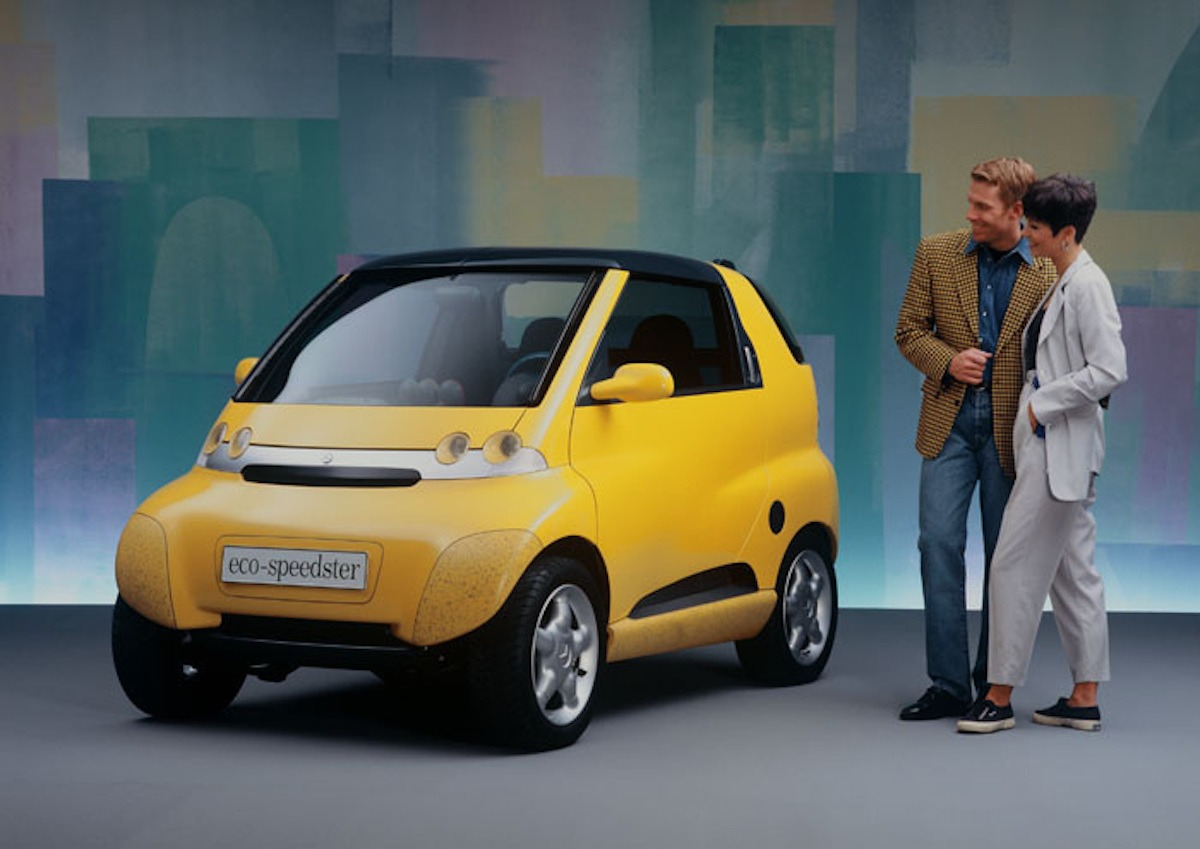
When Volkswagen withdrew in 1993, SMH joined forces with Daimler-Benz, forming Micro Compact Car (MCC). The first result of this collaboration was unveiled in March 1993: the Eco-Speedster and Eco-Sprinter microcars.
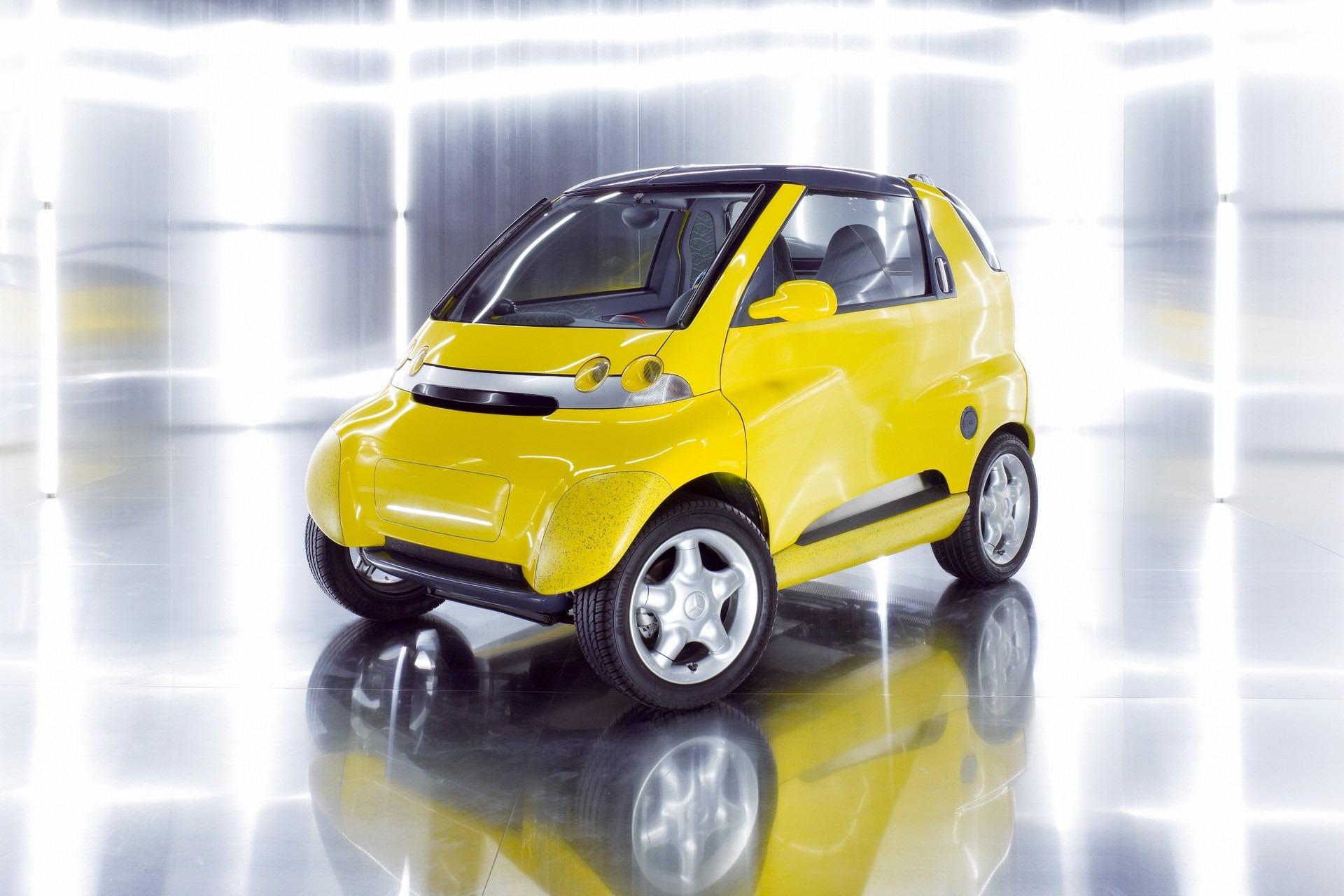
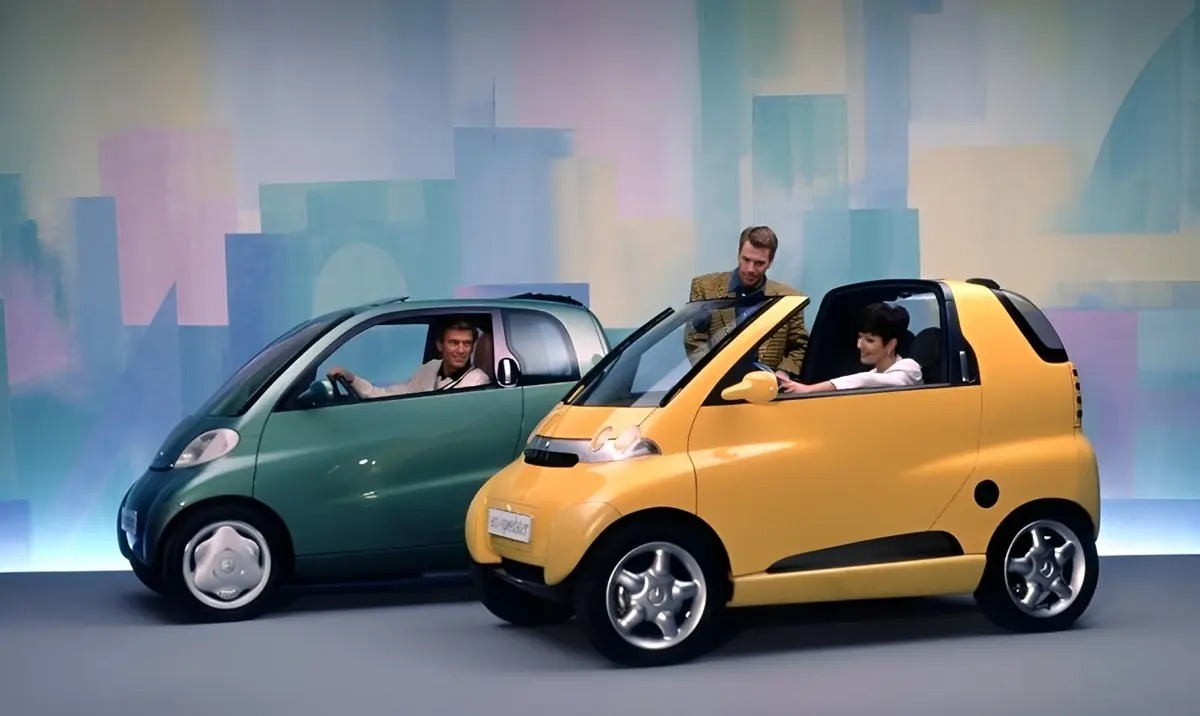
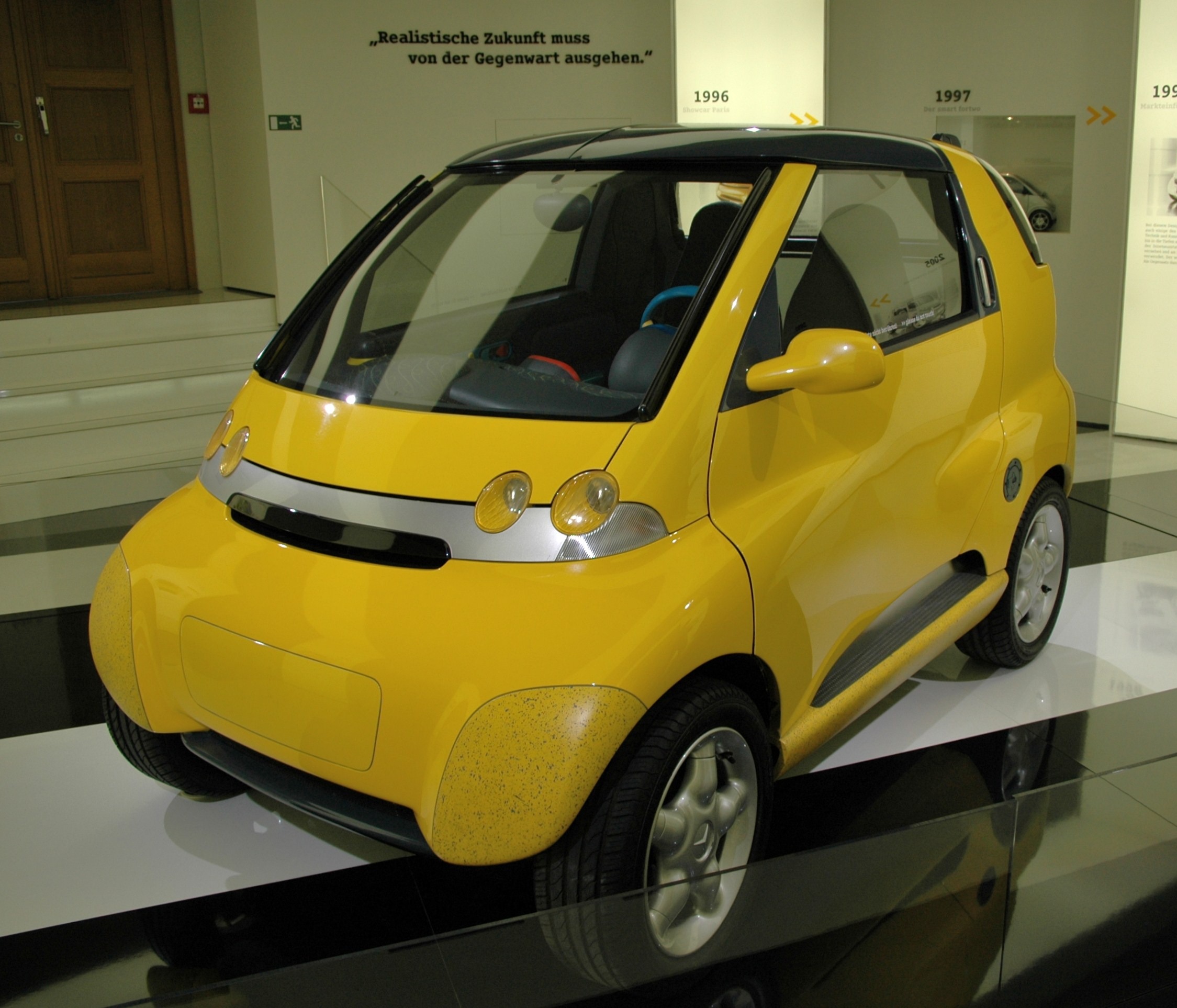
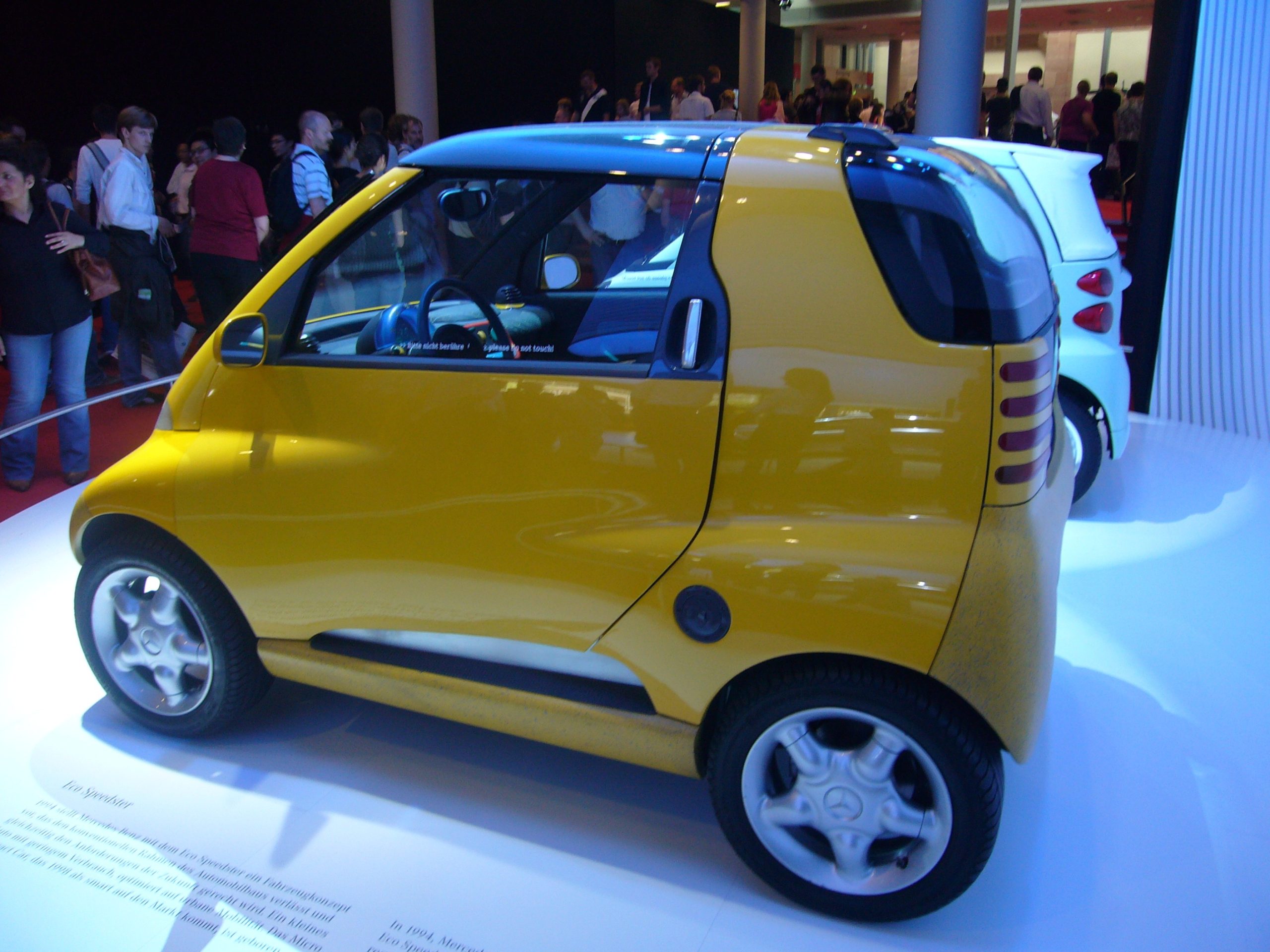
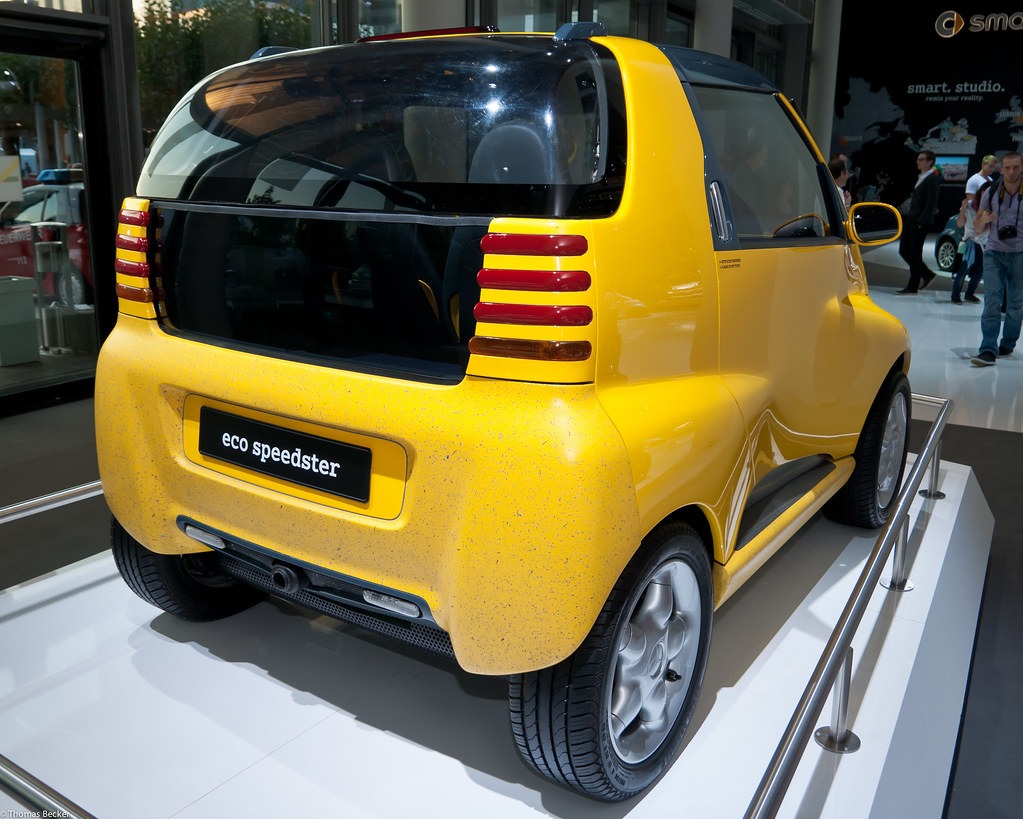
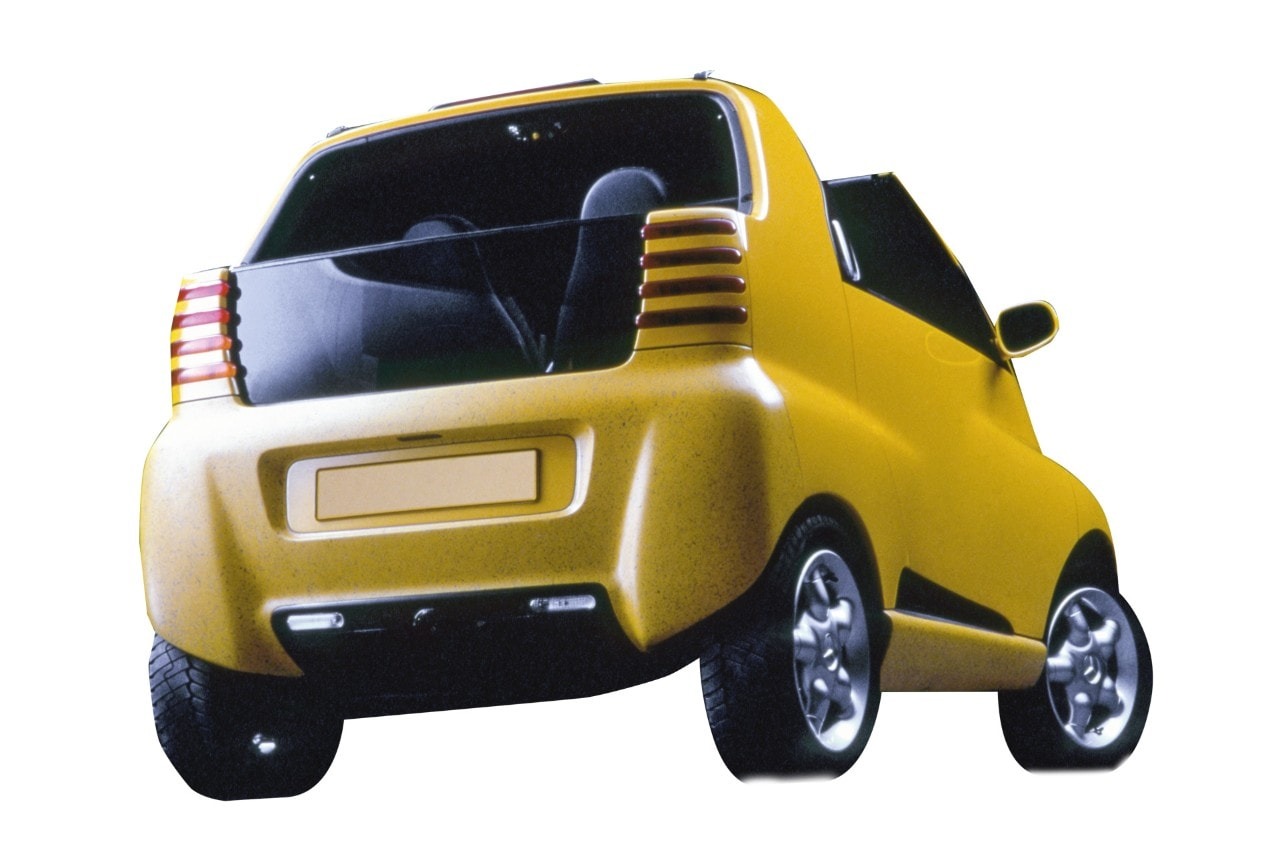
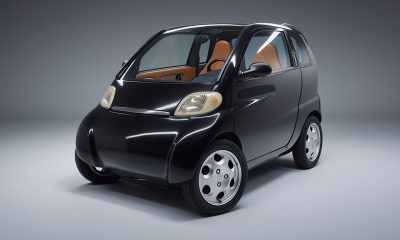
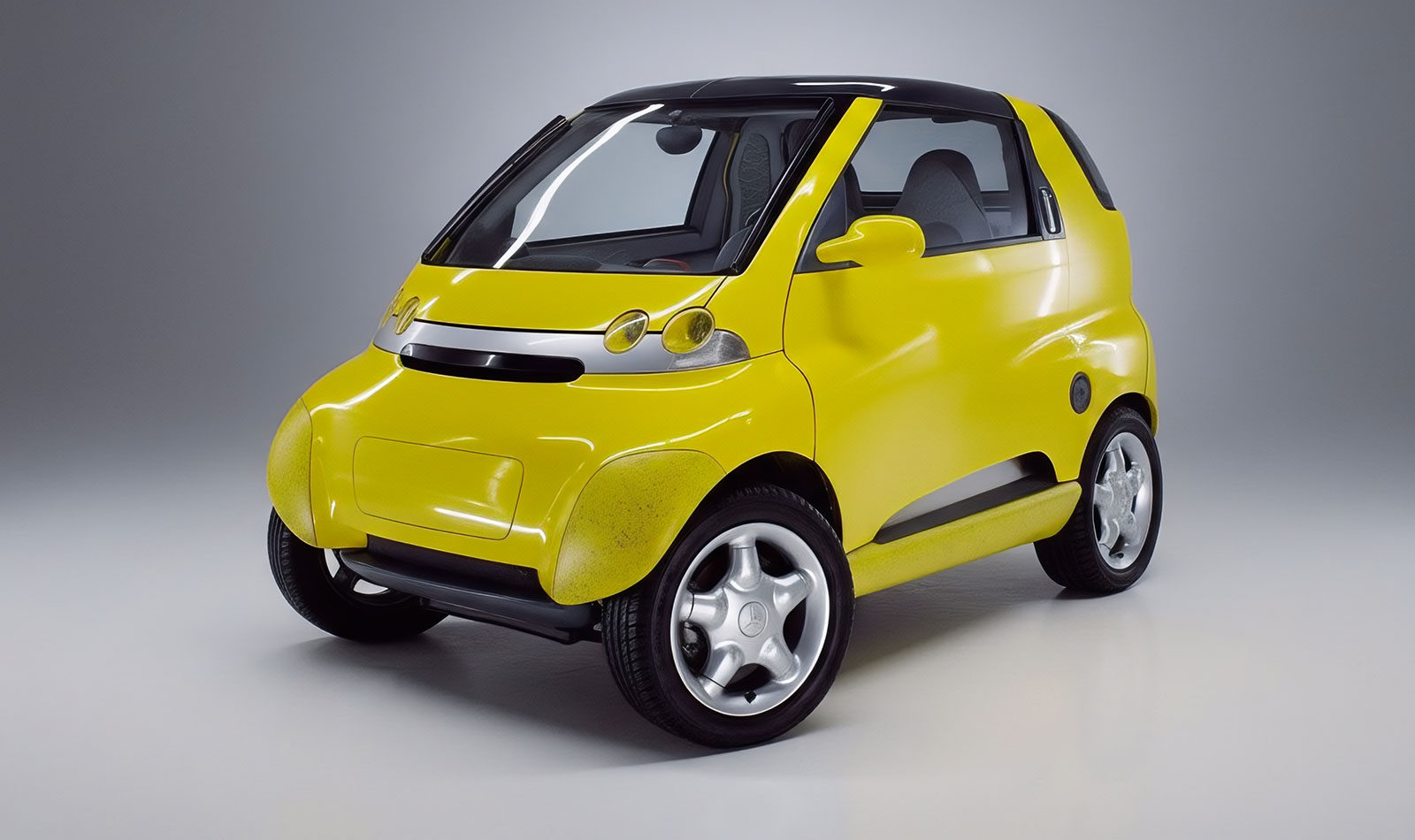
Measuring just 2,500 mm in length — around 600 mm shorter than a classic Mini — the Eco-Speedster reimagined city transport as a strict two-seater built for solo commuters. Despite debuting during the Geneva Motor Show period, it wasn’t officially displayed there, which was unfortunate given how radical it was.

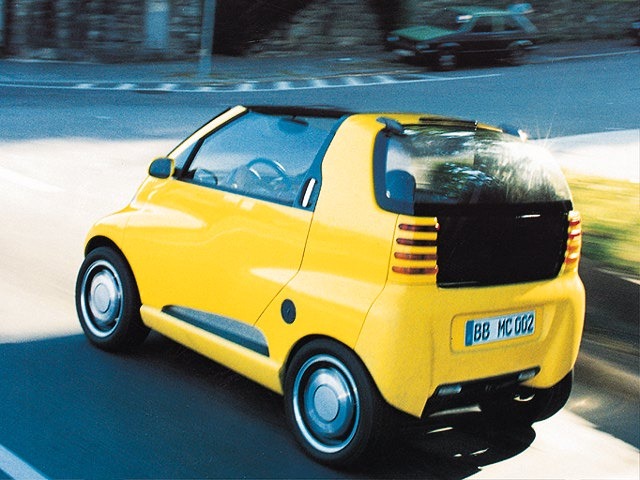
The targa-roofed Eco-Speedster was powered by a petrol engine and drove the rear wheels. While MCC remained secretive about technical specifics at launch, the car’s engineering philosophy was clear. Its most innovative feature was the sandwich-structured floorpan, designed to meet and exceed contemporary crash standards. In a collision, the drivetrain would be directed downward, away from occupants — an advanced safety concept for such a tiny vehicle.
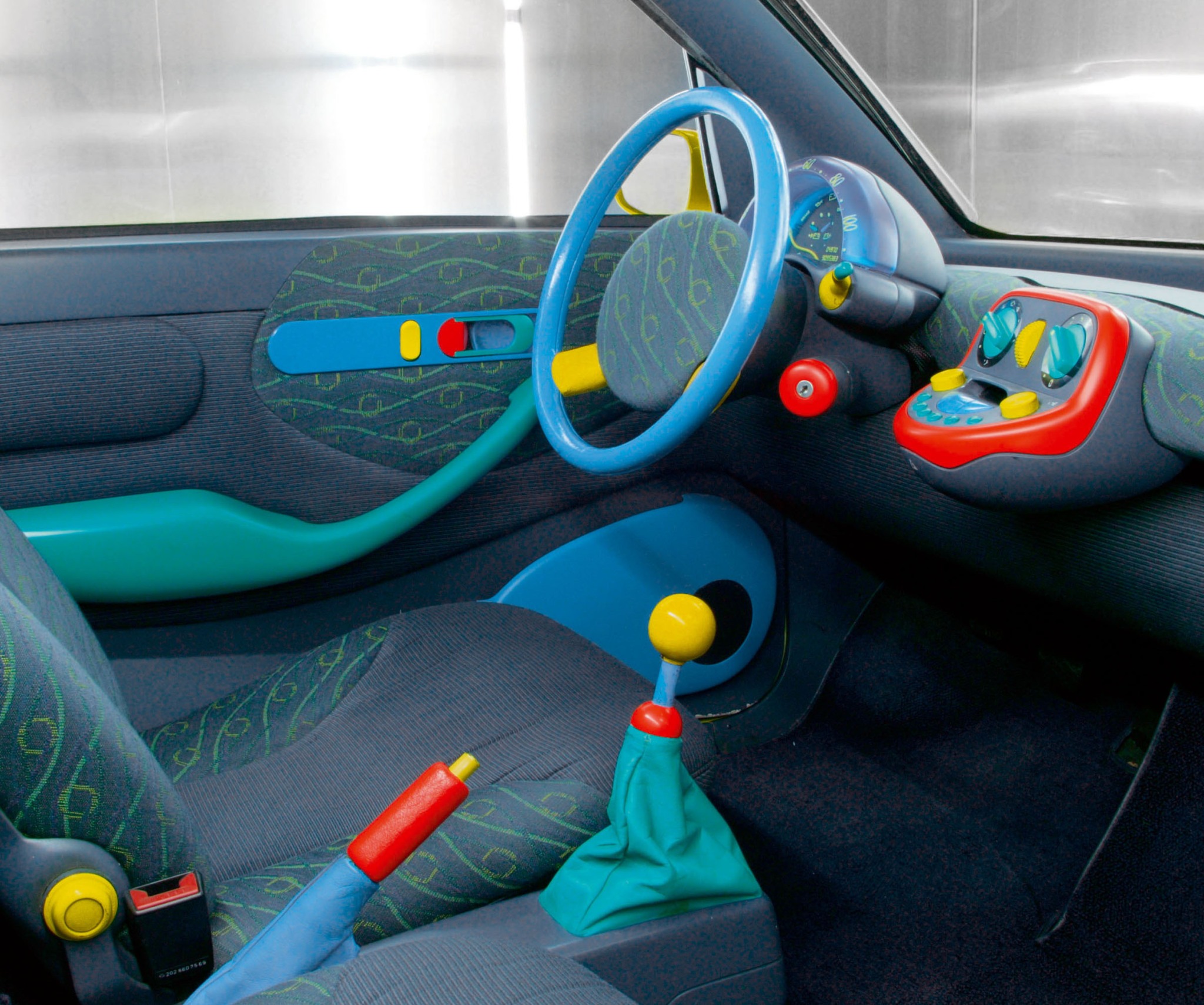
Inside, the Eco-Speedster embraced playful design. Brightly colored interior elements gave it a cheerful, almost toy-like character, contrasting with its serious engineering beneath. The passenger seat was mounted 300 mm behind the driver’s seat — a clever offset layout that improved shoulder room, even if it created an unusually shaped and very compact cargo area.
The elevated seating position, a byproduct of the three-layer floor construction, would later contribute to concerns about stability. Still, once refined for production, the Smart concept evolved into one of the trendiest — and priciest — microcars when it reached the market in 1998.