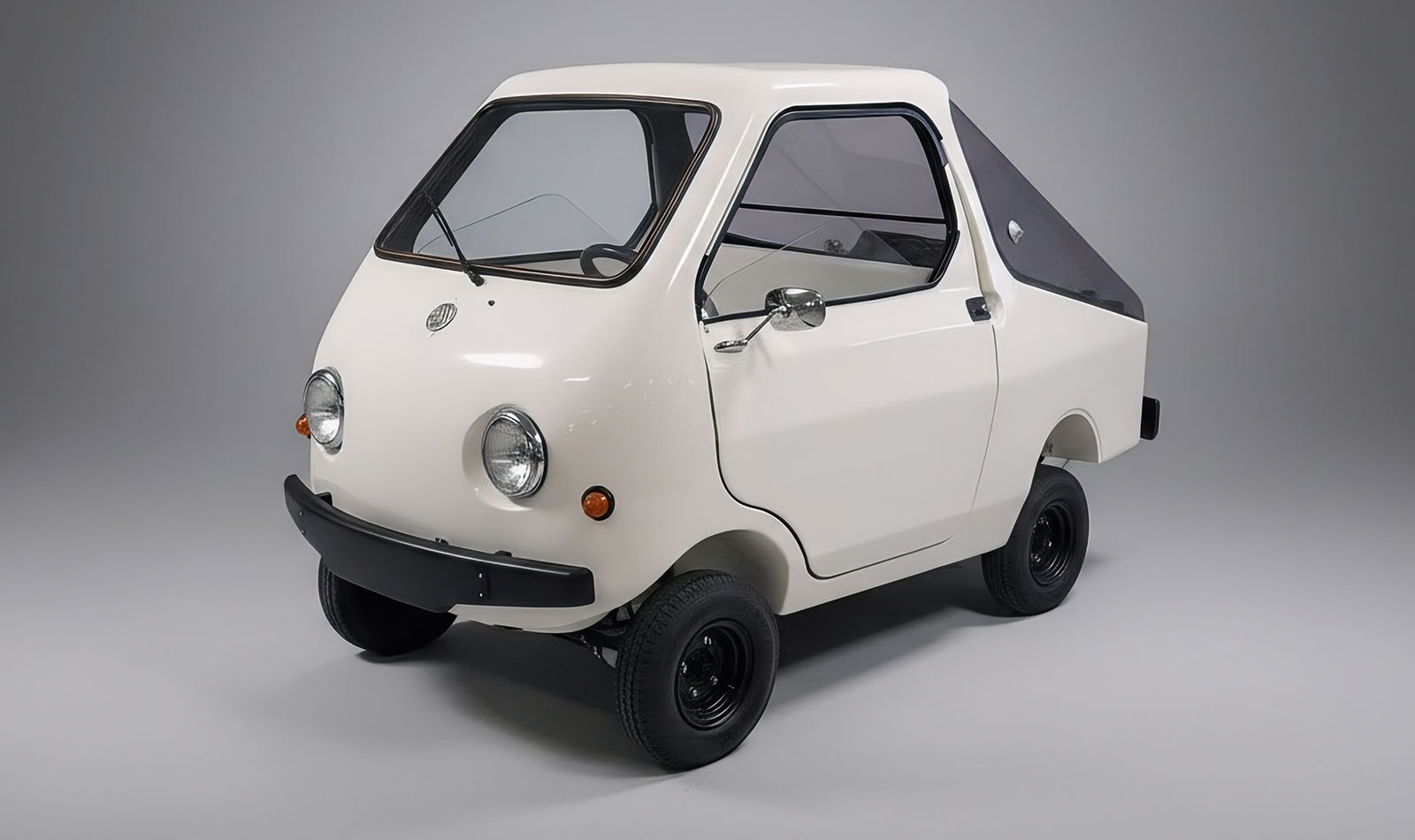
GMT Rivelaine

GMT Rivelaine was a rare French microcar produced in the early 1980s by a small manufacturer targeting the country’s “sans permis” segment of license-free vehicles.
Générale de Mécanique et de Thermique (GMT) was a short‑lived French automaker based in Wingles, in the Nord‑Pas‑de‑Calais region.
The company operated roughly from 1980 to 1983 and focused exclusively on building very small city cars that fell into the microcar category. Rivelaine was GMT’s only model and effectively its flagship product, defining the brand’s brief presence in the French automotive landscape.
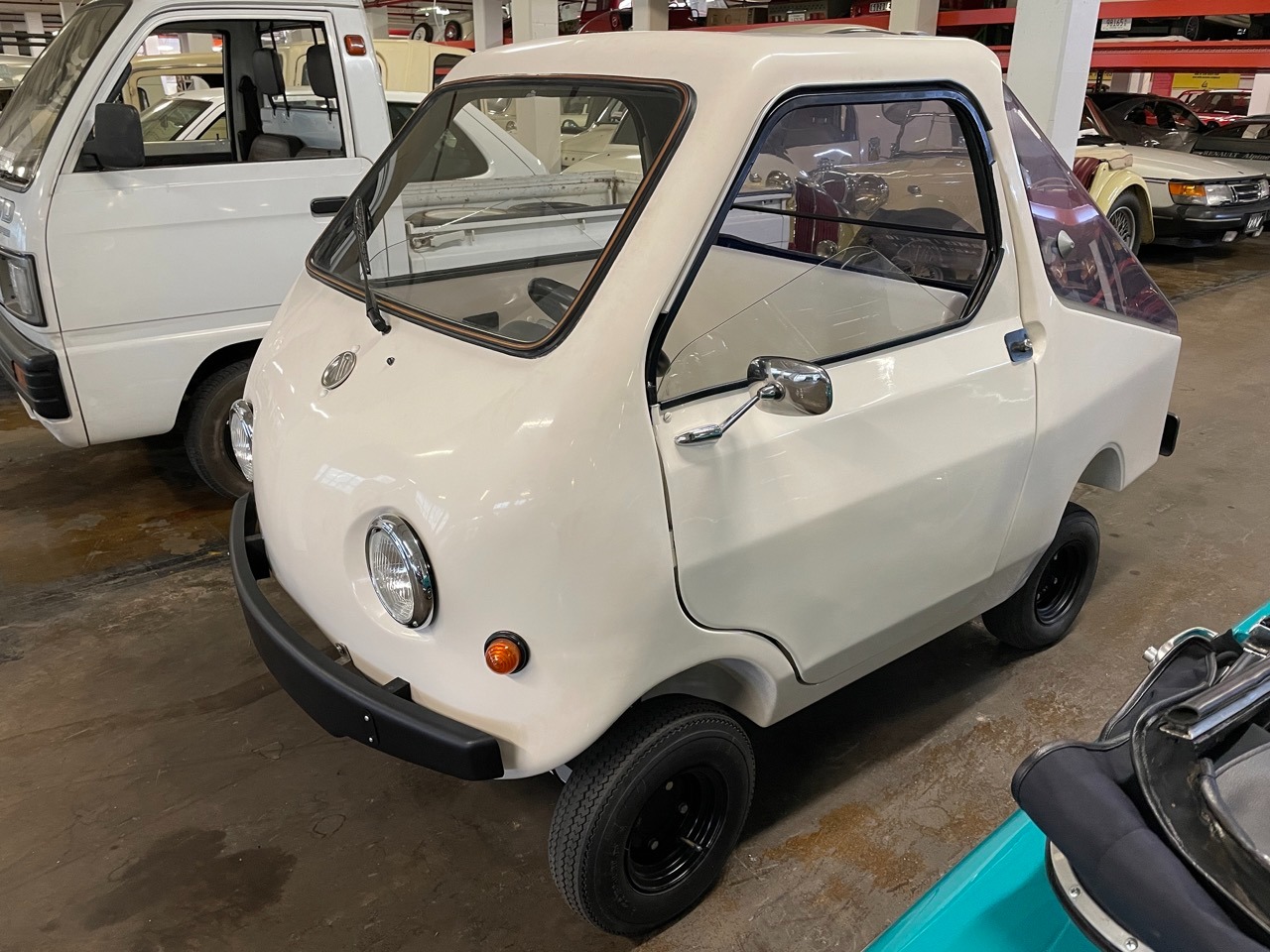
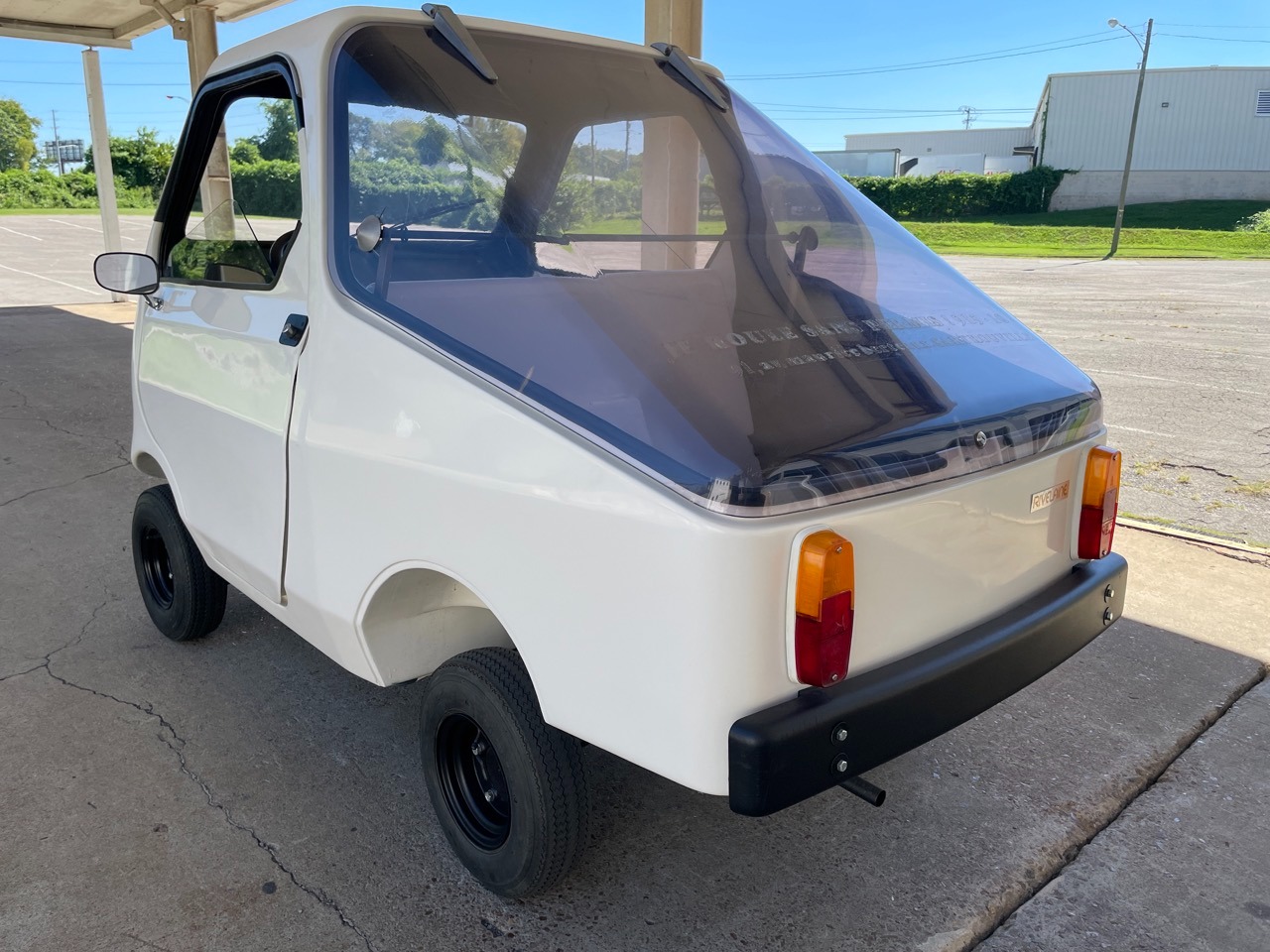
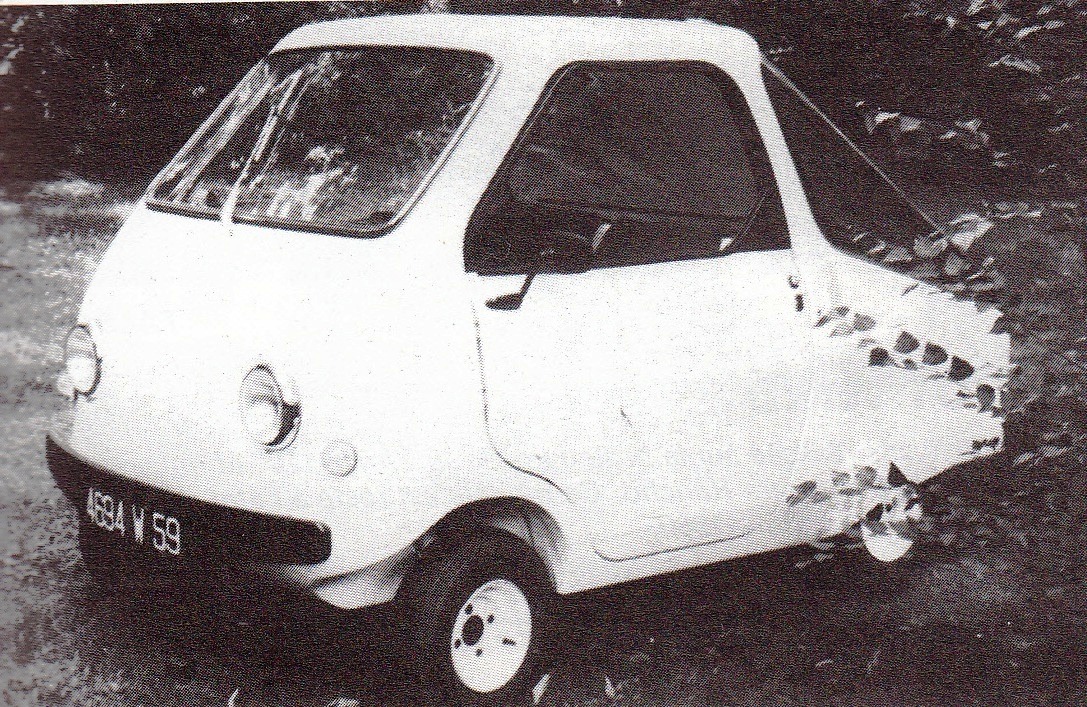
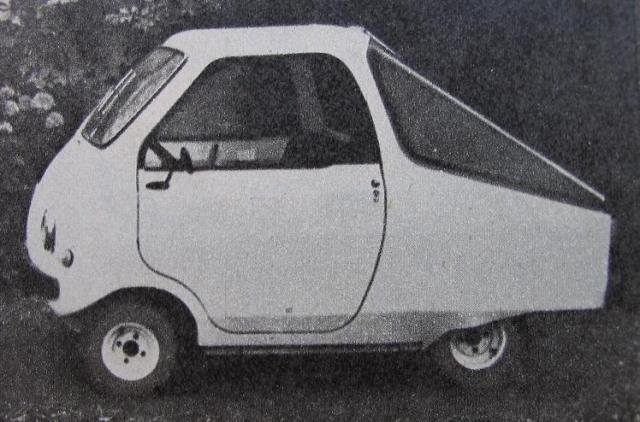
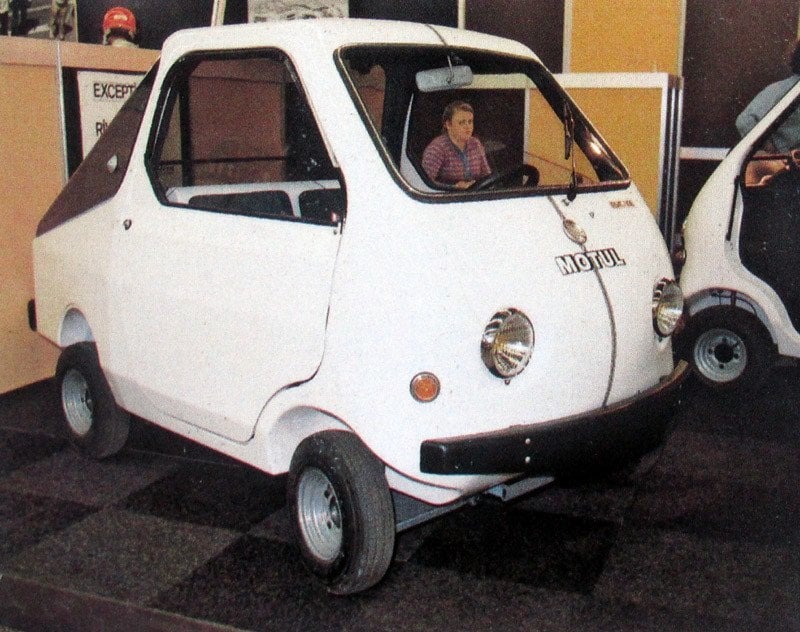
The GMT Rivelaine was a compact two‑seat microcar with four wheels and a distinctive fiberglass body. Its styling was unusual even by microcar standards, featuring a long, sloping tail that visually extended the car’s tiny footprint and gave it a more aerodynamic silhouette.
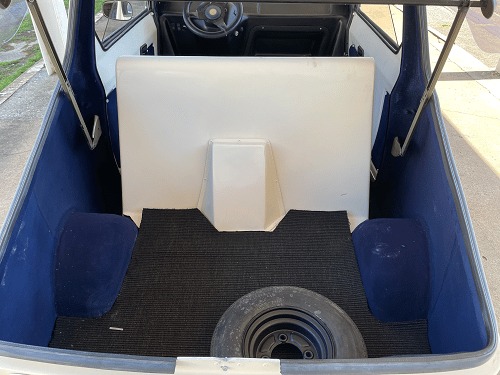
One striking feature was a large clear plastic rear hatch, which added light to the small cabin and became a visual signature of the model. For a low‑cost vehicle, it offered details such as winding side windows, which provided a touch of comfort and usability uncommon in the most basic microcars of the era.

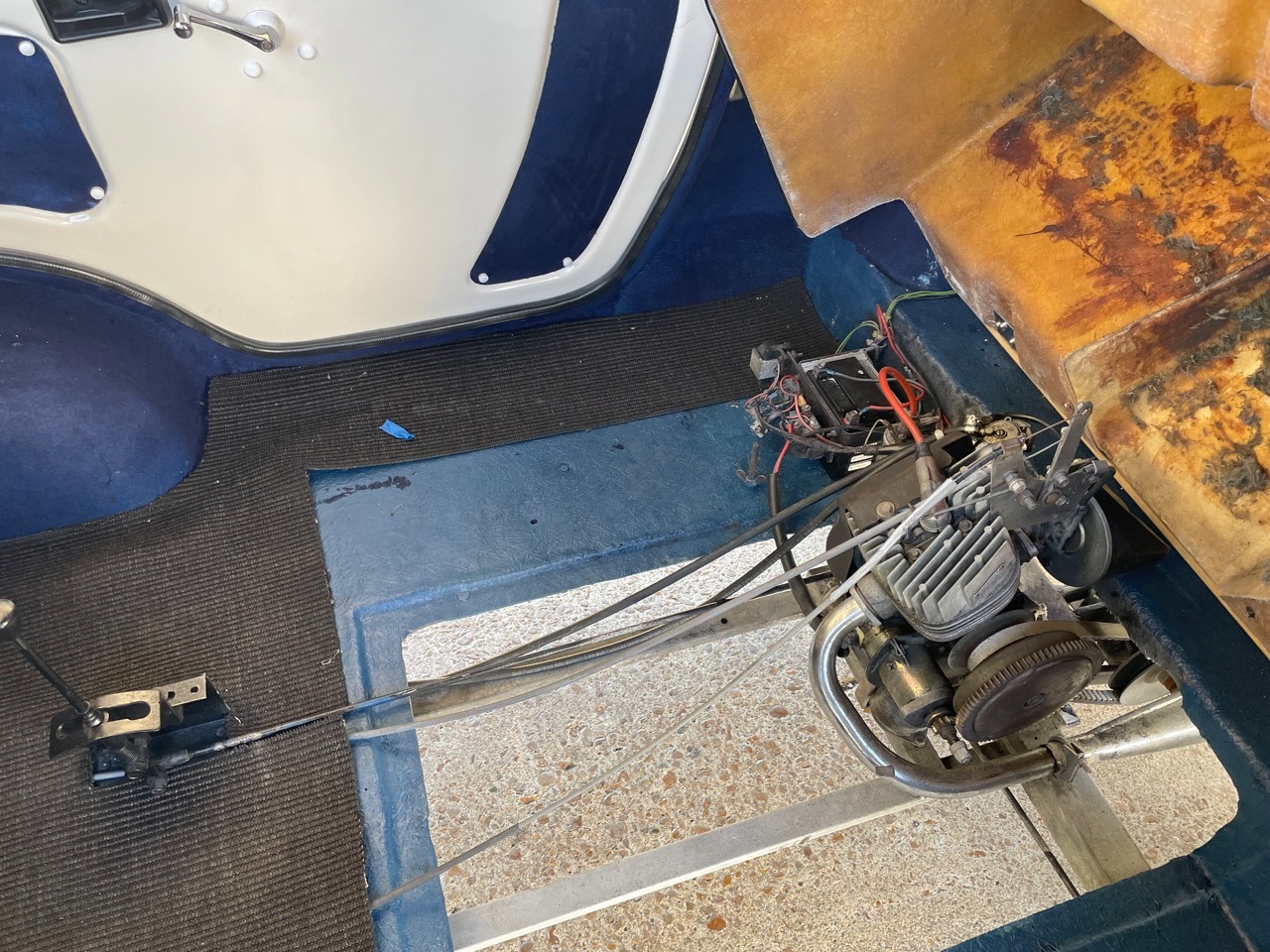
Rivelaine was designed around very small‑displacement engines, reflecting both regulatory limits and its urban focus. Early cars used a 47 cc Sachs engine paired with an automatic transmission, making the car extremely modest in performance but simple to operate.
Later versions were upgraded to a slightly larger 49 cc Motobécane unit, still keeping the car within the boundaries of the “voiture sans permis” category that allowed certain drivers to use it with minimal licensing requirements.
The combination of tiny engine, light fiberglass construction, and automatic gearbox positioned the Rivelaine squarely as a low‑speed city runabout rather than a highway vehicle.
In France, “voitures sans permis” are small vehicles designed to be driven with limited or no conventional driver’s license, and they historically occupy a niche between mopeds and full‑size cars.
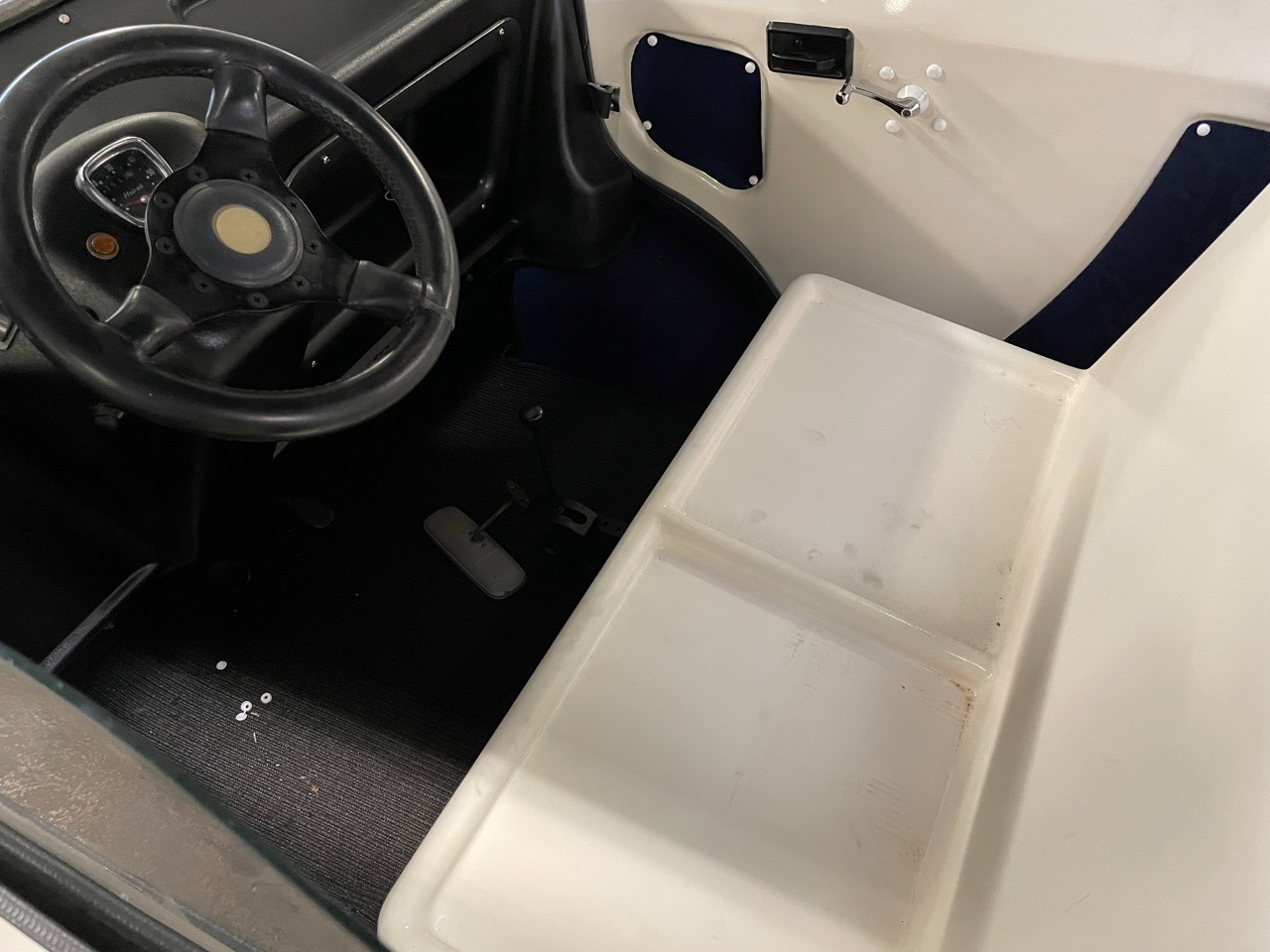
The GMT Rivelaine fit this niche as a fiberglass microcar meant for short trips in towns and suburbs, appealing to drivers who either did not have a full license or preferred a very economical vehicle. Its automatic transmission and minimalist controls made it accessible to a wide audience, including older drivers and teenagers in eligible regions.

However, this same specialization, combined with limited performance and safety compared to standard cars, kept the Rivelaine firmly in a small, utilitarian market segment.
GMT produced the Rivelaine only for a few years, from around 1980 until 1983, and the company did not develop other body styles or follow‑up models. Sources suggest that total production was very low, with enthusiasts indicating that fewer than 50 units may have been built, which explains the car’s rarity today.
Surviving examples occasionally appear in specialized collections; one is preserved at the Lane Motor Museum in the United States, underscoring the model’s status as a curiosity in microcar history.
Although GMT disappeared quickly, the Rivelaine remains a notable example of the early‑1980s French microcar wave, illustrating how small manufacturers experimented with fiberglass construction, extremely small engines, and license‑free regulations to create ultra‑compact city cars.