ItalDesign Lucciola

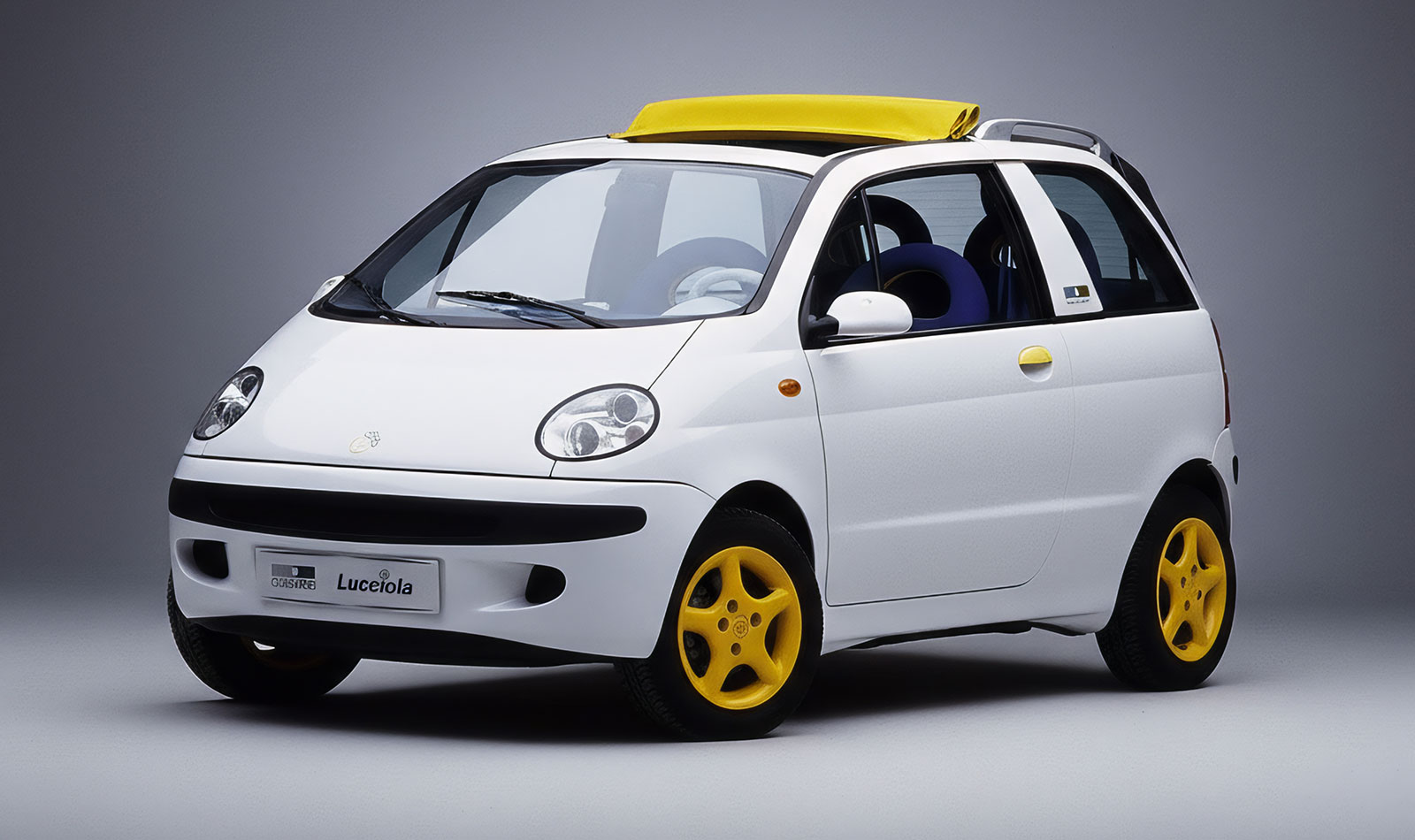
ItalDesign’s 1993 Lucciola concept was a small hybrid city car that combined eco‑friendliness, versatility, and playful styling, and later evolved into the Daewoo Matiz production model.
The Lucciola was conceived by ItalDesign as a modern reinterpretation of the Fiat Cinquecento and, more broadly, of the idea of a compact leisure car for crowded cities.
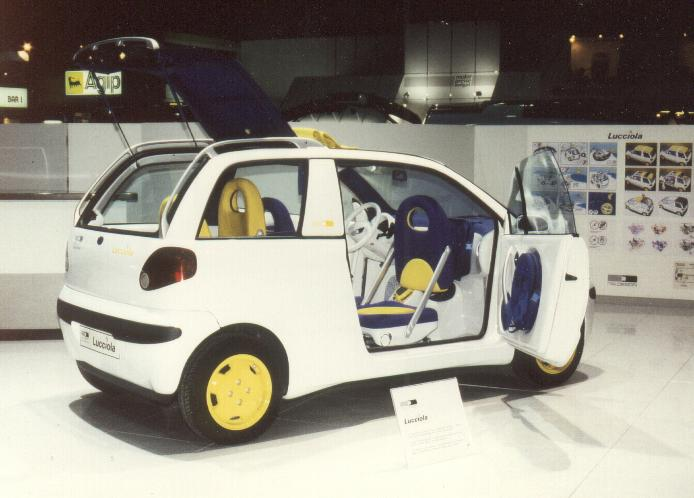
Shown first at the Bologna Motor Show in 1993, it developed the earlier 1992 ID Cinquecento concept into a fully engineered prototype with an advanced hybrid drivetrain. ItalDesign’s brief was to fuse leisure and eco‑consciousness into one vehicle, suitable both for everyday urban use and for relaxed open‑air driving.
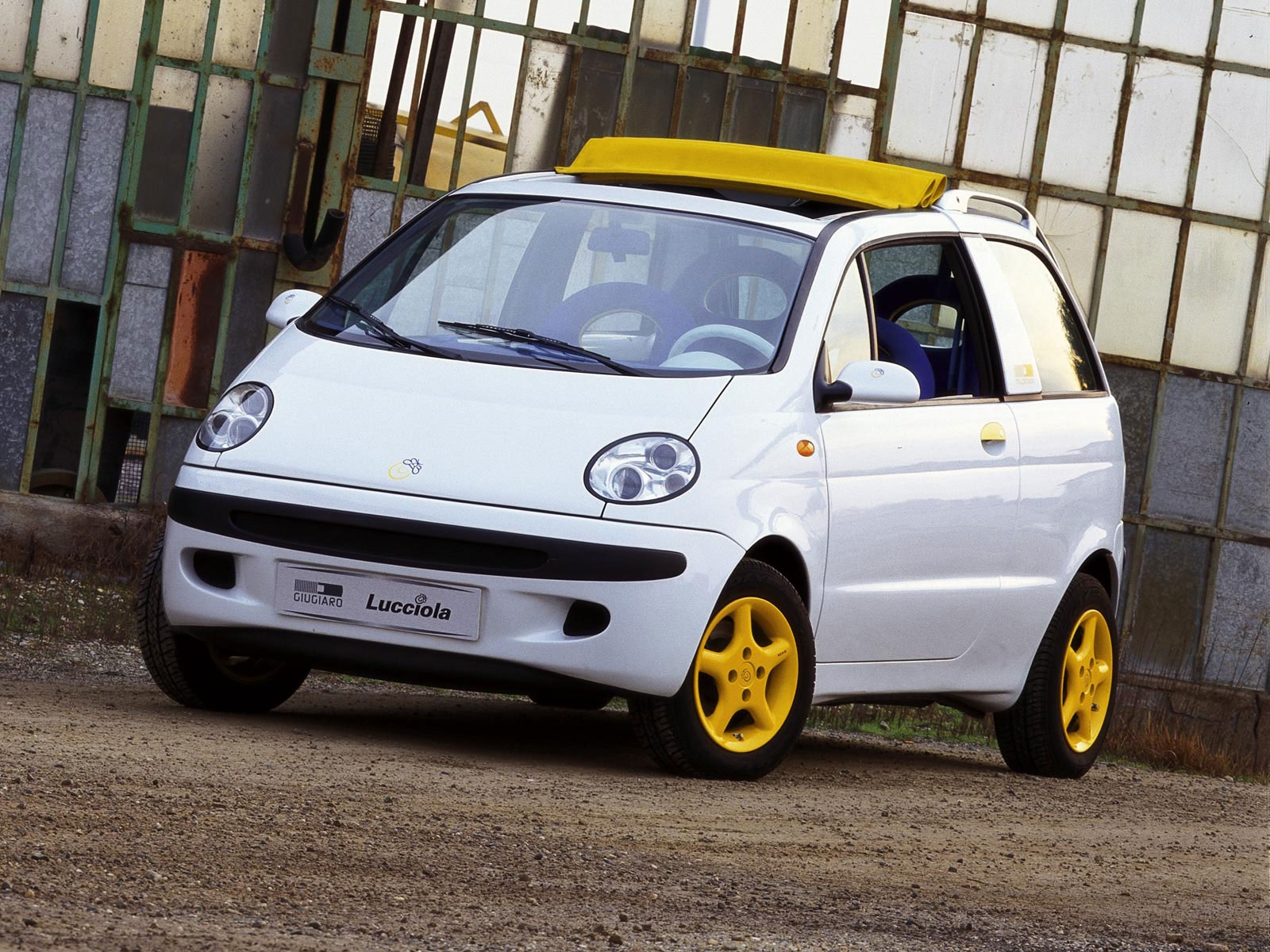
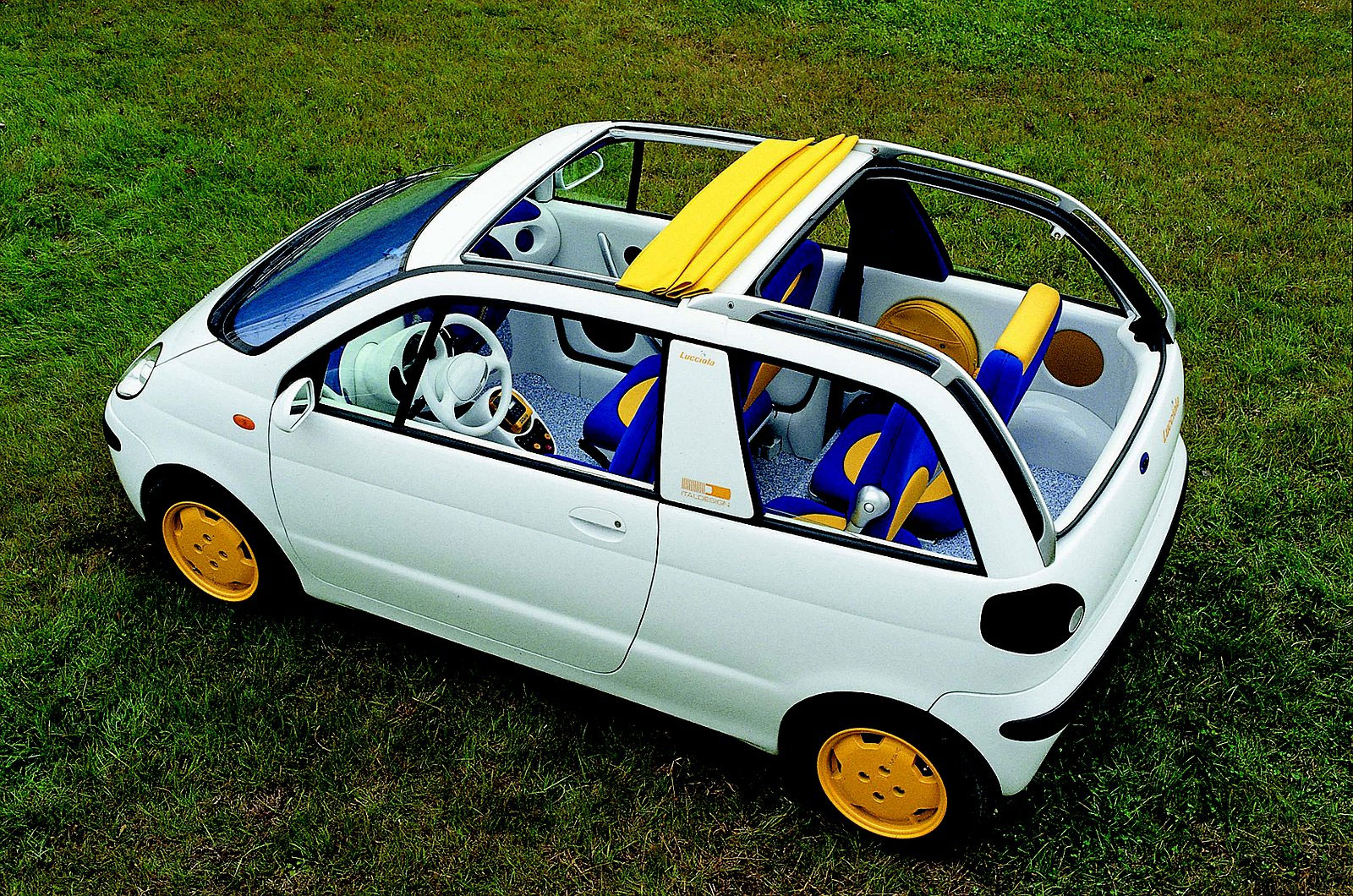
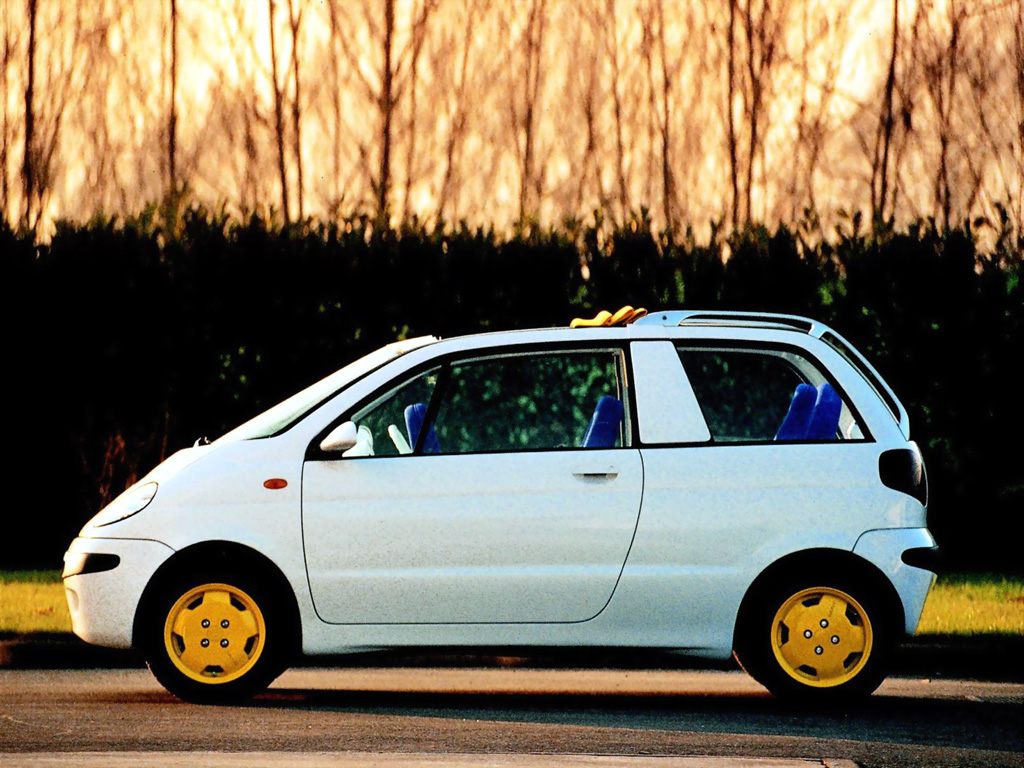
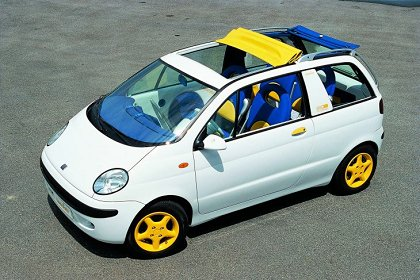
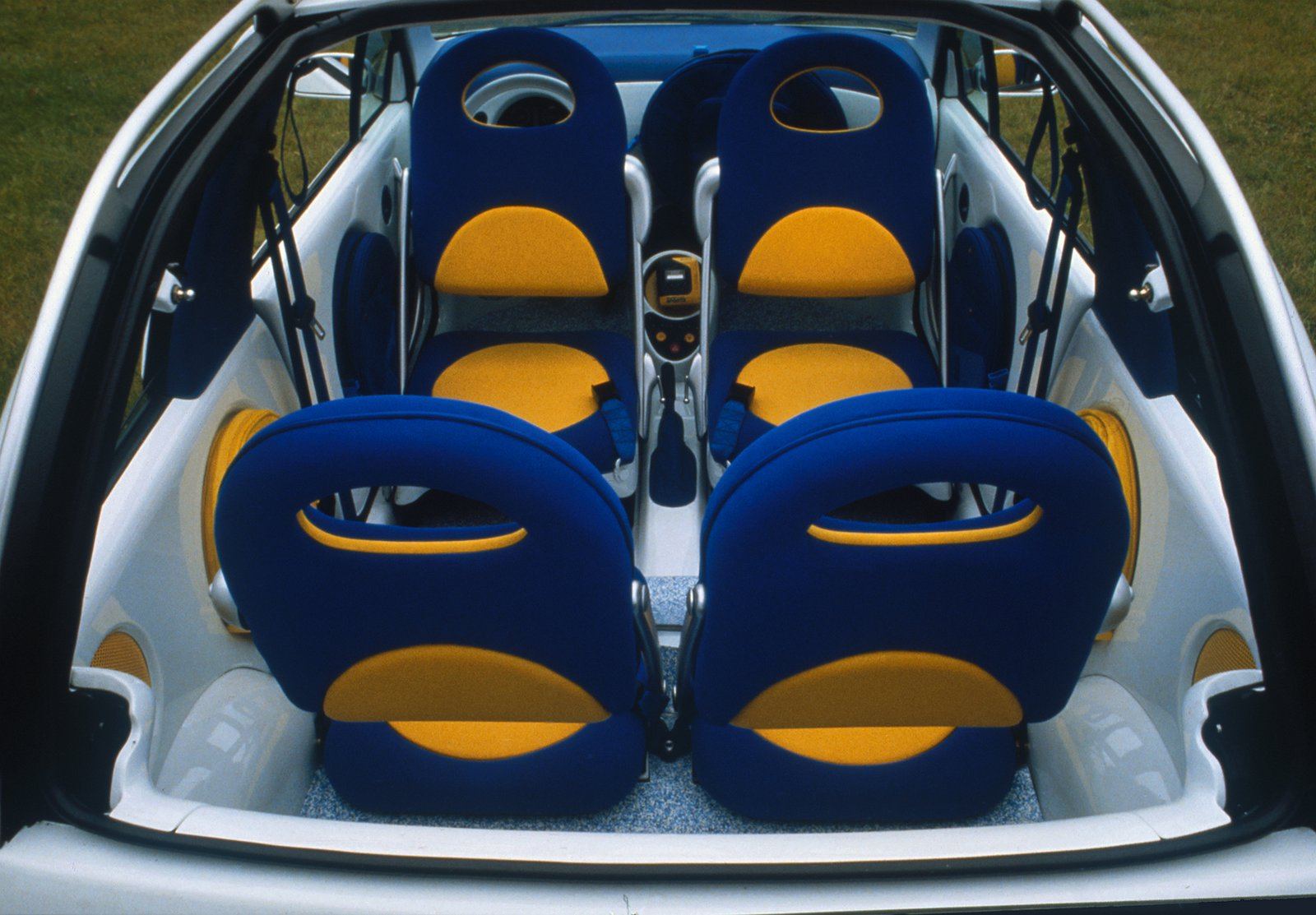
Lucciola was a sub‑compact, five‑door hatchback with a tall roof and friendly, rounded lines that maximized interior space within a very short body. Its approximate dimensions were 3,27 m in length, 1,53 m in width, 1,45 m in height, with a wheelbase of about 2,20 m, making it ideal for dense city streets and tight parking spaces.
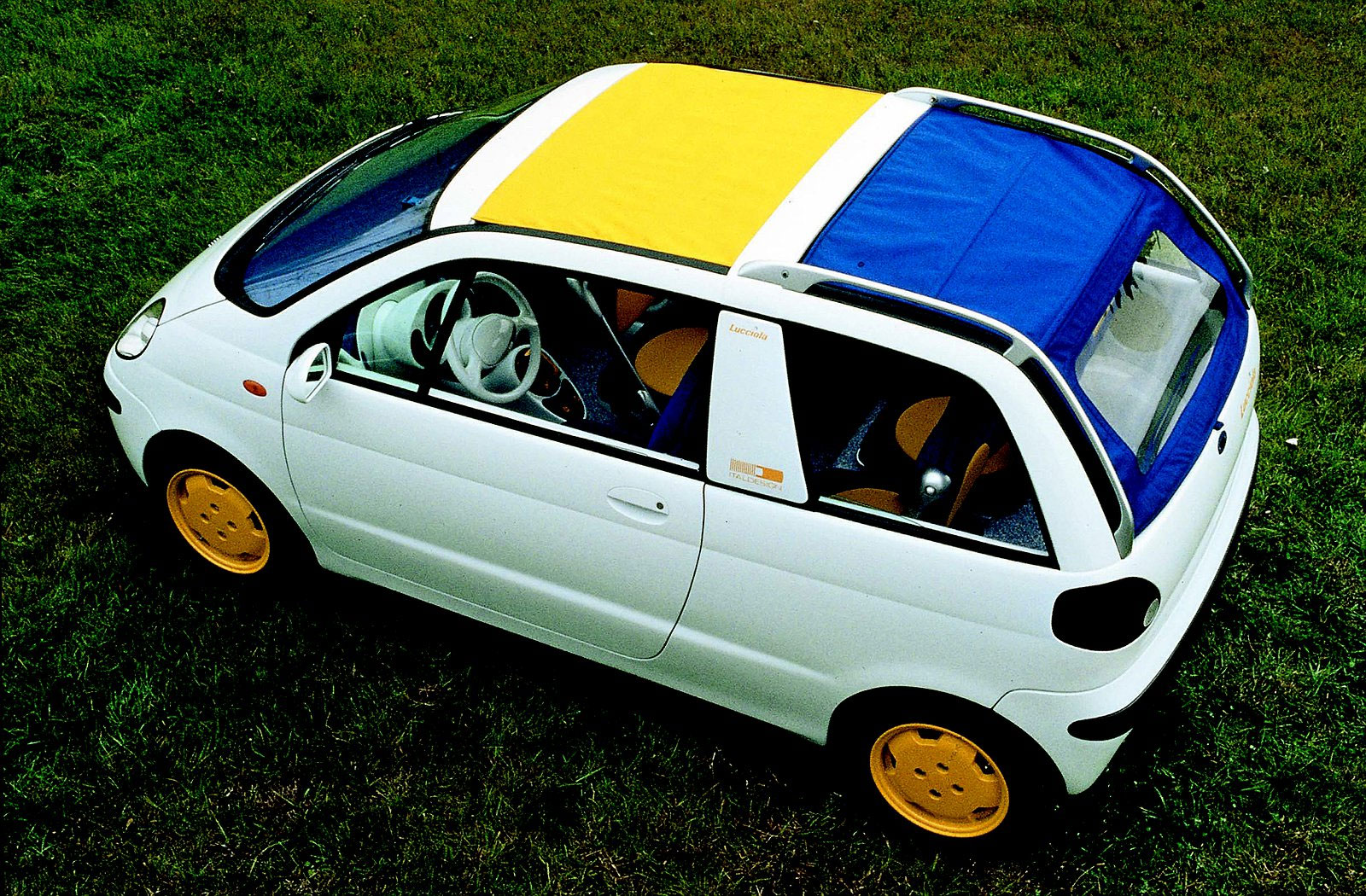
The body was made from lightweight aluminium panels and recyclable materials, emphasizing low weight and environmental responsibility. A key visual and functional feature was the fully opening roof, which allowed the car to transform from a closed hatchback into an open‑topped leisure vehicle, reinforcing its dual city‑and‑holiday character.
Technically, Lucciola was advanced for its time because it used a series‑hybrid layout aimed at clean urban running. The car combined a 5,5 kW twin‑cylinder, 0,49‑litre diesel engine with two electric motors mounted on the rear wheels, each rated at 7 kW.

In operation, the diesel unit acted primarily as a generator to feed the batteries and motors, while the electric motors provided drive, especially in low‑speed city conditions. This system enabled a top speed of about 100 km/h and allowed two distinct usage modes: up to around 8 hours of continuous running with the full hybrid system, or roughly 50 km of range on electric power alone.
Batteries were housed in an intelligent central tunnel, using otherwise wasted space and helping to keep the cabin floor relatively flat while improving weight distribution.
Although initially proposed to the Fiat Group as a possible successor to the Cinquecento, the Lucciola design was not adopted by Fiat. ItalDesign later sold the basic shape and packaging concept to Daewoo, where it was adapted into the Daewoo Matiz city car launched at the end of the 1990s.
The production Matiz lost the sophisticated hybrid powertrain, using conventional small petrol engines instead, but it retained the Lucciola’s characteristic tall, rounded silhouette, compact size, and emphasis on spaciousness within a tiny footprint.
As a result, the 1993 ItalDesign Lucciola is remembered not only as an early, forward‑looking hybrid city car, but also as the direct stylistic and conceptual ancestor of one of the most recognizable small cars of the late 1990s and 2000s.