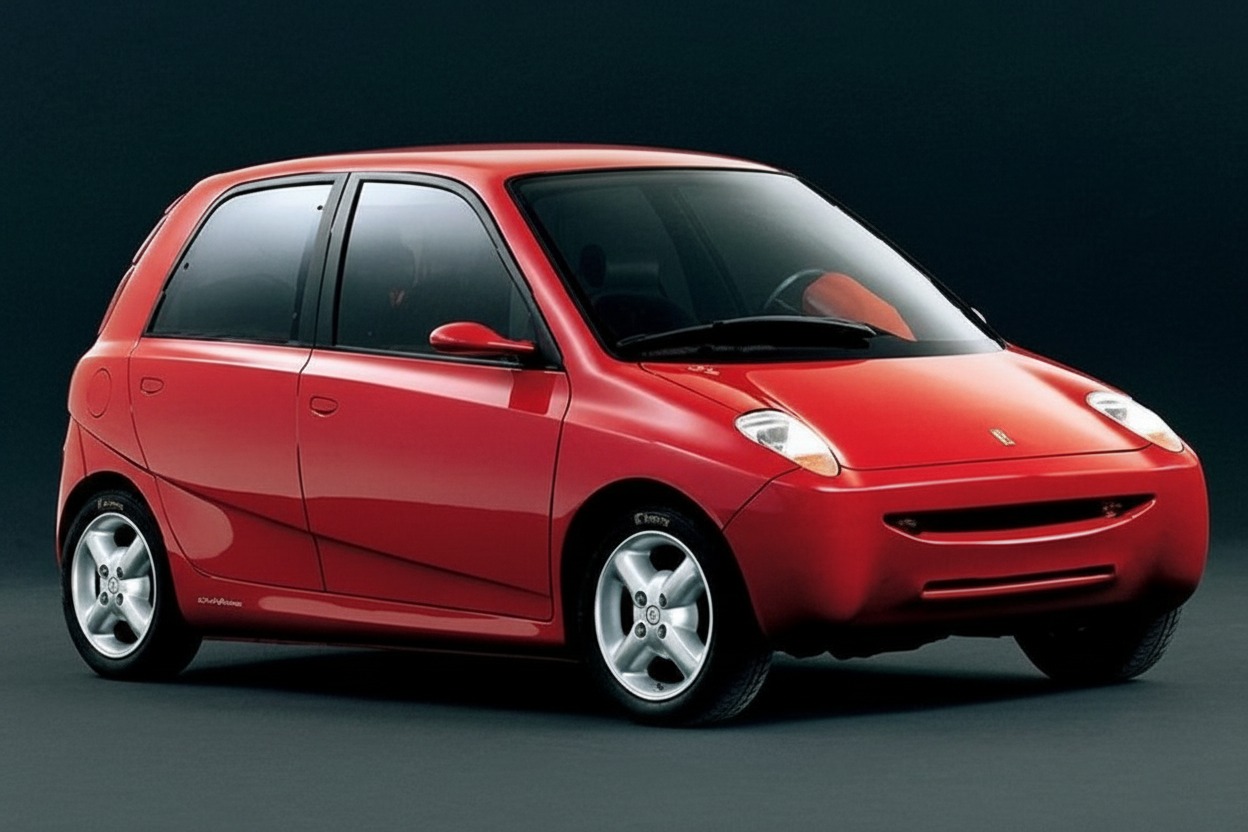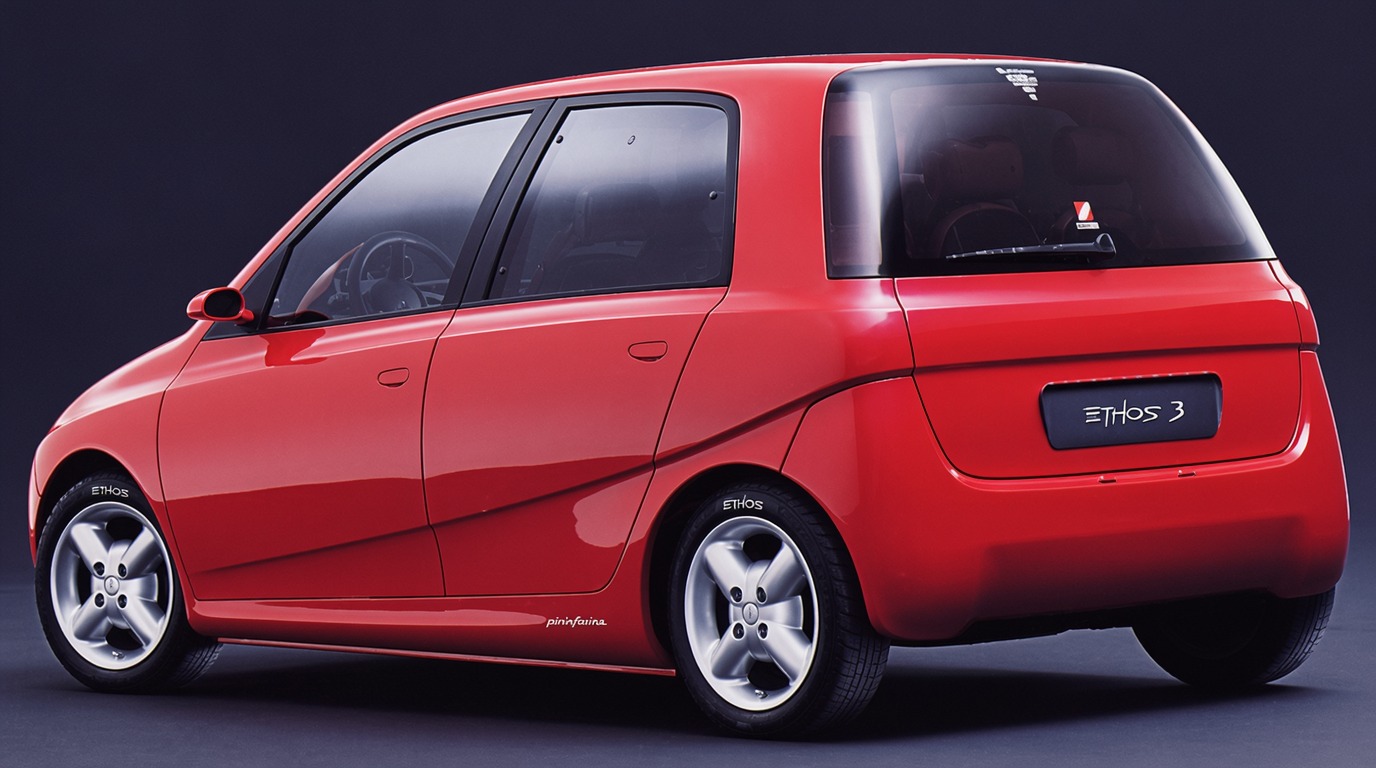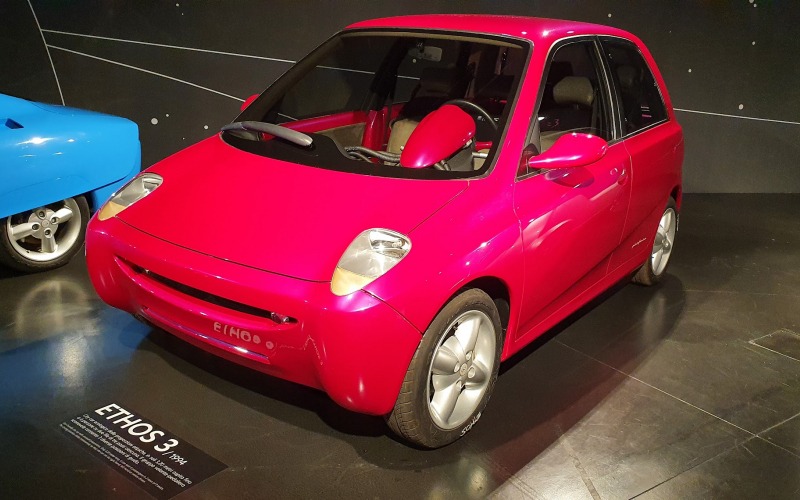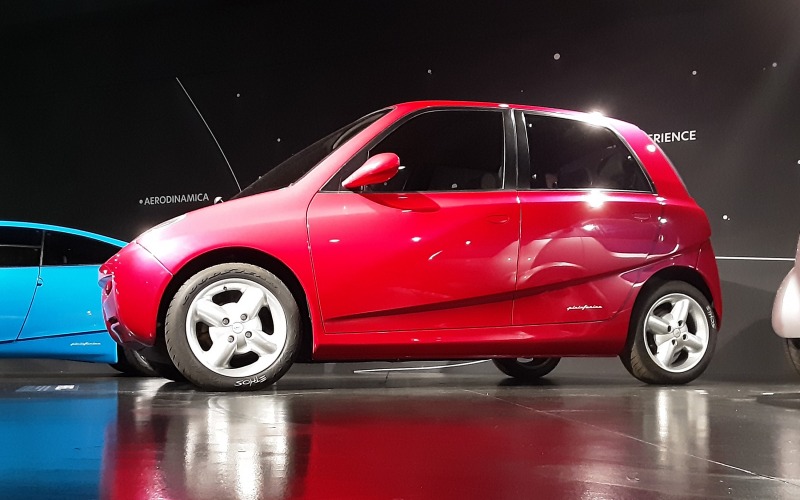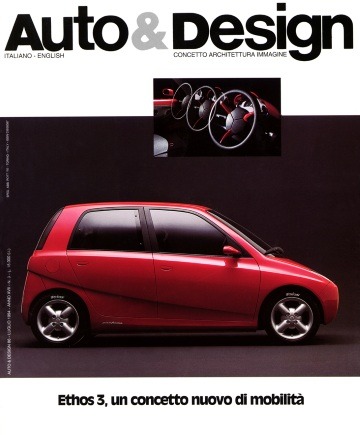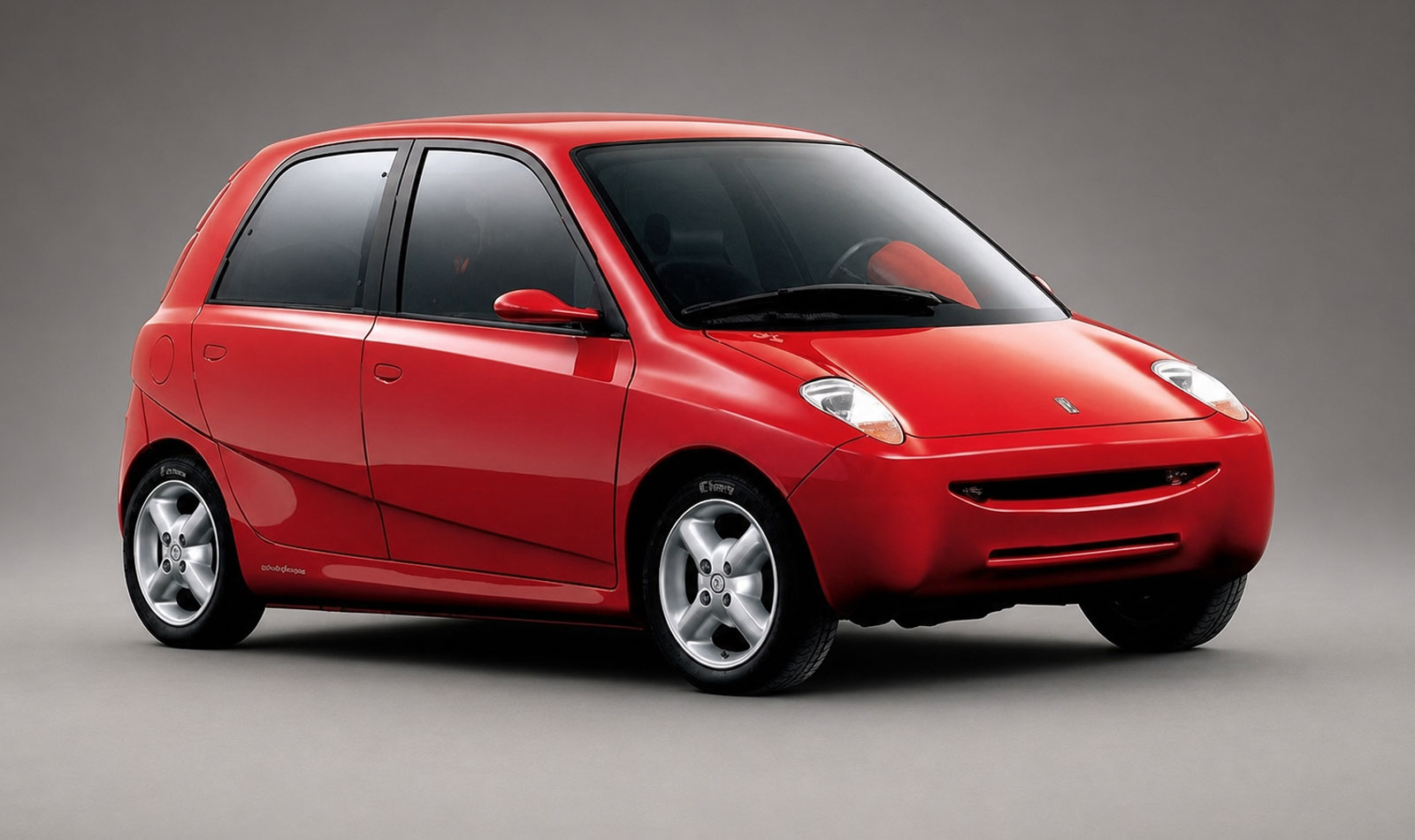
Pininfarina Ethos 3

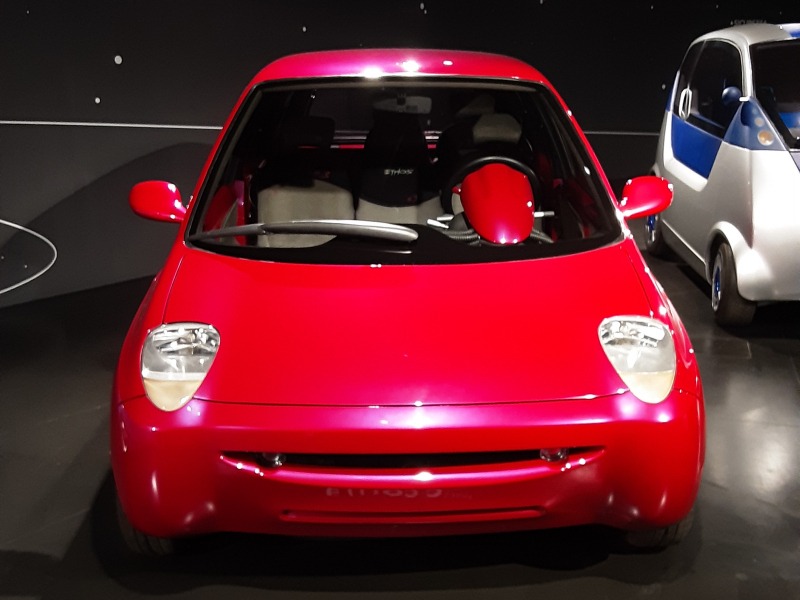
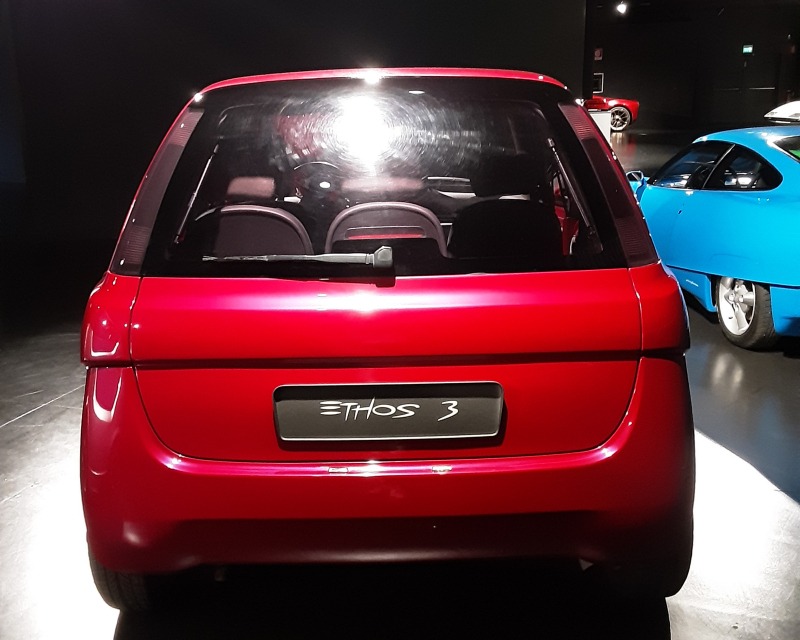
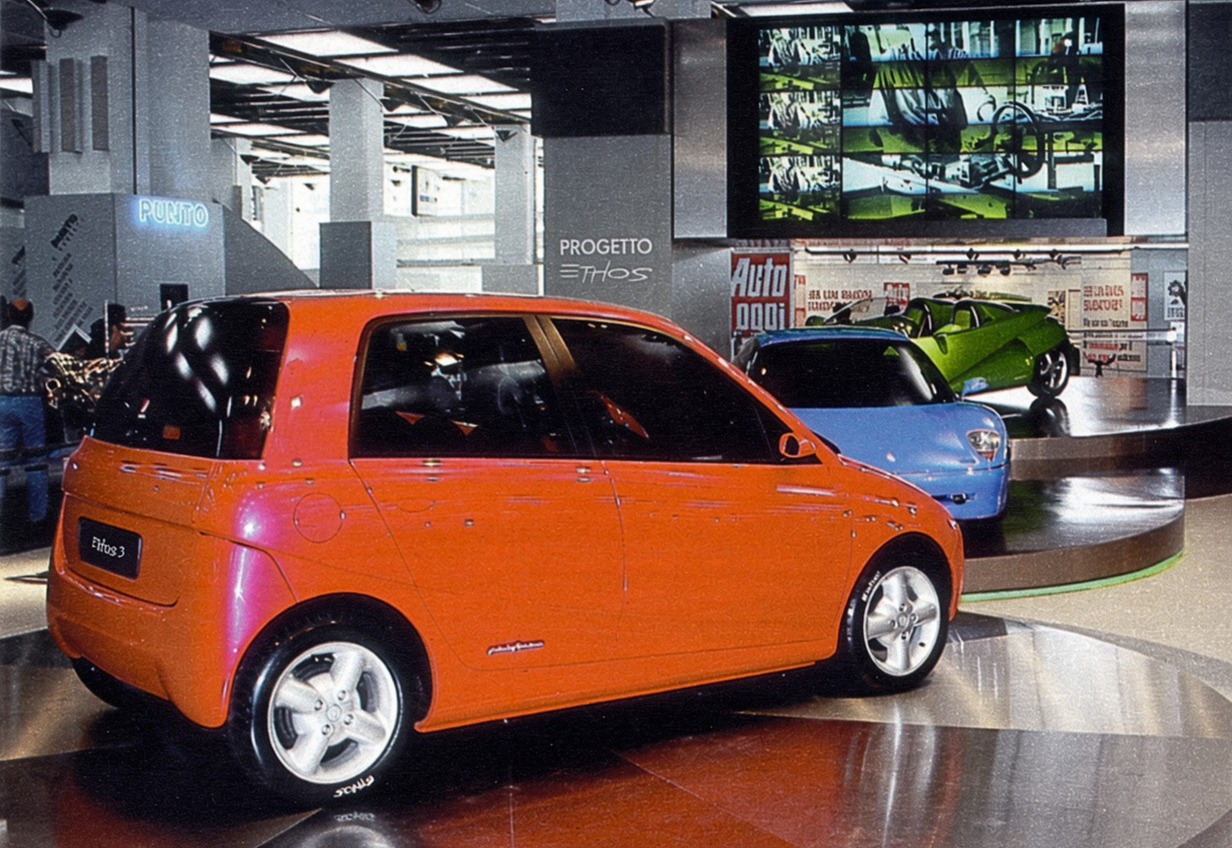
The 1994 Pininfarina Ethos 3 was an attempt to rethink the city car as something far more space-efficient than its size suggested.
Its most striking idea was a six-seat layout packed into a body that was barely longer than a Fiat Cinquecento, made possible by a very compact package and a narrow middle seat in each row.
Pininfarina used the Ethos 3 to explore how much practicality could be extracted from a very small footprint. The concept was aimed at urban use, where length, weight, and fuel economy matter more than outright performance.
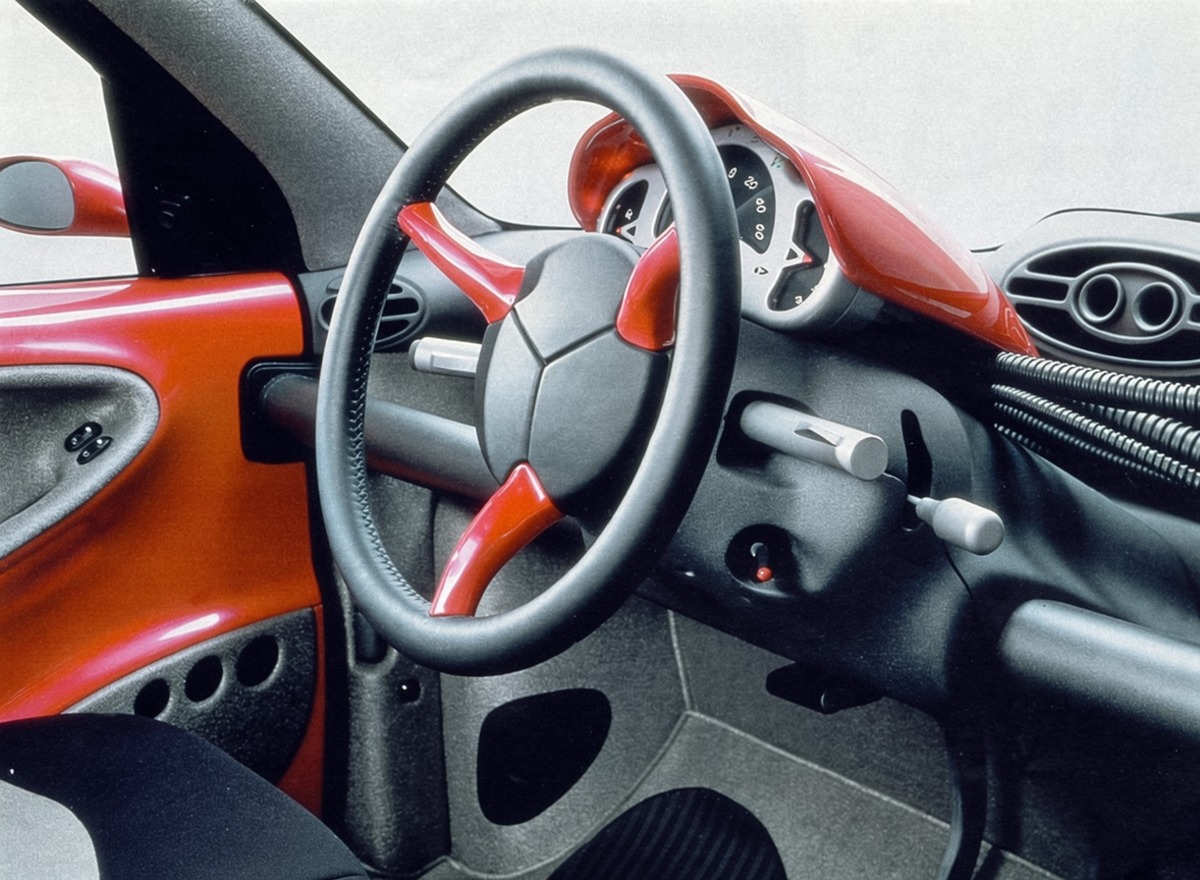
The cabin layout was the key innovation. Instead of the usual four-seat arrangement, the Ethos III used two rows of three seats, with the center seat narrower than the outer two. That unusual seating strategy helped the car remain short while still carrying more passengers than most cars in its class.

The concept was built around Orbital’s tiny 1.2-liter three-cylinder two-stroke engine. That engine choice was central to the car’s compactness, since it helped free up space and keep the overall package simple.
The body used lightweight aluminum construction, which held kerb weight to just 780 kg. That low weight reduced fuel consumption and supported the concept’s efficiency-first mission.
Ethos 3 was not just a styling exercise. It was a design study about how to combine maximum passenger capacity, low mass, and small exterior dimensions in a single urban vehicle.
That makes it a good example of early-1990s concept thinking: not necessarily aiming for production, but testing how far packaging and materials could be pushed in a realistic small-car format.