Plymouth Backpack

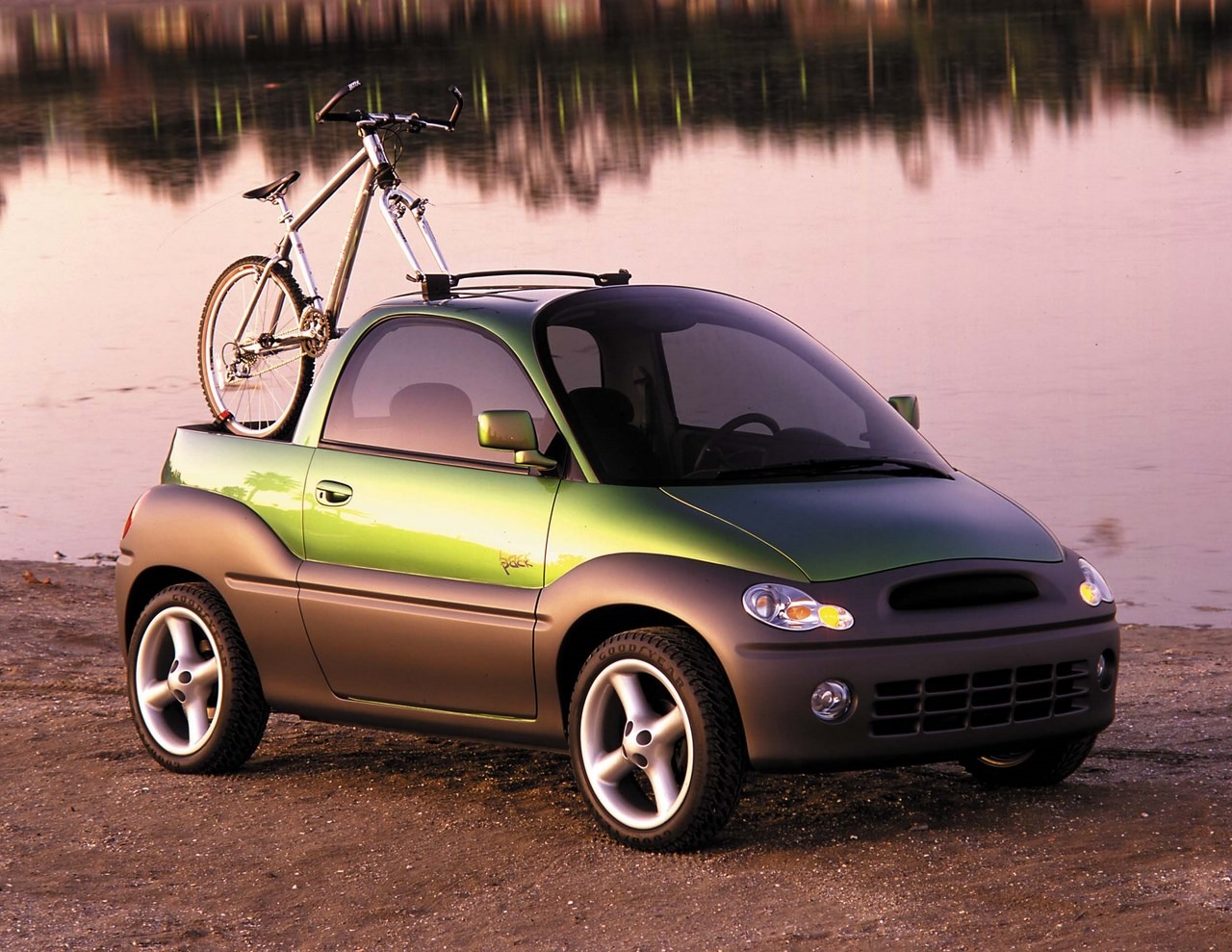
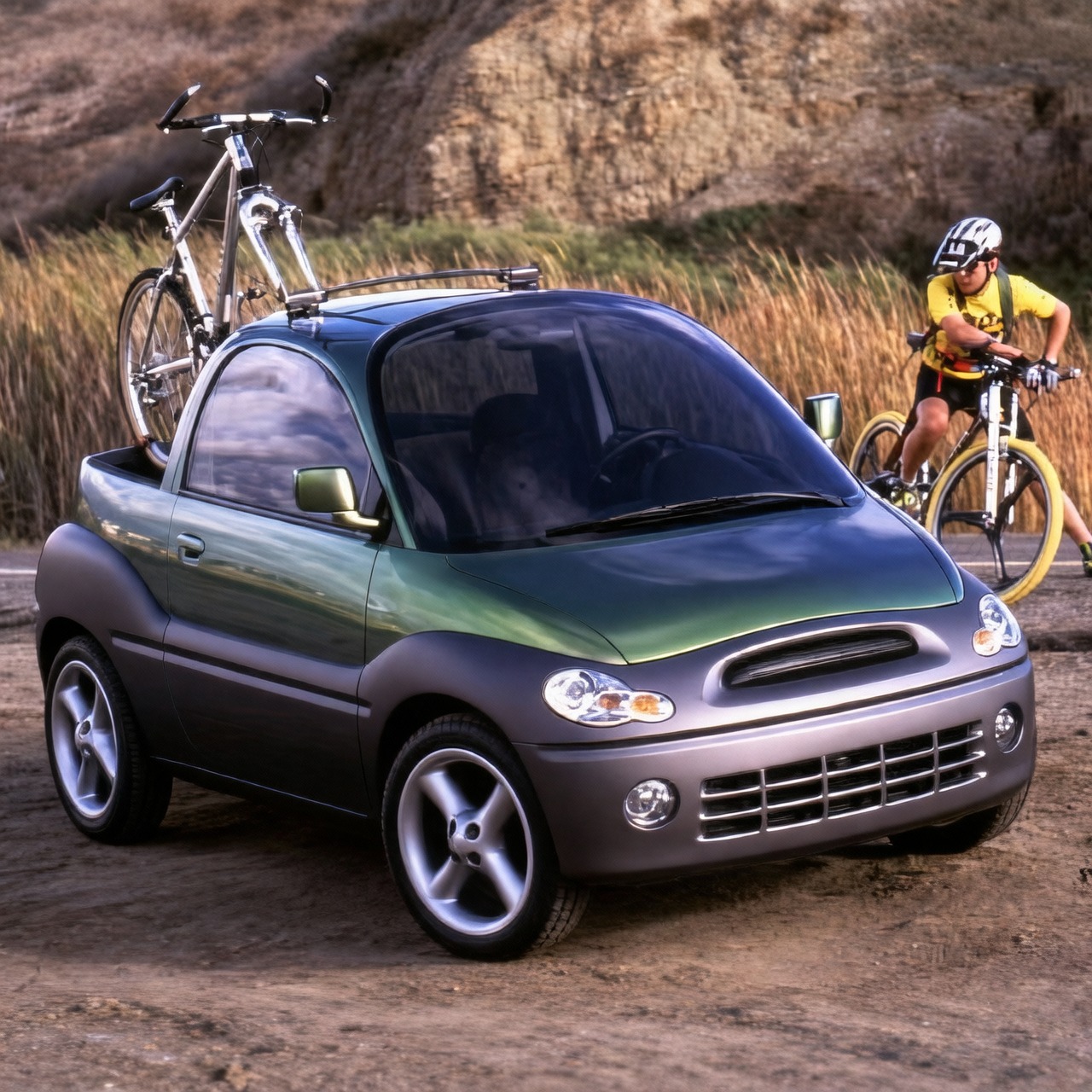
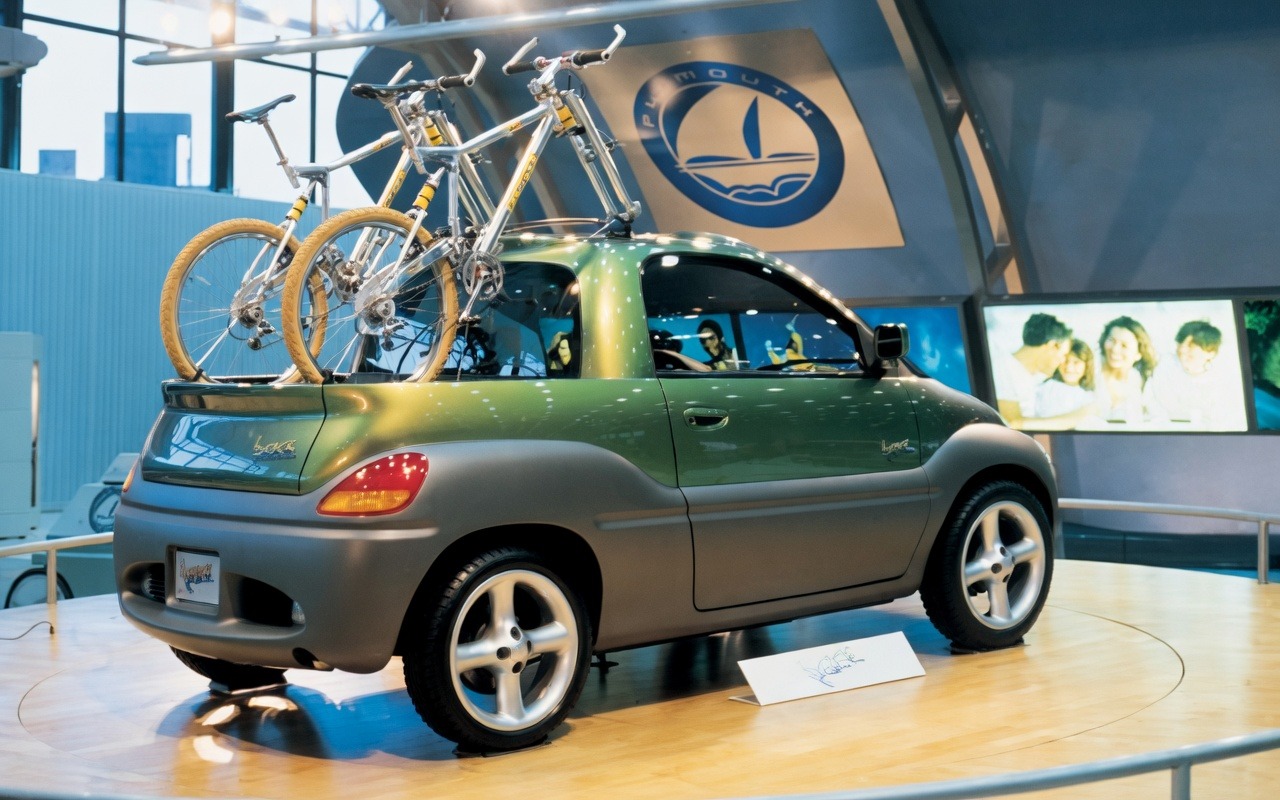
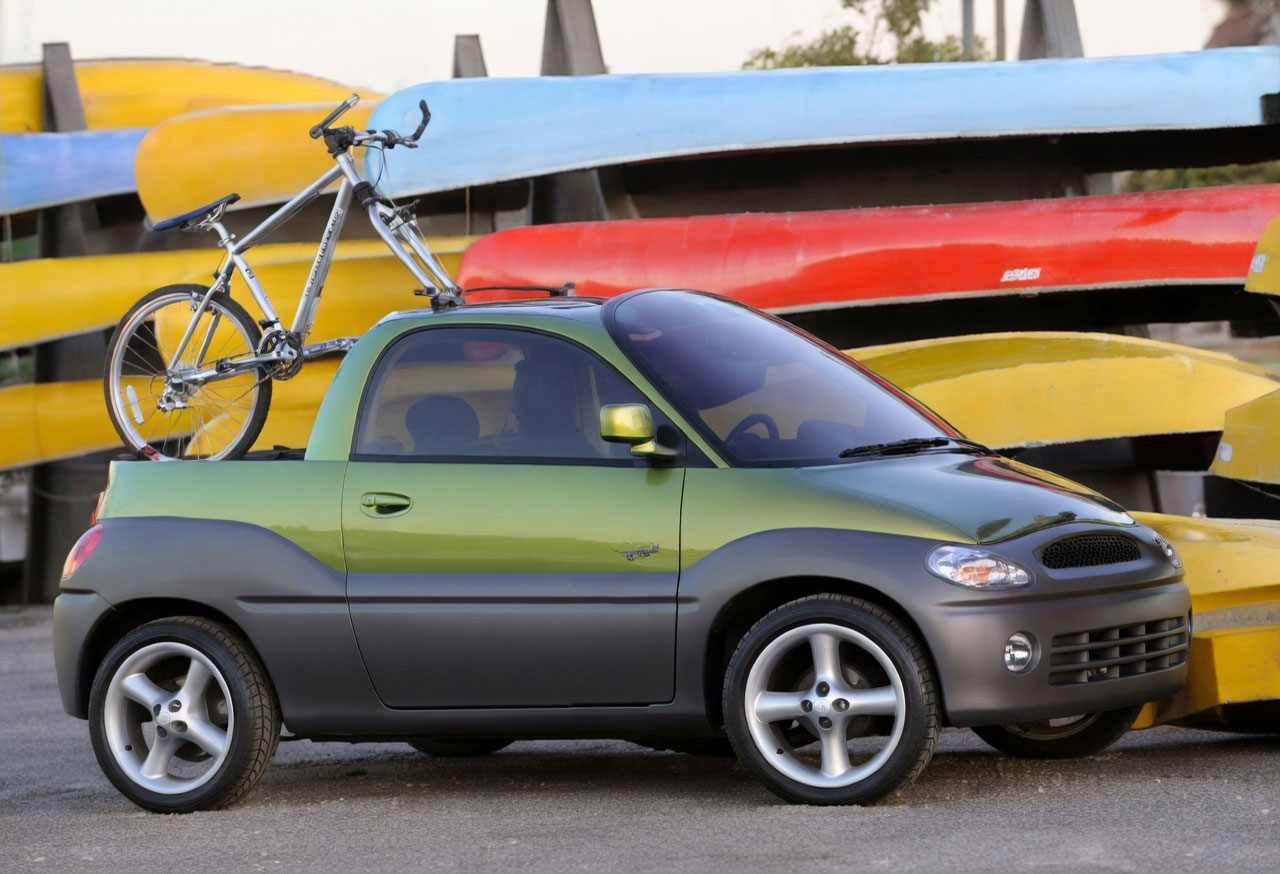
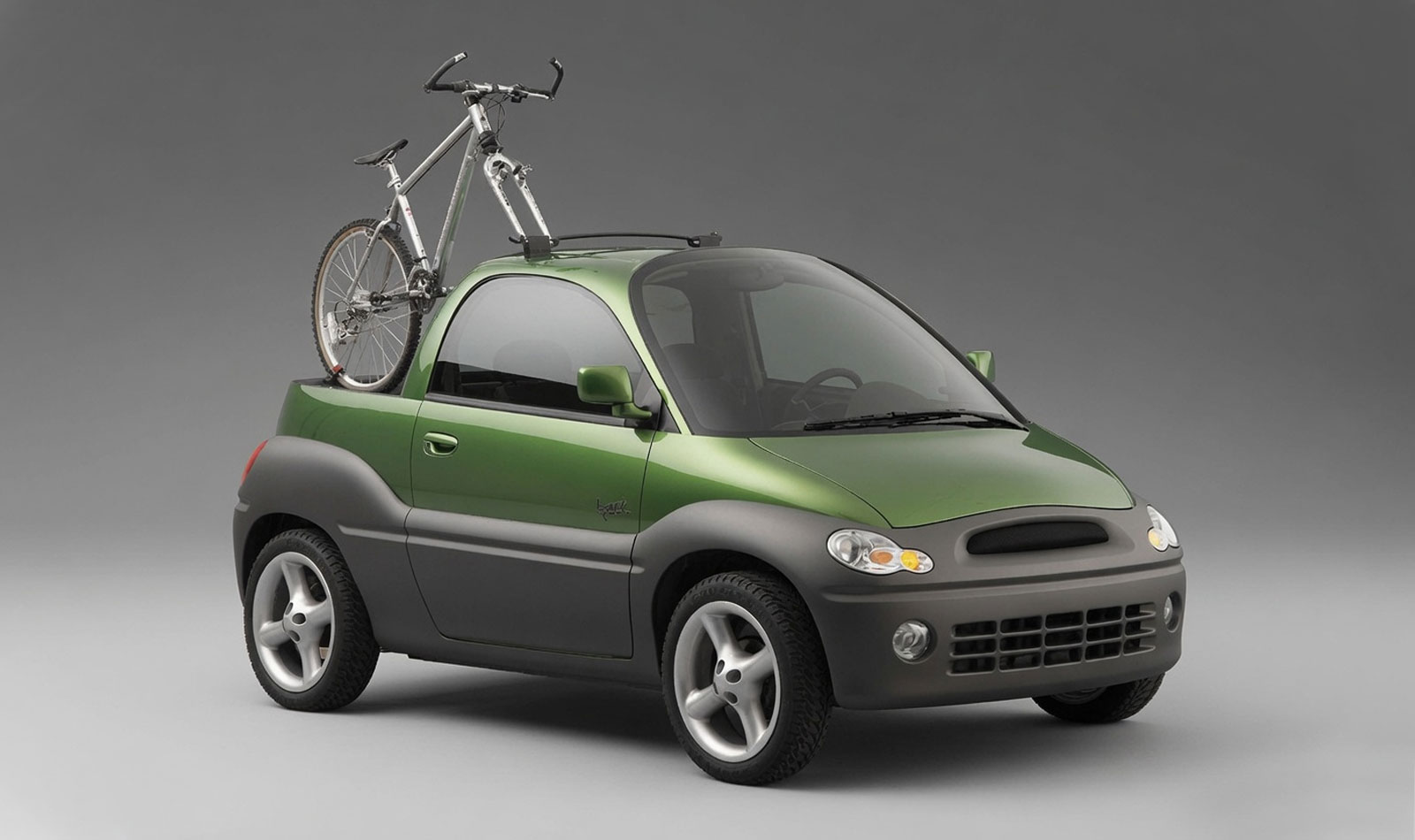
The 1995 Plymouth Backpack is a compact pickup truck concept vehicle manufactured by Plymouth, unveiled at the 1995 Chicago Auto Show. It was designed by Tom Gale, Chrysler’s design chief at the time, who had visions of future vehicles for the company.
According to the New York Daily News, the Backpack was described as “sporty, and youth oriented.” The Montreal Gazette called it a “two-door sort-of-car sort-of-pickup-truck” that was designed to be versatile as its name implied.
The Backpack was based on the Dodge Neon platform, using Neon underpinnings. It featured a MoPar 2-liter OHC straight-4 engine producing 135 horsepower, with power sent to the front wheels.
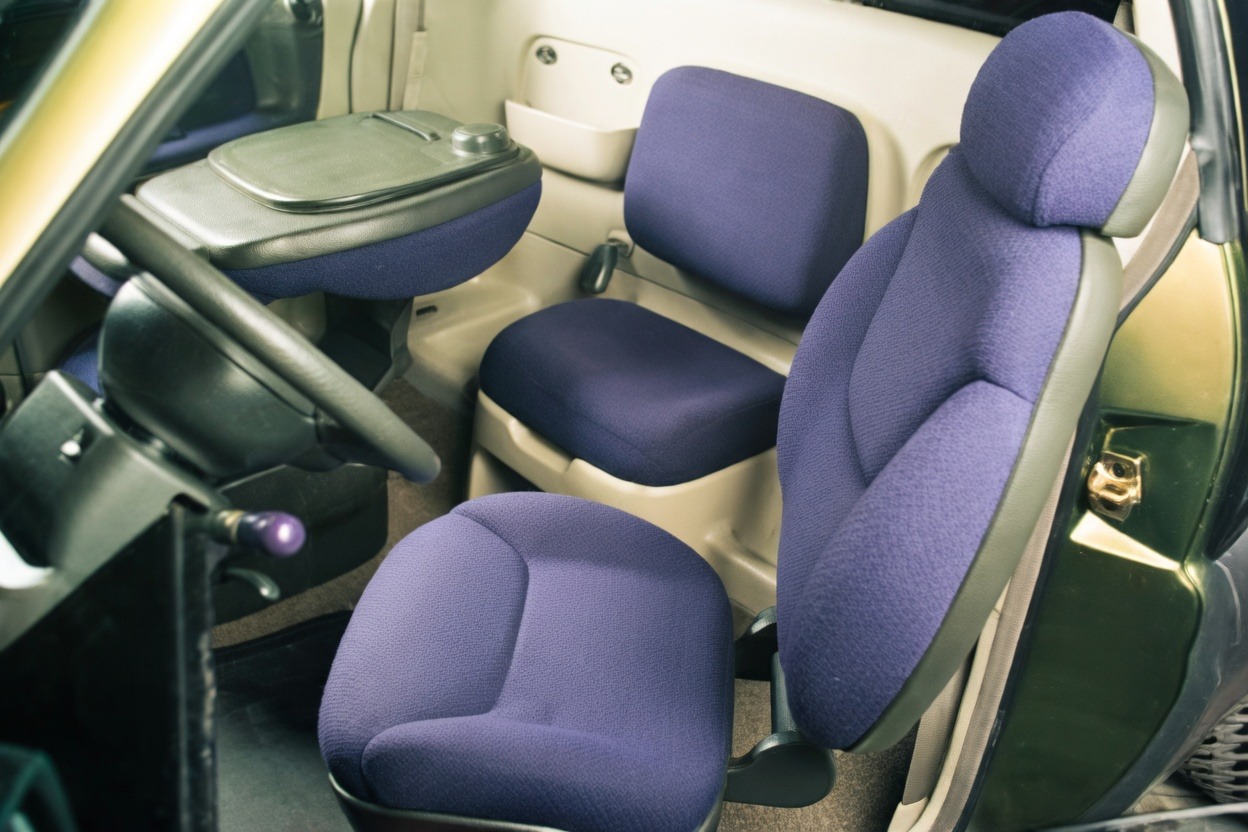
The pickup truck featured 2+2 seating, which could carry two passengers with ease and even left enough room for a small integrated table for a laptop inside the cabin. This interior flexibility was part of the concept’s appeal to younger, more tech-savvy buyers.

The seating arrangement provided “El Camino-esque versatility,” similar to the Chevrolet El Camino’s car-truck hybrid design. This made the Backpack useful for both passenger transport and cargo hauling.
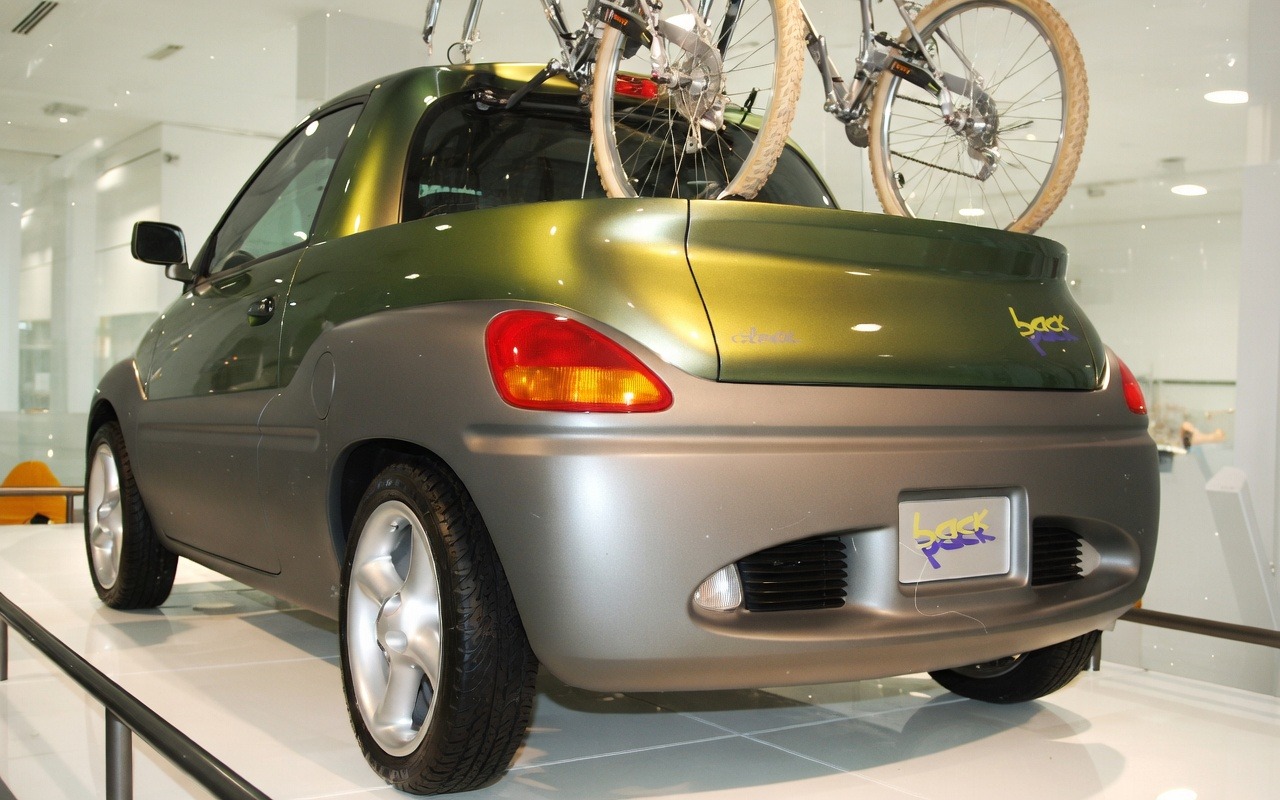
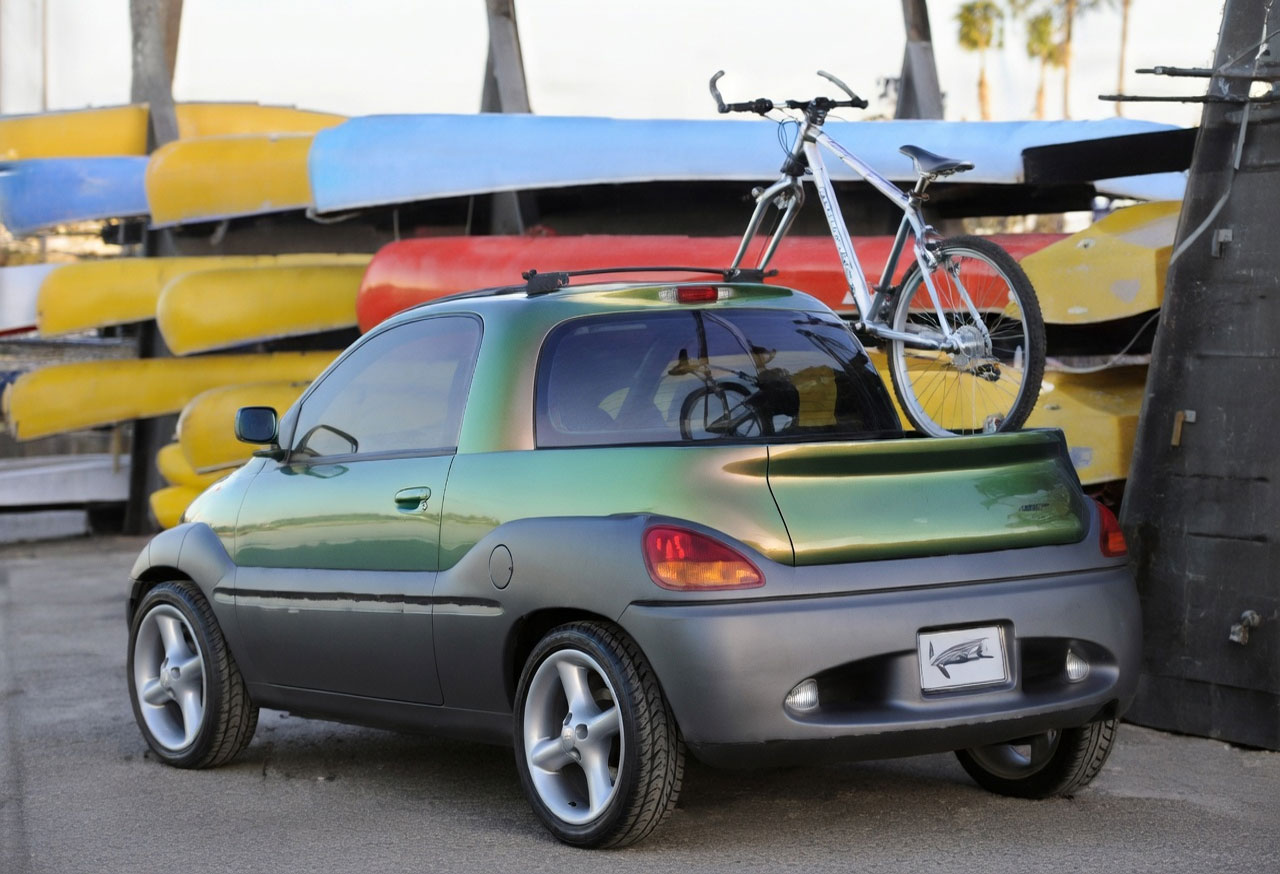
A built-in bike rack was installed on the back of the vehicle, reflecting the concept’s outdoor, active lifestyle focus. By taking off the trunk lid, the Backpack turned into a micro pickup truck with an open cargo bed.
The Plymouth Backpack Concept was one way the Chrysler Corporation was trying to rebrand Plymouth toward a younger, more youthful market, including first-time car buyers. In the early 1990s, a “Plymouth Renaissance Team” began hammering out ideas under the internal theme line “forever young,” or as some Chrysler executives called it, “the Peter Pan principle”.
Tom Gale designed the sporty Backpack with the vision of “not what Plymouth is today, but what it will be,” suggesting the concept was meant to show Plymouth’s future direction.
The Backpack did not lead to a production Plymouth pickup truck. Like many concept vehicles from this era, it remained an experimental project rather than becoming a market model.