Citroën / Peugeot Tulip

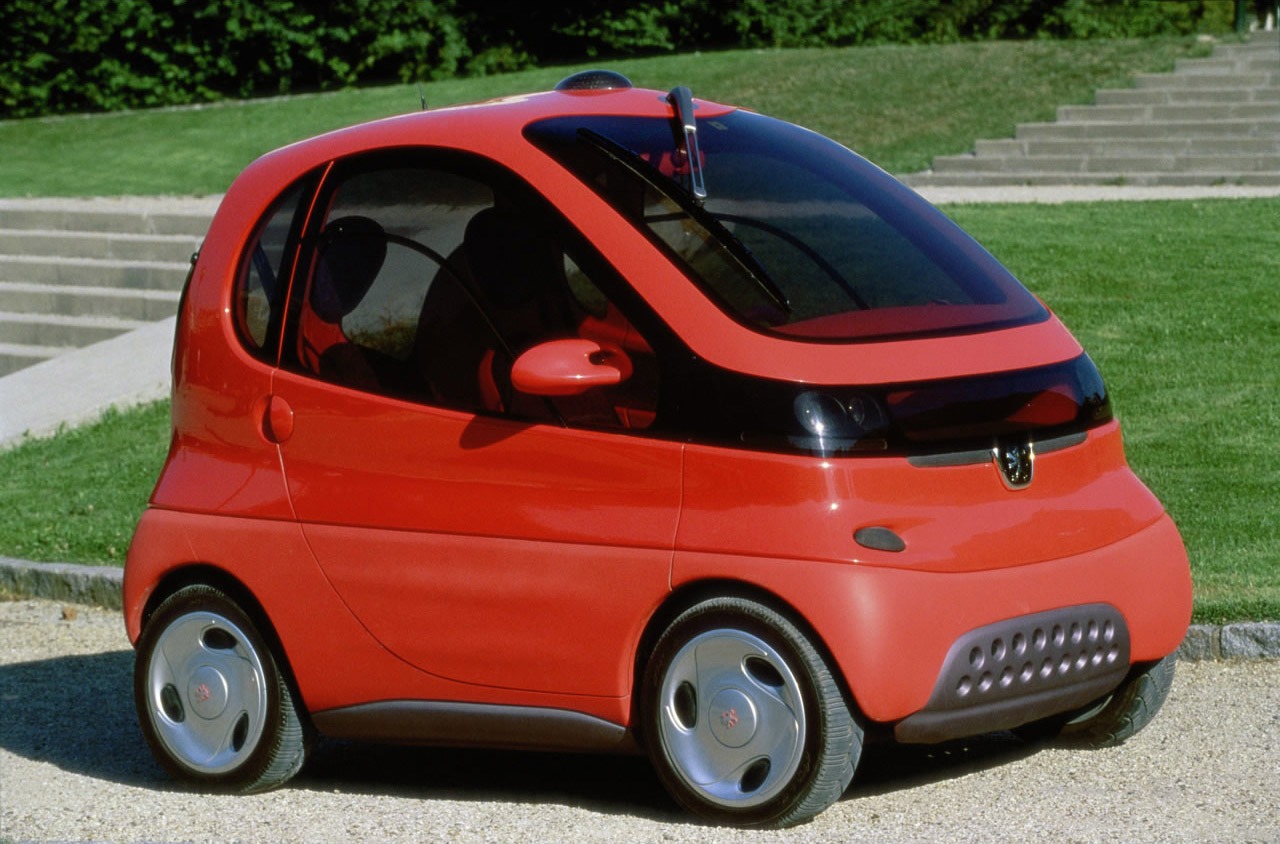
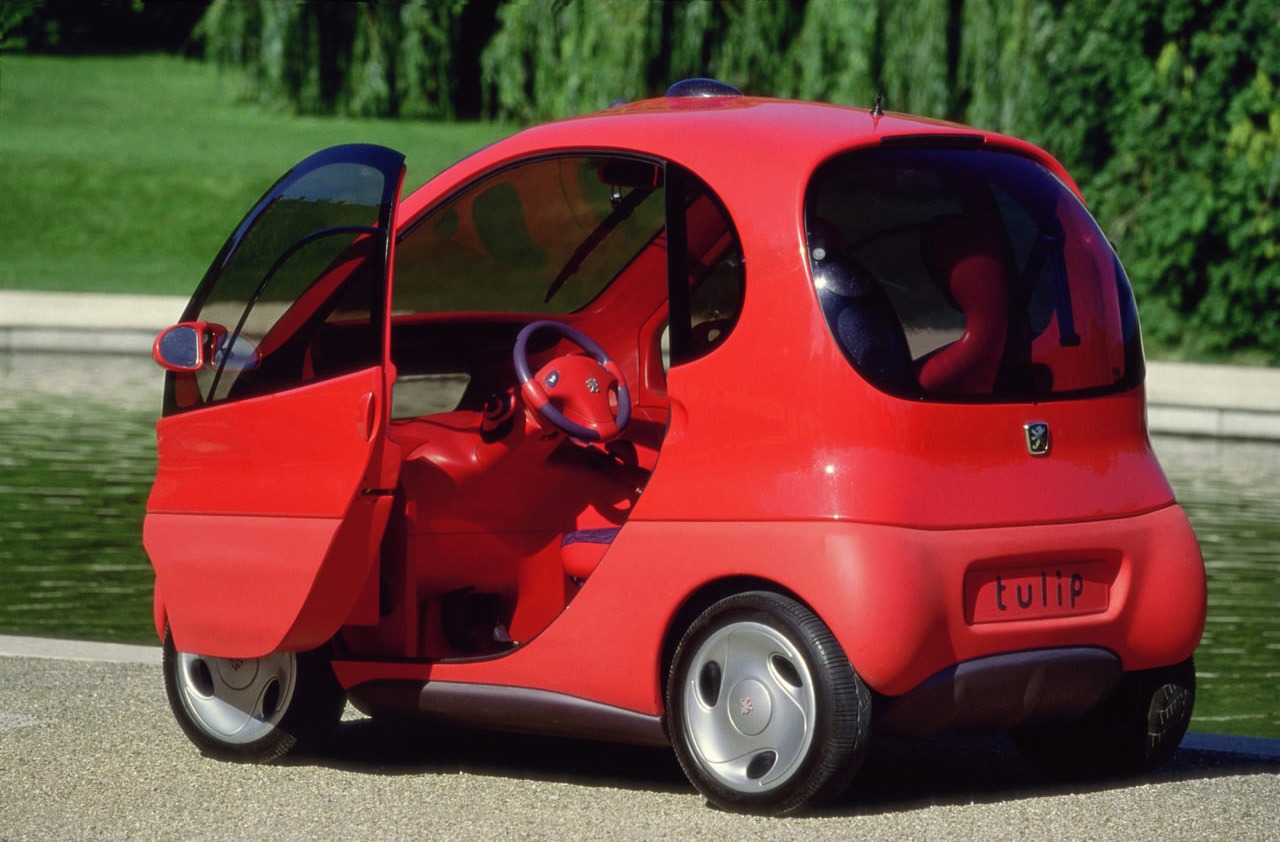
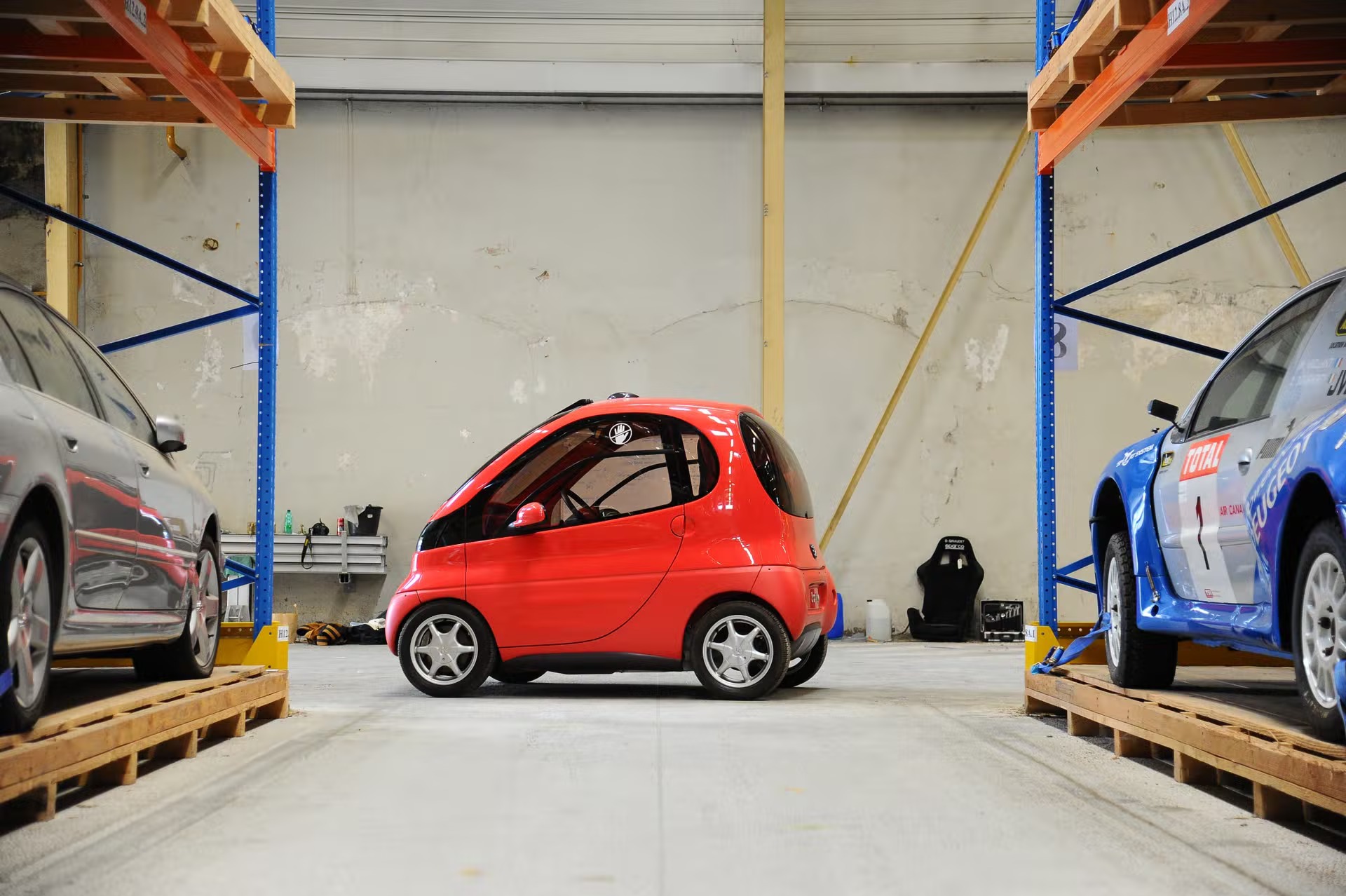
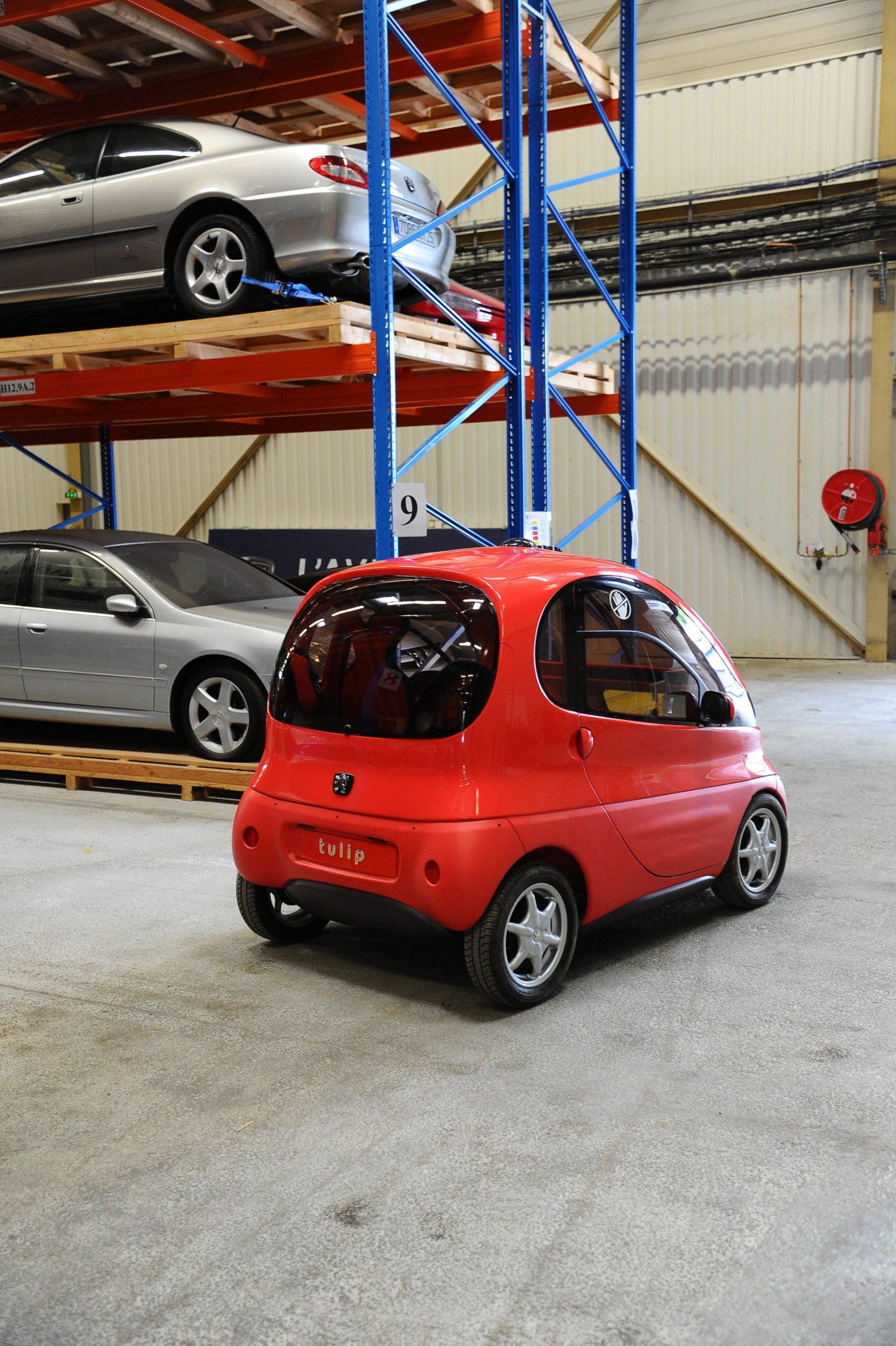
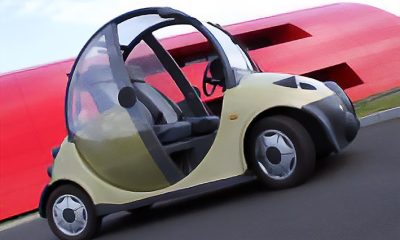
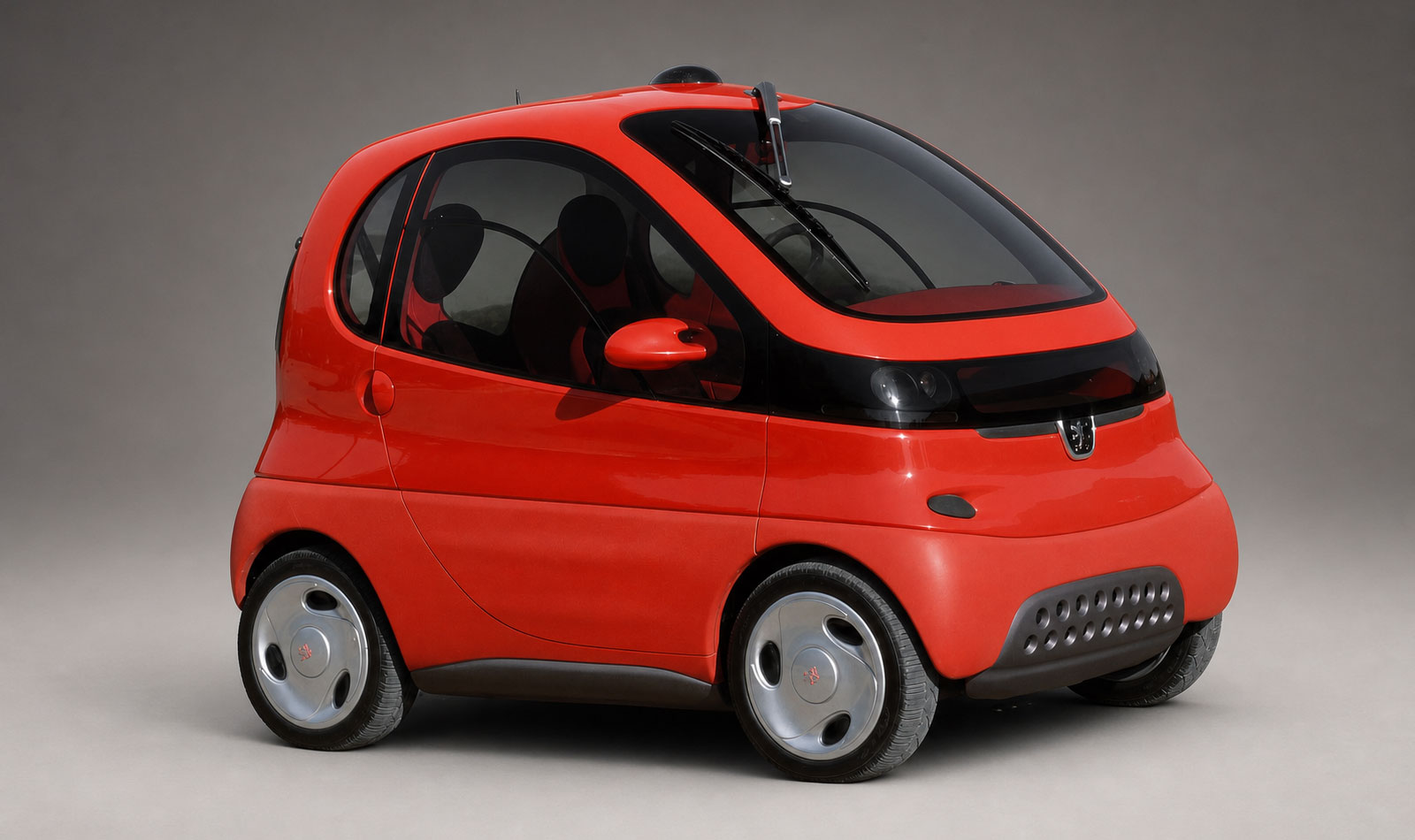
The Peugeot Tulip (also badged as the Citroën Tulip) was a concept car and prototype from 1995, designed and developed by PSA Peugeot Citroën with partners Via GTI and Cegelec.
The name Tulip stands for “Transport Urbain Libre Individual et Public” (Free Individual and Public Urban Transport). The two-seater electric car previewed an hourly rental carsharing system in Tours, France, representing PSA’s vision of the future in 1995.
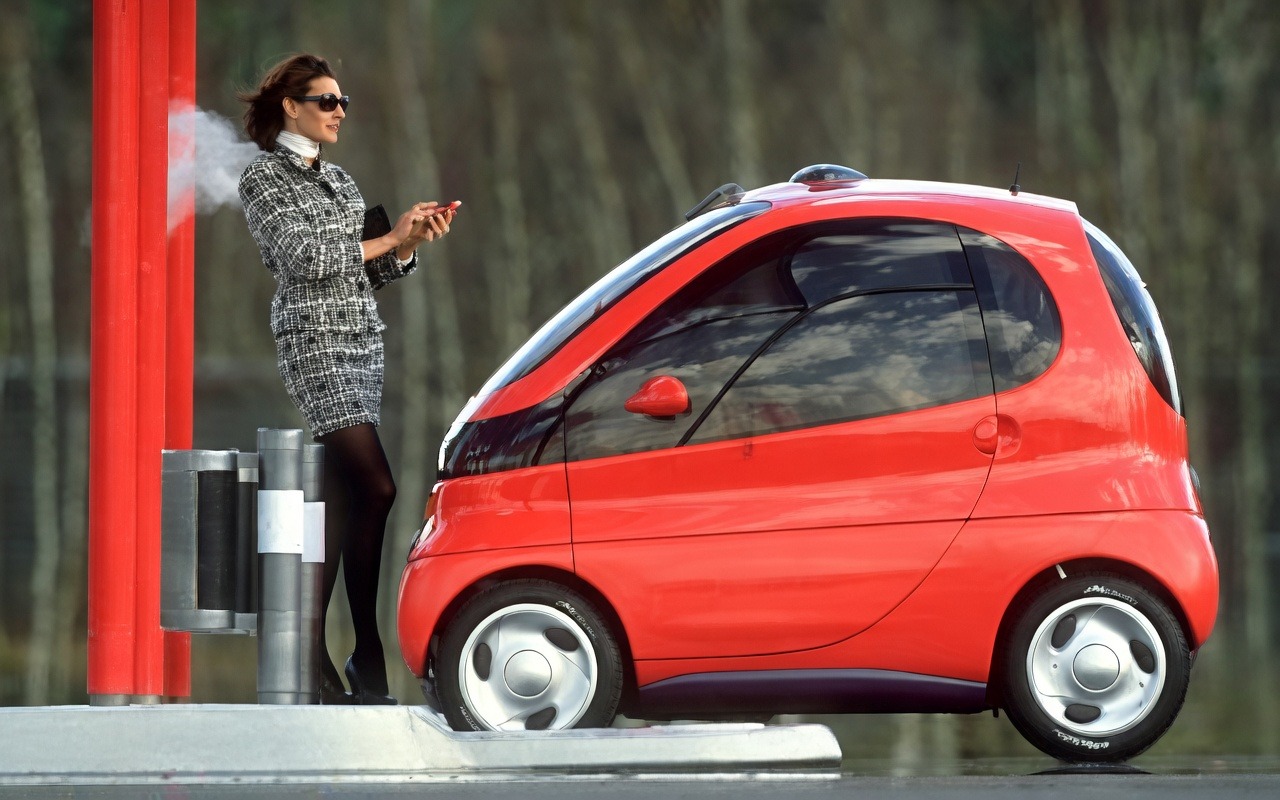
The Tulip was an attempt to create the ultimate electric city car capable of seating two people in comfort. Combining the best features of public and private transport, no Tulip was owned by any one driver. Instead, users subscribed to the service and when they needed a car, they either phoned and reserved one or went to their nearest Tulip rank. A roof-mounted lamp told users whether the car was in service or being recharged .
The Tulip was an urban public transport system designed for local authorities by the research and development division (DRASS) of PSA Peugeot Citroën. The system comprised three parts: a network of electric vehicles for rent, a Central Station responsible for management, reservations, maintenance and invoicing, and an infrastructure composed of relay points with fleet management computers, an automatic recharging system and infrared markers.
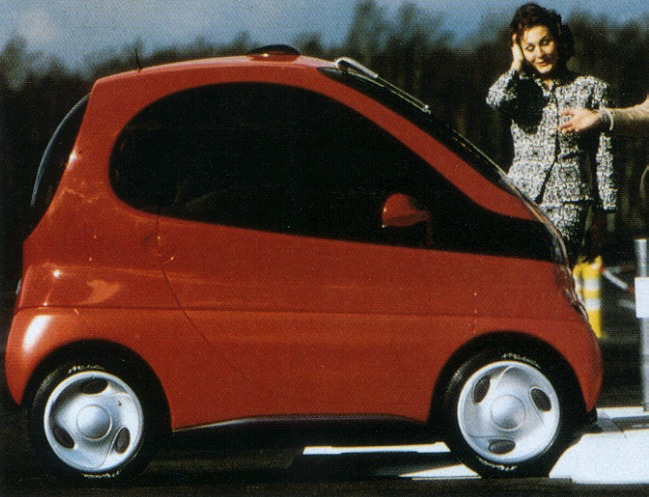
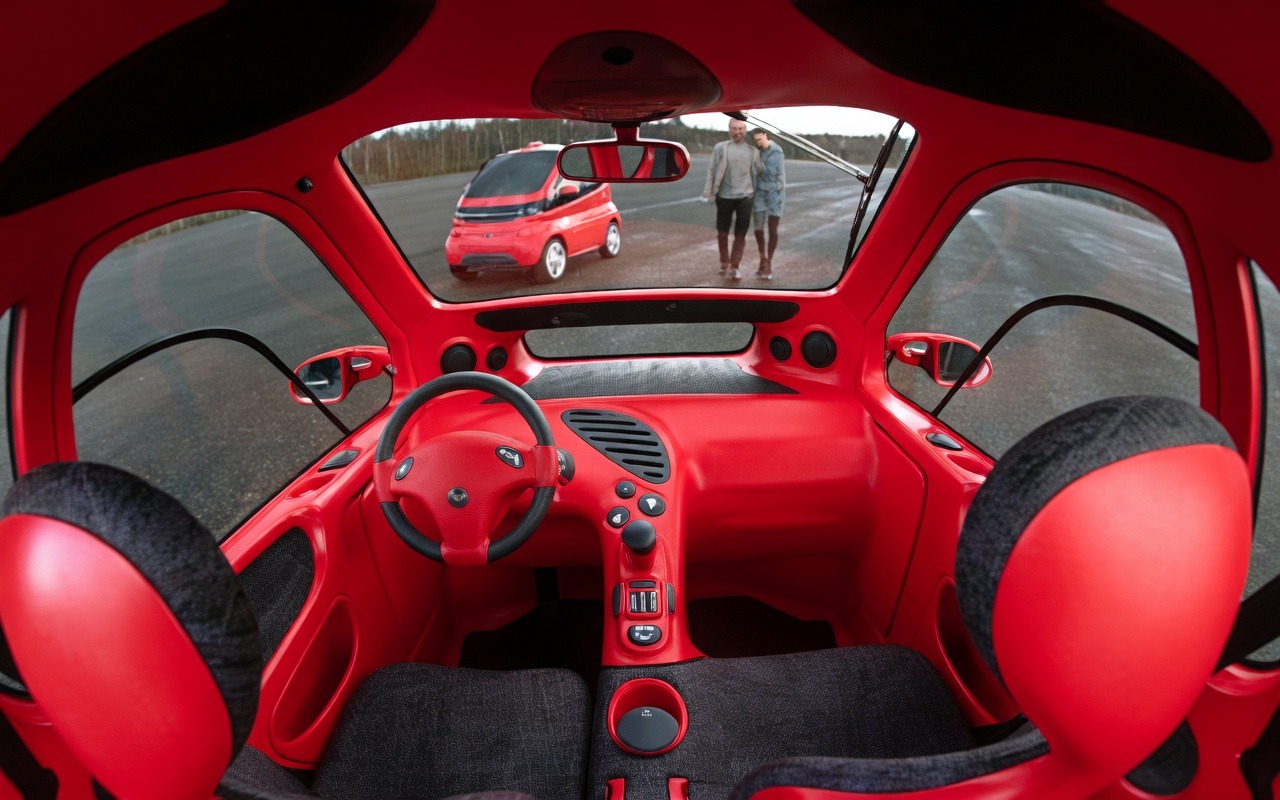
The small car was 2.1 meters long. Despite its tiny dimensions, the French manufacturer endowed the Tulip with ideal visibility of 326 degrees and advanced technologies for 1996. The vehicles were made of sandwich materials with a strong cross-structure.
Powered by a 9.6kW electric motor, the Tulip drove the front wheels. The car had a top speed of 70 kph (46 mph). The range was about 80 km.

The electric motor and compact bodywork intelligently responded to the needs of large cities. The vehicles used technology developed for the Citroën AX Electric and the Peugeot 106 Electric.
The car was charged by induction (wireless charging) by driving to a designated location at a Tulip relay point. The nickel-cadmium batteries could be charged wirelessly when parked in their reserved space at a relay point .
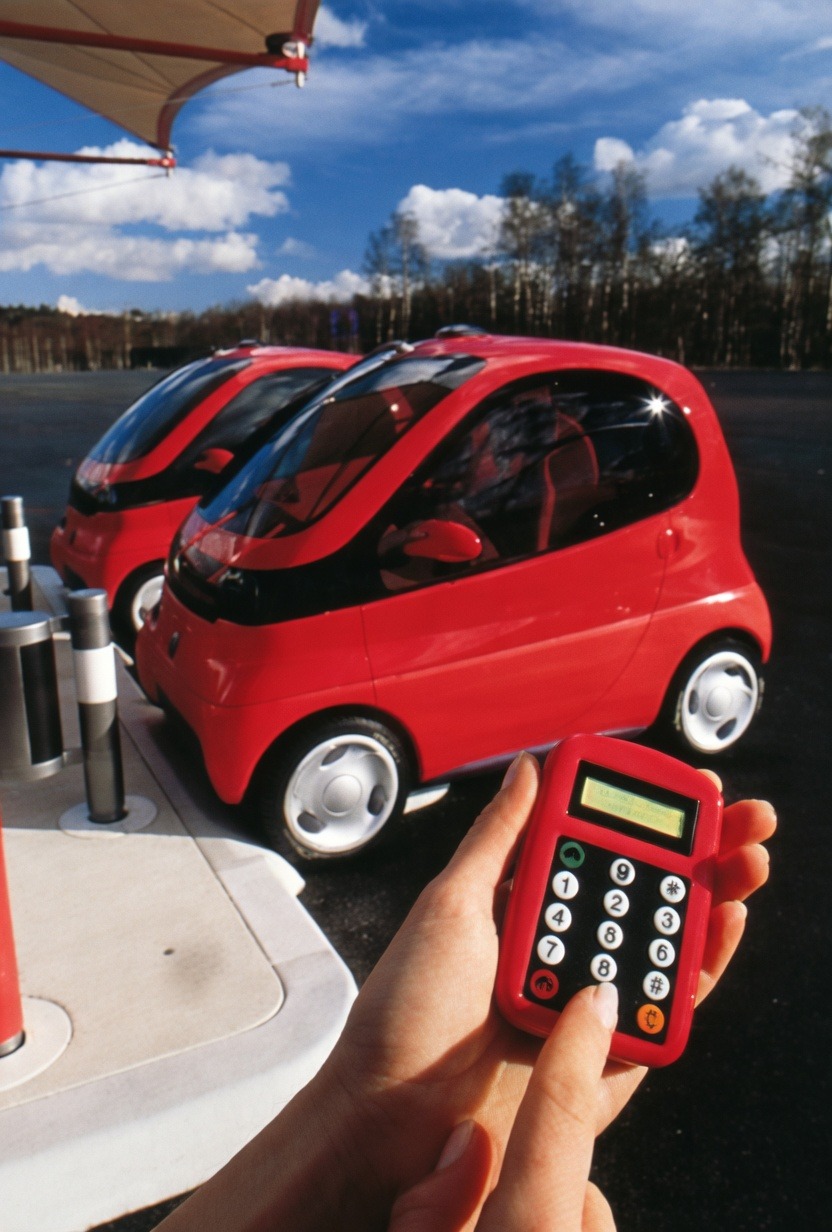
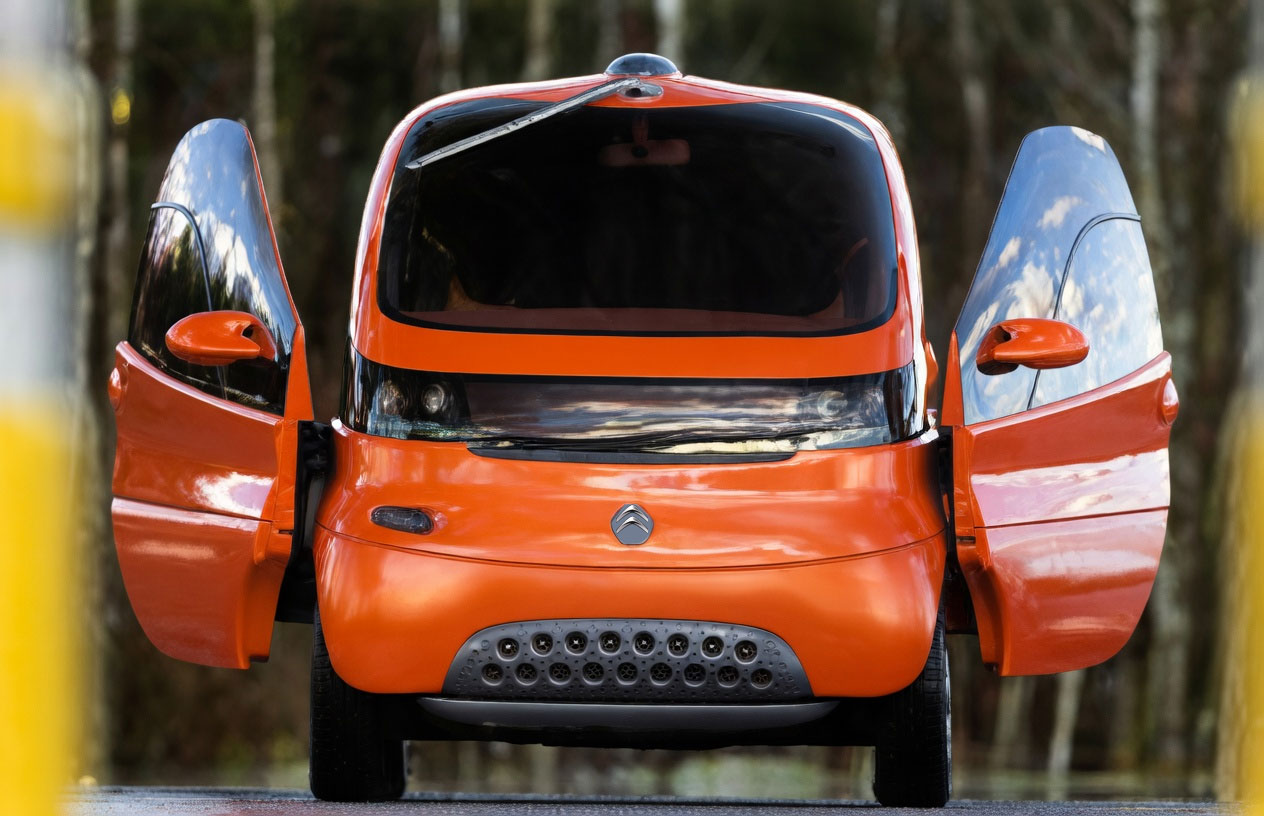
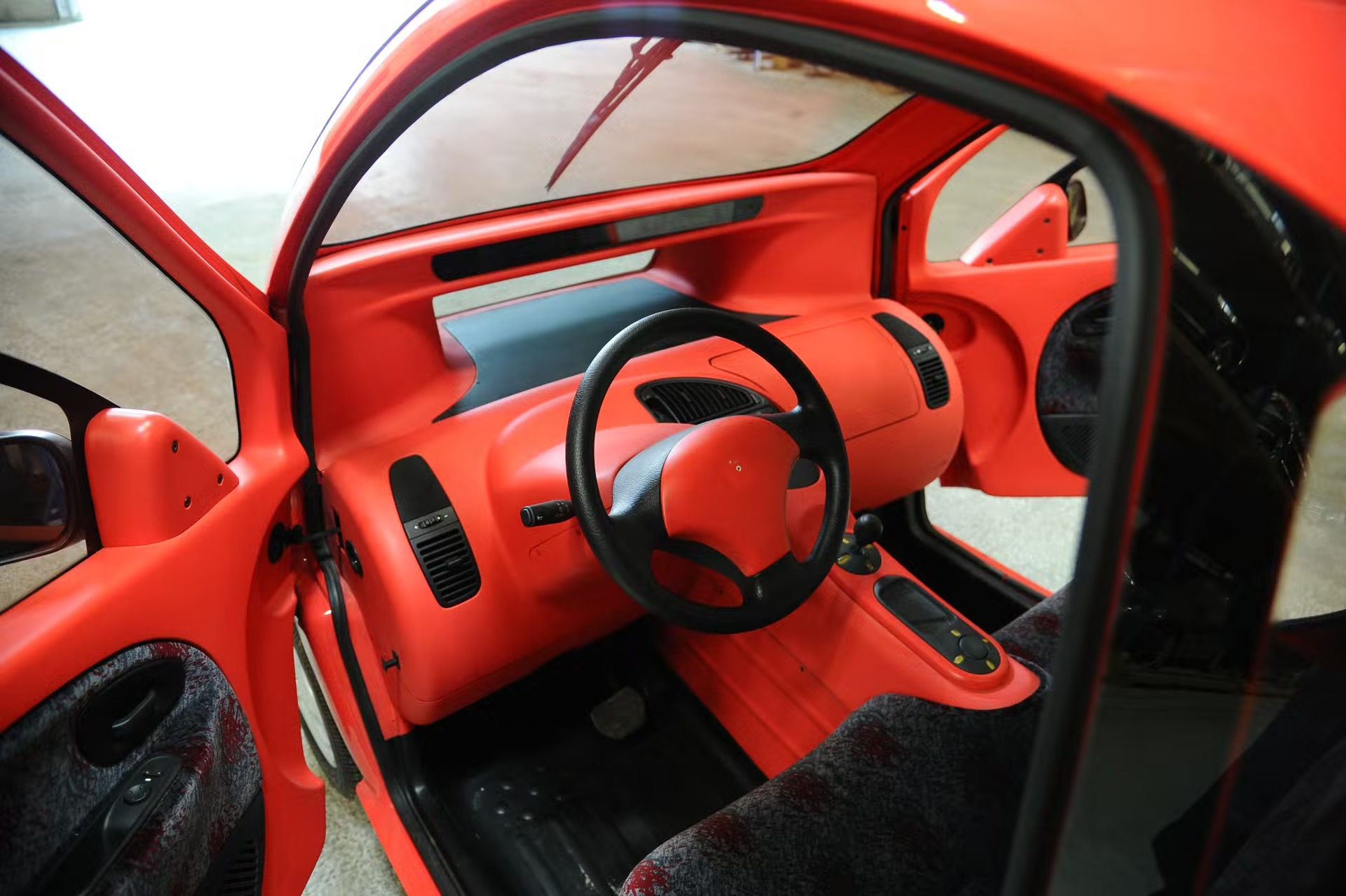
The Tulip was mainly controlled by a remote control resembling a telephone. Users had a personal remote control unit allowing them to use the vehicle and to dialogue with the Central Station. The remote opened and closed the sliding doors and toggled other functions. The unit could also be used as a hands-free telephone.
The vehicle was equipped with an electronic ventilation and heating system that automatically adjusted the interior temperature according to the current temperature.
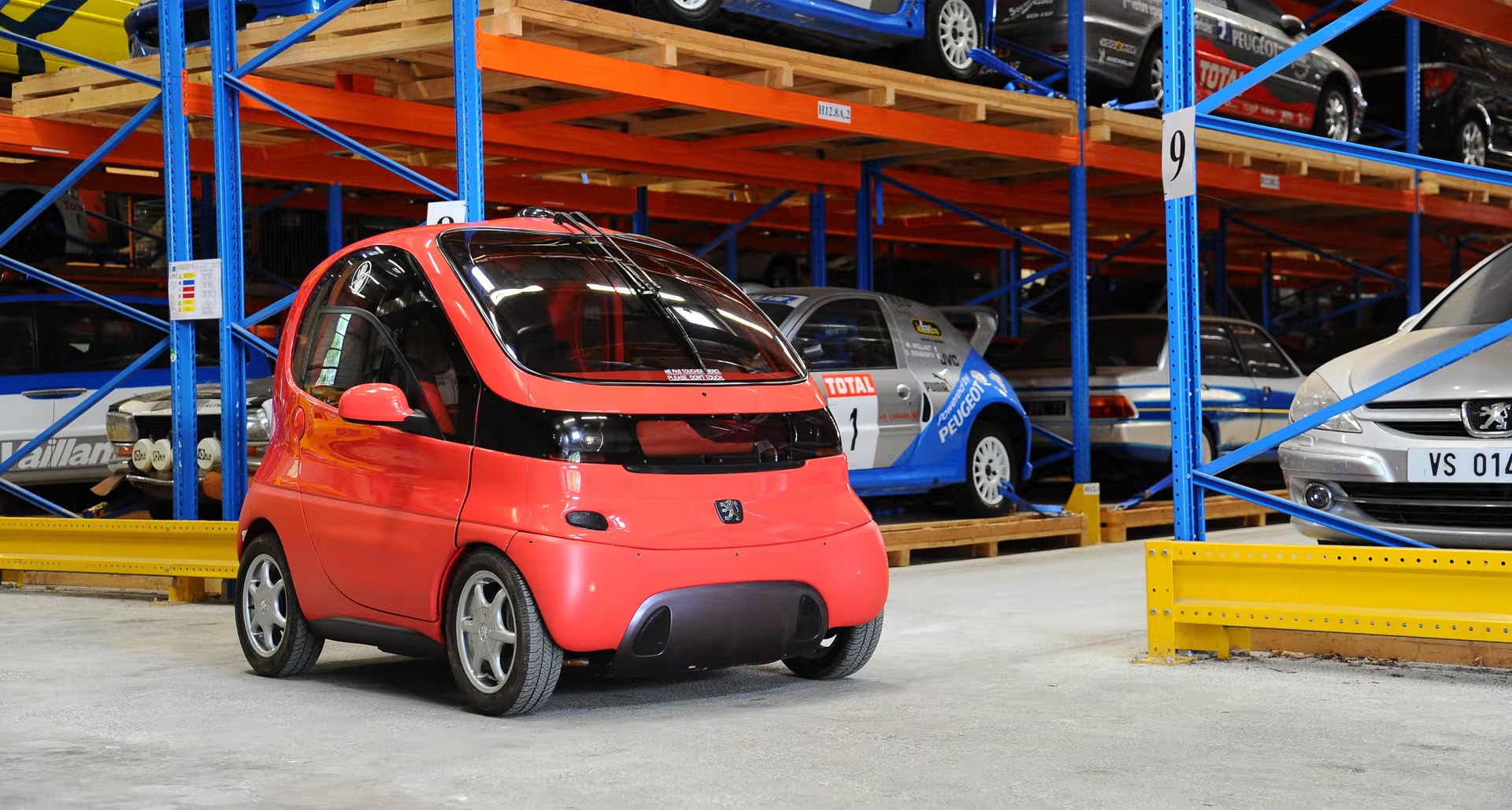
The Tulip has been seen wearing both Citroën and Peugeot badges. The Peugeot Tulip prototype debuted in 1996 at the Paris Motor Show as a “subscription transport” vehicle .
In 1995, trials began in the French city of Tours of this new form of urban transport—environmentally friendly and above all a viable alternative to the internal combustion-powered cars that clog cities and pollute their air.
The concept car was sold without registration title in 2020 during the sale of the Peugeot Citroën DS Adventure Museum’s reserves. In 2025 it was sold again for $8,030.