Zagato Milanina

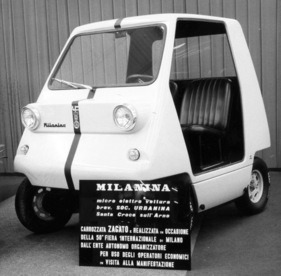
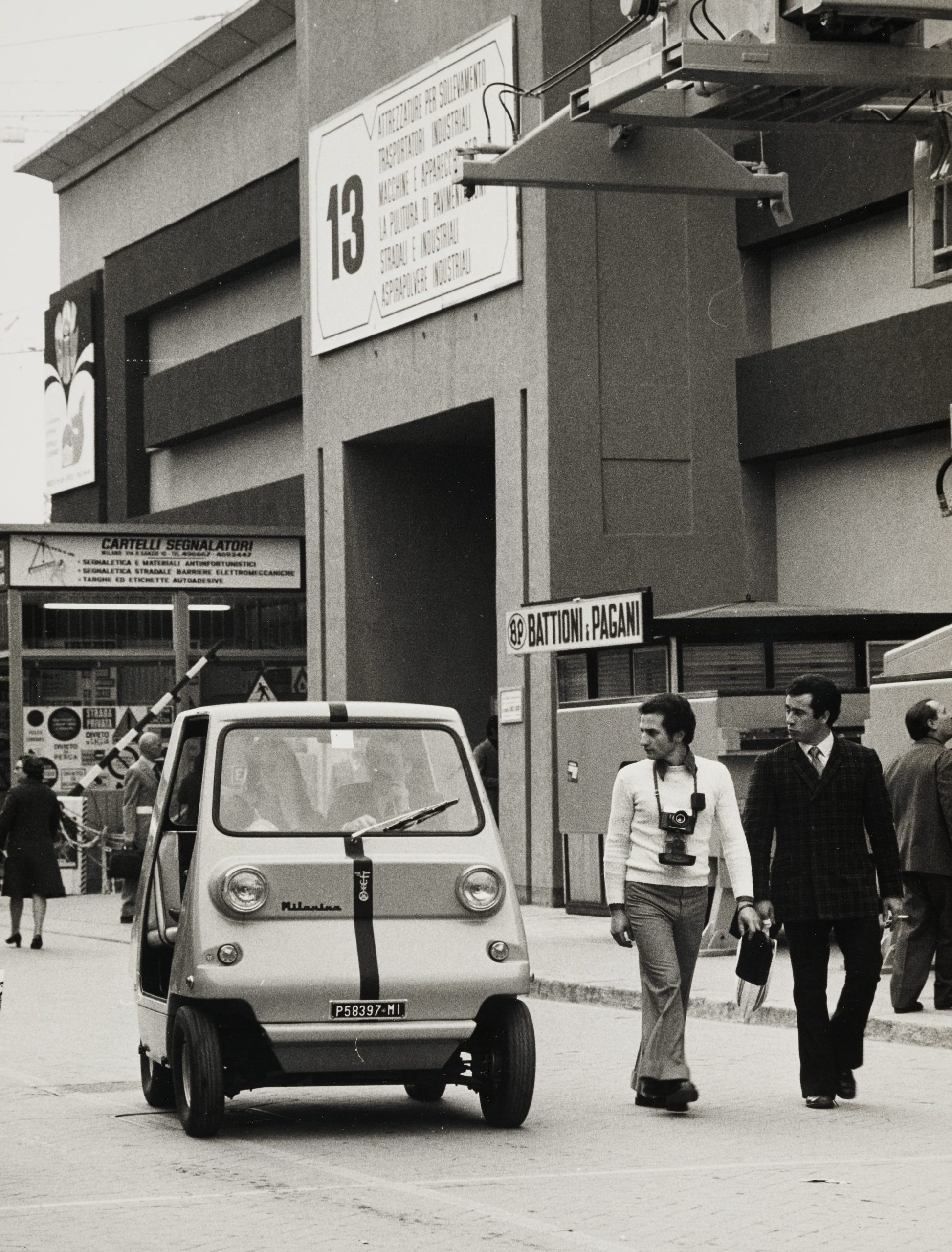
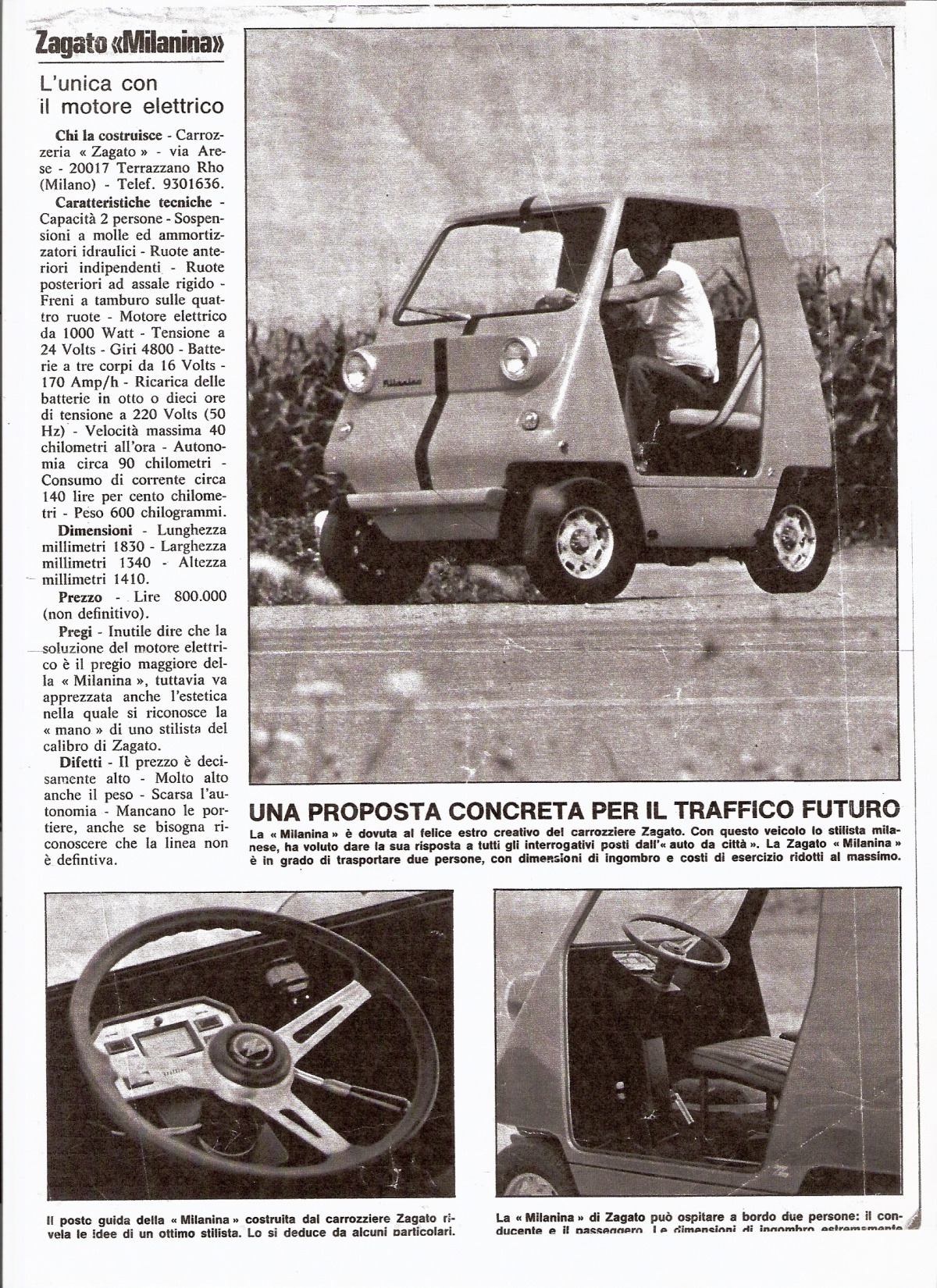
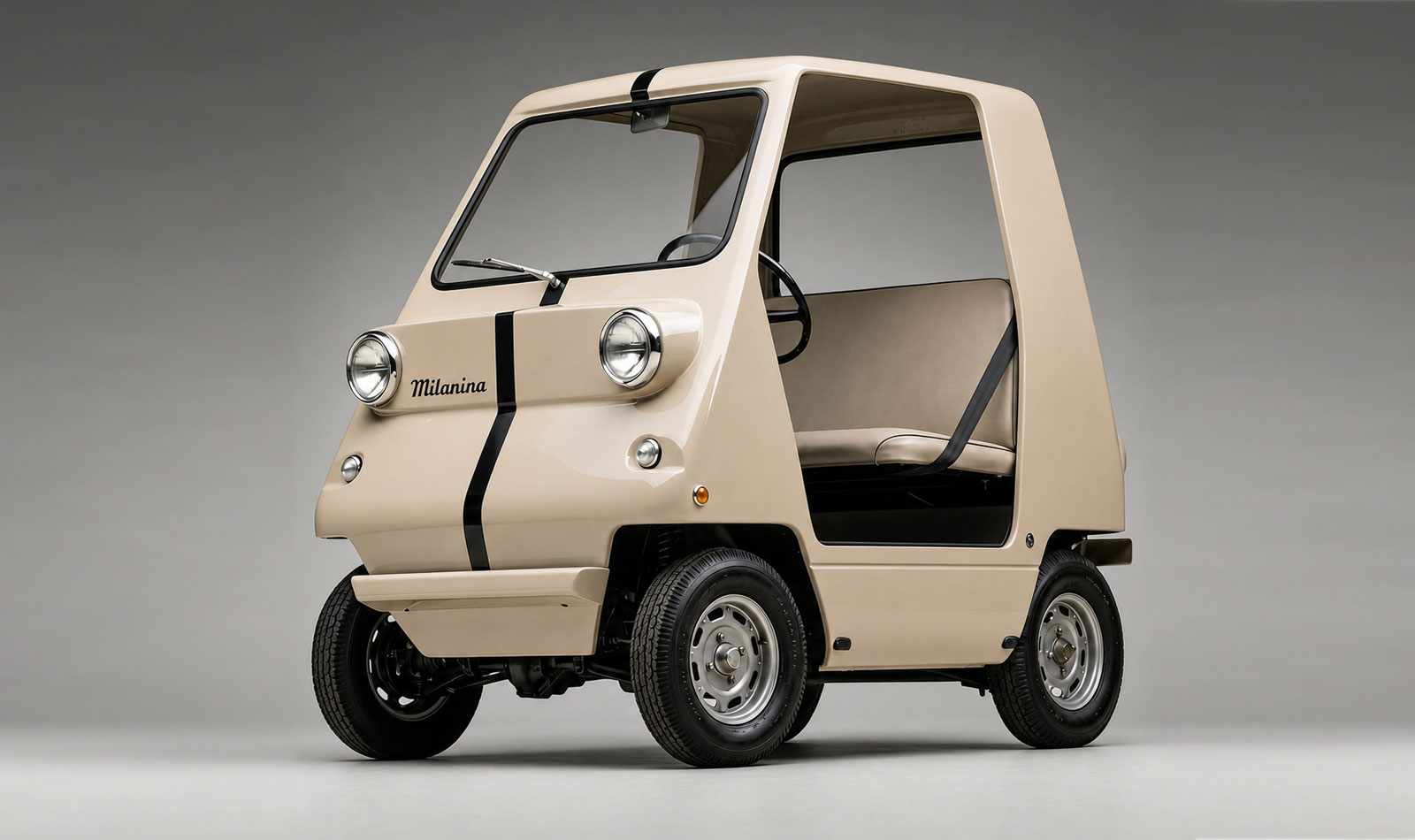
The Zagato Milanina was an experimental electric city car that combined mid-1960s urban mobility vision with Zagato’s distinctive coachbuilding expertise.
The project originated when Marquis Bargagli and Narciso Cristiani, two visionaries, conceived a totally innovative mode of urban transportation in the mid-1960s, creating the original Urbanina prototype.
Zagato noticed the Urbanina exhibited at the Turin Motor Show and was deeply impressed by its design and engineering.
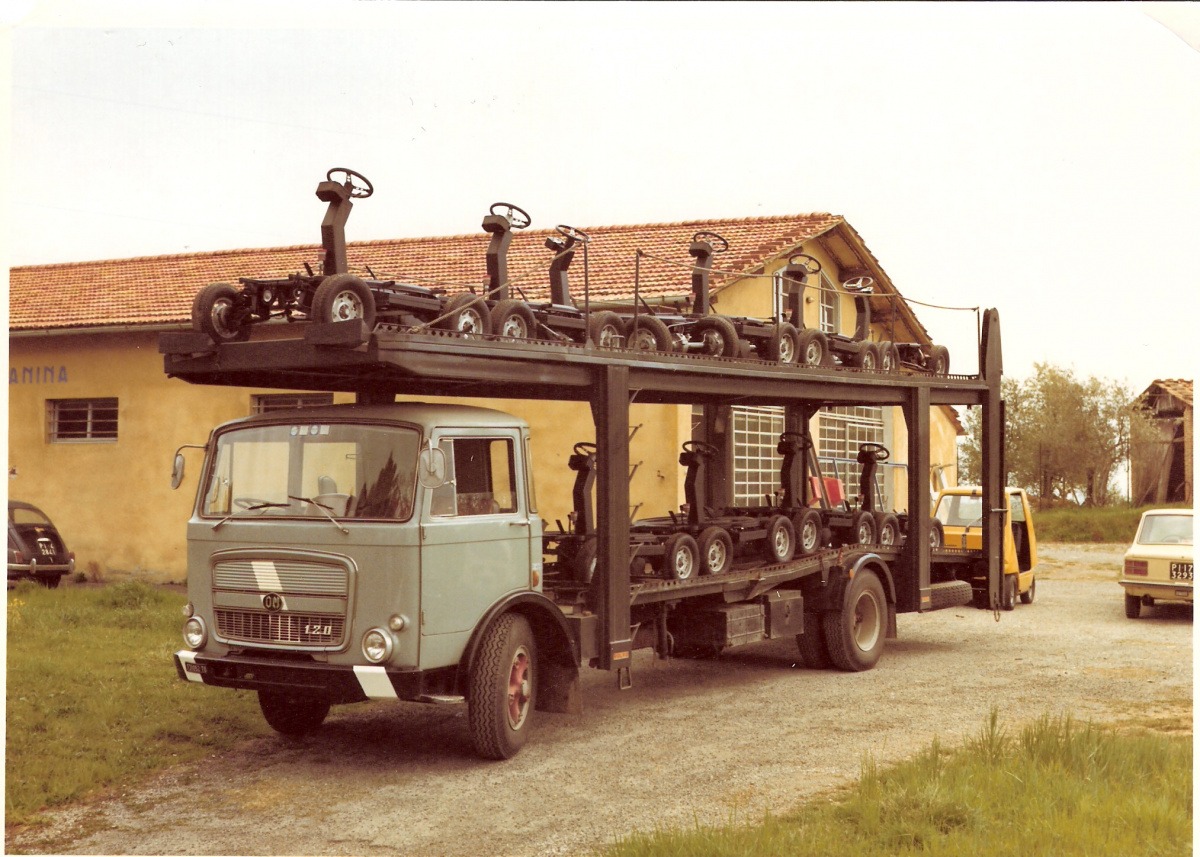
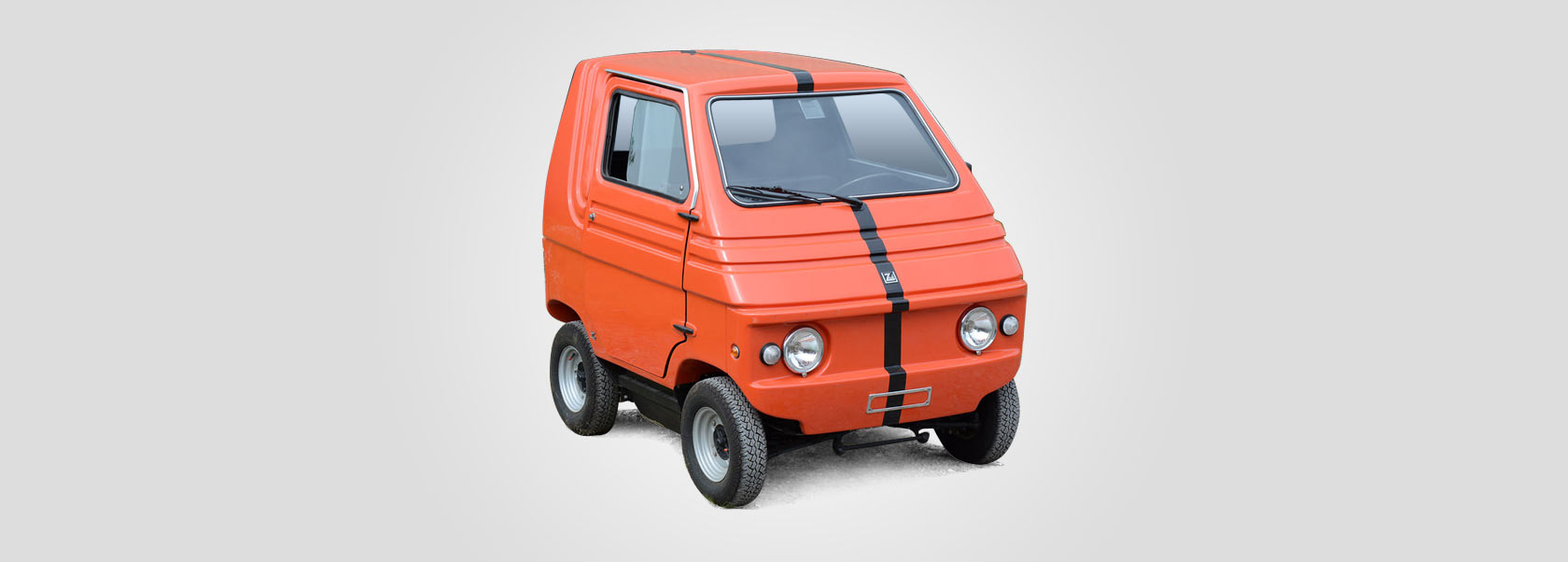
When the Milan Fair requested Zagato to prepare electric vehicles that would serve as service vehicles for the 1972 Milan International Fair, Elio Zagato turned to Poggio Adorno to purchase mechanics and chassis on which to build his own fiberglass bodywork. The agreement was successful, and an era photograph shows the semi-trailer truck leaving for Milan.
The Urbaninas with fiberglass bodywork prepared by Zagato were renamed Milanine. Zagato was so impressed by the project that he thought of developing an electric car from the Milanina project to produce in series and proposed to Bargagli and Cristiani to sell him the Urbanina. The Urbanina adventure therefore ended in 1971 when Zagato purchased the patent, equipment, and chassis already prepared.
Despite proposing a more modern bodywork than the original Urbanina, the Milanina also failed to achieve success and was produced in only a few examples. Today it is extremely rare.