Bolloré Bluecar

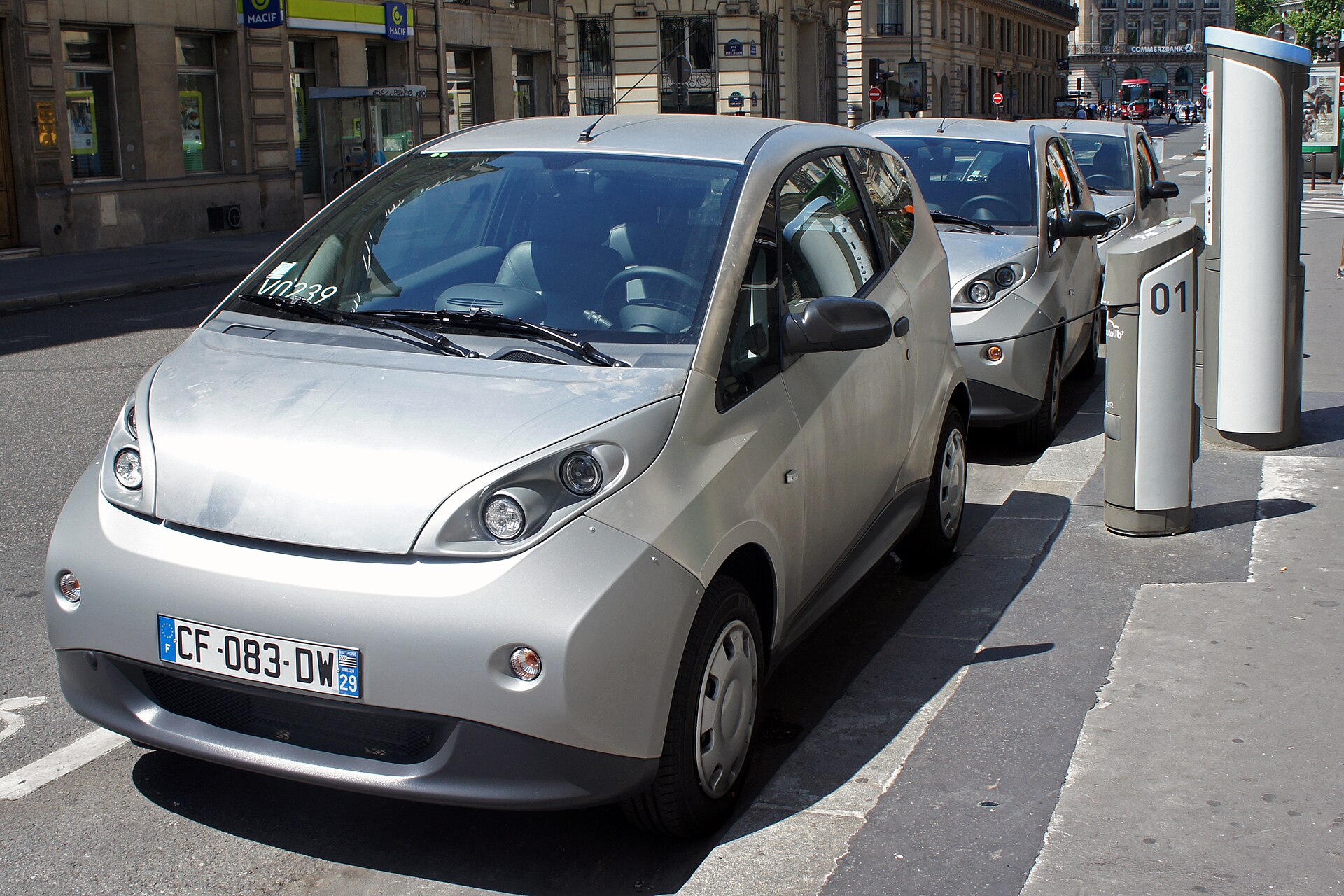
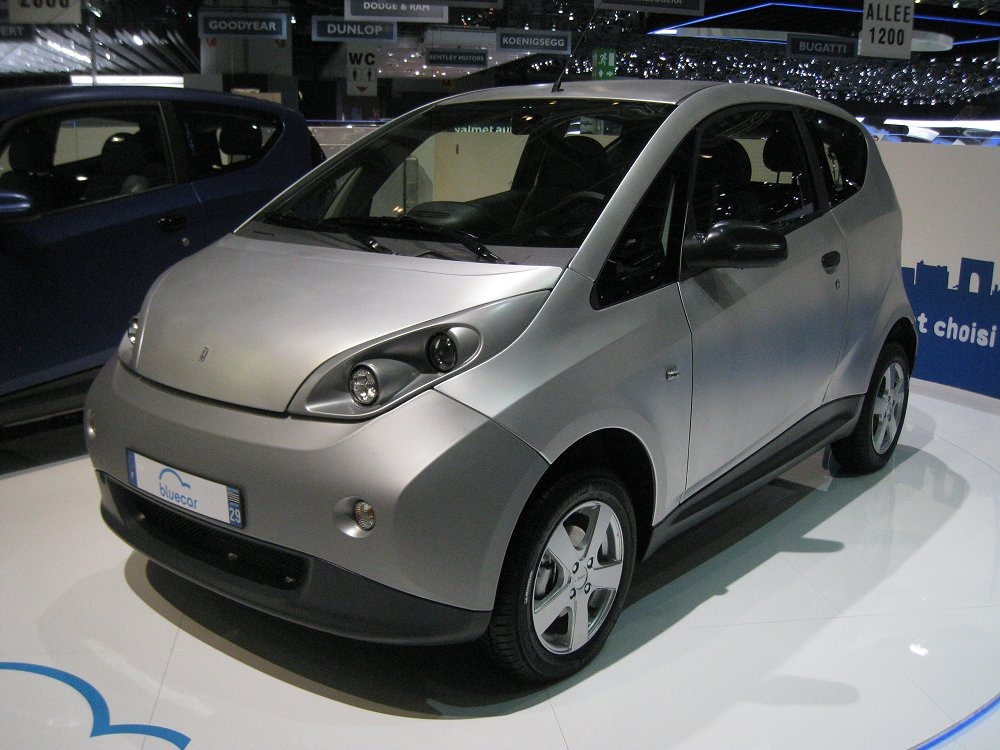
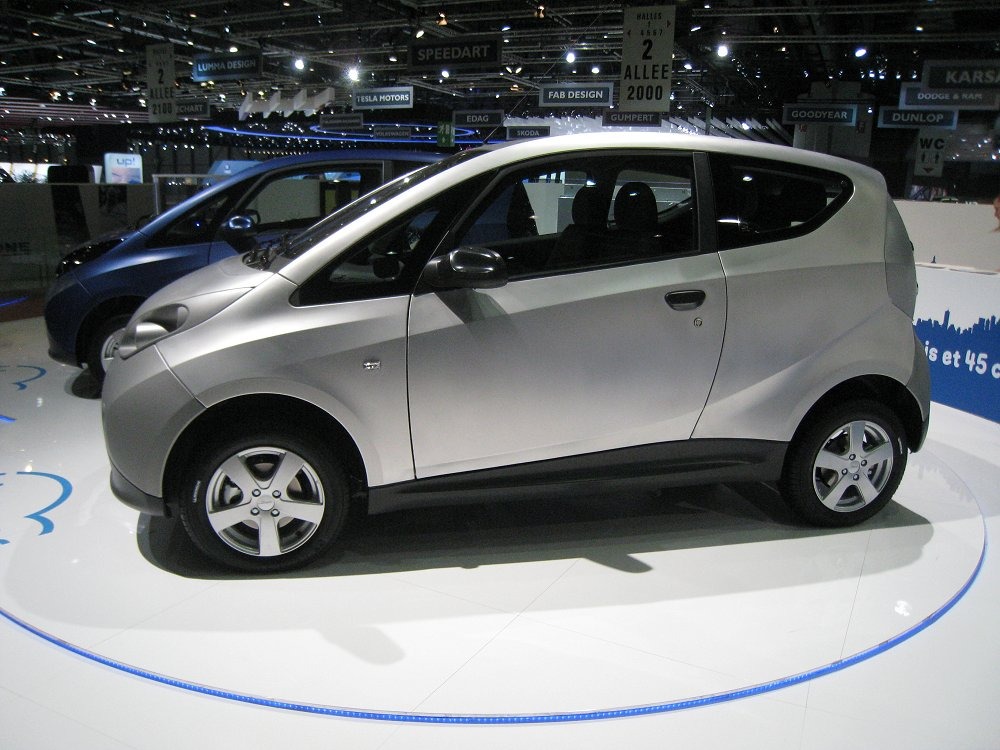
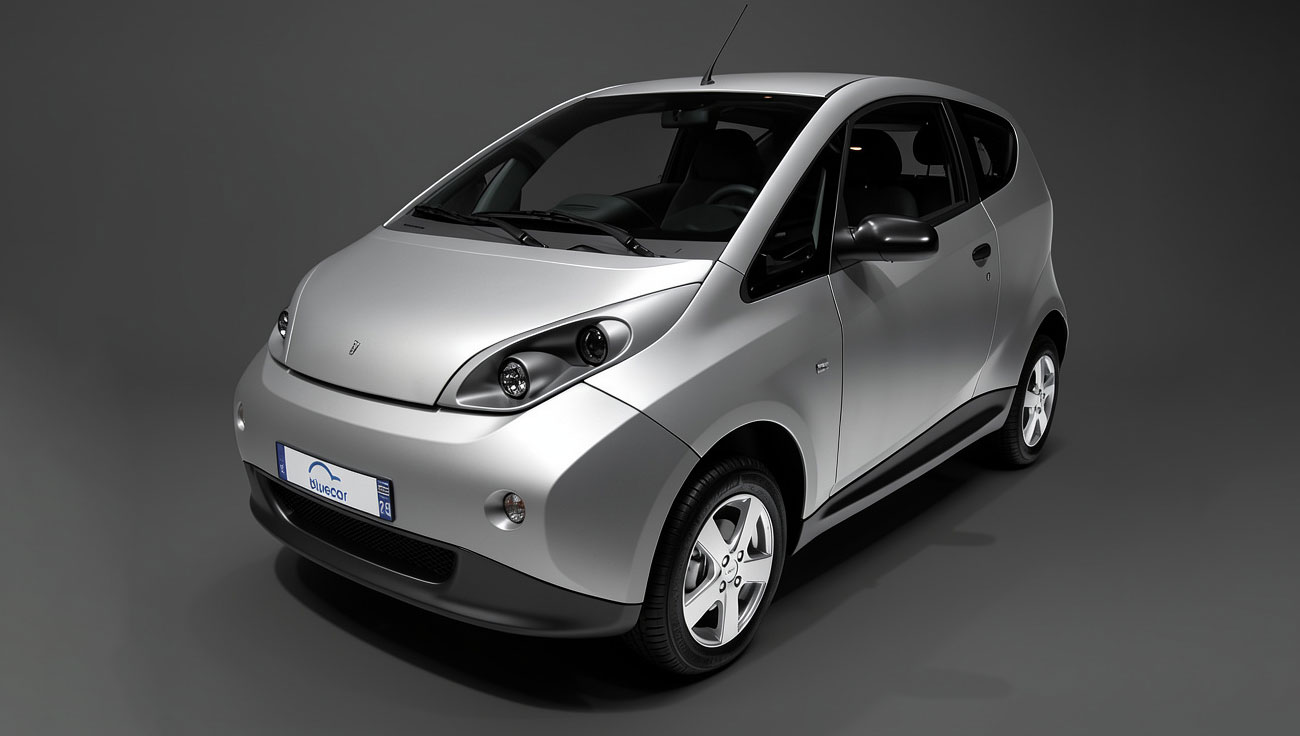
The Bolloré Bluecar is a compact electric hatchback with four seats and three doors, developed by Bolloré, styled by Pininfarina, and assembled by Cecomp in Bairo, Italy.
It was produced under a joint venture between Bolloré and Pininfarina known as Véhicule Électriques Pininfarina Bolloré (VEPB).
Power comes from a 30 kWh lithium metal polymer (LMP) battery paired with a supercapacitor, enabling an urban driving range of up to 250 km and a top speed of around 120–130 km/h, depending on specification.
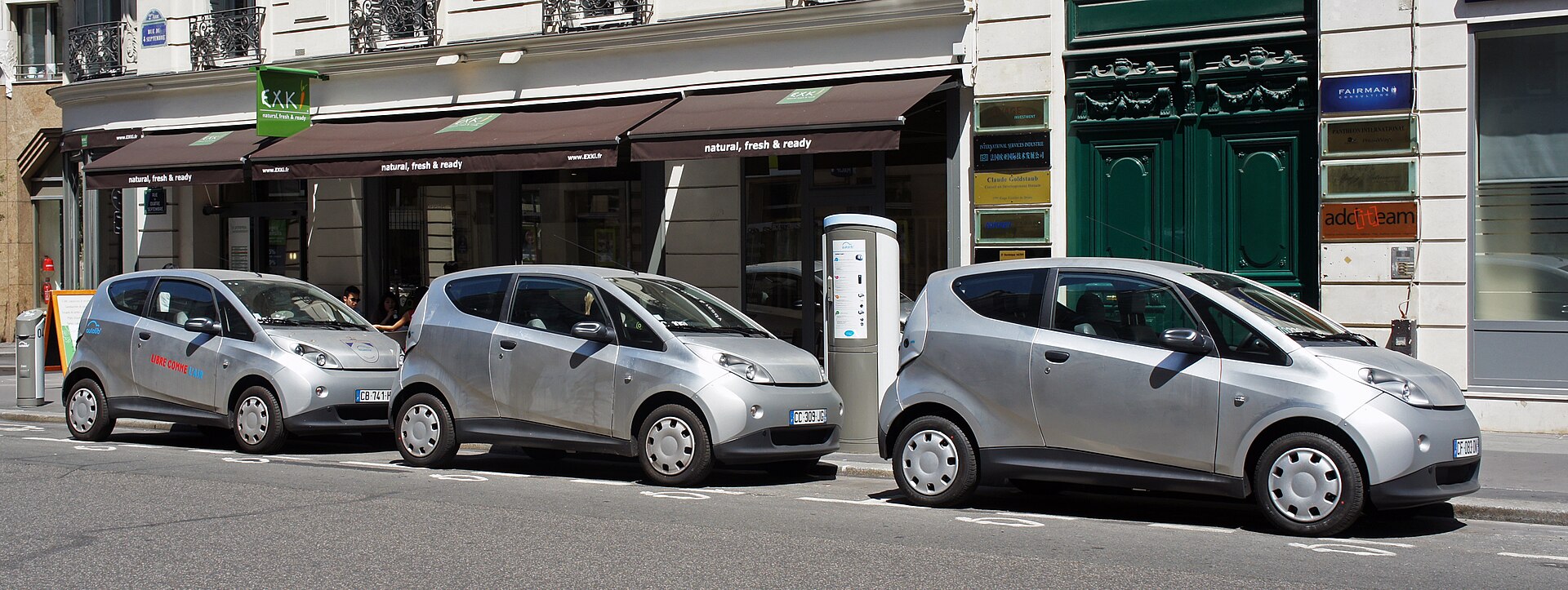
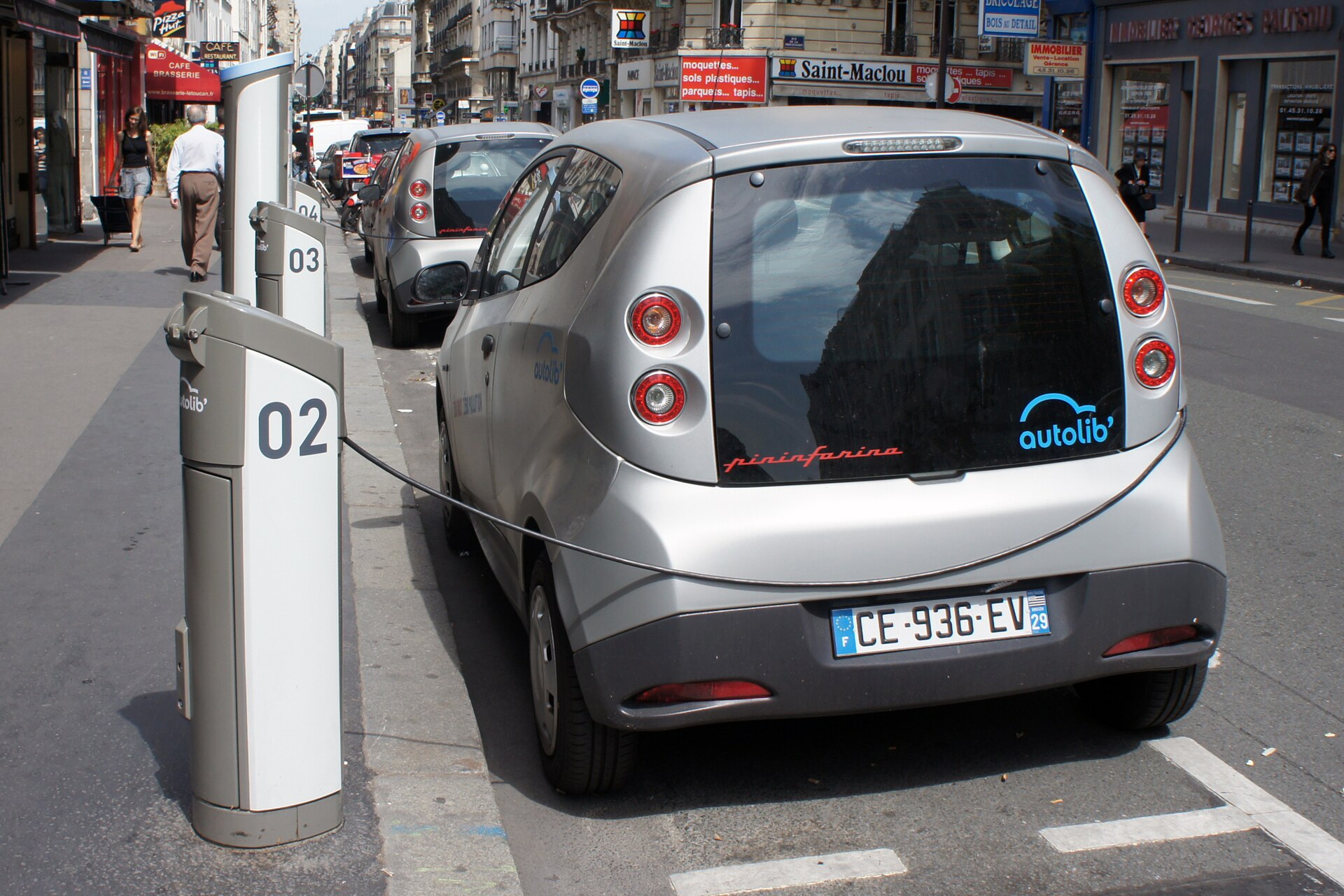
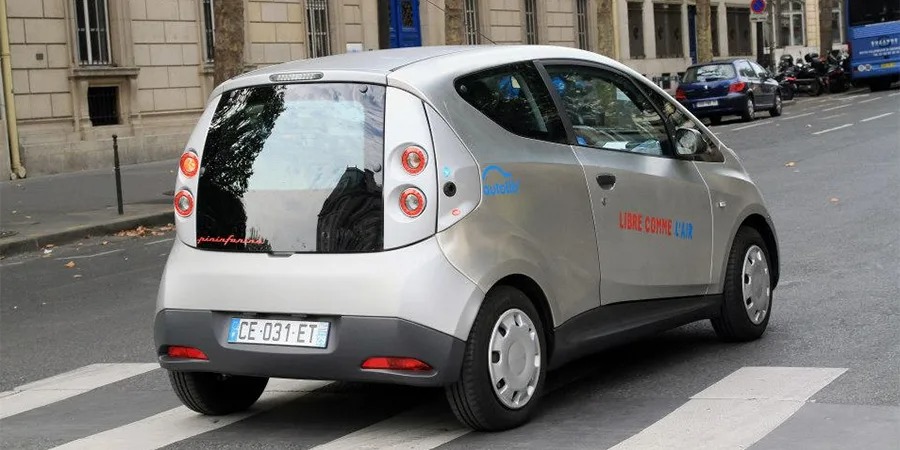
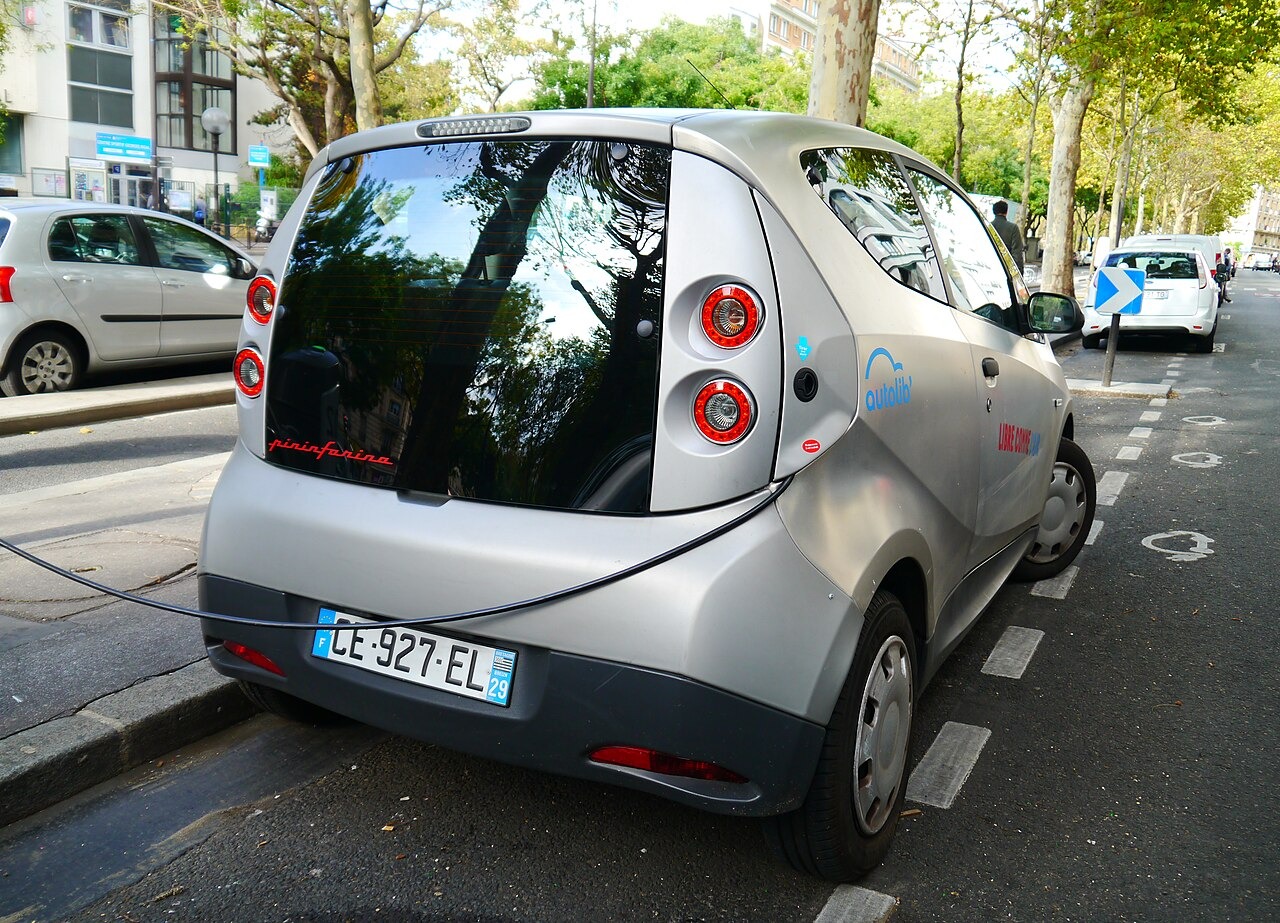
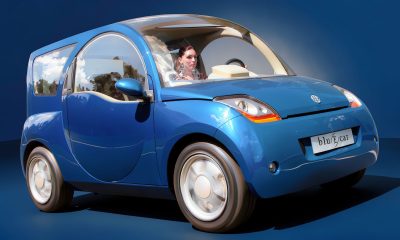
The model traces its roots to the Pininfarina B0 concept revealed in 2008. The production Bluecar debuted in 2011, with the first 250 vehicles entering service on December 5 as part of Paris’s Autolib’ car-sharing program.
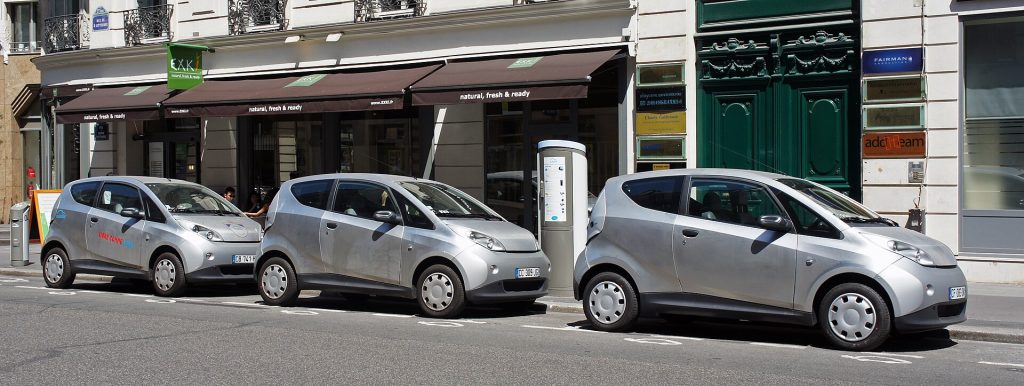
Leasing for private customers began in late 2012, followed by outright sales in early 2013 at a base price of €19,000, plus a monthly battery fee. By September 2016, 5,689 units had been registered in France, the majority operating within Autolib’, and the Bluecar became the country’s best-selling highway-capable EV in 2012.
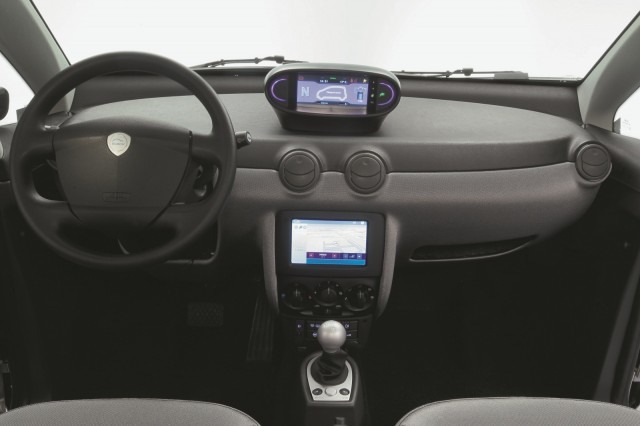
Compared with the original B0 concept, the production car adopted a simpler, more cost-focused design. It switched from a five-door to a three-door layout, dropped the photovoltaic roof, and featured simplified lighting and interior trim. Despite these changes, it retained the same core electric drivetrain across both private and car-sharing versions.
Under the skin, the Bluecar’s LMP battery is mounted beneath the seats and weighs about 300 kg. The system delivers up to 50 kW of power, with a quoted range of 250 km in city driving and roughly 150 km on the highway.
Bolloré manufactures these solid-state batteries in its own facilities in France and Canada, making the Bluecar one of the few production vehicles to use this technology. The battery itself is built from layered materials including a metallic lithium anode, solid polymer electrolyte, vanadium-oxide-based cathode, and aluminum current collectors.
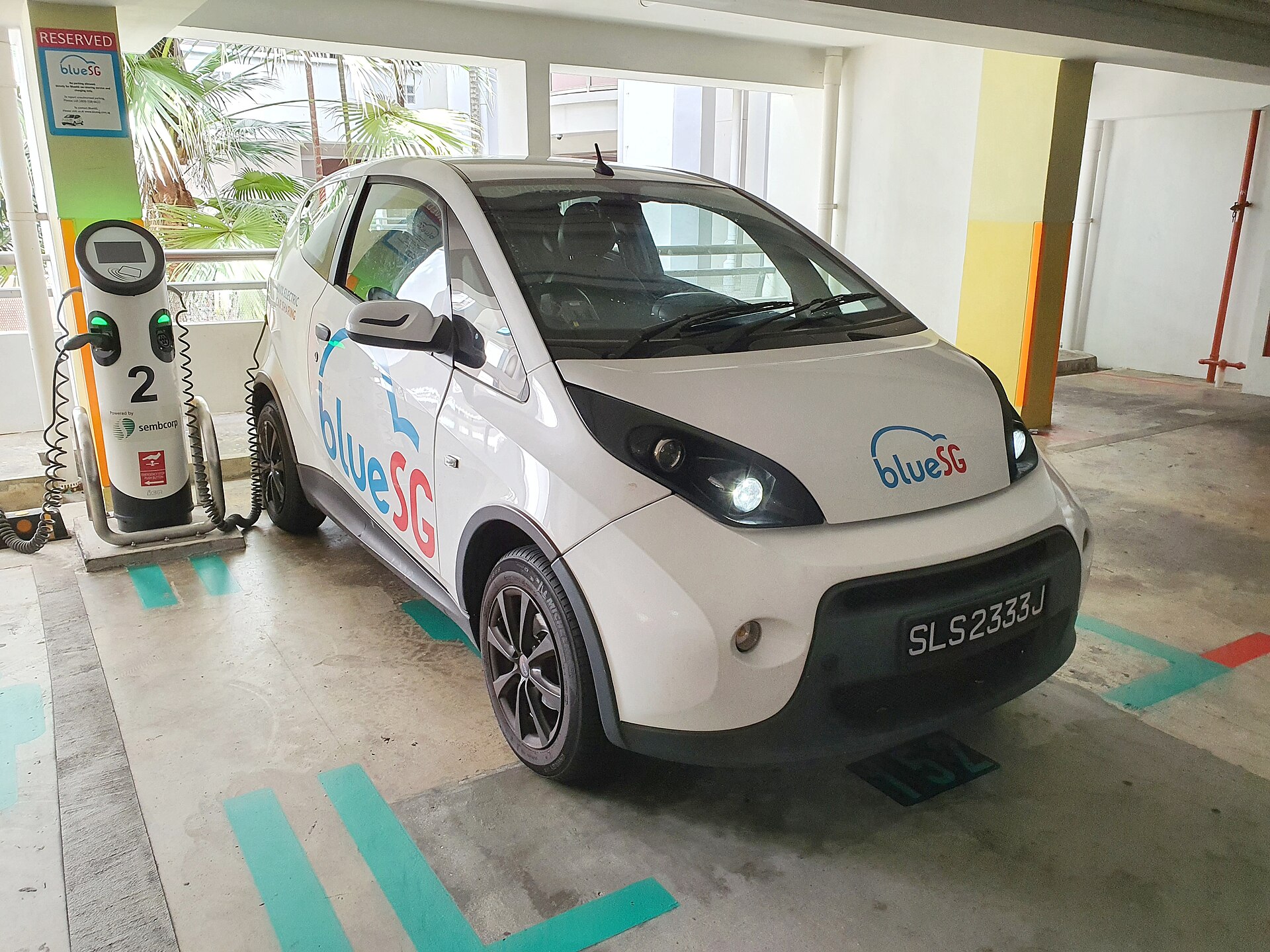
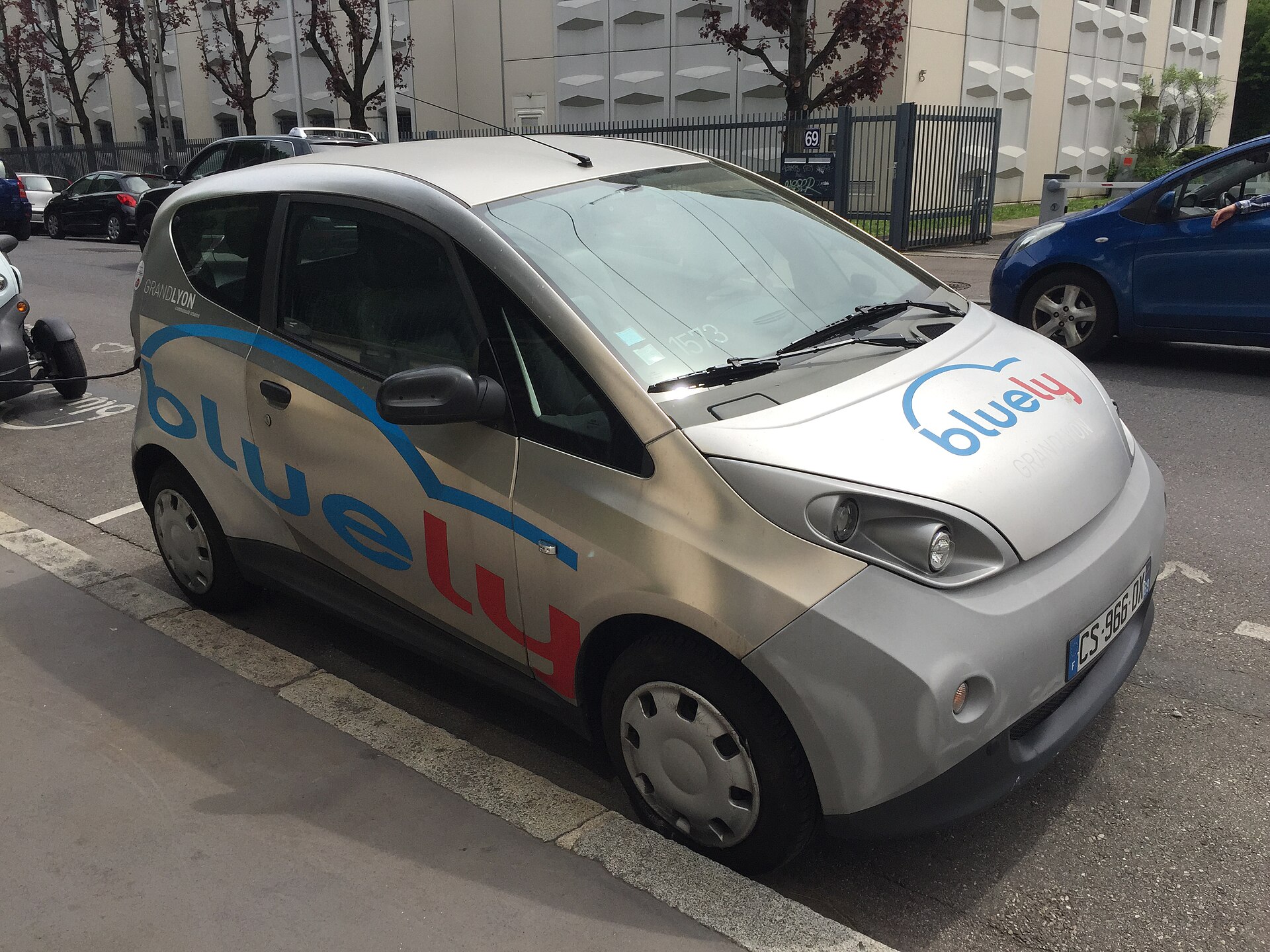
The Bluecar became closely associated with large-scale car-sharing projects. After Autolib’ launched in Paris, Bolloré rolled out similar schemes in Lyon (Bluely), Bordeaux (Bluecub), Indianapolis (BlueIndy), London (Bluecity), Los Angeles (BlueLA), and Singapore (BlueSG).
While several of these services were eventually shut down due to financial and scalability issues, BlueSG continued operating and was later acquired by Singapore’s Goldbell Group in 2021. Today, the Bluecar remains best remembered as an early experiment in urban electric mobility, combining unconventional battery technology with ambitious car-sharing programs around the world.