CAP Scoiattolo

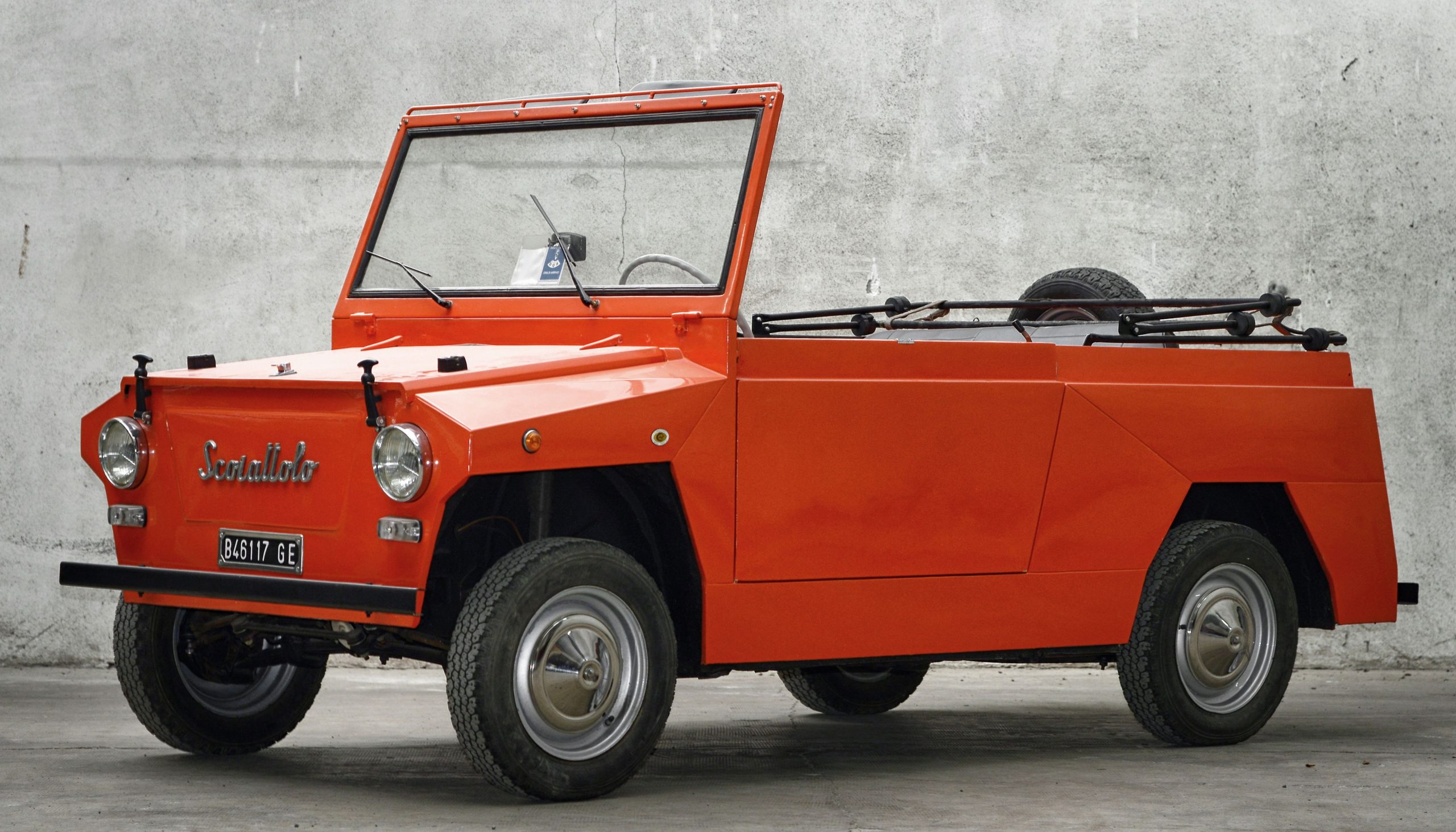
Between 1967 and 1973, Carrozzeria Arrigo Perini, or CAP, produced the Fiat 500-based Scoiattolo in Riva del Garda and Arco, near Lake Garda in northern Italy.
The name means “squirrel” in Italian. Arrigo Perini had already built sporting derivatives of the Fiat 600 during the early 1960s before developing a small off-road and leisure vehicle based on the Fiat 500.
Perini completed the first Scoiattolo prototype in 1966. The vehicle was presented the following year after receiving Fiat’s official approval, which allowed CAP to purchase rolling chassis and mechanical components directly from the Turin manufacturer.
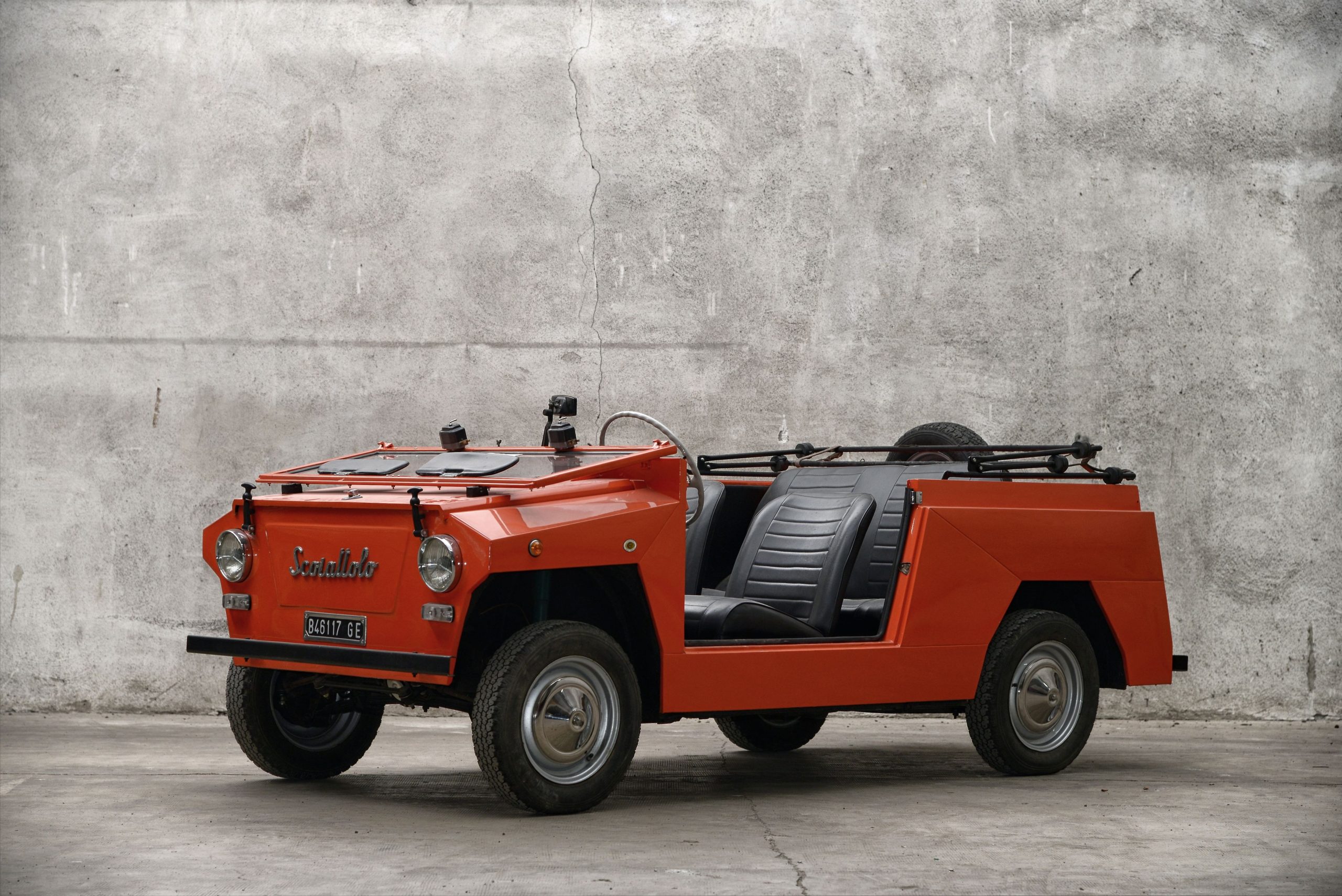
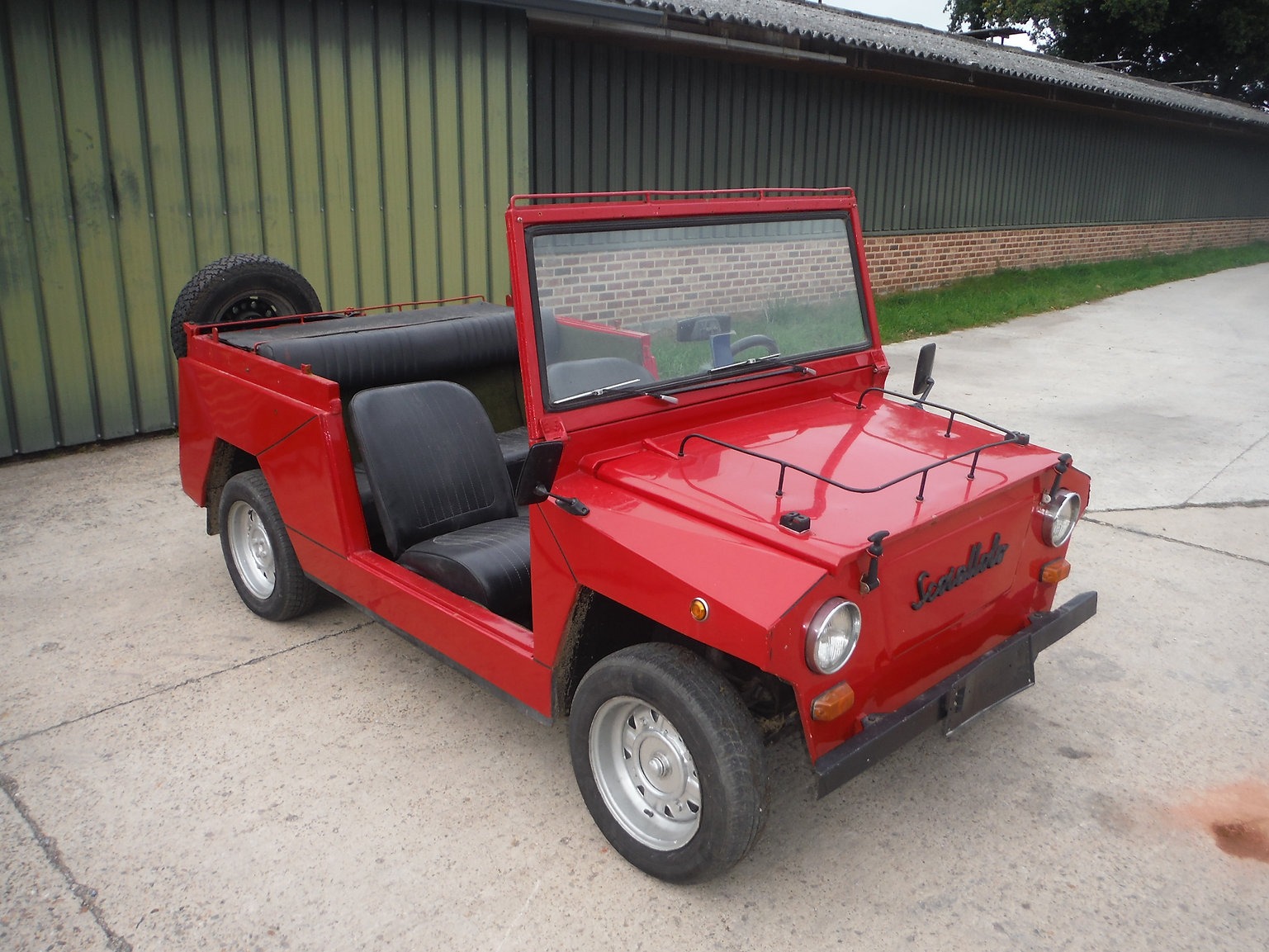
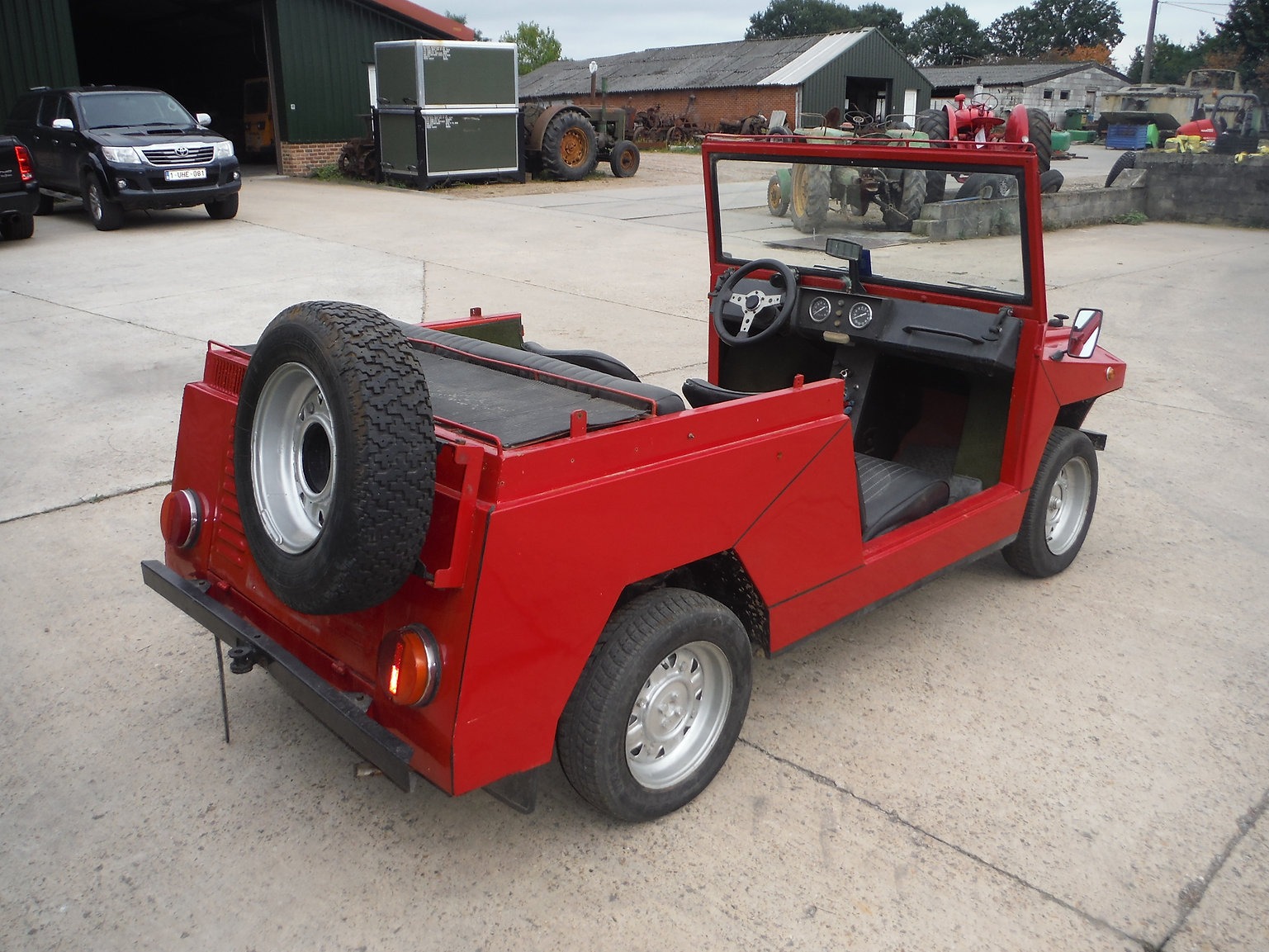
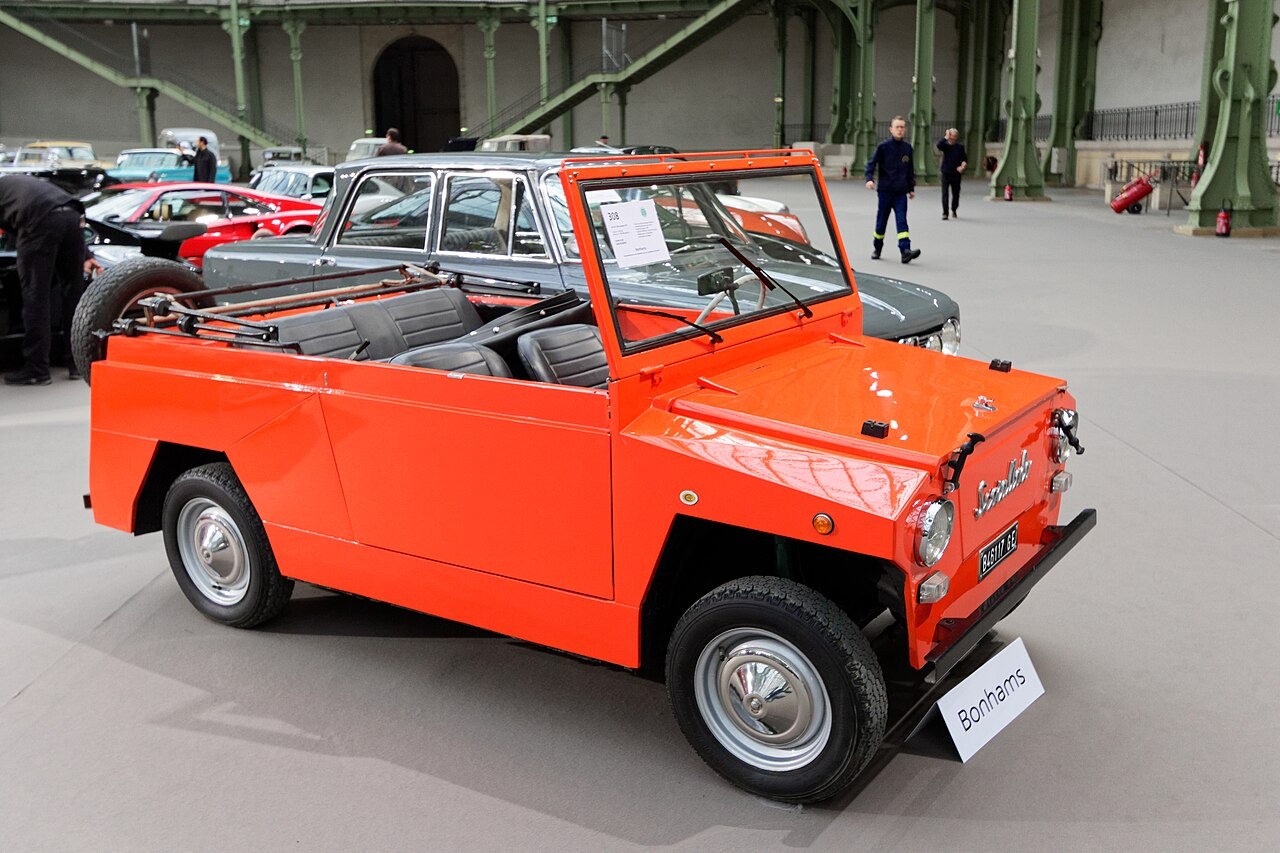
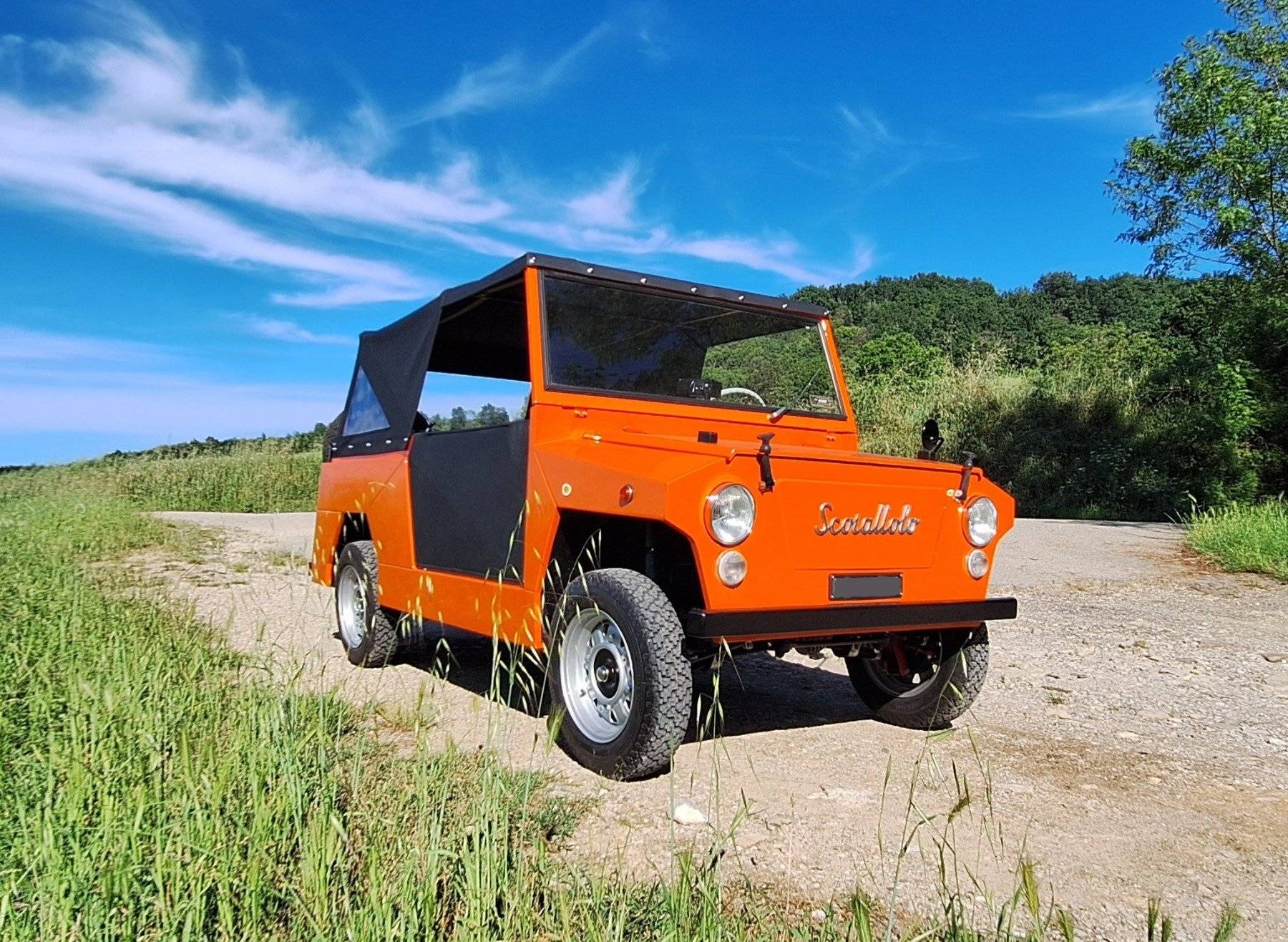
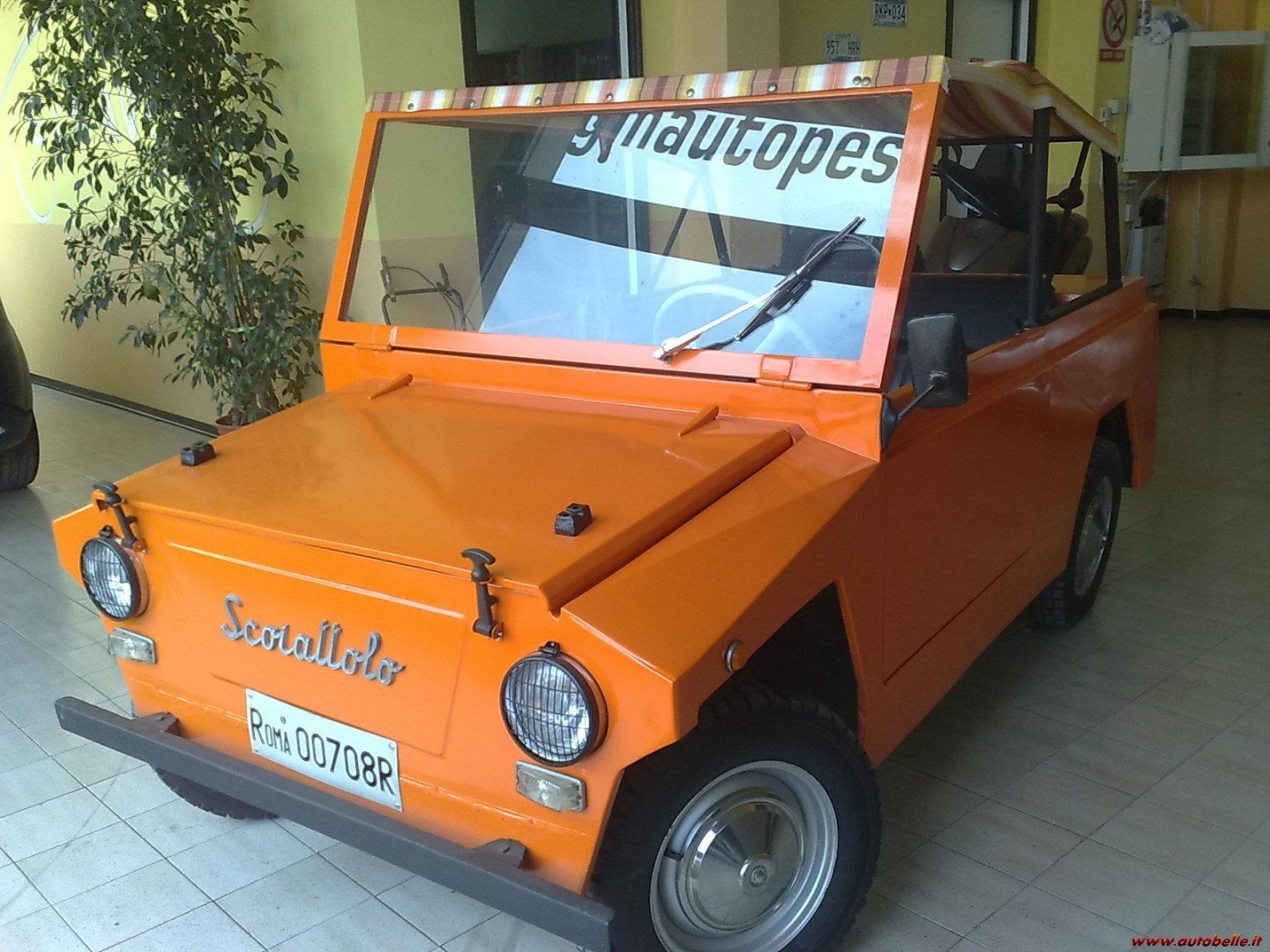
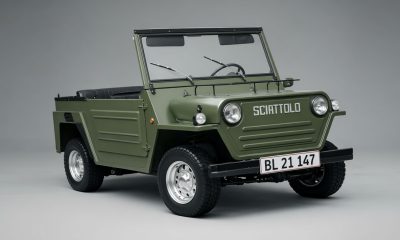
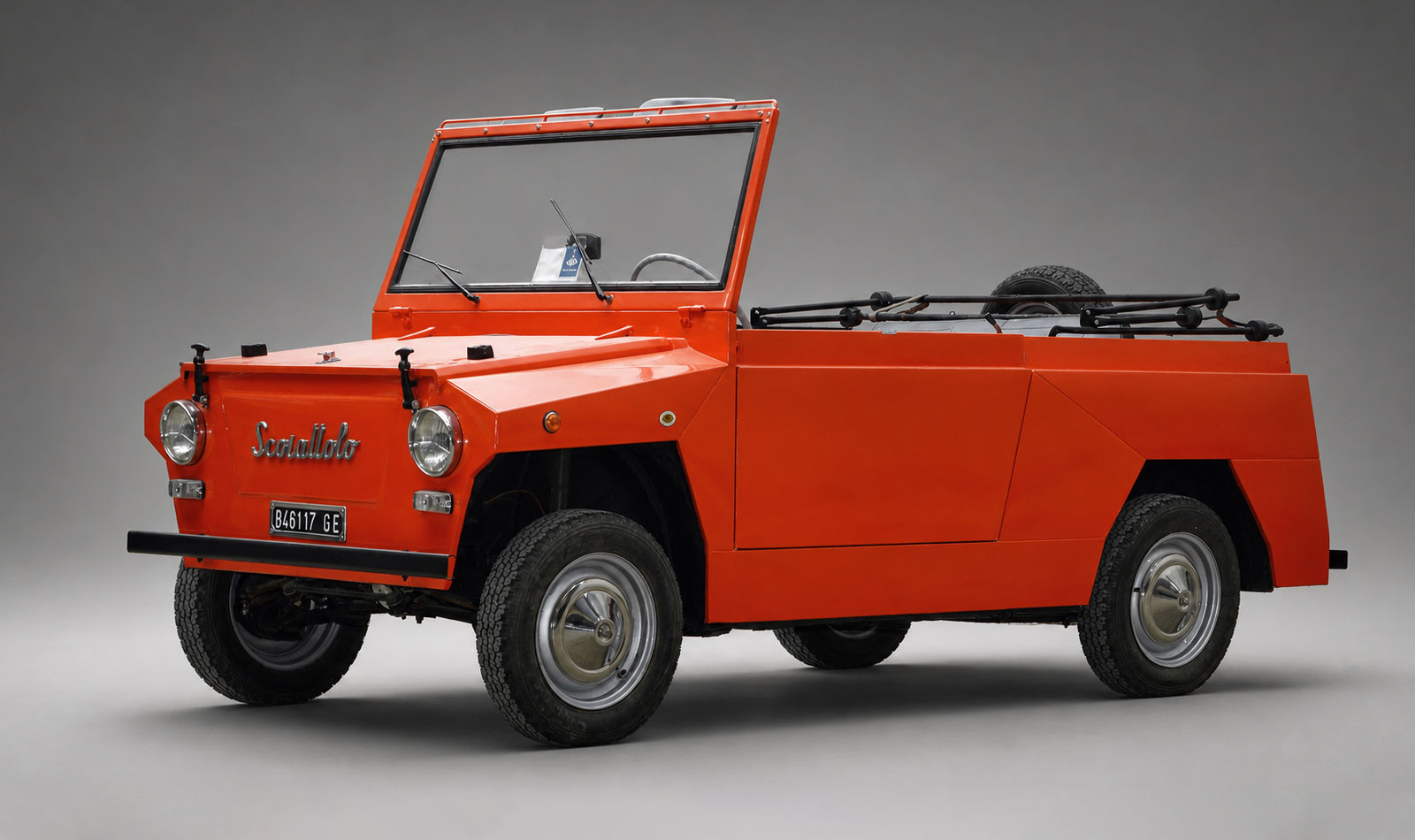
Its design was simple and square, with subtle influences from early Jeep models. Built primarily through artisanal methods in a small workshop, production reached approximately one vehicle per day.
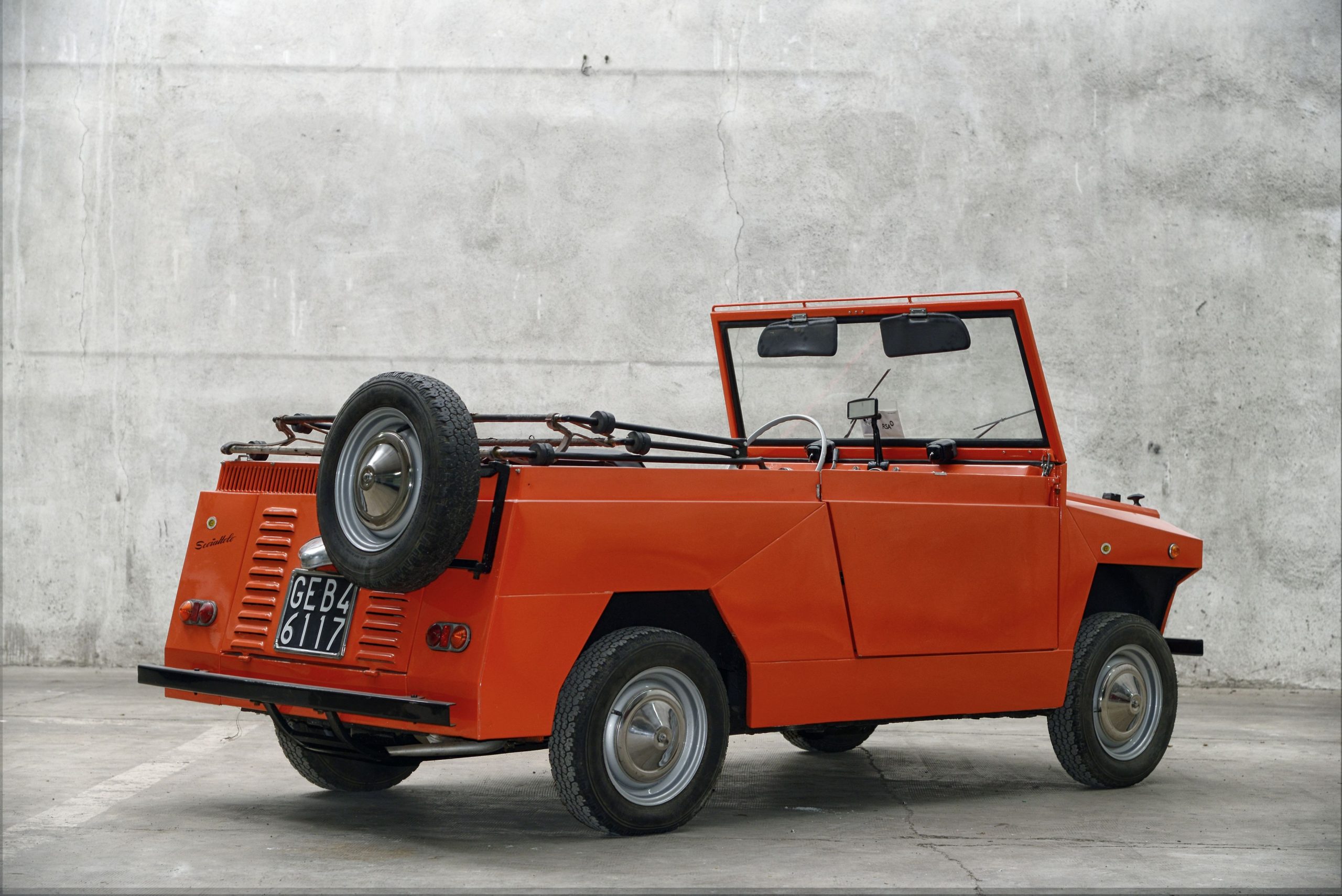
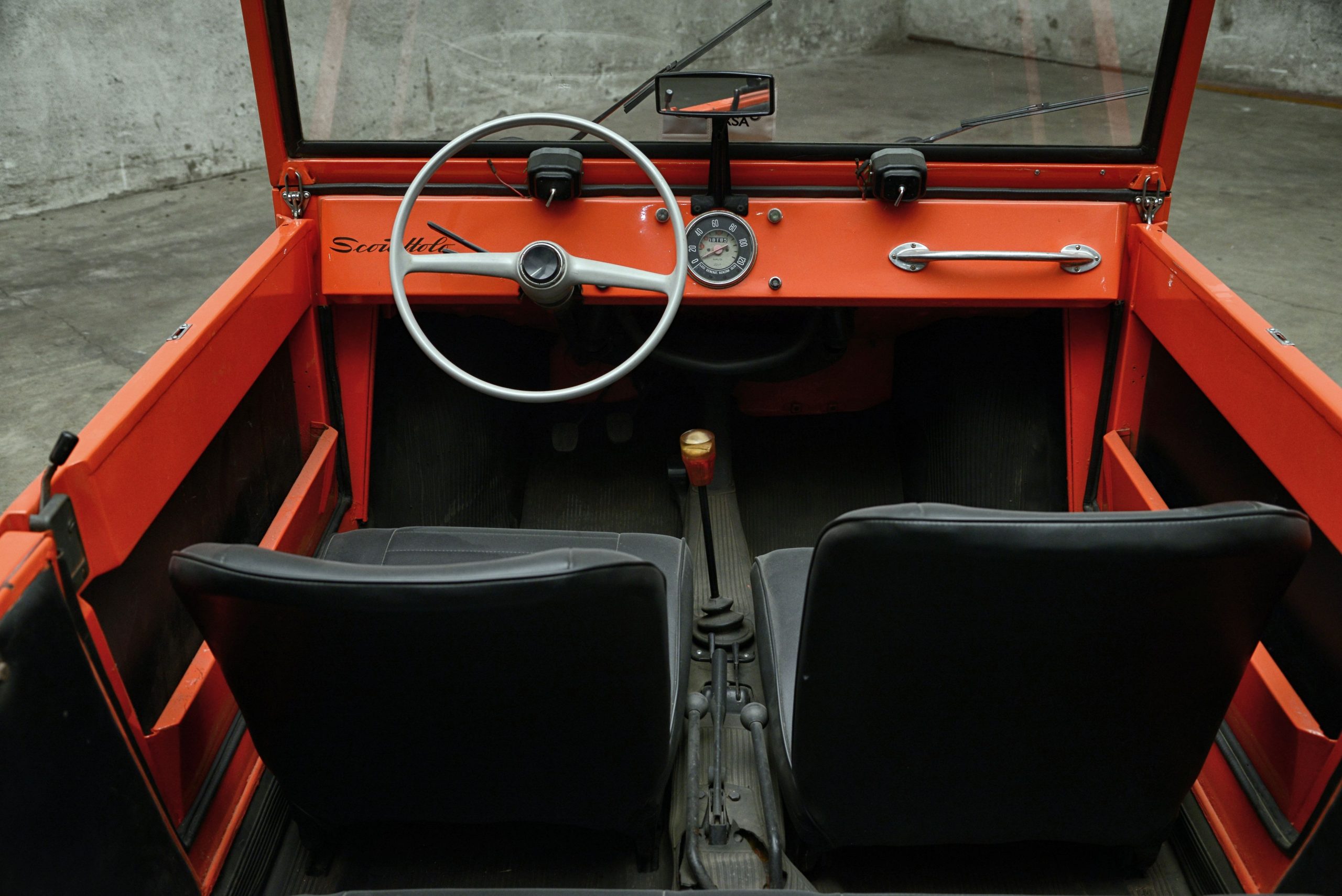
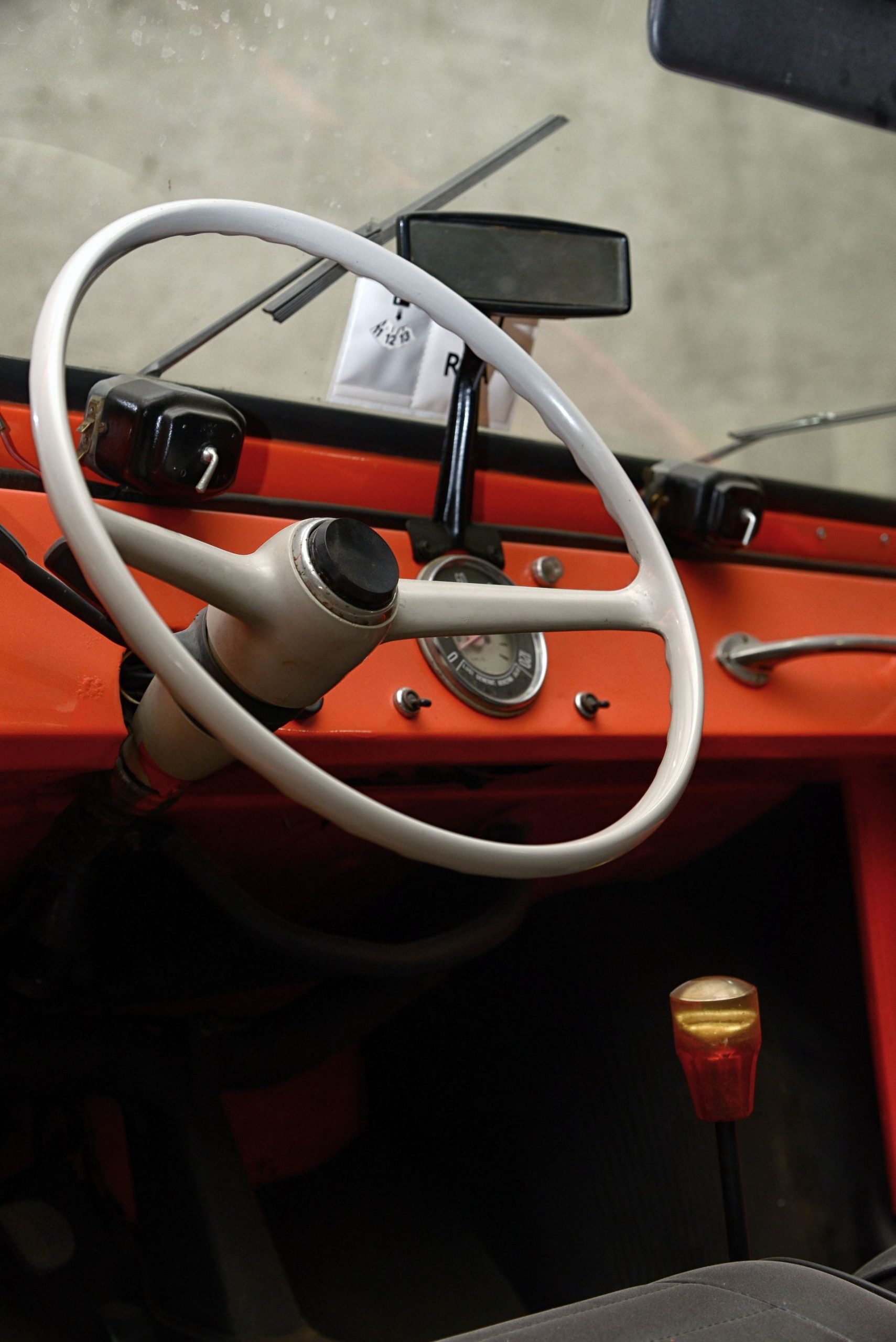
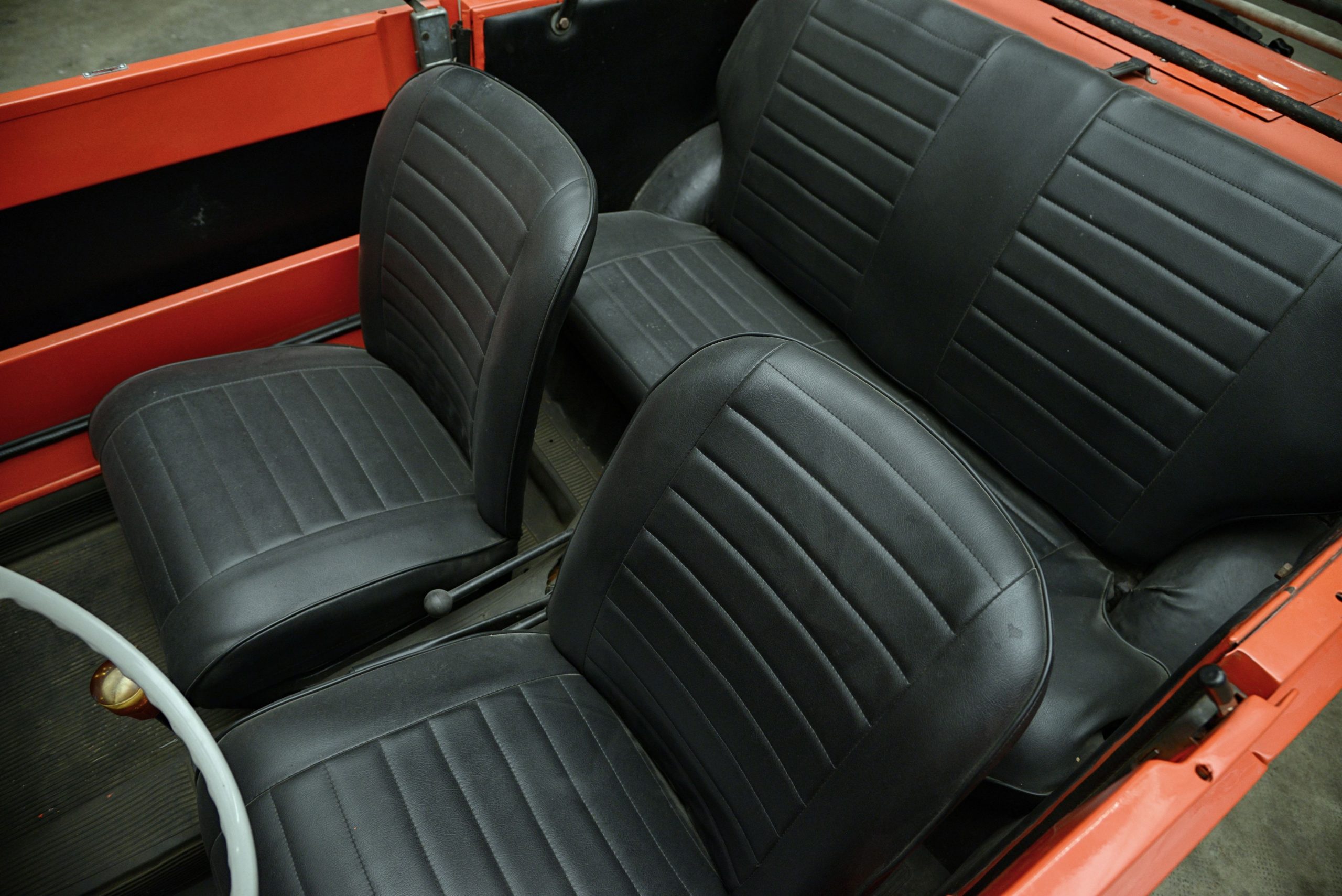
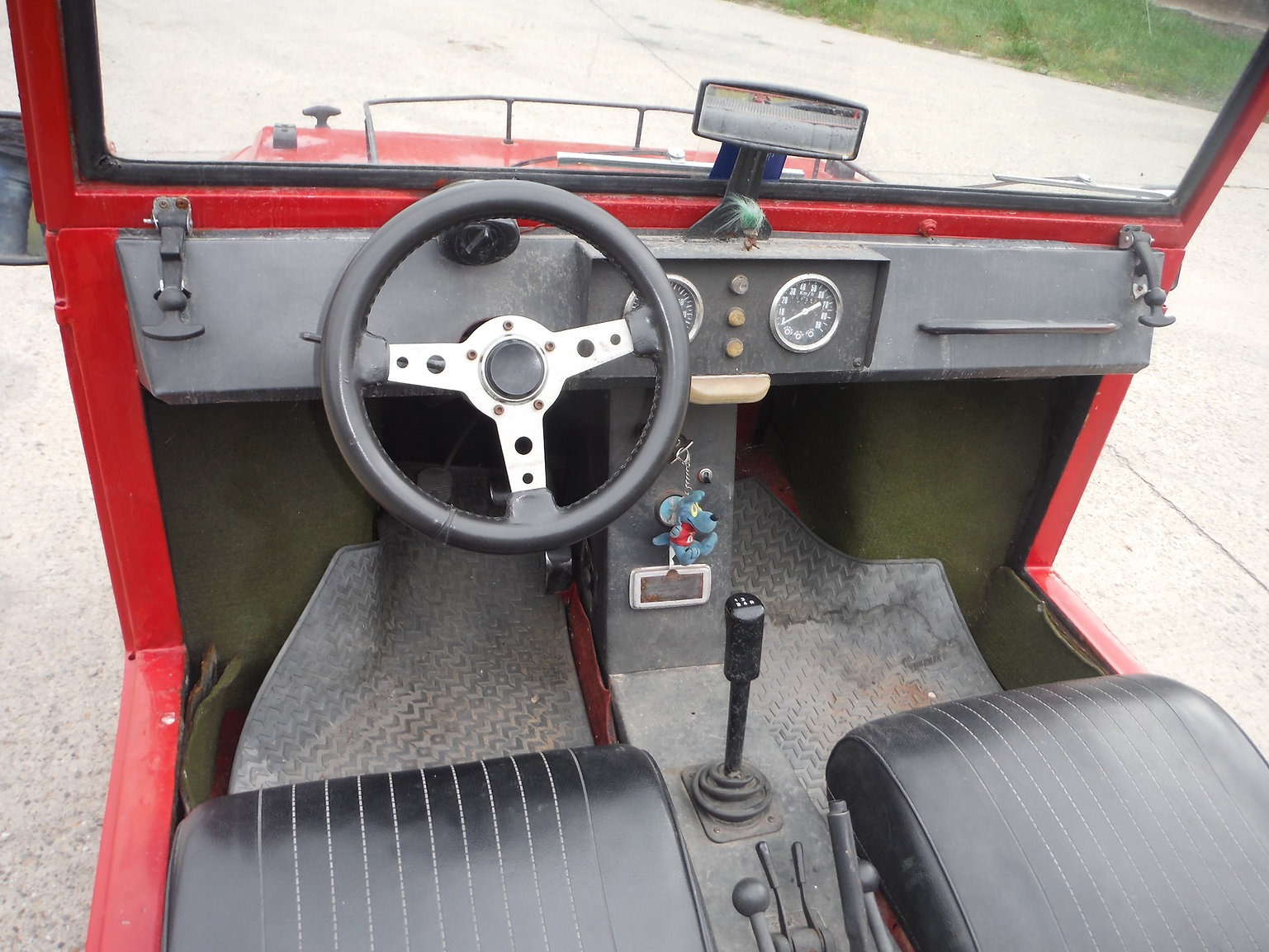
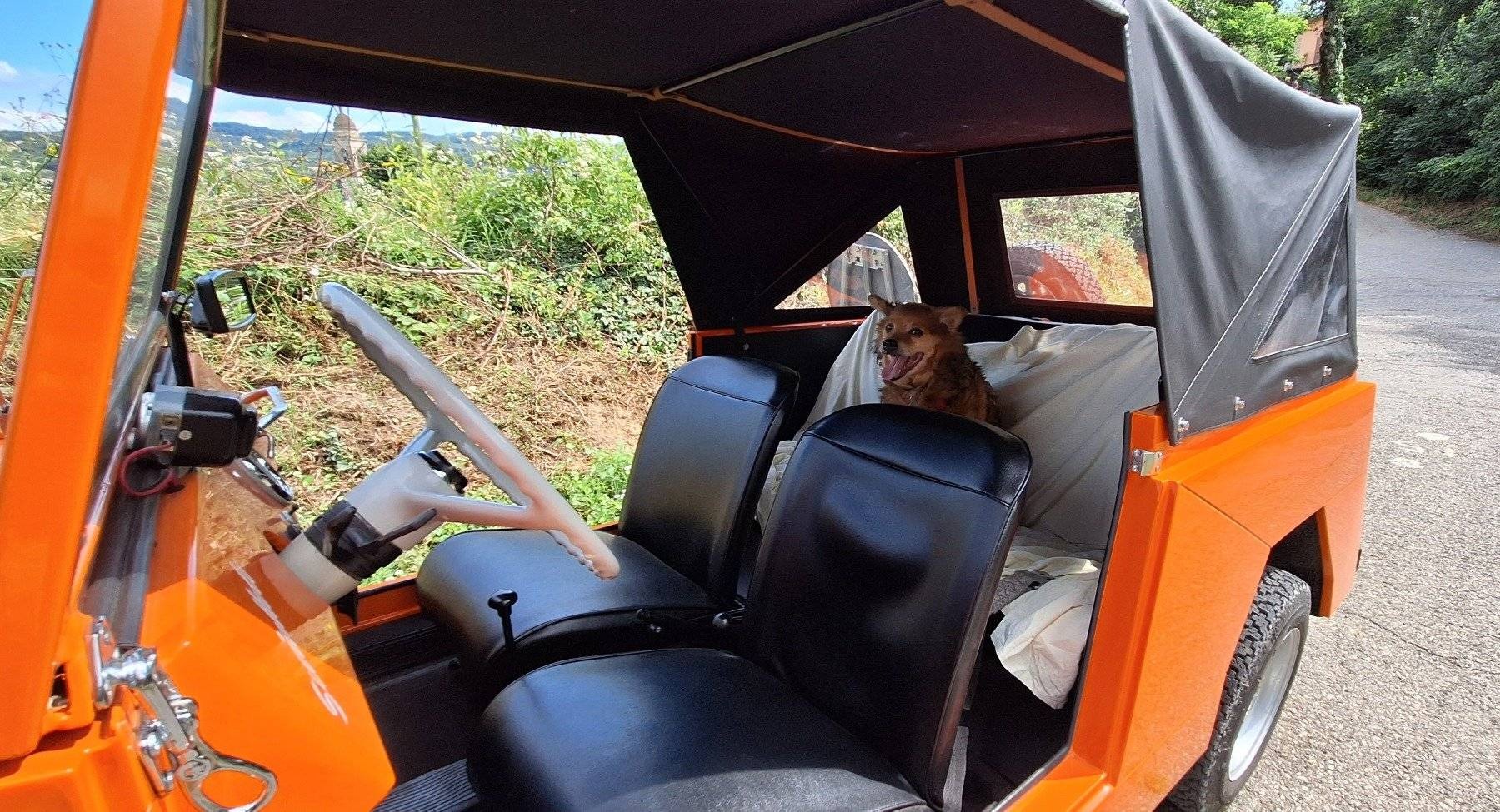
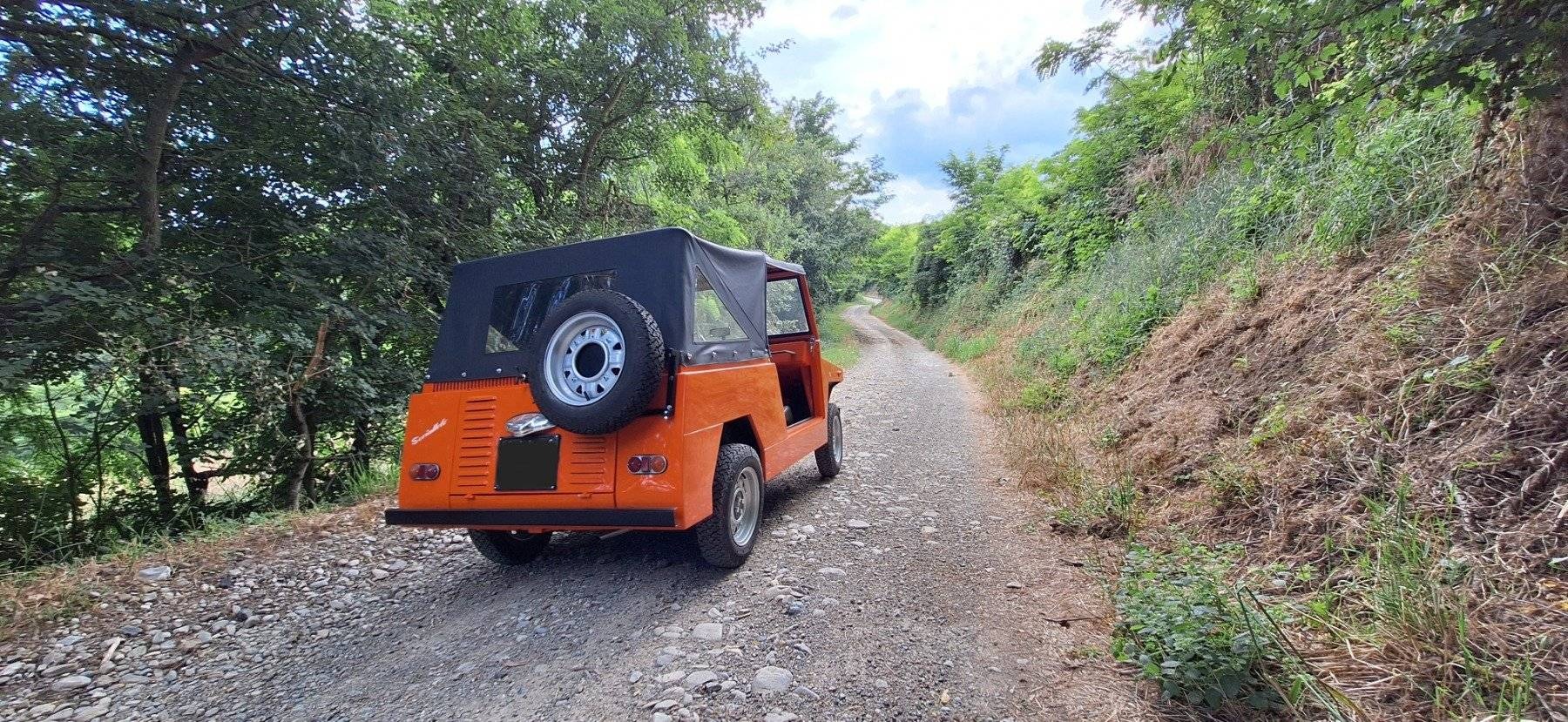
The Scoiattolo was based on the Fiat 500 F and featured a removable canvas roof, a folding windscreen and an open, utilitarian body. The windscreen could be folded completely flat, creating a more exposed driving experience. Its uncomplicated construction and Fiat mechanical components made it a less expensive alternative to the better-known Fiat 500 Jolly, while its unusual body gave it a more individual character than a standard 500.

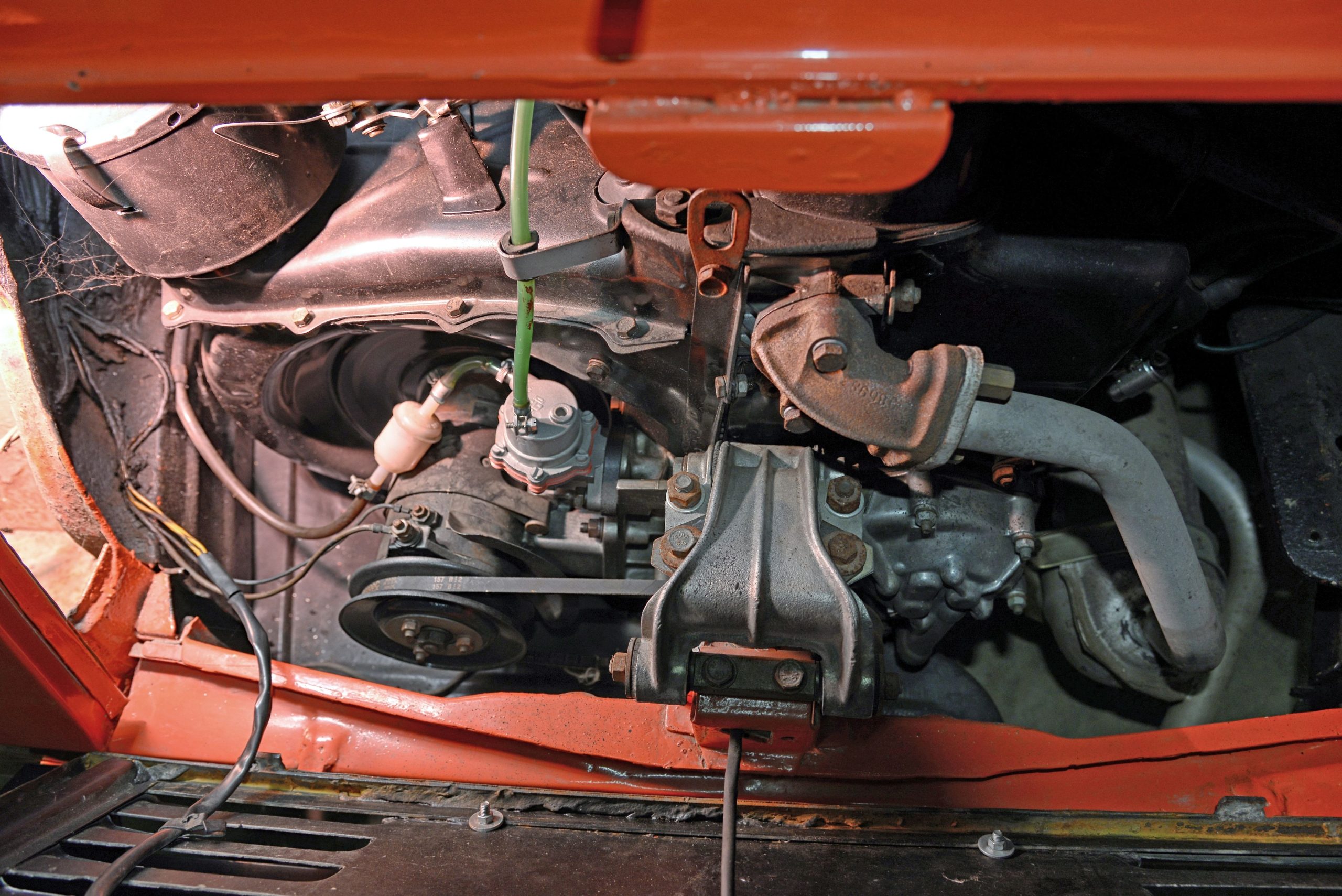
In 1969, CAP introduced a four-wheel-drive version called the Super Scoiattolo at the Turin Auto Show. The revised front end left insufficient room for the spare wheel, so CAP developed an external steel bracket. Bolted to the right-rear side of the body, the bracket pivoted away from the engine bay when access was required.
Production remained limited. Different accounts estimate that approximately 200 to 300 standard Scoiattolos were built, while around 50 examples of the Super Scoiattolo were produced. By 1973, financial difficulties led to the sale of the company to the British Motor Company, which continued production with construction and mechanical changes.
Later versions used the engine and transmission from the Fiat 126, while certain Fiat 500 components remained, including the wheel rims, their bolt pattern and the headlights. The body was changed from sheet metal to glass-fibre-reinforced plastic, or GRP.
The small production total means that surviving Scoiattolos are now rare. The model remains an example of how Italian coachbuilders adapted mass-produced Fiat components to create inexpensive, specialised vehicles for leisure use and buyers seeking an unconventional alternative to the standard Fiat 500.