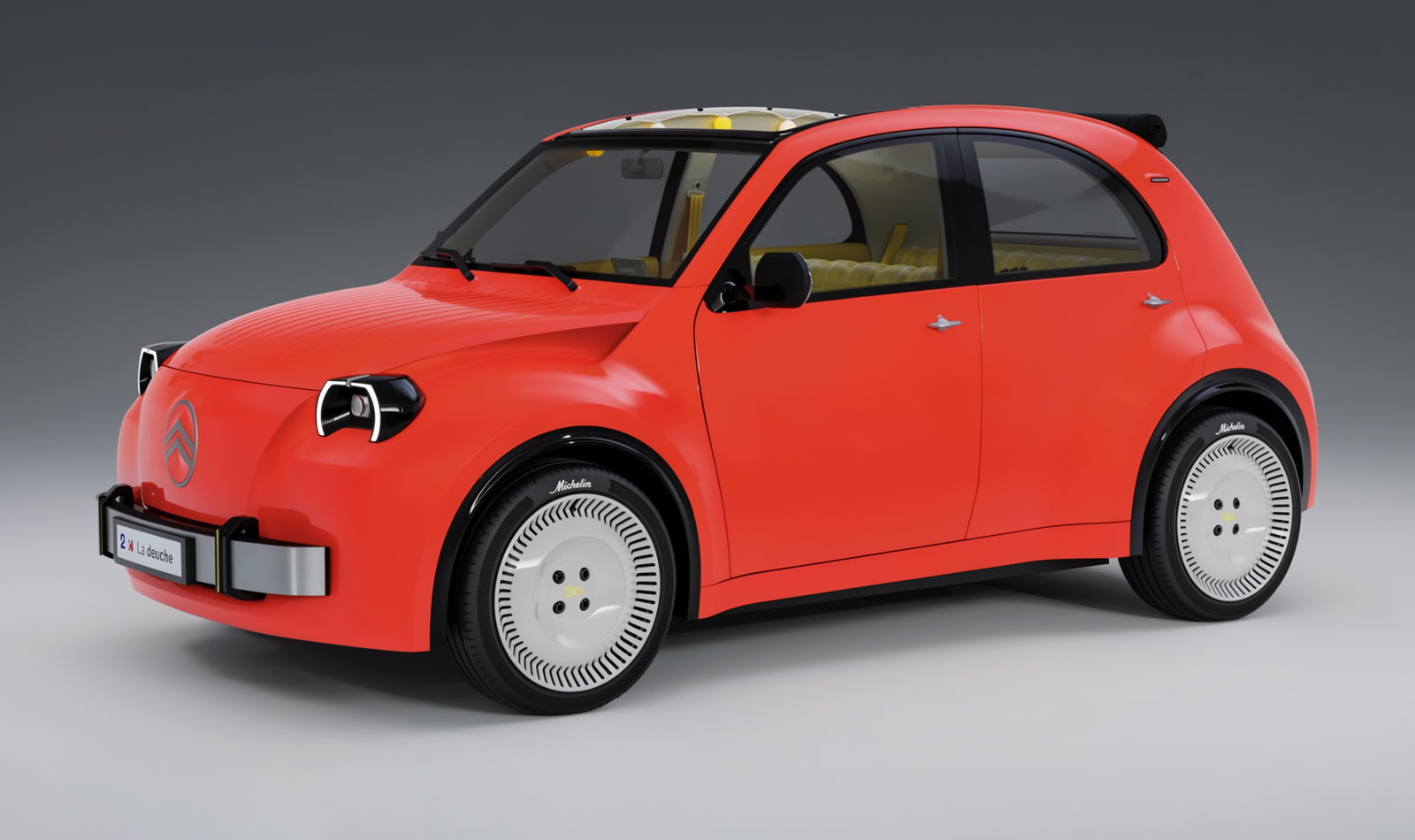
Citroen 2CV Concept

Over the past three decades, automakers have brought back numerous iconic models, including the Mini Cooper, Fiat 500, Volkswagen Beetle, Renault 5 and Chevrolet Camaro. One notable name, however, has been missing from this retro revival: the Citroën 2CV.
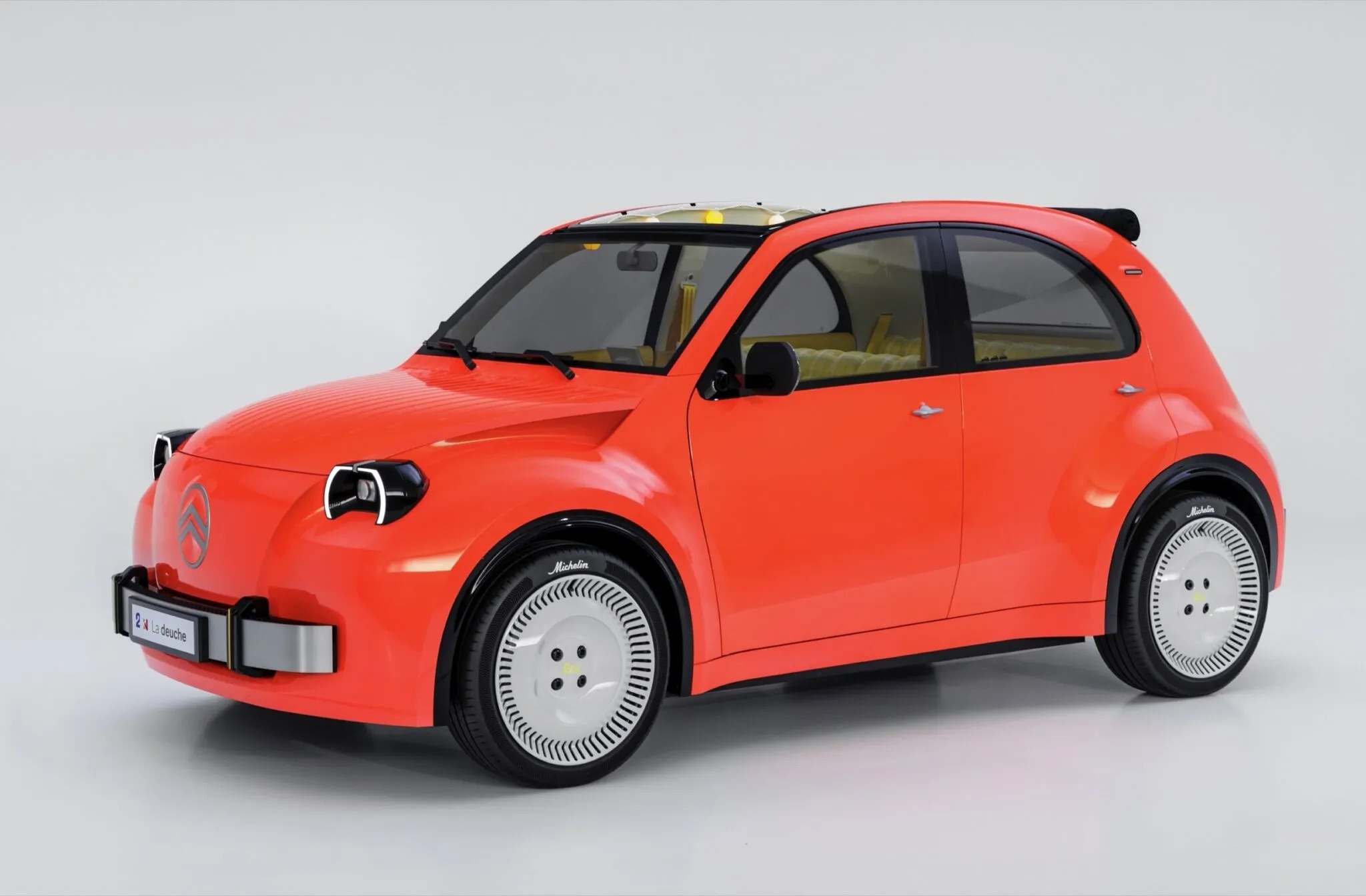
That is finally changing with the debut of the 2 CV Concept at the 2026 Paris Motor Show. Citroën has also confirmed that a production model is planned for 2028.
Previous Citroën CEOs repeatedly ruled out reviving the legendary 2CV, even though it remains one of the most recognizable cars in the company’s history. Between 1948 and 1990, more than 3.8 million examples were produced. Now, as Chinese manufacturers gain ground in Europe, Citroën is following other established automakers by drawing on its heritage to strengthen its identity and appeal to customers.
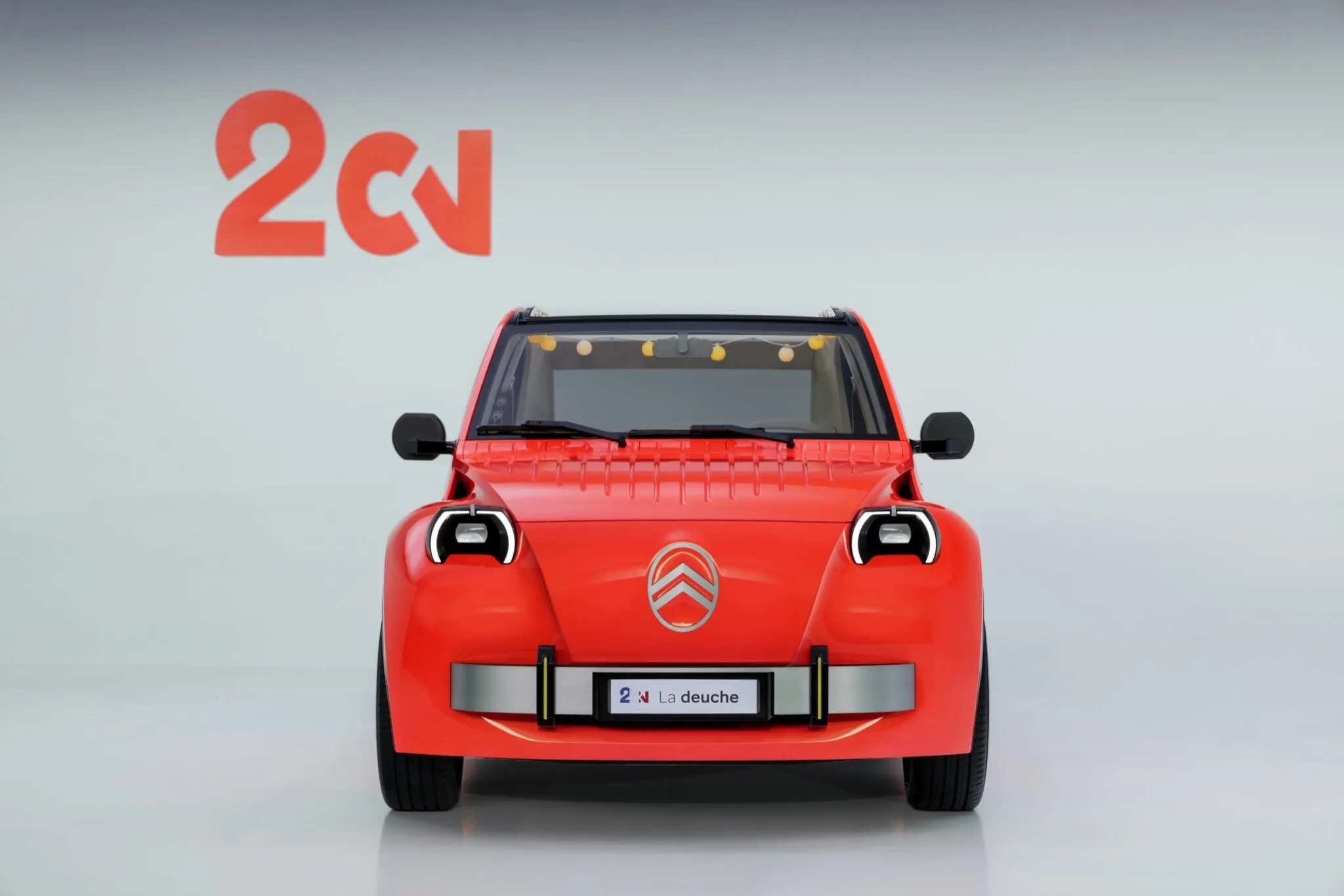
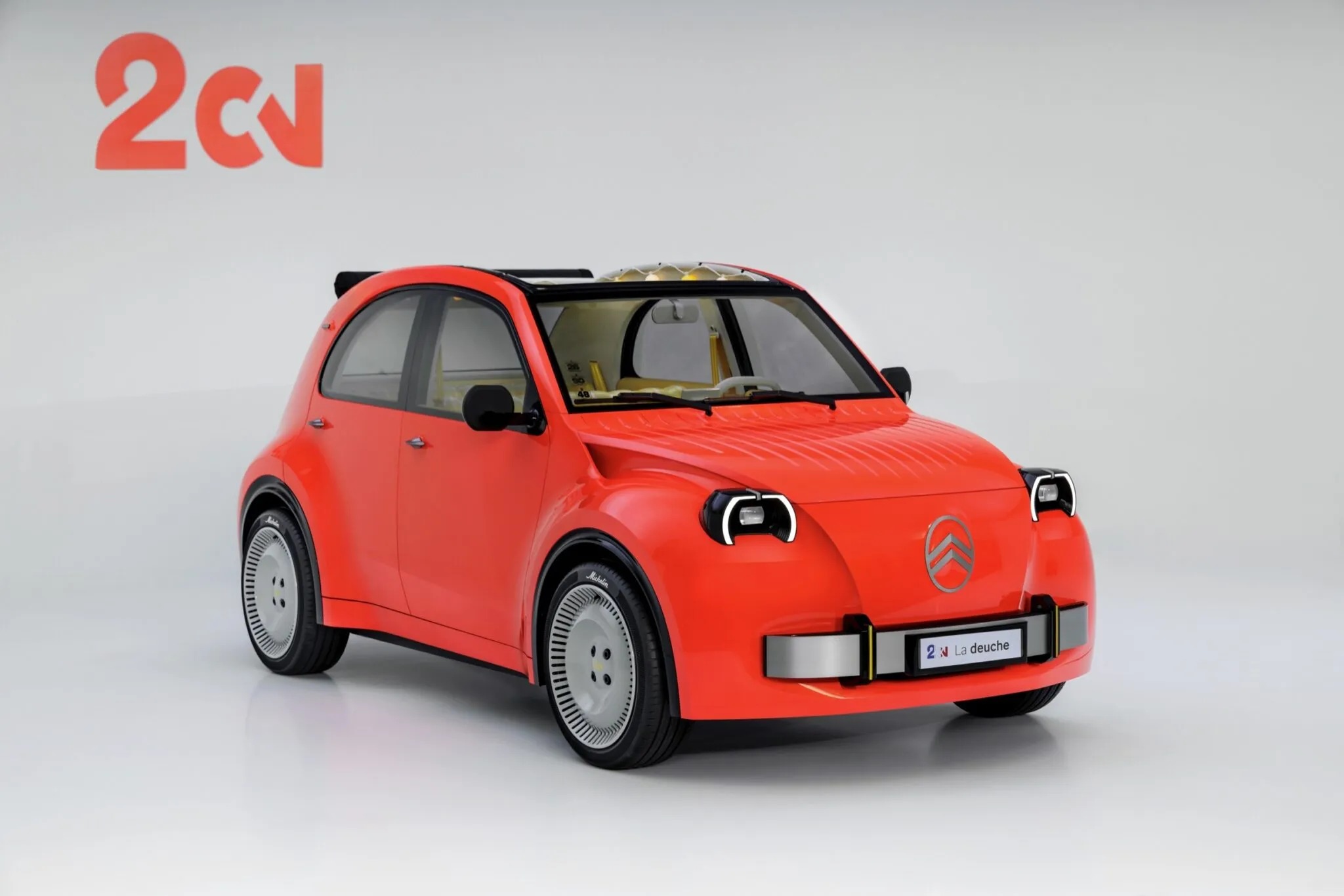
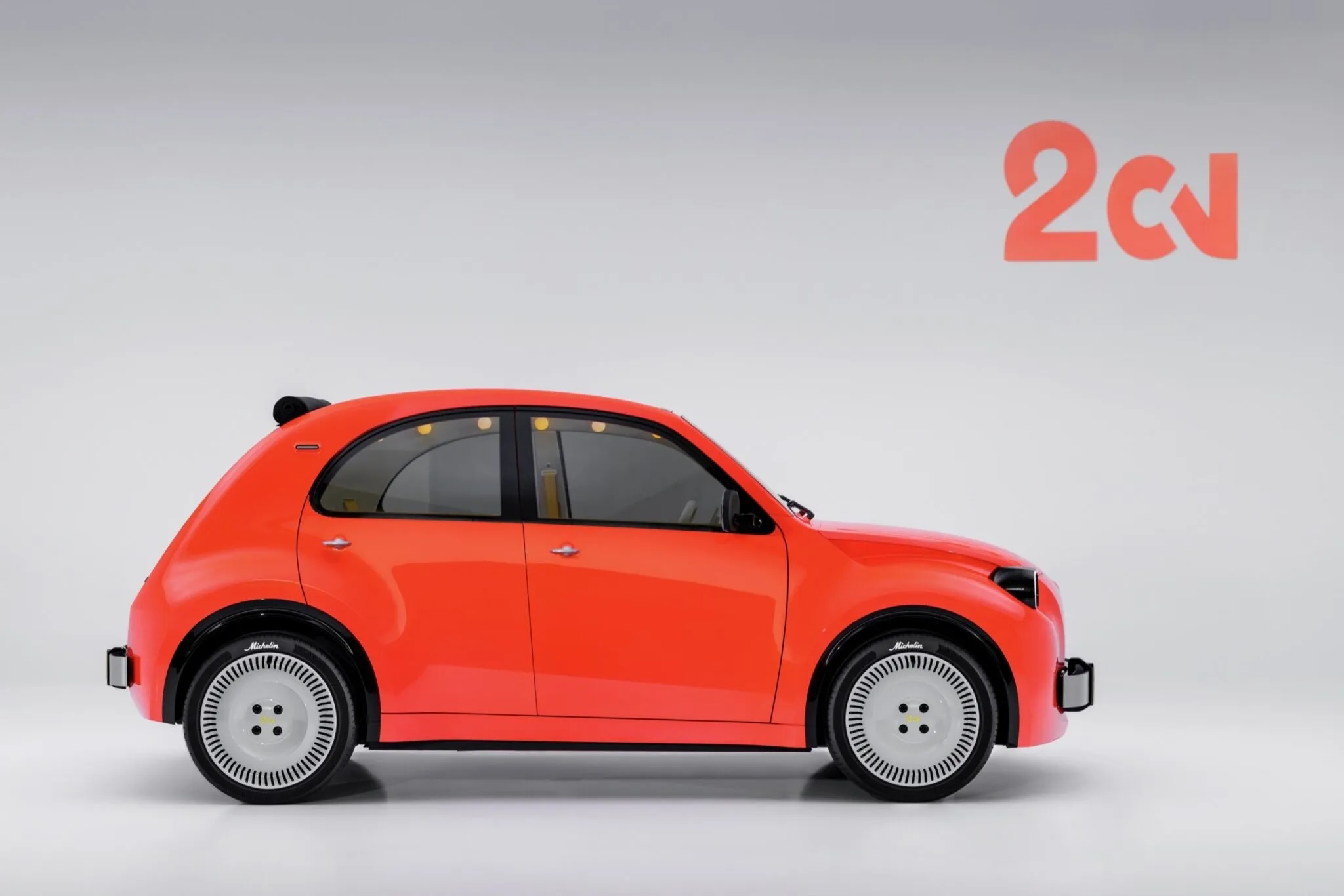
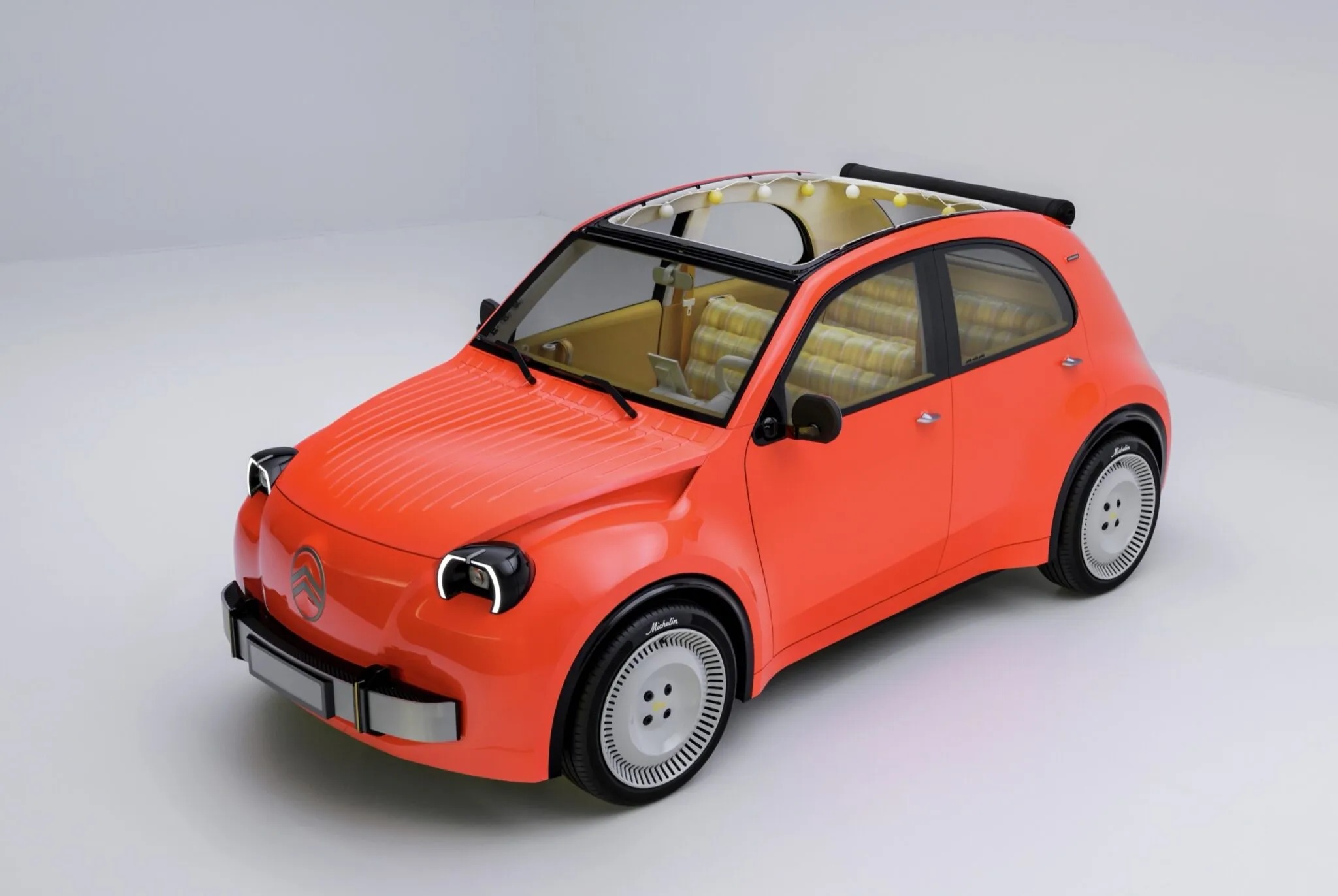
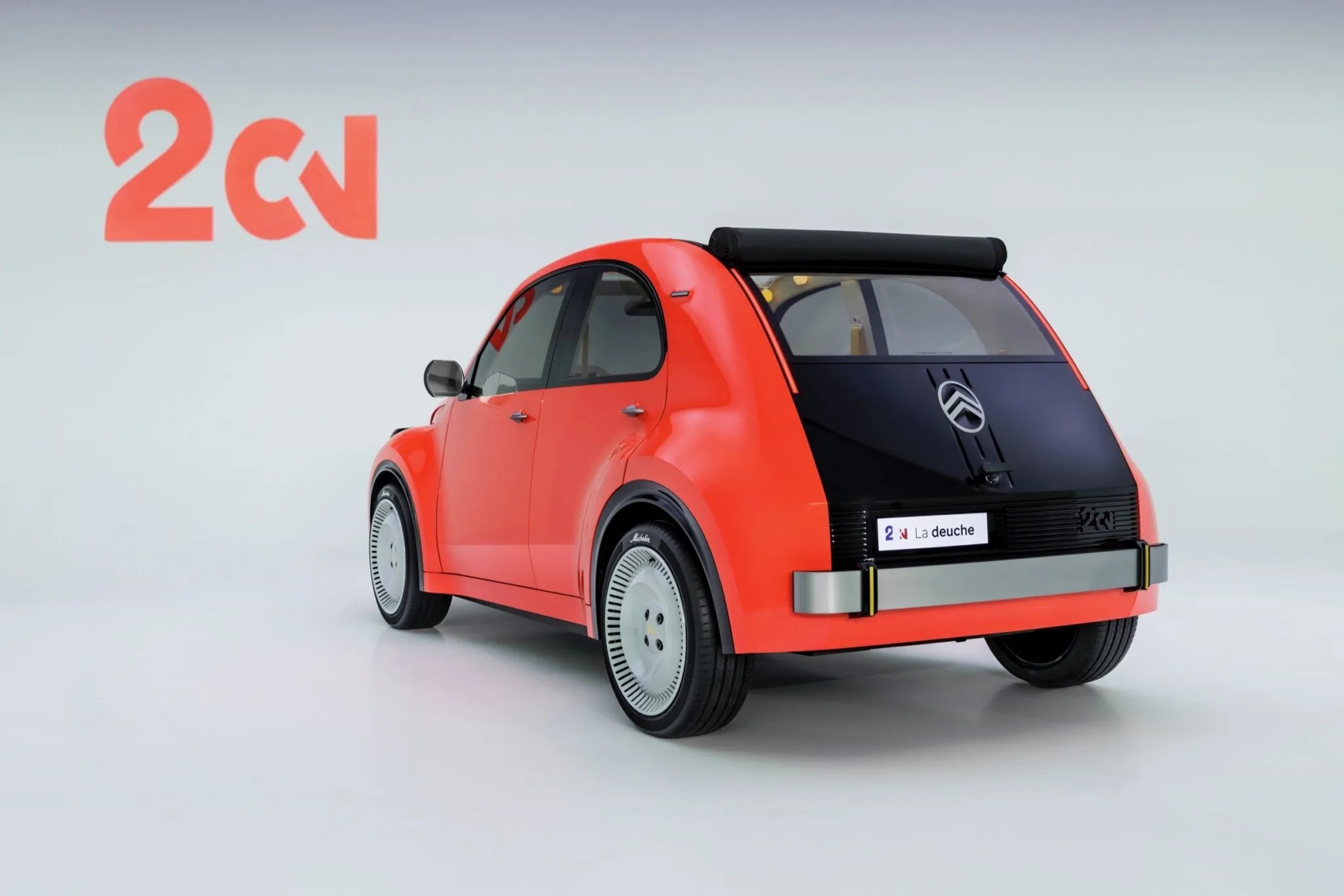
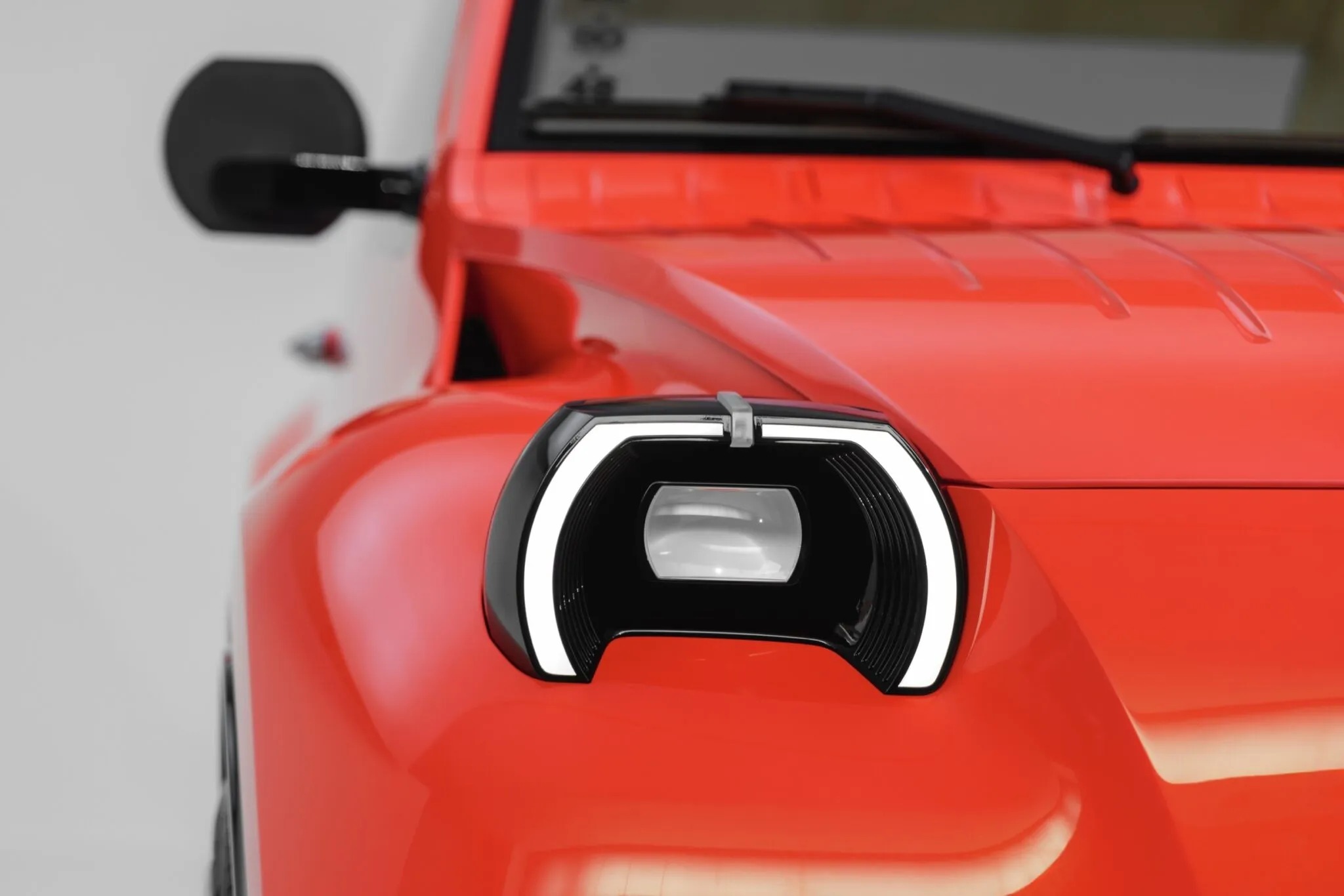
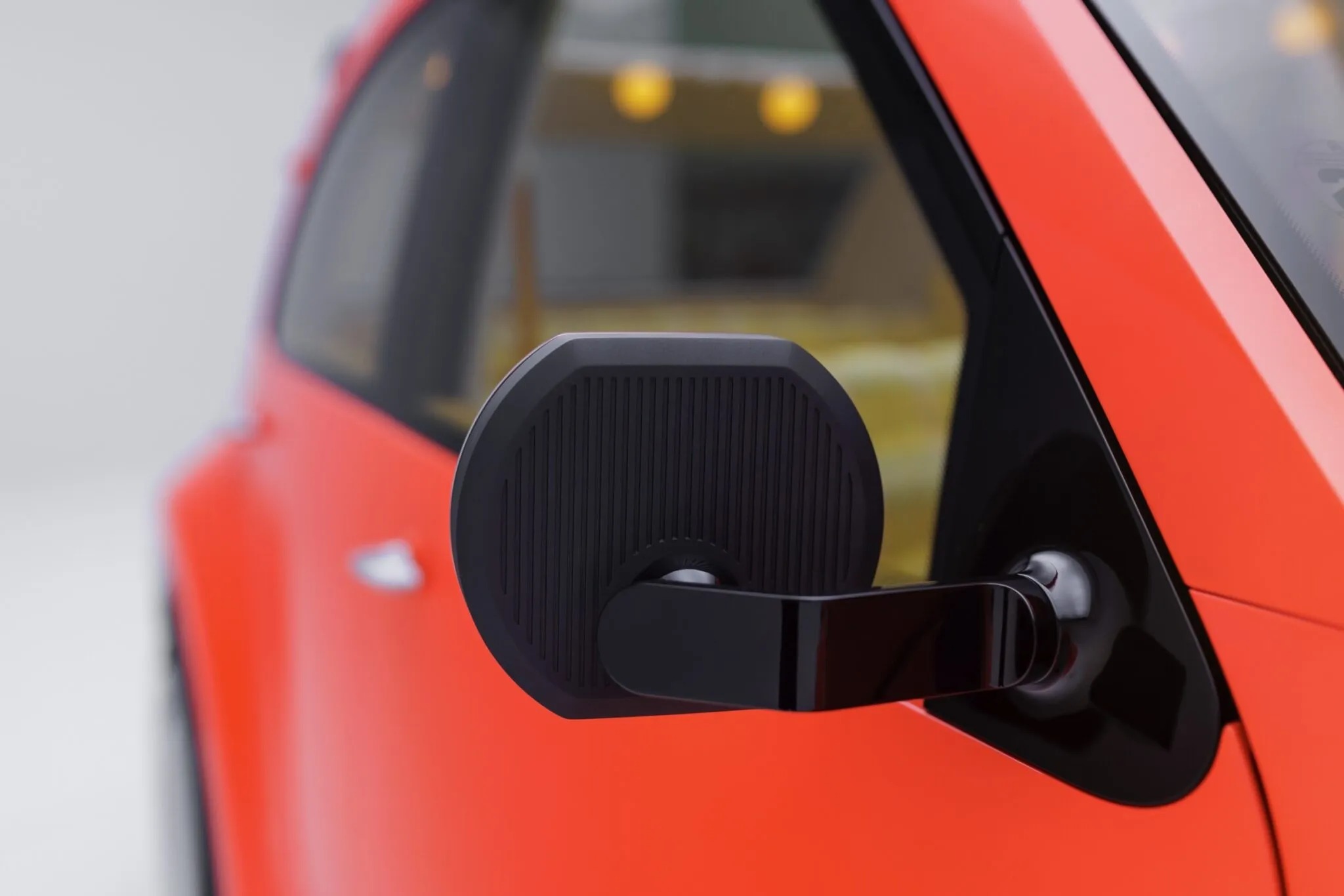
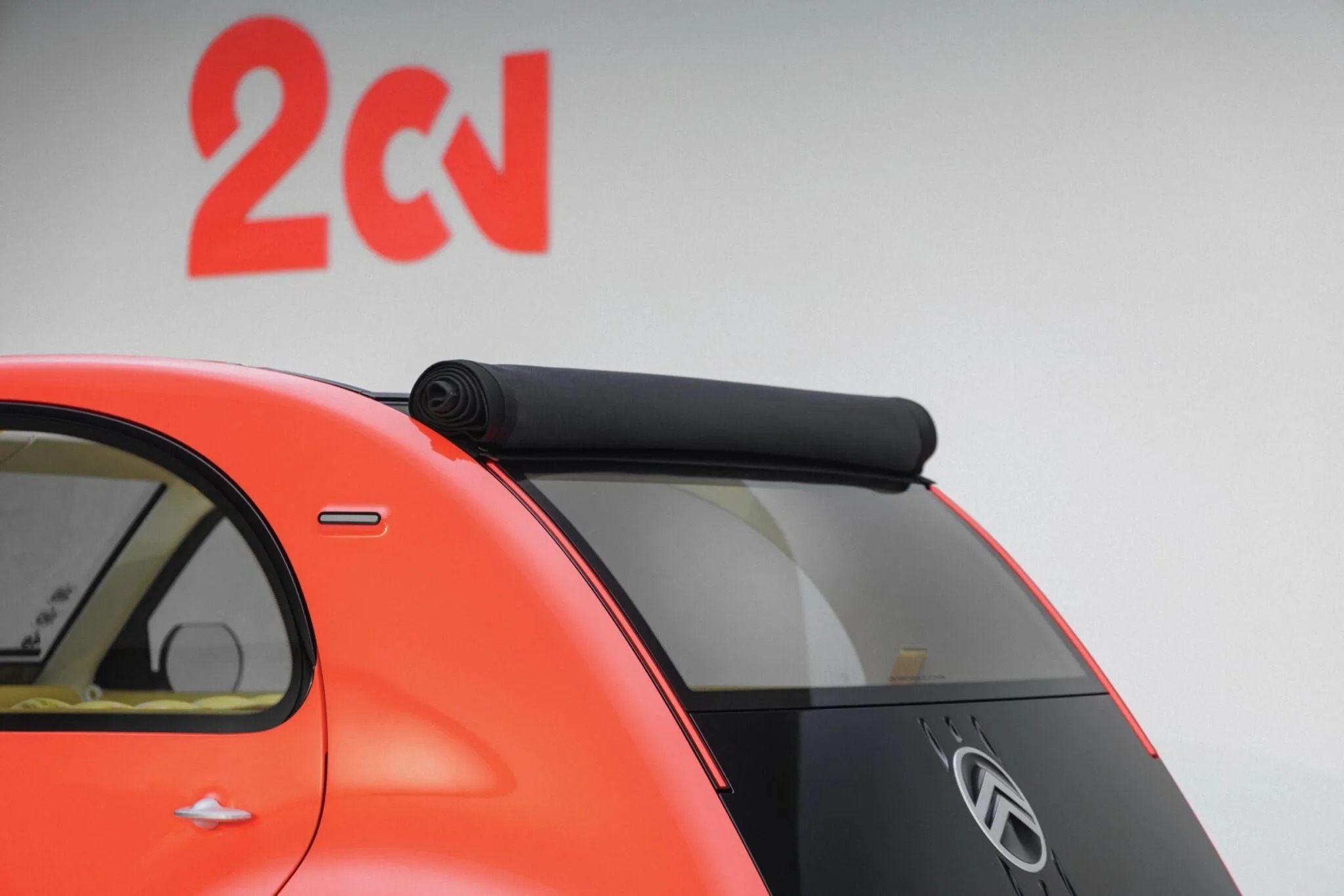
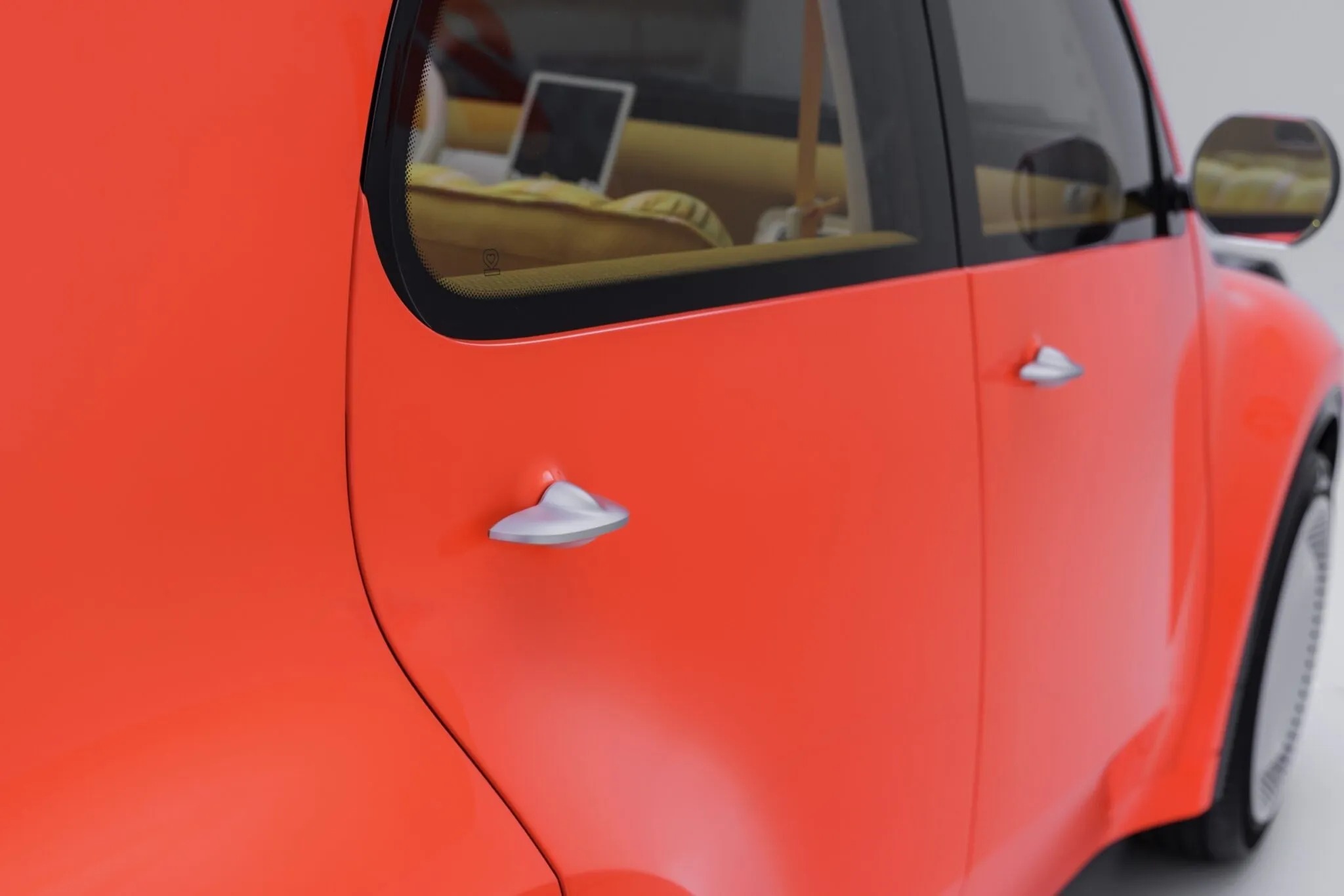
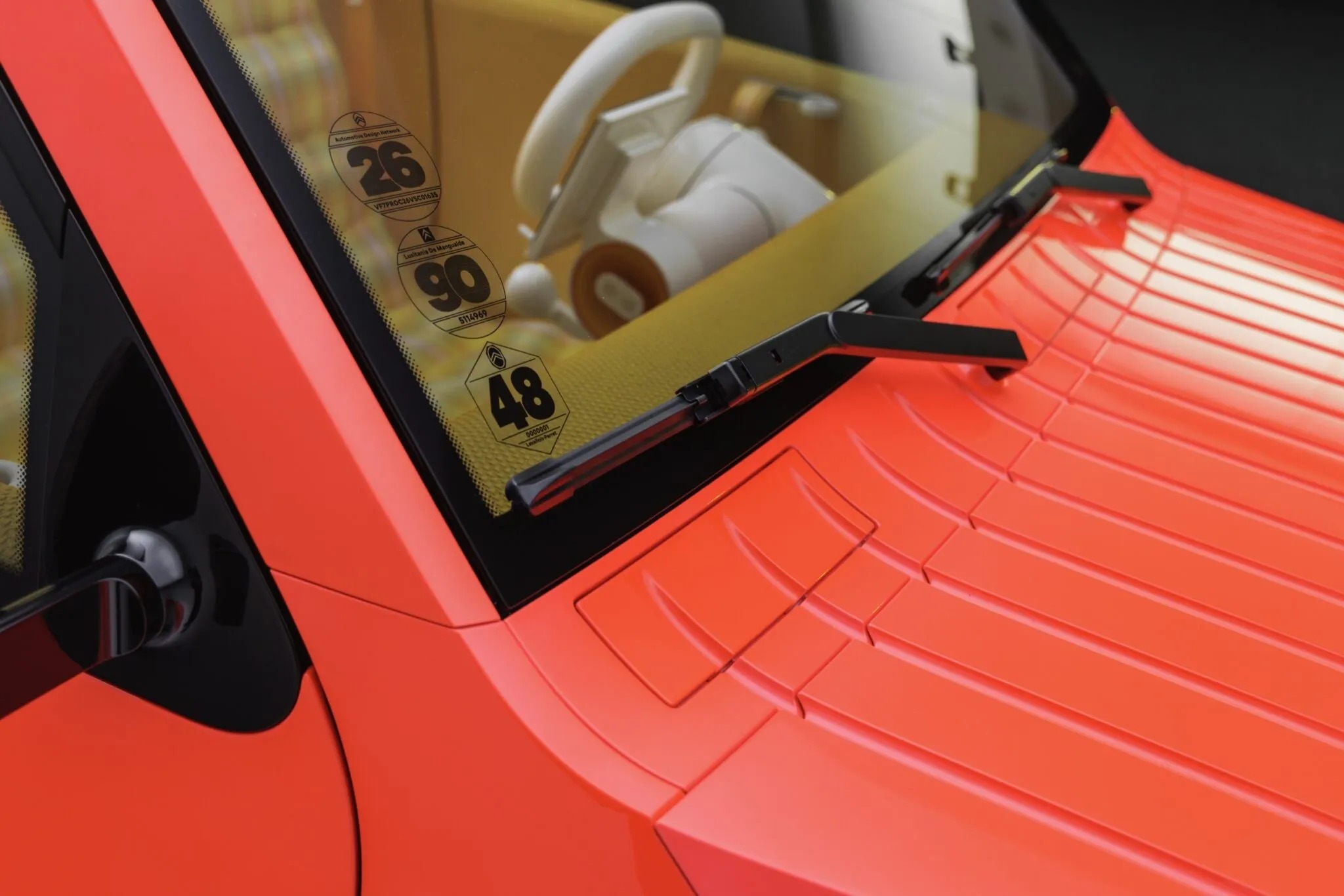
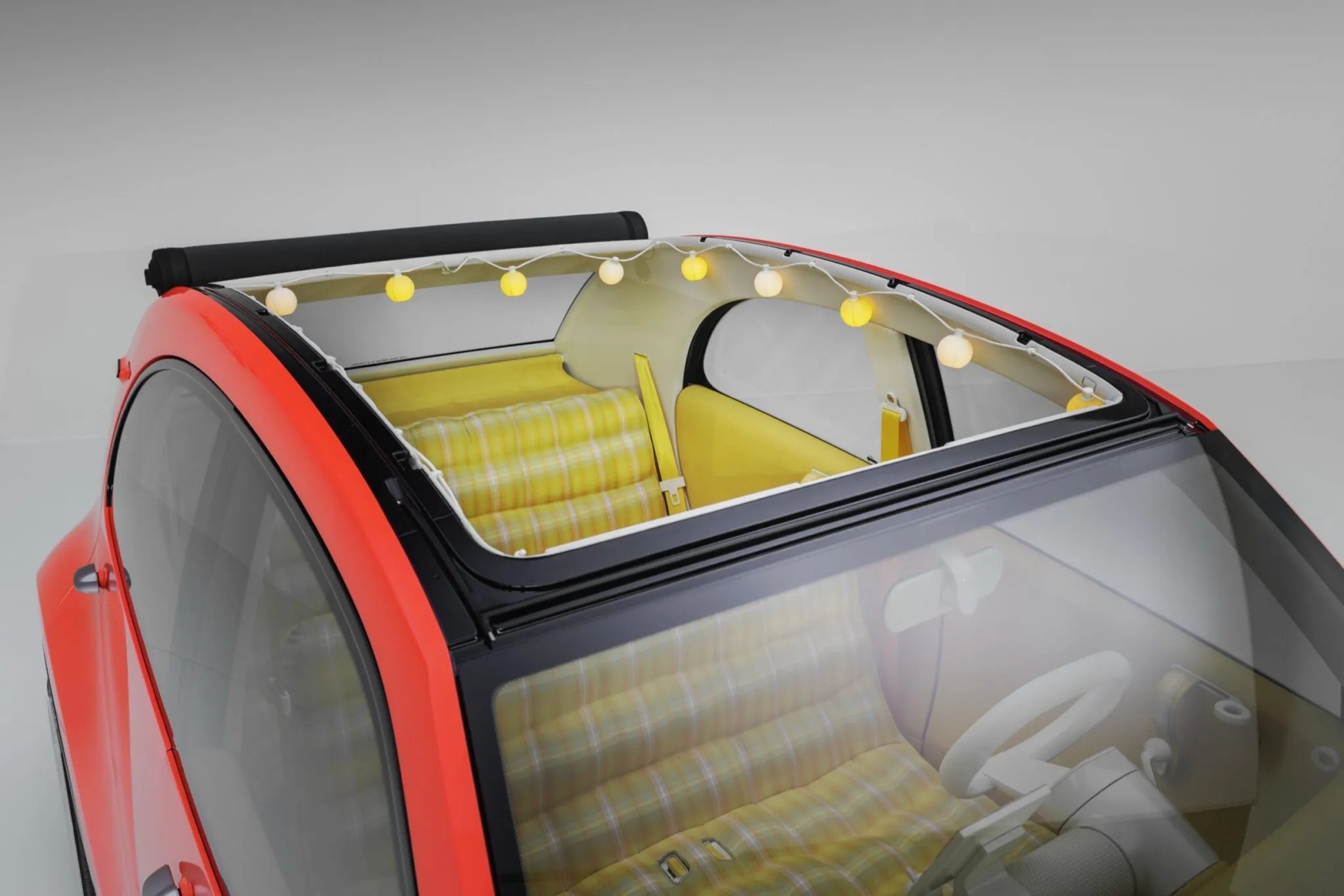
The new 2 CV Concept is a four-door electric hatchback that embraces retro styling without restraint. Its design incorporates many familiar features of the original, including a ribbed hood with a sharply sloping profile, rounded headlights mounted on prominent front fenders and a retractable fabric roof.
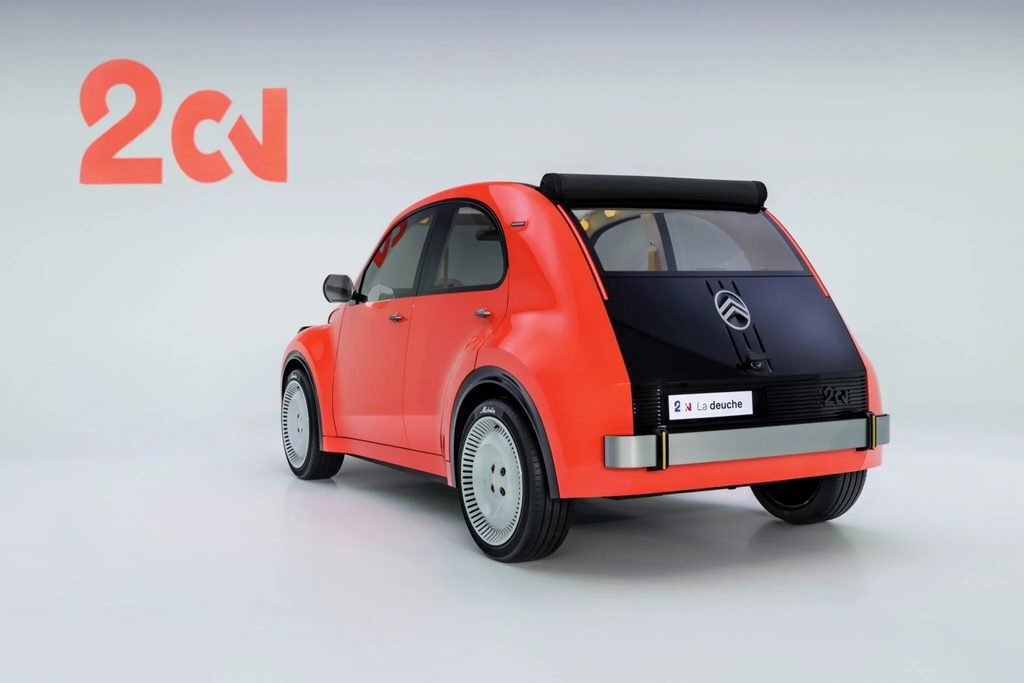
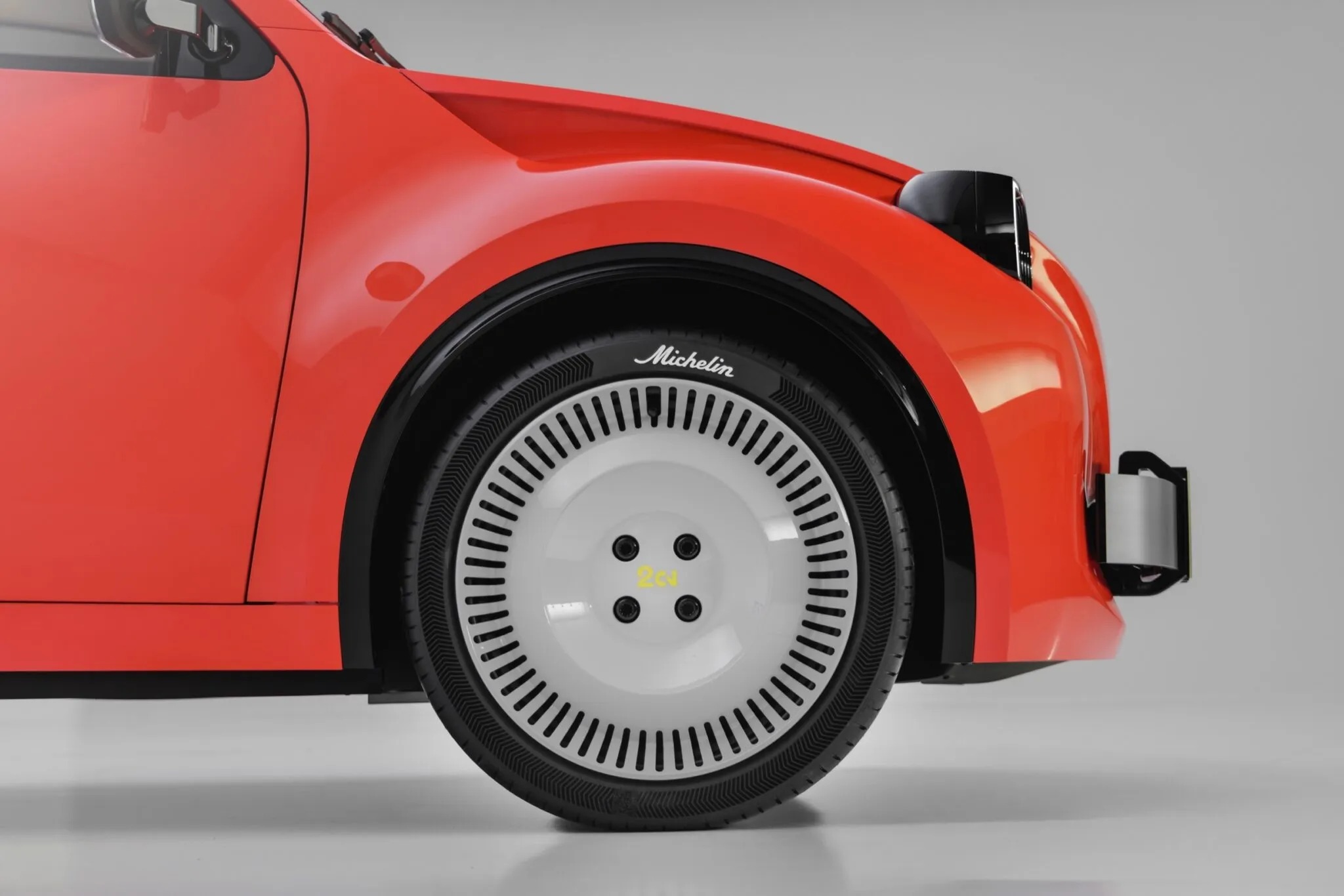
However, the concept also introduces a more muscular appearance, with a wider track and 19-inch wheels filling out the wheel arches far more aggressively than on the original 2CV.
Measuring approximately 148 inches (3.76 meters) in length, the concept is around 8 inches (0.2 meters) shorter than the original car. According to Citroën, its compact dimensions should make it particularly convenient to park in urban environments. Keeping the vehicle small should also help the company achieve its ambitious price target: approximately €15,000 ($16,800 / £12,700) for the production version.
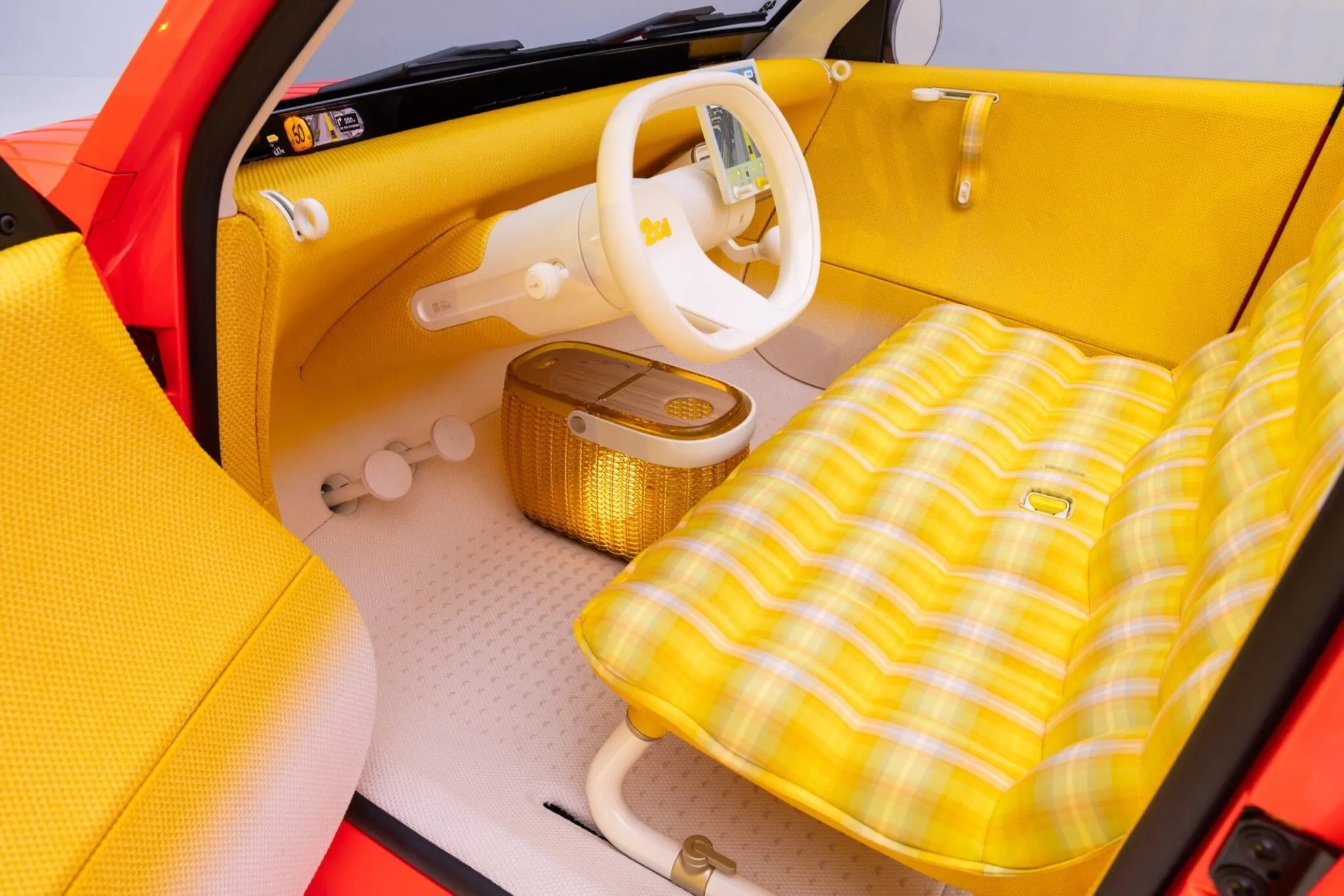
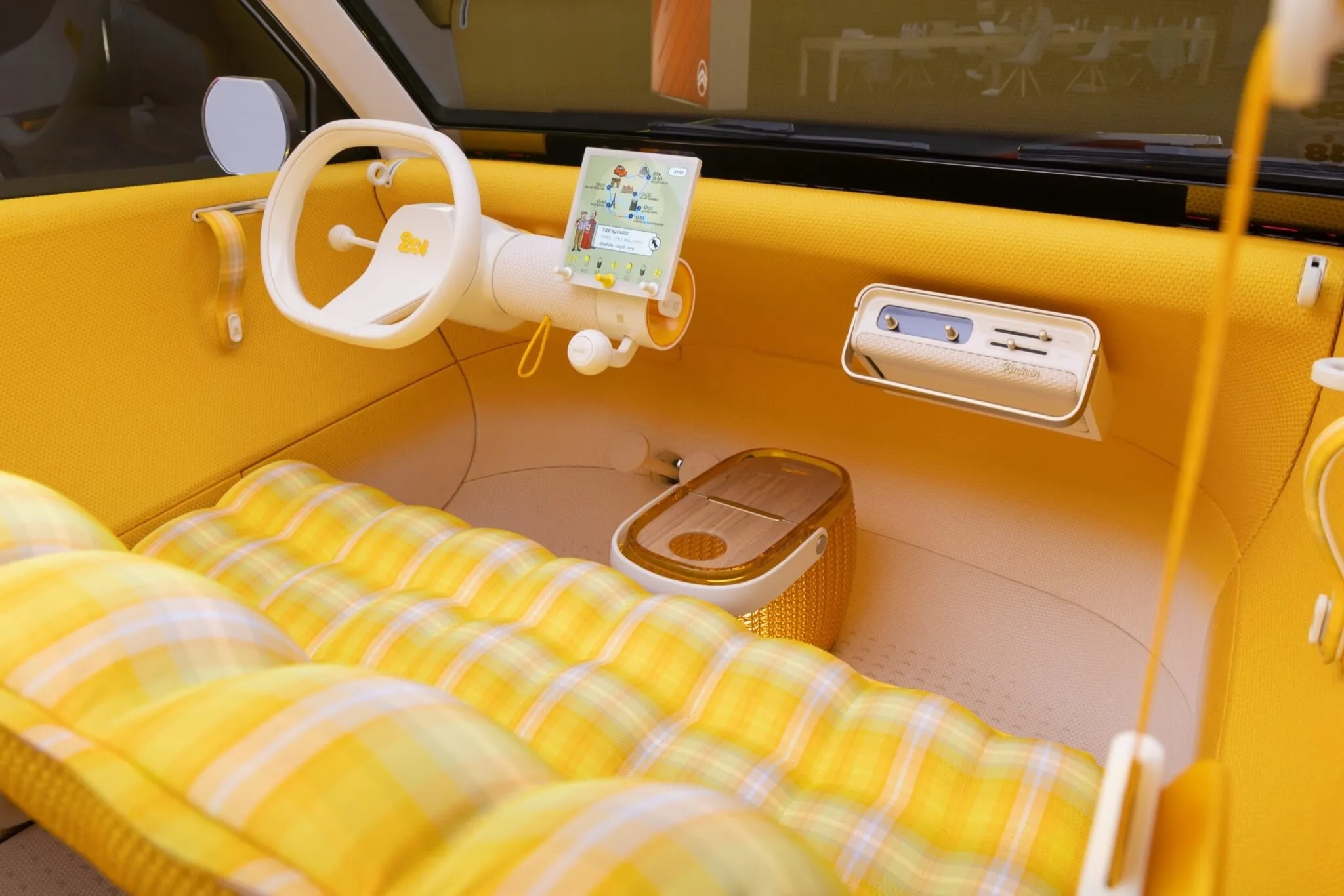
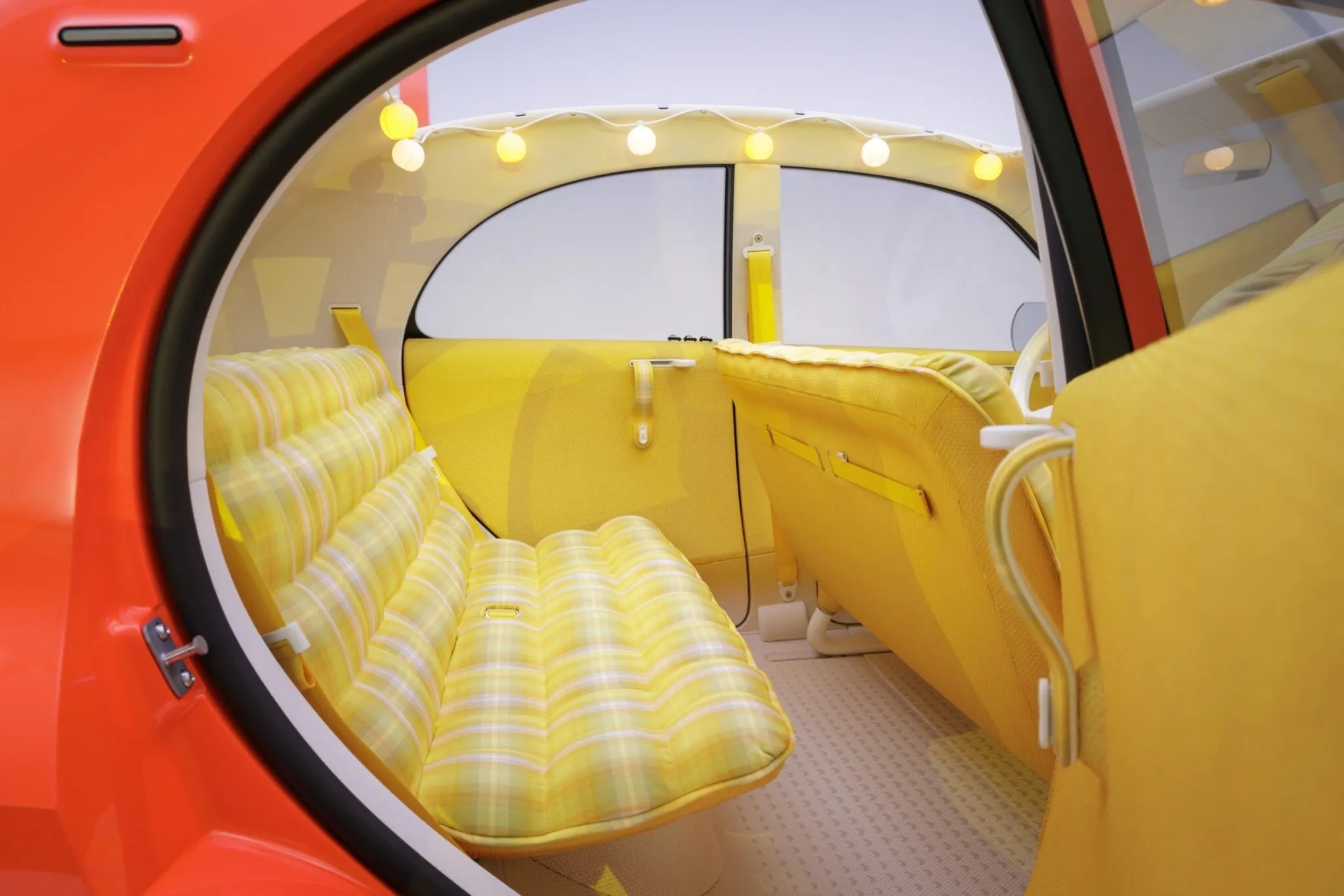
Despite the emphasis on affordability, the cabin does not look like a typical budget-car interior. Instead, it combines a minimalist layout inspired by the original 2CV with several unconventional practical features. The bench seats can be removed and used for picnics, while a portable hamper positioned on the floor doubles as a center console and storage compartment.
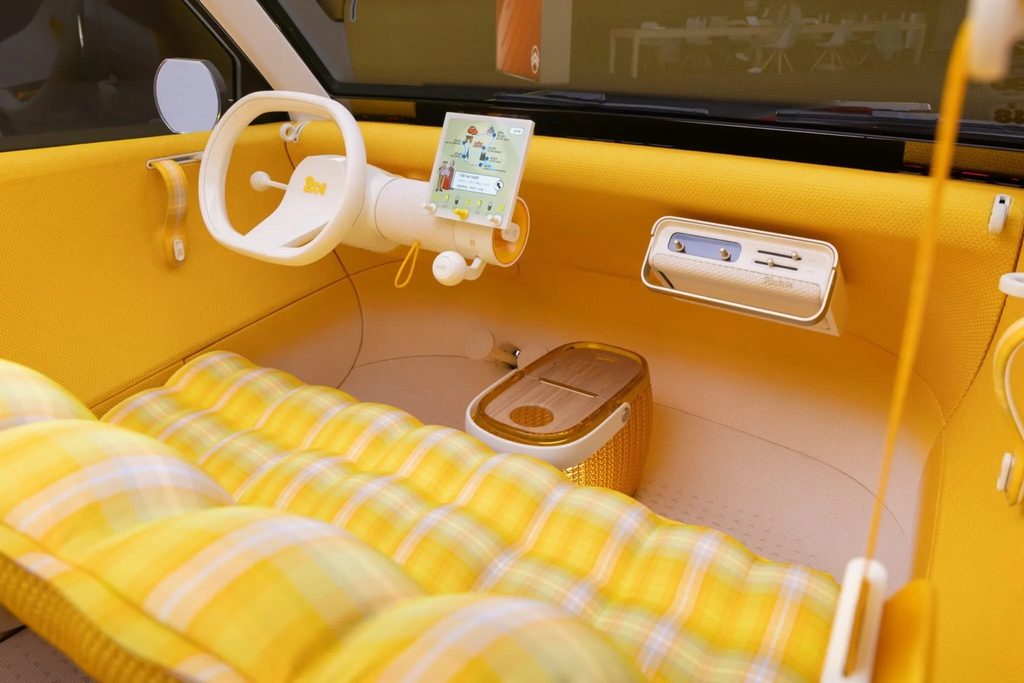
Another unusual detail is an egg holder integrated into the doors. This feature references the original design requirements established in the 1930s, when Citroën wanted the 2CV to transport a basket of eggs across a rough field without breaking them.
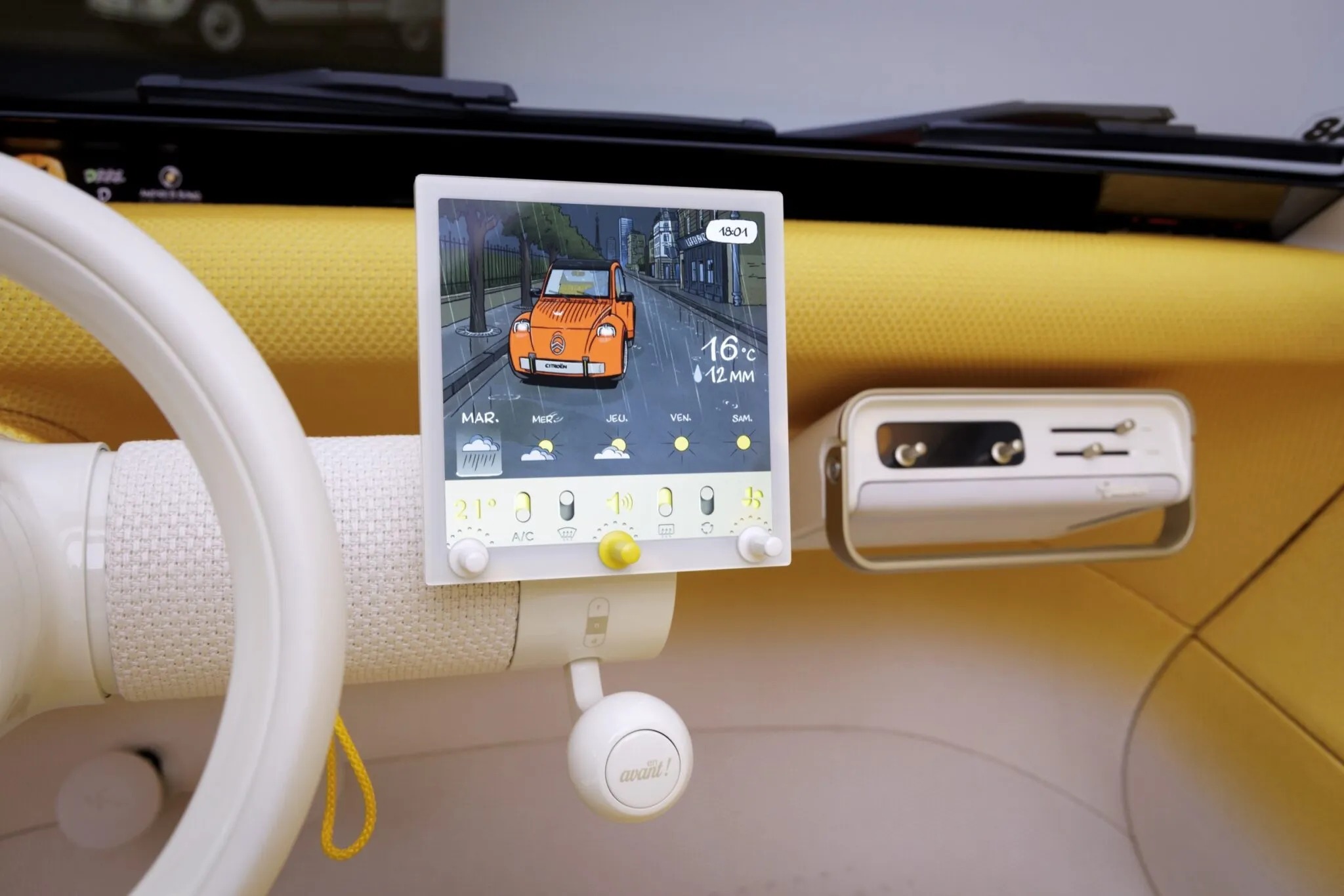
The concept also revives other distinctive elements of the classic car, including a single-spoke steering wheel and a gear selector extending from beneath the dashboard. The latter is purely a stylistic reference, however, as the modern 2 CV Concept uses an electric powertrain rather than the original’s air-cooled two-cylinder engine and four-speed manual transmission.
Citroën has not yet disclosed technical specifications for the electric motor or battery pack. Given the planned starting price, high performance and an exceptionally long driving range are unlikely to be priorities.
The entry-level Renault Twingo could provide a useful point of comparison. Its base version delivers 81 hp (82 PS / 60 kW) and offers a claimed range of 163 miles (262 km) on a charge. The production 2CV may target similar figures, although Citroën has yet to confirm any details.