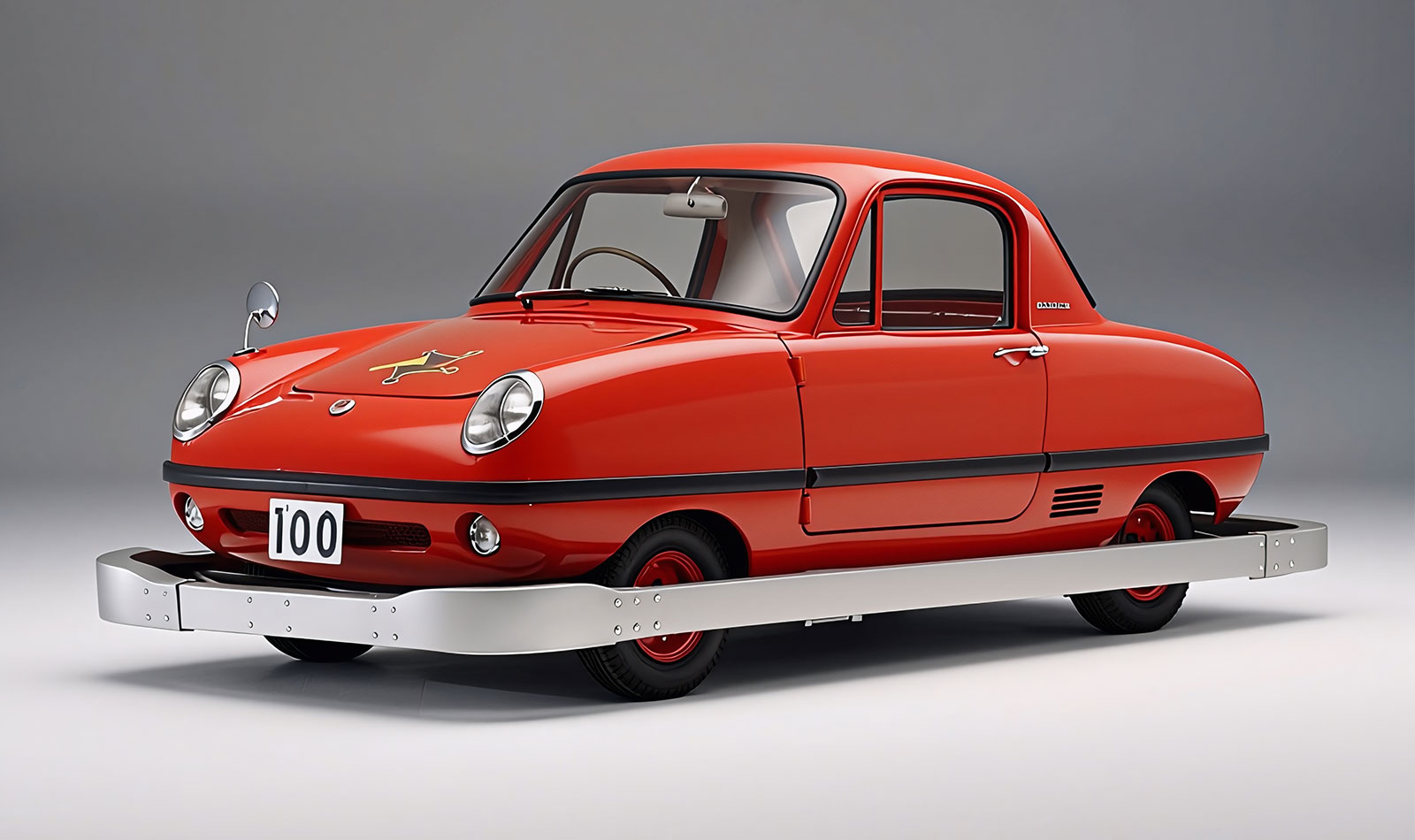
Datsun Baby

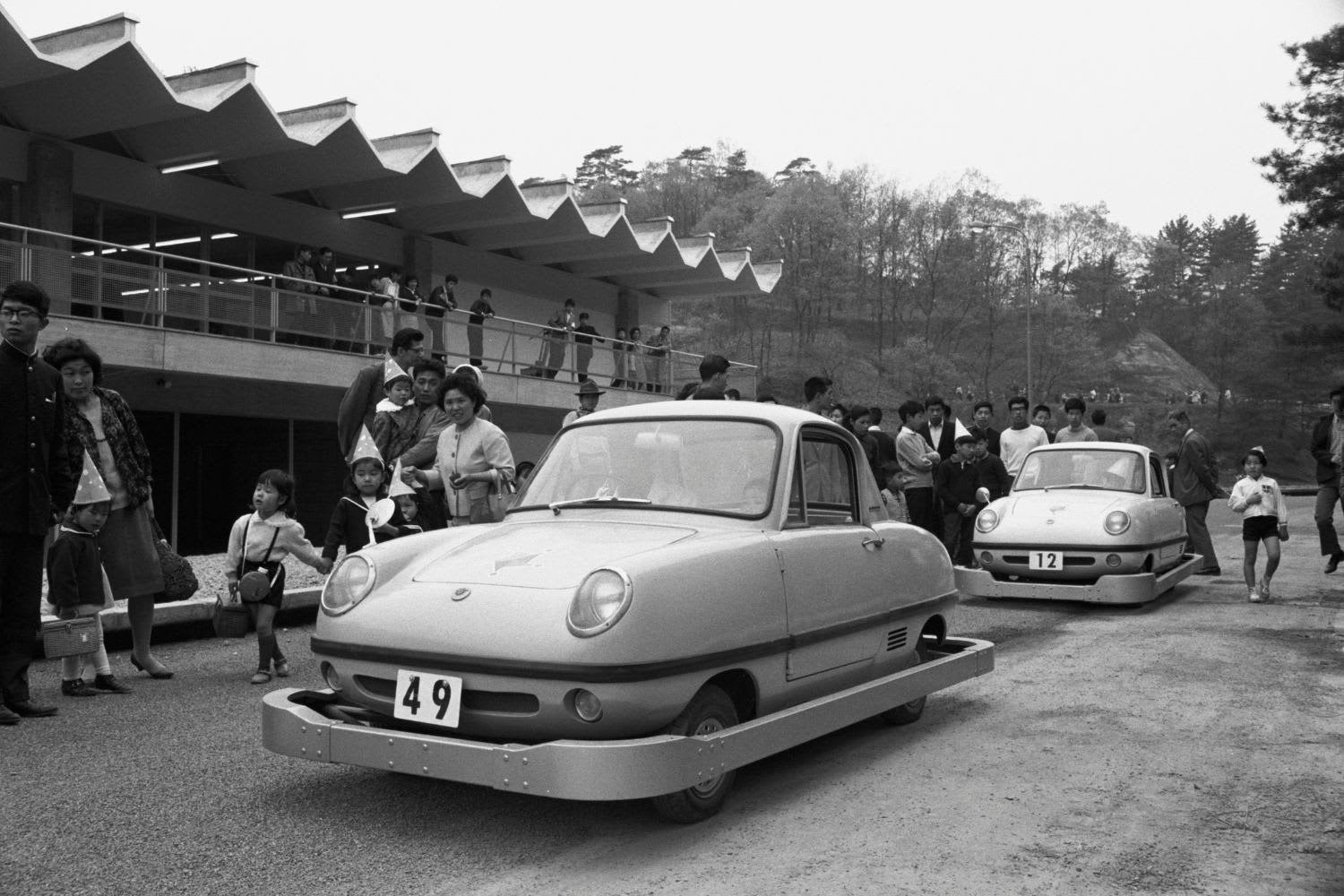
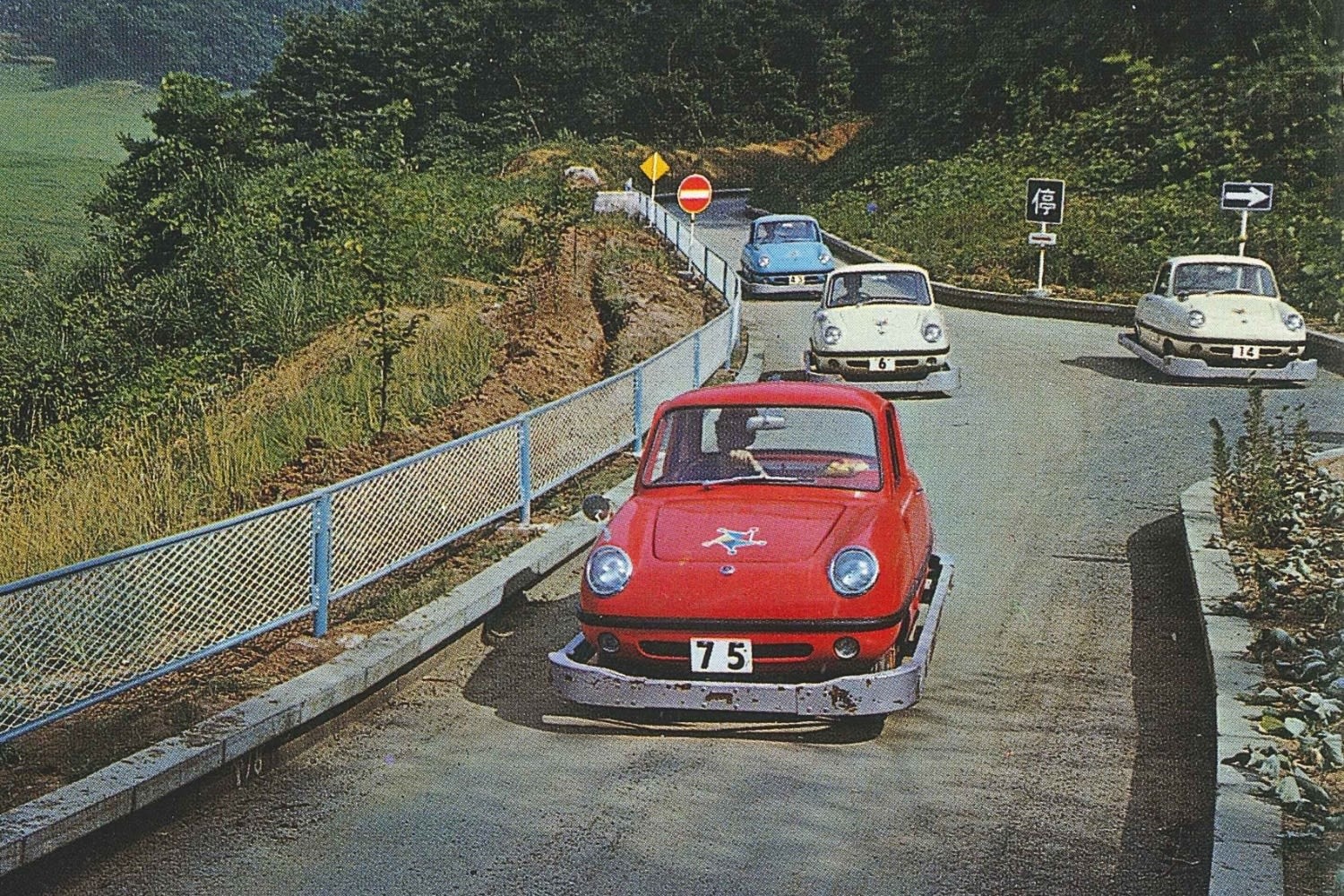
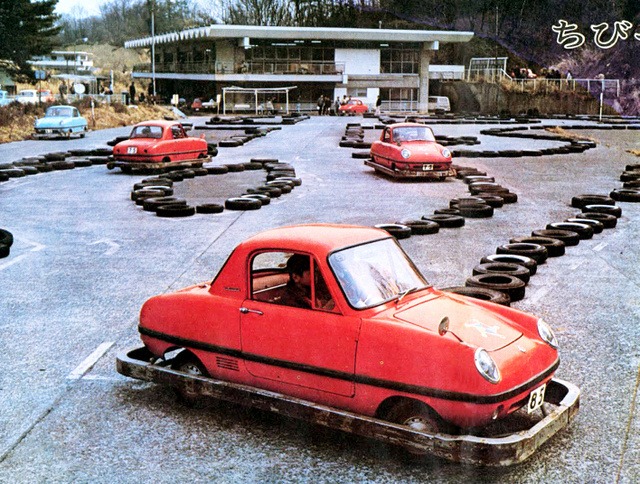
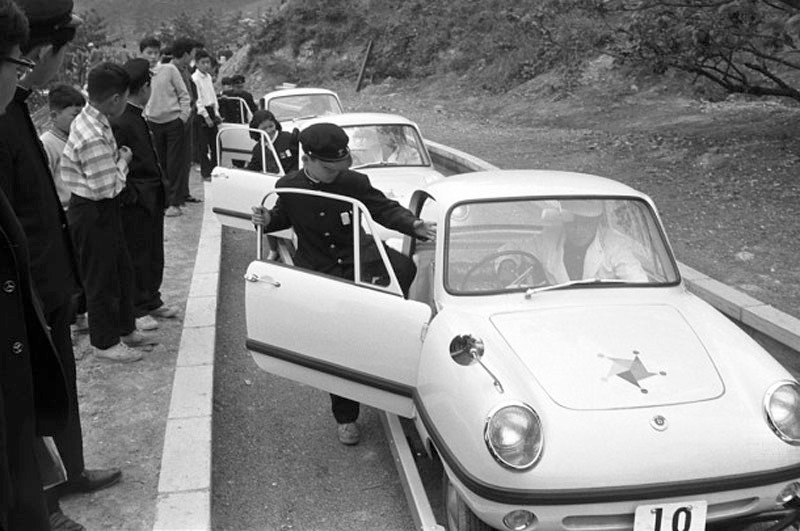
Most of us got our first taste of driving in a theme park — behind the wheel of a go-kart, a pedal car, maybe even a bumper car. But in 1960s Japan, one amusement park went much further, giving children the chance to drive real, fully functioning automobiles.
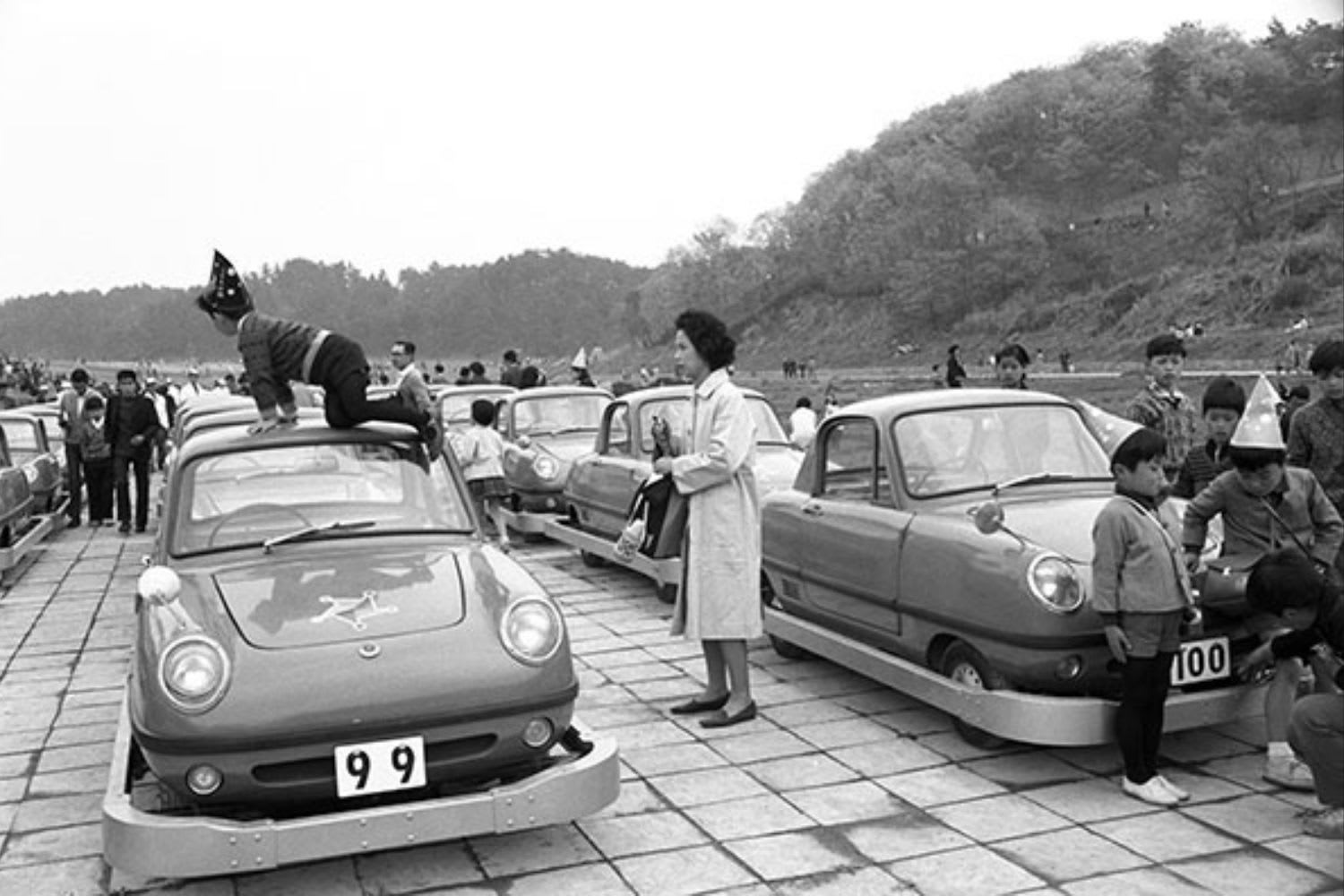
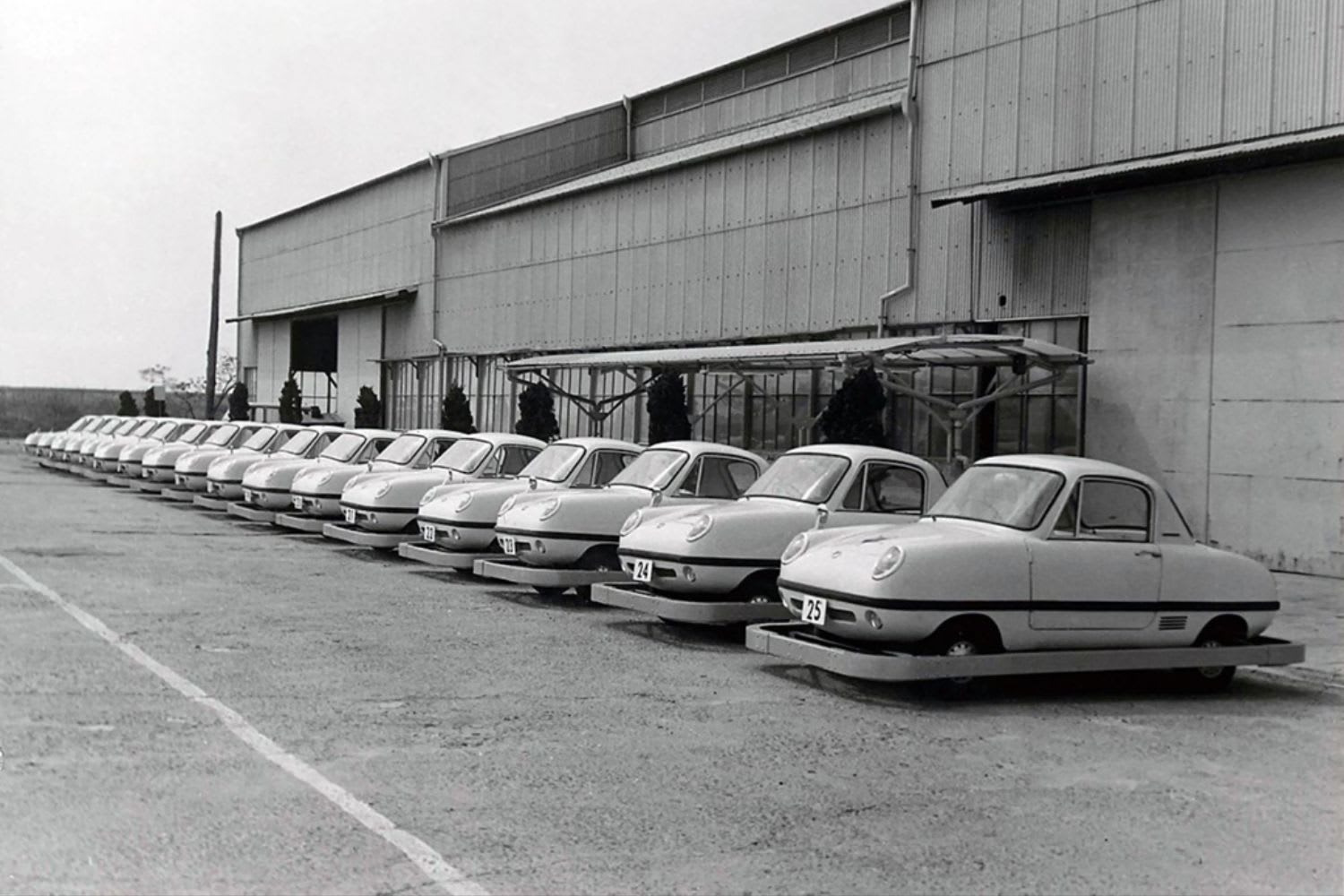
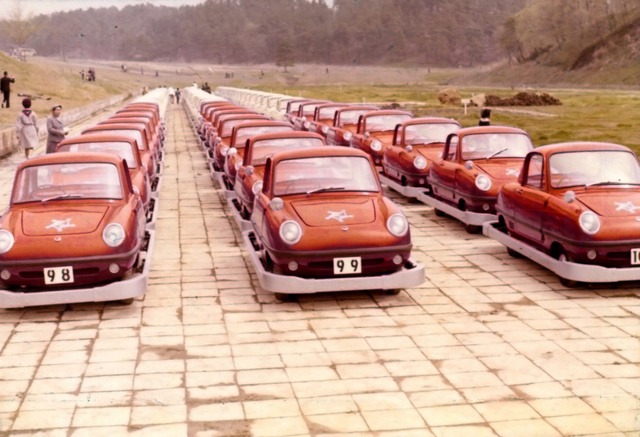
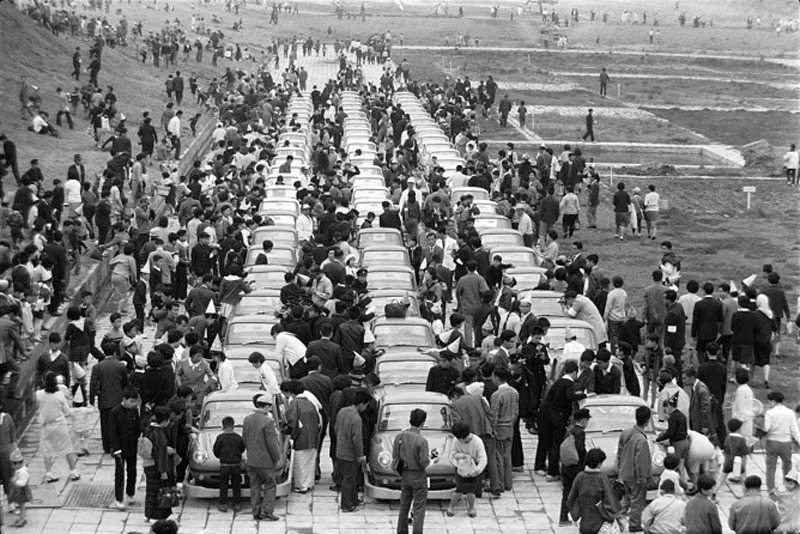
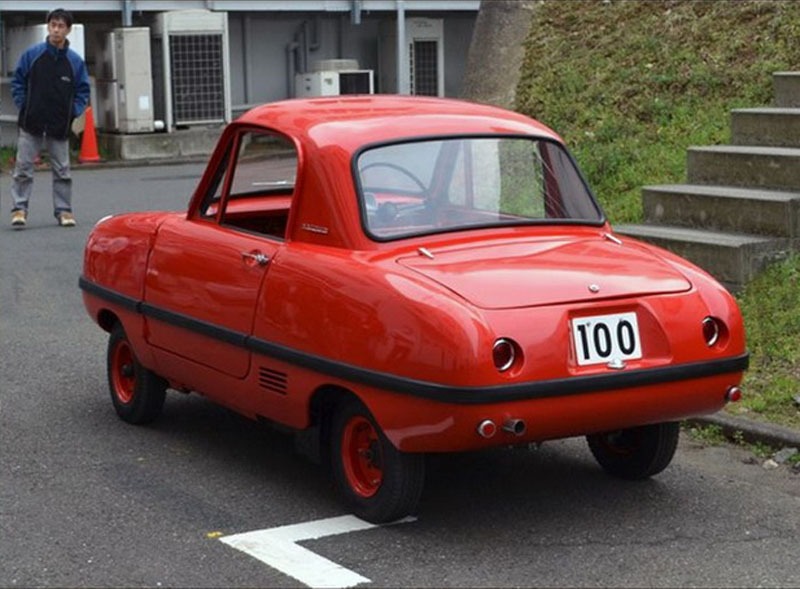
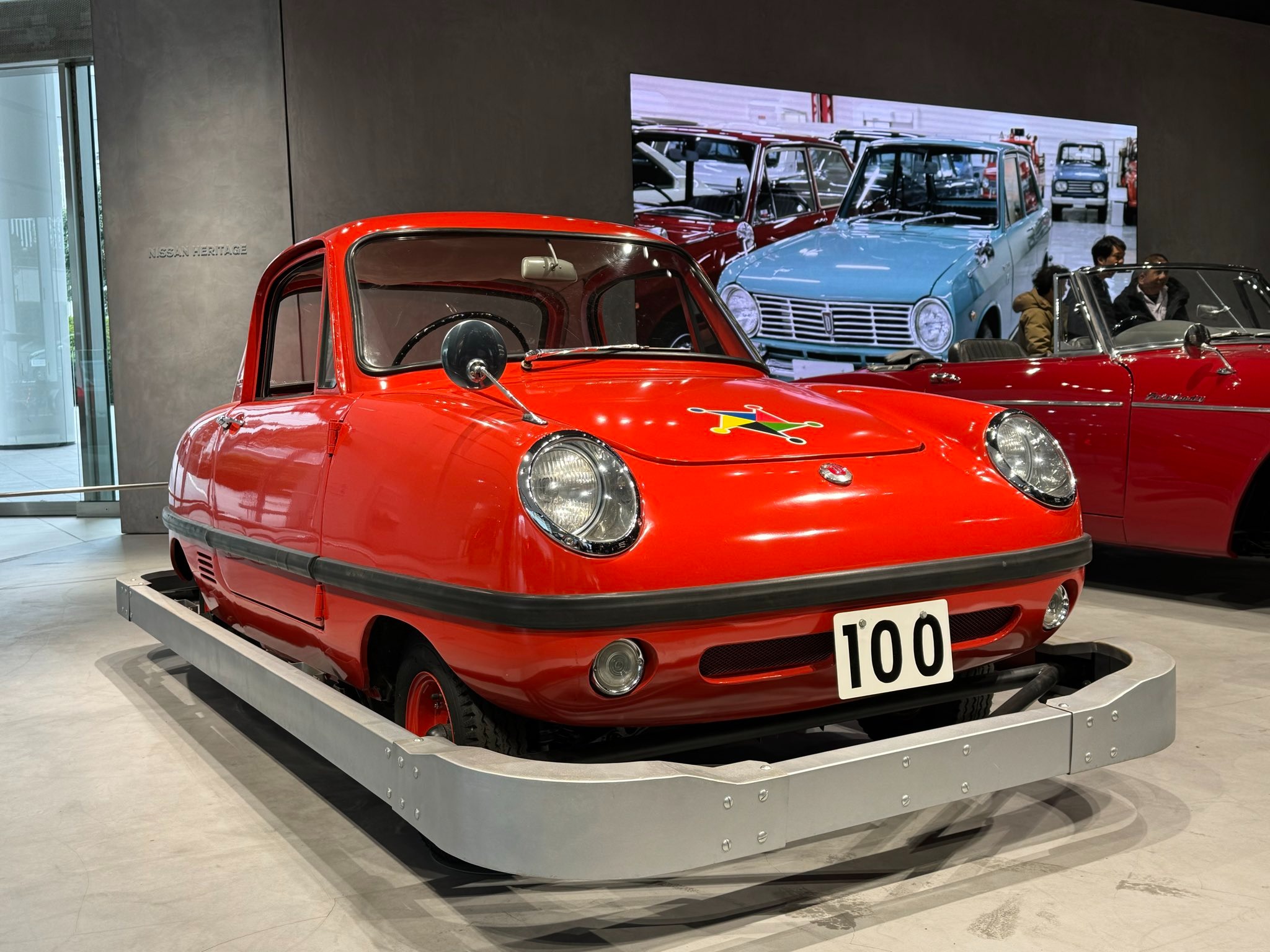
When Kodomonokuni park opened in Yokohama in 1965, local automaker Nissan decided to contribute something special. The company donated 100 purpose-built kei cars for young visitors to drive around a dedicated course inside the park.
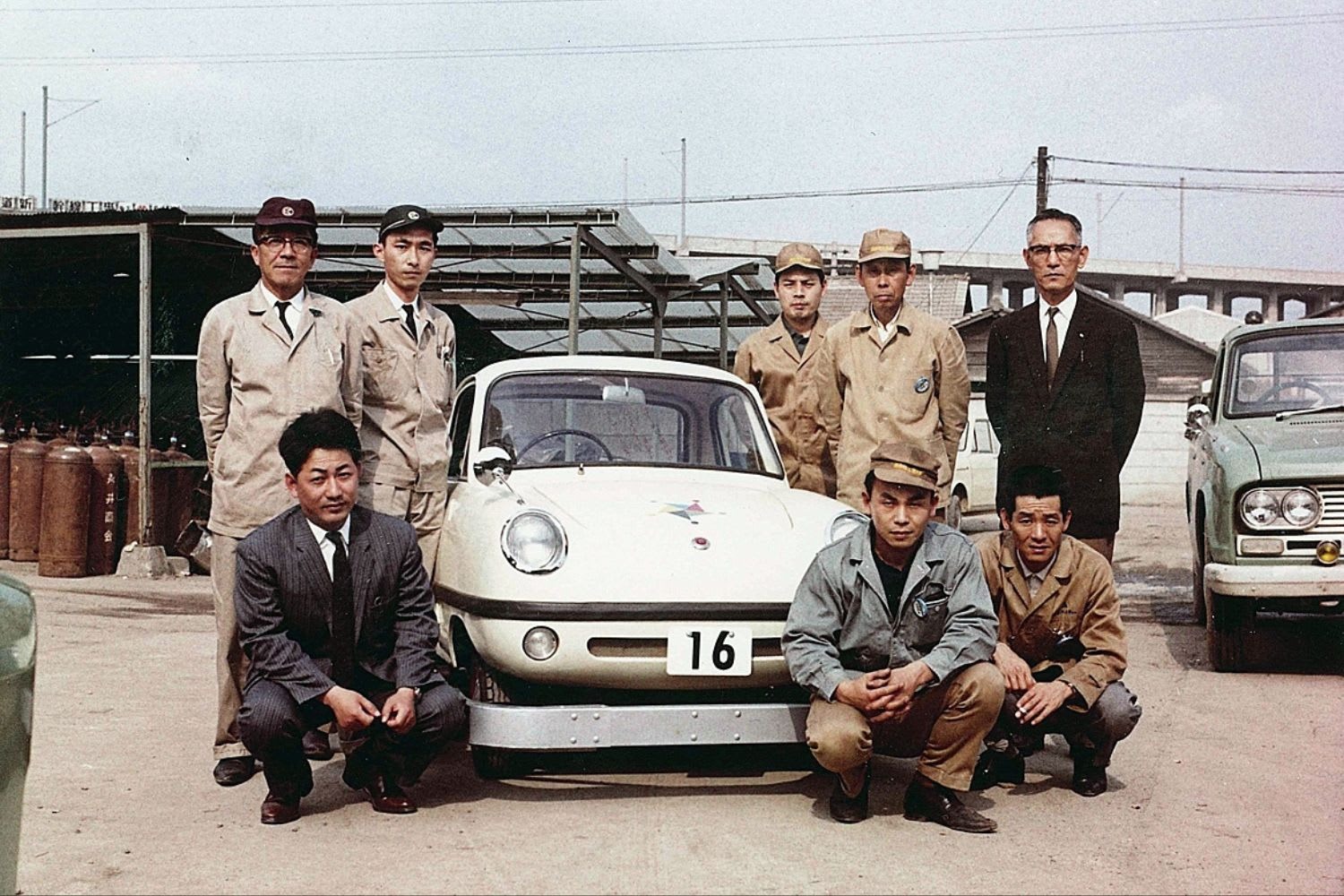
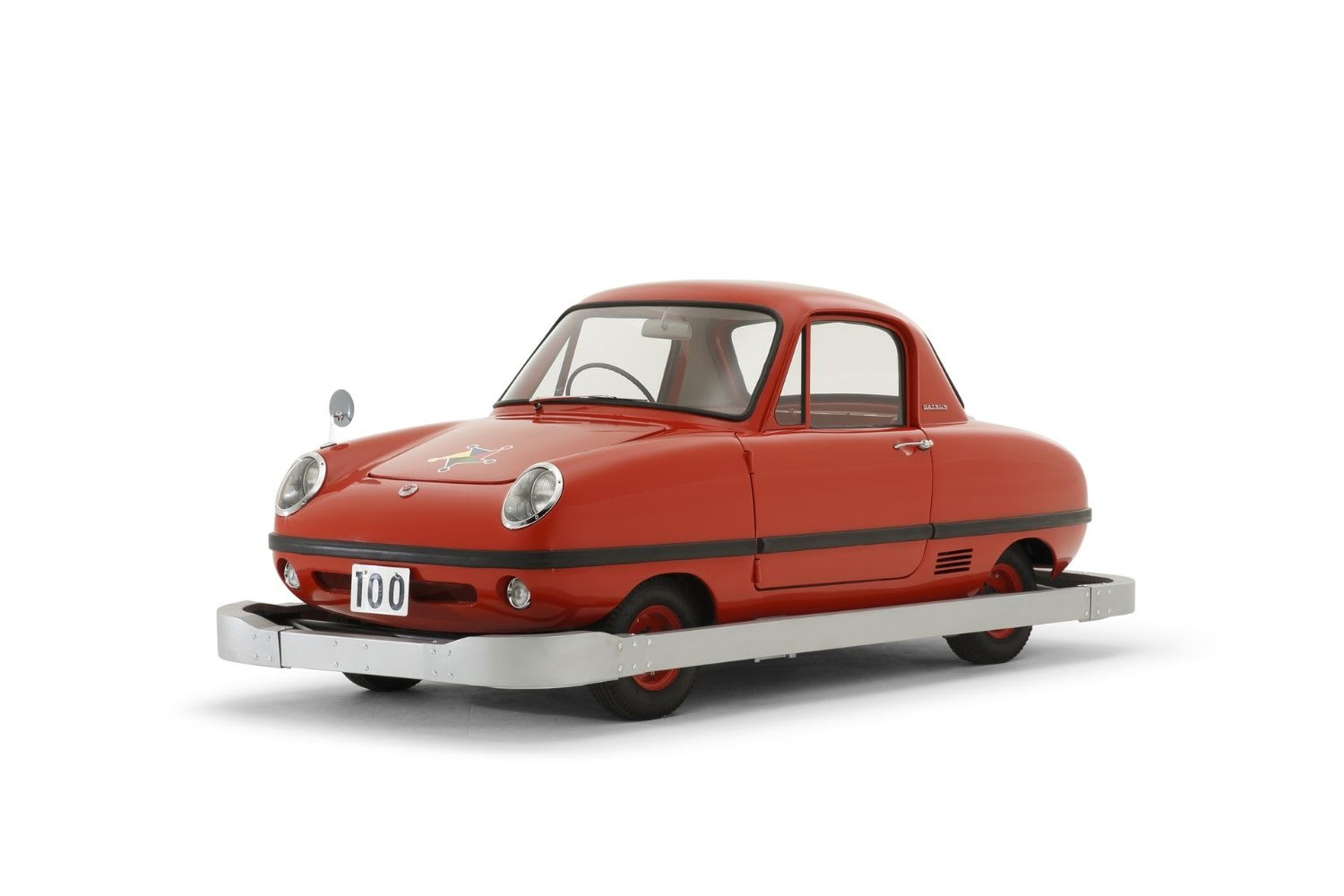
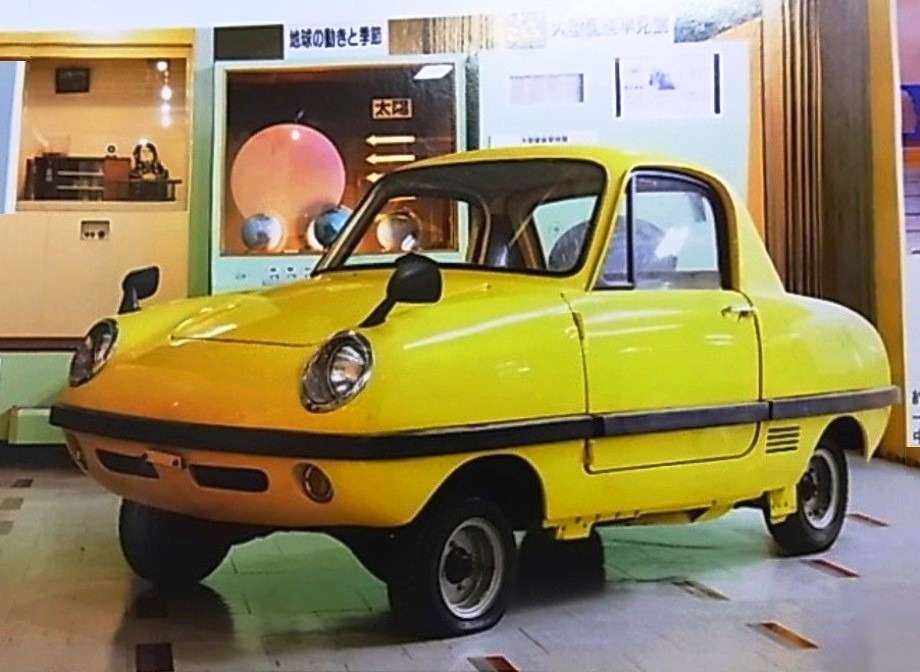
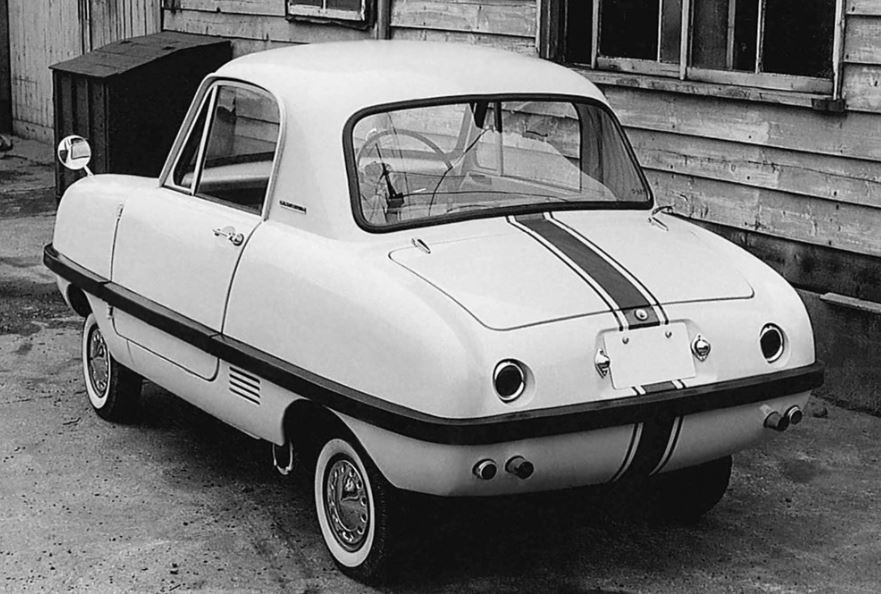
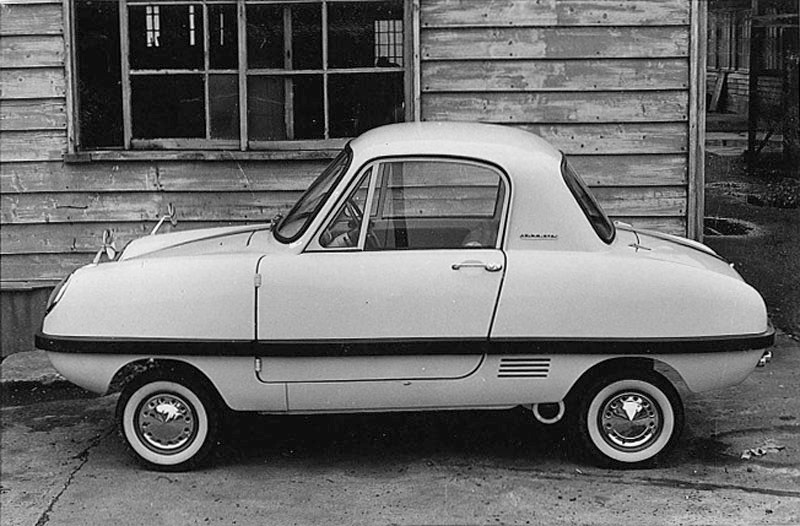
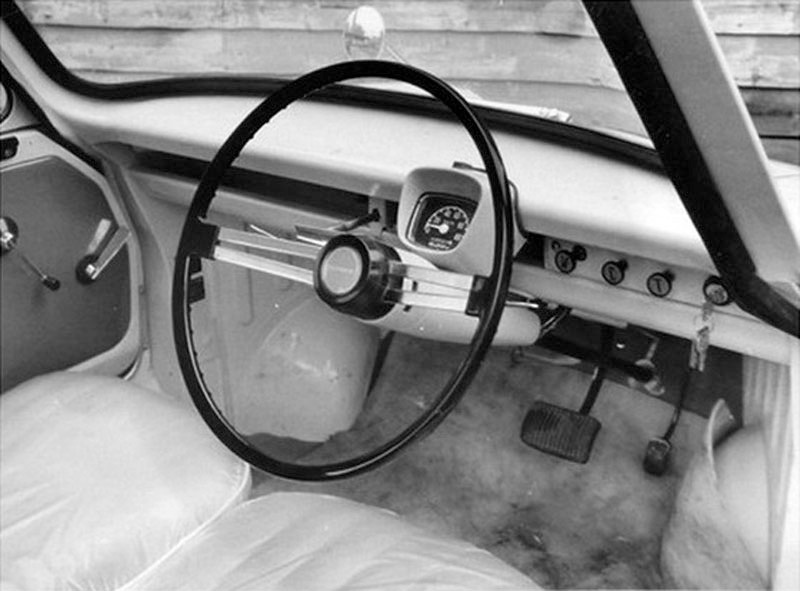
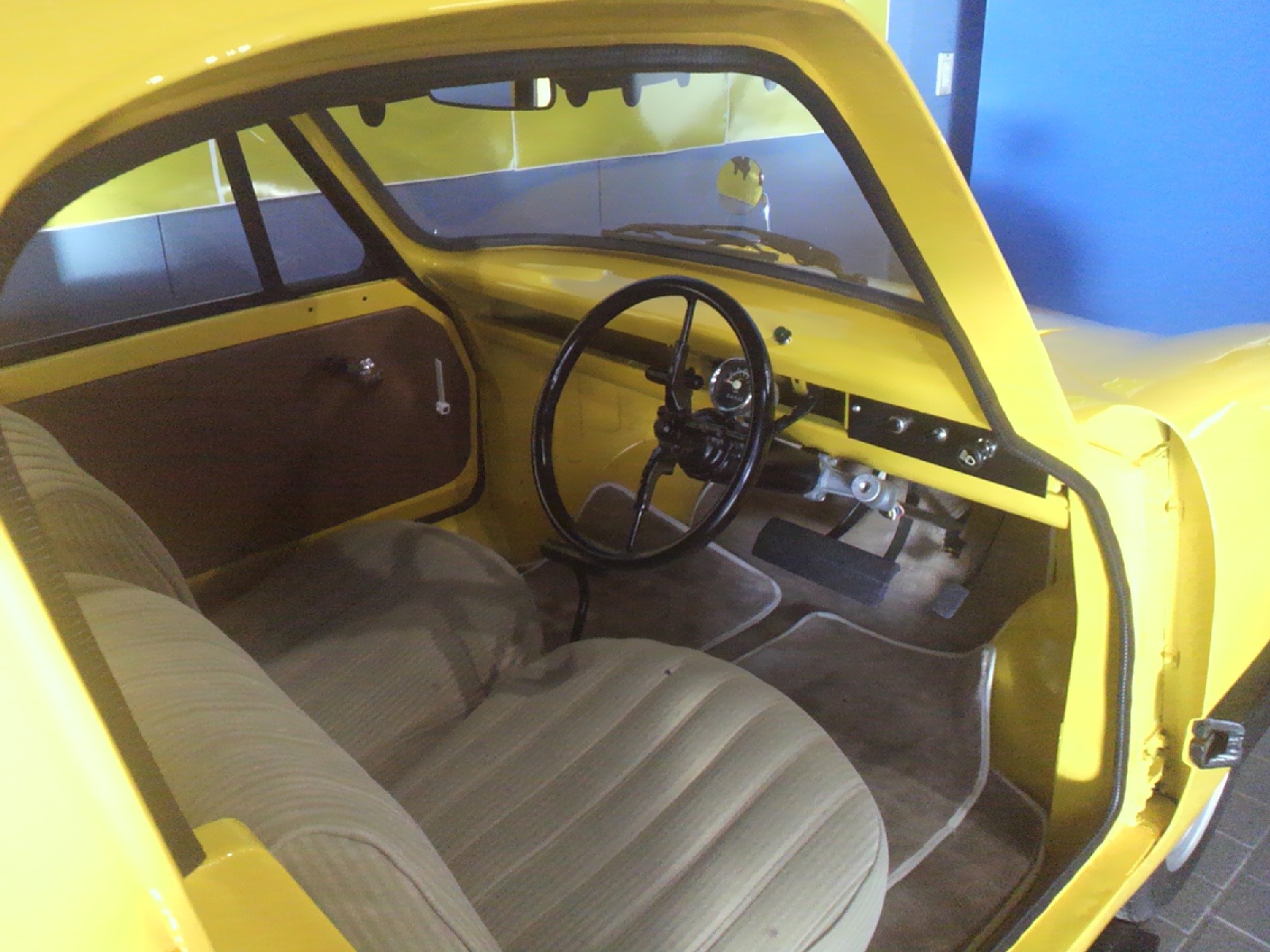
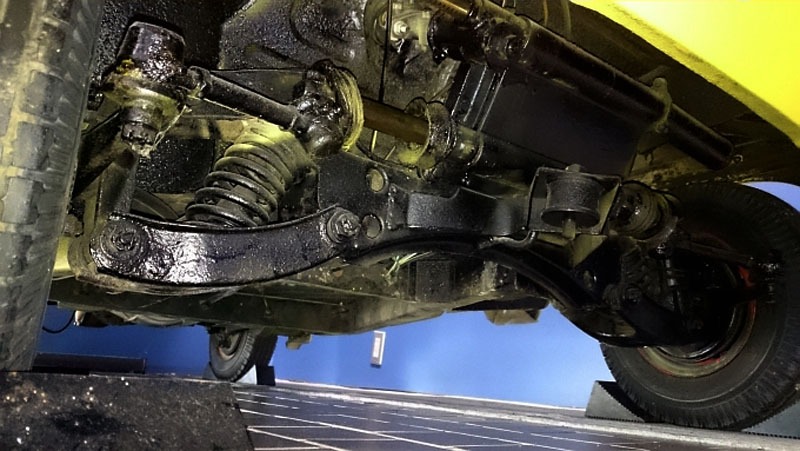
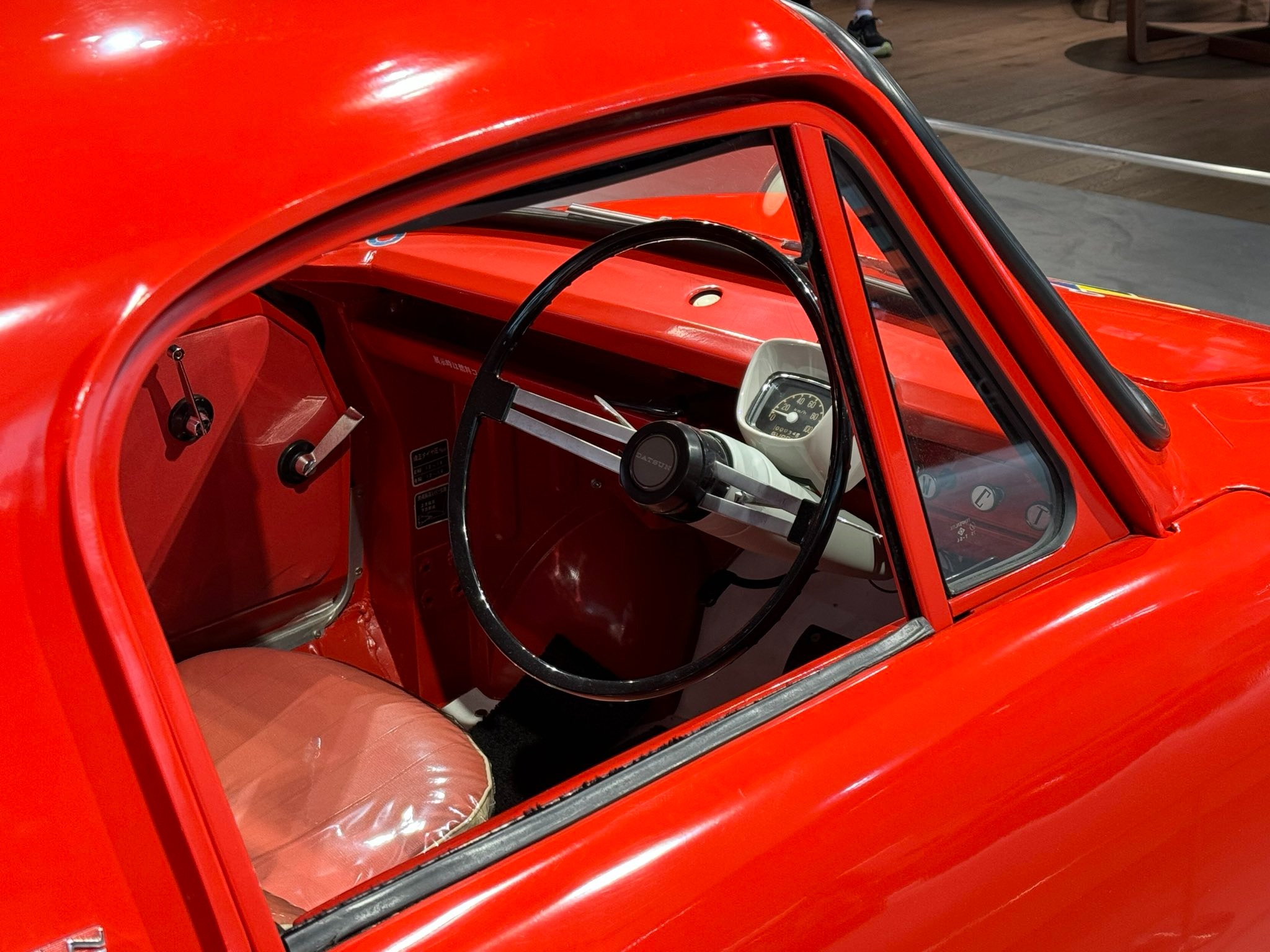
The tiny car was called the Datsun Baby, and it was far more sophisticated than you might expect for a children’s attraction. It featured a mid-engine, rear-wheel-drive layout, an automatic transmission, and even a spring-assisted power steering system. For a park ride, that’s serious engineering.
Power came from a 199cc two-stroke engine producing 7.4 horsepower and 9.7 lb-ft of torque. Performance was modest, of course, and a 19 mph speed limiter ensured things didn’t get out of hand. Impressively, the car rode on four-wheel independent suspension — something not even the contemporary Nissan Skyline could claim at the time.
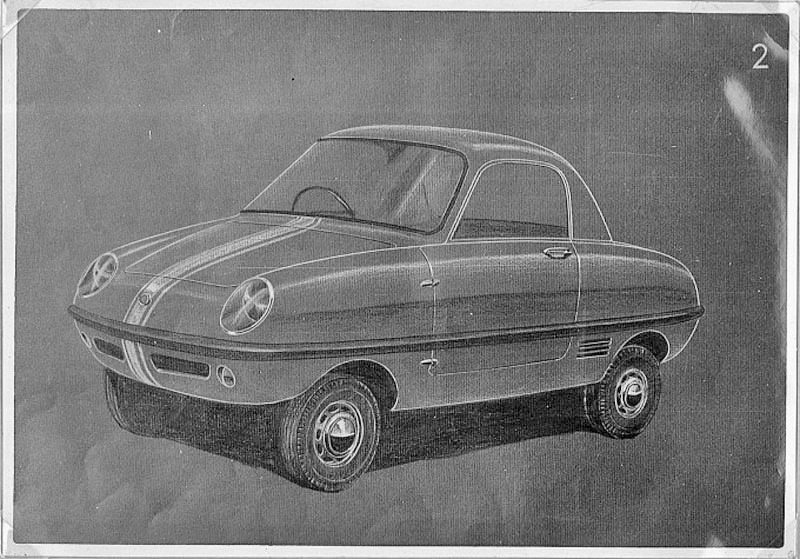
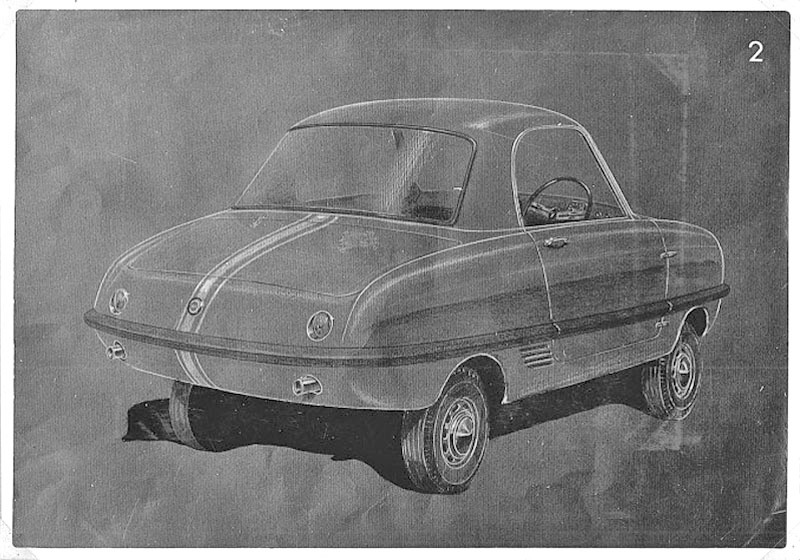
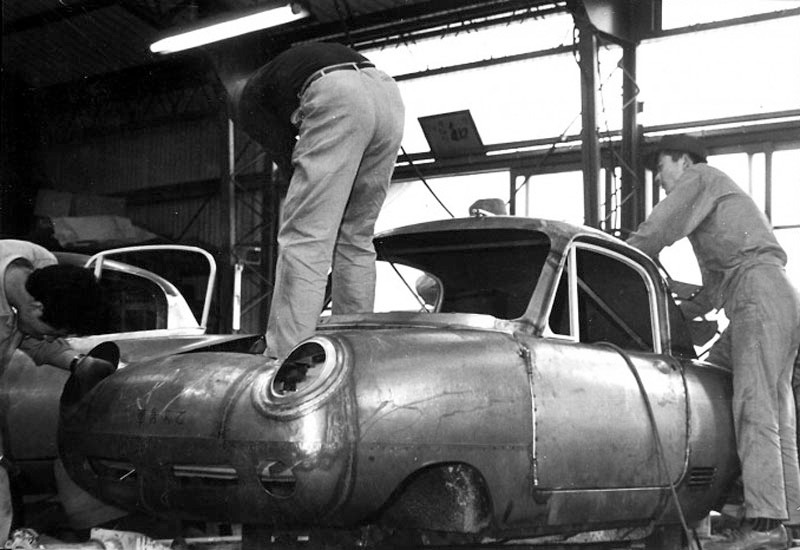
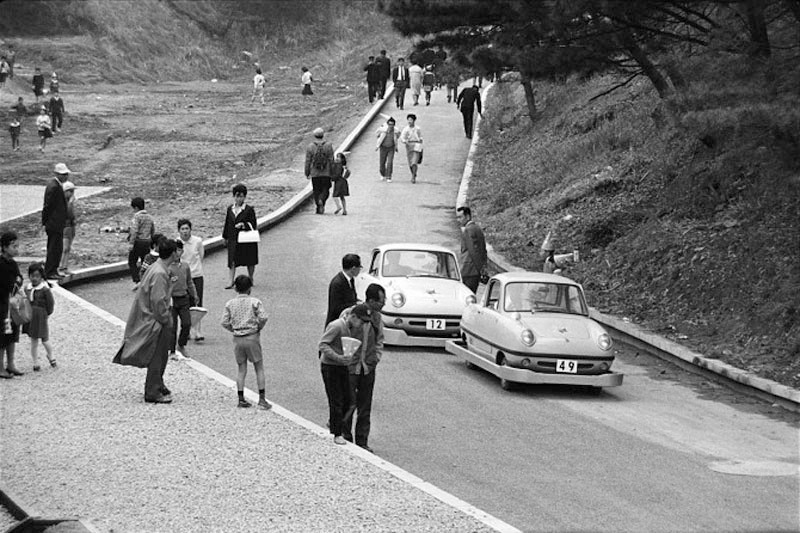
True to kei car regulations of the era, the Baby measured just 116.5 inches long, 55.9 inches wide, and 49 inches tall, with a 65.7-inch wheelbase. It was small, but it was a real car in every mechanical sense.
The Datsun Baby wasn’t developed entirely from scratch. It was based on the Cony Guppy, a short-lived kei car built in 1961 by Aichi Machine Industry Co., Ltd., a former aerospace company that transitioned into car manufacturing after World War II. Nissan later absorbed Aichi in 1966, and the company remains a supplier to this day.
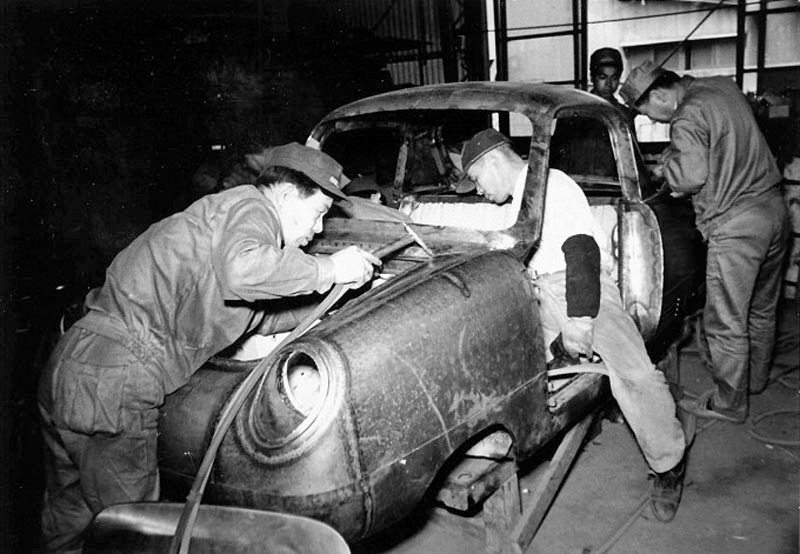
Using leftover Guppy components, Nissan redesigned the body and hand-assembled 100 Datsun Babies specifically for Kodomonokuni. The result was a unique blend of repurposed engineering and playful design.
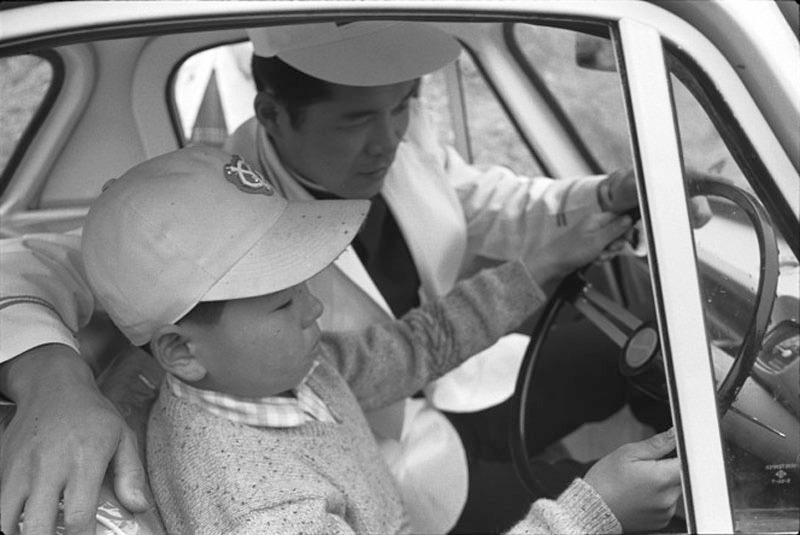
According to Nissan, the Datsun Baby program was created to “provide children with knowledge about automobiles and promote road safety.” It was both a community gesture and an educational initiative, giving kids a hands-on introduction to driving in a controlled environment.
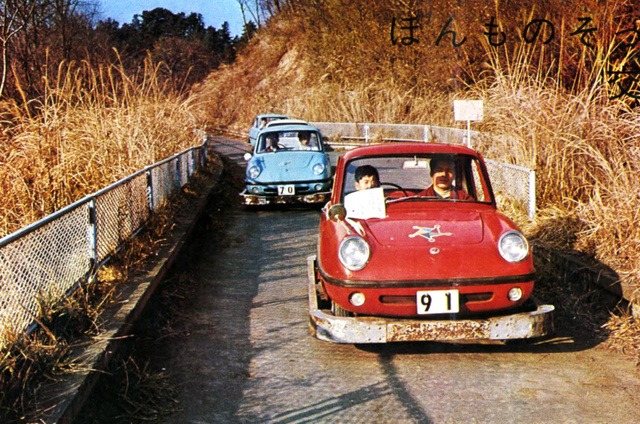
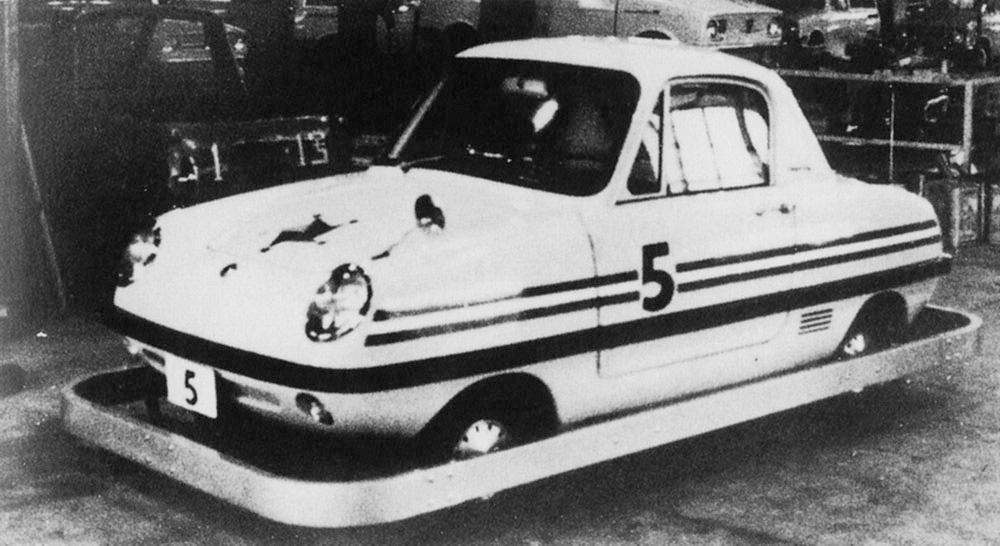
Unlike many amusement rides, the cars weren’t guided by rails. Young drivers had full control of steering and acceleration on a dedicated course. For safety, there was a brake pedal on the passenger side so an accompanying adult could intervene if necessary. A protective steel skirt around the lower body helped minimize damage in minor collisions.
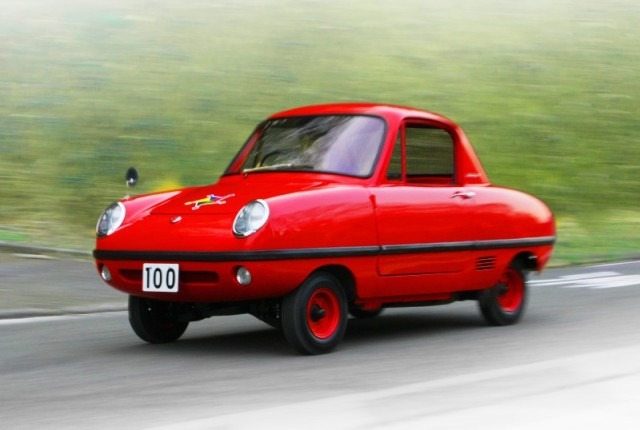
The attraction operated from 1965 until 1973, offering a generation of children an unforgettable early driving experience. When the ride was retired, the 100th car was displayed at the park. Decades later, Nissan restored it to mark Kodomonokuni’s 50th anniversary. That very car is now back in Nissan’s possession — though the fate of the other 99 remains something of a mystery.