Fiat 127 Holiday

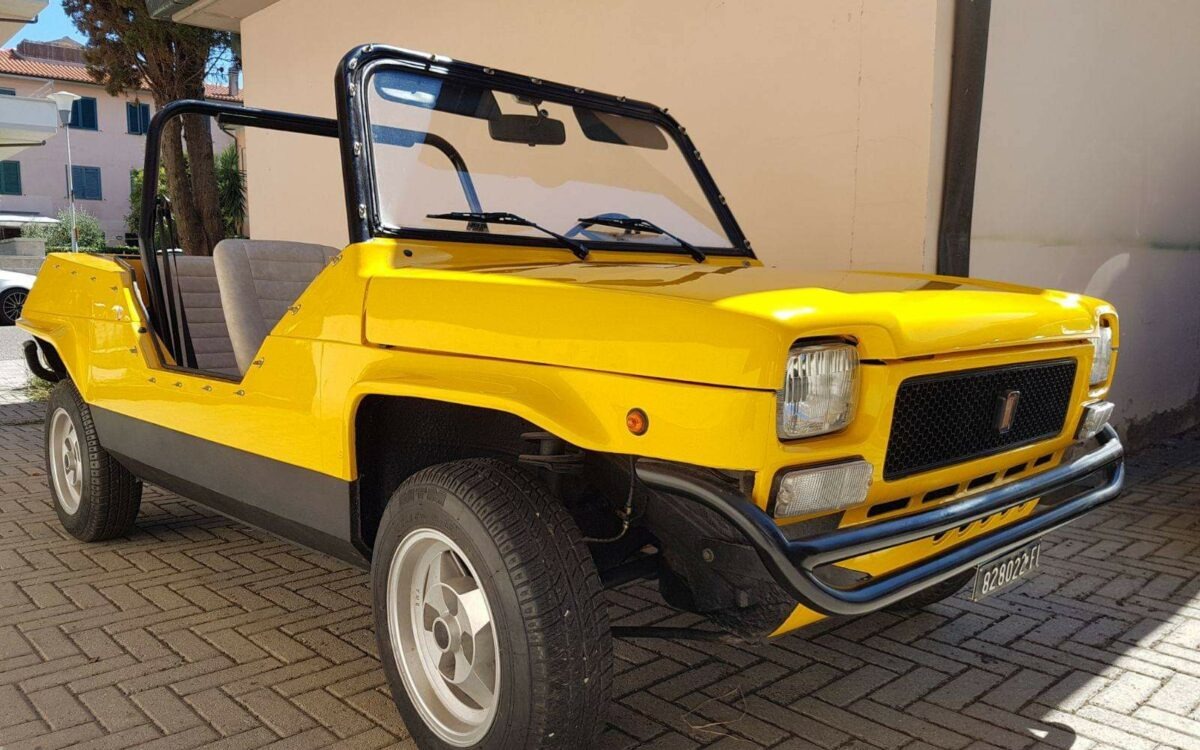
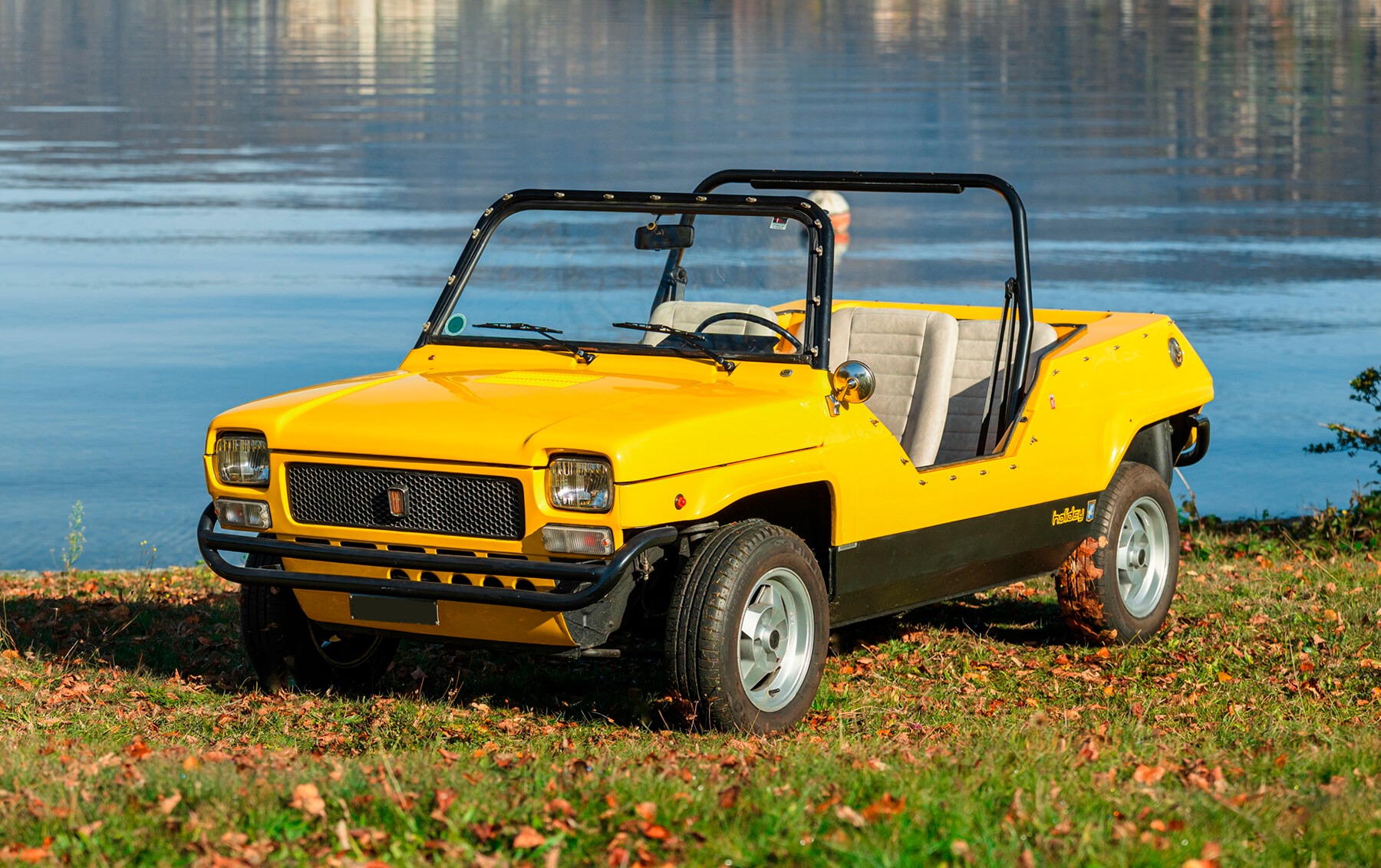
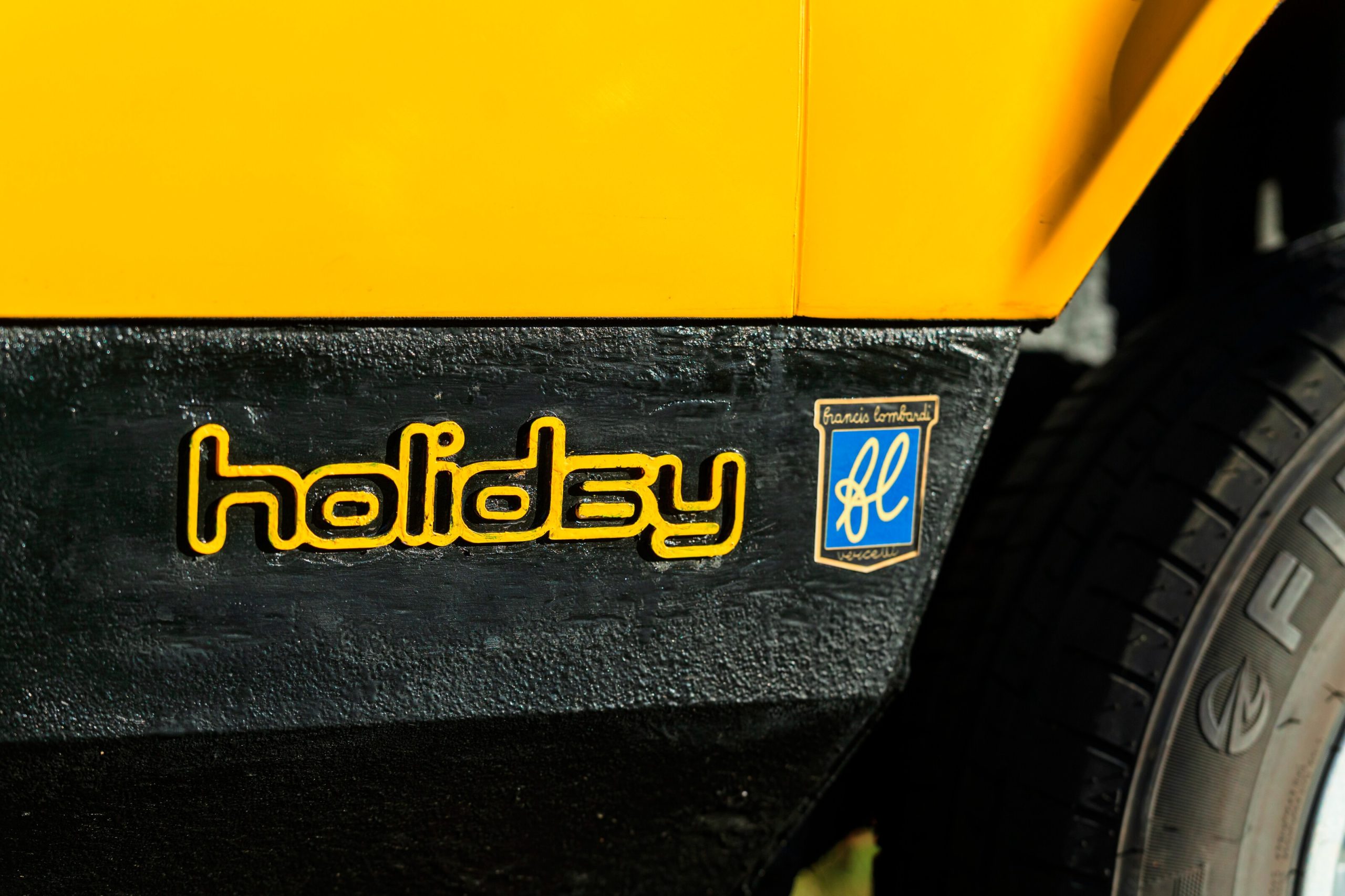
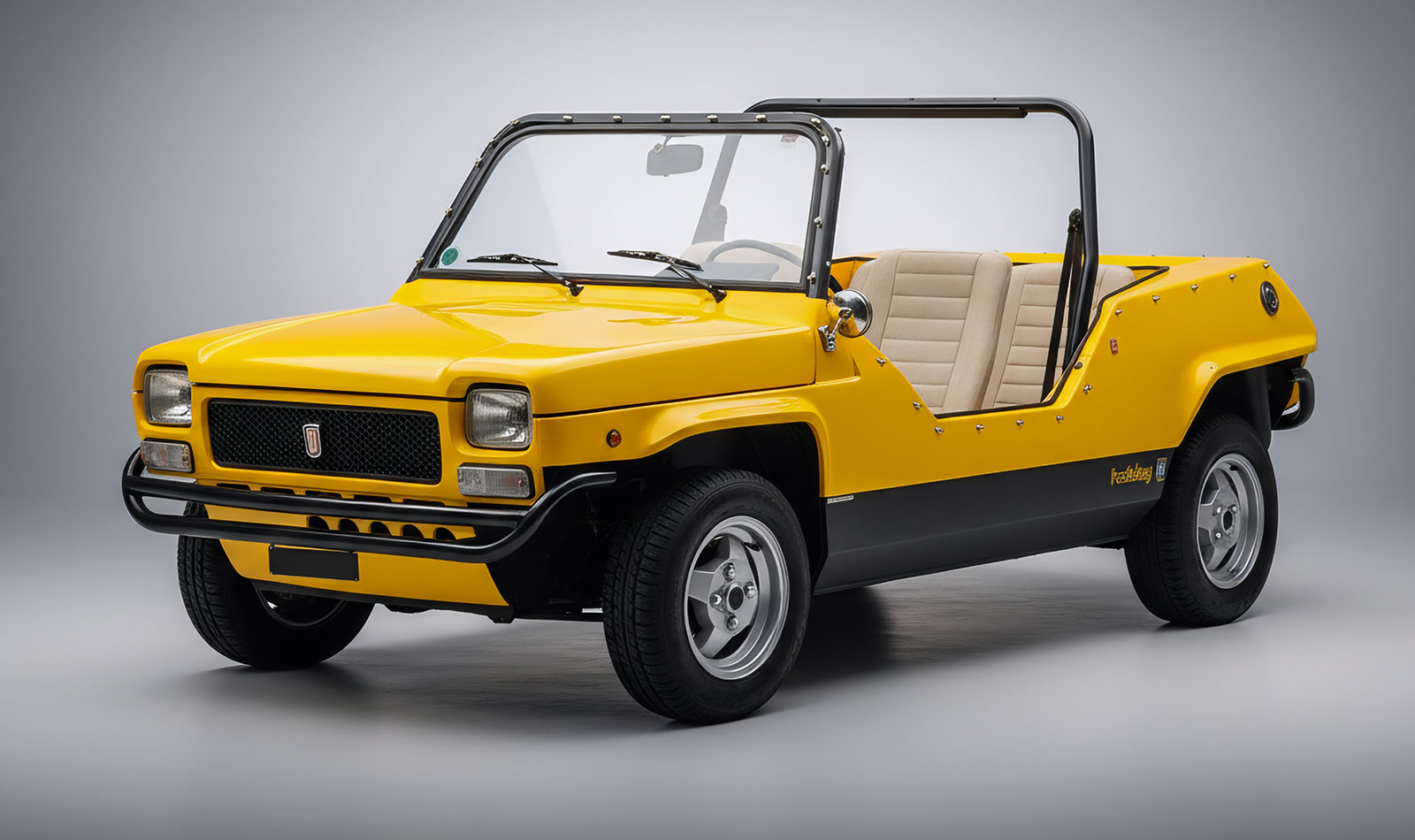
The Fiat 127 Holiday was a low-volume reinterpretation of Fiat’s new supermini, developed in 1972 by Carrozzeria Francis Lombardi at a time when Italian designers were actively exploring leisure-oriented automobiles.
Rooted in the tradition of the spiaggina, the Holiday was conceived as a seasonal vehicle for resorts and seaside towns, prioritizing simplicity, ease of use, and informal mobility over conventional practicality.
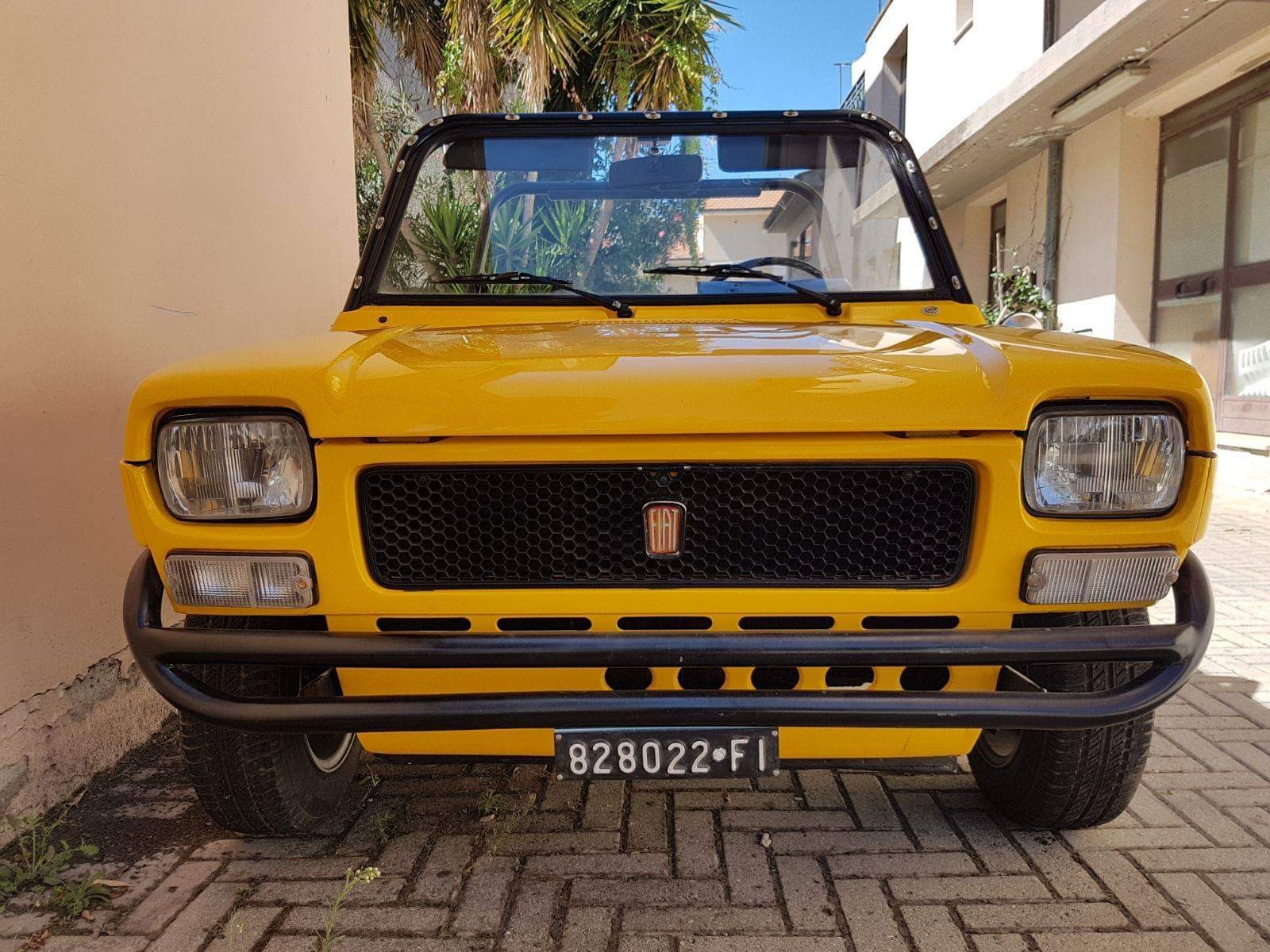
Although it retained the mechanical layout of the standard Fiat 127—front-wheel drive and compact dimensions—the Holiday departed radically from the donor car in construction and intent.
The original steel bodywork was discarded in favor of a fiberglass shell, chosen for its light weight and resistance to corrosion in coastal environments.
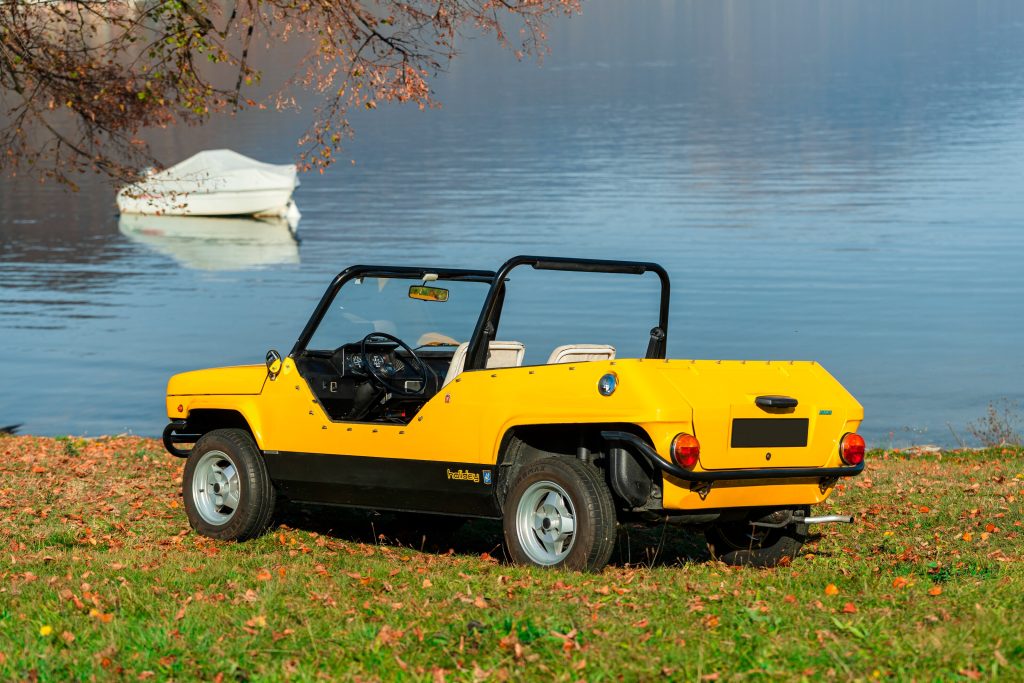
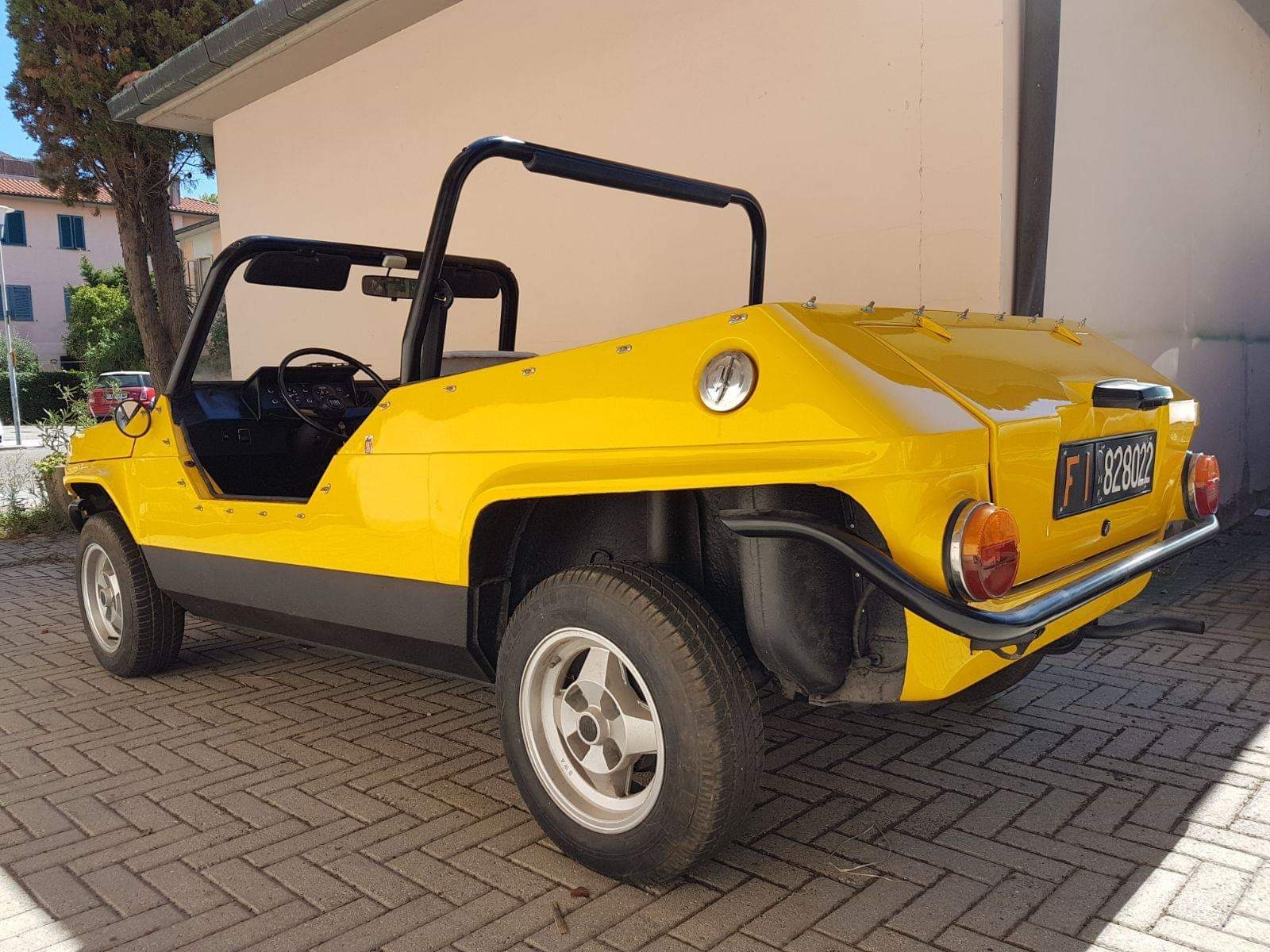
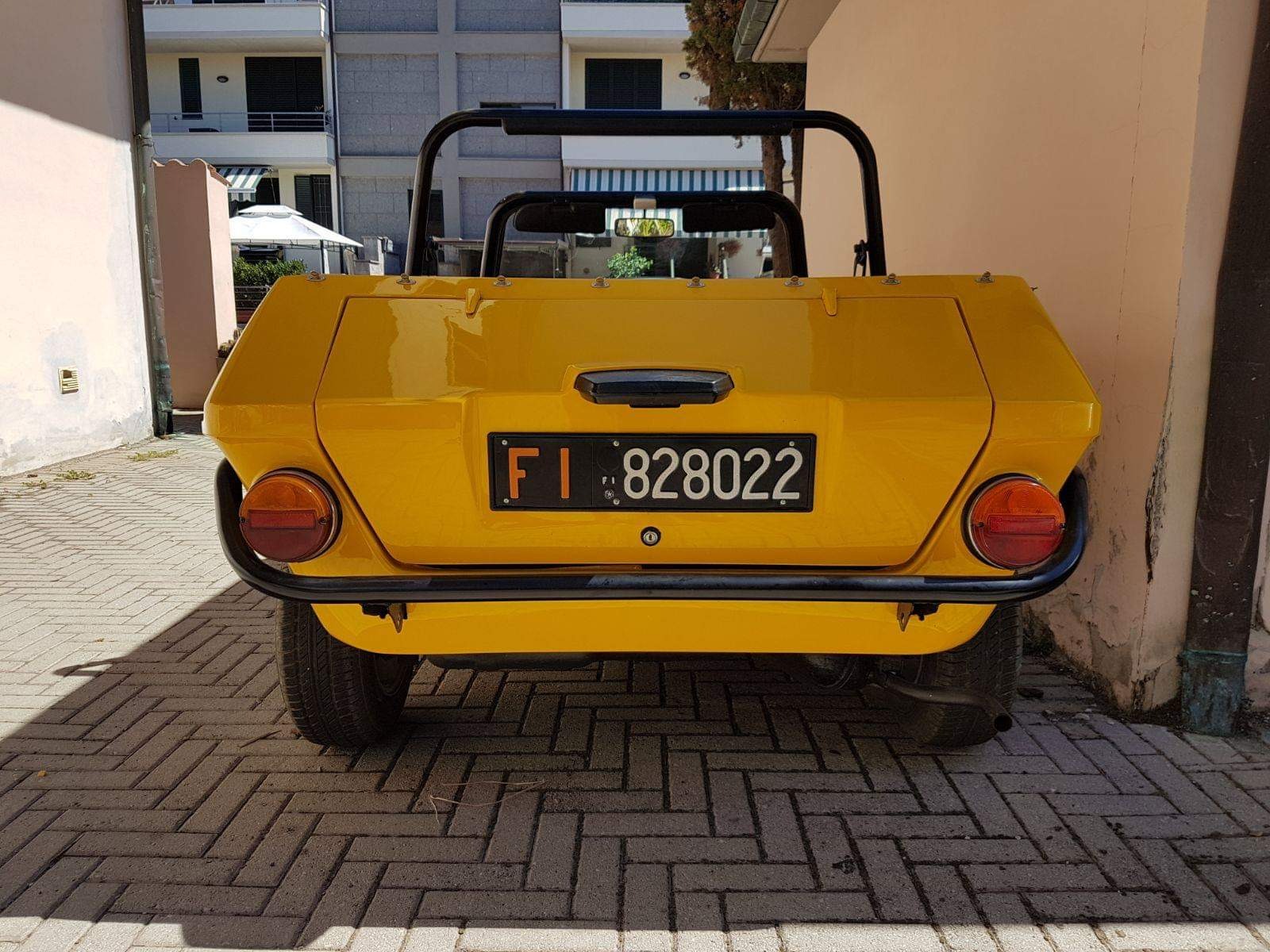
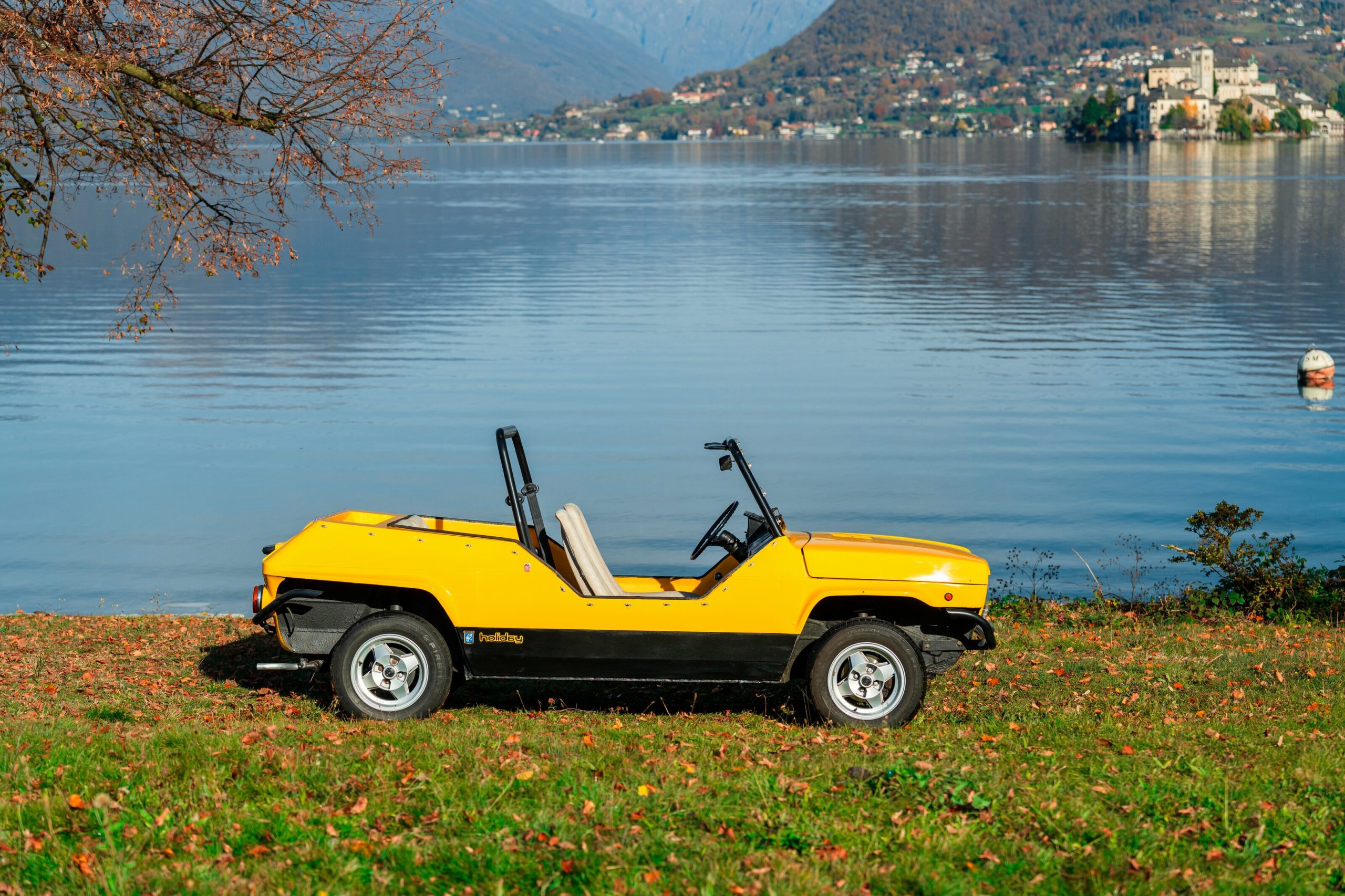
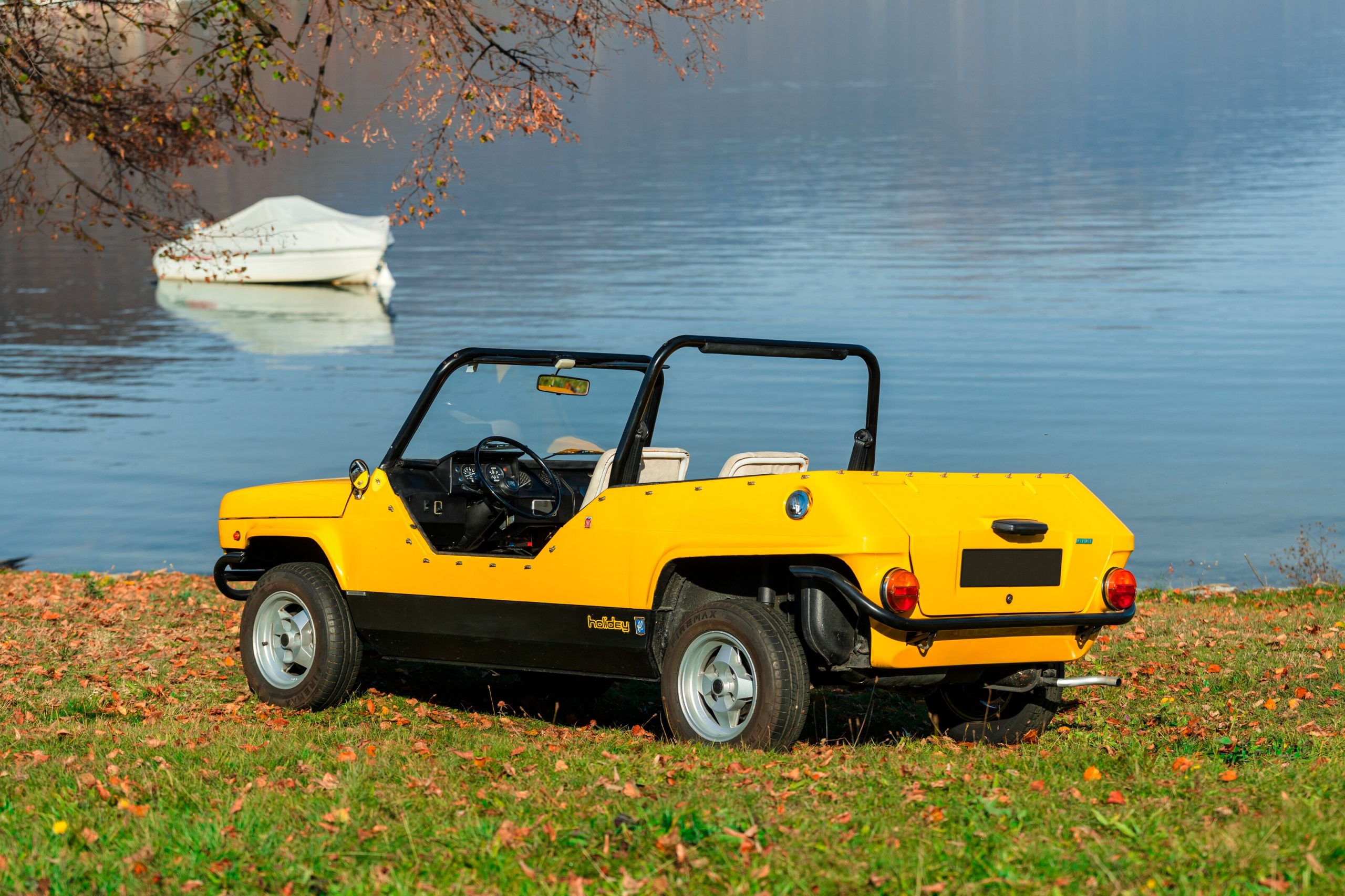
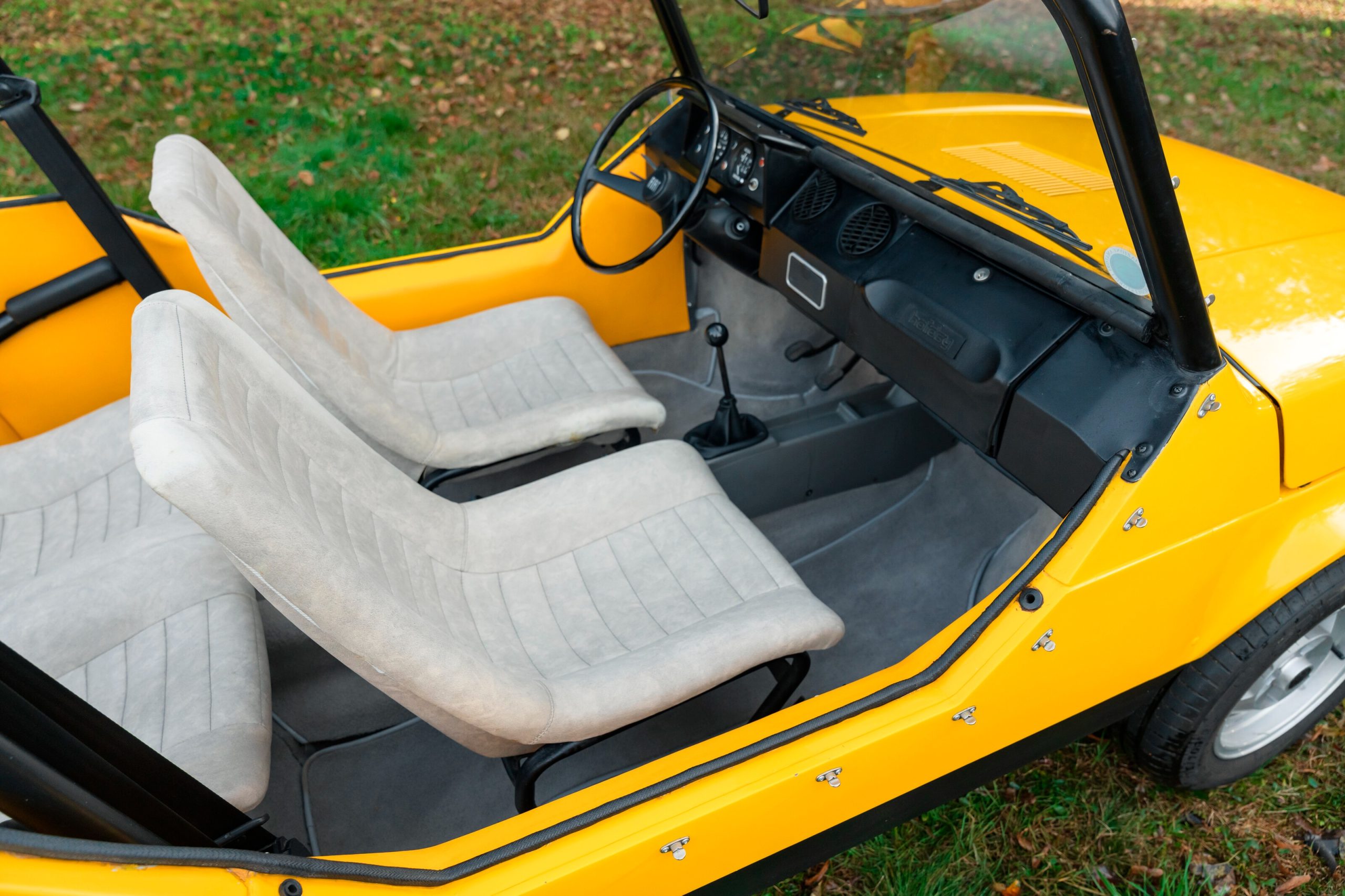
The body was reconfigured into an open form, typically featuring a roofless cabin or a simple fabric canopy, along with reduced or entirely absent doors to allow quick access and airflow. These changes emphasized functionality in warm climates rather than comfort or performance.
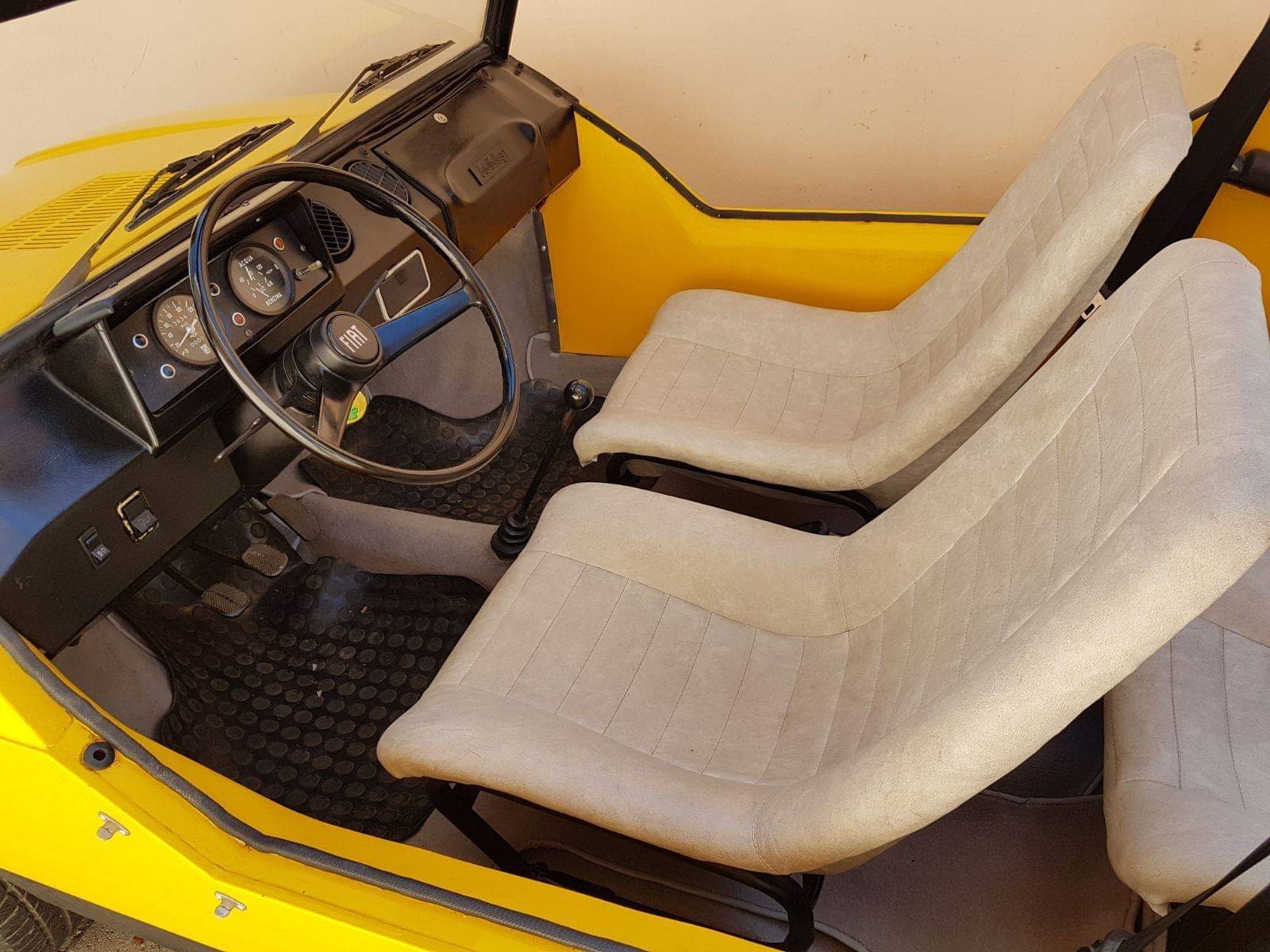
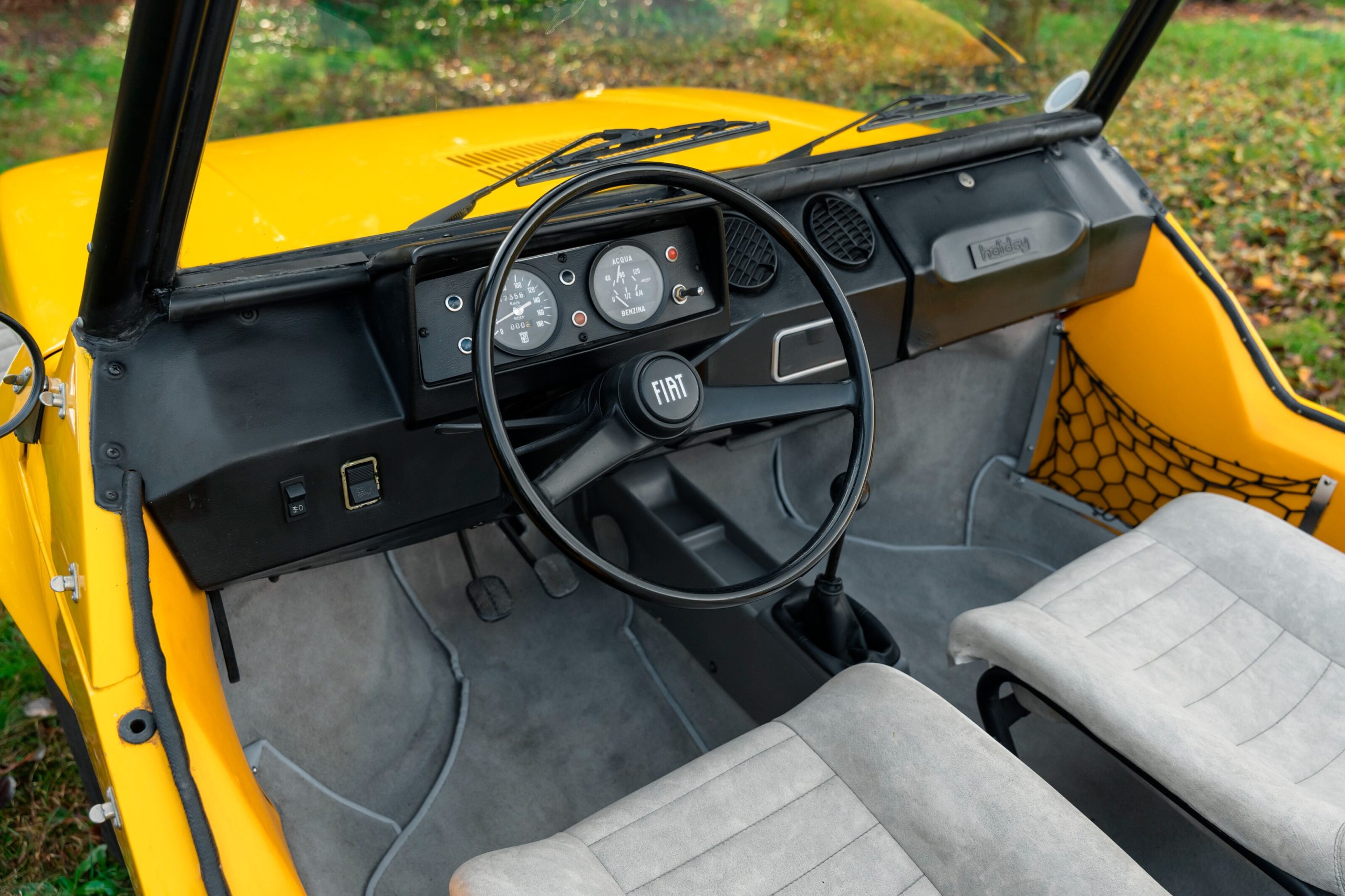
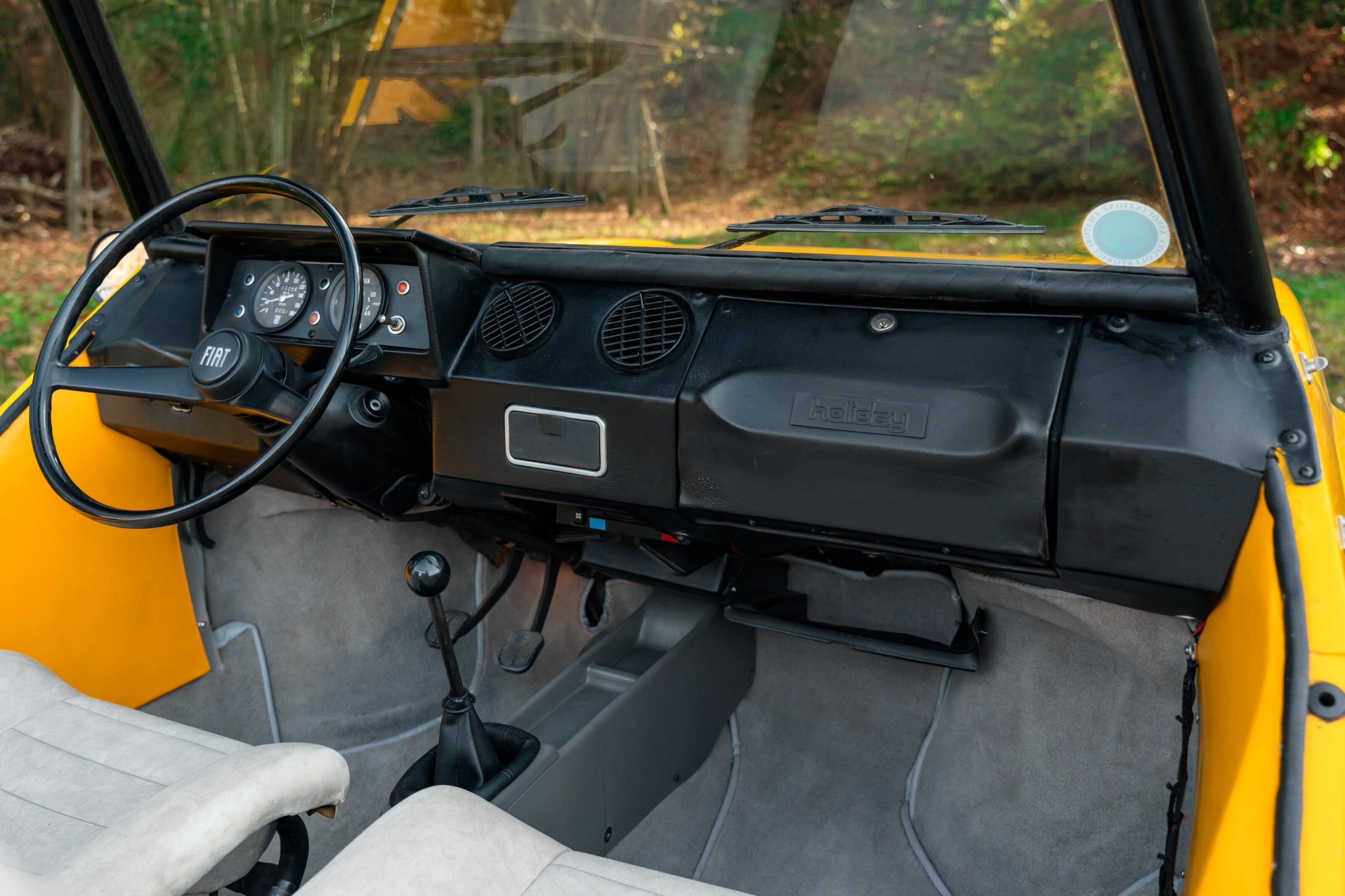
Inside, the approach was deliberately austere. Upholstery was minimal, materials were selected for durability and weather tolerance, and refinement took a back seat to ease of cleaning and casual use. The Holiday was never designed as a mainstream product; instead, it was assembled in small numbers, largely by hand, and aimed at buyers looking for a secondary vehicle for holidays, hotels, or private estates.
Production came to an abrupt end with the closure of Carrozzeria Francis Lombardi in 1973, preventing the model from evolving beyond its original niche. Today, the Fiat 127 Holiday is notable not for technical innovation but for what it represents: a late example of Italian coachbuilders reshaping mass-produced cars into highly specialized vehicles.
It stands as a quiet marker of a transitional era, when artisanal customization was giving way to standardized industrial design, and leisure itself became a distinct automotive category.