Fiat Downtown

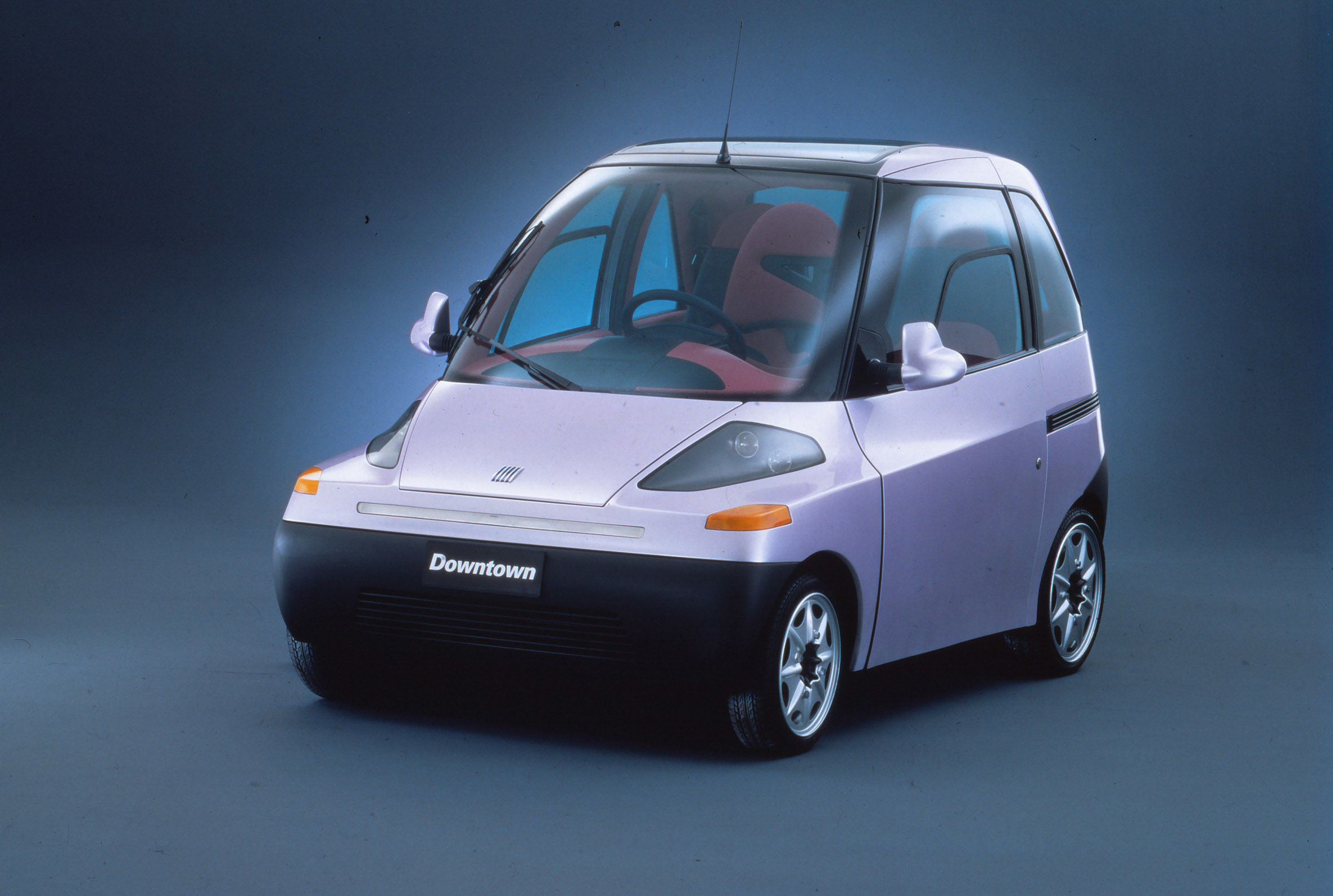
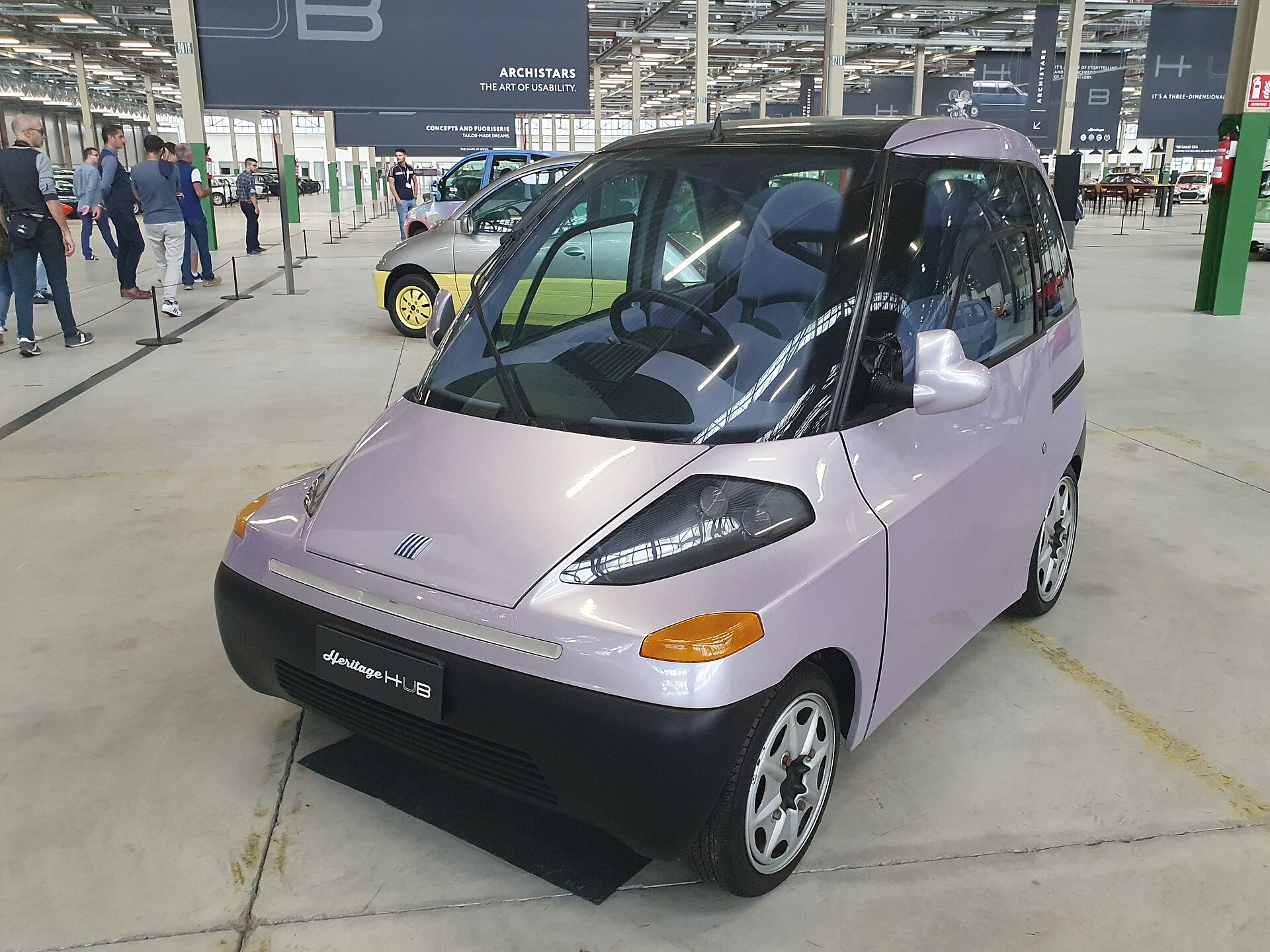
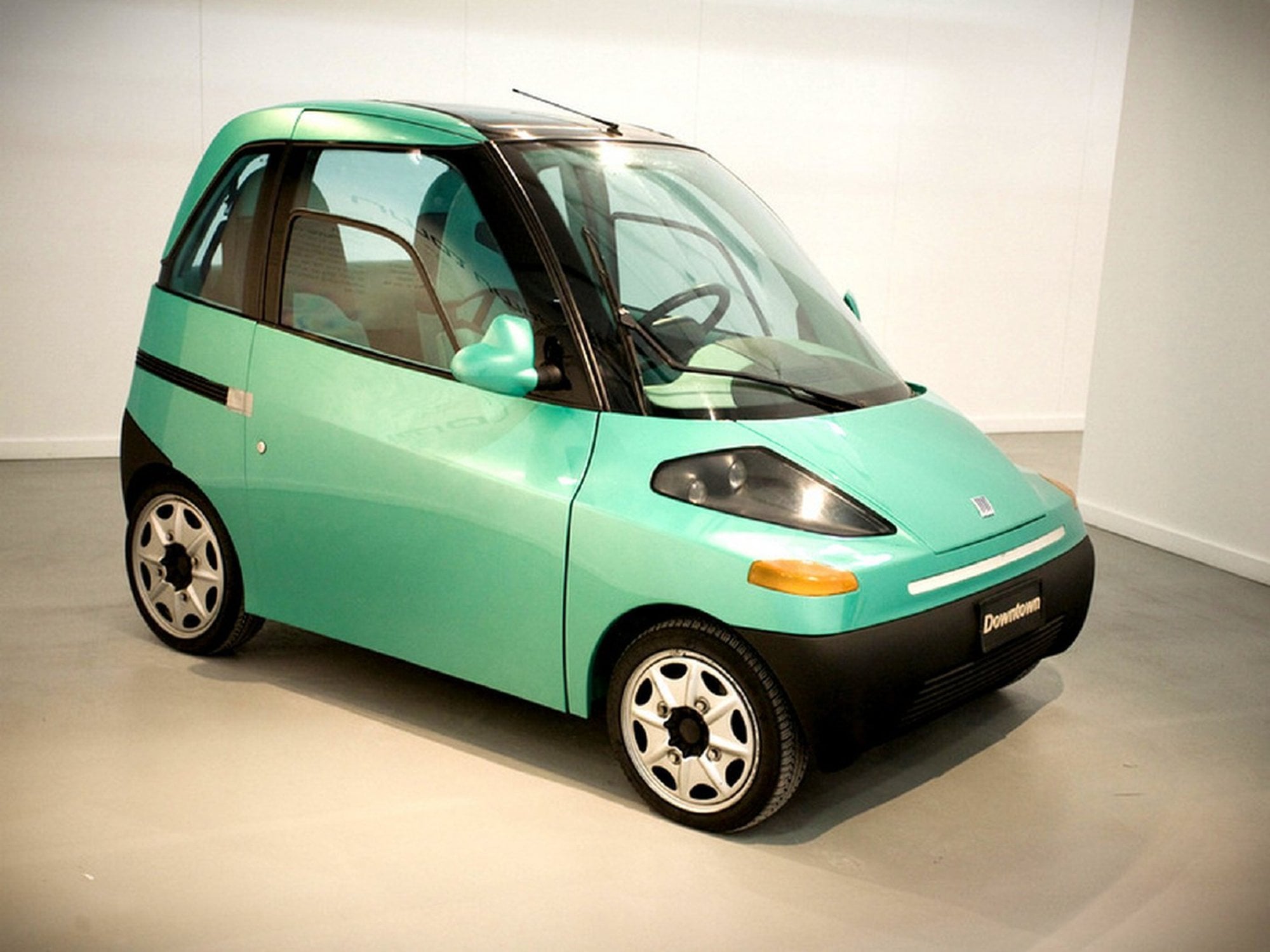
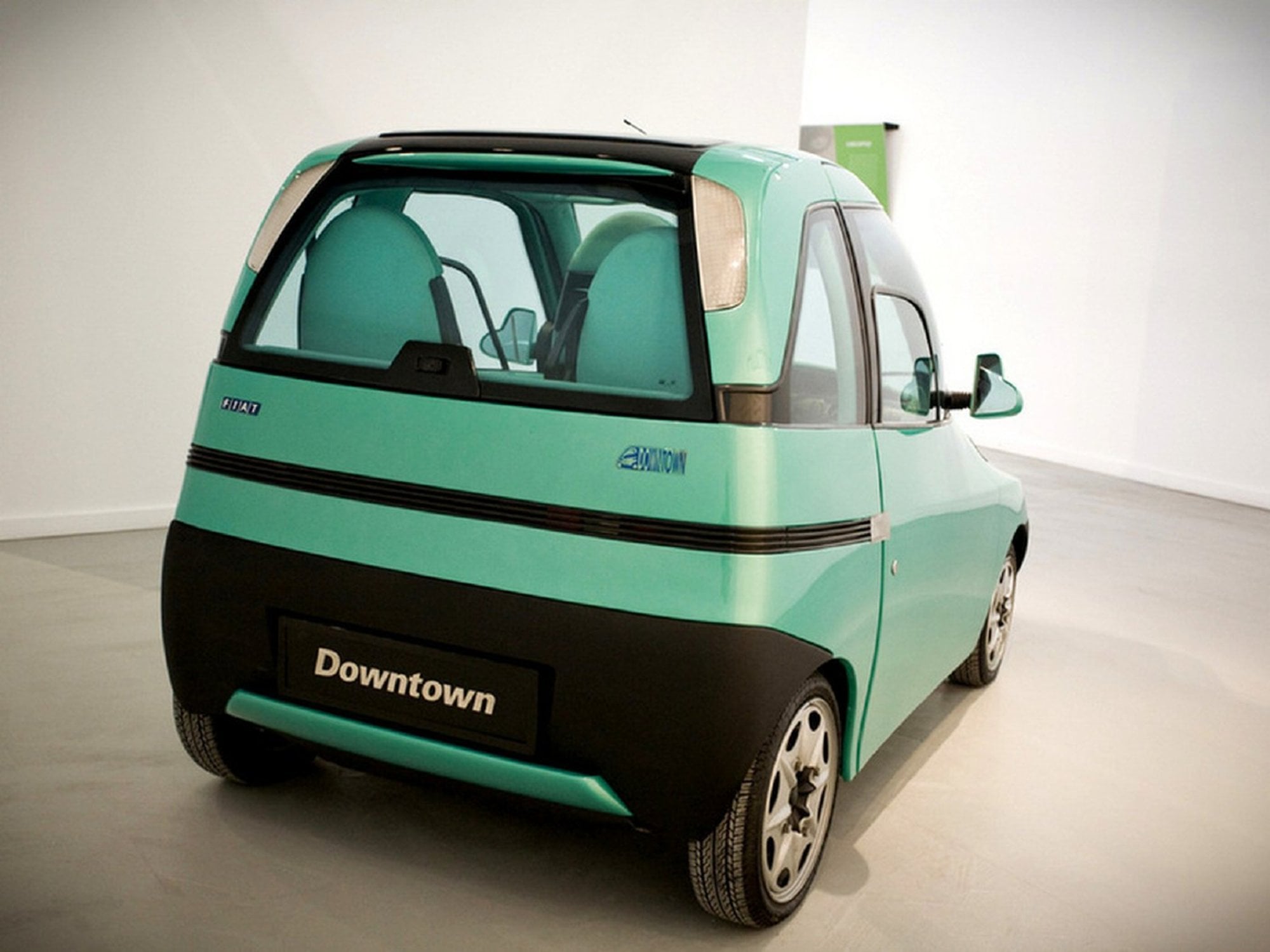
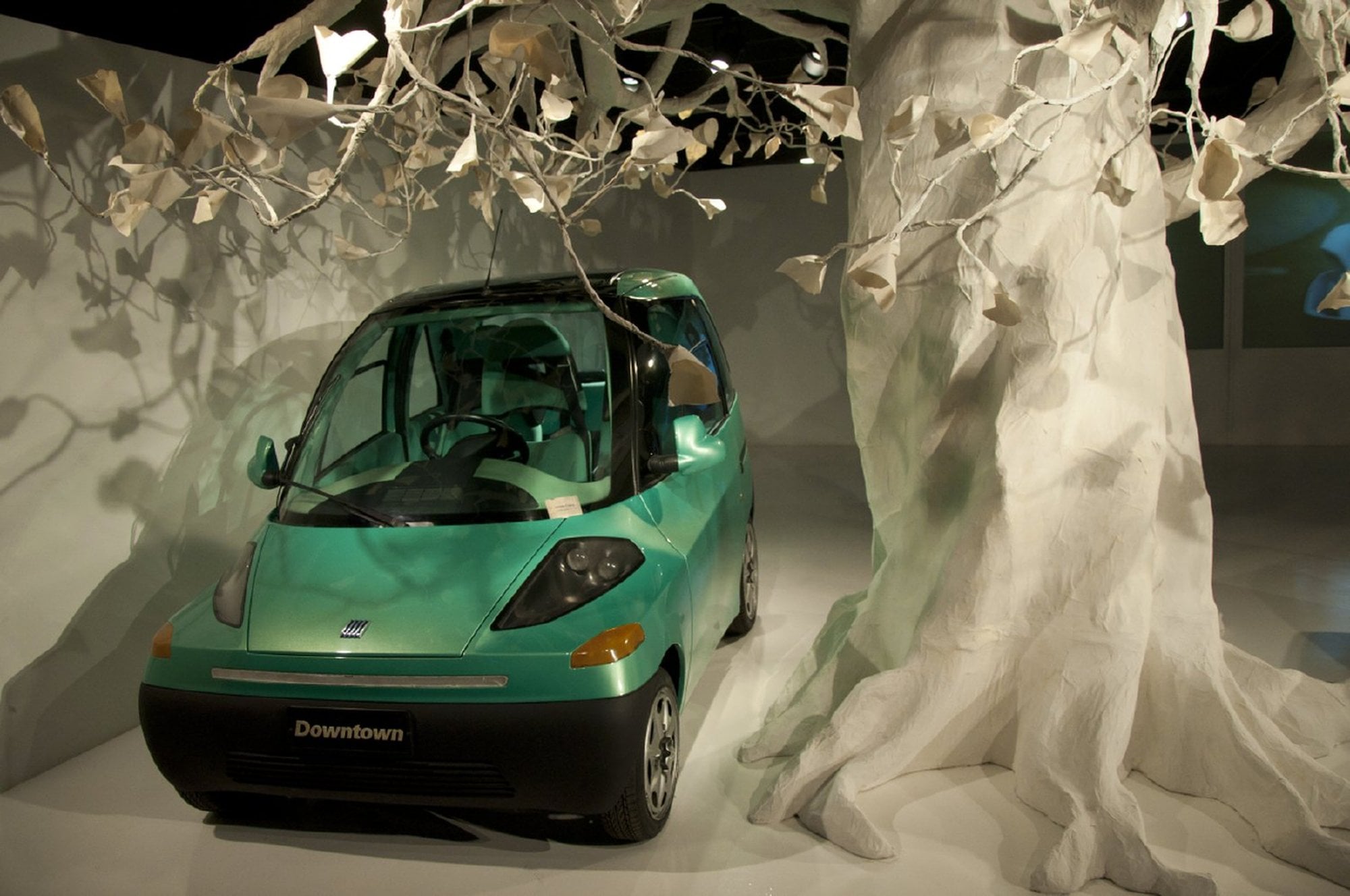
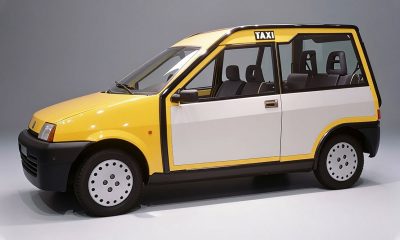
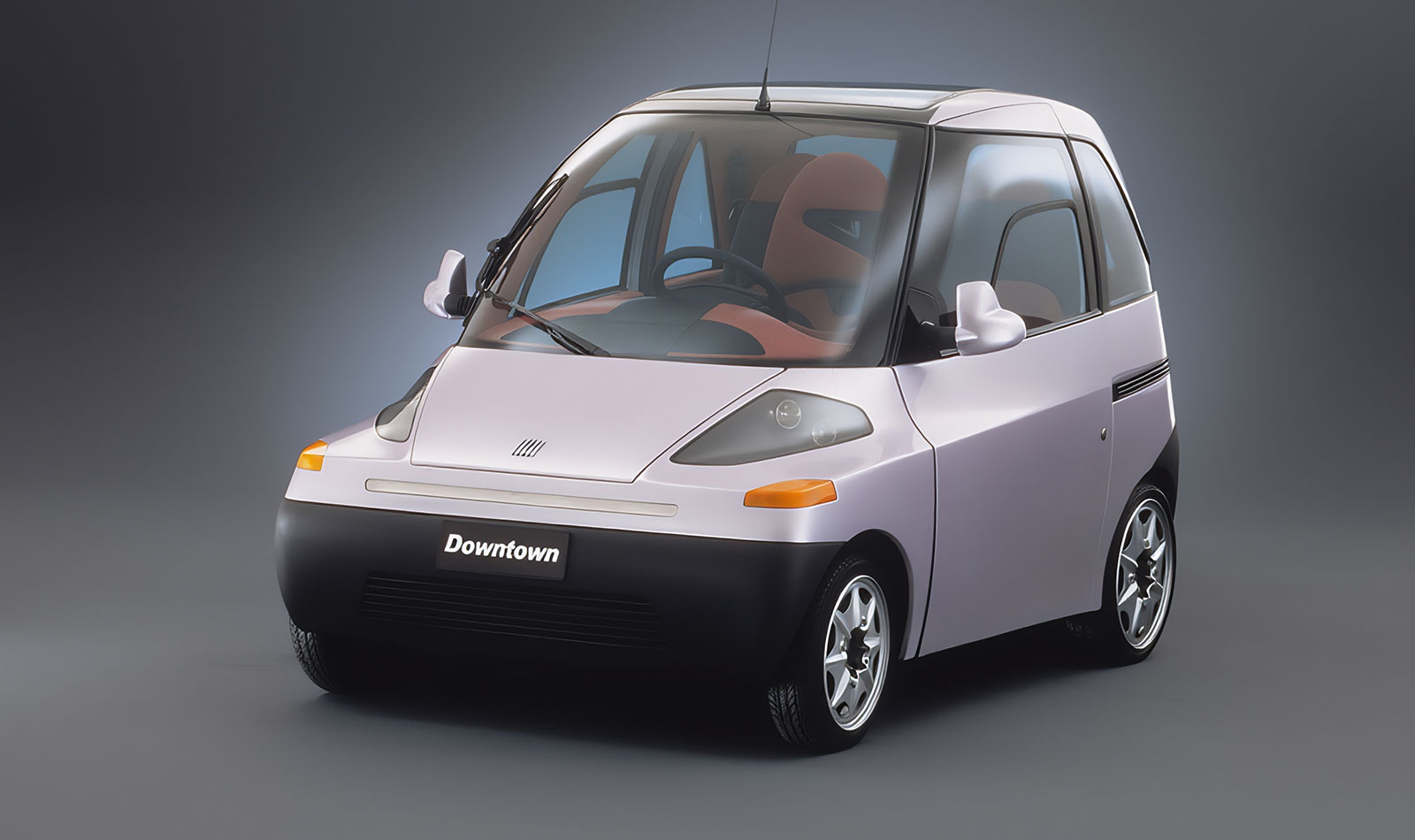
Fiat Downtown was a radical three‑seat electric city‑car concept unveiled in 1993 that anticipated today’s urban EVs with its compact size, in‑wheel motors, and long range for city use.
The Downtown was created by Fiat’s Centro Stile as a forward‑looking vision of urban electric mobility rather than a near‑production prototype. It debuted at the 1993 Geneva and Turin motor shows, at a time when electric cars were still viewed as experimental and severely limited in performance.
The design is credited primarily to Roberto Giolito under the direction of Chris Bangle, then head of Fiat Design, and three complete cars were built (two prototypes and one mechanical “mule”).
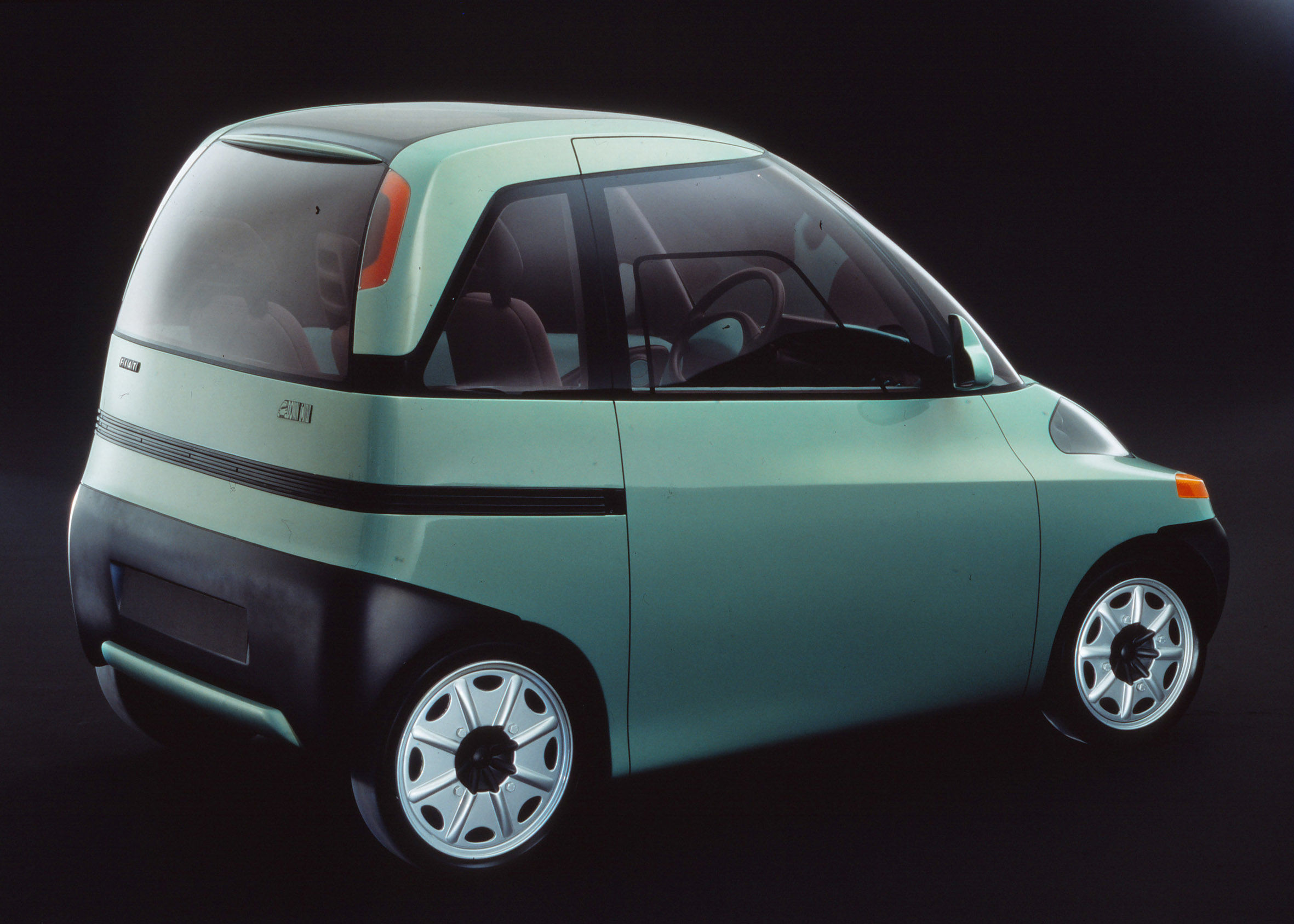
Measuring only about 2.5 m long and roughly 1.49 m high, the Downtown was shorter than many classic city cars yet tall enough to offer a surprisingly roomy cabin.
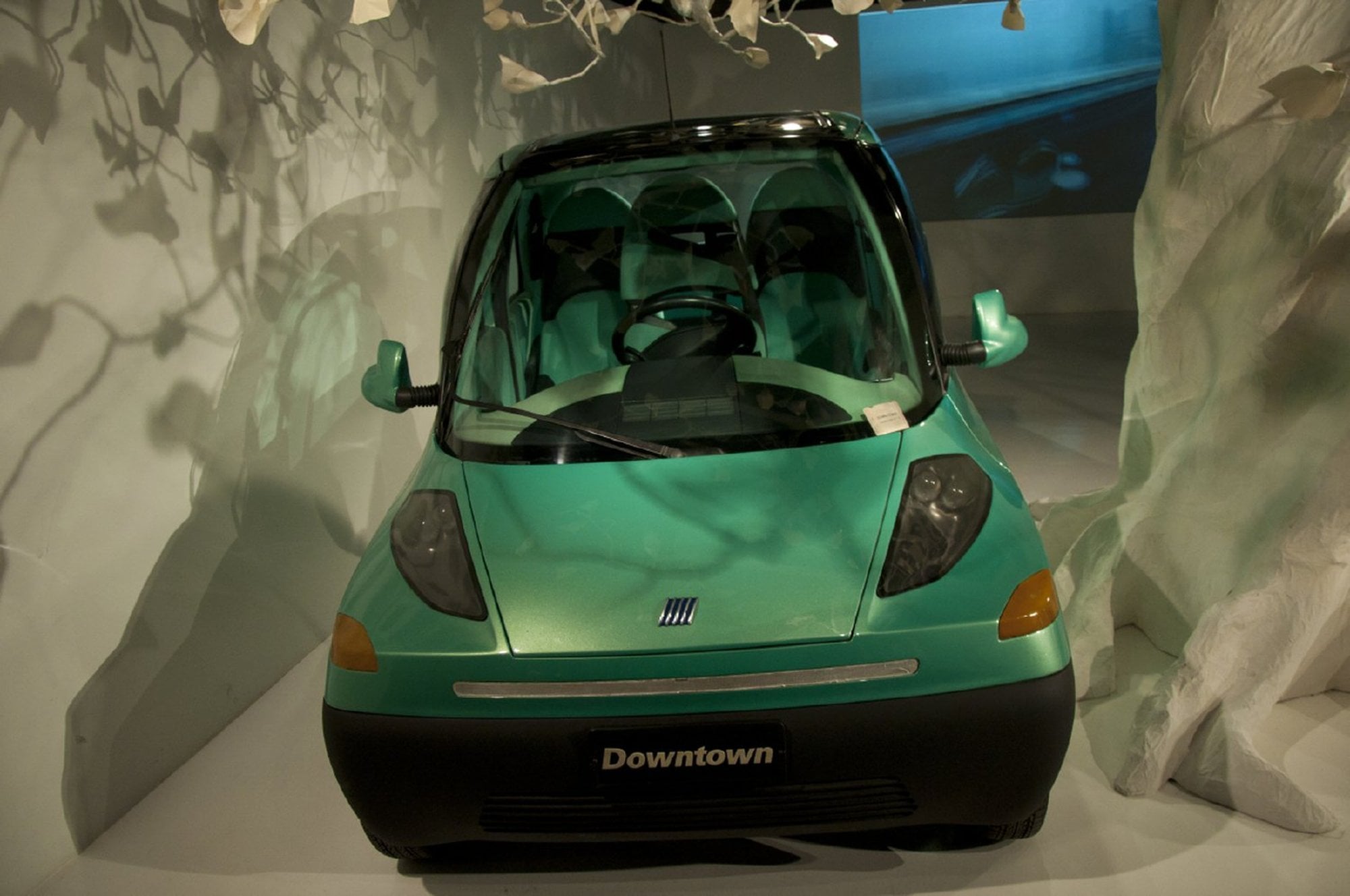
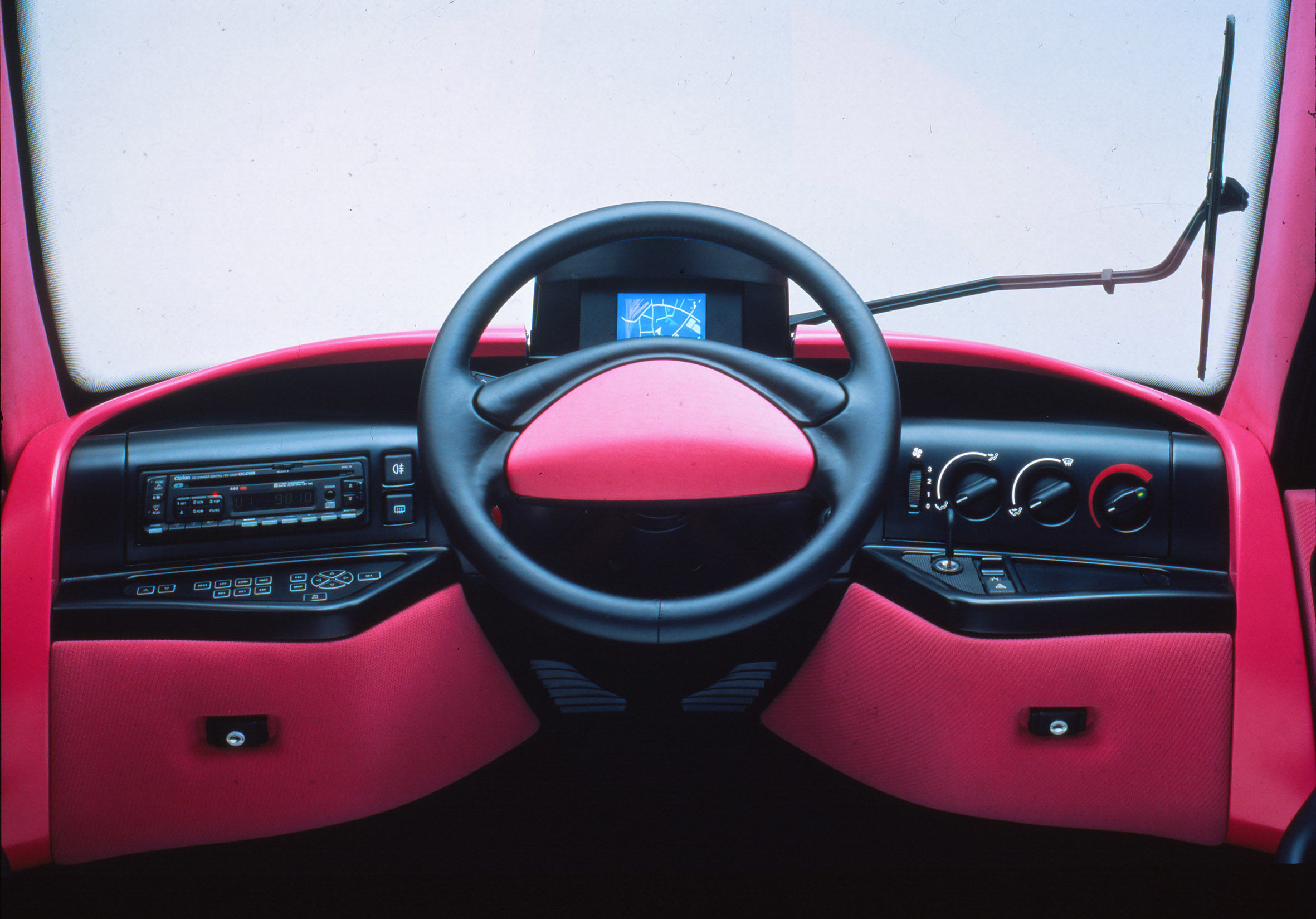
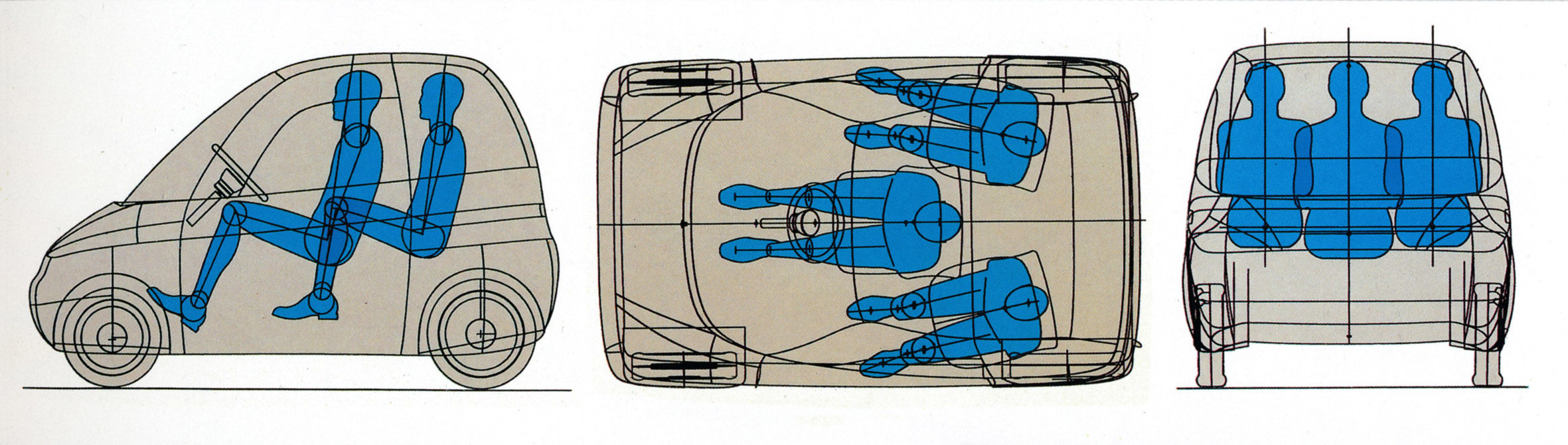
It used a distinctive three‑seat layout with the driver in a central forward position and two passengers slightly behind on either side, similar in concept to the later McLaren F1 but aimed at practicality rather than performance.
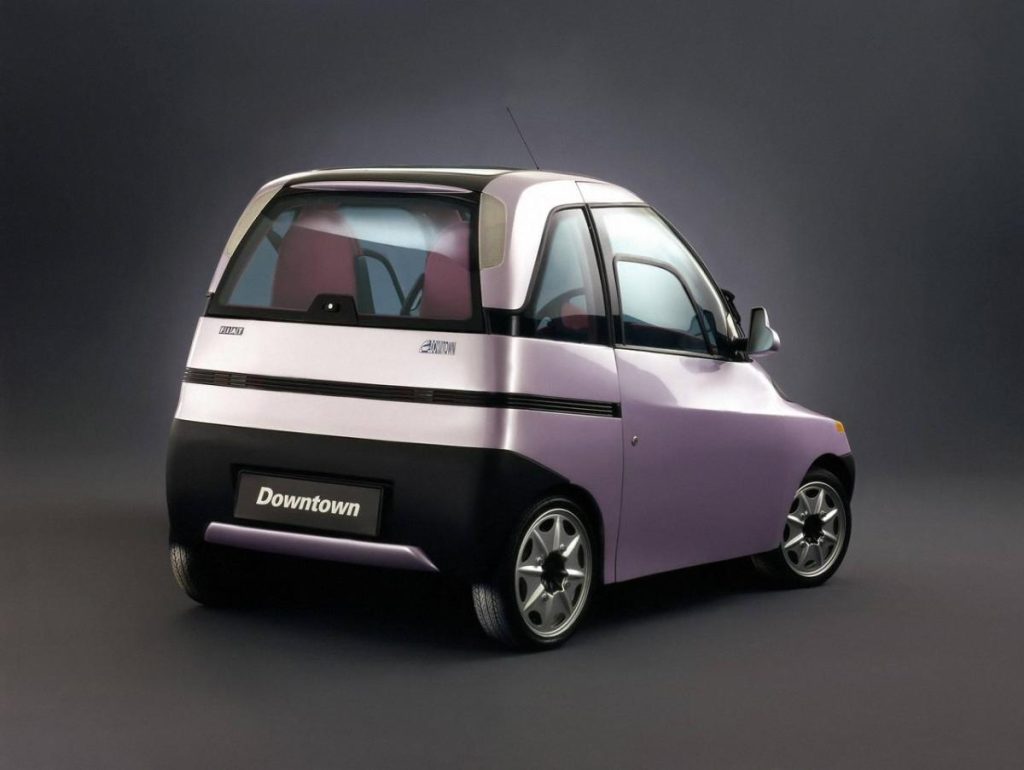
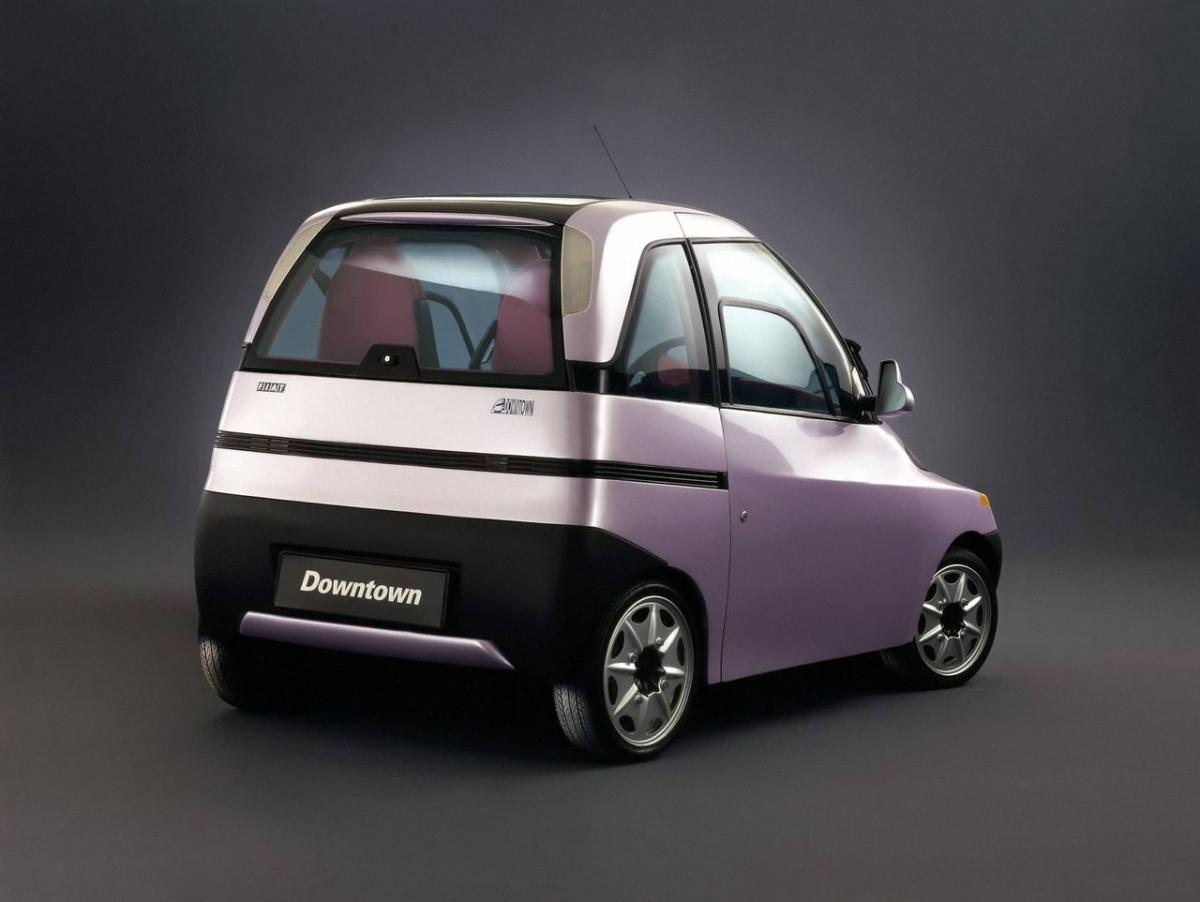
The side passengers’ backrests were angled outward to clear the rear wheel arches, while their legs extended forward alongside the driver’s seat, making efficient use of the tiny footprint.
Two large doors that extended into the floor eased entry and exit; the driver could place a foot on the ground while still seated and then rise almost upright while remaining inside the car, a solution aimed at tight urban parking and quick stops.
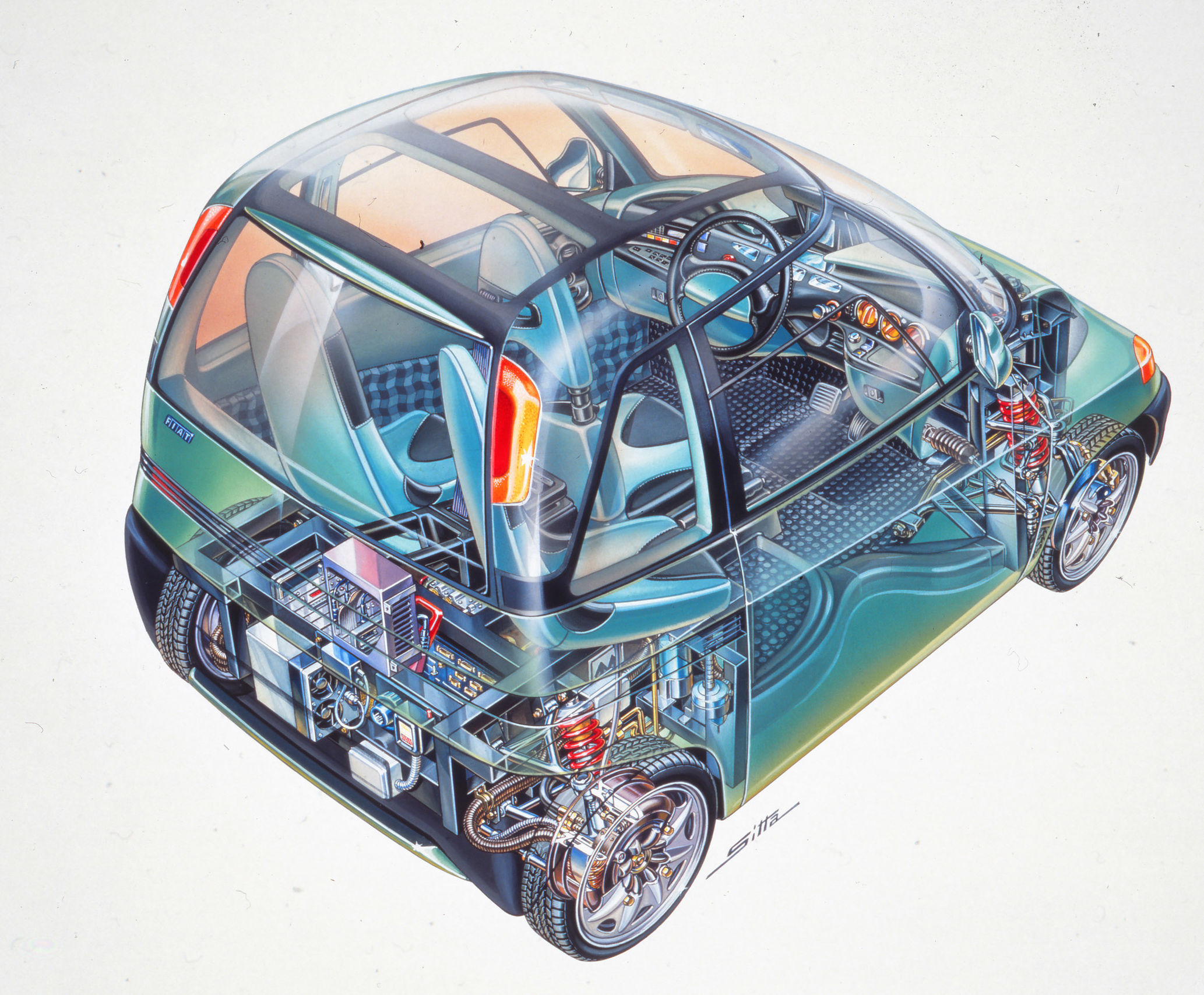
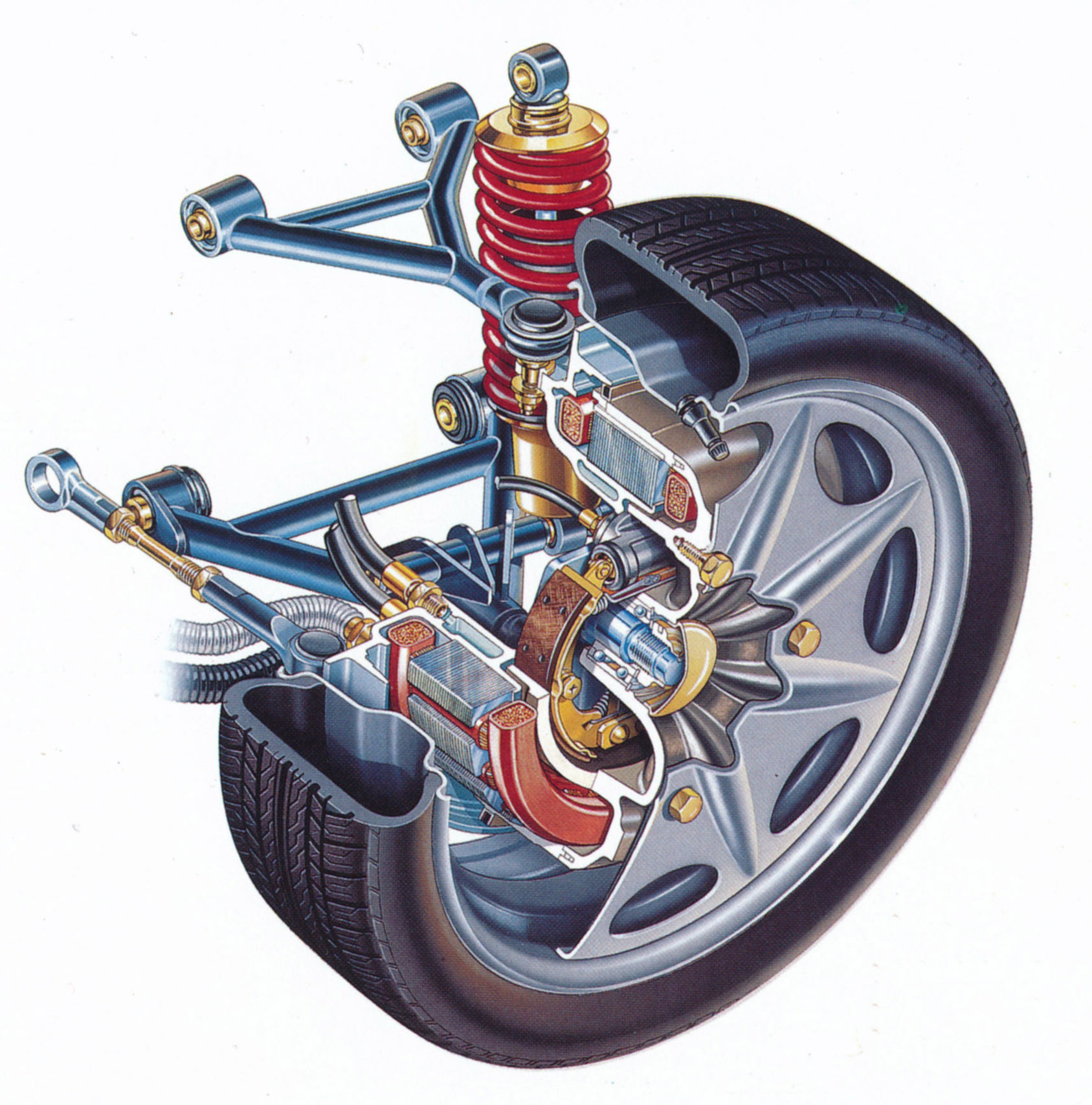
Fiat Downtown was conceived from the outset as a pure electric vehicle, not a converted combustion car. It used two electric motors integrated into the rear wheel hubs, each rated at about 9.5 hp, giving a combined output sufficient to reach a top speed of around 100 km/h.
Energy came from a special sodium‑sulfur (often described as sodium‑sulphate/sulfate in period texts) battery pack mounted at the rear, which enabled a claimed range of roughly 300 km at a steady 50 km/h, or about 186–190 miles at 30–31 mph in other quoted figures.
These numbers were exceptional for an early‑1990s electric prototype and were intended to demonstrate that an EV could realistically handle everyday urban driving without constant recharging.
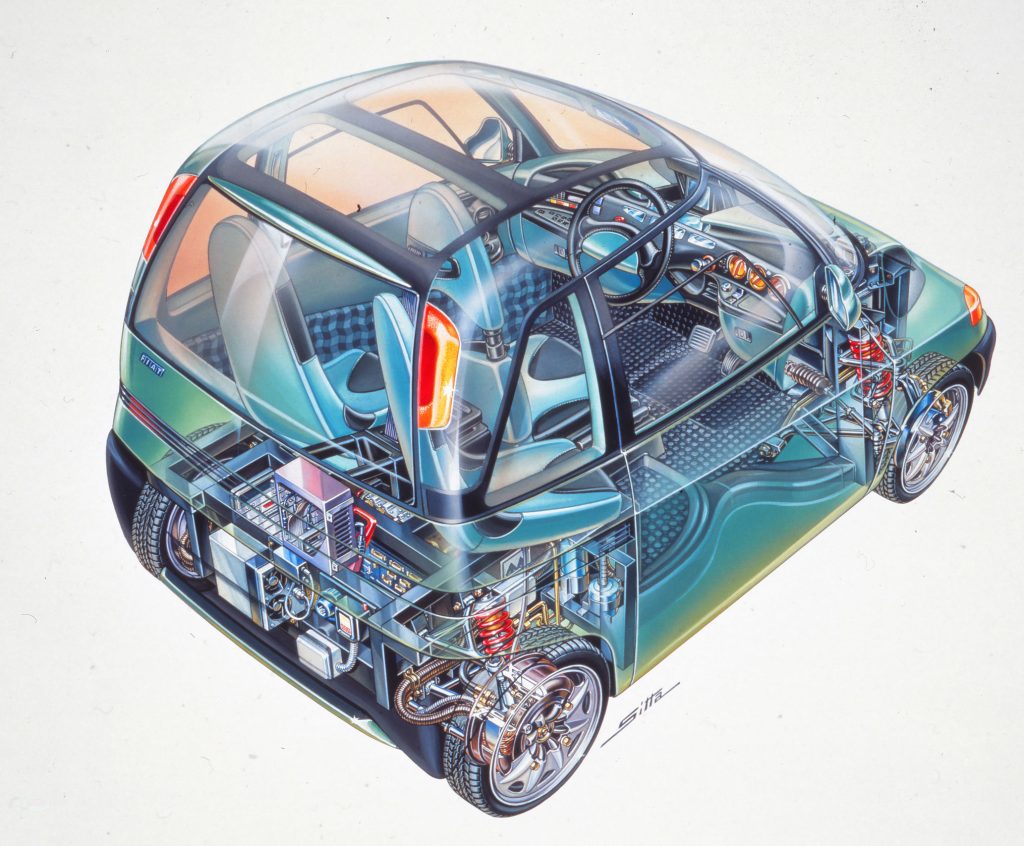
The Downtown combined an aluminium chassis with a plastic/composite body, keeping kerb weight down to about 700 kg despite the battery pack. The body panels were designed to be fully recyclable, aligning with the project’s ecological theme and reducing projected production and running costs.
Safety received careful attention: the driver’s seat carried the seat belt mounts directly, and one of the passenger seats integrated a built‑in child seat with side headrests, illustrating how a micro‑car could still protect occupants and adapt to family use.
The tall stance, good all‑round visibility, and central driving position were also conceived as active‑safety features in dense city traffic.
Fiat envisioned Downtown as a dedicated city‑center vehicle for places like Los Angeles and European historic cores, able to operate where conventional cars might eventually be restricted for environmental reasons.
Its combination of in‑wheel motors, long‑range battery, ultra‑compact footprint, and innovative three‑seat layout was far ahead of mainstream market expectations, and Fiat ultimately judged that production costs and likely pricing would be too high for the early‑1990s buyer.
Although the Downtown never went into production, several ideas—such as aspects of its design language and packaging thinking—filtered into later Fiat models.