Hotzenblitz

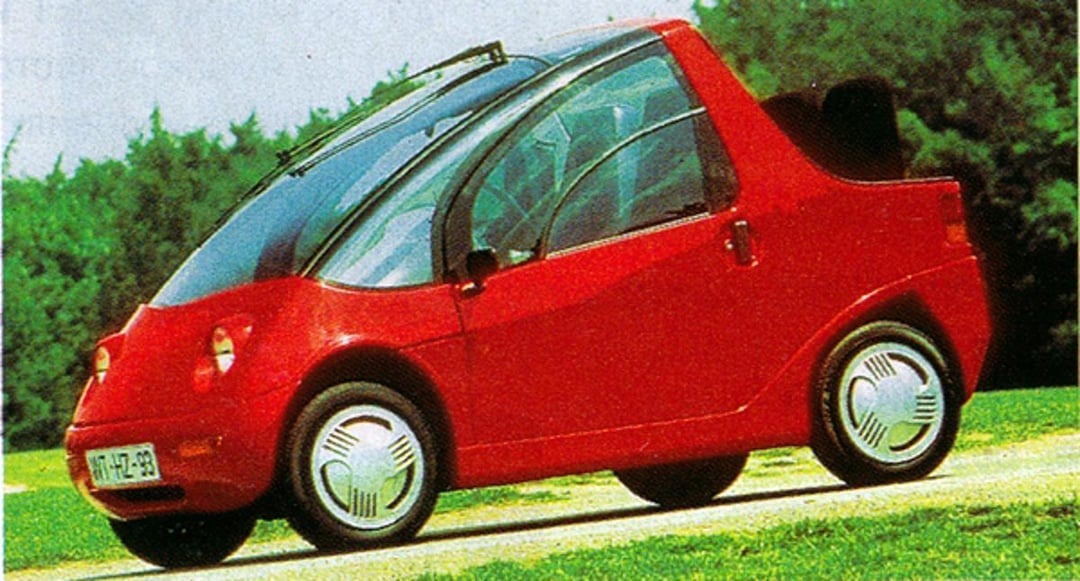
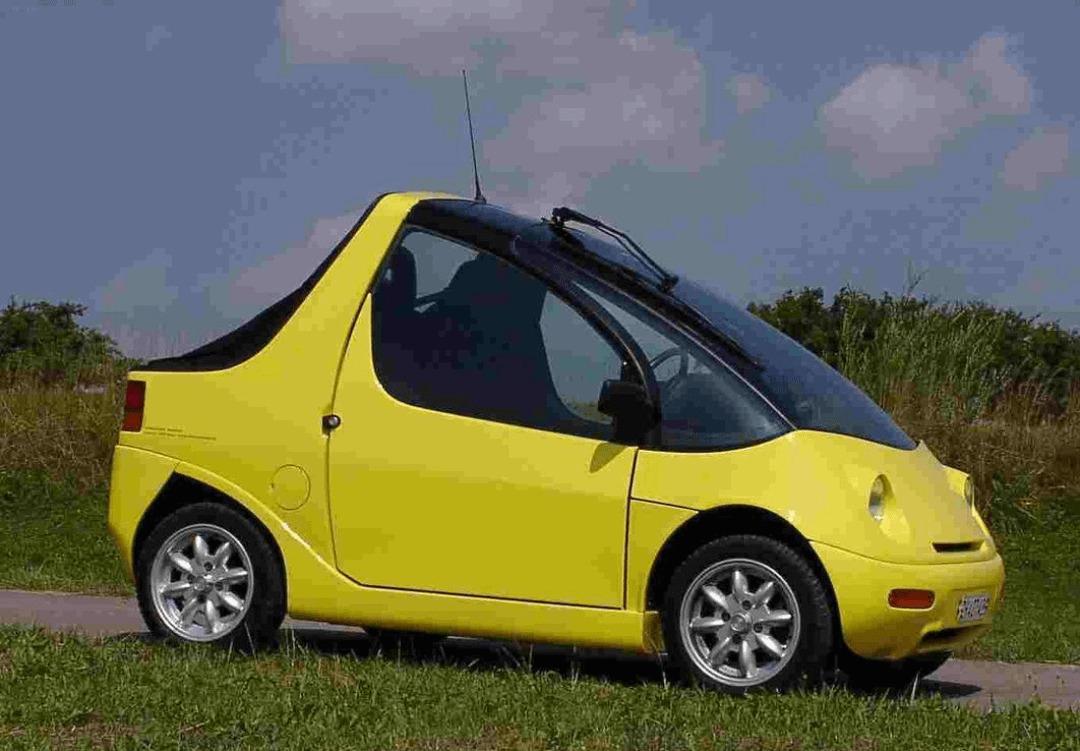
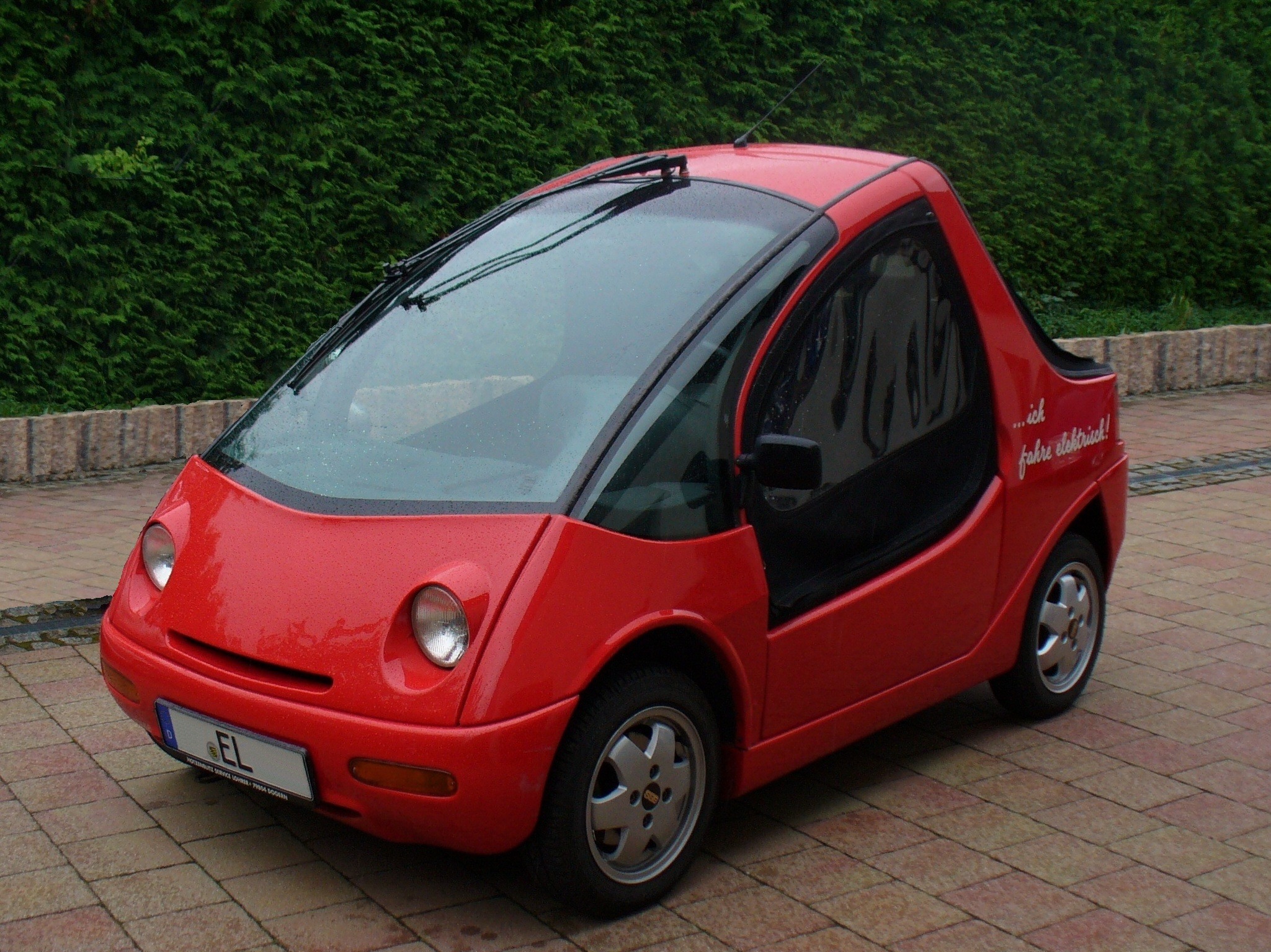
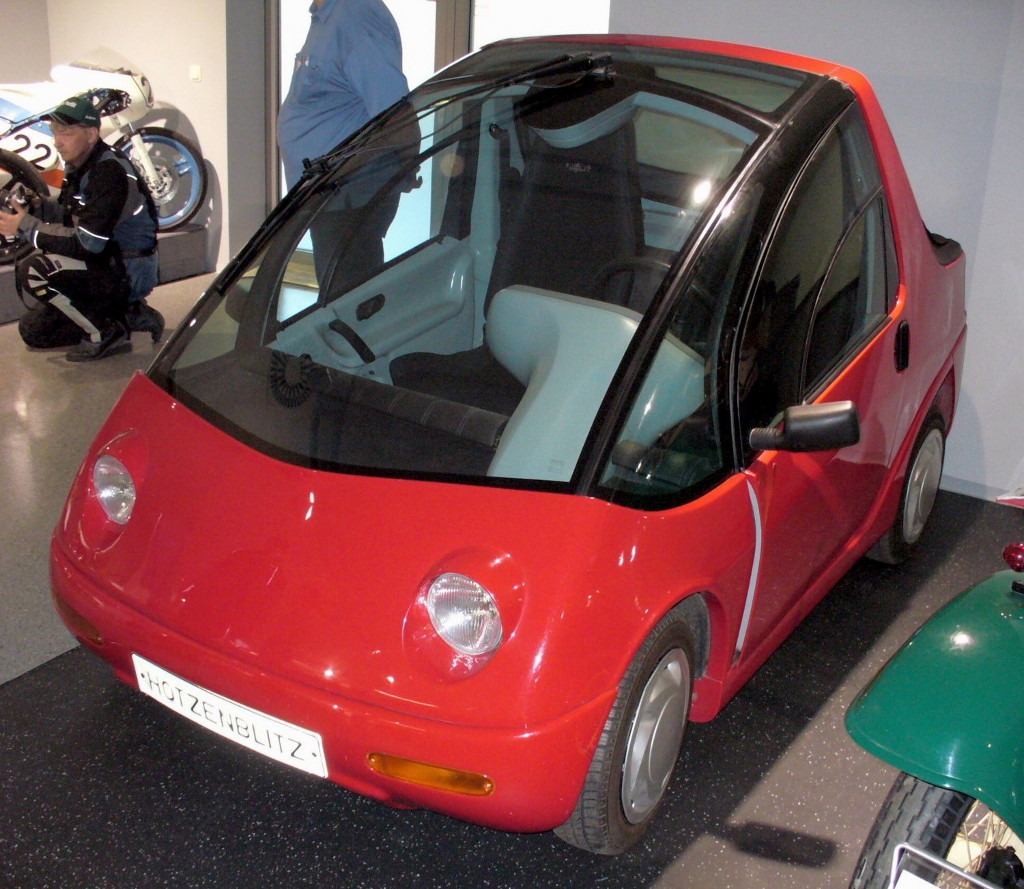
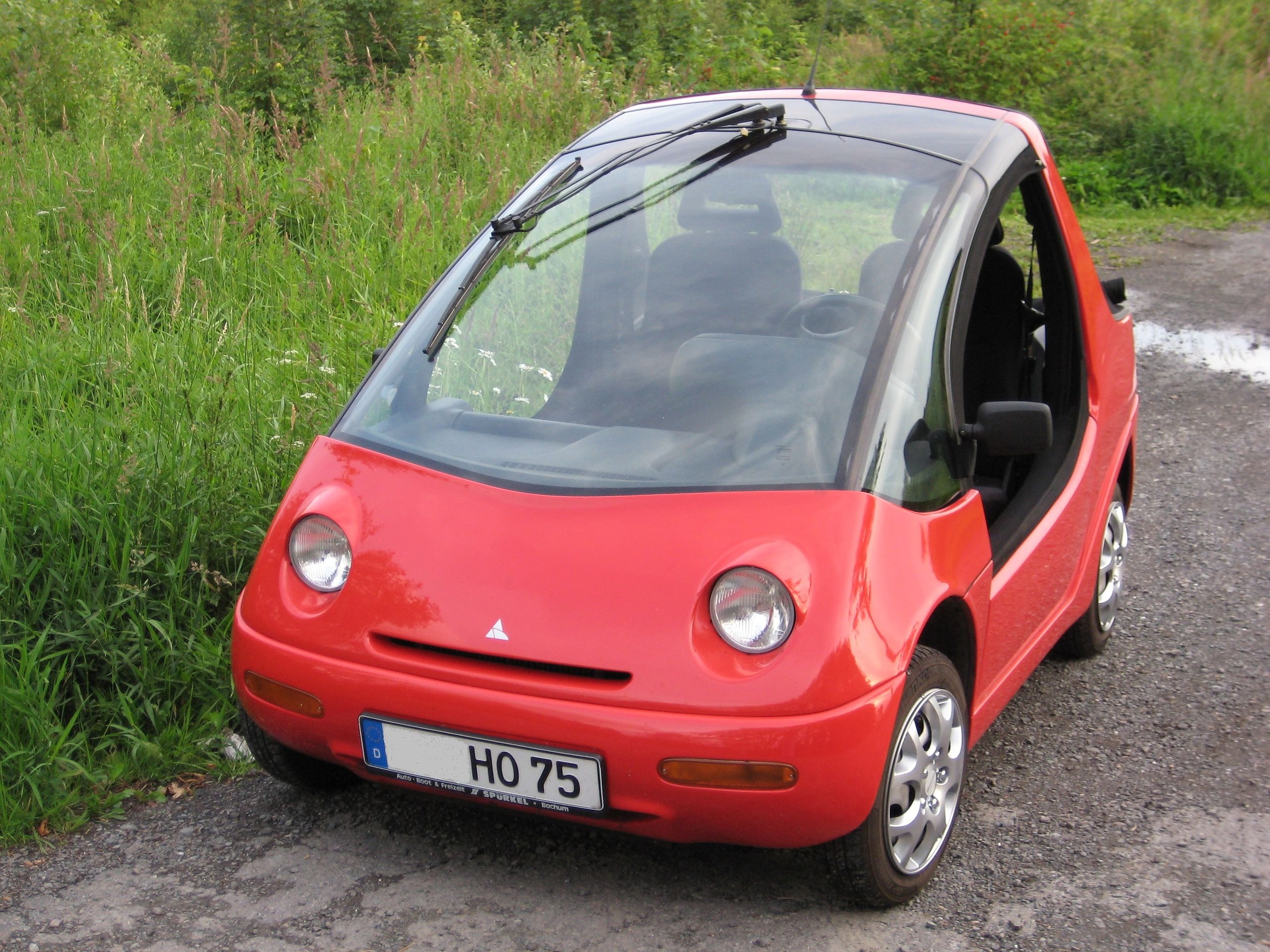
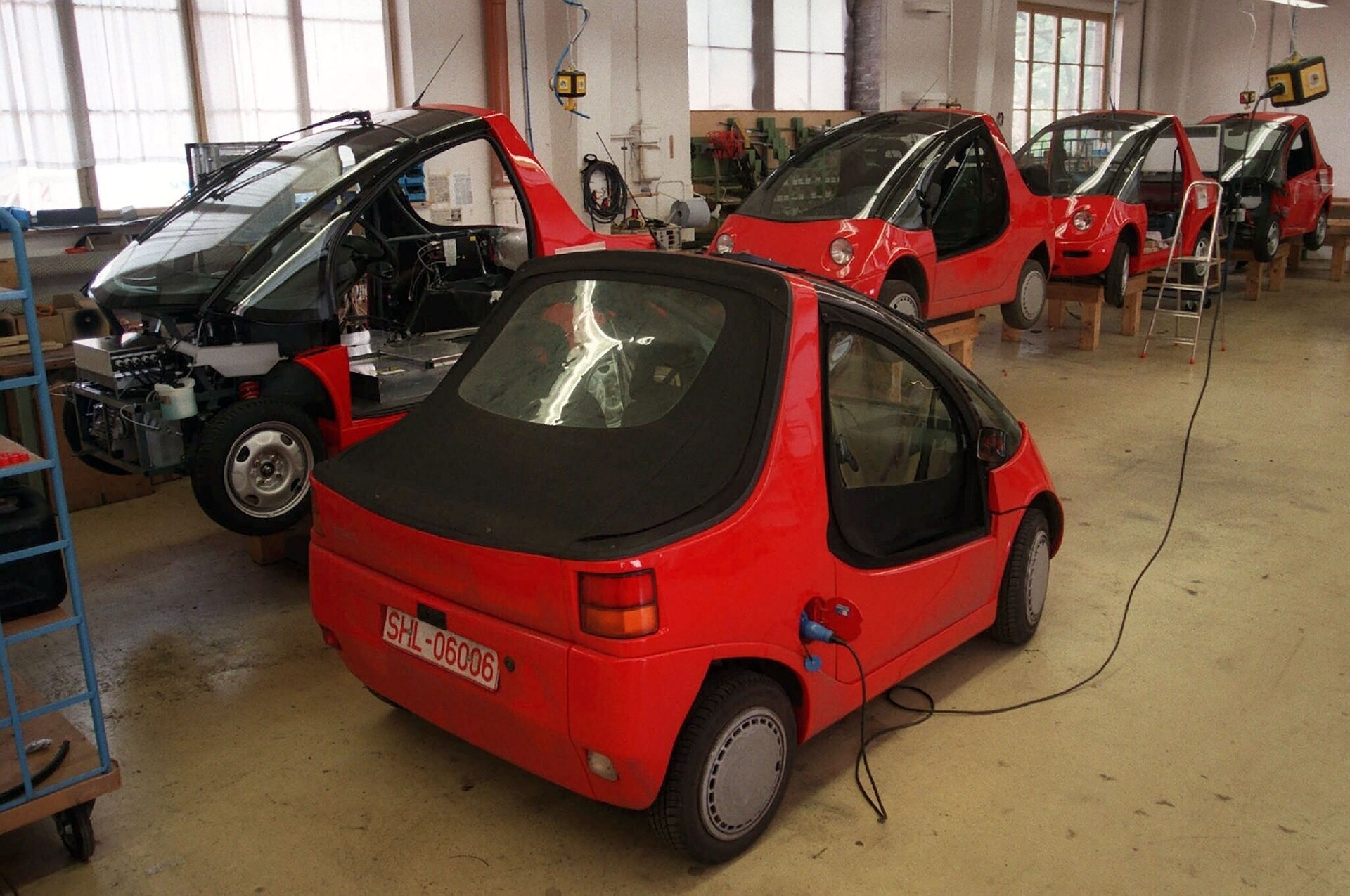
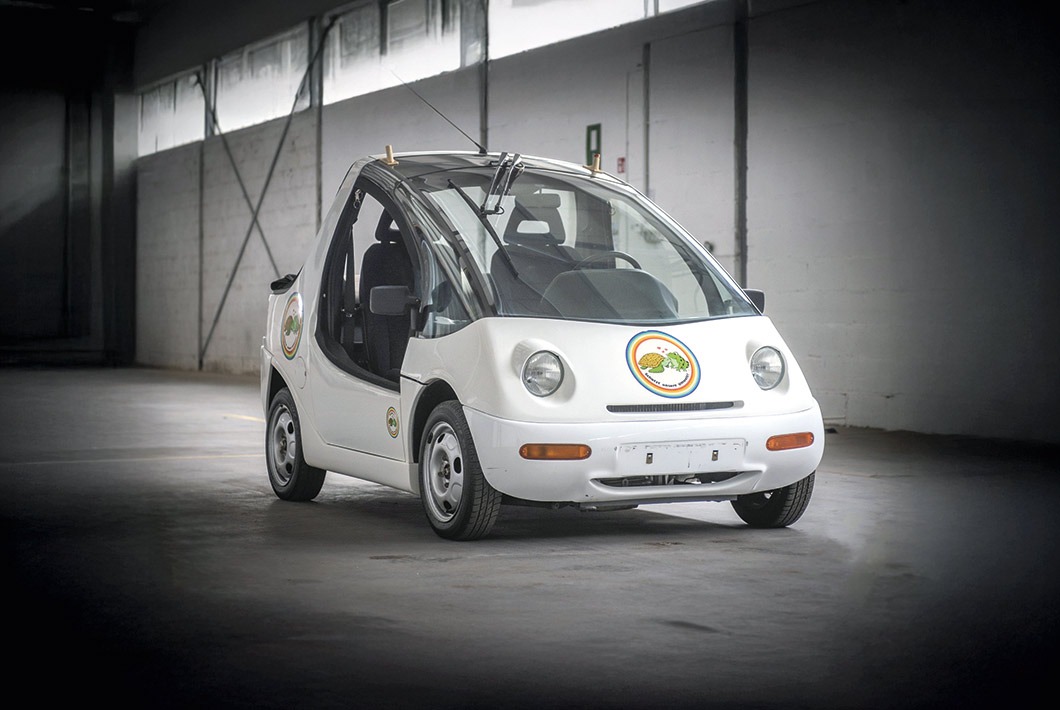
Hotzenblitz was a compact German electric city car developed by Hotzenblitz-Mobile GmbH & Co. KG in Ibach and built under contract at the Simson plant in Suhl between 1993 and 1996.
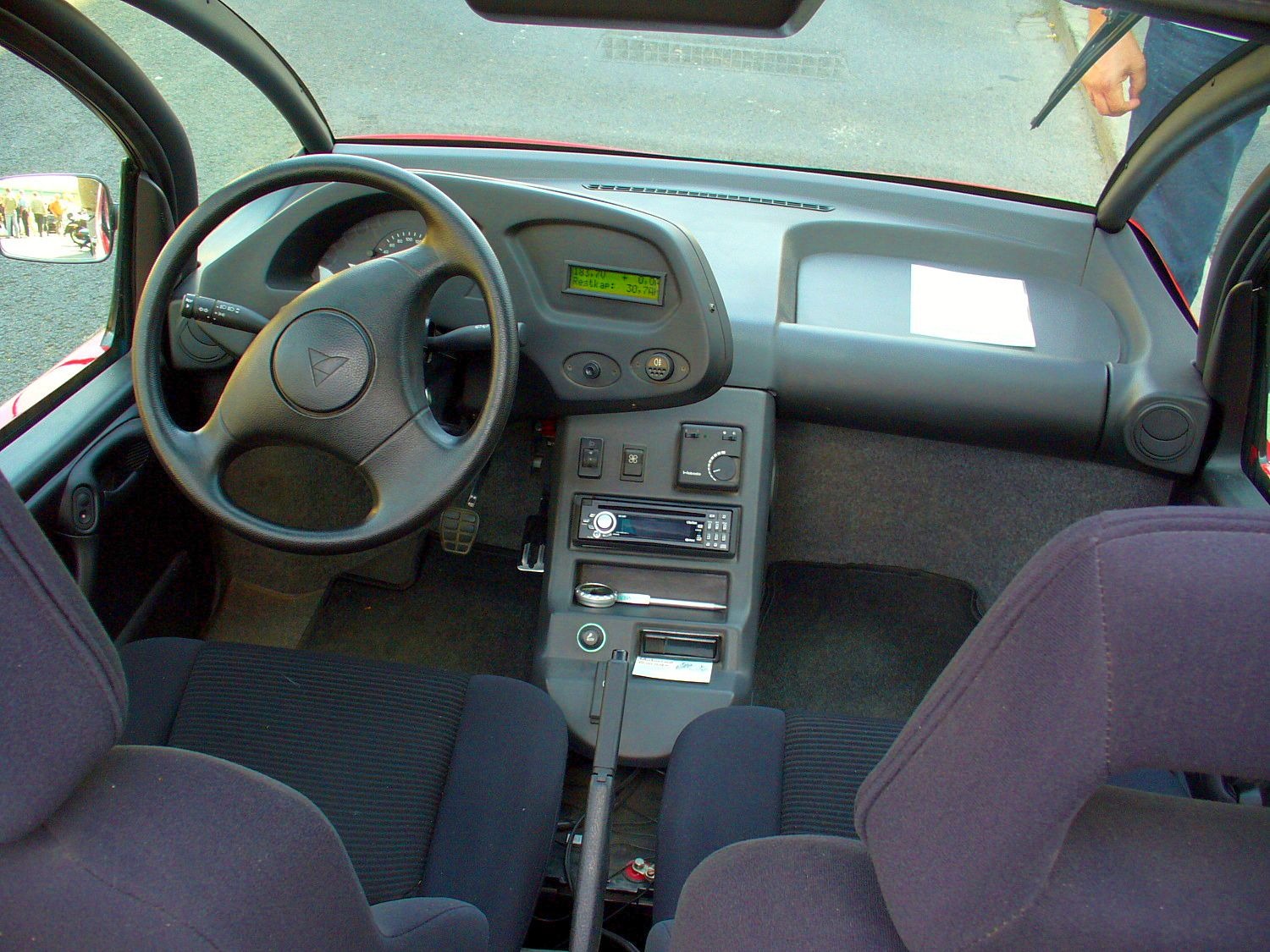
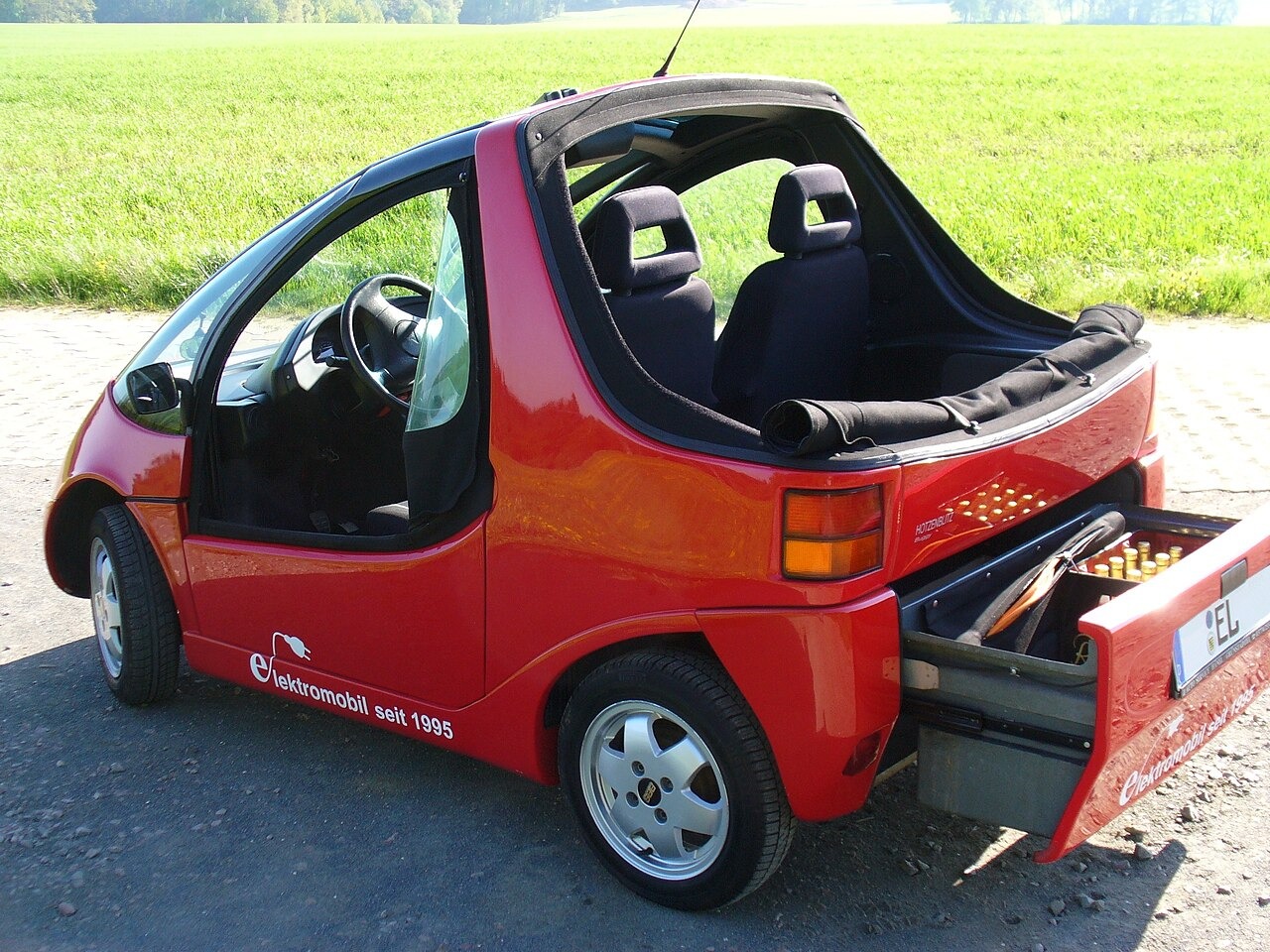
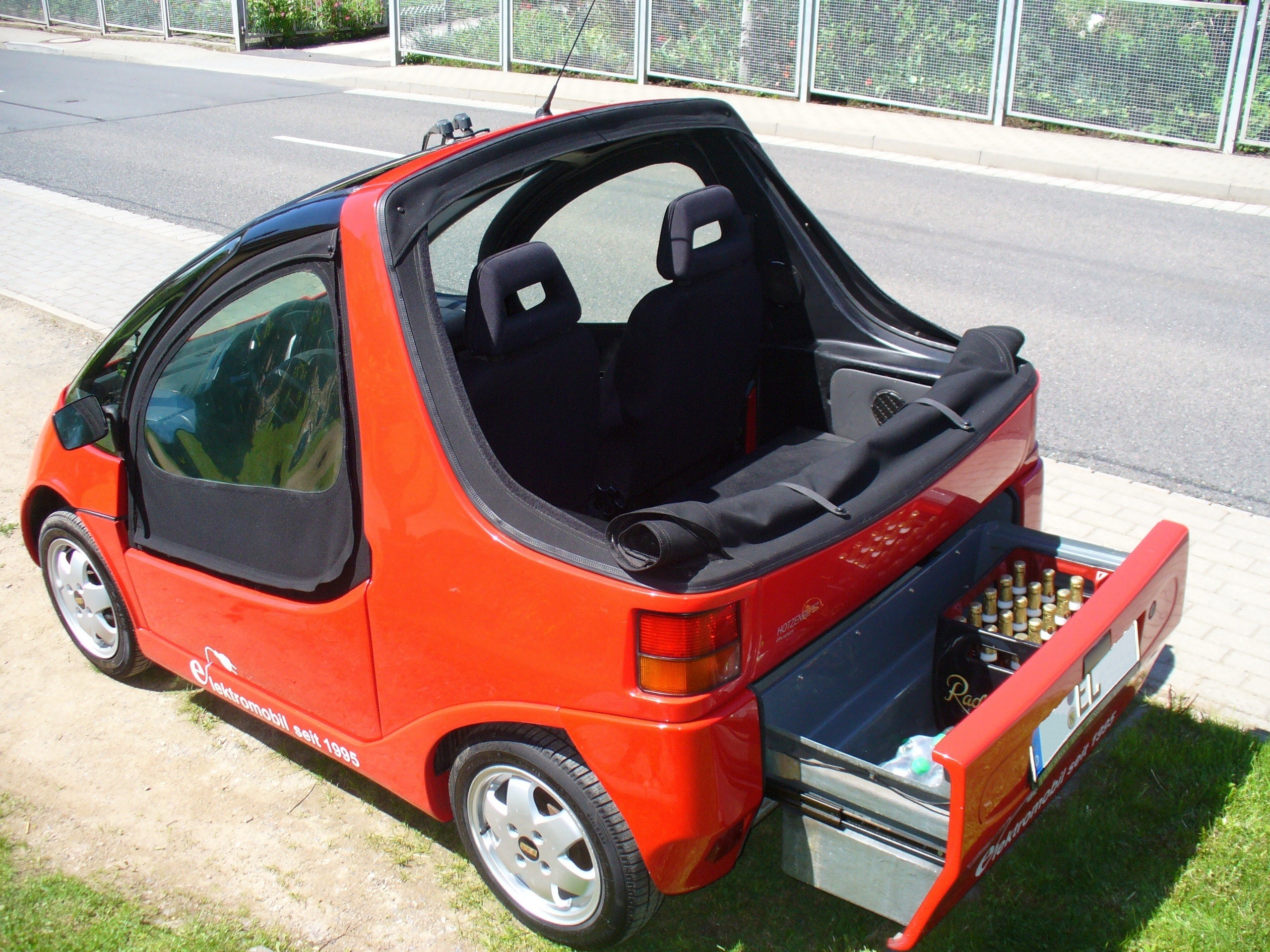
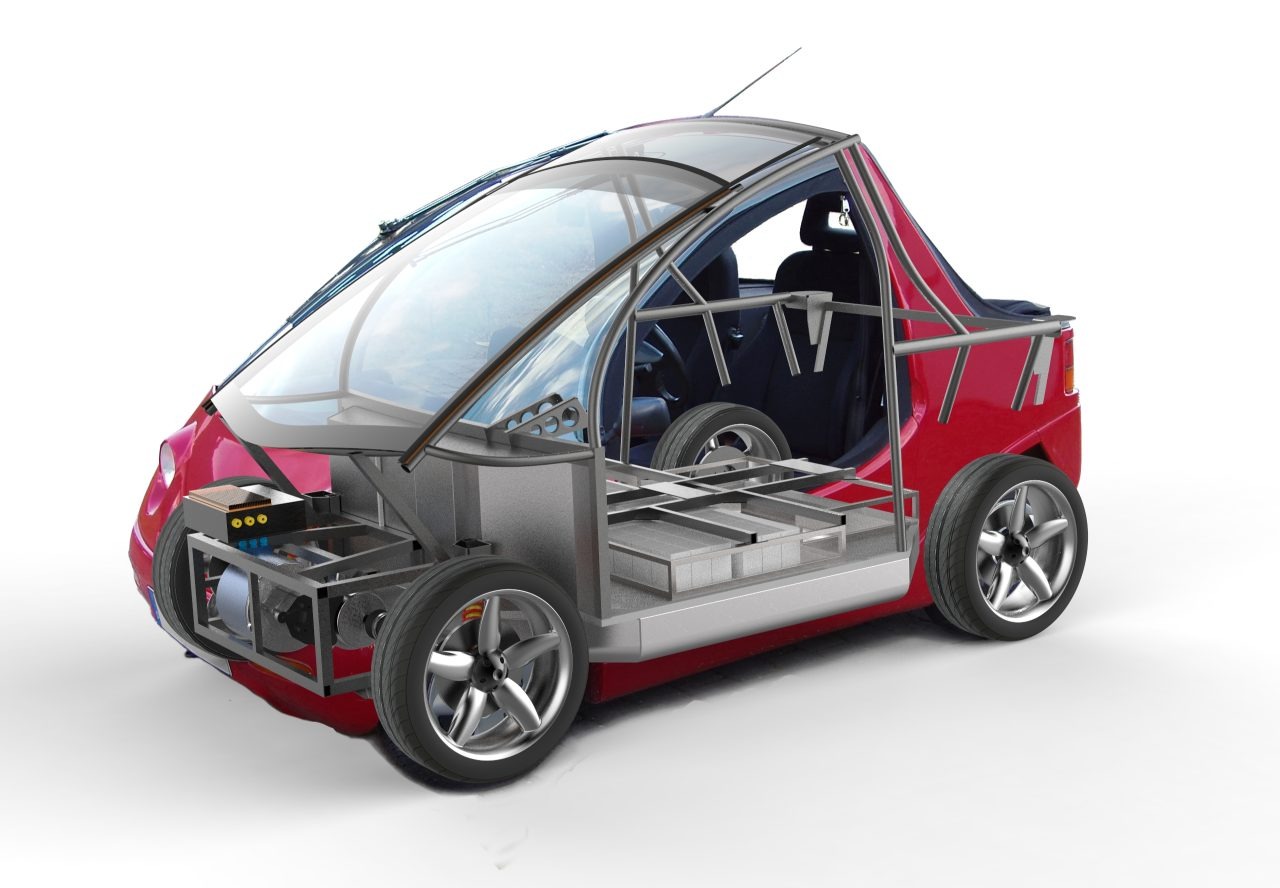
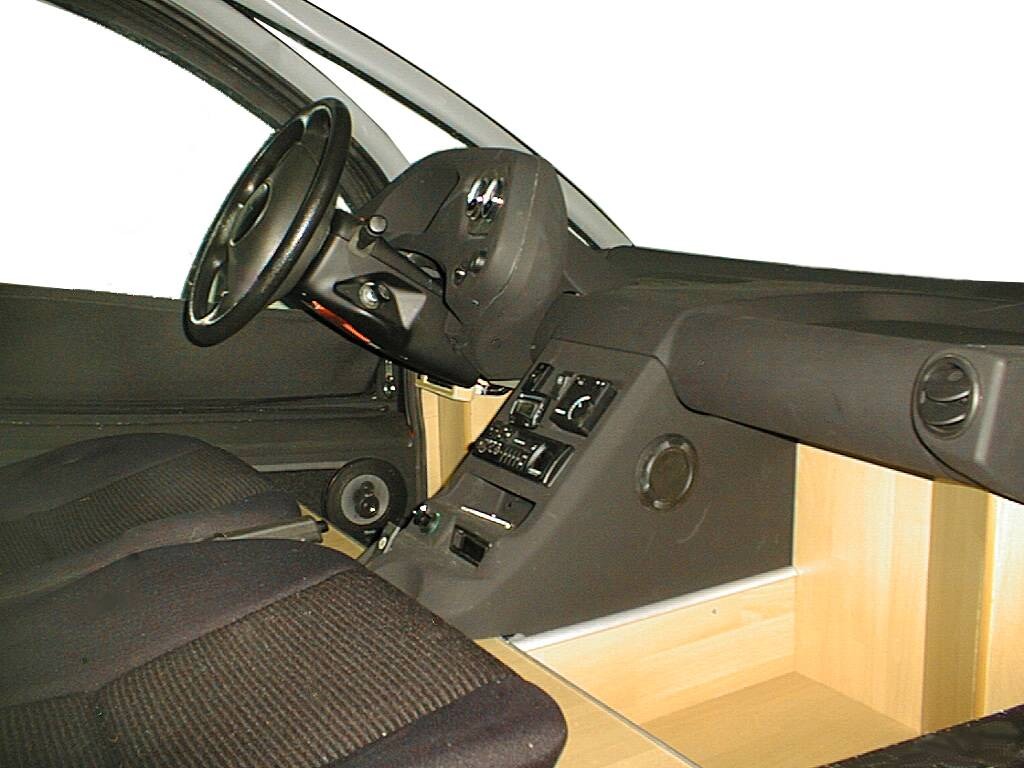
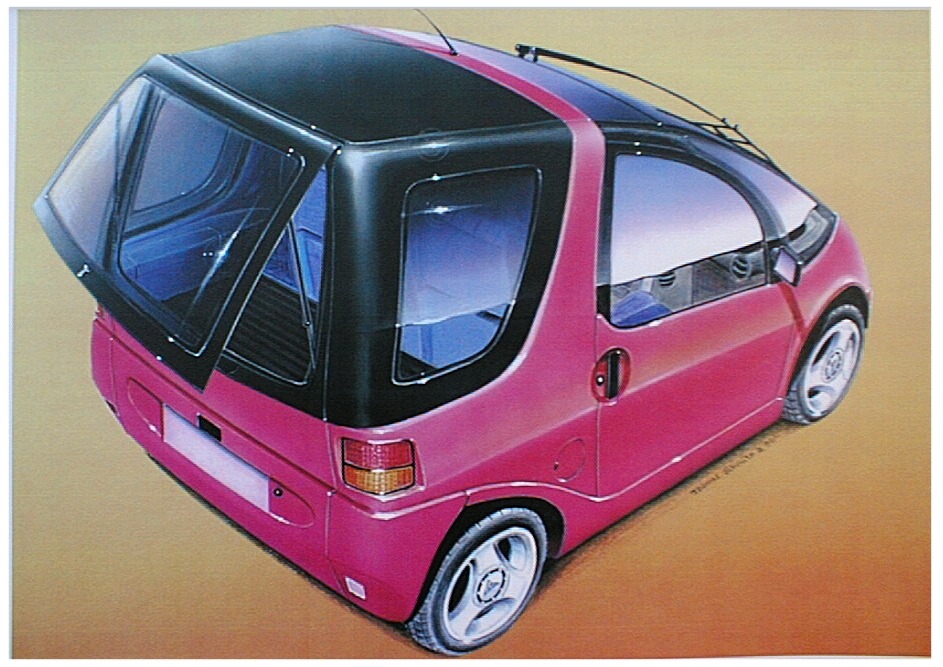
The two-seat microcar, optionally fitted with a small rear bench, featured a tubular steel spaceframe, an aluminum sandwich floor, and a GRP body.
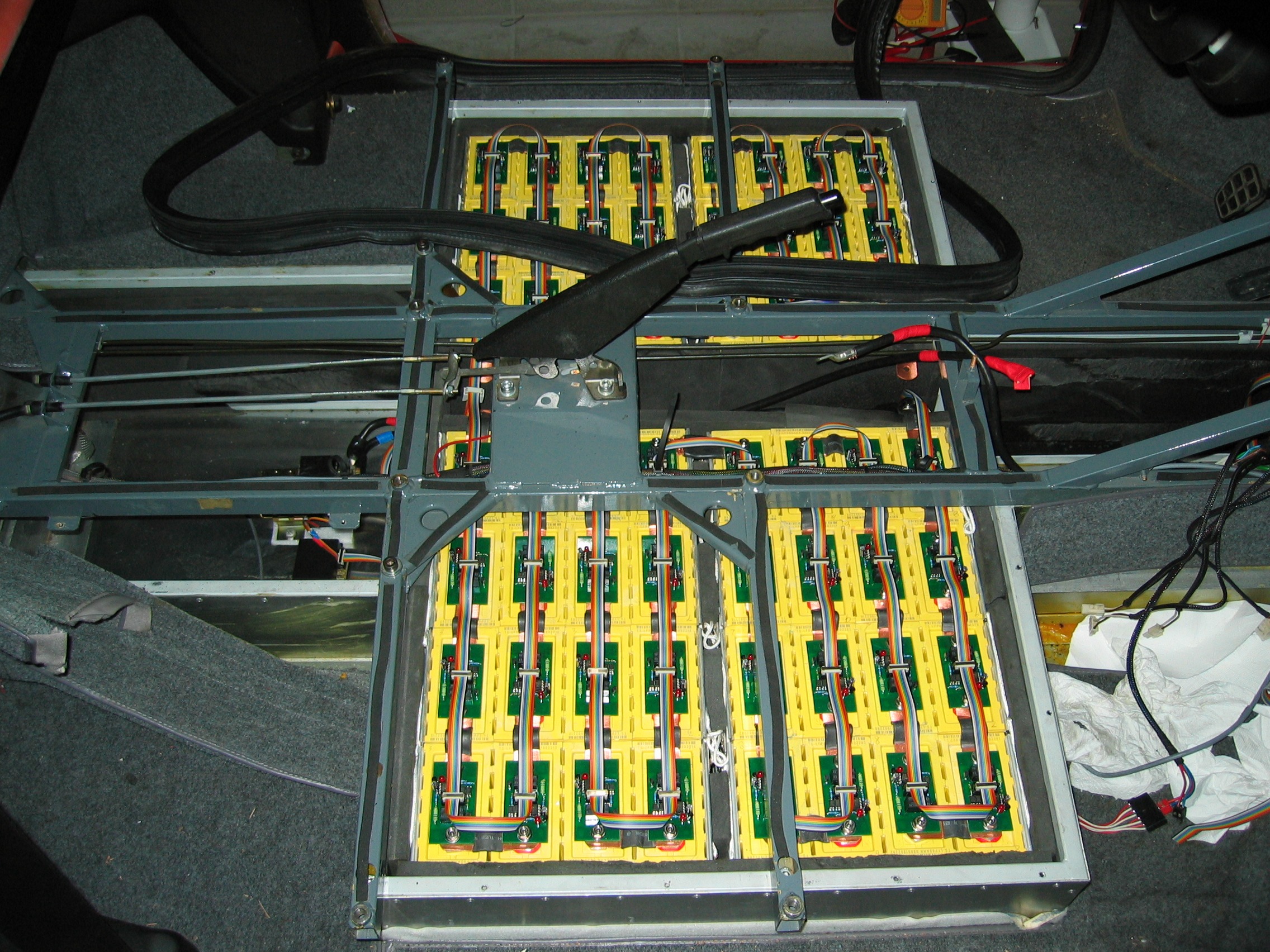
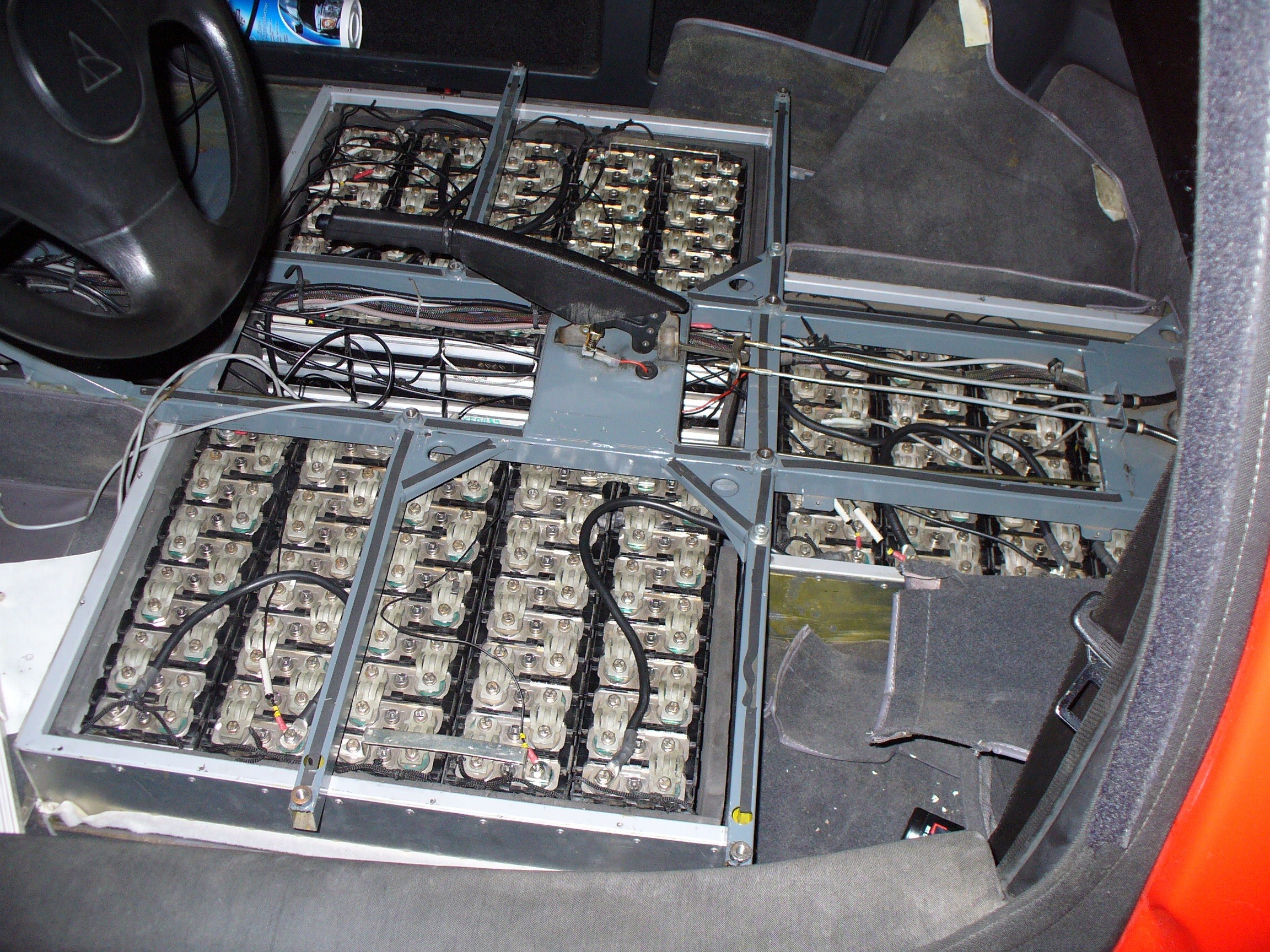
Propulsion came from an AC induction motor producing 12 kW, with peak output of 16.5 kW. Energy was stored in lead-gel batteries (14×12 V, roughly 10 kWh), providing a real-world range of around 70 km and a top speed close to 100 km/h.
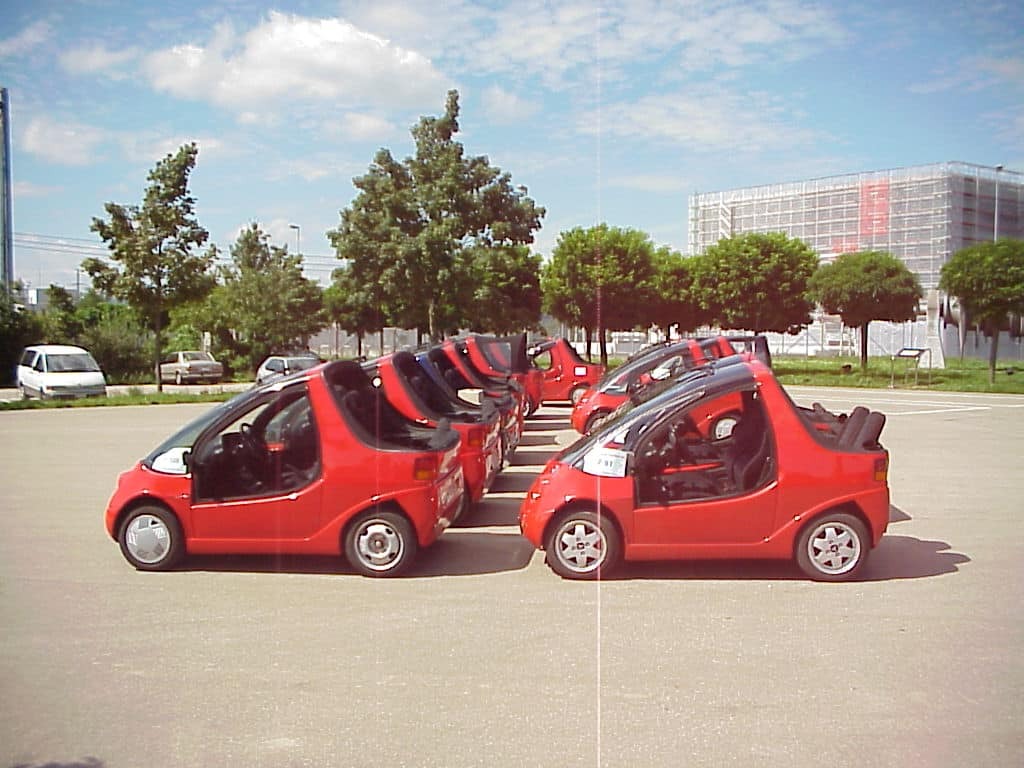
Buyers could choose between the open Buggy version with zip-in doors or the more conventional City variant with fixed doors and a hardtop. Total production is estimated at 140–150 cars.
In December 1995, the rights to the project were transferred to HBZ Hotzenblitz-Mobile GmbH & Co. Produktionsgesellschaft KG, but mounting financial difficulties led to insolvency and the end of production in 1996.
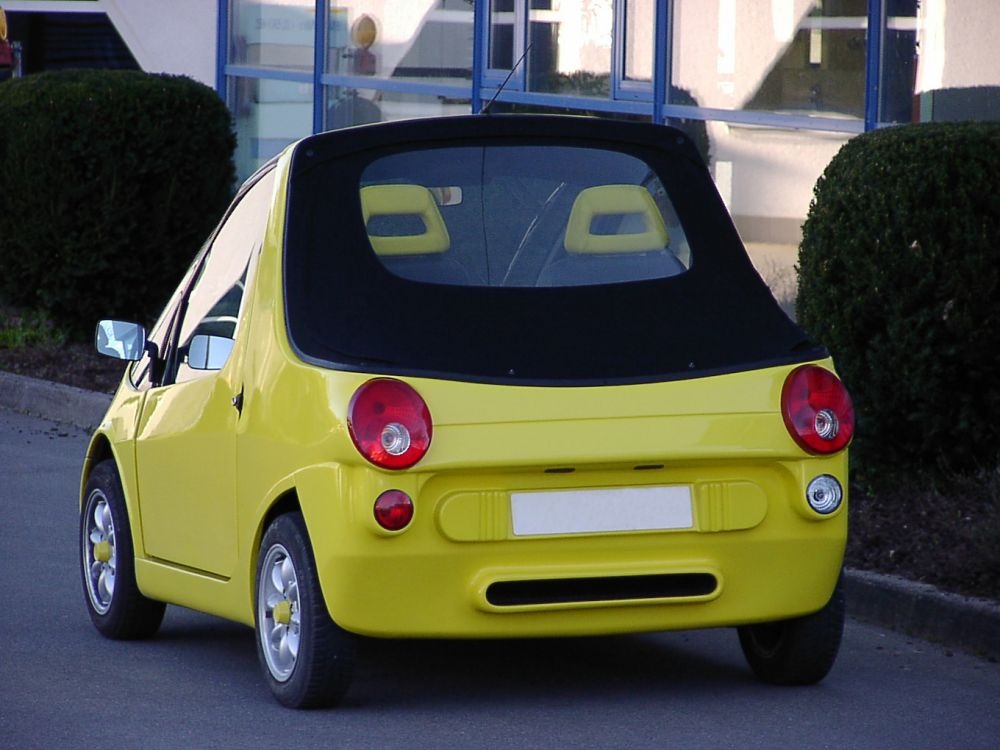
During the 2000s, the Treffpunkt Zukunft initiative explored potential revivals and presented an updated E-Mo concept, while independent efforts showcased modern battery upgrades and even fuel-cell conversions. None of these initiatives resulted in renewed series production.
Despite its short lifespan, the Hotzenblitz holds an important place in automotive history as the first passenger car in the Federal Republic of Germany to be designed, mass-produced, and sold exclusively as an electric vehicle, a distinction it retained until the arrival of the BMW i3 years later.