ItalDesign Biga

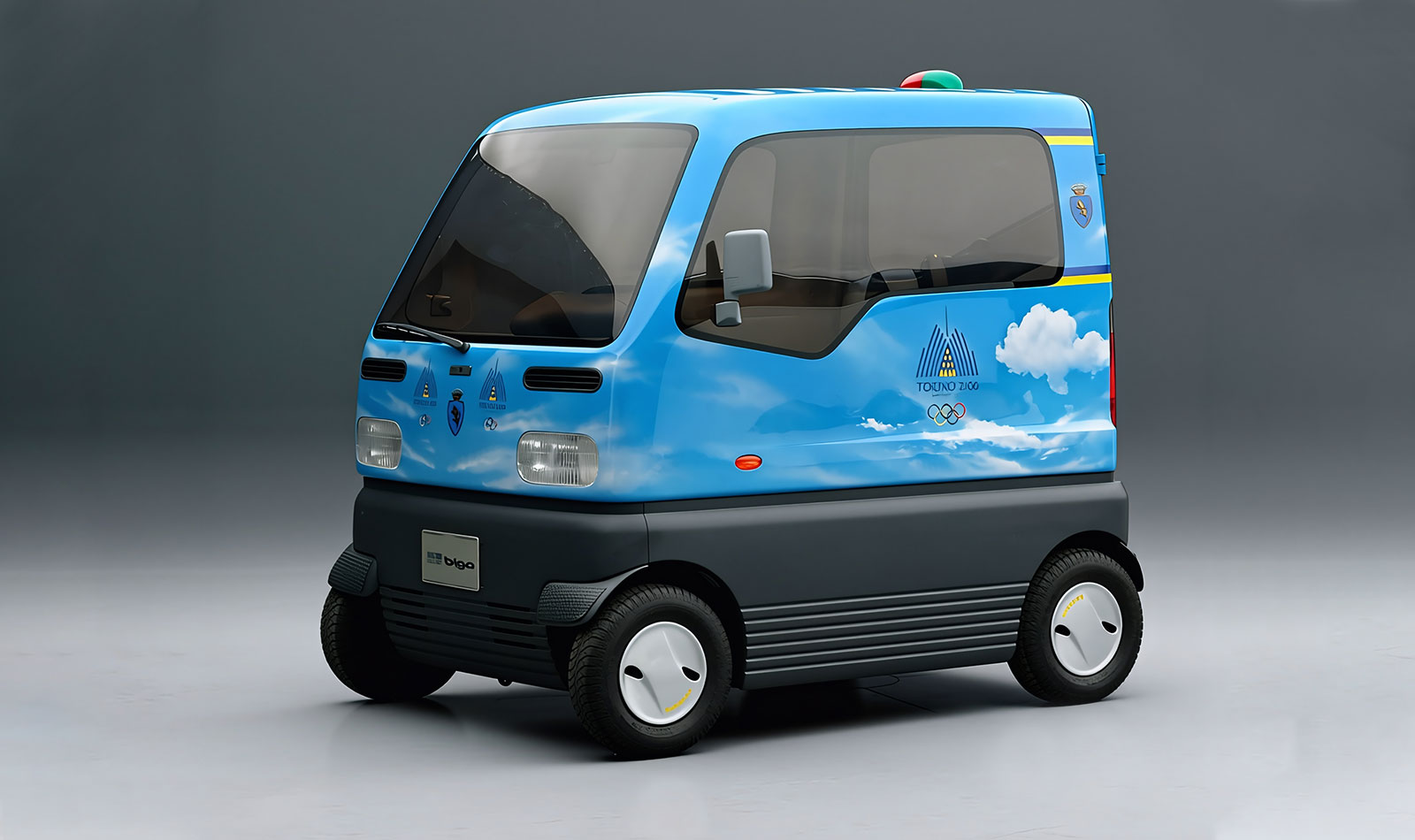
Unveiled at the 1992 Turin Motor Show, the Biga traced its origins to a proposal Giorgetto Giugiaro presented in 1989 at the Assises Mondiales de l’Automobile in Paris, where designers were asked to imagine what cars might look like in the year 2000. From the outset, the project was grounded in realism rather than spectacle.
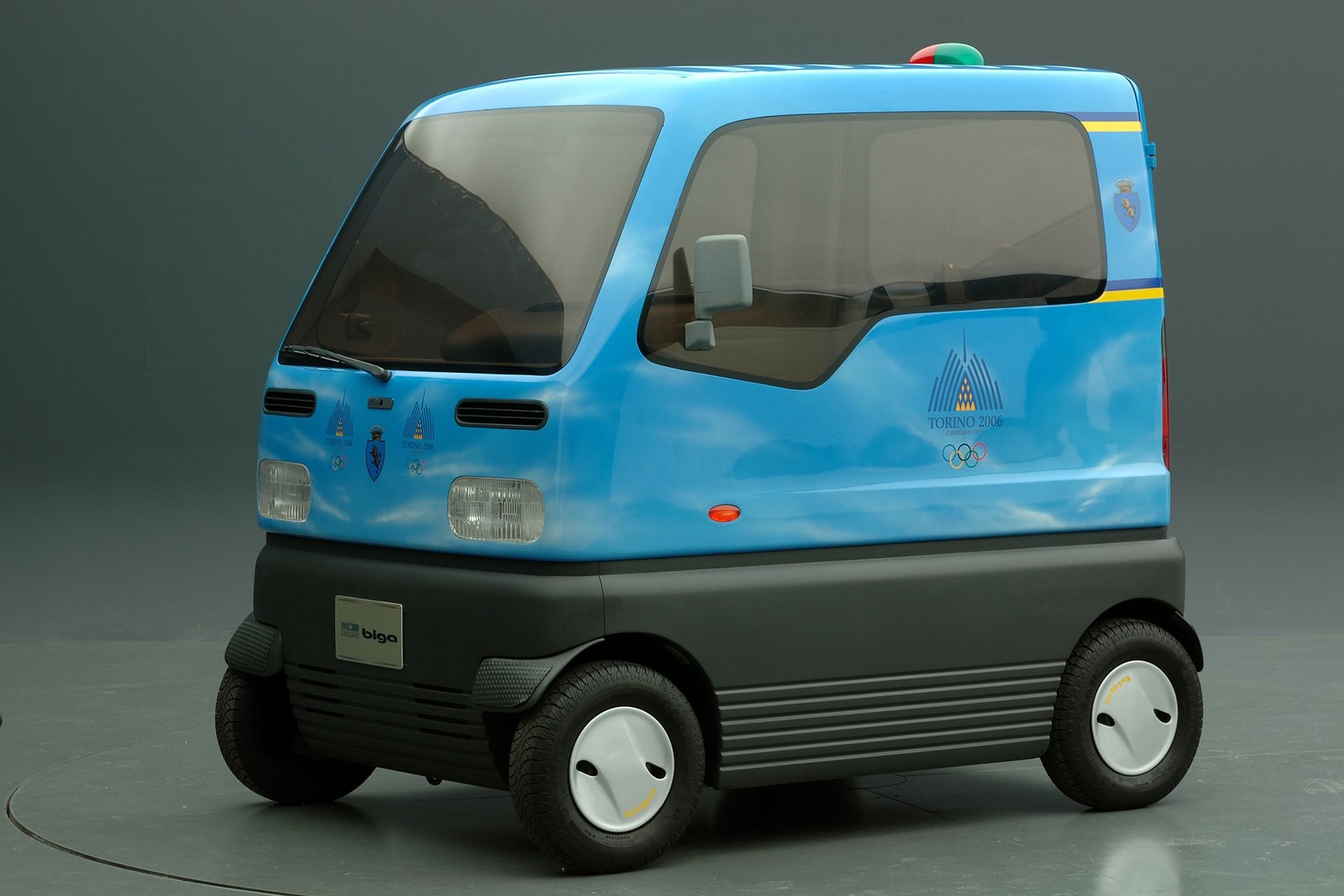
Conceived as a practical, eco-conscious solution for urban transport, the Biga was designed to be feasible for mass production and everyday use in city traffic. It emerged from a sober assessment of economic, environmental, and social constraints, deliberately avoiding futuristic styling in favor of a stripped-back vehicle reduced to its core functions.
Anticipating tighter regulations on private cars in historic city centers, the Biga was envisioned as part of a broader traffic-management system. It was not just a city car but an element of the city itself.
Access would be controlled via a personal card linked to a central database, allowing users to pick up a Biga from designated parking points, drive it, and leave it at another approved location—an early vision of shared urban mobility.
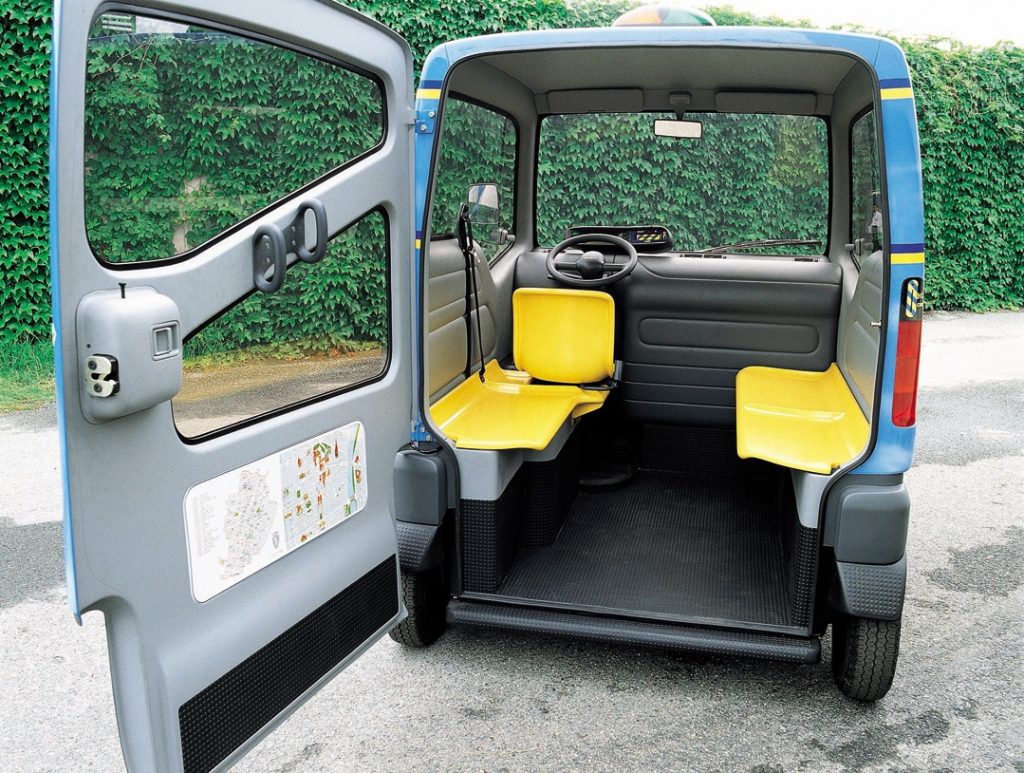
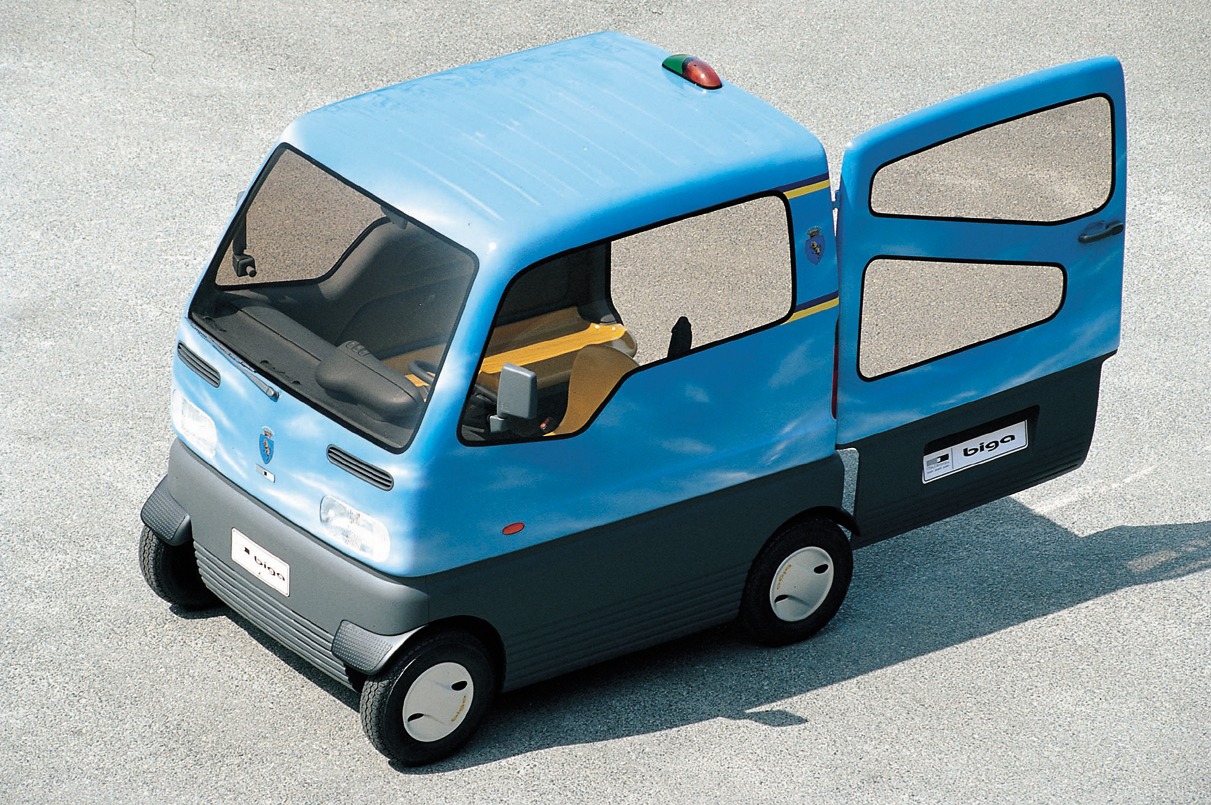
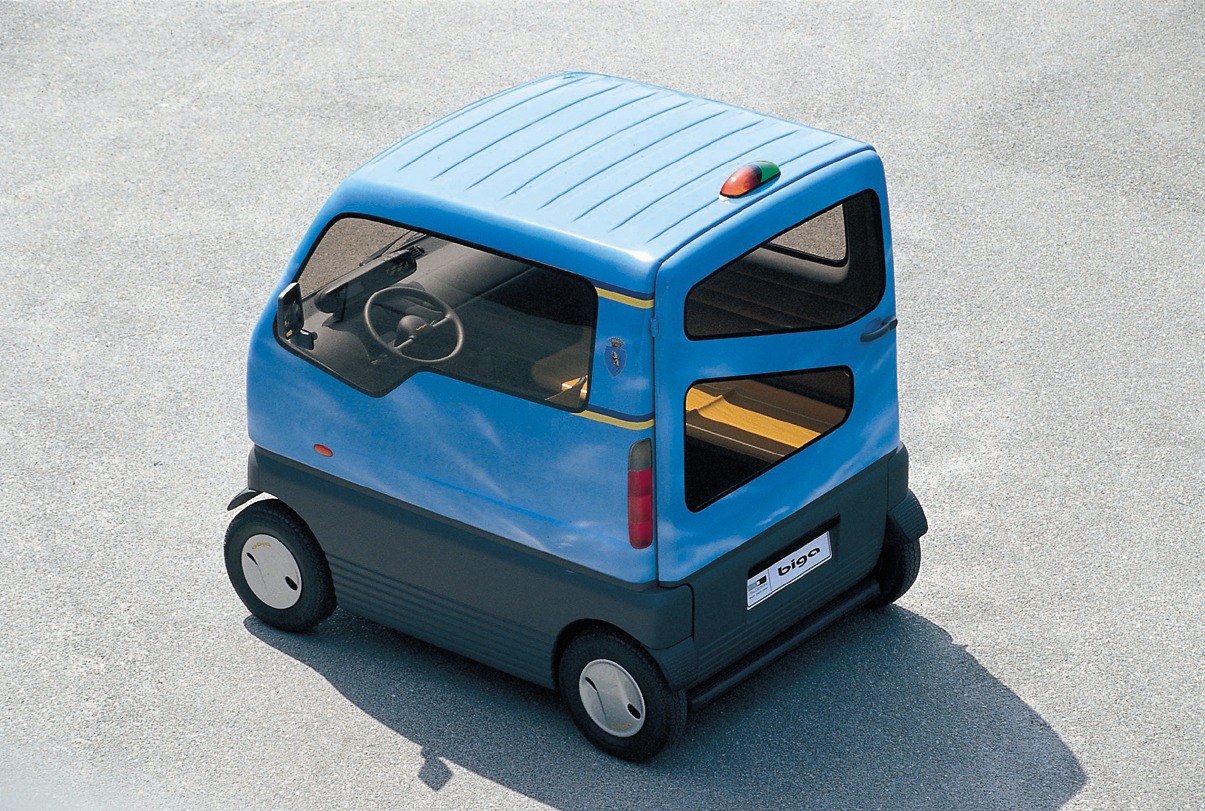
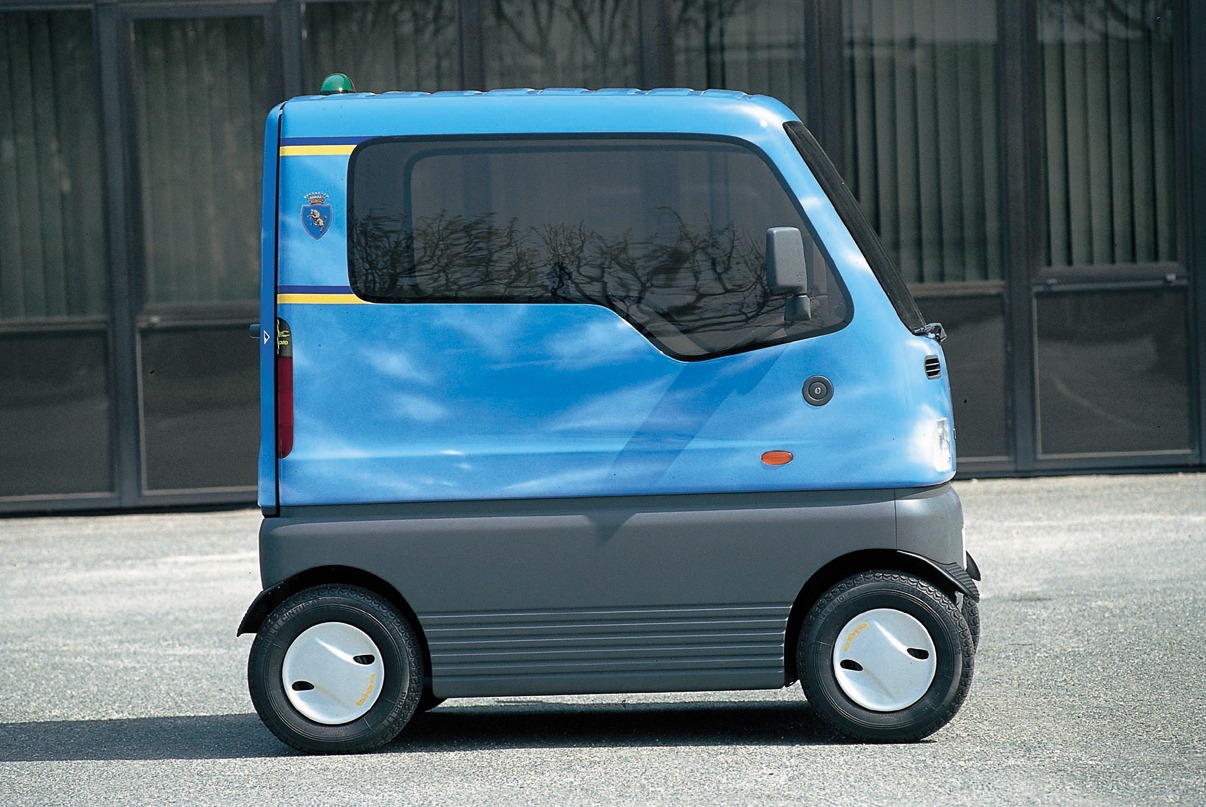
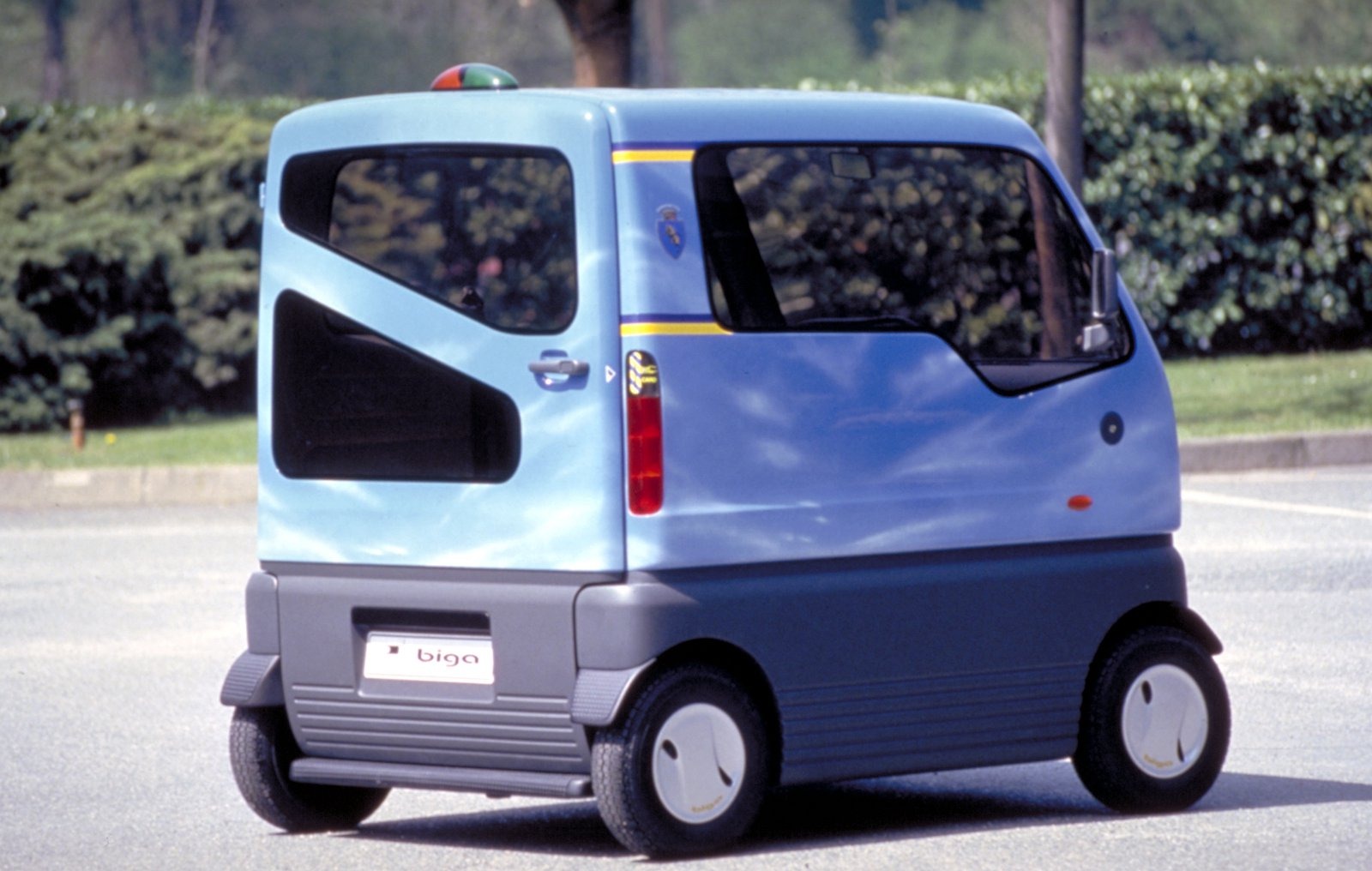
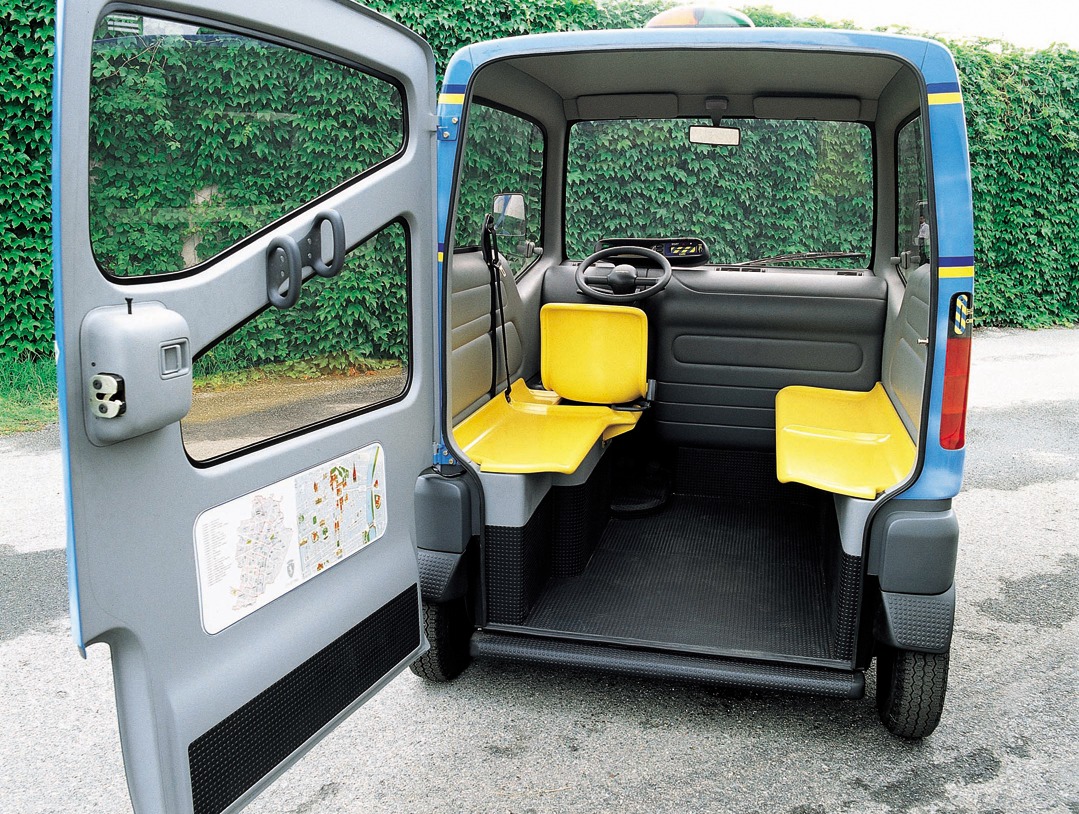
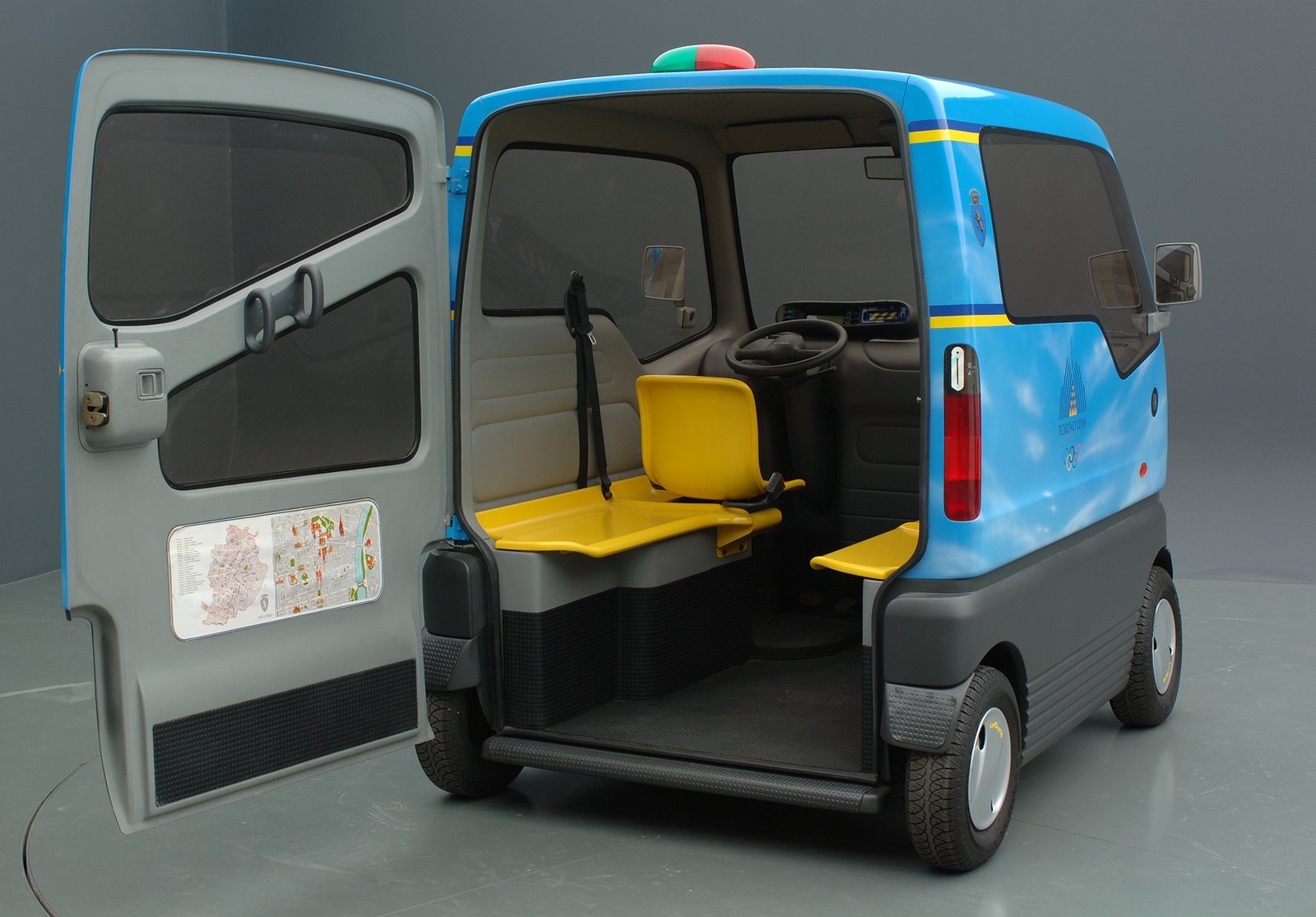
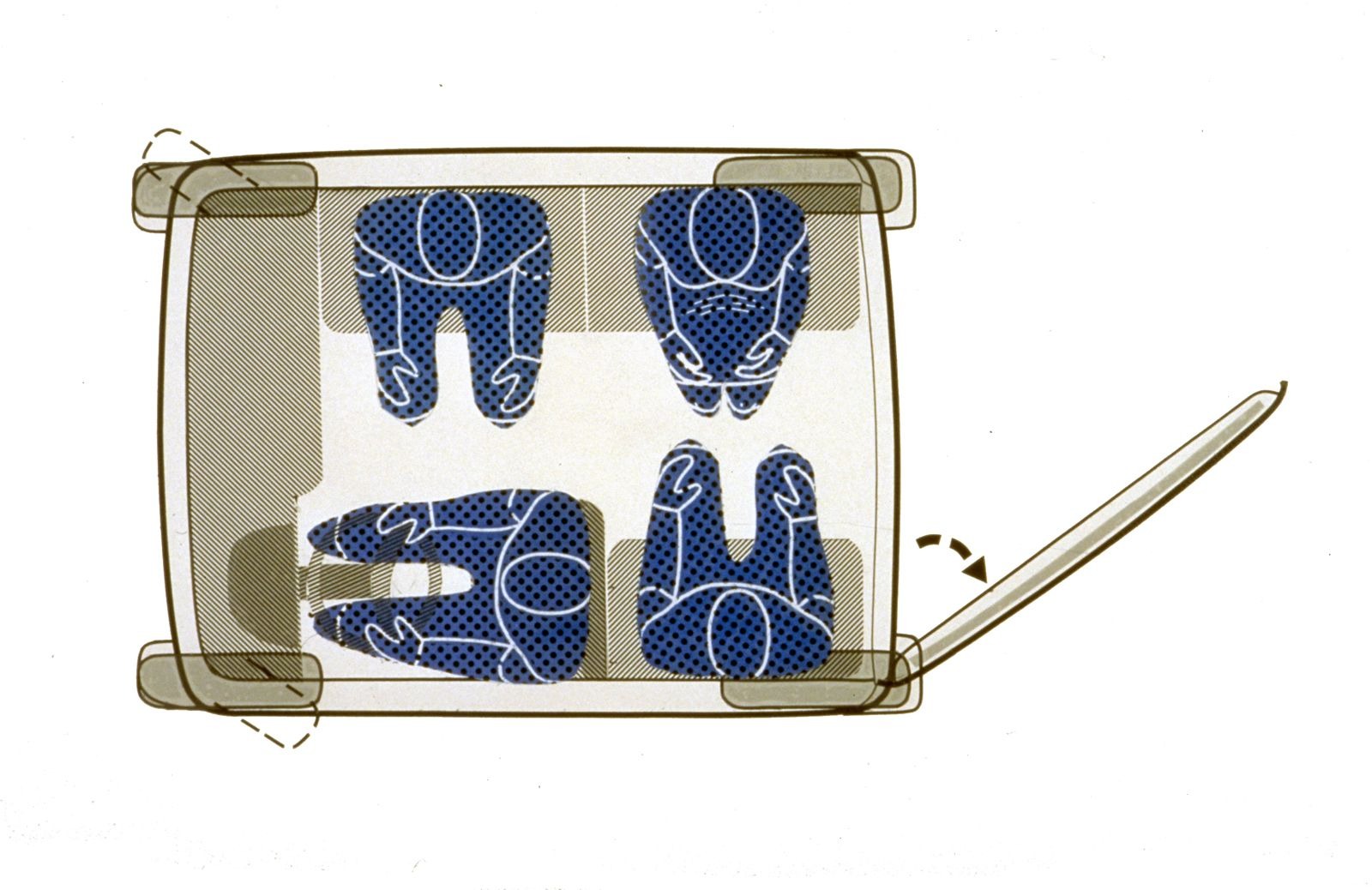
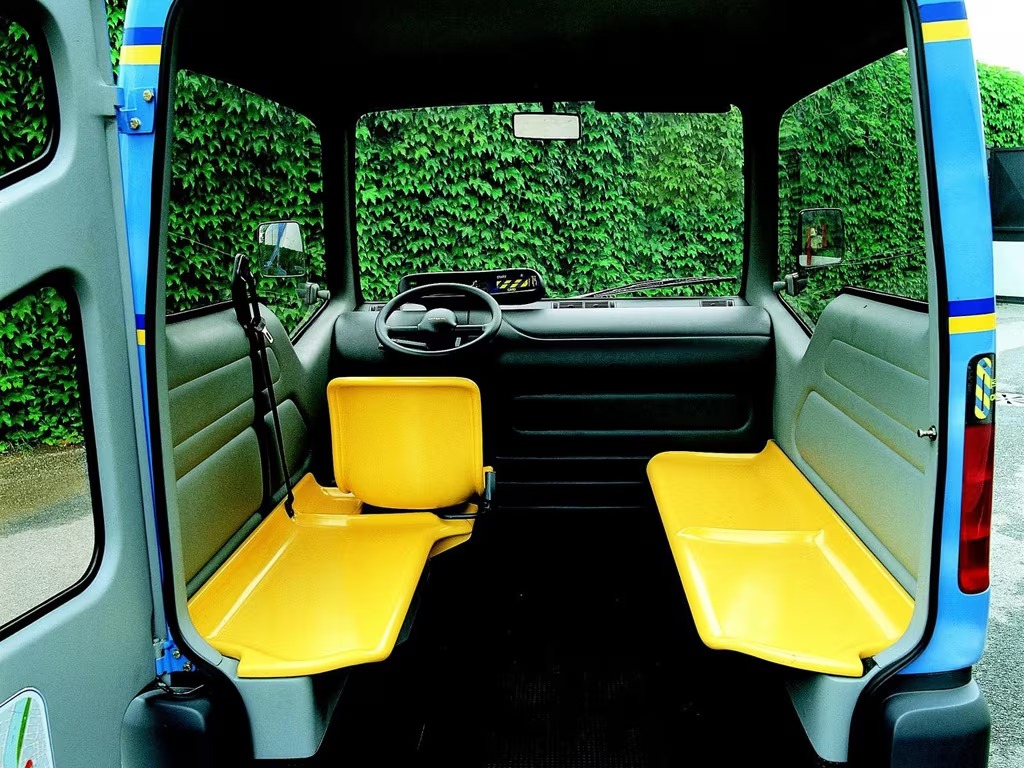
Purpose-built for this role, the Biga embraced radical minimalism. Anything non-essential was eliminated. Its body was formed from special steel chosen for strength and lightness, while the cubic passenger cell could accommodate a driver and three passengers or, alternatively, a driver and a wheelchair user, thanks to a side-mounted bench layout.
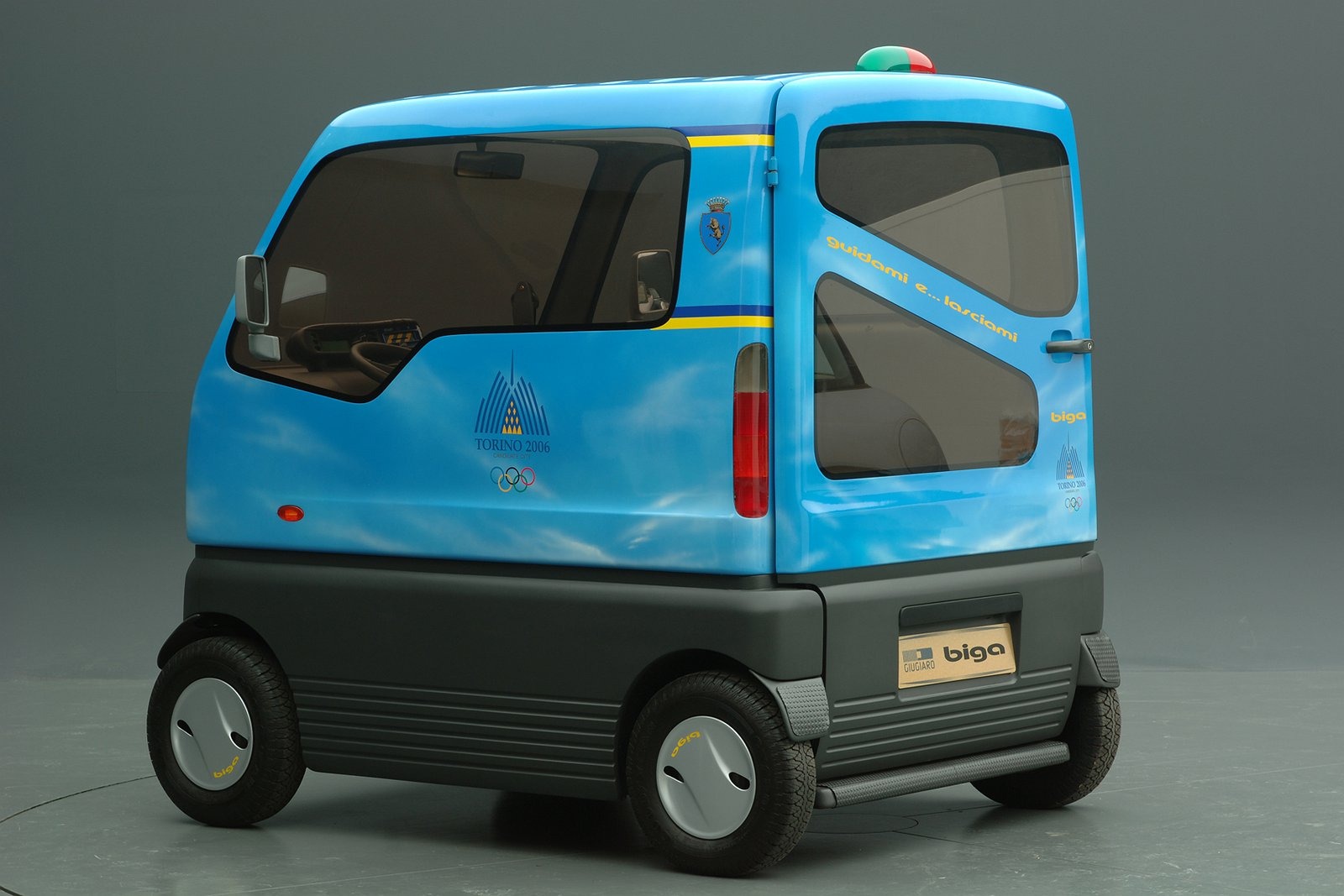
Entry was through a single rear tailgate, echoing the layout of a Roman chariot. This unusual solution optimized urban space: parking was designed perpendicular to the sidewalk, allowing occupants to step directly onto the pavement. The vehicle’s height further eased wheelchair access, and the absence of side doors meant multiple Bigas could be parked tightly together without wasting space.
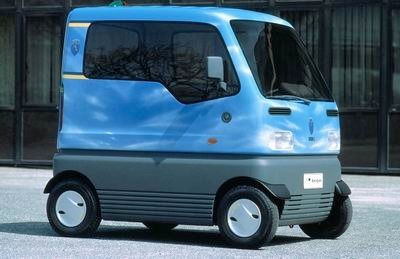
Measuring roughly two meters in length and about one and a half meters in width, the Biga was powered by a hybrid system combining a 250 cc direct-injection diesel engine with an alternator that generated electricity for the batteries, which in turn provided traction and transmission. This setup allows the vehicle to reach speeds of 60 km/h, which is quite sufficient for modern city driving.