Joagar Station Wagon

In the 1950s, Joaquim Garcia—a musician, carpenter, and mechanic from Jaboticabal, Brazil—built a series of fully functional vehicles.
With no formal technical training or external funding, he designed and constructed his own internal combustion engines as well.
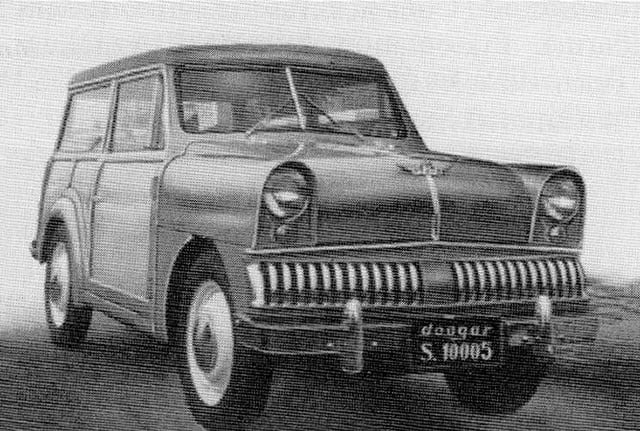
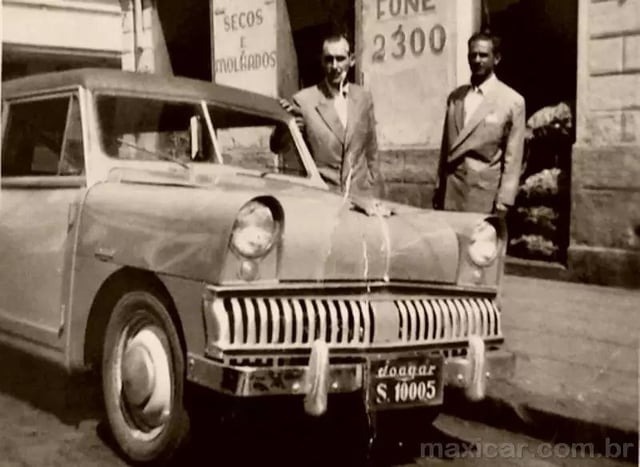
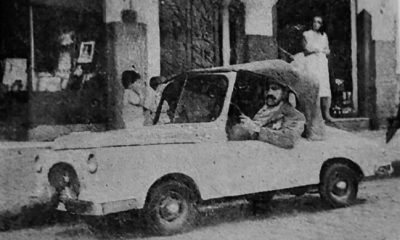
His first car, completed in 1953, was continued by the 2-seat coupe in 1954 and the diminutive Joagar station wagon from 1955 stood out with its woodie-style bodywork, a design trend borrowed from the United States at the time.
Joagar was an acronym of Joaquim Garcia name. The car, with a wheelbase of just 1.80 meters and a length of 3.20 meters, featured rear-wheel drive and was equipped with the 20 hp engine.
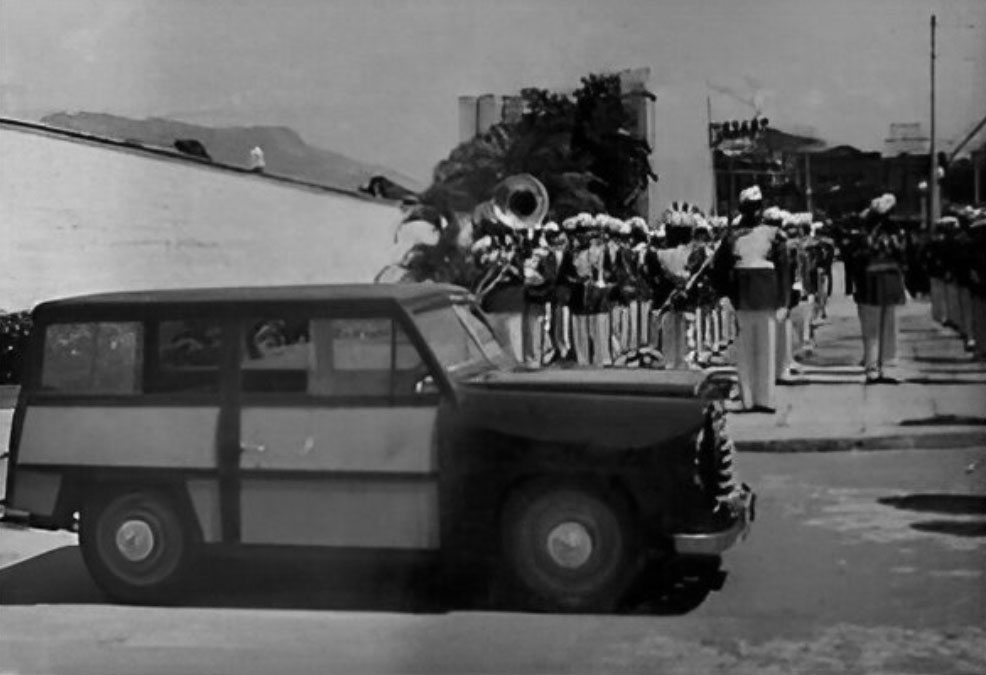
The Joagar station wagon later appeared in the September 7th Independence Day parade in 1956 in Brazil’s former federal capital, having completed an almost 800-kilometer journey via São Paulo.
Later, a version with a pickup body and an extended rear overhang appeared, which increased the length to 3.6 meters.
Later Joaquim Garcia died in a car accident in 1976 at the age of 56.
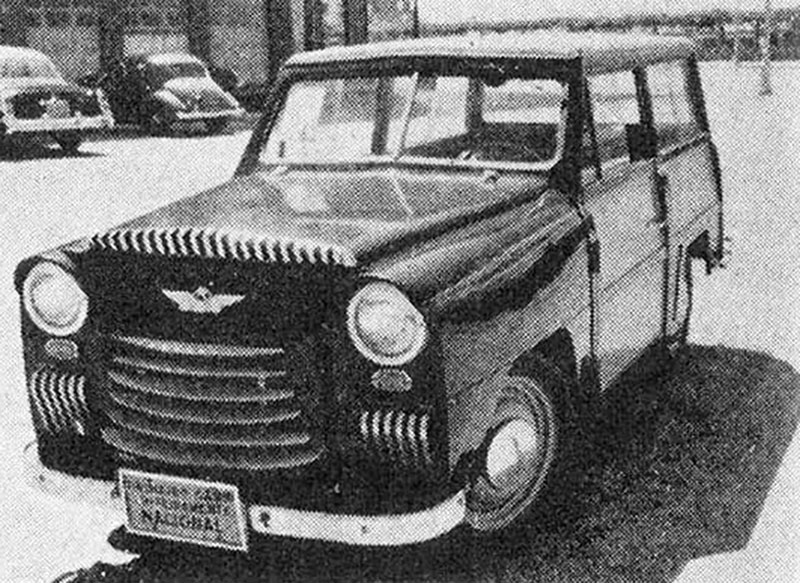
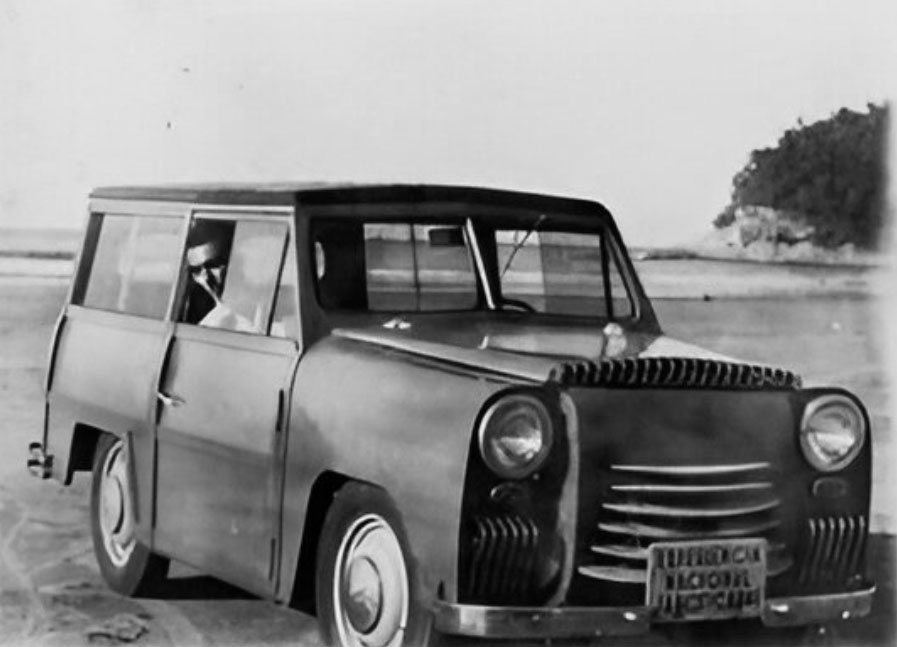
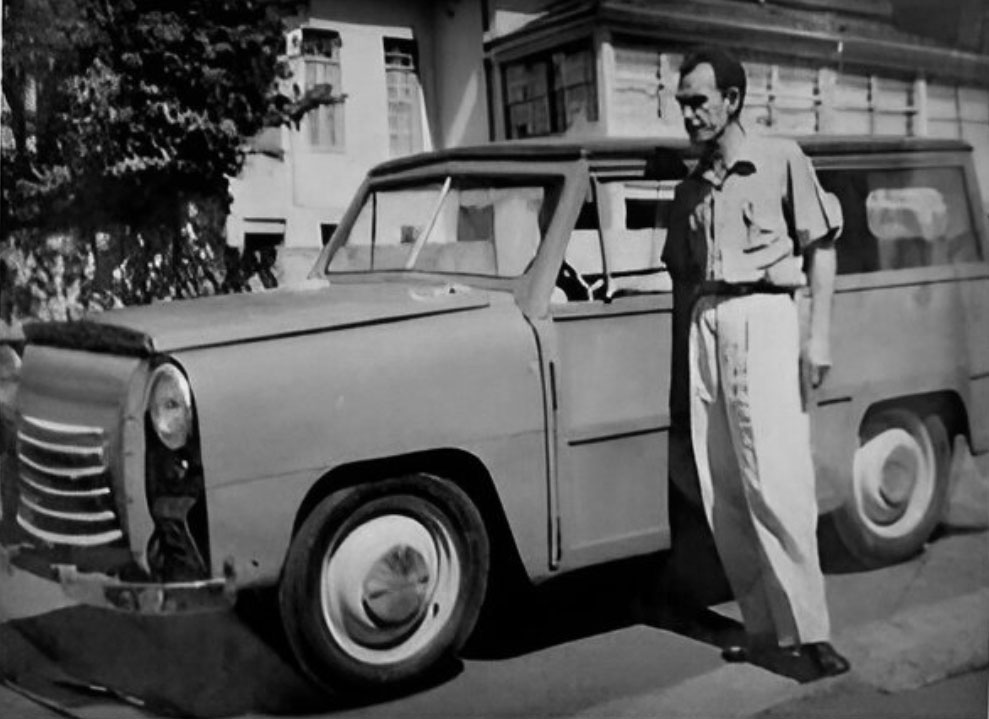
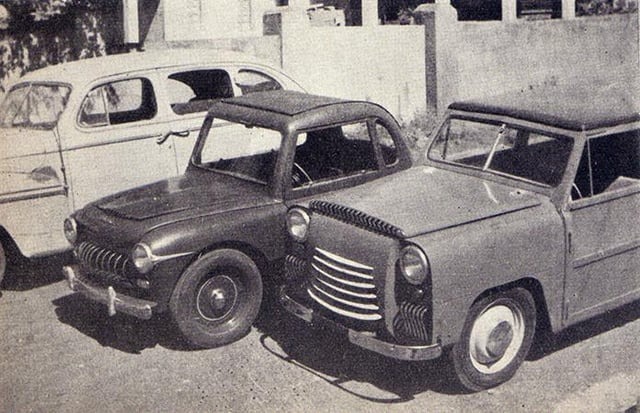
In 1957, the Station Wagon was updated and received a new front-end design reminiscent of American cars of that era.