Karea Fit

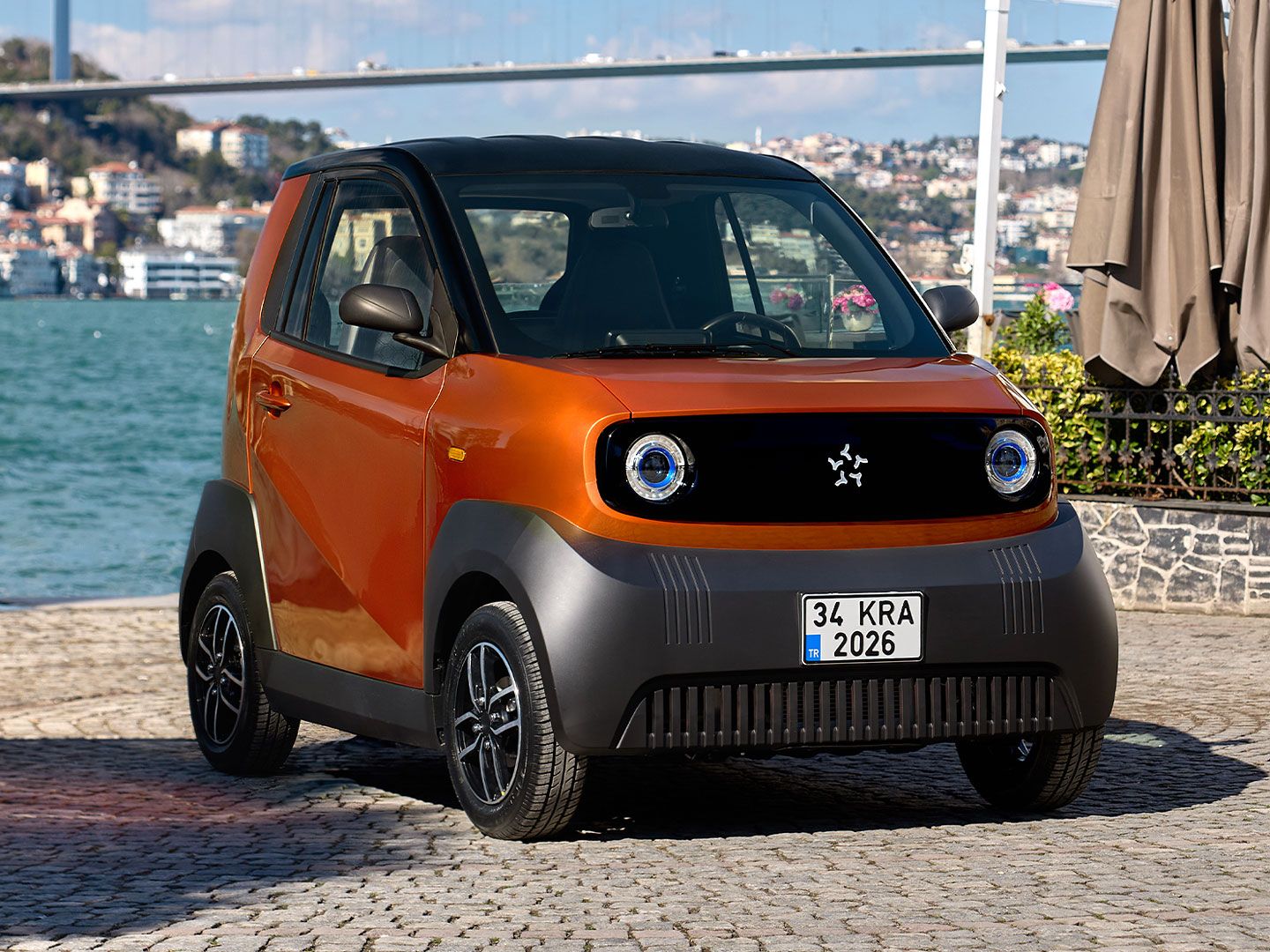
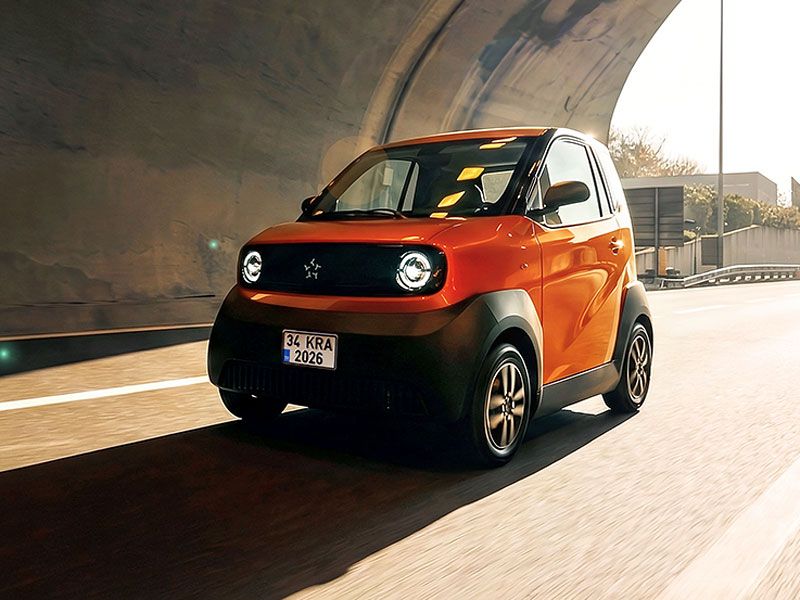
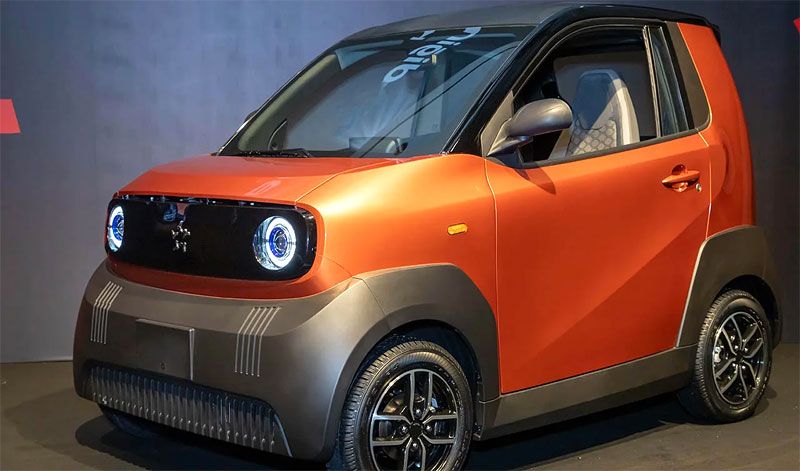
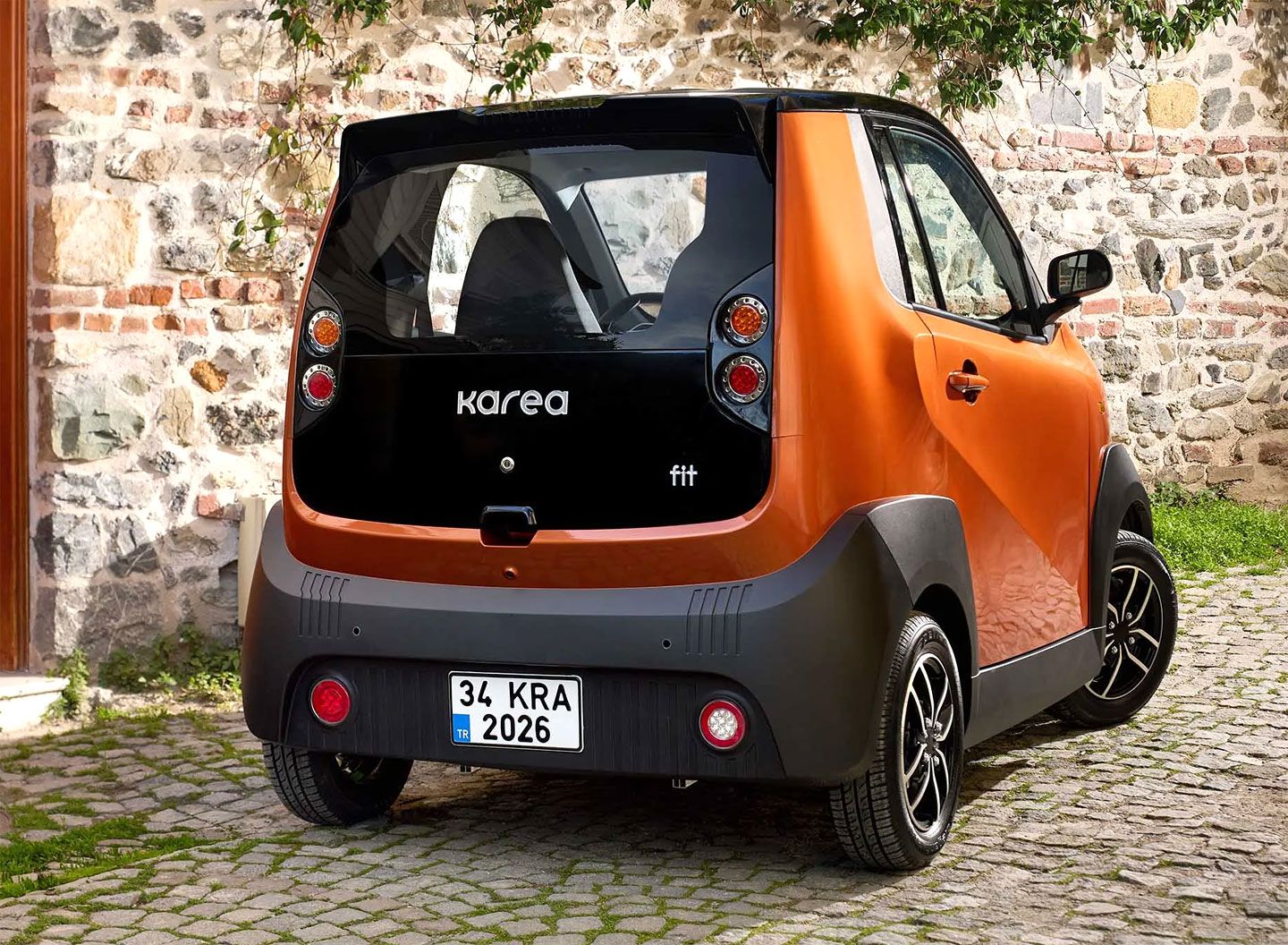
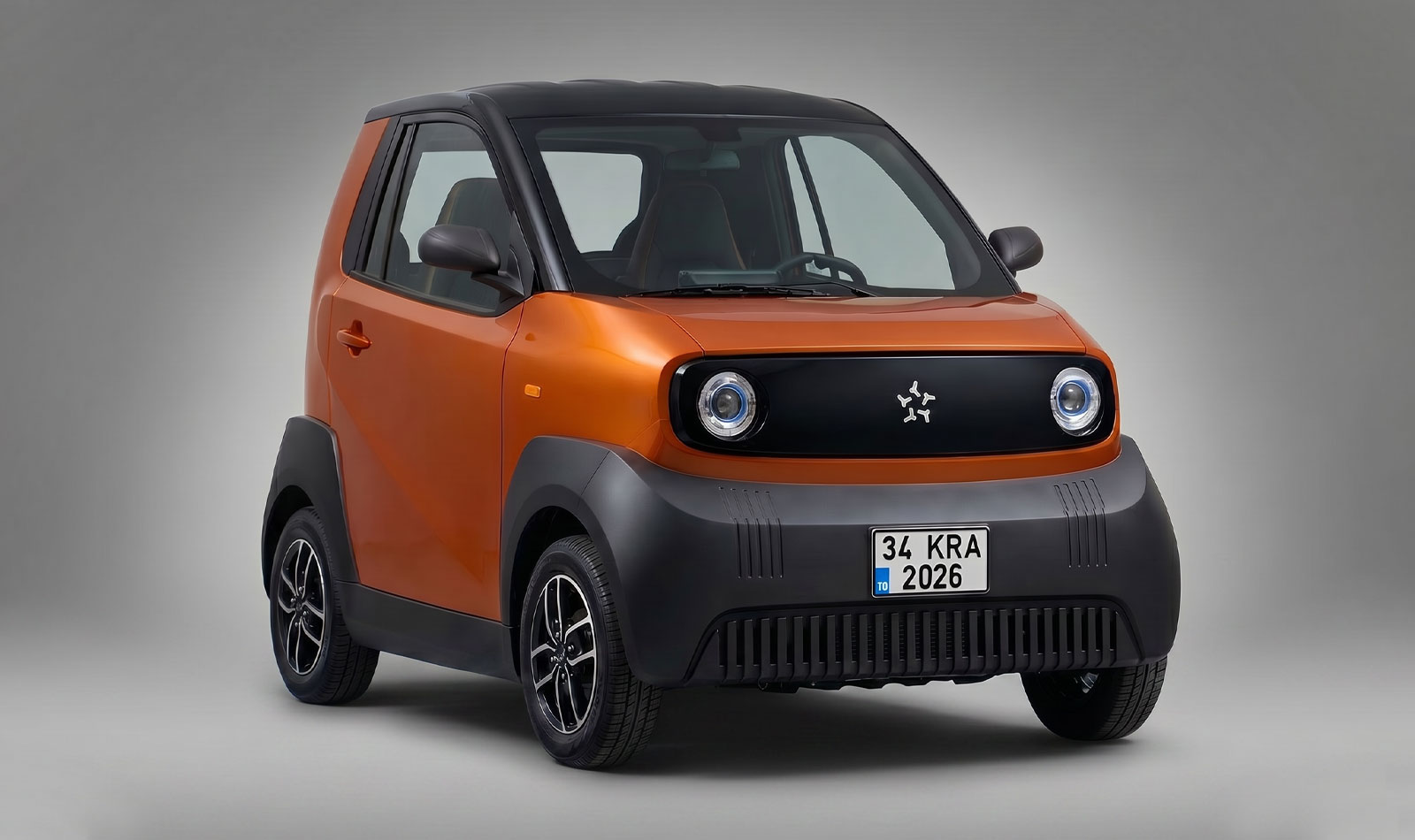
Turkey hasn’t made much of a mark in automotive history with its own brands so far, but it aims to change that in the electric era. Following the Togg project, a much smaller vehicle has now appeared — the Karea Fit, essentially a domestic counterpart to the Smart Fortwo.
While small electric city cars, often just two-door models, are among the best-selling categories in China today, they remain on the fringes of interest in Europe. Even Smart, once their biggest advocate, now sells large SUVs, with a new Fortwo still on the way. Chinese microcars are filling the gap, but at significantly higher prices than in their home market.
A Turkish solution came this year from Karel Kalıp, a company specializing in the design and production of plastic injection molds for the automotive industry. That alone was no longer enough, so it launched its own car brand, Karea, leveraging its manufacturing expertise. Its first model is a tiny electric vehicle with a plastic body.
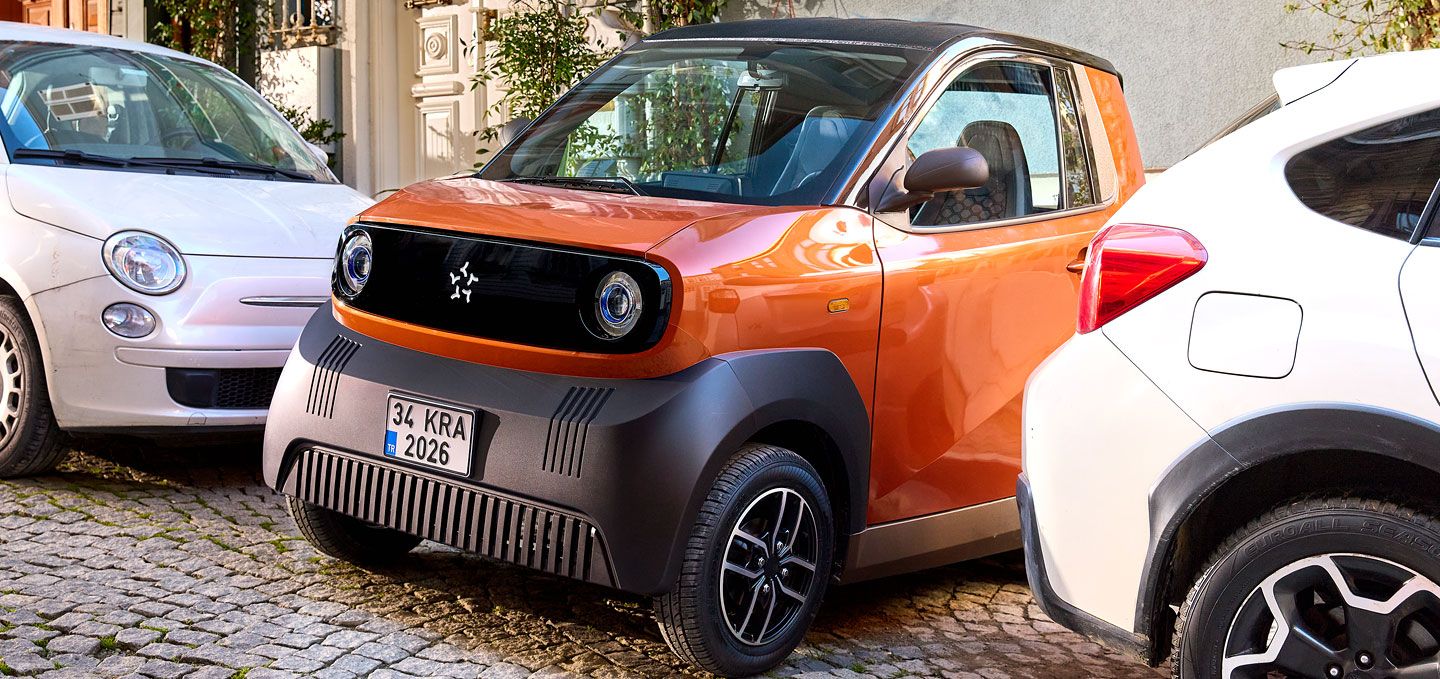
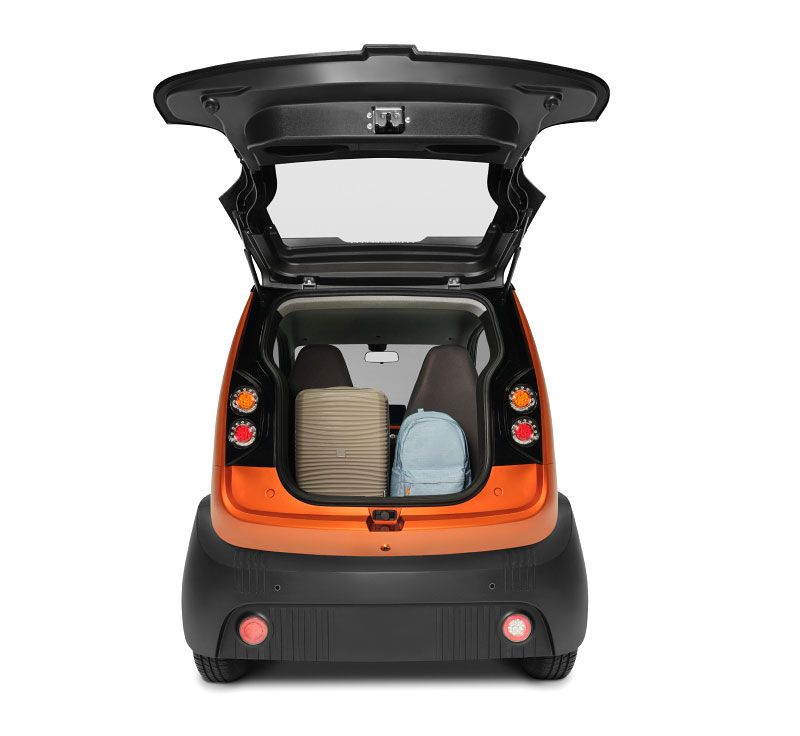
The Karea Fit is not a fully fledged car, as it falls into the L7e category (heavy quadricycles), meaning it sits somewhere between a motorcycle and a conventional car — similar to vehicles like the Microlino or the Renault-backed Mobilize Duo. The advantage is that it doesn’t have to meet the strict requirements imposed on full-size cars, making it more affordable.

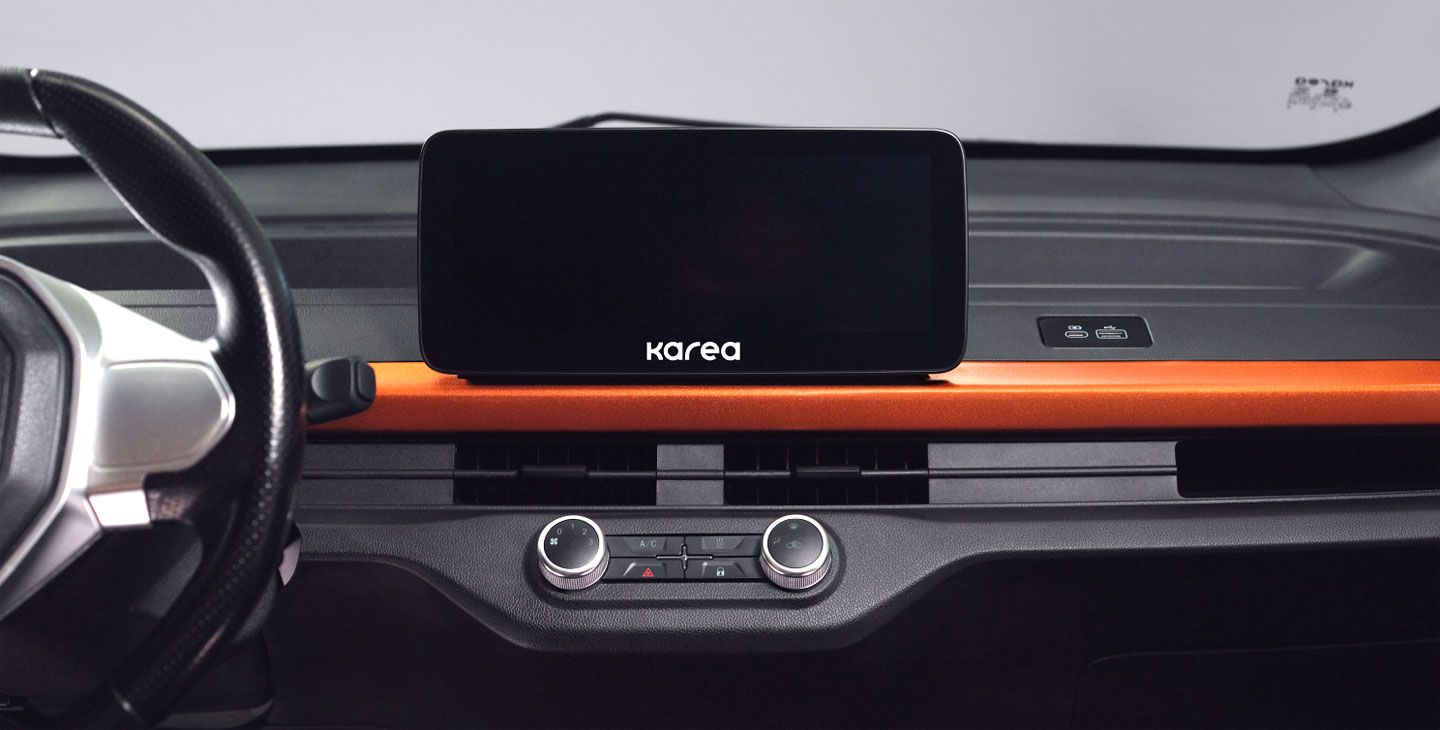
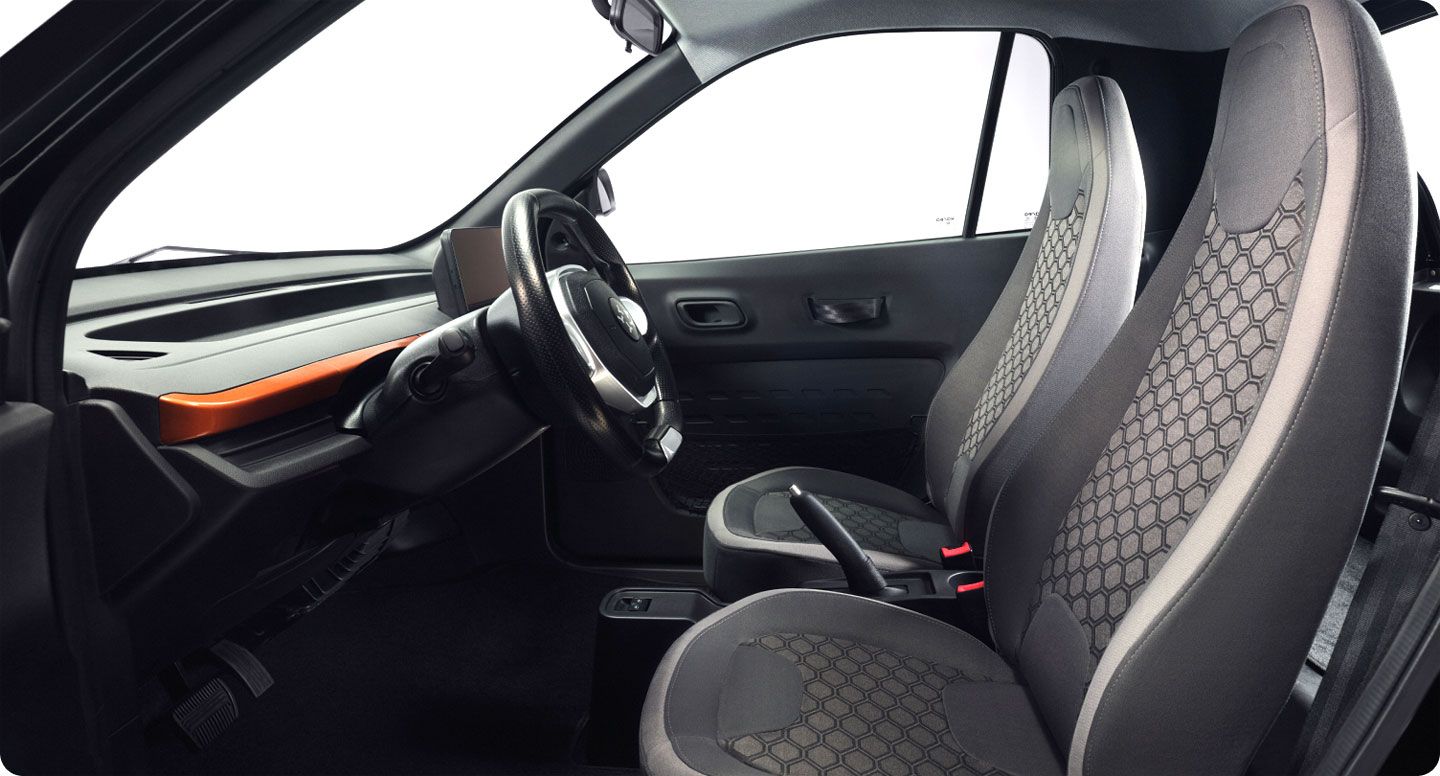
Karea claims the vehicle is fully developed in Turkey, although it admits that about 34% of its components are locally sourced. It likely has its roots in one of many Chinese platforms, but it’s not just a simple rebadge. The body is designed and manufactured in Turkey, while the interior closely resembles typical Chinese competitors from brands like Wuling, BAW, Chery, or Baojun.
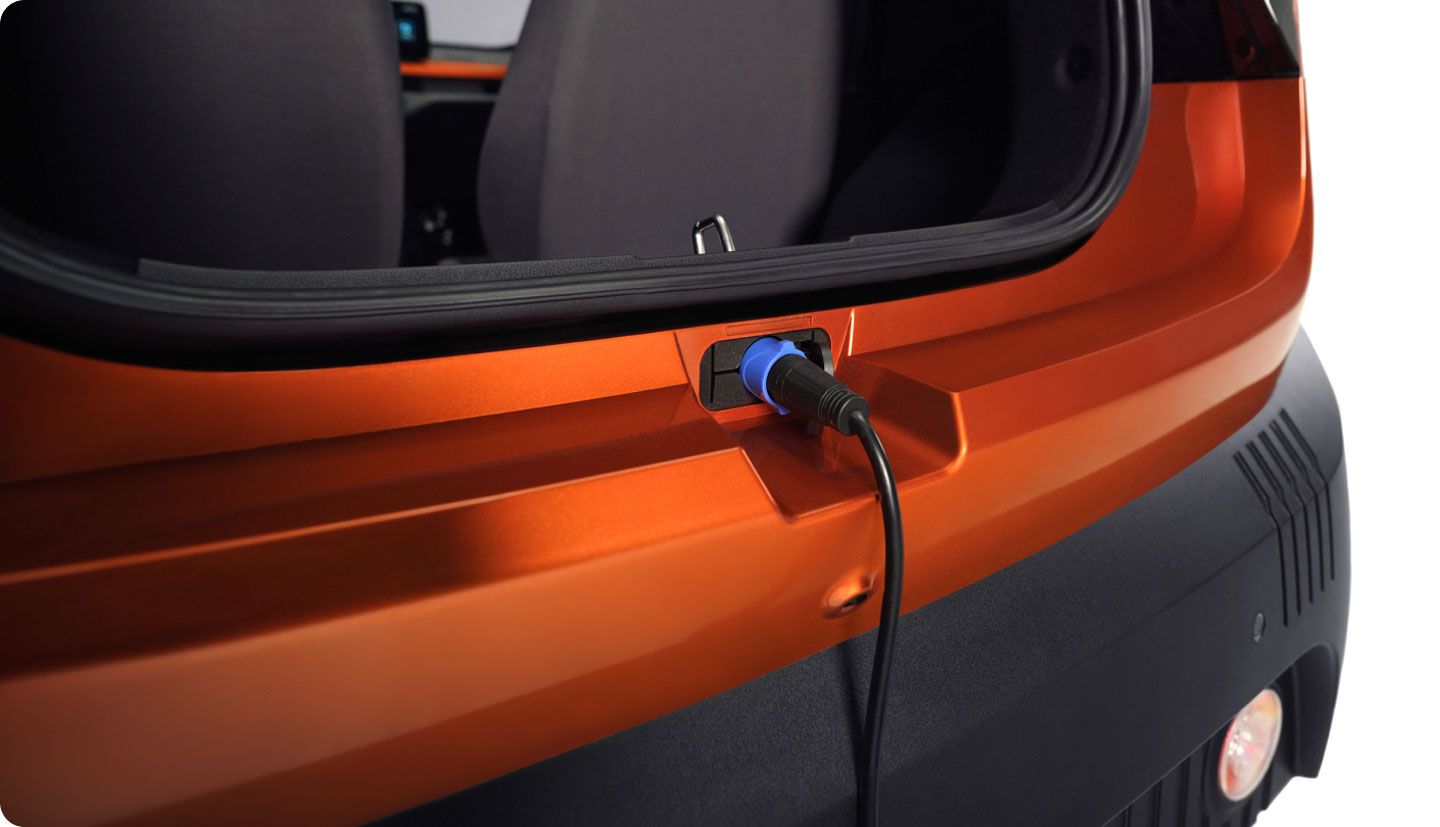
Measuring just 2,631 mm in length, the car uses a 12 kW electric motor driving the rear wheels. It accelerates to a city speed of 50 km/h in six seconds and reaches a top speed of 90 km/h. The LFP battery has a capacity of 9.98 kWh, and the 540 kg vehicle is claimed to travel up to 135 km on a single charge. DC fast charging is not supported, so it relies on single-phase AC charging at up to 3.3 kW.
Project leader Refik Diri stated at the launch that public transport alone is not enough to solve traffic problems, regardless of how well cities are organized. He also noted that younger generations are less interested in owning cars and are more focused on solving mobility issues. According to him, there is almost no offering in Turkey in the price range of 600,000 to 700,000 lira, which is the gap this vehicle aims to fill.
The car fits into that gap quite tightly, with a starting price of 699,000 Turkish lira. This is an introductory price, meaning the standard price will be higher, but by local standards it remains relatively affordable.

Cars in Turkey are very expensive due to a combination of heavy taxation and protective trade policies affecting both combustion and electric vehicles. The main tool is a special consumption tax (ÖTV), ranging from 45% to 80% for regular cars and reaching up to 220% for luxury models with engines over 2.0 liters. On top of that, a standard 20% VAT is applied, often resulting in taxes exceeding the value of the vehicle itself.
Electric cars do benefit from lower tax rates starting at 10%, but these are strictly tied to power output and price in a way that favors the domestic brand Togg. Imported EVs are also subject to an additional 40% tariff.
Although Turkey is among the world’s largest car producers — ranking 13th in 2024, just behind the Czech Republic — it has struggled with its own brands. After the early Devrim project in the 1960s failed to reach mass production, the only notable success came later that decade with Anadol, which used British Reliant underpinnings and Ford engines but featured locally designed fiberglass bodies. Production remained limited, with just over 100,000 units built in total before the brand disappeared in 1991.
Another attempt came in 2018 with Togg, initiated by President Erdoğan. From the start, the company focused exclusively on electric vehicles. It originally planned to use a licensed Saab platform but ultimately developed its own technology. Its first model, the T10X, is already on sale in Turkey, with the T10F sedan to follow, and both are expected to enter the European Union market this year.