Mazda London Taxi

Mazda’s 1993 London Taxi was a small, experimental taxi concept created by designers and engineers working with the Royal College of Art in London, with assistance from Mazda rather than as a fully official in‑house Mazda show car.
It explored how a radically compact, highly space‑efficient vehicle might function as a city taxi in a future where road space was severely limited.
The London Taxi concept emerged from a collaboration between a design team and the London Royal College of Art in 1993, with Mazda providing technical support and helping to build the prototype.
It was not a mainstream motor‑show star; in fact, contemporary reports note that it was never displayed at a major auto salon, which helped it remain obscure even among concept‑car enthusiasts. Mazda has later described it as being “20 years ahead of its time,” highlighting how unconventional the proposal was compared with early‑1990s production taxis.
The project brief assumed a future London where road space was so constrained that only very small vehicles could operate efficiently as taxis. In response, the concept adopted an ultra‑compact footprint and a narrow body, sacrificing the multi‑passenger capability of traditional London black cabs in favor of minimal space usage. The result was a vehicle closer in spirit to a modern urban pod or micro‑shuttle than a conventional saloon‑based taxi.

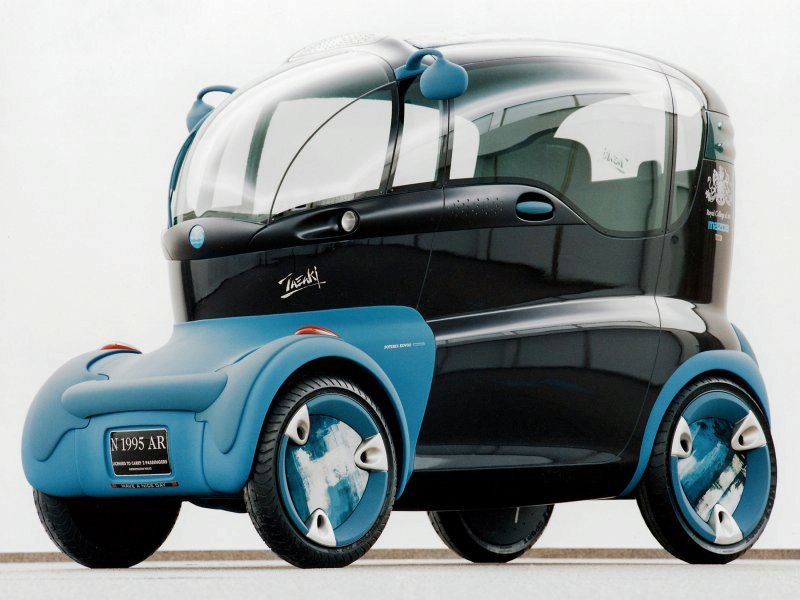
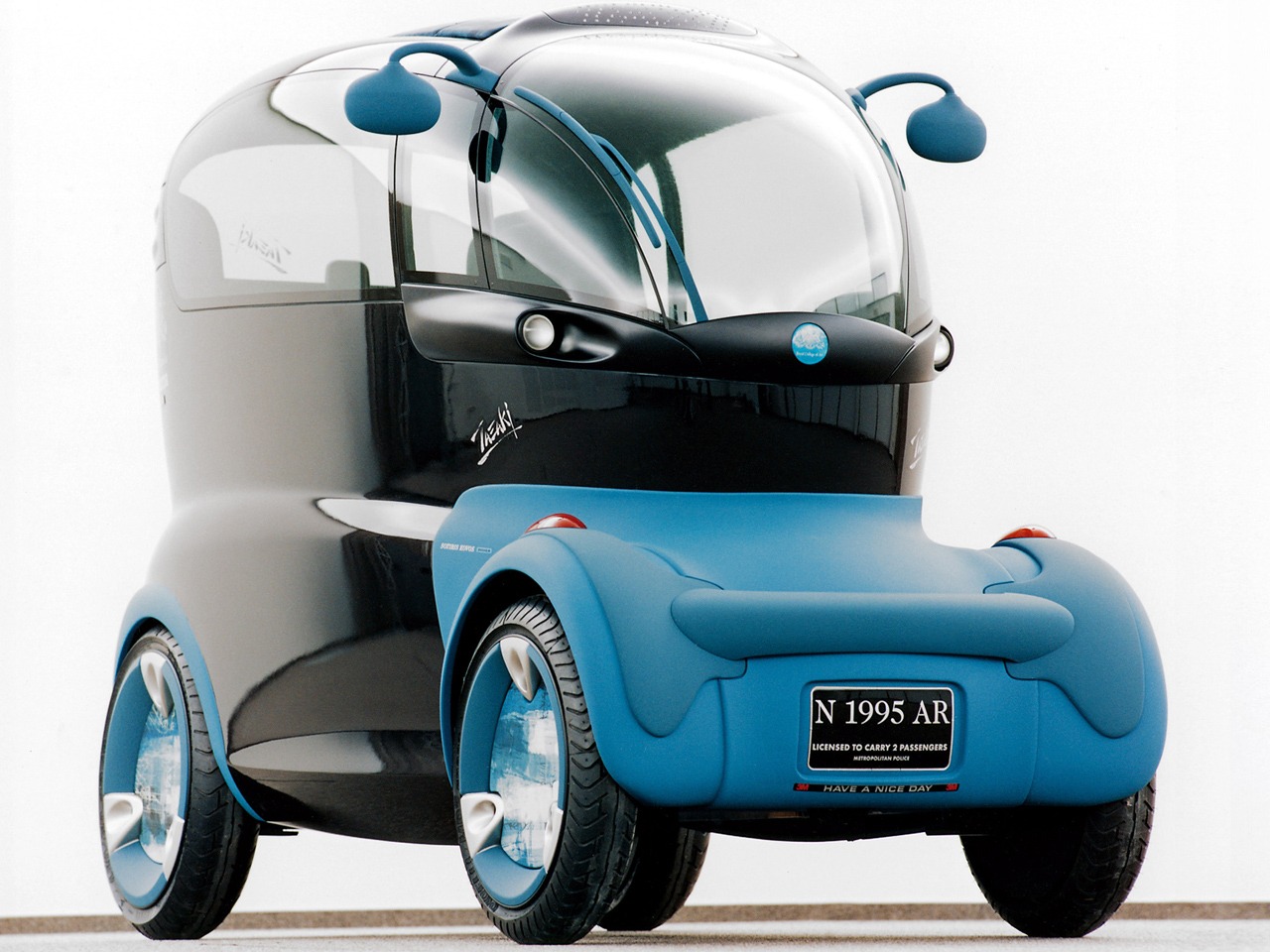
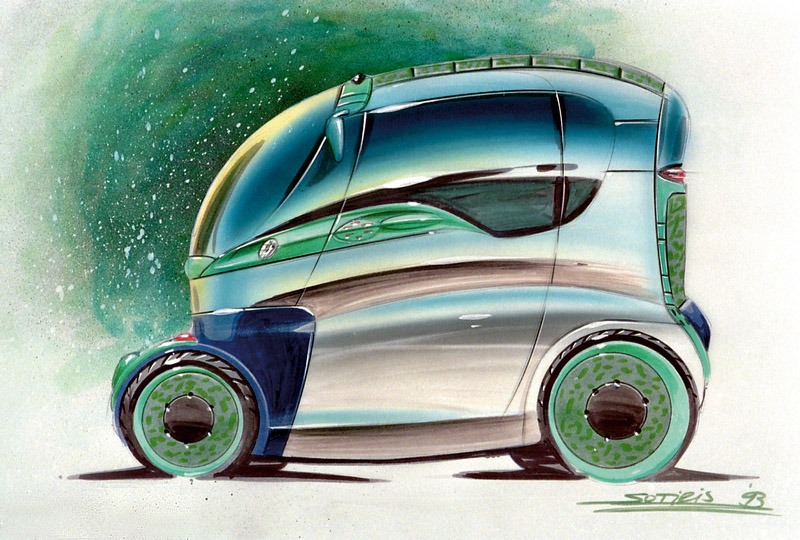
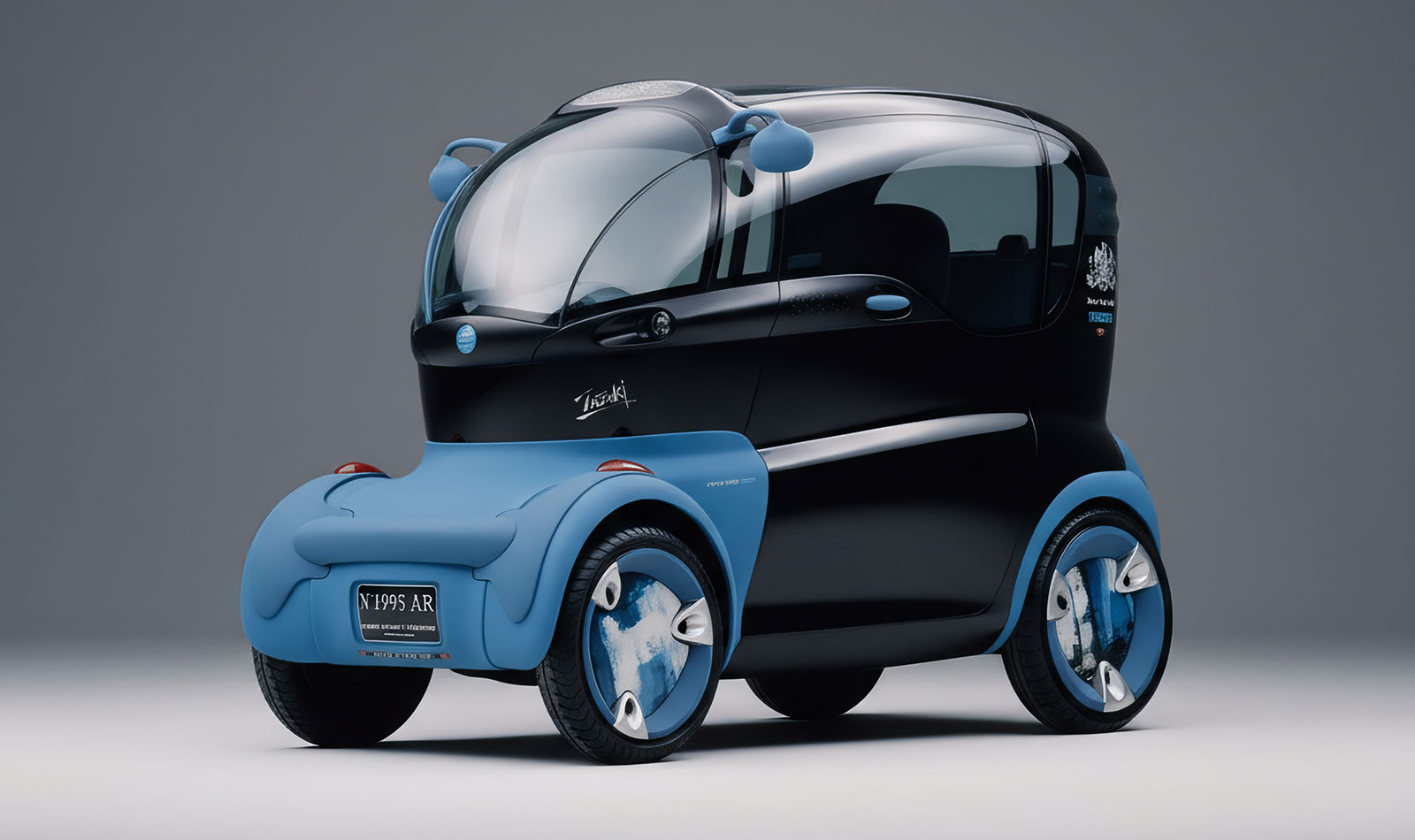
Visually, the 1993 Mazda‑assisted London Taxi looked like a futuristic, track‑pod‑shaped mini‑car rather than a scaled‑down version of an FX4‑style cab. The body was tall and relatively short in length, emphasizing vertical packaging and a compact footprint over classic three‑box proportions.
Period descriptions emphasize its smooth, “pod‑like” volumes and functional stance, underlining that it was meant more as an urban tool than an exercise in brand styling.
One of the most radical aspects of the London Taxi concept was its seating and capacity decision: the imagined future city allowed space only for the driver and a single passenger. This defied the traditional idea of London taxis as multi‑occupancy vehicles with generous rear legroom and jump seats, and instead framed the taxi as a rapid point‑to‑point shuttle for individuals.
By focusing on just one passenger, the design could minimize overall width and length while still offering a reasonably comfortable seat and luggage space within the constrained pod‑like body.
Detailed technical specifications—such as exact dimensions, engine type, or drivetrain layout—were not widely published, reflecting that the project functioned more as a design and urban‑mobility study than as an engineering prototype.
Given Mazda’s involvement and the early‑1990s timing, the concept likely used a small internal‑combustion power unit or a simple, study‑level drivetrain, but sources do not clearly specify this.