MCC Smart Eco-Sprinter

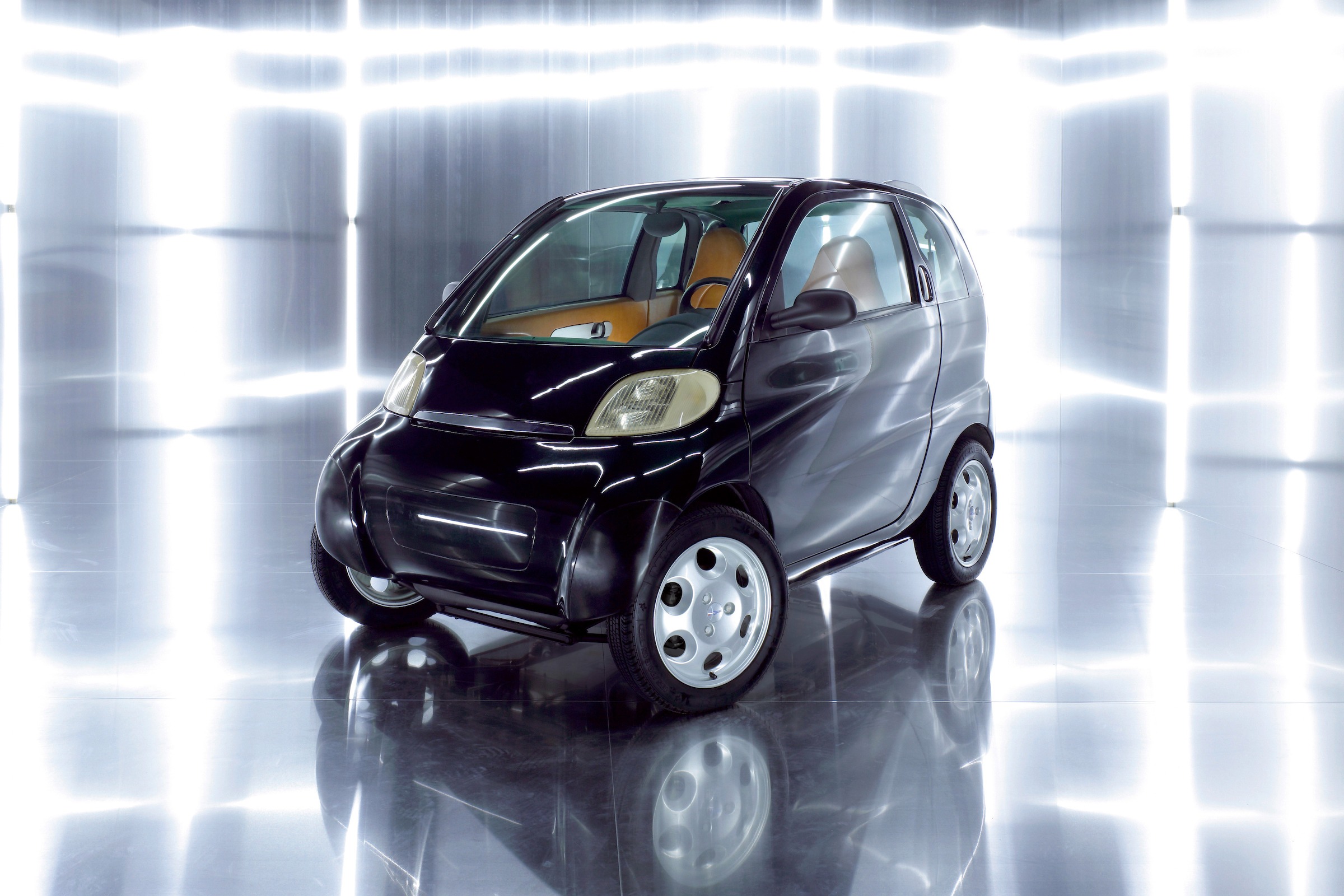
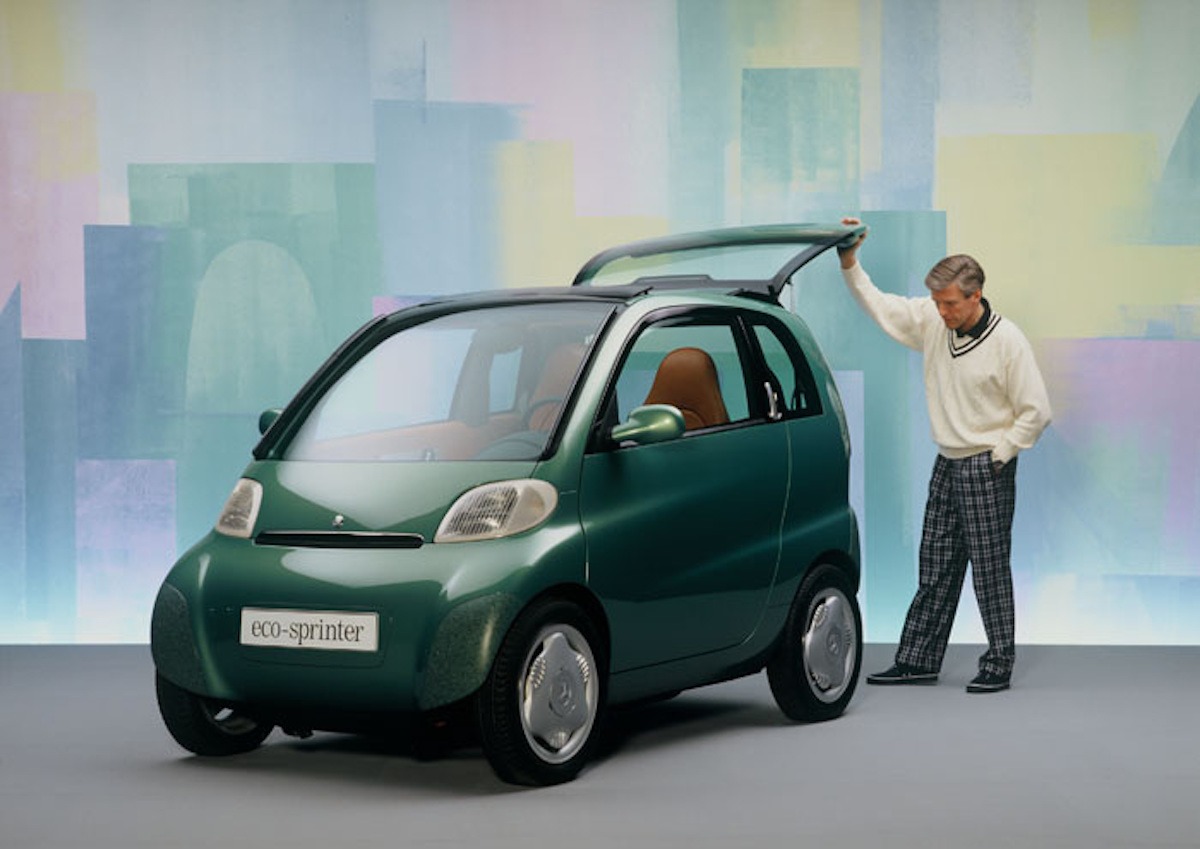
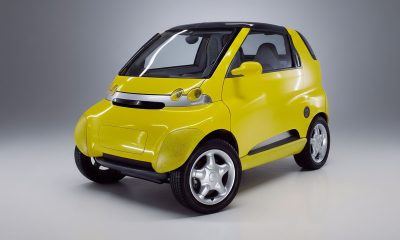
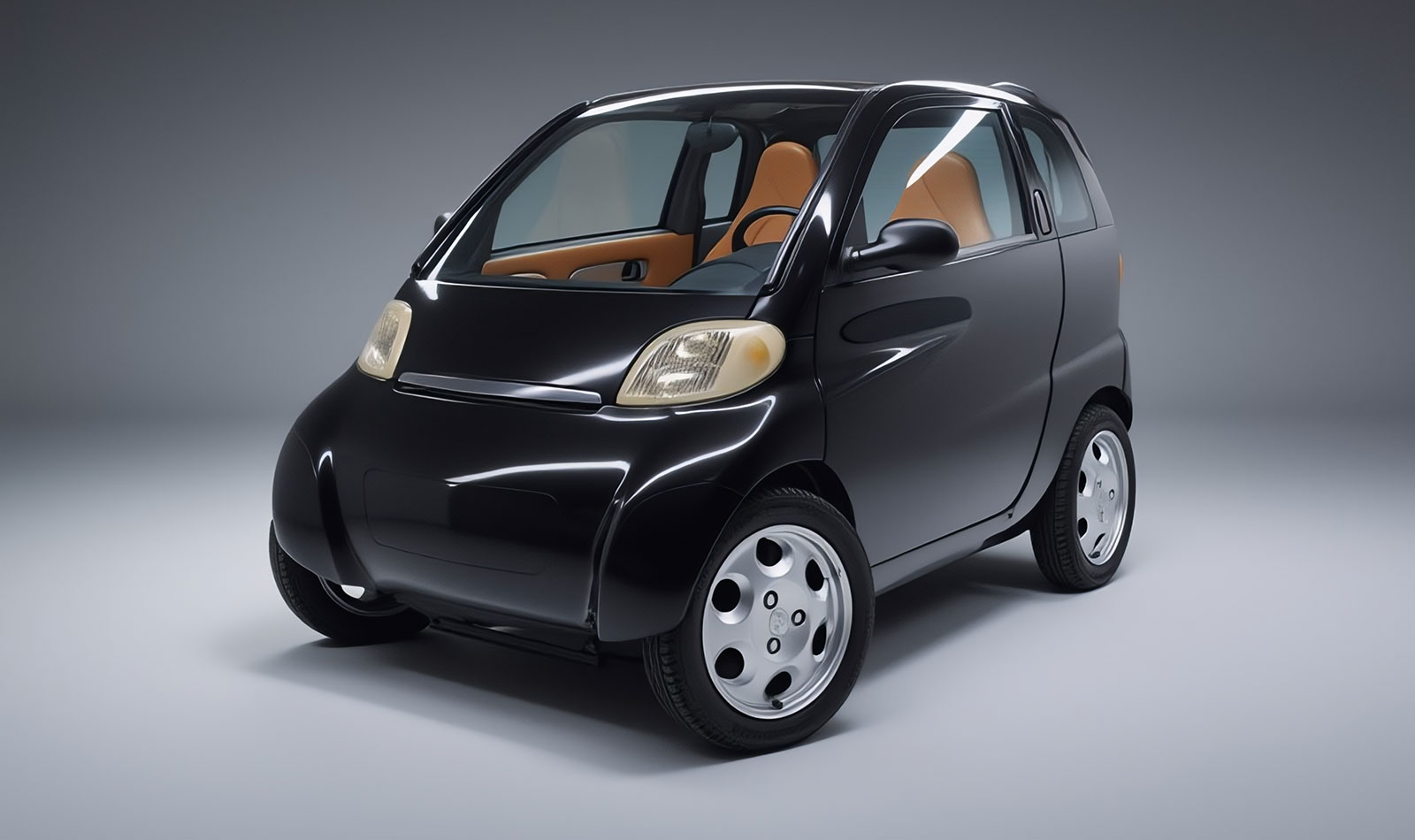
Unveiled alongside the Eco-Speedster in March 1993, the Eco-Sprinter represented the electric vision of MCC’s future urban transport solution.
Developed under the newly formed Micro Compact Car venture between SMH and Daimler-Benz, it showcased how compact electric mobility could work in dense city environments.
Like its petrol-powered sibling, the Eco-Sprinter measured just 2,500 mm in length, but it was slightly narrower at 1,400 mm. Designed as a strict two-seater, it reflected research showing that most city commuters travel alone.
Unlike the rear-wheel-drive petrol Speedster, the Eco-Sprinter used an electric drivetrain driving the front wheels. At the time of its unveiling, MCC remained deliberately vague about the exact technical details of the propulsion system.
What stood out instead was the advanced structural design. The same sandwich-construction chassis ensured impressive crash protection for such a small vehicle. In the electric version, this central safety cell also served as a protected housing for the battery pack.
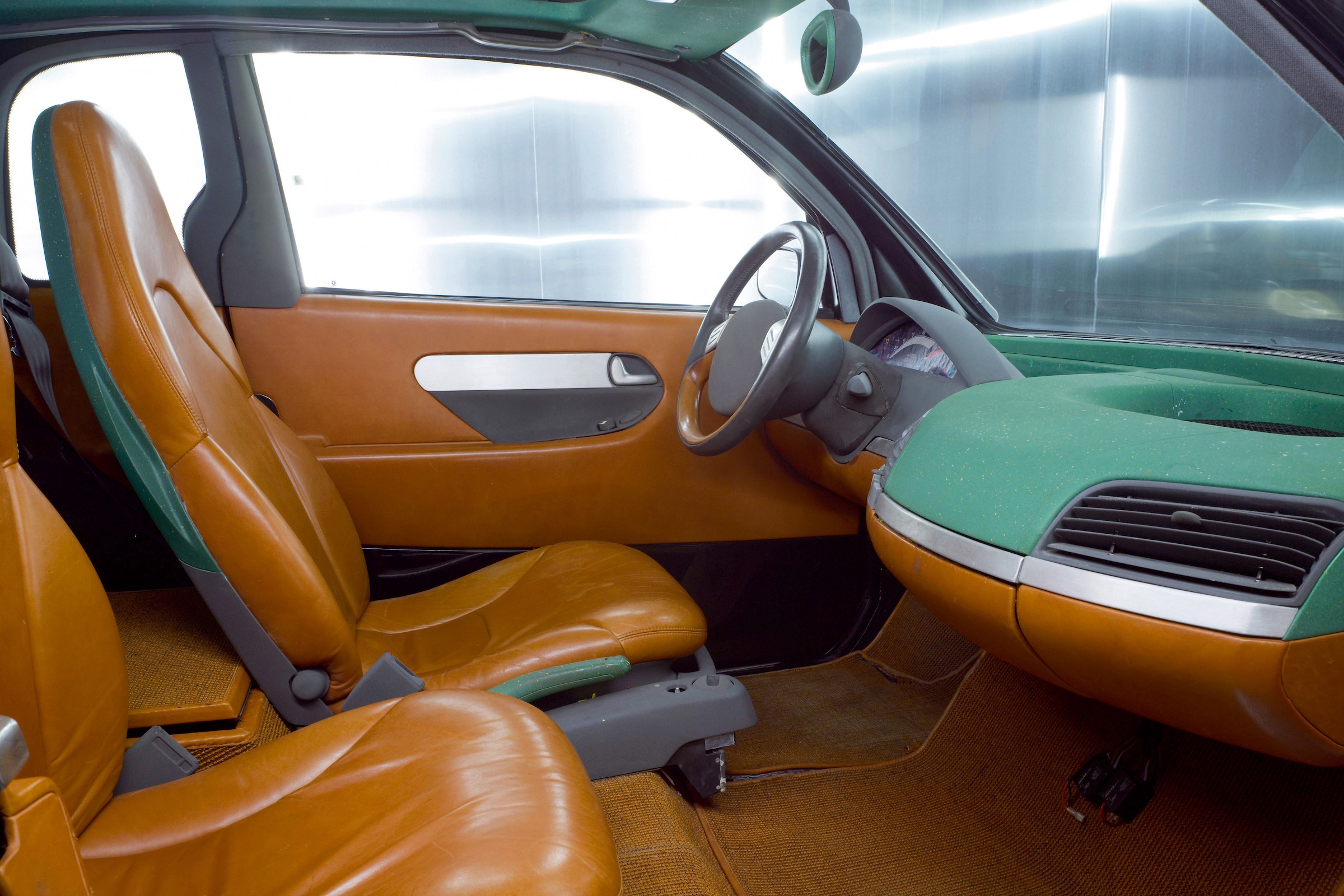
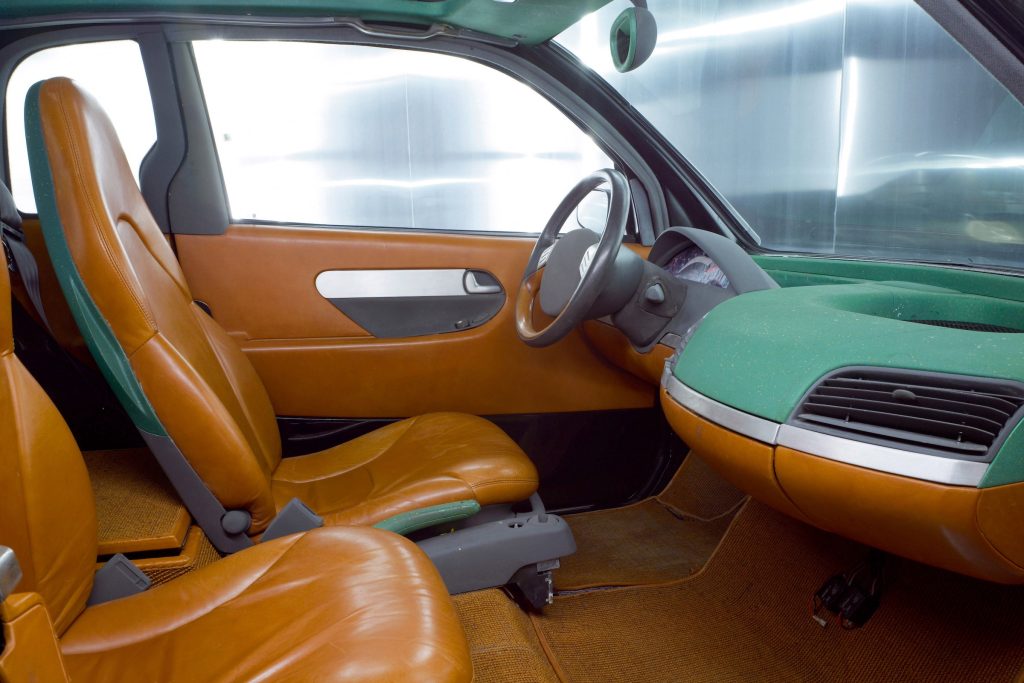
The Eco-Sprinter’s cabin reflected a more premium ambition. Leather trim and brushed aluminum surfaces elevated the interior beyond typical small-car expectations. MCC positioned the Smart as a premium microcar — smaller than most alternatives, yet engineered to a higher standard.
Like the Speedster, the Eco-Sprinter featured the staggered seating layout, with the passenger seat mounted slightly rearward for improved comfort. The high driving position — unusual for such a compact footprint — resulted from the layered floor structure.
Though this configuration would later raise stability concerns, the fundamental ideas introduced by the Eco-Sprinter helped shape one of the most distinctive urban car concepts of the 1990s.