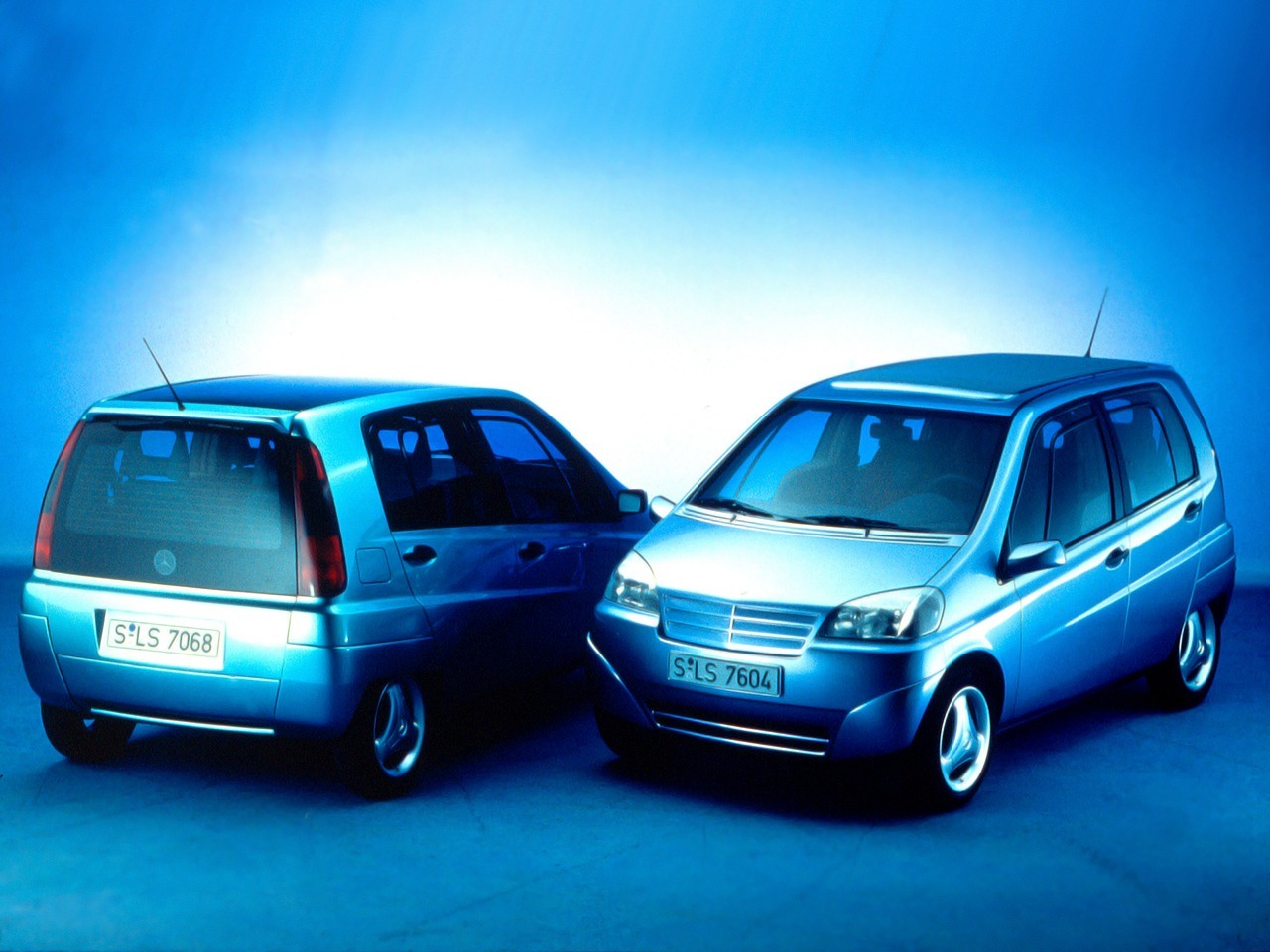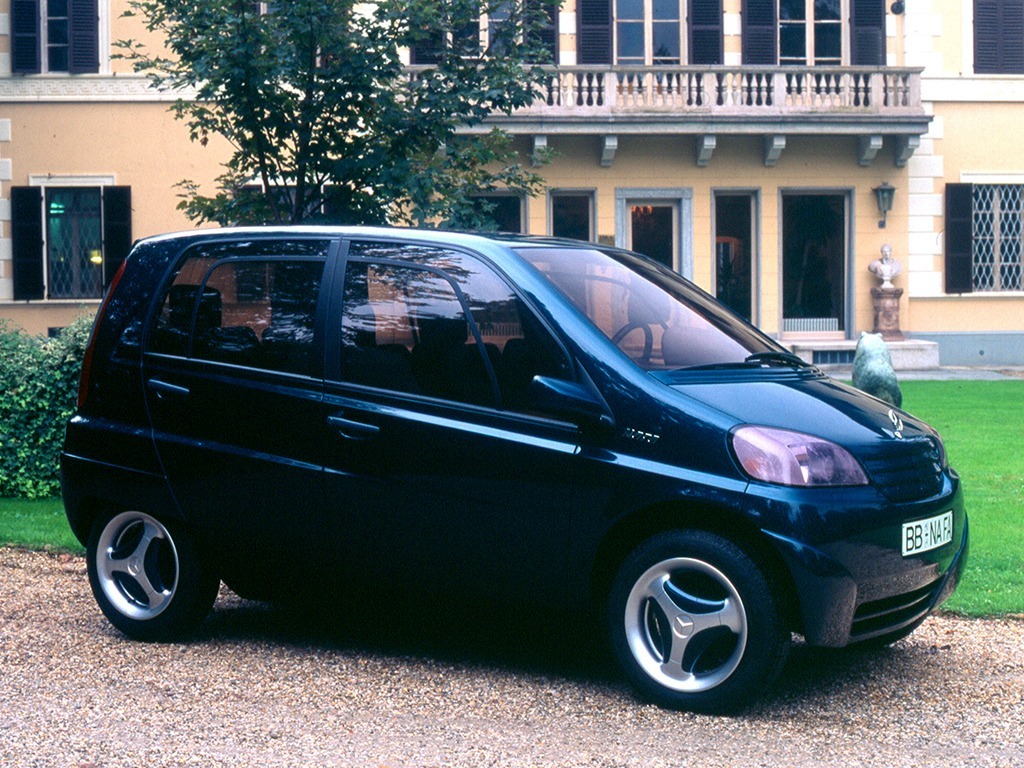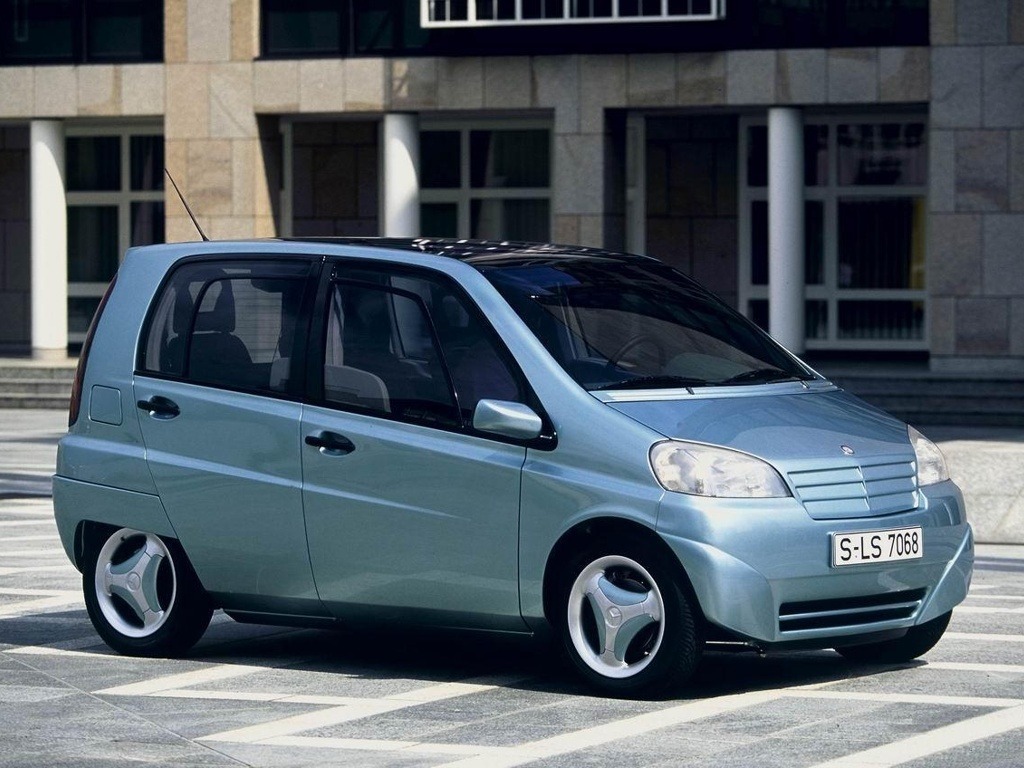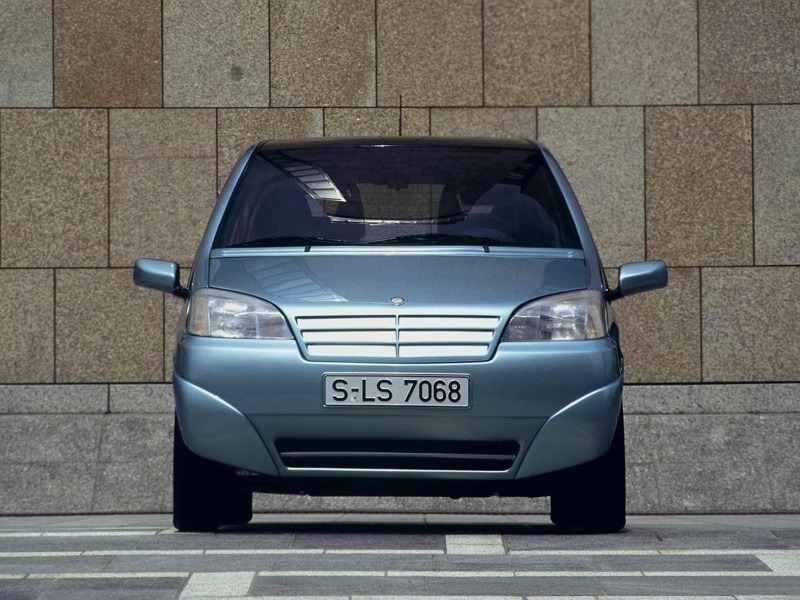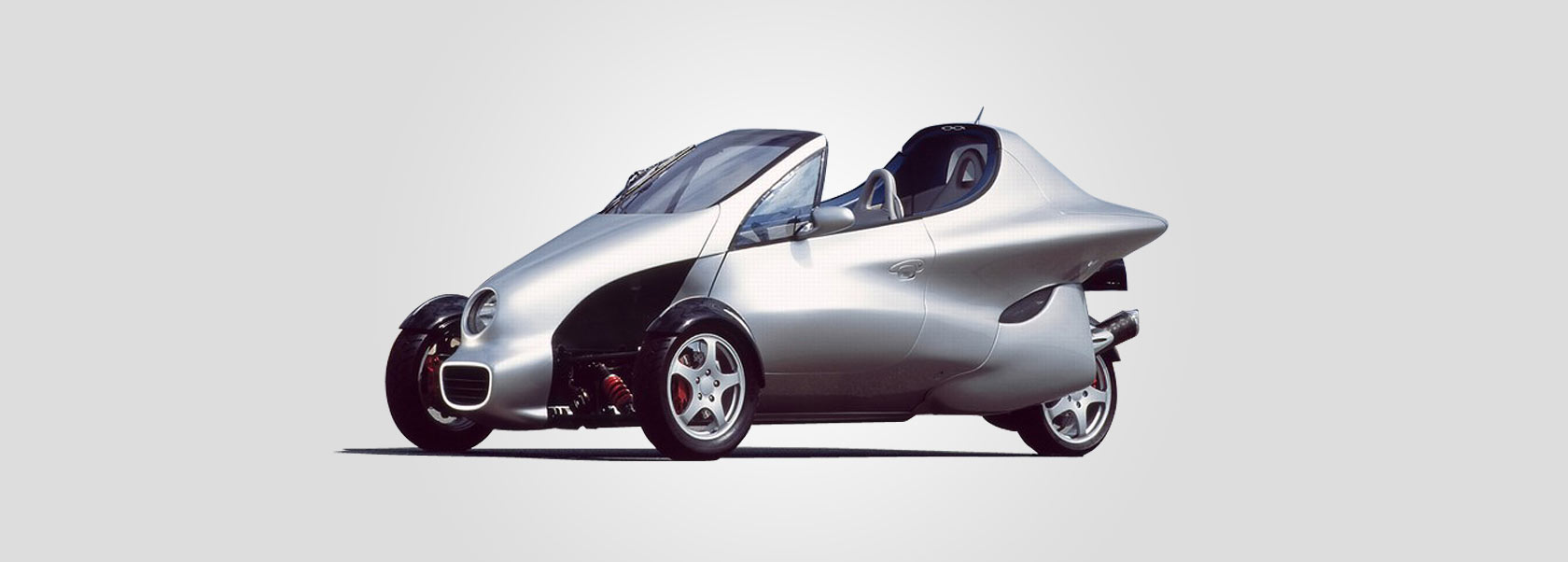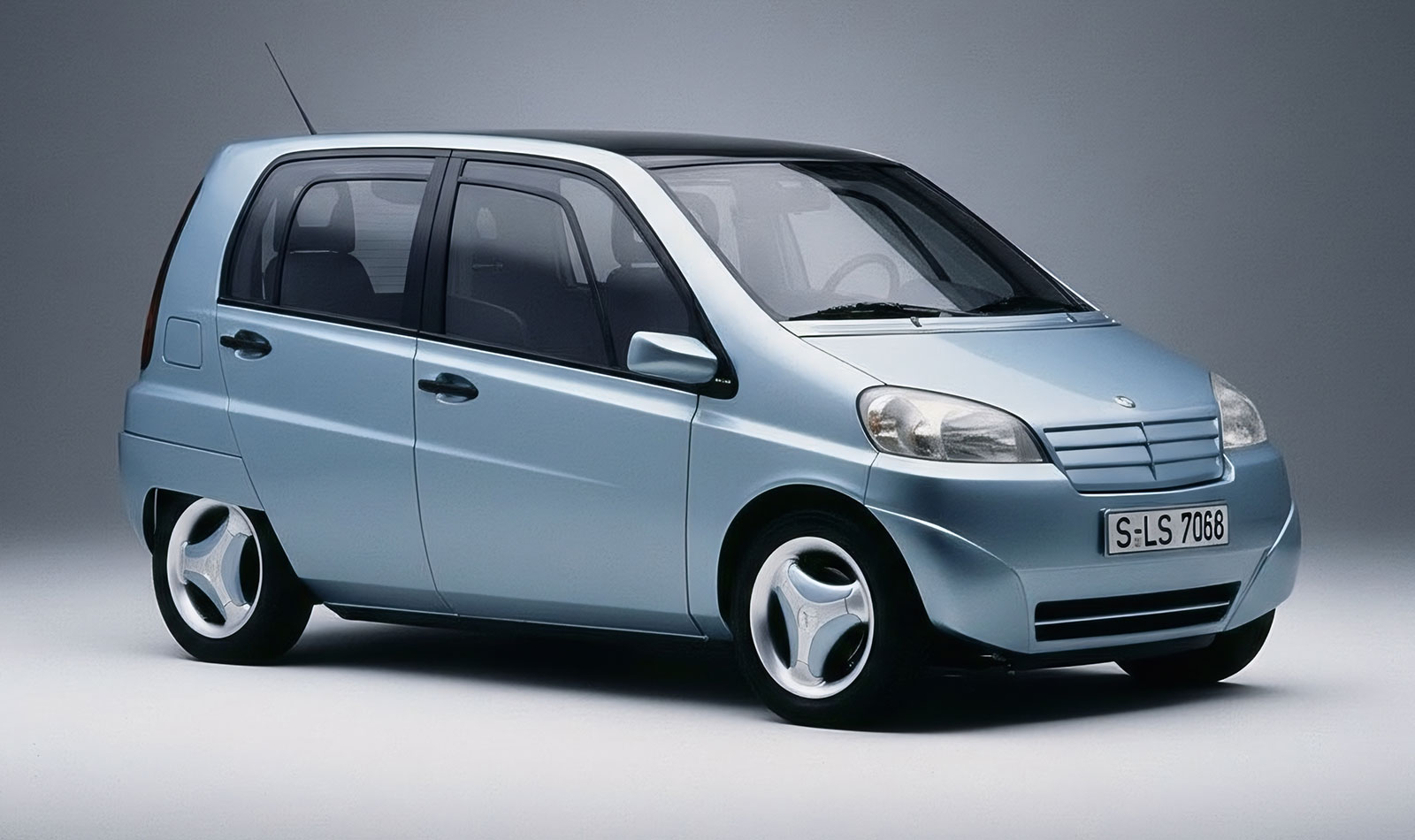
Mercedes-Benz Vision A 93 by I.DE.A

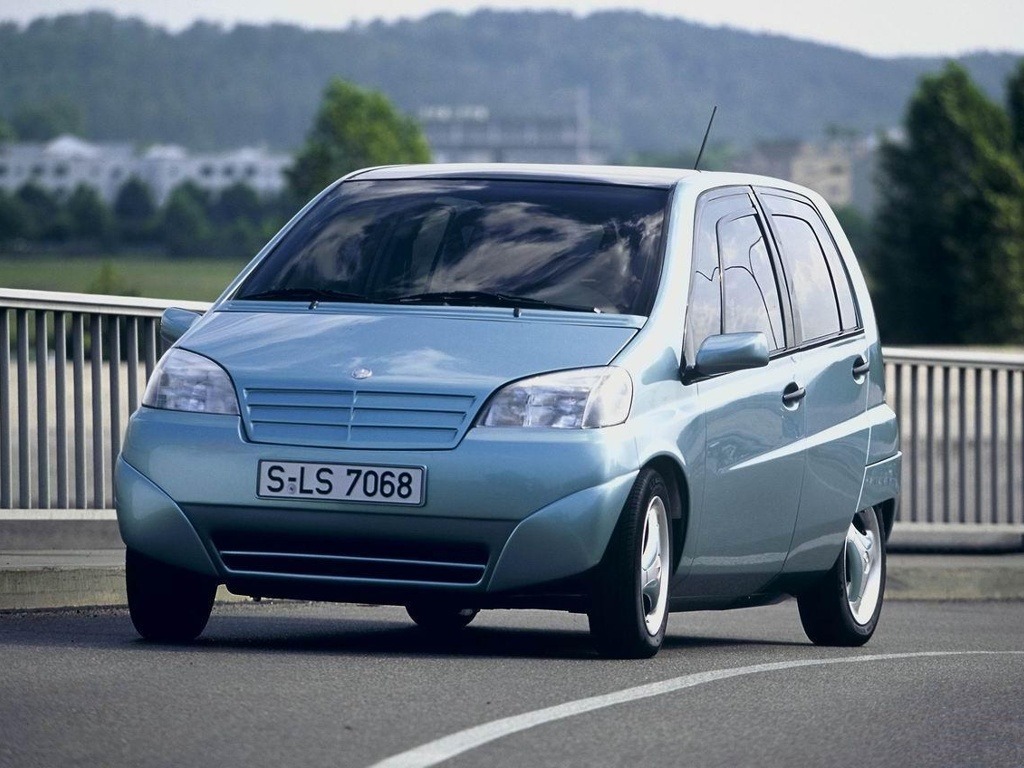
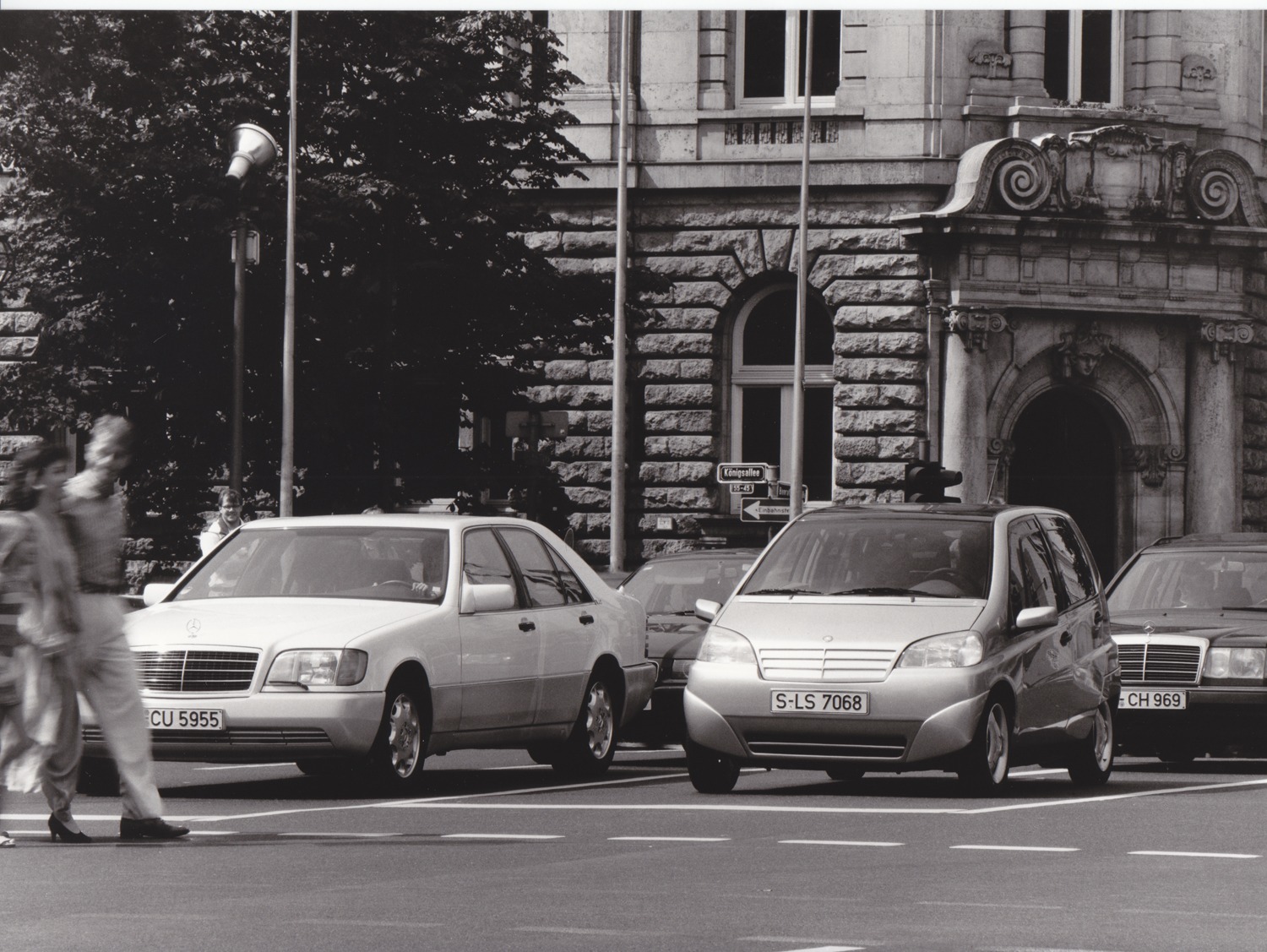
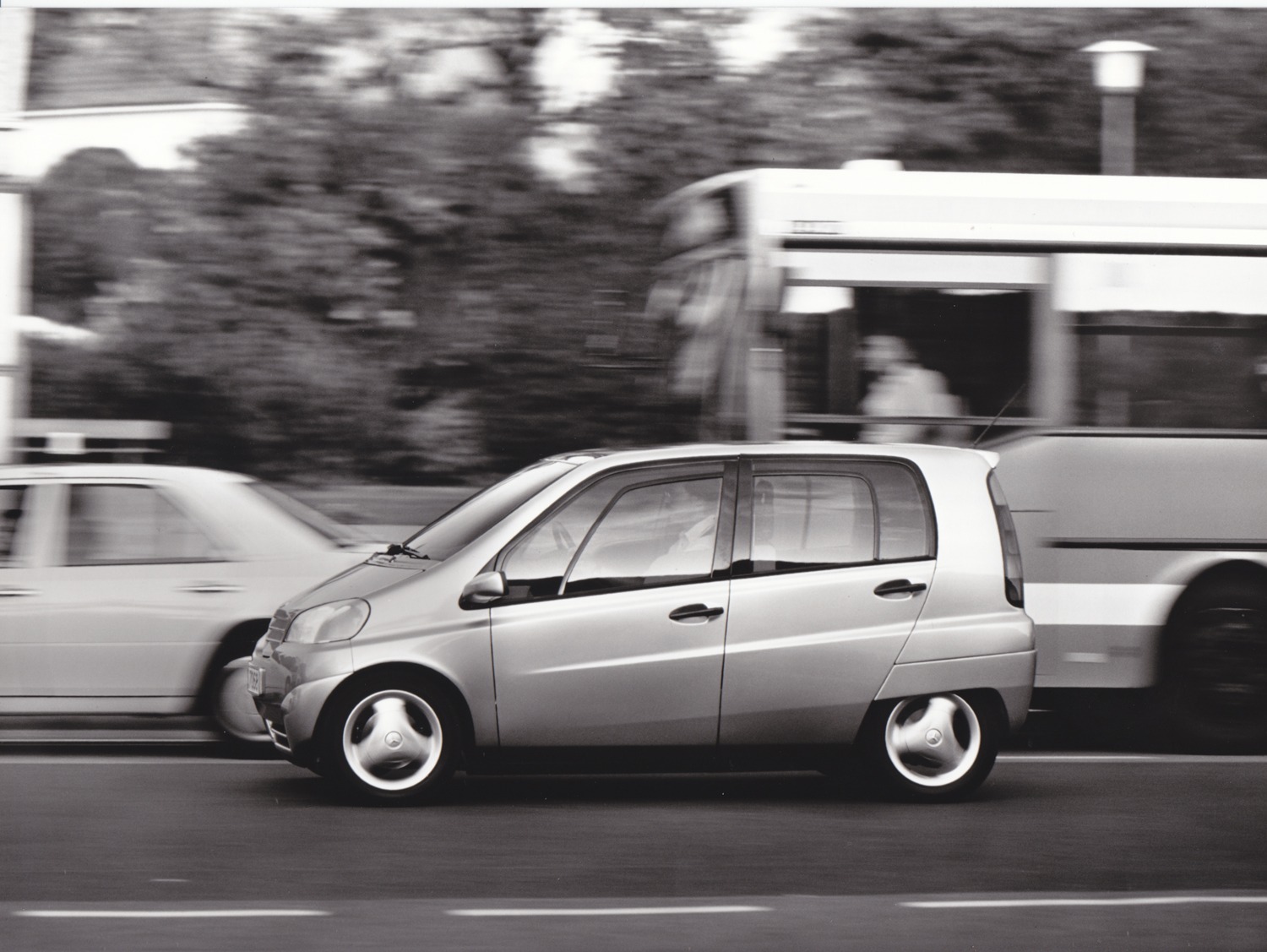
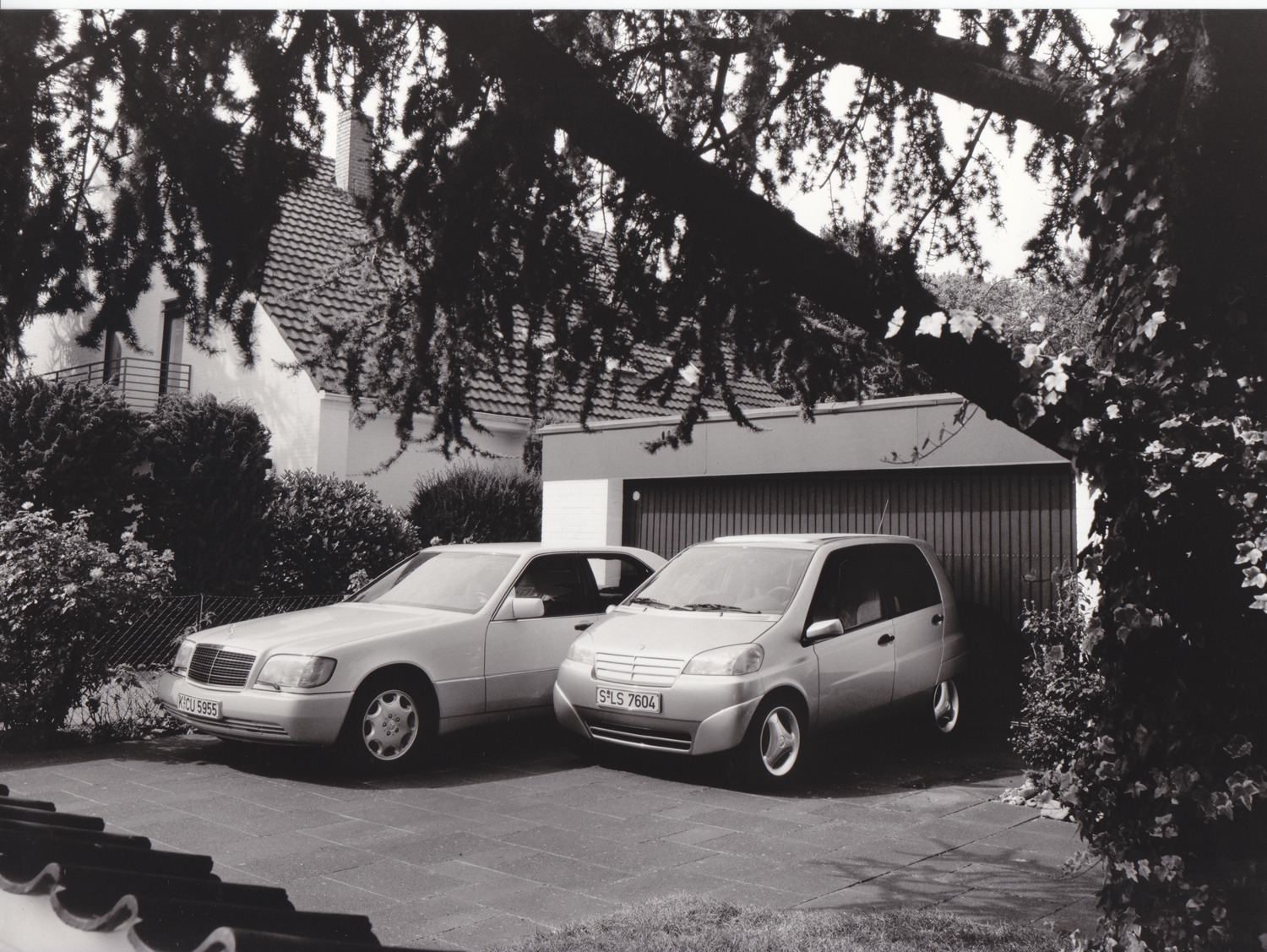
Mercedes-Benz Vision A 93 by I.DE.A was a 1993 compact concept that previewed the future A‑Class and demonstrated how traditional Mercedes qualities of safety, comfort, and innovation could be translated into a very small urban car.
Vision A 93 debuted at the 1993 Frankfurt Motor Show as a near‑production study for a new compact Mercedes model line with front‑wheel drive. Mercedes-Benz developed the overall concept and engineering, while the Italian I.DE.A Institute built and refined two running prototypes (a petrol and a hybrid version) based on Mercedes styling and packaging proposals.
The project followed earlier research vehicles such as the NAFA city car (1982) and the F 100 (1991), extending Mercedes’ exploration of urban and short‑distance mobility. Its core mission was to combine subcompact exterior dimensions with a surprisingly spacious and versatile interior, without compromising on safety.
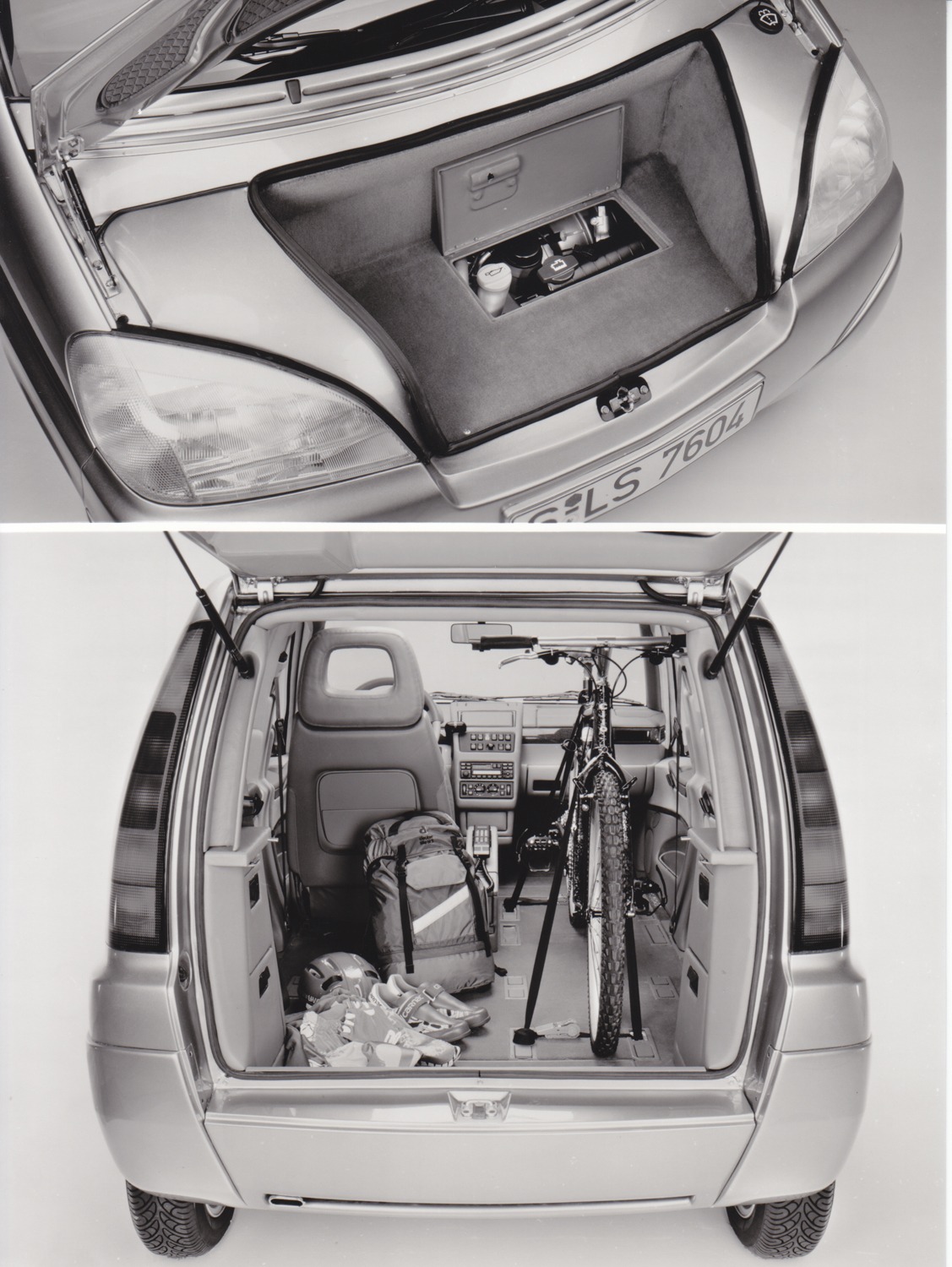
The defining innovation of Vision A 93 was its sandwich floor structure, later adopted in production on the W168 A‑Class. Instead of placing the engine and transmission ahead of the passenger cell, the compact drivetrain sat largely beneath the raised floor, between the axles.
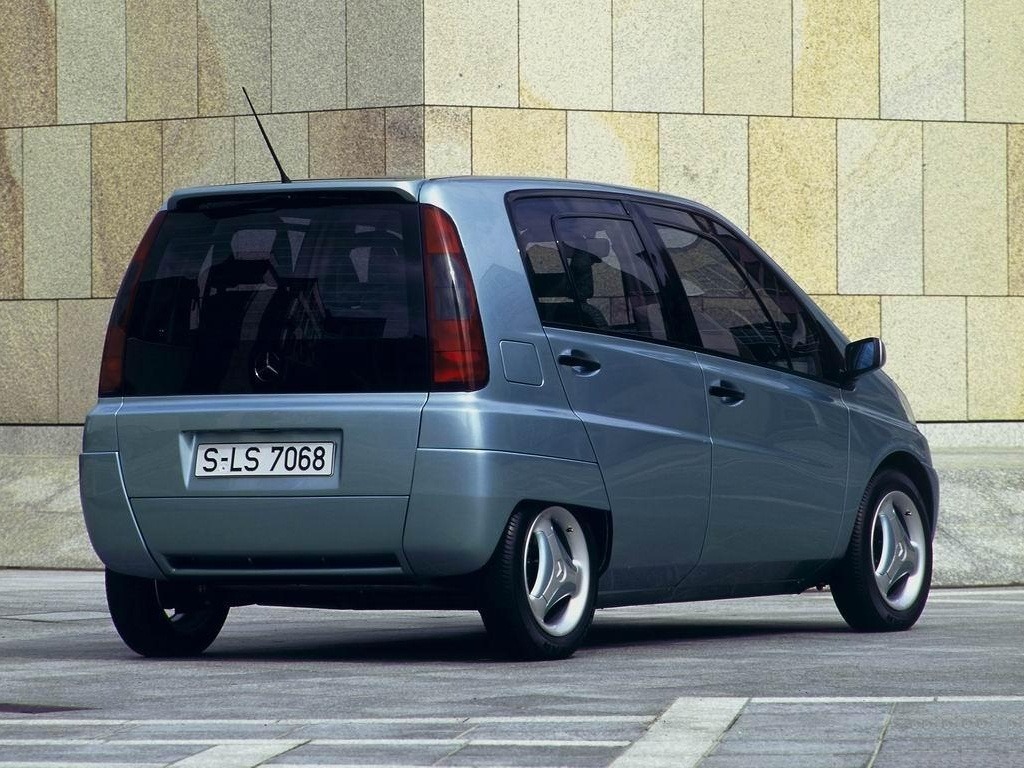
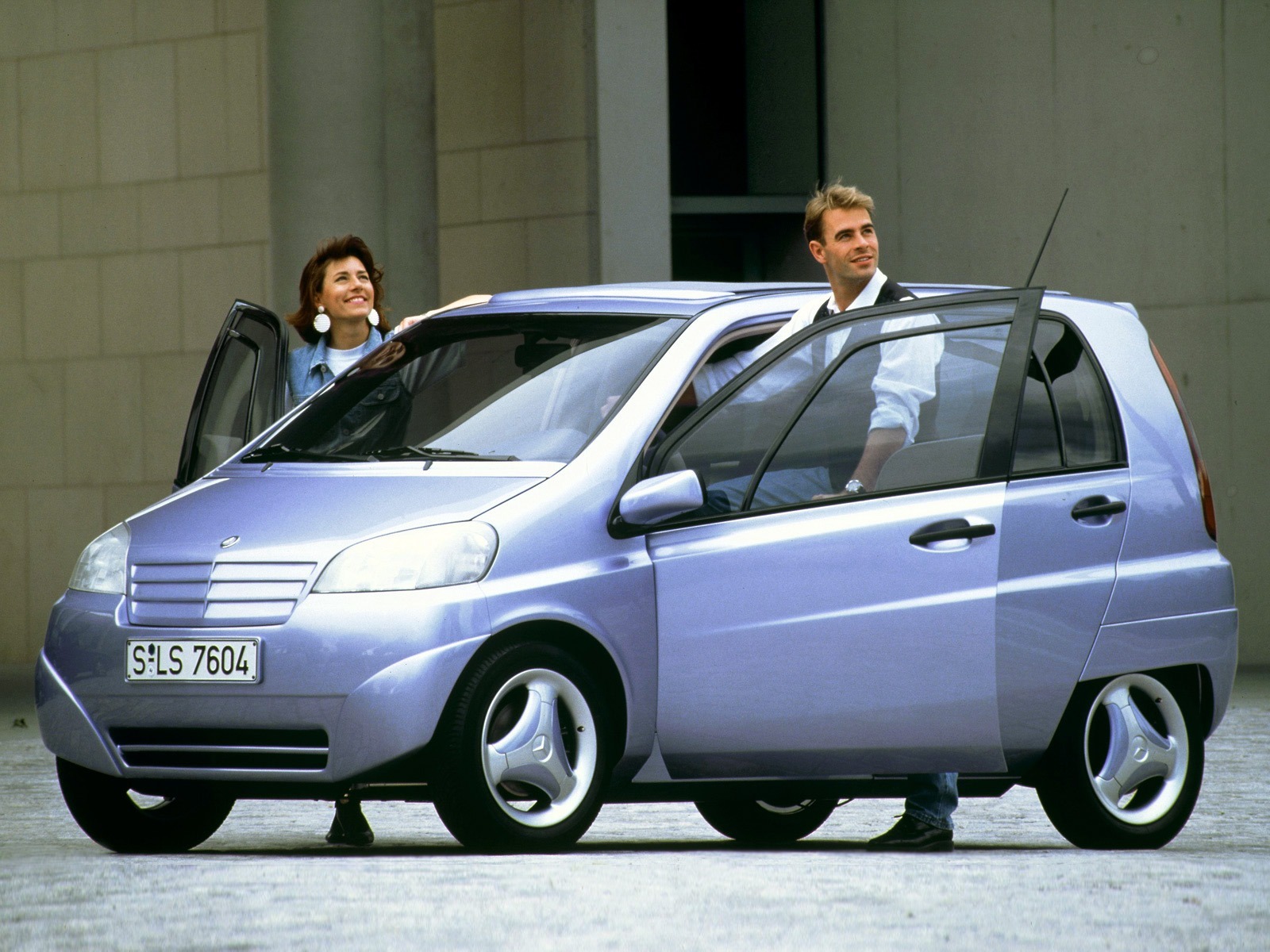
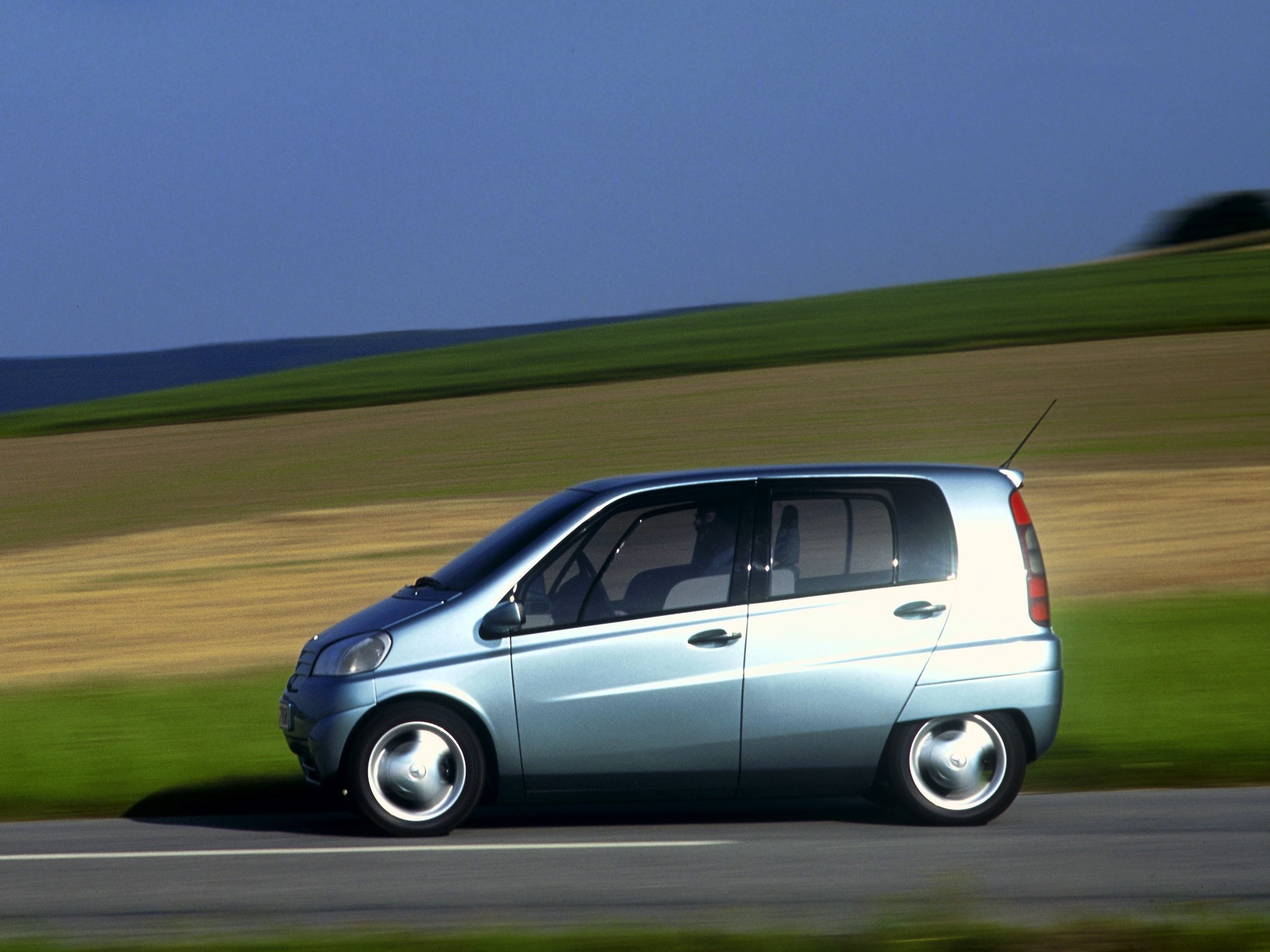
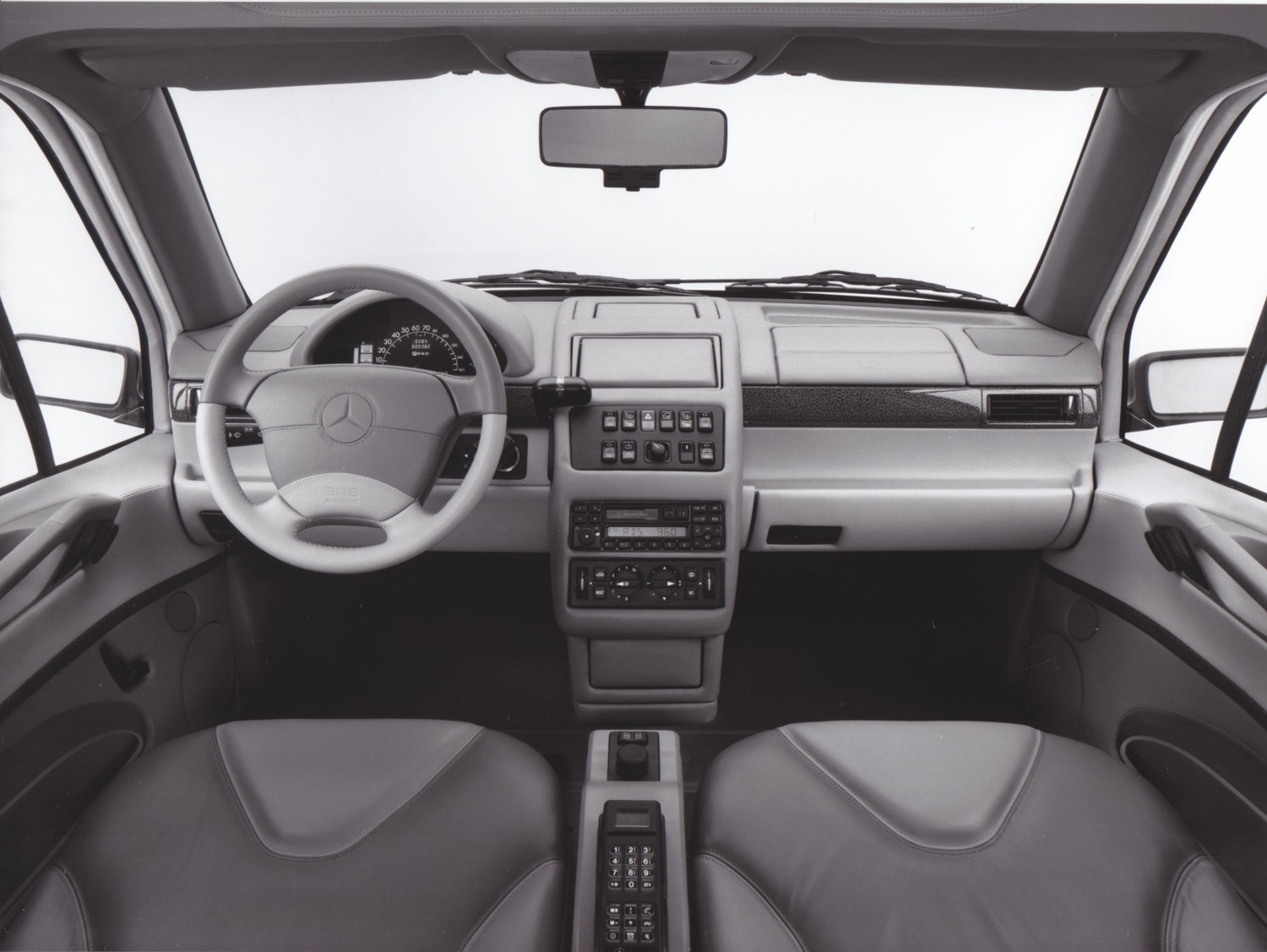
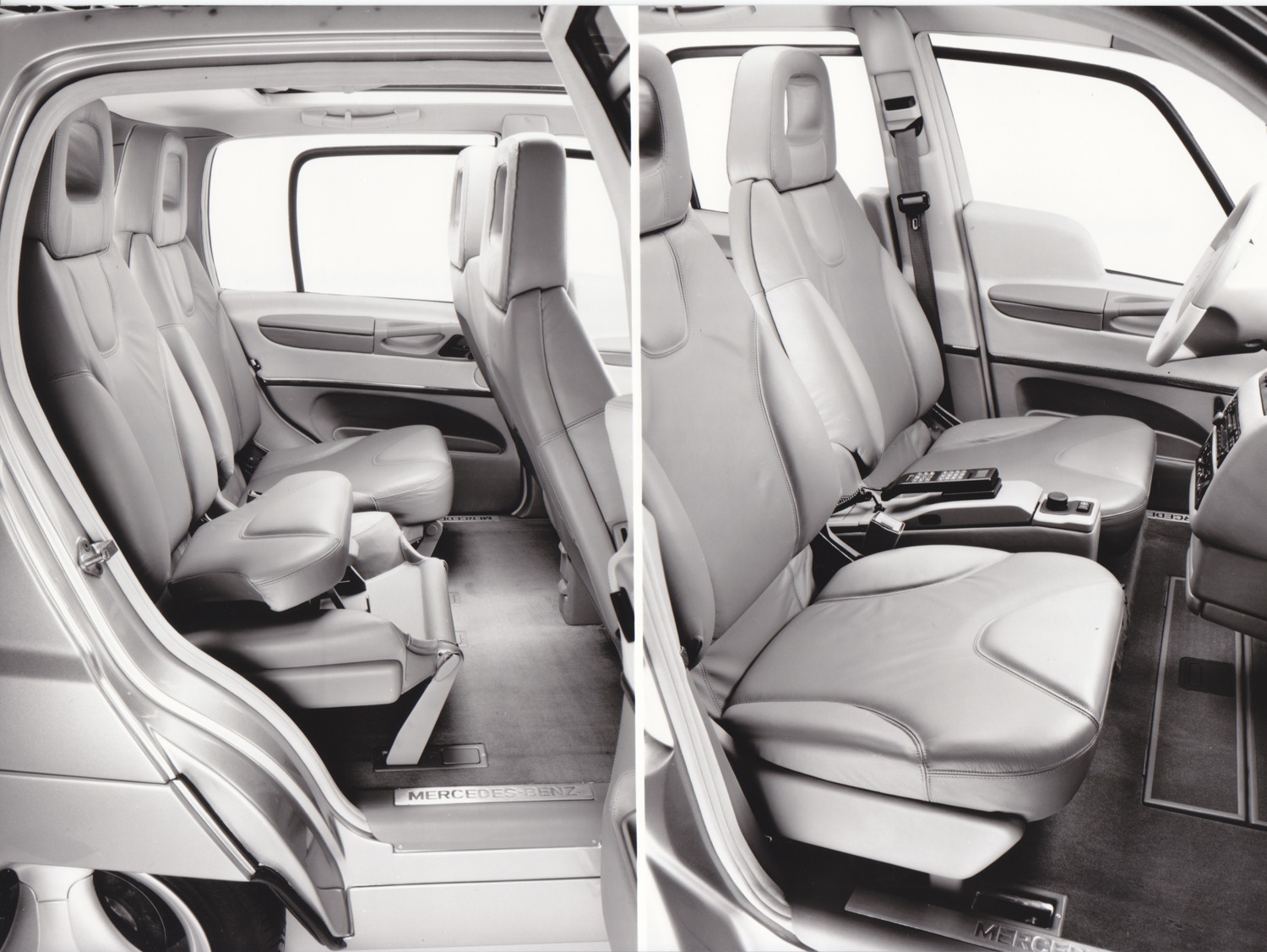
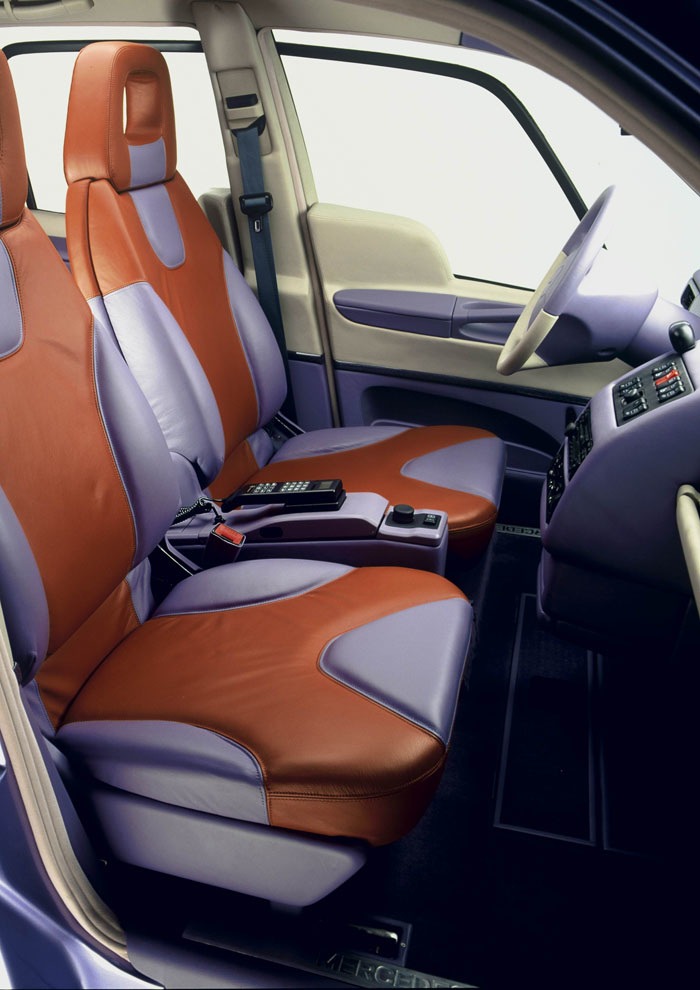
This allowed a very short overall length of about 3.35 m while still providing interior legroom comparable to upper mid‑range sedans; the distance between front and rear seats was 82.5 cm. The layout also created a high, almost MPV‑like seating position, improving outward visibility and contributing to the feeling of safety and command in traffic.
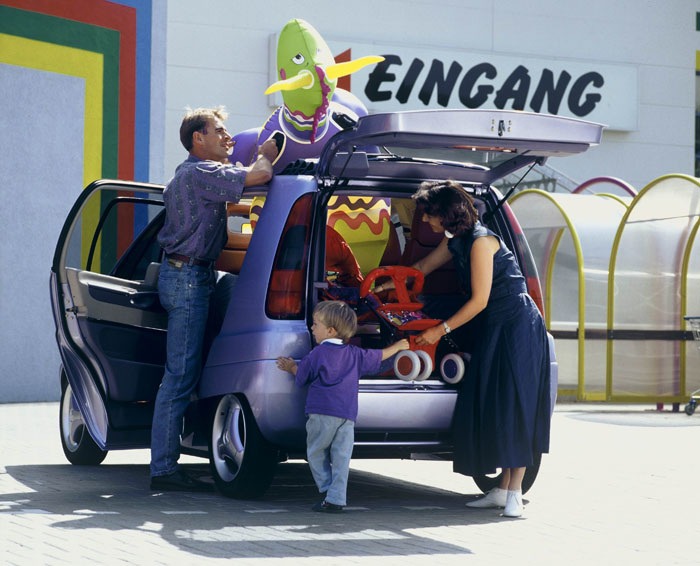
Thanks to the flat, high floor and tall roof, the cabin could be reconfigured from a comfortable four‑seater to a small estate with up to around 1000 liters of load space, making the car unusually versatile for its size.
Mercedes-Benz designed Vision A 93 to reach safety levels comparable to its larger models, even though the body was much shorter. In a frontal impact, the drivetrain was engineered to slide under the passenger compartment along the sandwich floor rather than intruding into it, compensating for the short front crumple zone.
The body integrated large side‑impact structures in the doors, full‑size airbags for driver and front passenger, belt tensioners, and an integrated child seat in the rear, all unusual features for a small car of the early 1990s. This safety‑driven packaging showed that a compact urban car could still embody Mercedes’ reputation for occupant protection.
Vision A 93 was conceived with multiple propulsion options, highlighting efficiency and future adaptability.
- A 1.2‑liter three‑cylinder gasoline engine delivering about 55 kW (75 hp), driving the front wheels through a continuously variable transmission (CVT), targeted low fuel consumption around 5 l/100 km.
- A 1.2‑liter three‑cylinder direct‑injection diesel with about 44 kW (60 hp), also paired with a CVT, prioritized very low emissions and fuel use.
- An electric version used a 40 kW (54 hp) induction motor and a battery pack providing an urban range of roughly 150 km.
The body structure relied heavily on aluminum extrusions, saving about 70 kg versus a comparable steel body and keeping the gasoline version near 715 kg and the diesel around 735 kg, while even the battery‑laden electric variant stayed near 1000 kg.
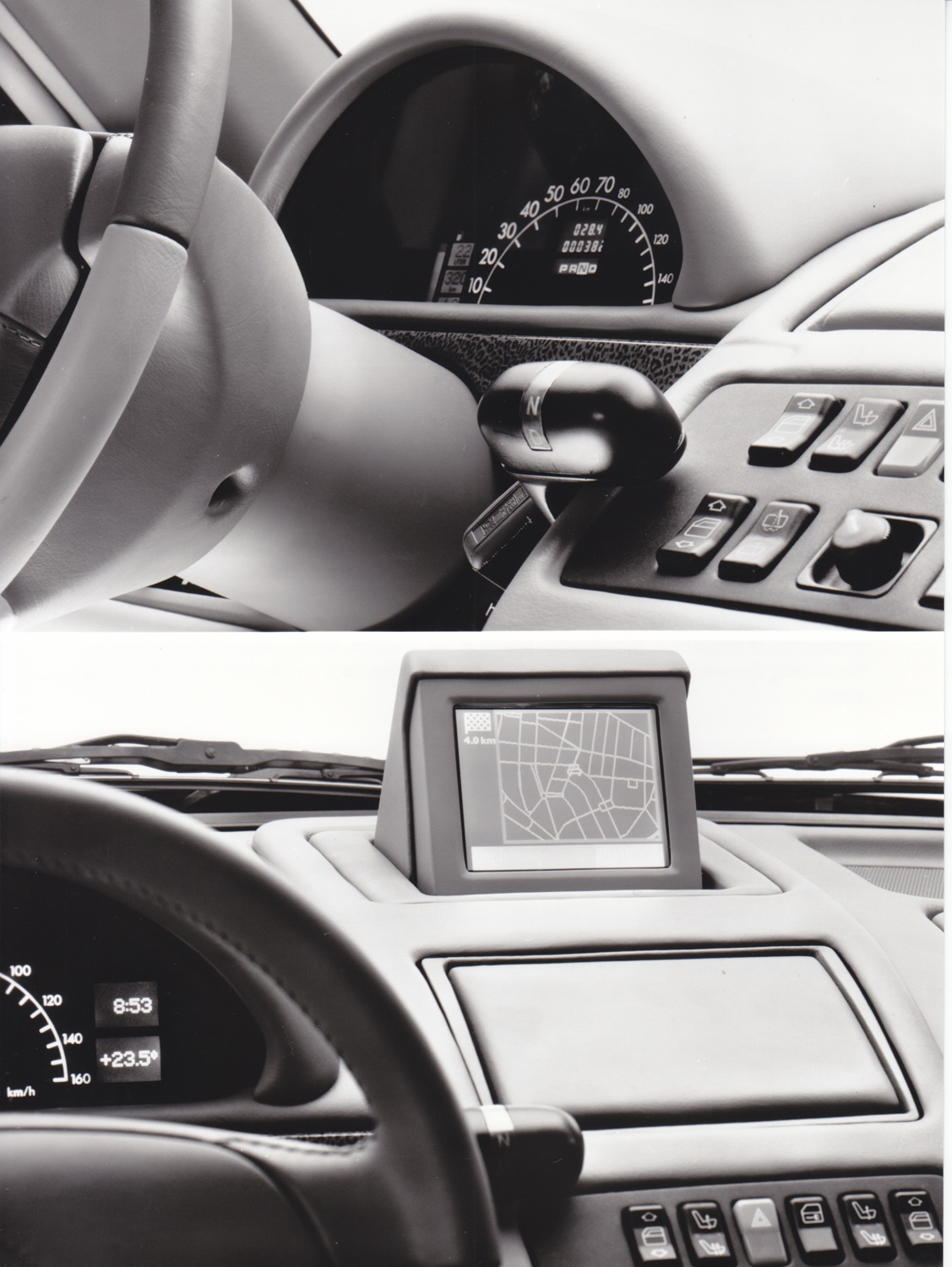
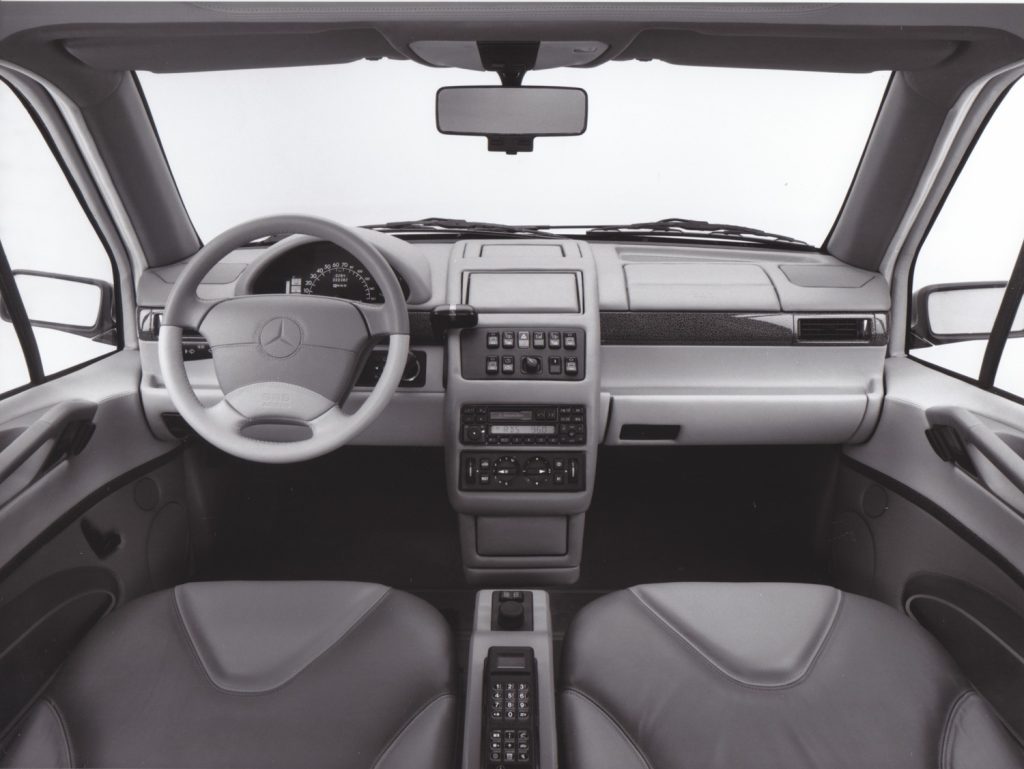
Vision A 93 also previewed telematics and electronic systems such as a navigation system and ARTHUR, an early automatic emergency communication system later realized as TELEAID in the S‑Class.
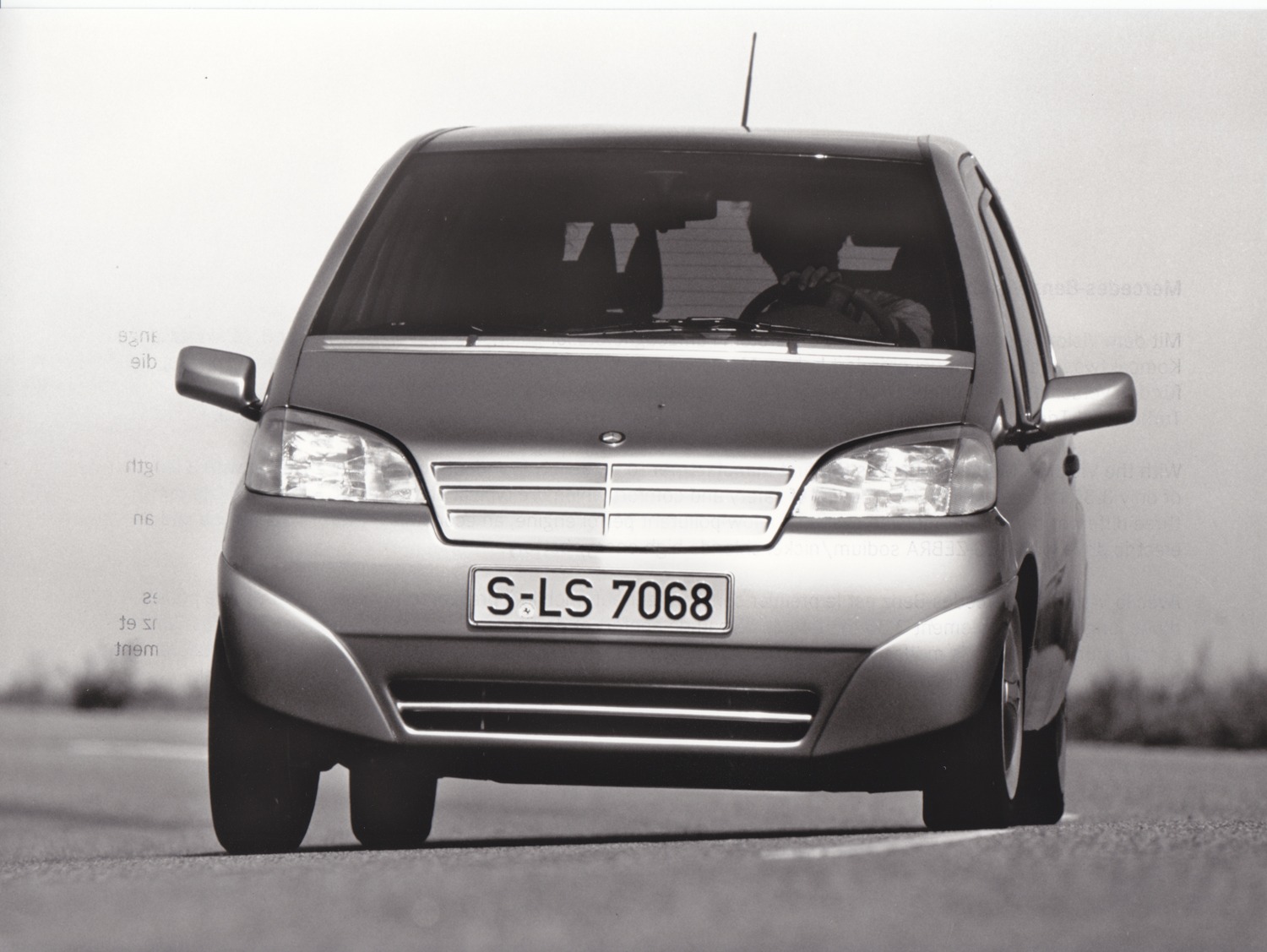
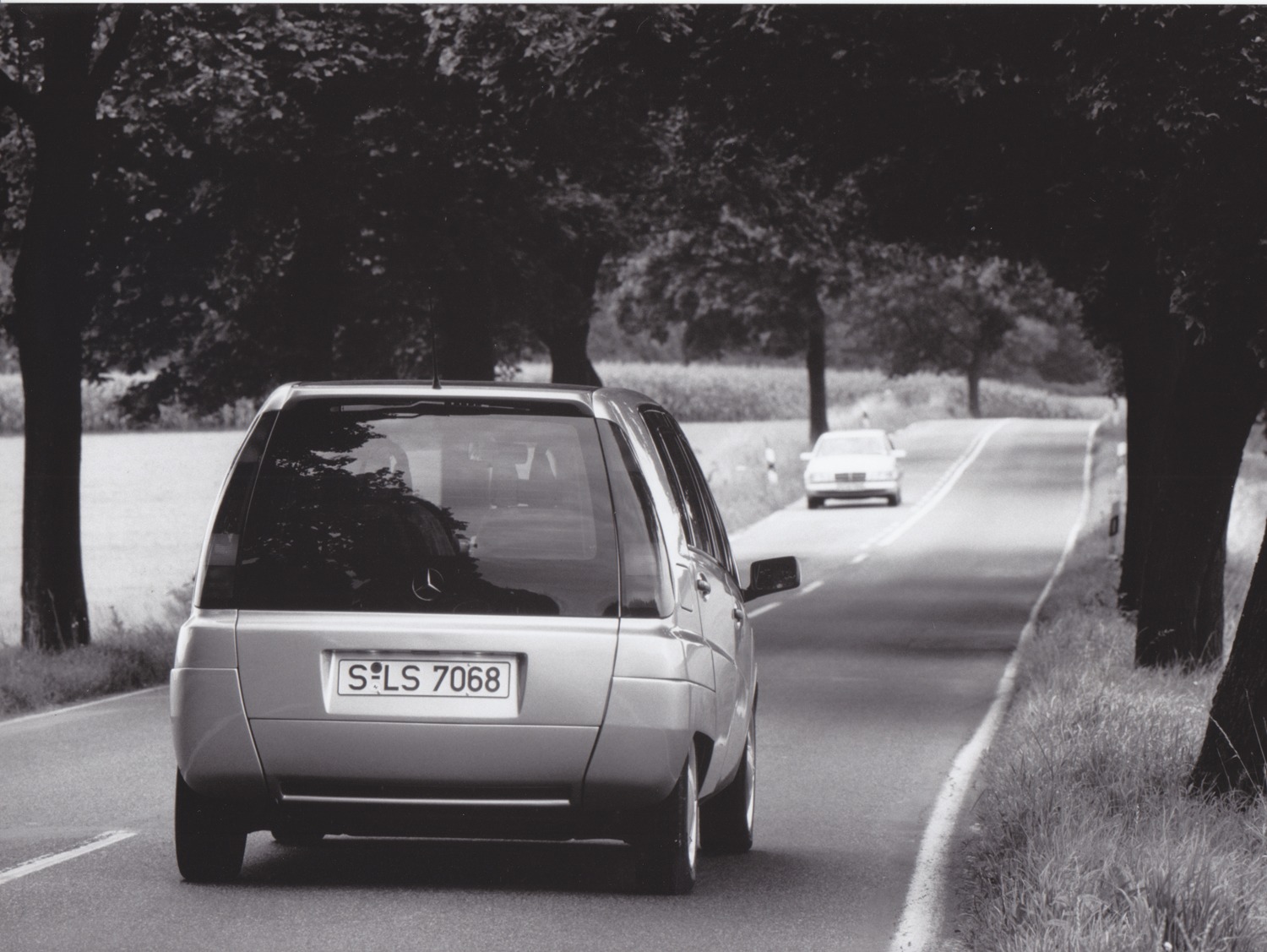
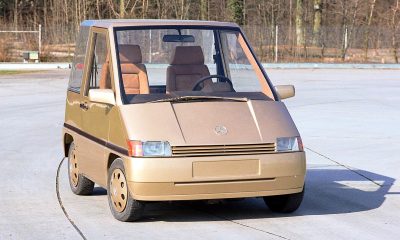
Styling the car around its tall, short‑overhang proportions posed a challenge, and this is where I.DE.A’s design expertise was central. The result was an “integral” one‑box silhouette with a people‑carrier‑like look: a sharply raked windshield pushed forward, a high roof, large glass areas, and a relatively low beltline to visually stretch the small body.
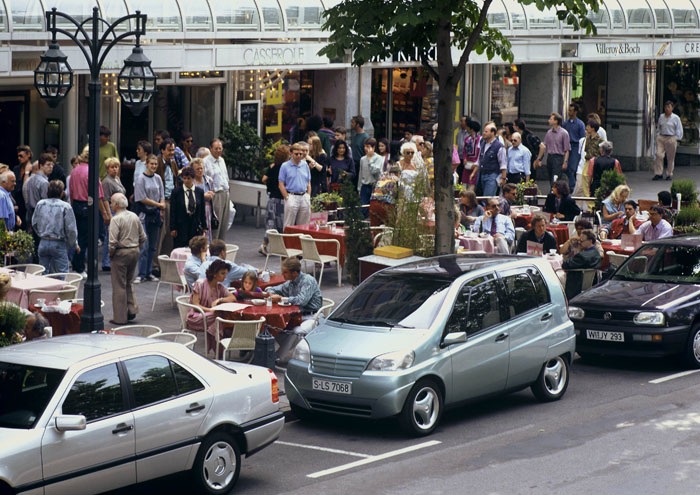
The short, stubby nose was carefully integrated so the vehicle would not appear toy‑like; Mercedes design chief Bruno Sacco emphasized that the aim was to create a compact car that still looked substantial and recognizably Mercedes.
Typical brand cues—such as the grille treatment, clean surfaces, and solid stance—were adapted to the new format, making Vision A 93 “every inch a genuine Mercedes‑Benz” despite its size. I.DE.A built two fully running versions, including a hybrid prototype, which showcased that the design was more than a static styling exercise.
Vision A 93 directly paved the way for the first‑generation A‑Class (W168), launched in 1997. The production car retained the sandwich floor architecture, tall one‑box body, high seating position, and emphasis on safety and interior versatility that had been proven in the concept.
Many of the technical themes, including compact three‑cylinder engines, CVT transmission, and preparedness for alternative propulsion, anticipated powertrain directions realized later in other small Mercedes‑related vehicles such as the smart city‑coupé.
In retrospect, Vision A 93 by I.DE.A stands out as a key turning point where Mercedes-Benz redefined what a premium compact car could be, bringing big‑car qualities into a radically new small‑car package tailored to future urban mobility.