Renault Ludo

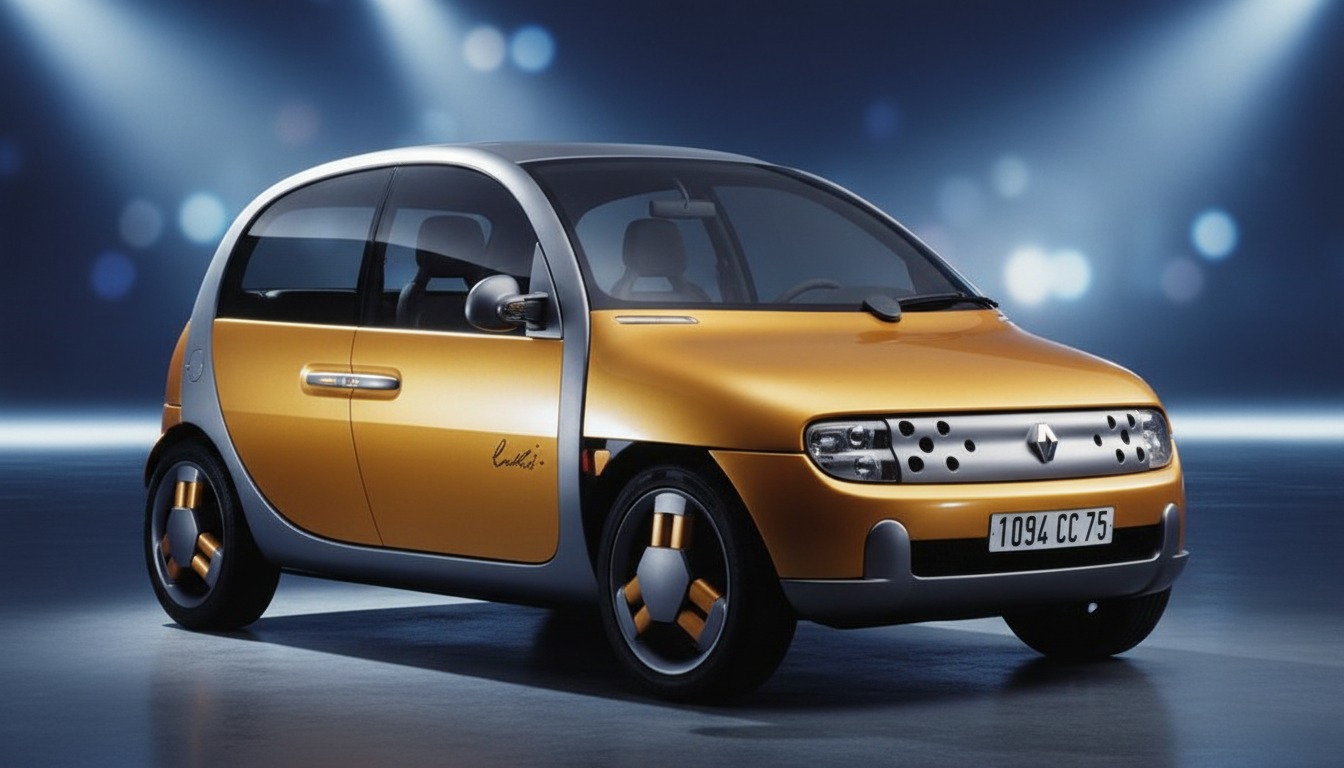
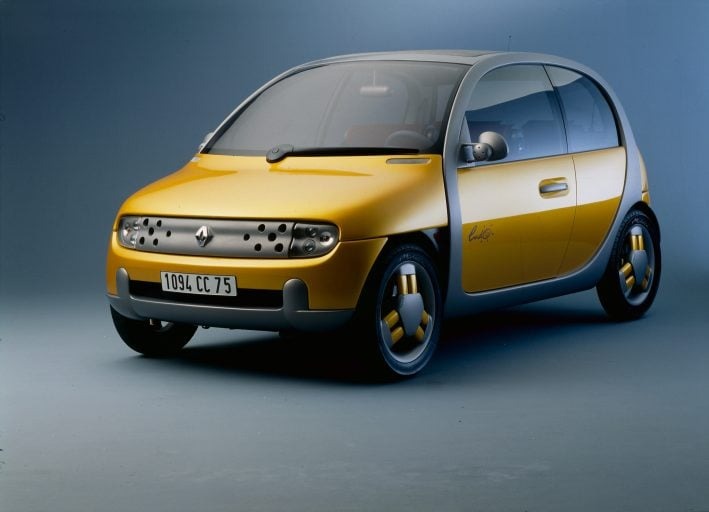
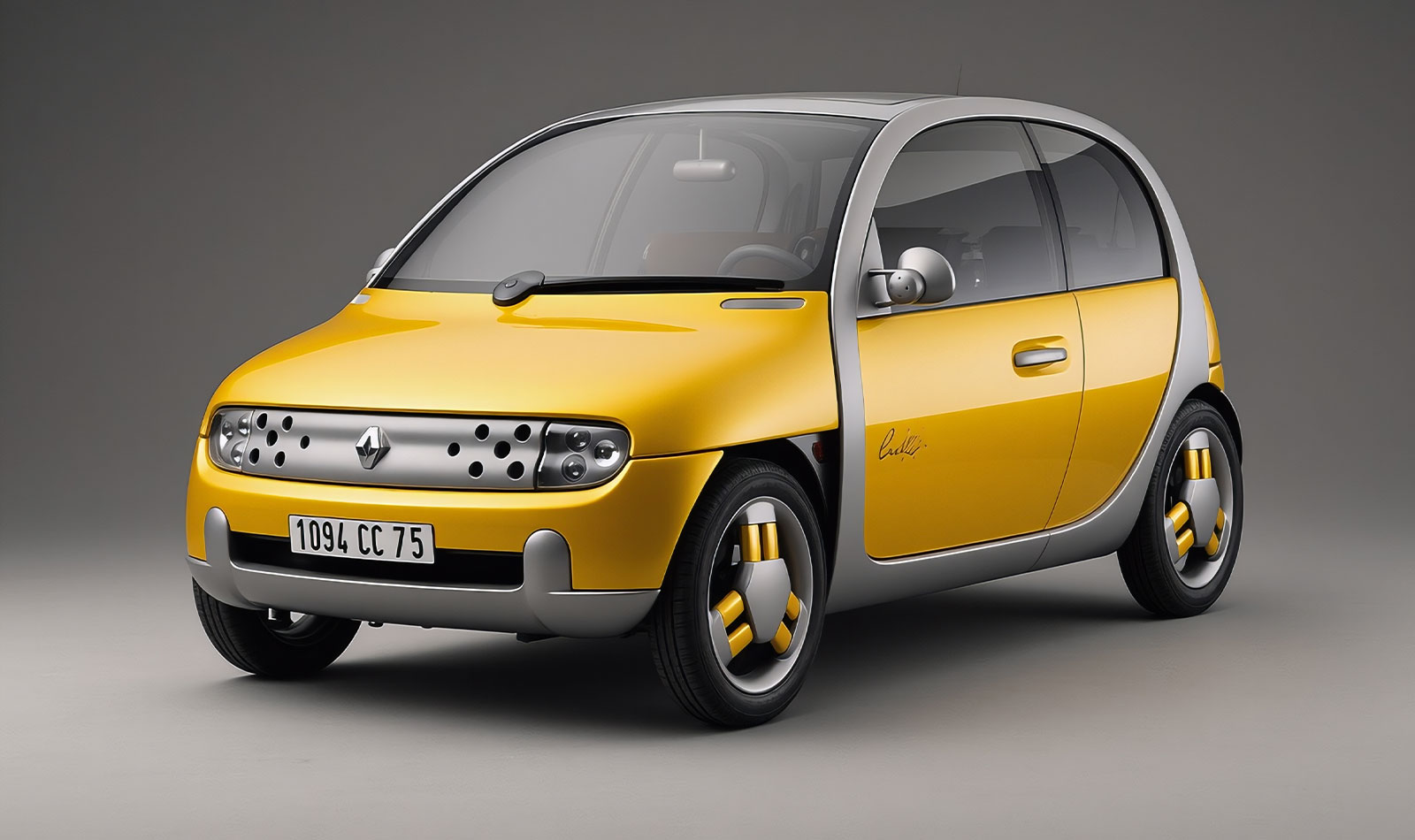
The Renault Ludo was a concept car shown at the Paris Motor Show in 1994 by French automaker Renault, designed under the direction of Patrick Le Quément.
The concept car was built by the Italian bodywork firm G-Studio and hinted at thinking that would resurface in later Renault concepts, emphasizing versatility and ease of use.
The Ludo is a compact city car based on the Renault Twingo platform but featuring an aluminium structure with carbon fibre panels to minimize weight.
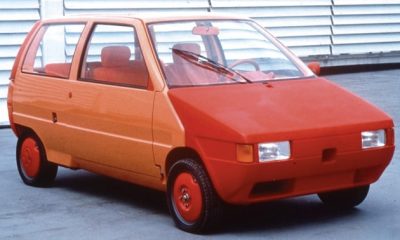
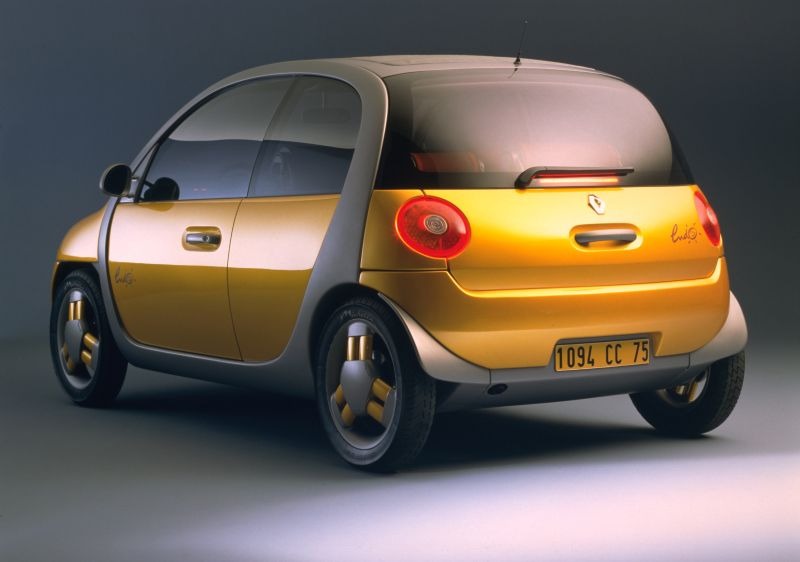
This lightweight construction resulted in a remarkably low 750 kg kerb weight. The body had a distinctive bicolor paint finish and three-branch alloy wheels, giving the Ludo a playful appearance.

The design featured a distinctive 4-door layout with an innovative cantilever door system on the passenger side. The driver side had a normal hinged door, while the passenger side doors operated on a cantilever system without a central pillar. The car also had a powered folding canvas roof.
Under the hood, the Ludo Concept inaugurated bi-fuel LPG/gasoline technology. This new-generation catalysed LPG engine was designed to combine environmental respect with performance, making it suitable for urban driving. The LPG fuel was popular at the time and offered a lower usage cost compared to gasoline and diesel.
The engine was paired with a pilot-controlled clutch transmission that guaranteed smooth and jerk-free gear shifts. The engine has 1.9 L displacement with a 16-valve (4 valves per cylinder) valvetrain. The projected car cost was $12,350.
The Ludo had a length of 3,430 mm. It was equipped with tall but narrow 125/80 R17 wheels and tyres designed for both aerodynamics and navigating city potholes, a similar concept to the later BMW i3.
The front featured a rectangular face combining the front lights and the 1992 3D logo. The rear had a convex window and round lights, reinforcing the vehicle’s toy-like image.
The Ludo’s interior was its most distinctive feature, prioritizing habitability-to-compacity ratio. The car accommodated 4 passengers on two folding bench seats (front and rear).
The seats could fold horizontally on both the driver and passenger sides. The complete interior could thus offer a fully flat loading surface from front to back. This innovation had already been seen on the Twingo, which launched one year earlier.
Passengers entered the cabin through antagonistic opening doors without a central pillar on the passenger side, allowing lateral loading of bulky objects like bicycles. The fully opening side made the Ludo intended to be a compact but highly flexible lifestyle car.
The Ludo featured an embedded Carminat traffic-info system capable of proposing alternative routes to consume less fuel and avoid traffic jams. This GPS-based satellite equipment was expensive and intended to be offered on the rest of the Renault range in coming years.
The Ludo was known internally under the code name Z05. It represented Renault’s experimentation with alternative fuel vehicles and modular interior spaces in the mid-1990s, anticipating trends that would become mainstream decades later. The concept car’s thinking would resurface in later Renault concepts emphasizing versatility and ease of use.
Today, the Renault Ludo remains a forgotten concept from Renault’s 1990s design exploration period, remembered primarily for its innovative interior flexibility and LPG powertrain ambitions. The Ludo’s rounded, cheerful, and modular design was built following the success of the Twingo, which reinvented the urban and spacious car genre.