Sbarro Urbi

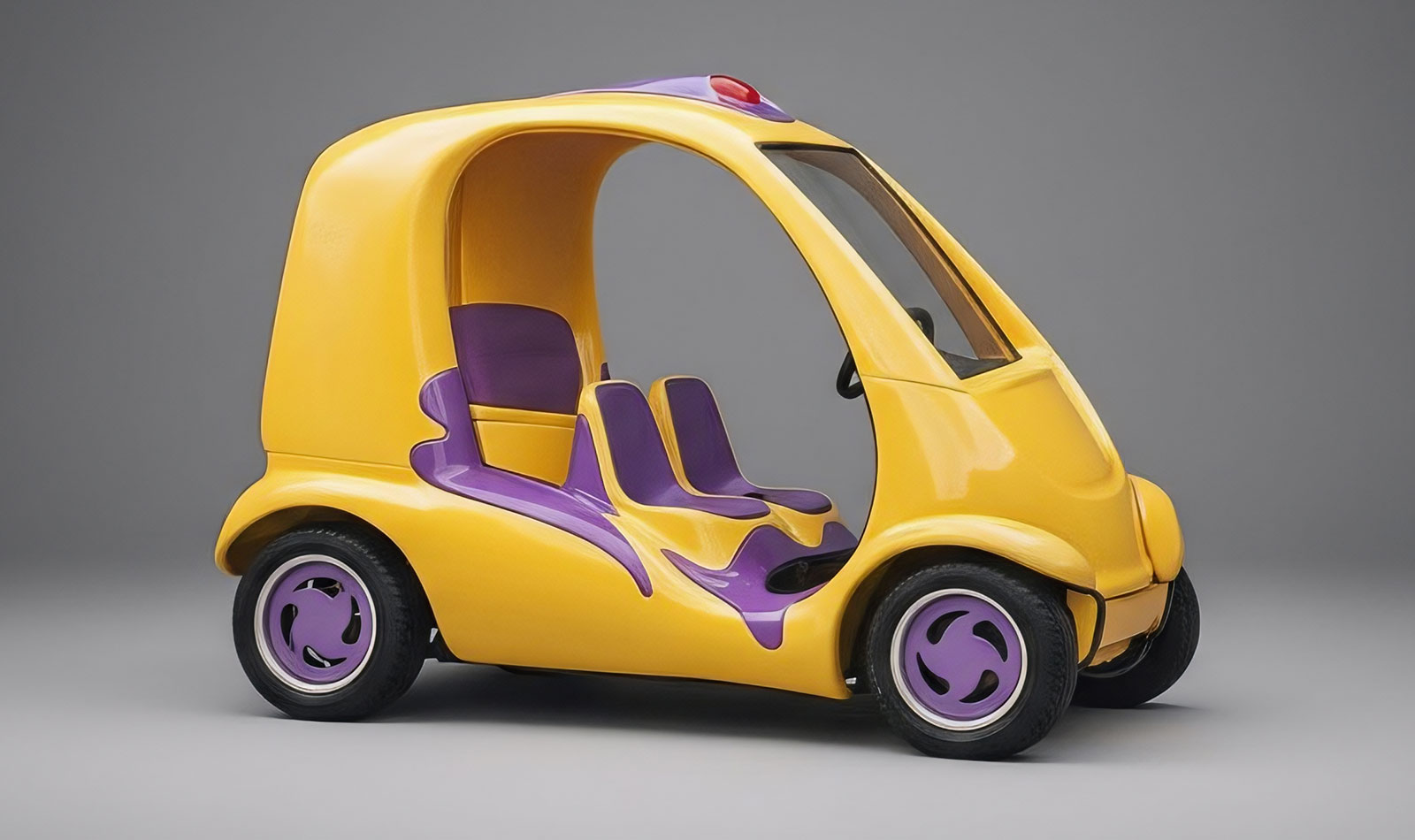
Sbarro Urbi Electric Coupé was a forward‑looking 1993 concept that explored ultra‑compact, shared electric mobility for dense urban environments.
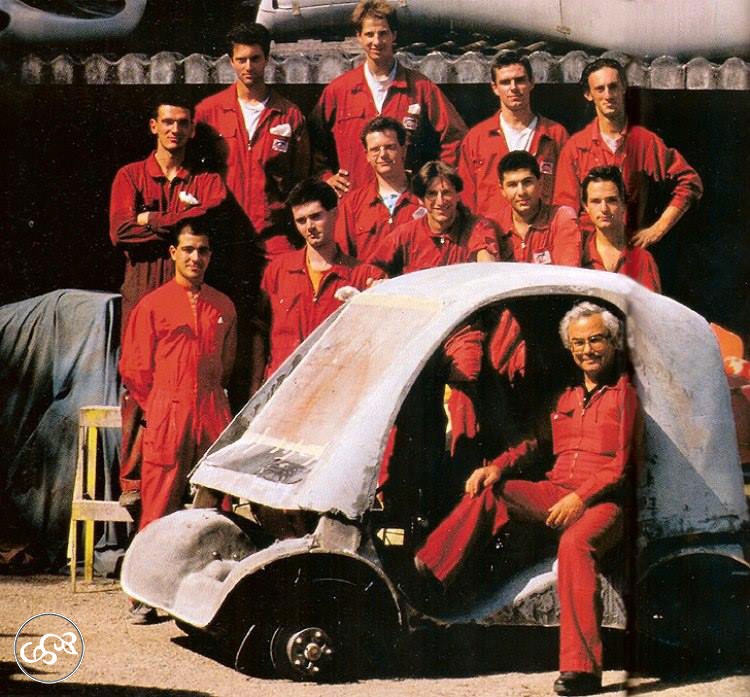
The Urbi was developed at Franco Sbarro’s design school, Espace Sbarro, as a study in dedicated city transport rather than a conventional passenger car.
It appeared in 1993, when environmental concerns and urban pollution were only beginning to influence mainstream automotive thinking. Sbarro explicitly framed the project as a response to future city‑center mobility needs rather than the market realities of the early 1990s.
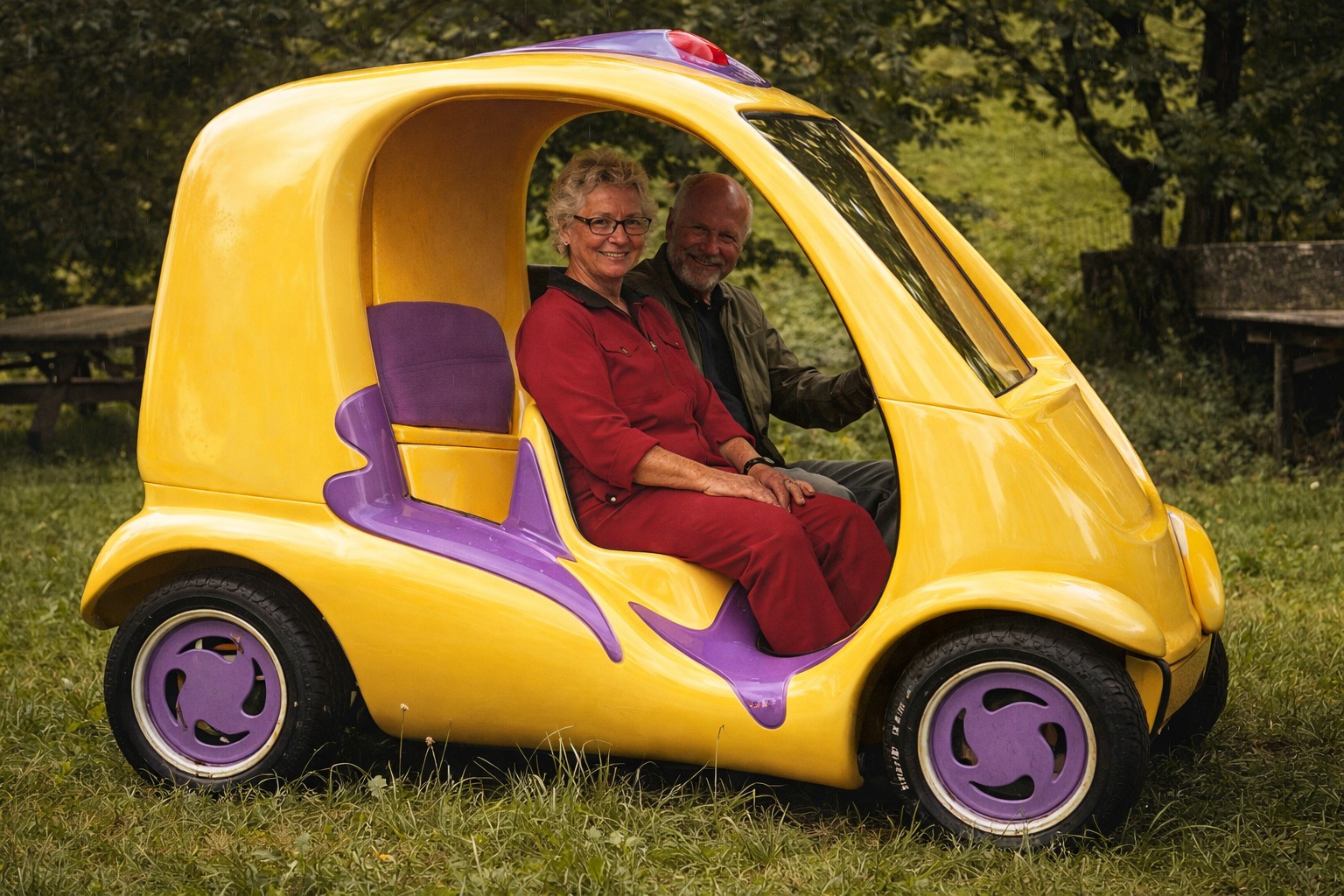
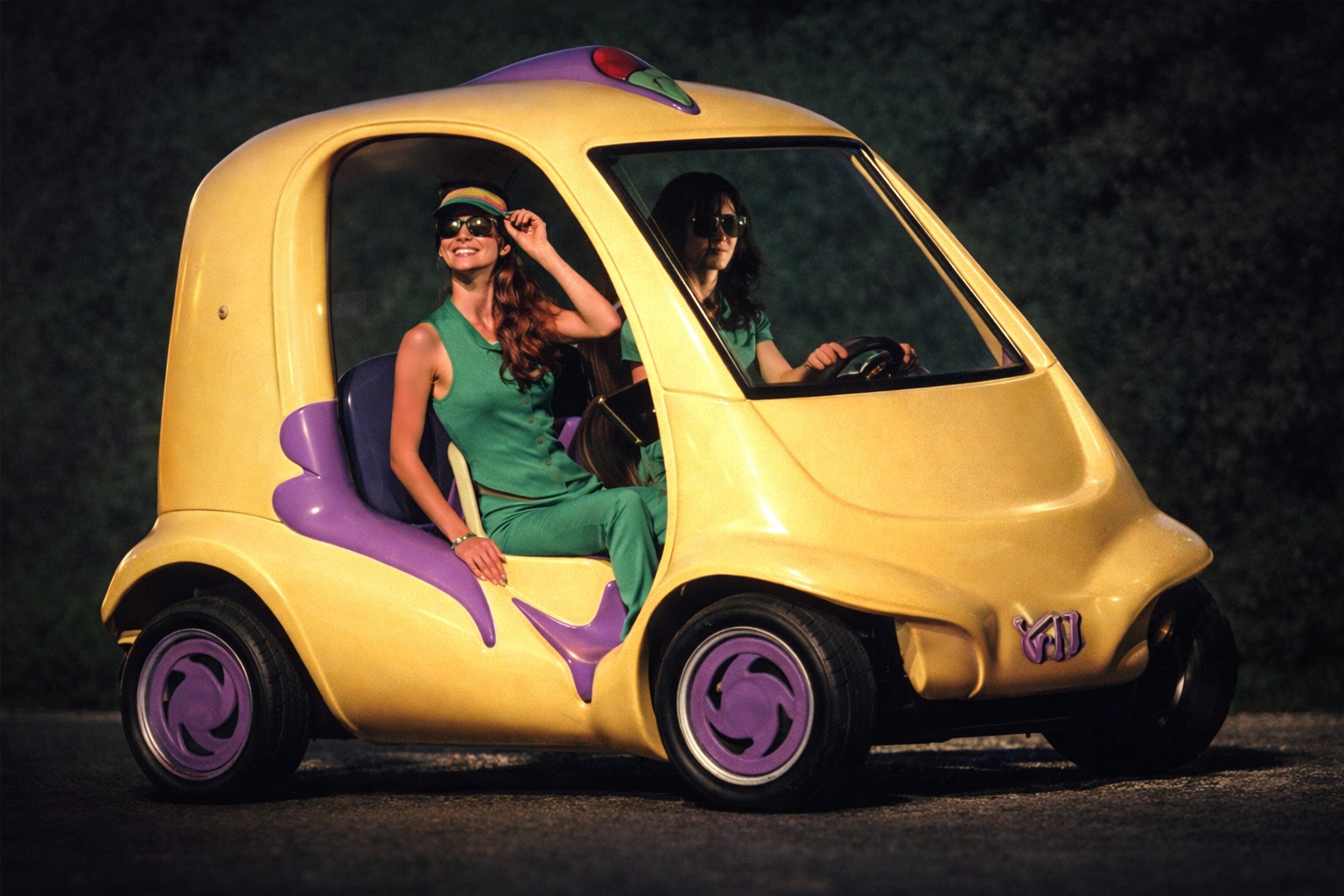
Franco Sbarro described the Urbi as “a kind of four‑wheeled scooter,” underlining its minimalistic, open, and highly compact character.
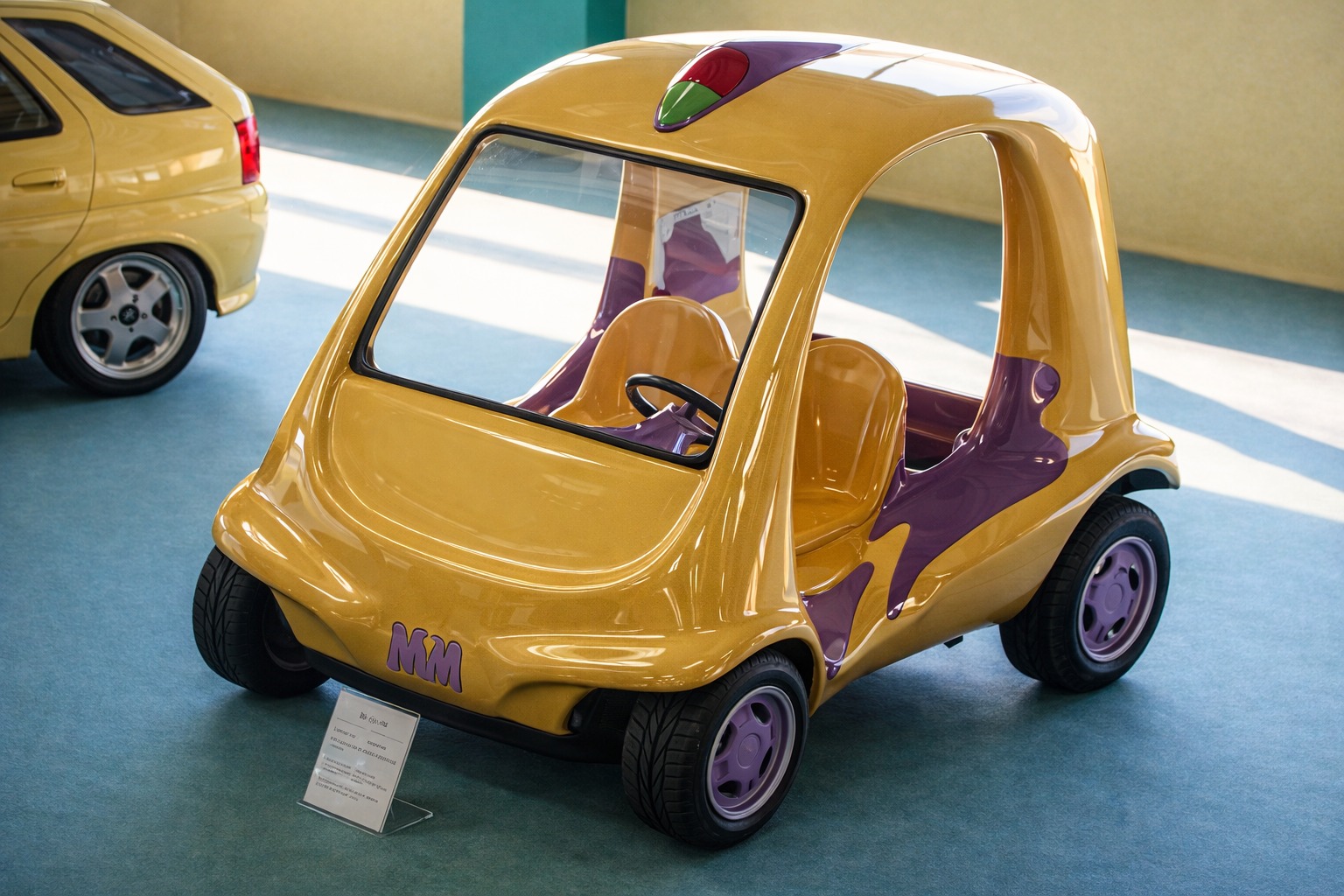
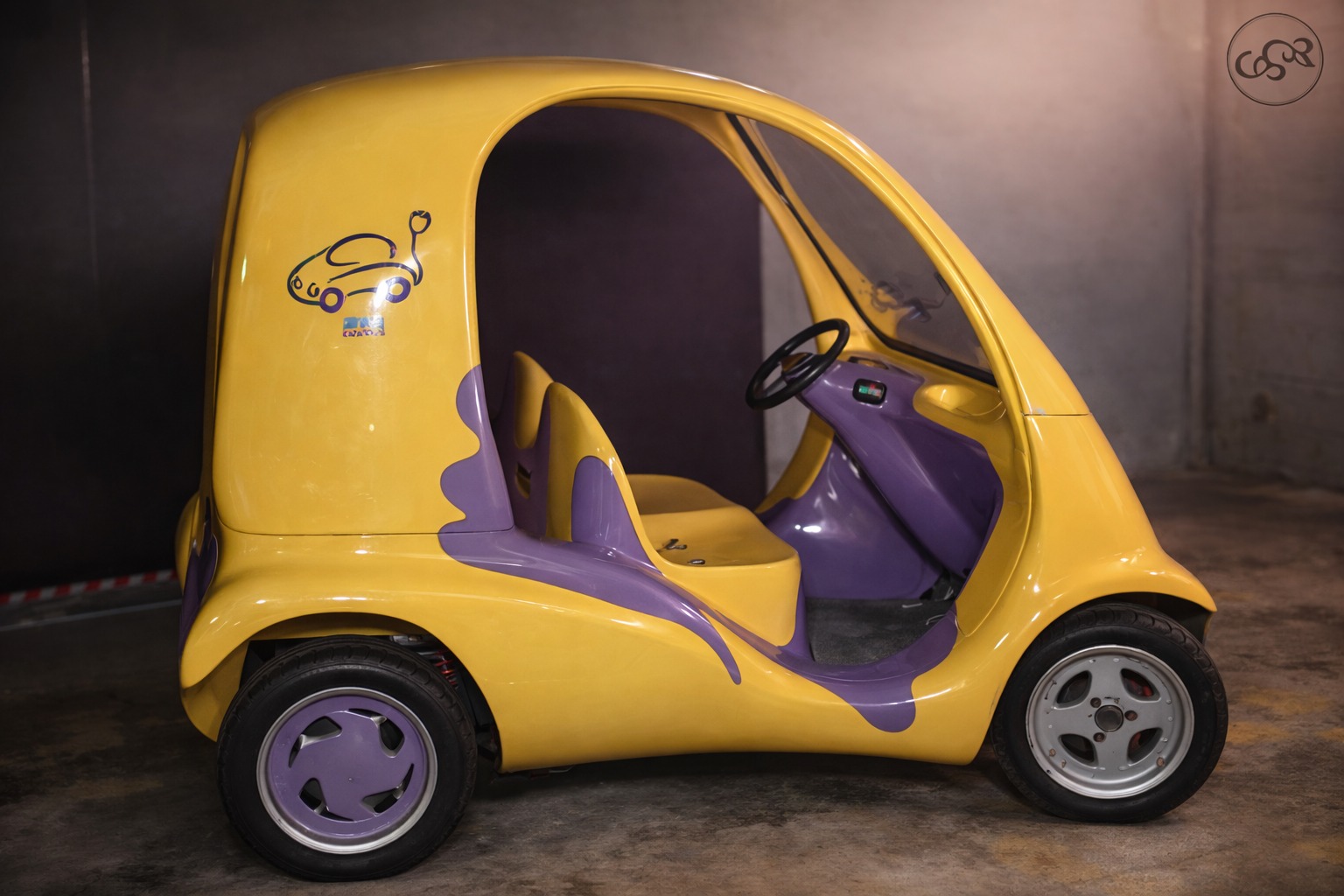
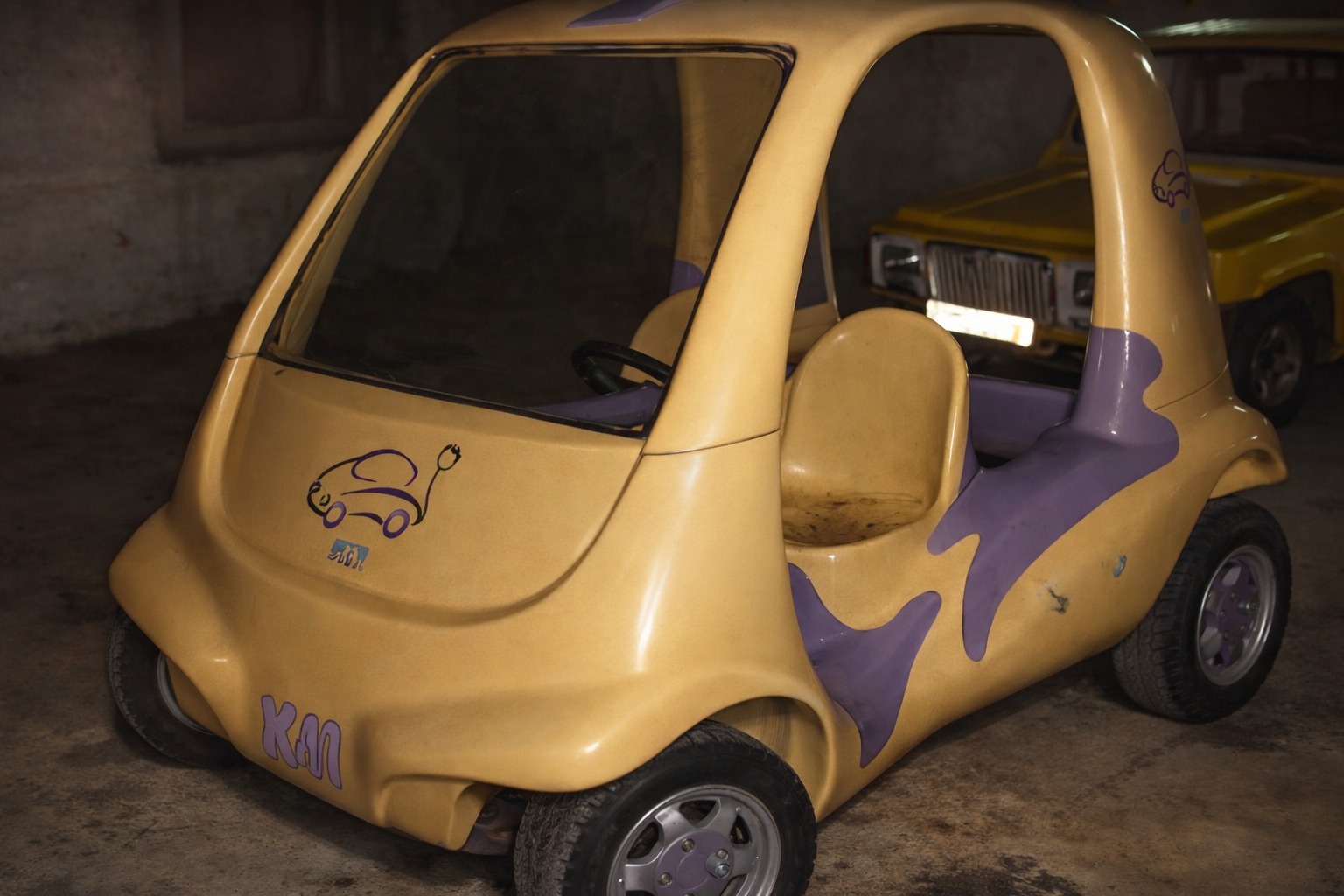
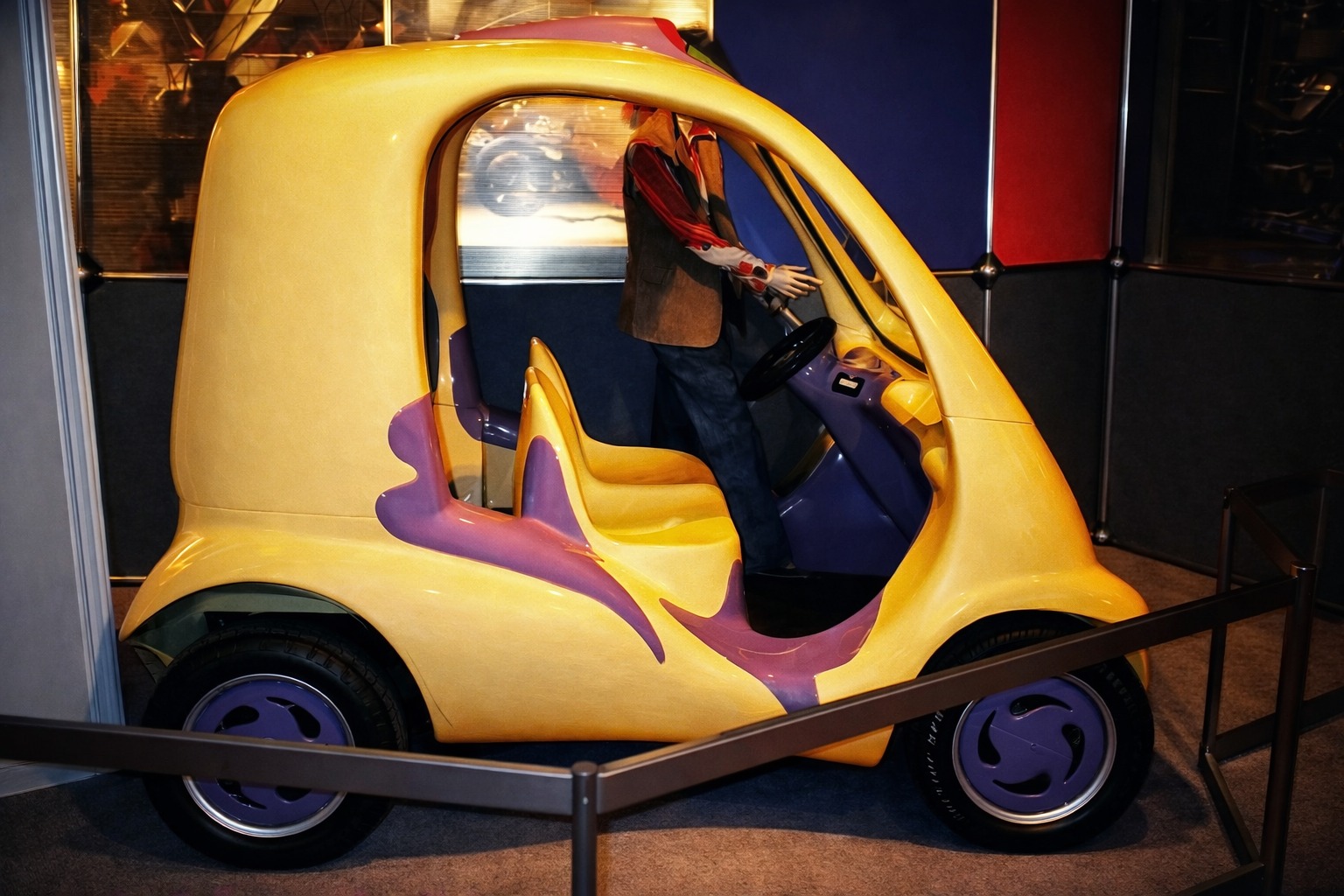
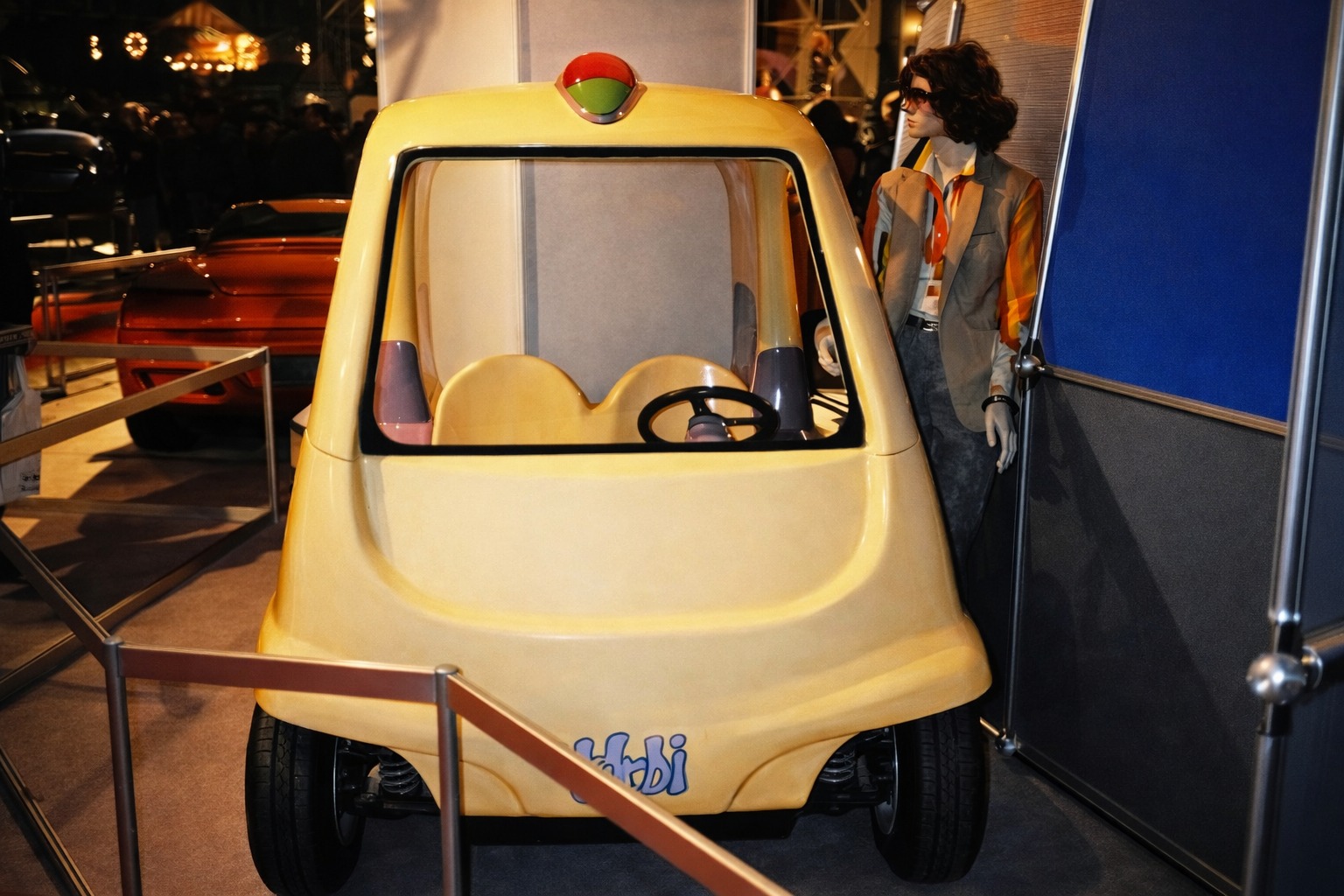
The body was made as a single polyester (fiberglass) shell, with the seats and much of the interior molded directly into the structure instead of being assembled from separate components. The car had no doors and no side windows, only a simple windscreen for basic protection from the airflow.
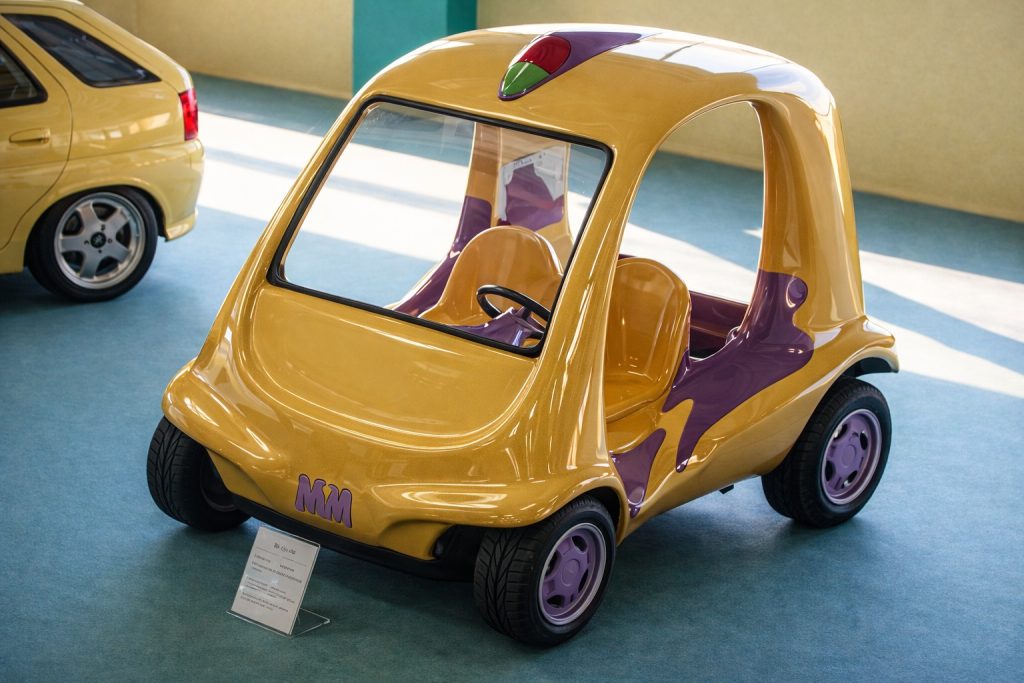
This stripped‑back layout emphasized low weight, low cost, and simplicity over comfort or all‑weather usability.
The Urbi was conceived as an electric vehicle at a time when battery technology and charging infrastructure were still primitive by today’s standards. Sbarro openly acknowledged the limitations of contemporary electric drivetrains, calling an electric car a “road cripple” and arguing that it needed a usage context where its weaknesses—limited range and performance (maximum speed is only 25 kmh)—could become acceptable trade‑offs.
As a result, the Urbi was intended strictly for low‑speed, short‑distance use in historic city centers, green zones, large hotel grounds, golf courses, or similar controlled environments. It was envisioned without a license plate and even without a windscreen wiper, underlining that it was never meant for standard public‑road use.
One of the most striking aspects of the Urbi concept was its proposed deployment model. Sbarro imagined multiple Urbi vehicles placed around a city or a large site, available on a self‑service basis for anyone who needed short local trips.
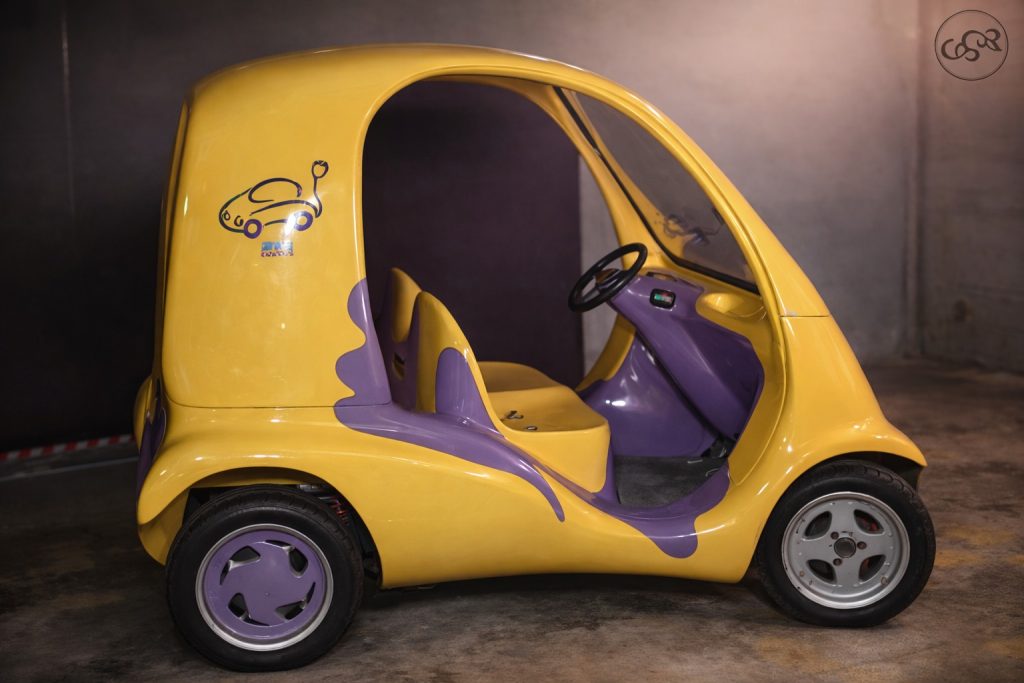
This idea anticipated modern car‑sharing and micromobility services, where small electric vehicles are scattered across urban areas for on‑demand use to reduce pollution and congestion.
In 1993, however, this notion was far ahead of political and commercial readiness, and the concept remained purely experimental.
The Urbi’s radical minimalism raised obvious questions about homologation and safety. The concept lacked conventional headlights, which would have been essential for road approval, and its open body with molded‑in seats suggested only basic occupant protection.
These omissions were deliberate: Sbarro positioned the Urbi as a special‑purpose vehicle for restricted areas, bypassing many of the requirements of road‑legal cars. While this limited any prospect of production, it allowed the design team to push the idea of a dedicated urban electric runabout to its logical extreme.
The Urbi remained a one‑off concept, but it occupies an interesting place in Sbarro’s long history of experimental vehicles. Unlike the brand’s dramatic supercars and performance prototypes, the Urbi focused on ecological concerns, compact packaging, and new usage models rather than speed and power.
In retrospect, its vision of small, shared, electric city vehicles looks remarkably prescient, foreshadowing twenty‑first‑century trends in mobility services and urban transport policy.