UrbaCar

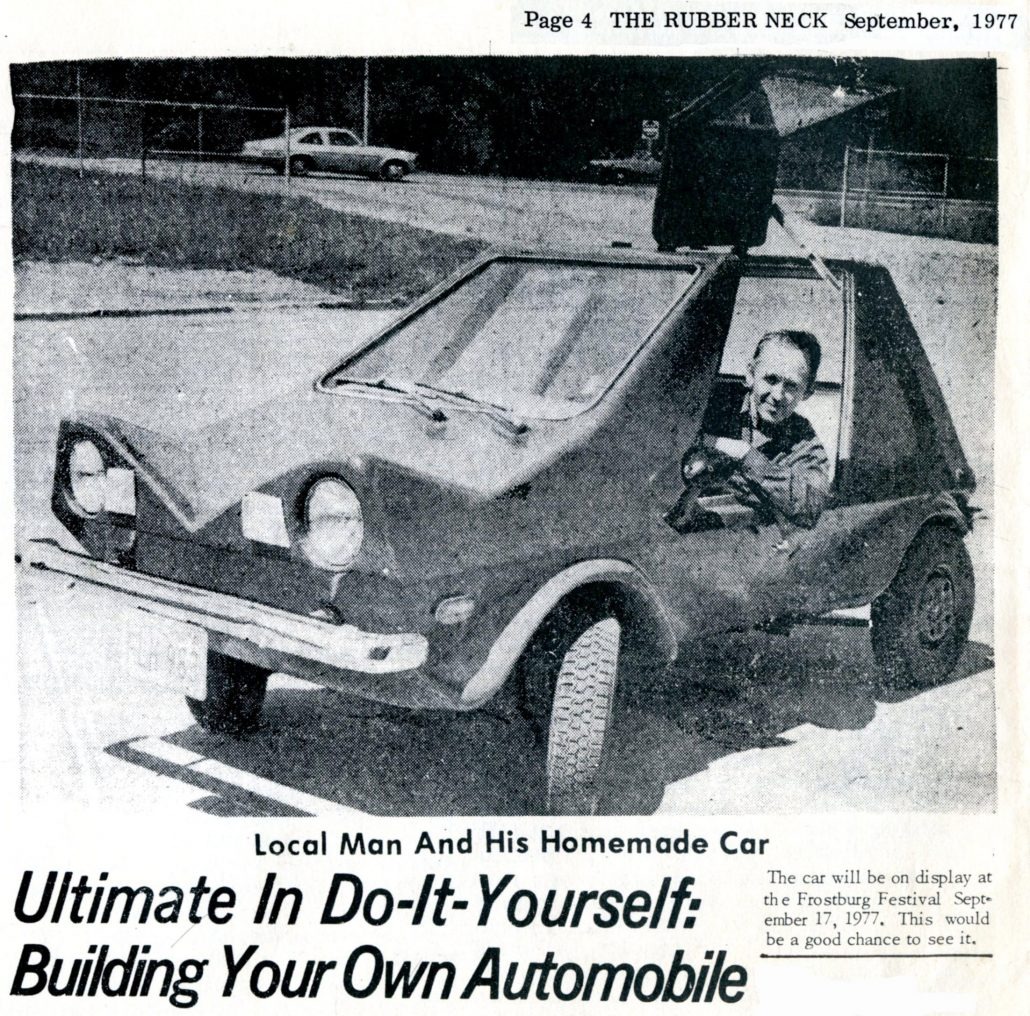
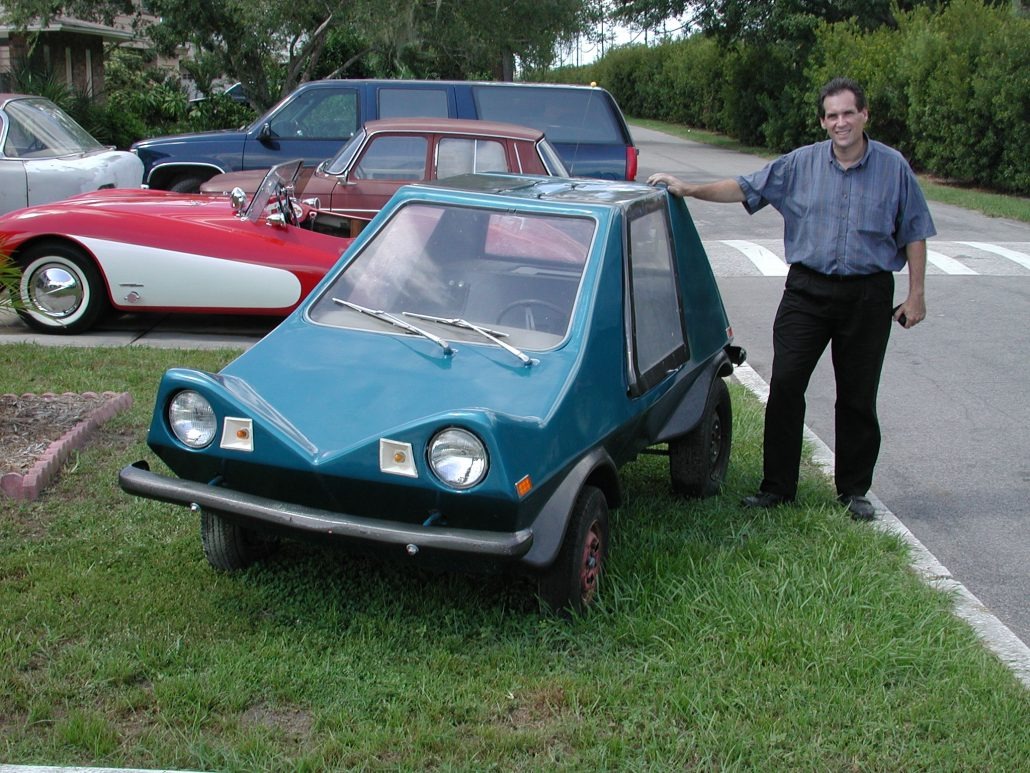
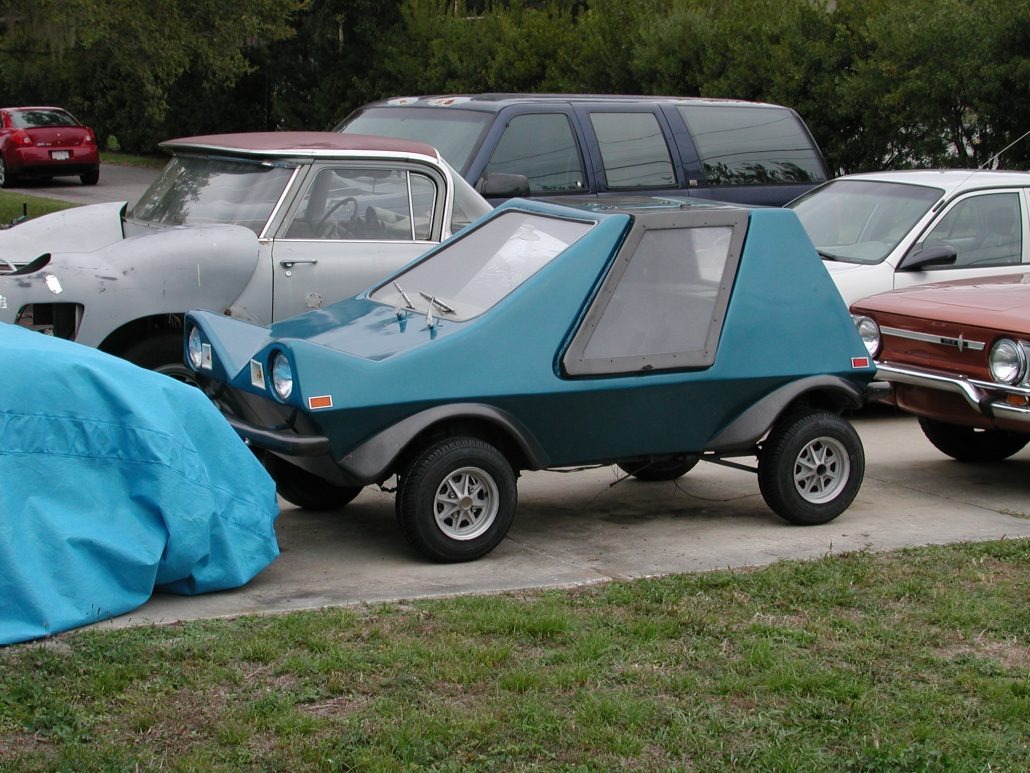
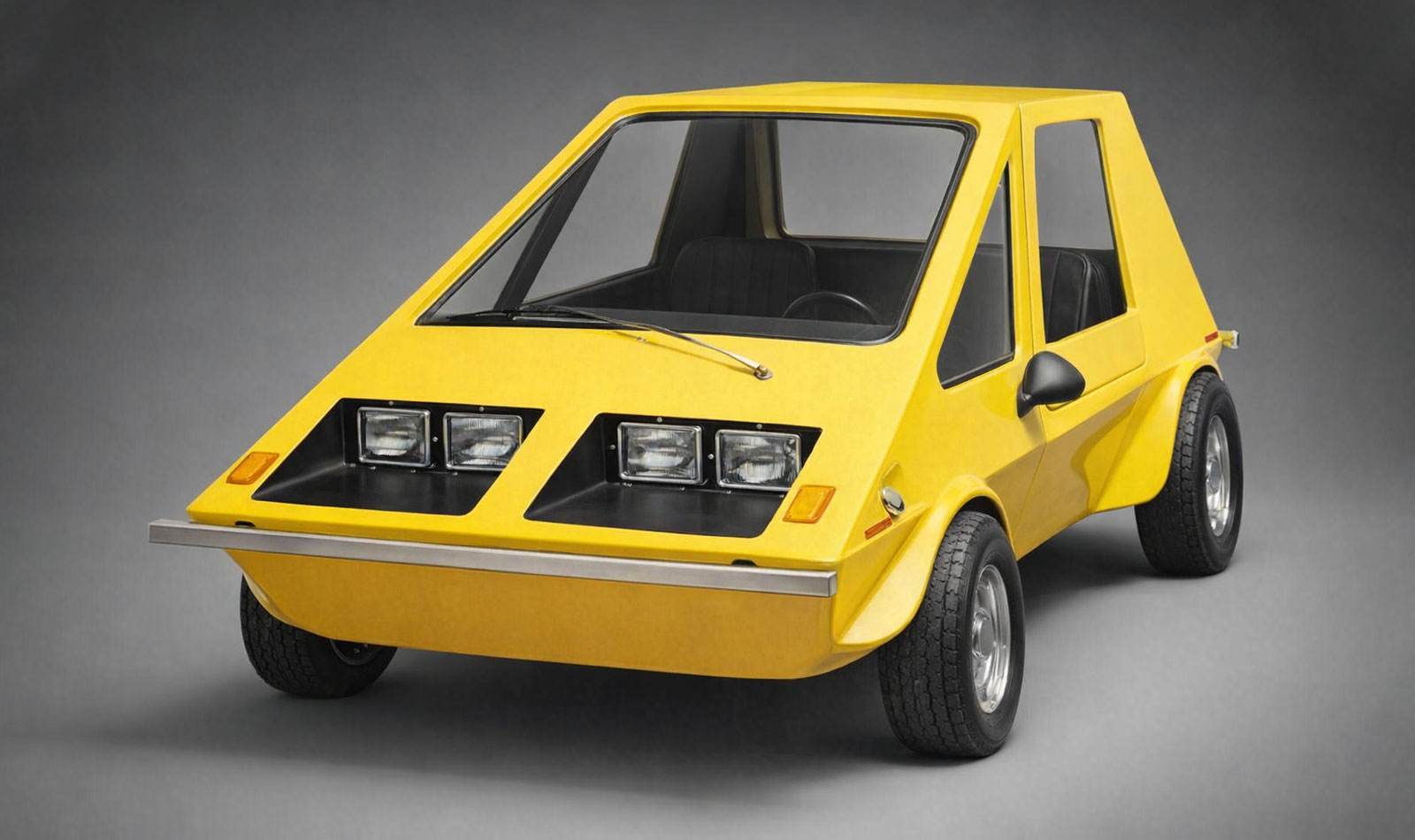
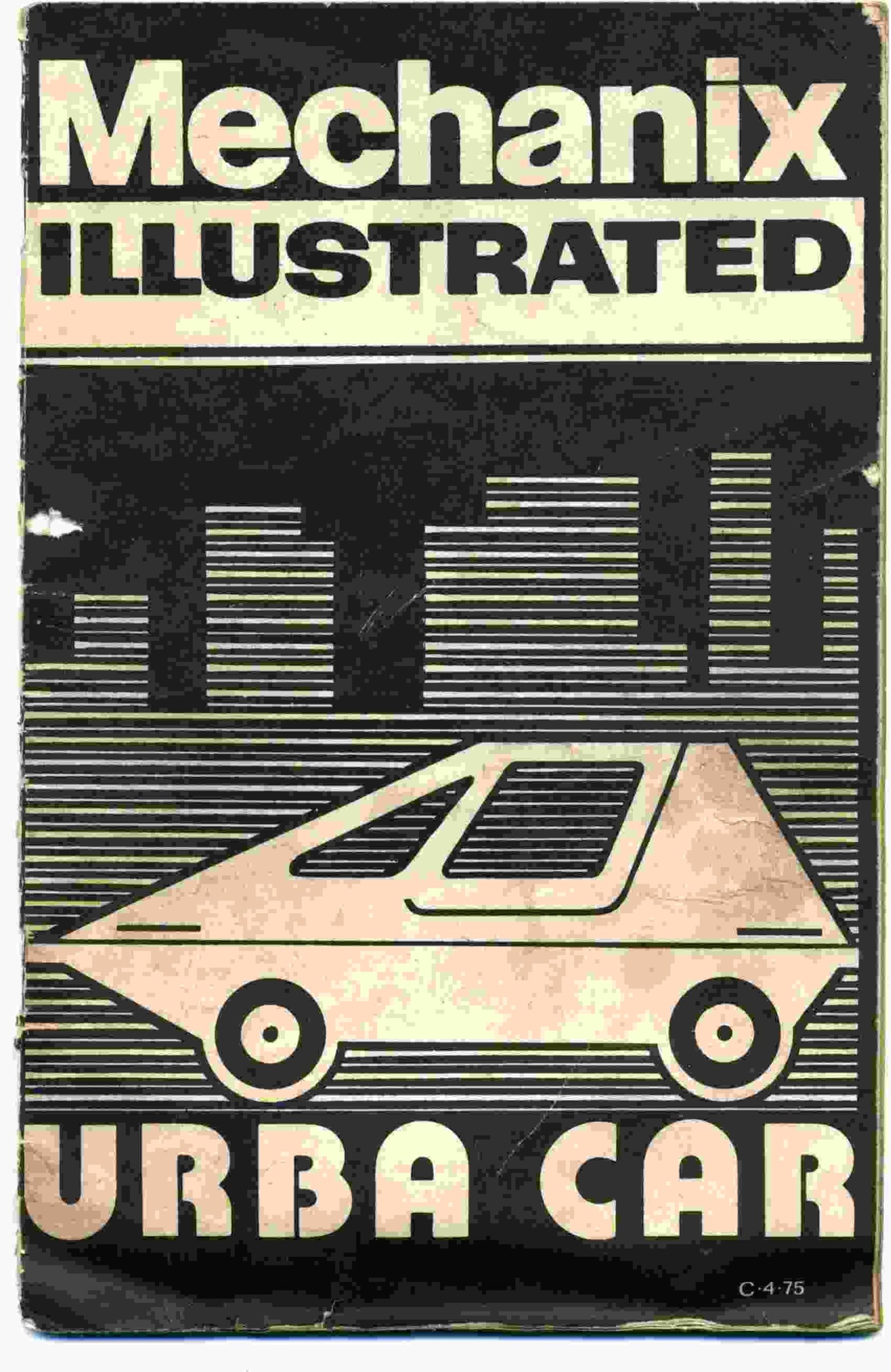
The UrbaCar, a niche, do-it-yourself (DIY) kit car design from the 1970 – the design was featured in Mechanix Illustrated magazine, and plans or kits could be purchased.
Besides knowing the cost of driving back and forth a penny a mile for fuel, this 35-mpg build-it-yourself two-seat errand-runner can cost as little as $1,400. Buying the parts as you go, you’ll never have to come up with that much scratch all at one time — Mechanix Illustrated 1970.
The Urcar isn’t meant for sustained highway use, but it can reach around 55 mph when necessary. Its real strength lies in short trips where a full-size car is wasteful.
Despite its simplicity, it’s fully road legal, equipped with hydraulic automotive brakes, an electric starter, reverse gear, and a complete lighting system.
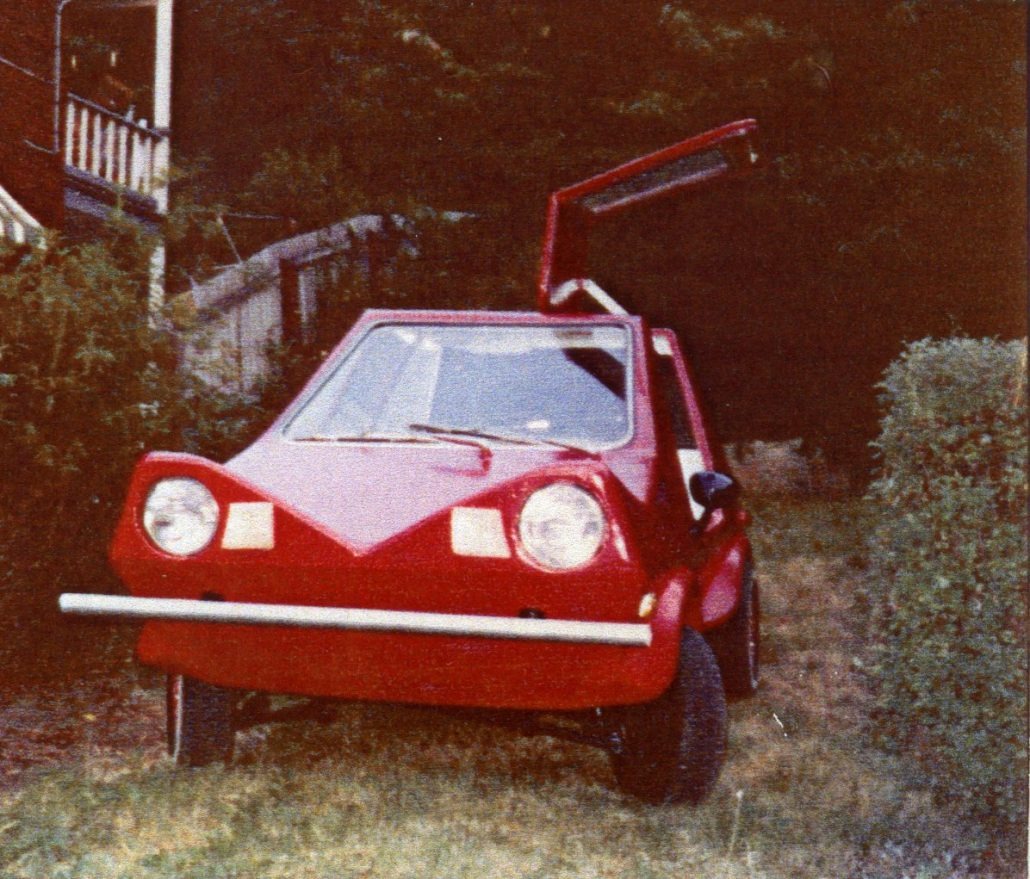
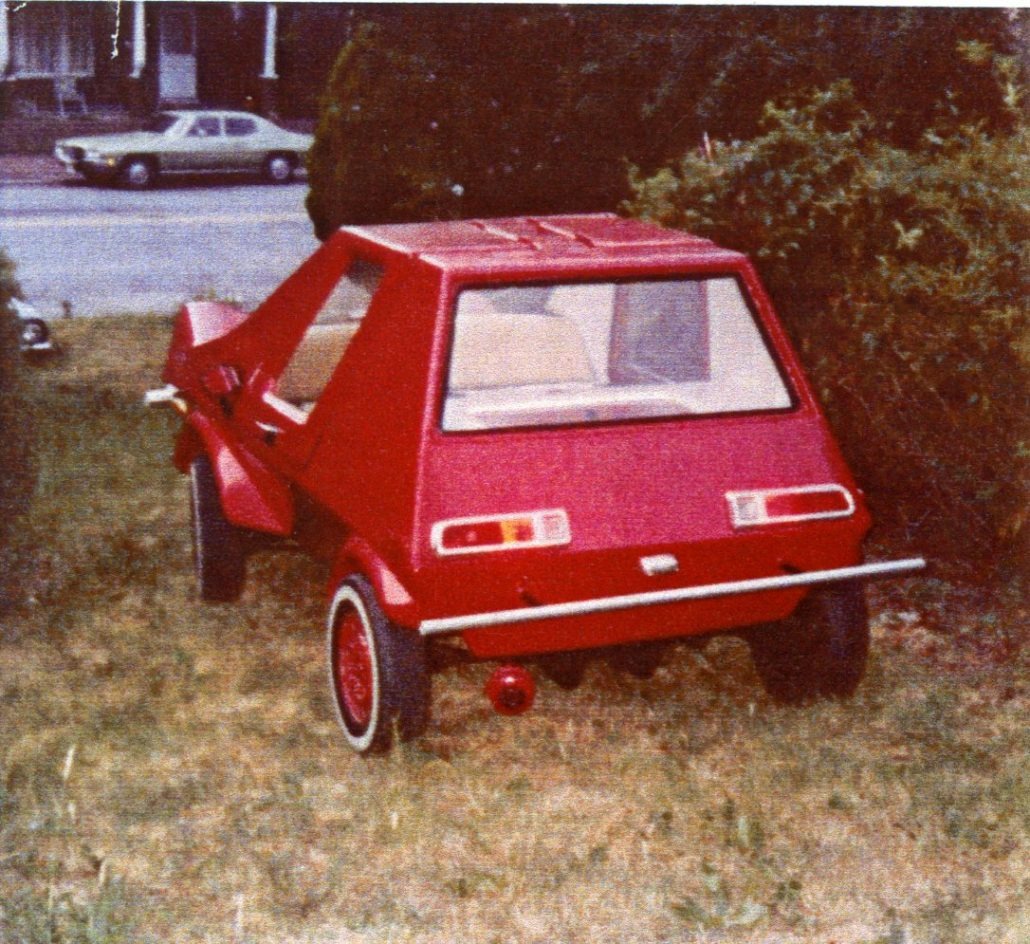
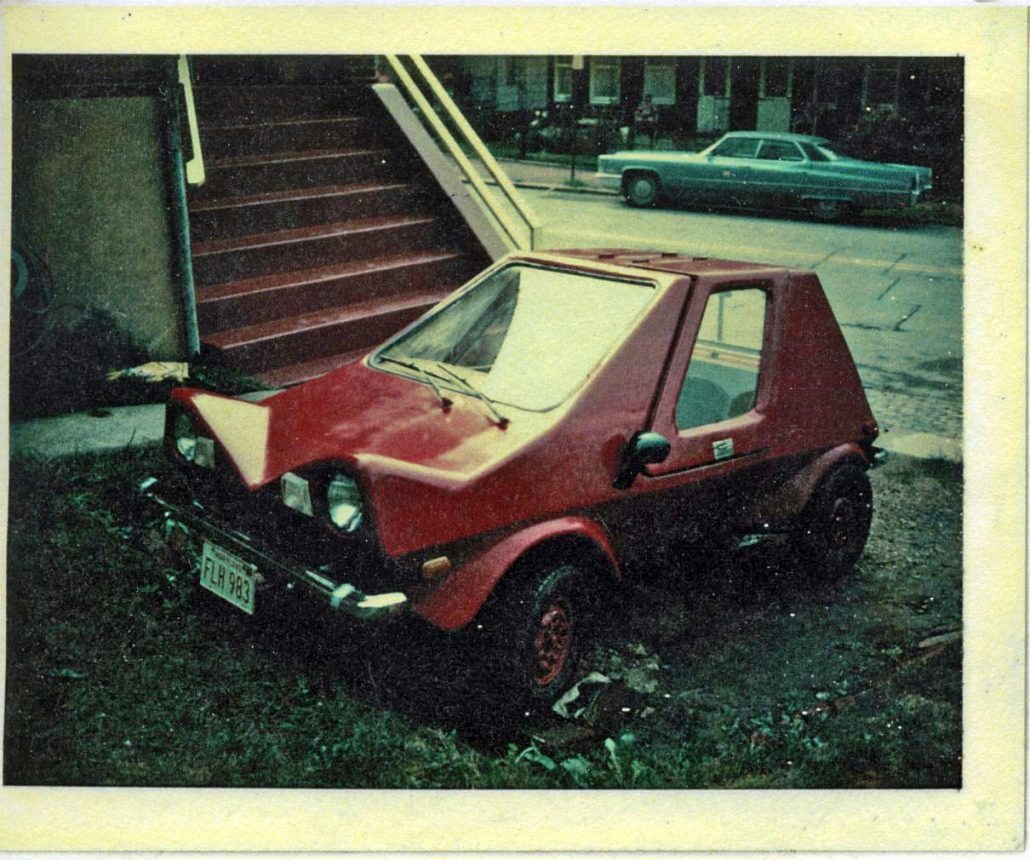
The body is compact but thoughtfully styled, featuring removable gullwing doors, pop-out side curtains, bucket seats, and a small storage shelf beneath the rear window. Entry and exit take some getting used to, yet once inside, the high body sides provide a reassuring sense of enclosure—doors on or off.
Wide tires give the UrbaCar confident grip and a nimble, sports-car-like feel through corners. When pushed to the limit, the front tires let go first, producing gentle understeer that feels familiar and predictable. In normal conditions, it’s surprisingly difficult to break traction at all.
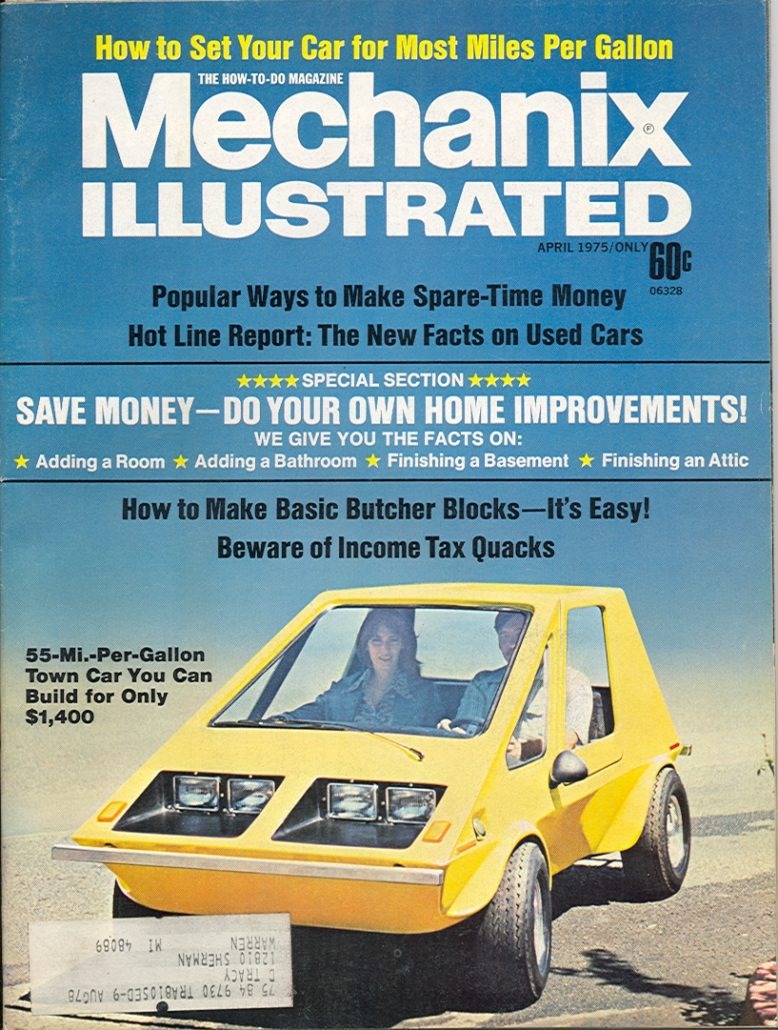
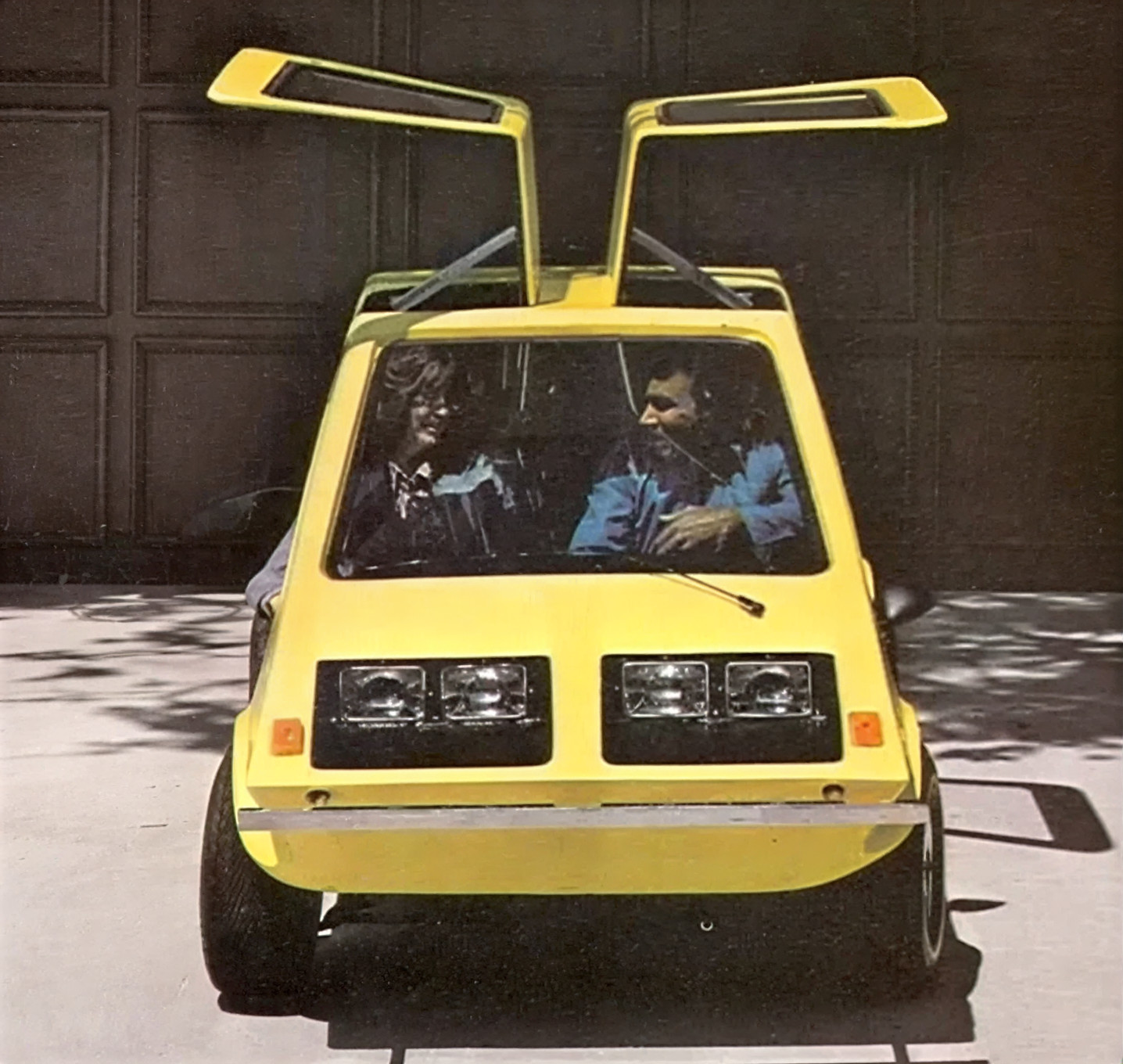
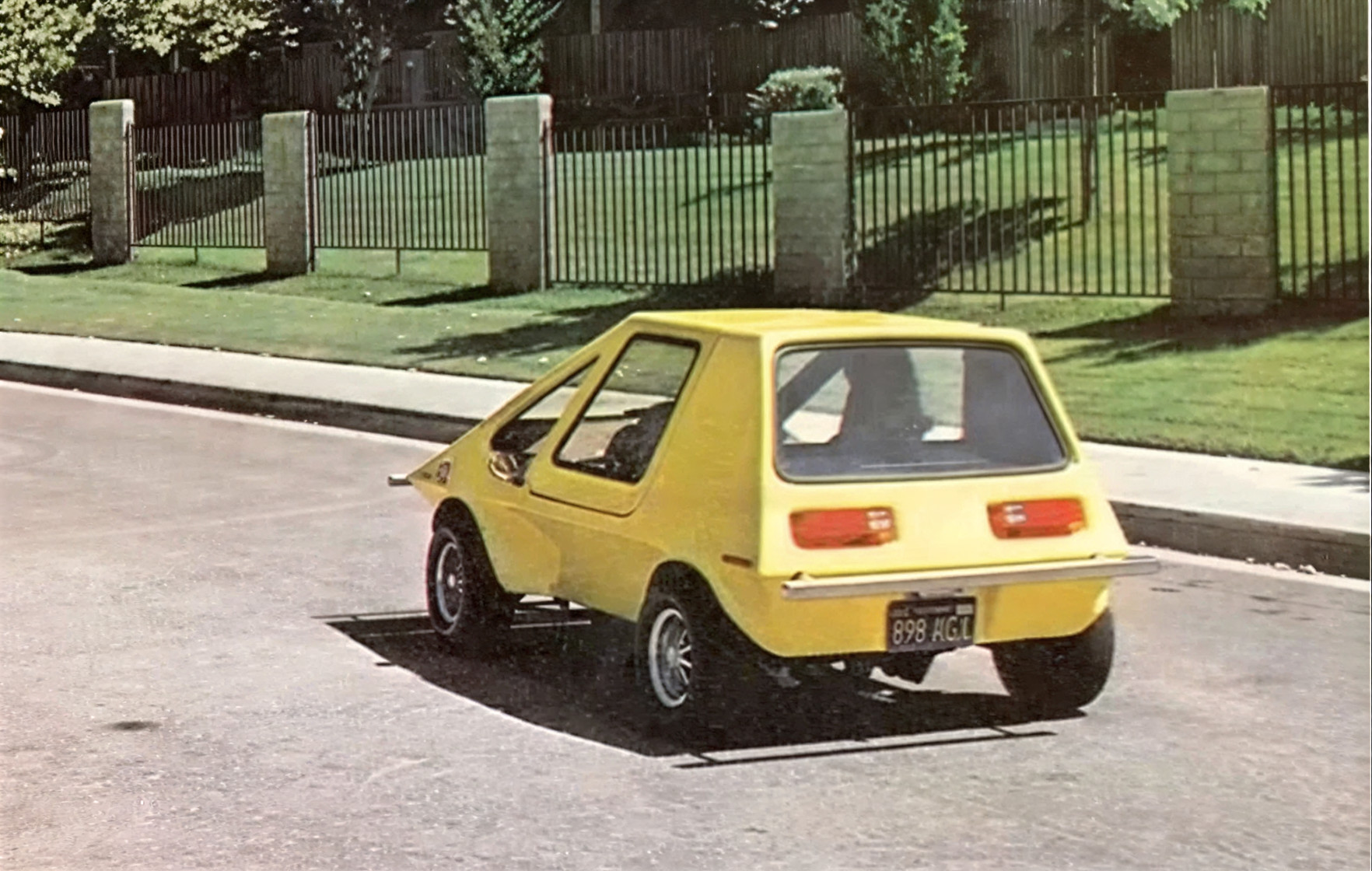
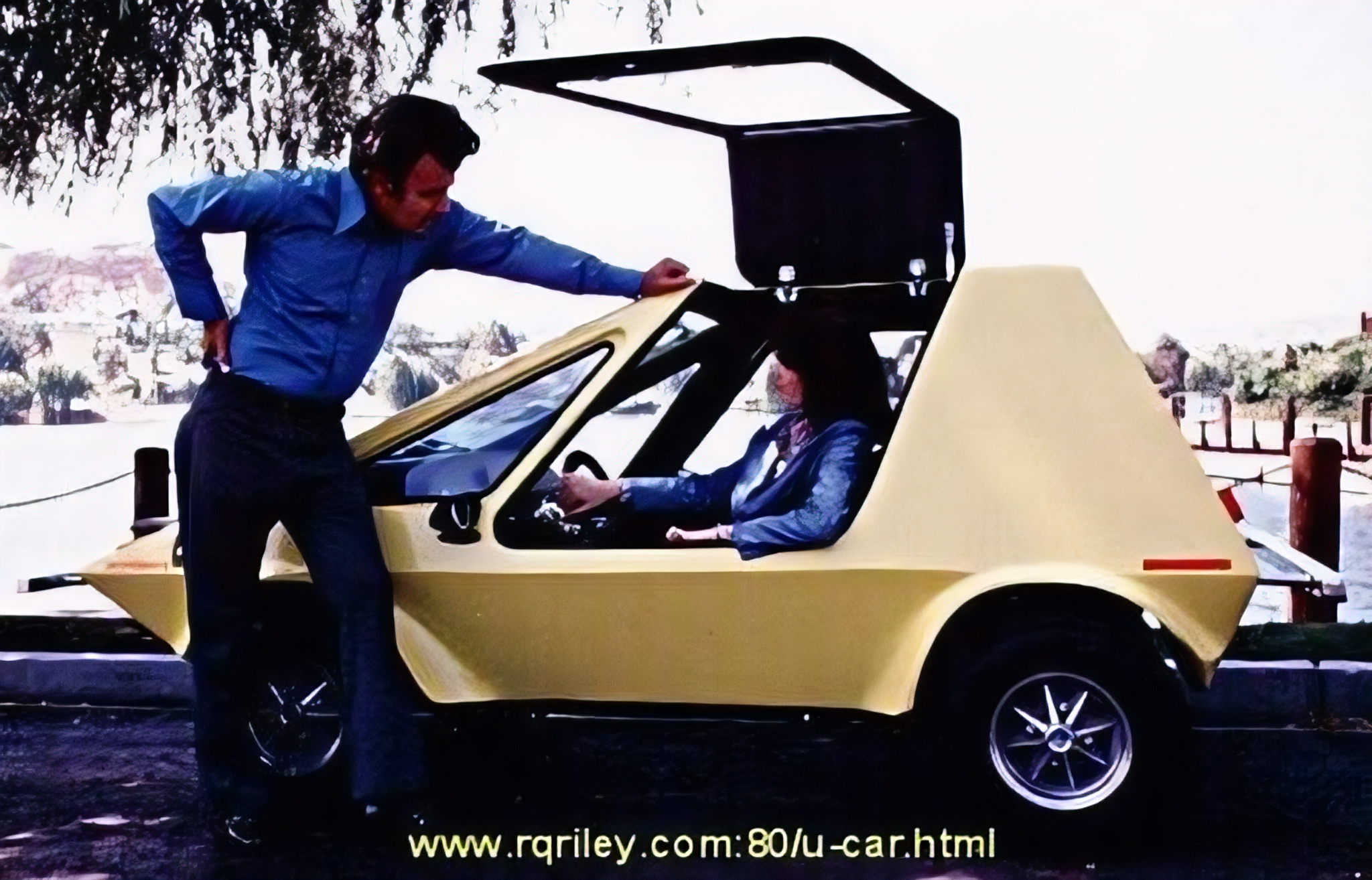
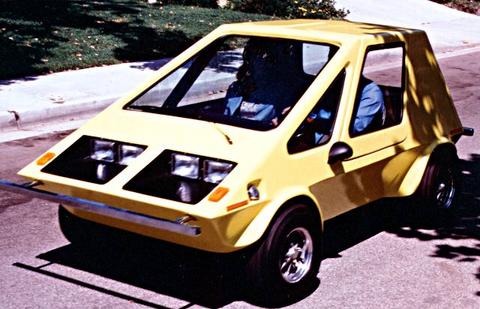
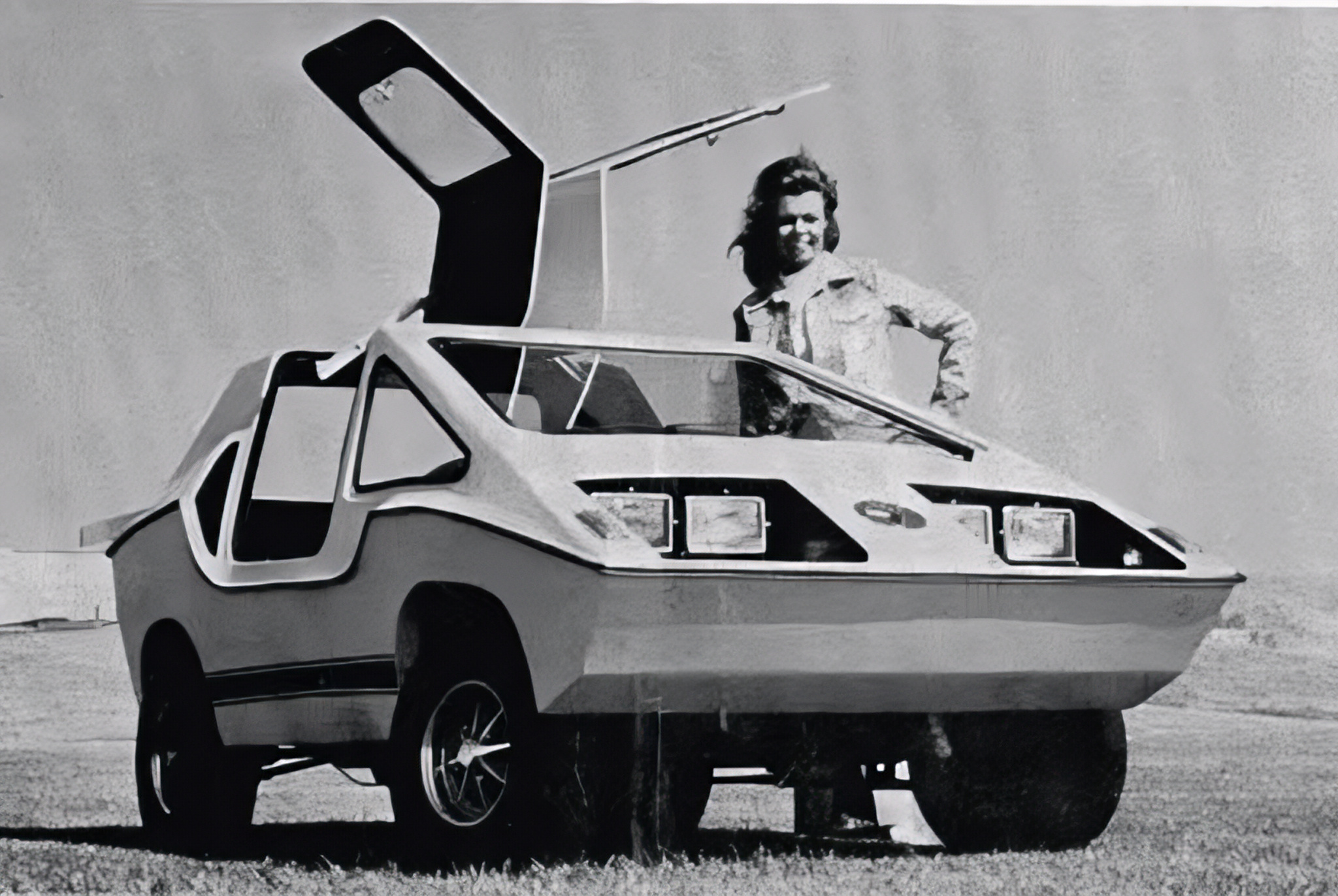
Performance is lively for its size. Acceleration to 40 mph is quicker than early Volkswagen Beetles, thanks to a much better power-to-weight ratio—about 37 lb per horsepower, depending on engine choice.
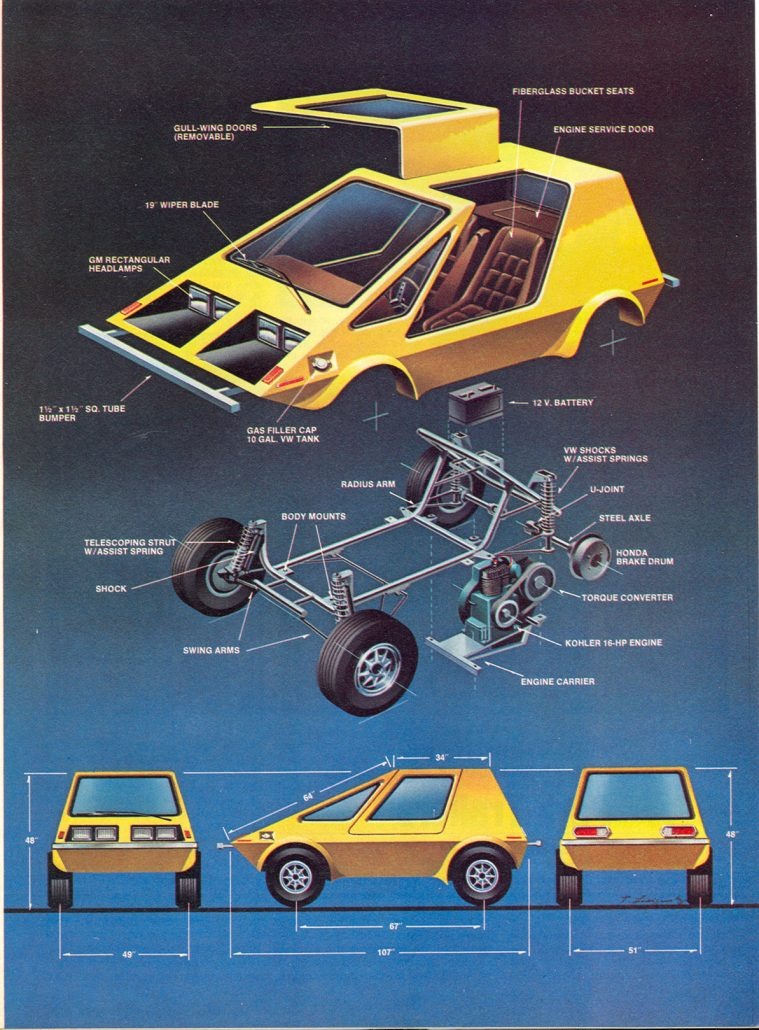
Since UrbaCar is a build-it-yourself machine, you have a choice of components in building yours. We powered ours with a single-cylinder Kohler industrial air-cooled, four-cycle gasoline engine. Depending on weight and performance you can use almost any small, one- or two-cylinder engine simply by relocating the mounting holes. Expect to give up about 25 percent in fuel mileage, though, if you pick a two-cycle.
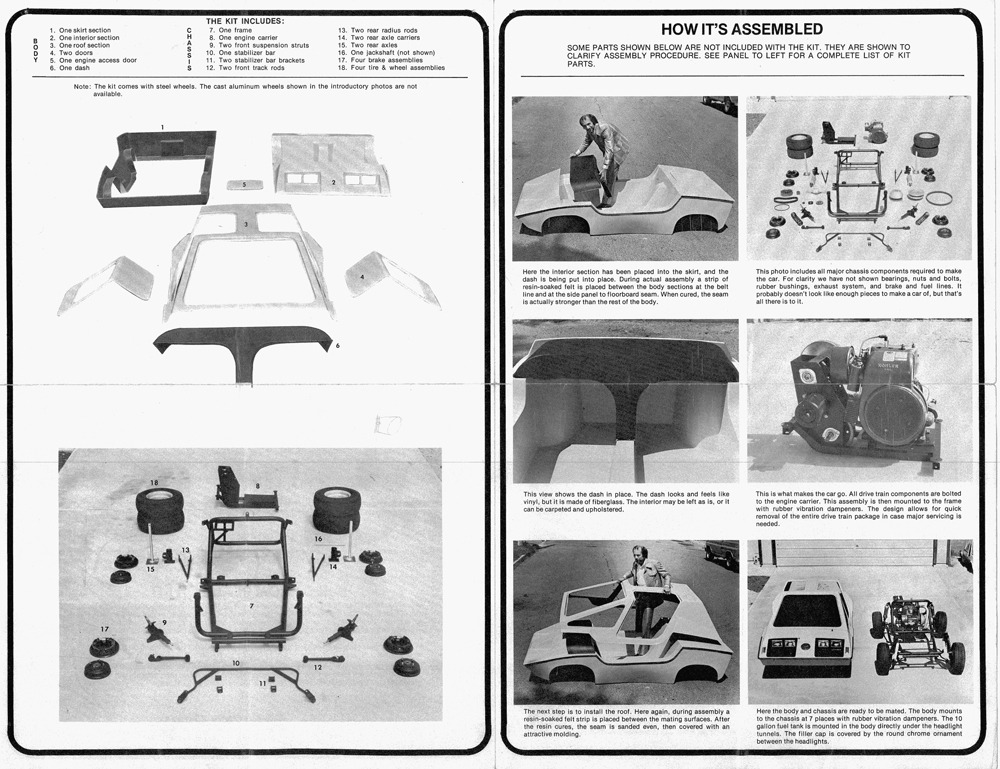
Much of the drivetrain—clutch, transmission, and axle—can be salvaged from an old ATV or snowmobile, significantly reducing costs. The transmission itself is a proven variable-ratio belt drive long used in karts and recreational vehicles. As speed rises, centrifugal weights automatically adjust pulley diameters, smoothly shifting from a 3:1 ratio at low speed to a 1:1 ratio for efficient cruising.
Power is sent to the rear axle via a standard ATV chain-drive differential. Maintenance is minimal, typically limited to replacing the drive belt every few years.
Reverse gear is handled in an unconventional but cost-effective way. Instead of a complex gearbox, the UrbaCar uses a separate motor solely for backing up. A Ford starter motor mounts to the chain housing, and a lever between the seats engages a reverse chain with the starter’s sprocket. Flip a dashboard switch, and the car moves backward—simple, cheap, and effective.
Frame construction involves basic cutting and welding. Builders without welding skills can outsource the job or purchase a pre-made frame, though this saves time rather than money.
The body can be customized too: foam panels are glued together on the chassis, shaped by hand, and then fiberglassed into a single, rigid shell. The process requires no mold and results in a strong, insulated body with color molded directly into the surface.
Shaping the foam takes roughly 8 to 10 hours, while fiberglassing adds another 15 to 20. Alternatively, a ready-made body is available, and the full plans include sources for hard-to-find components.