Vignale Gamine

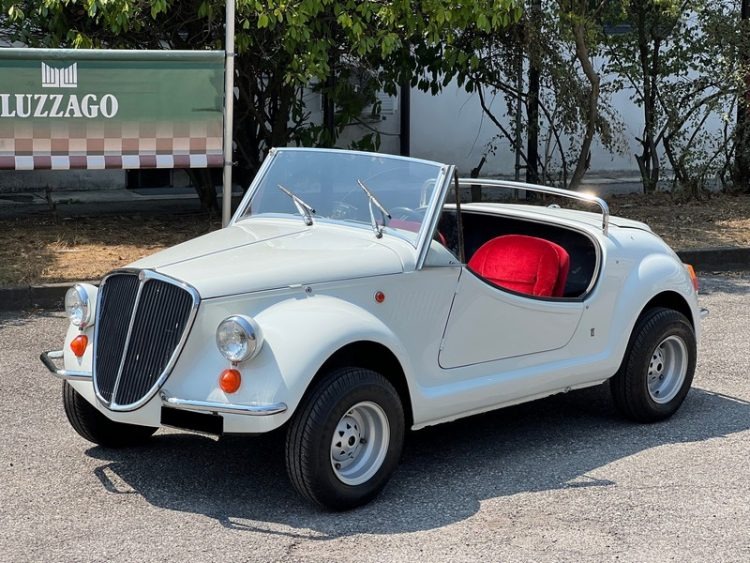
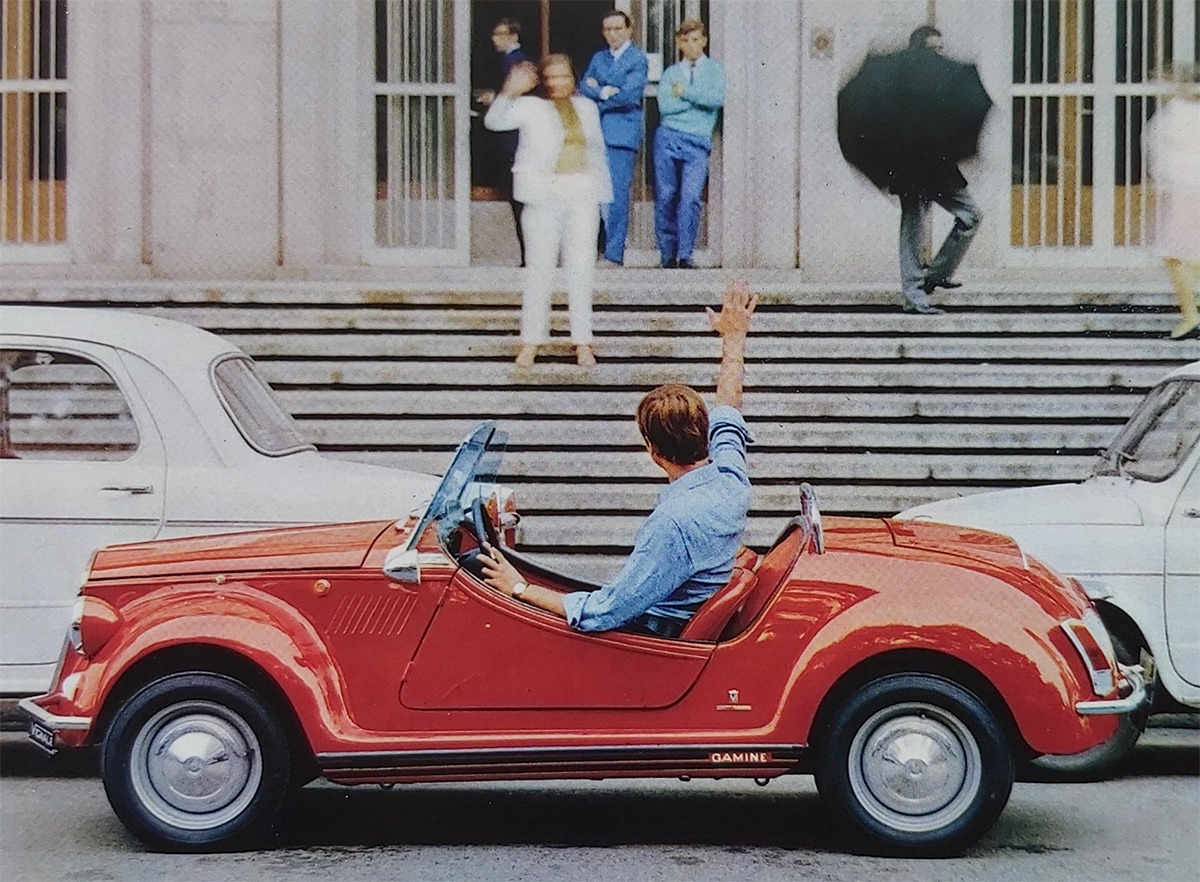
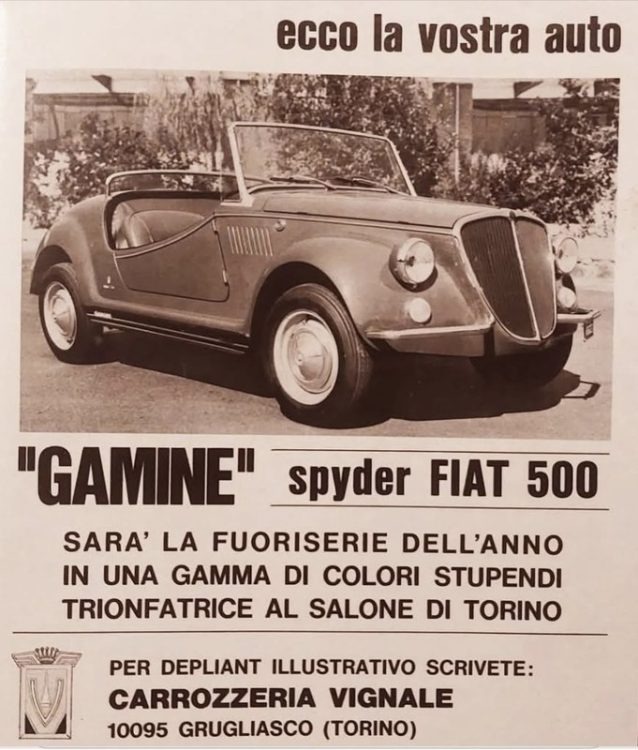
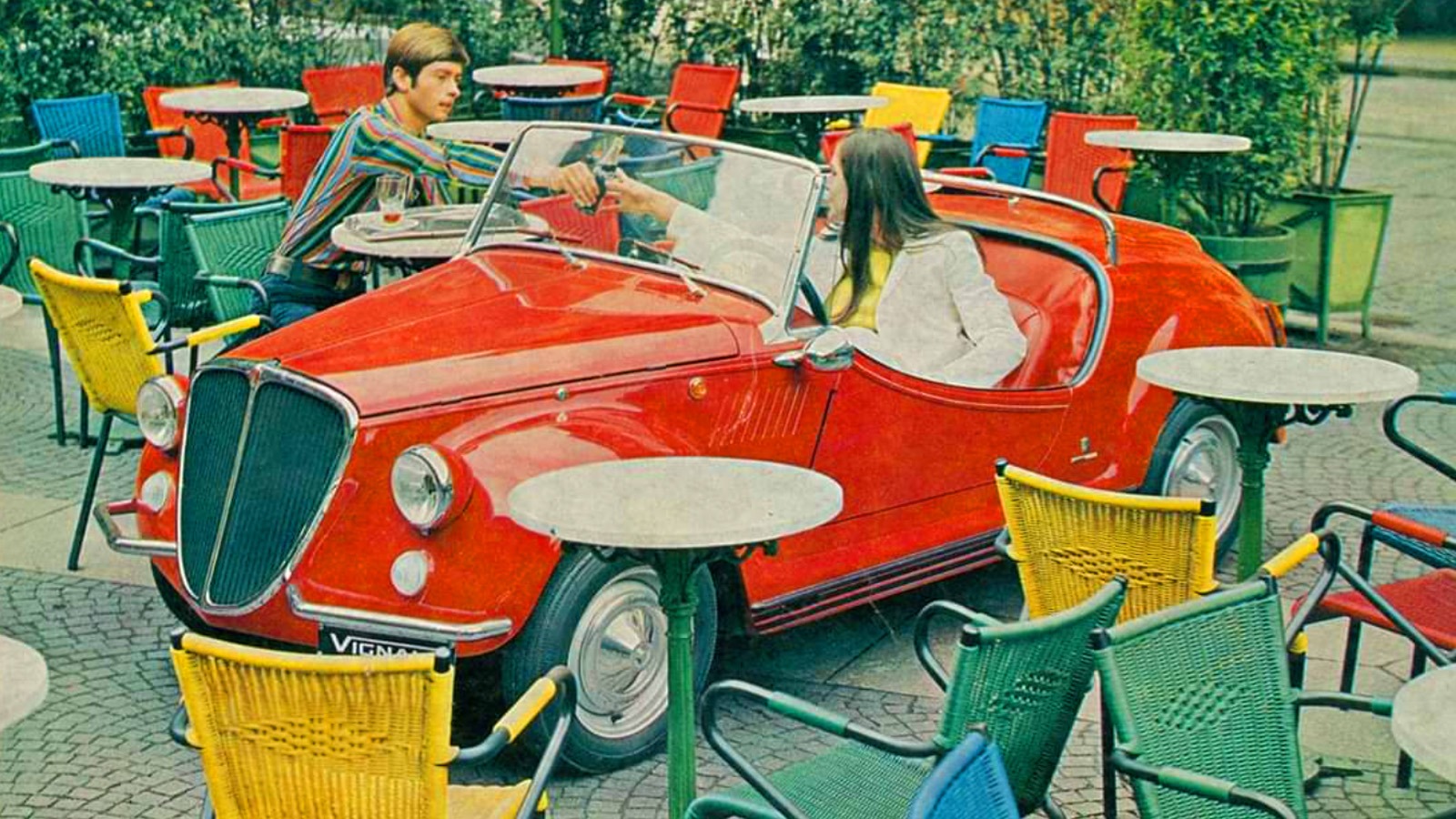
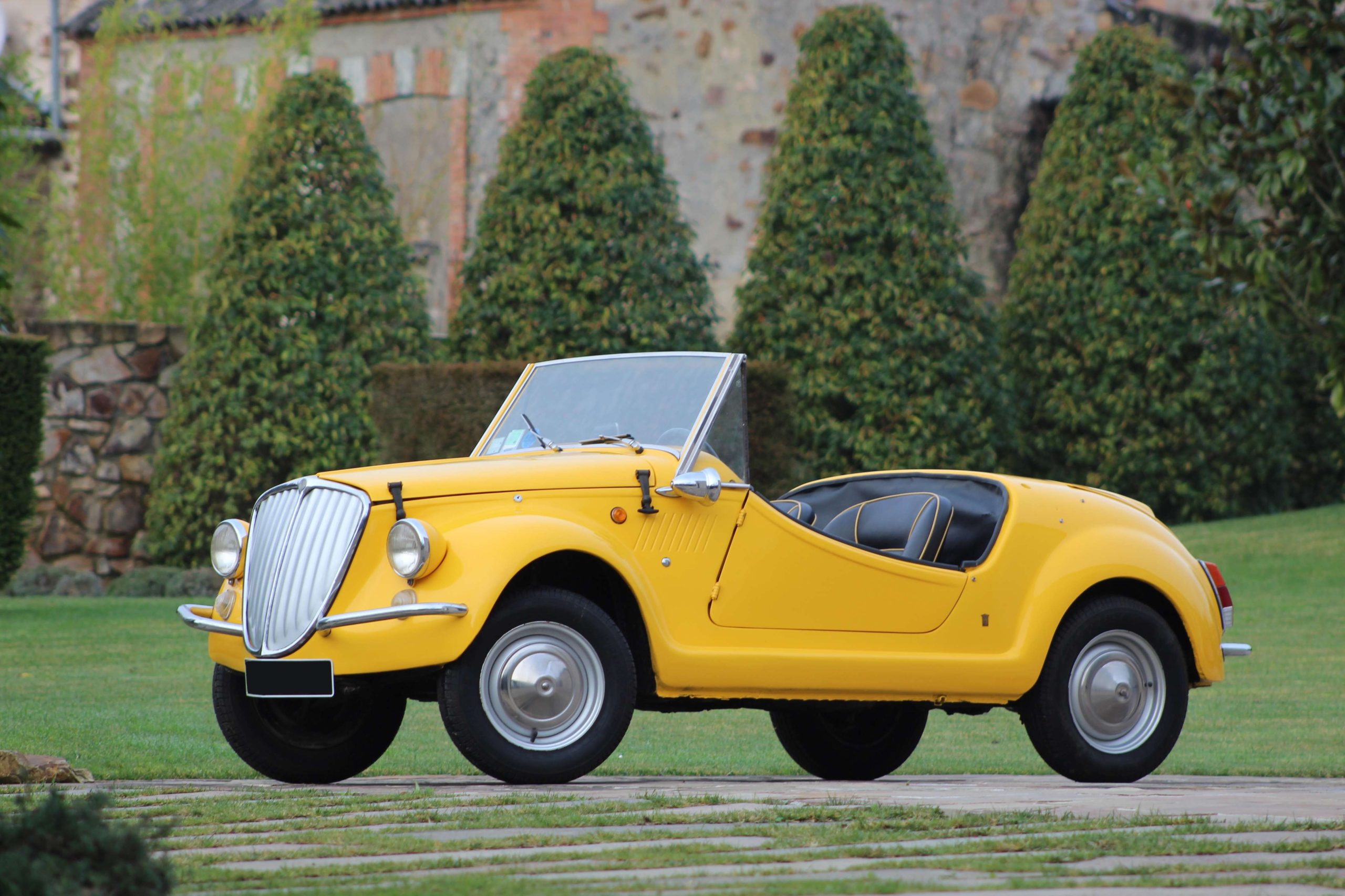
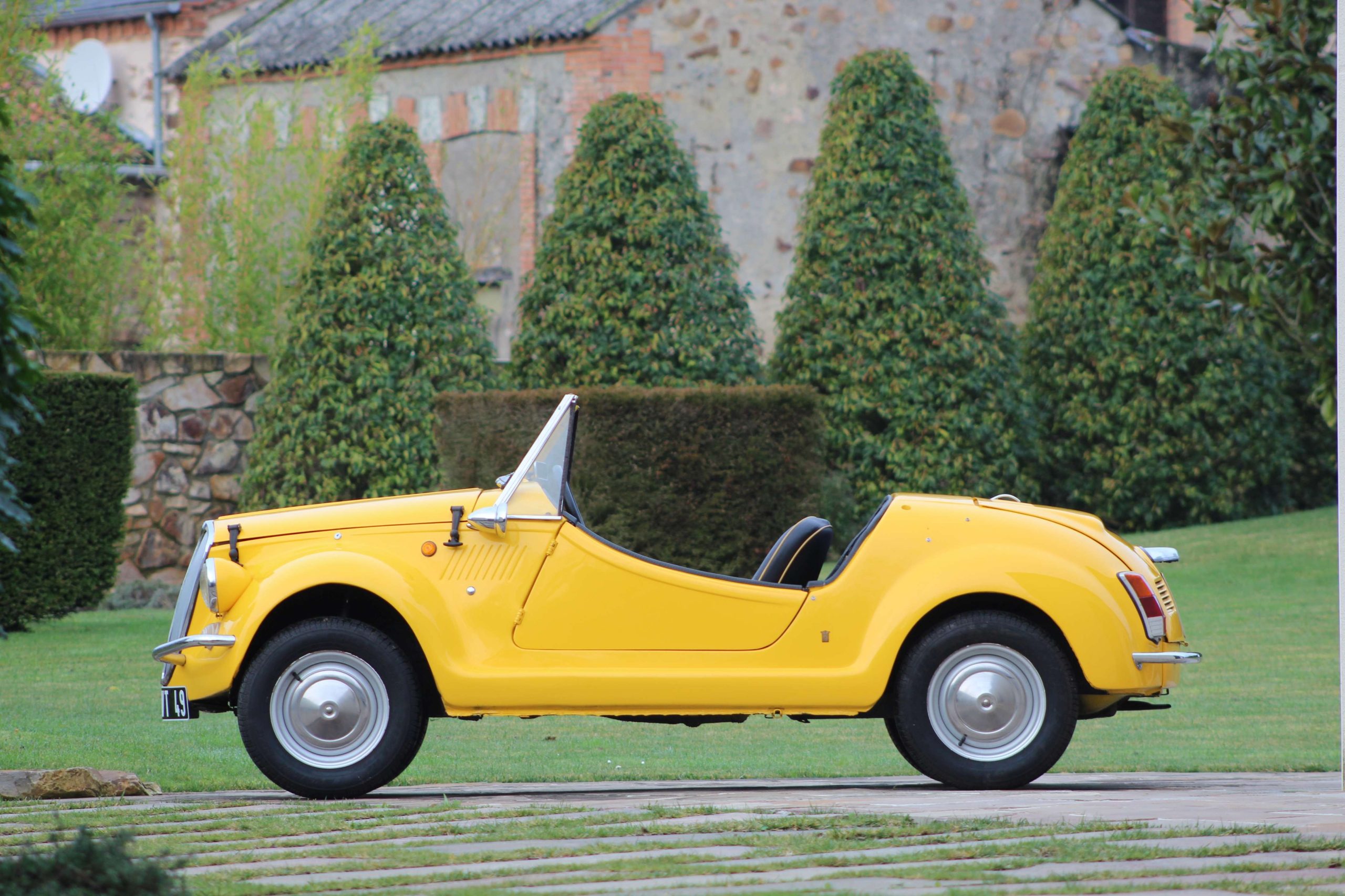
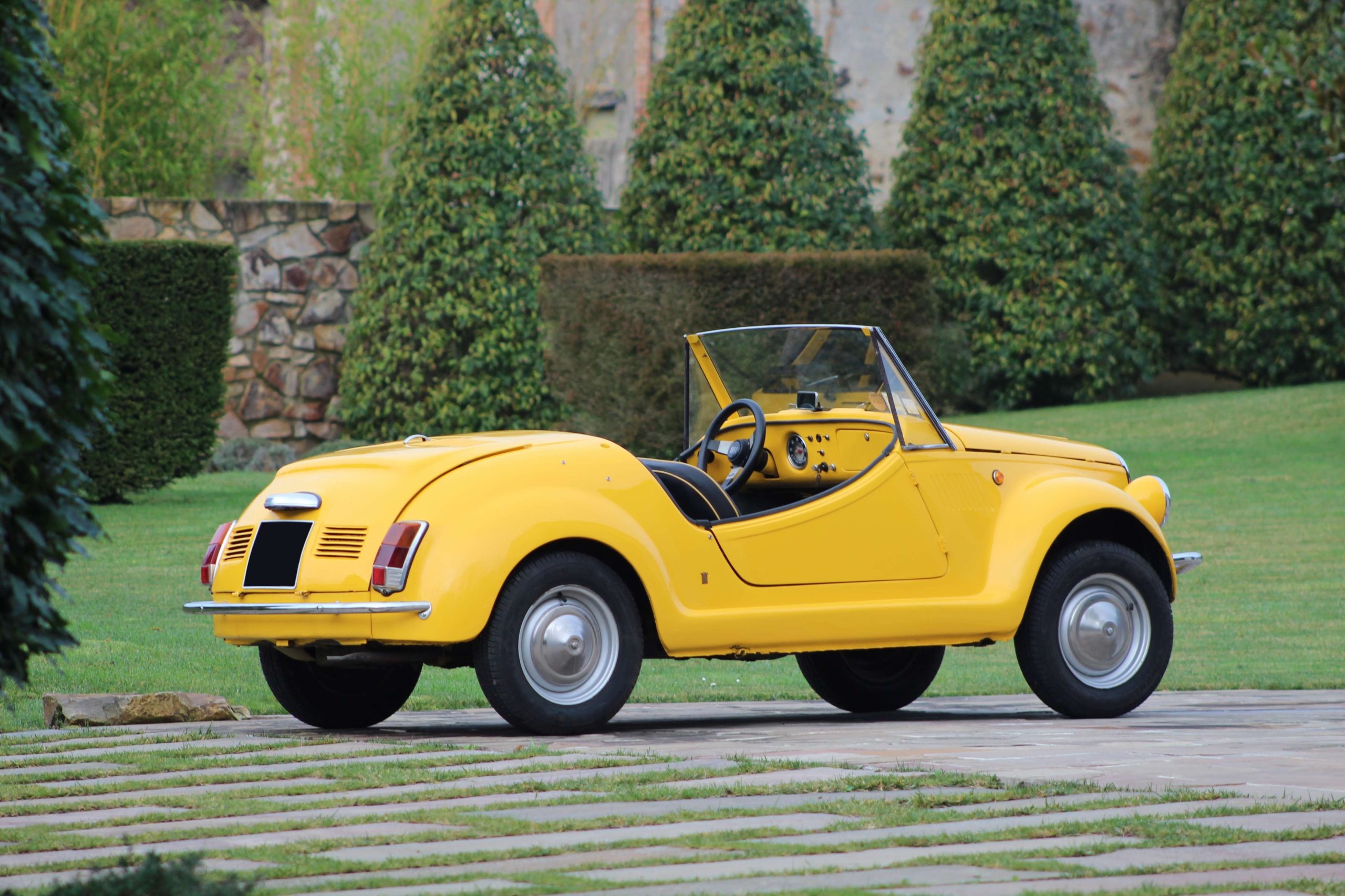
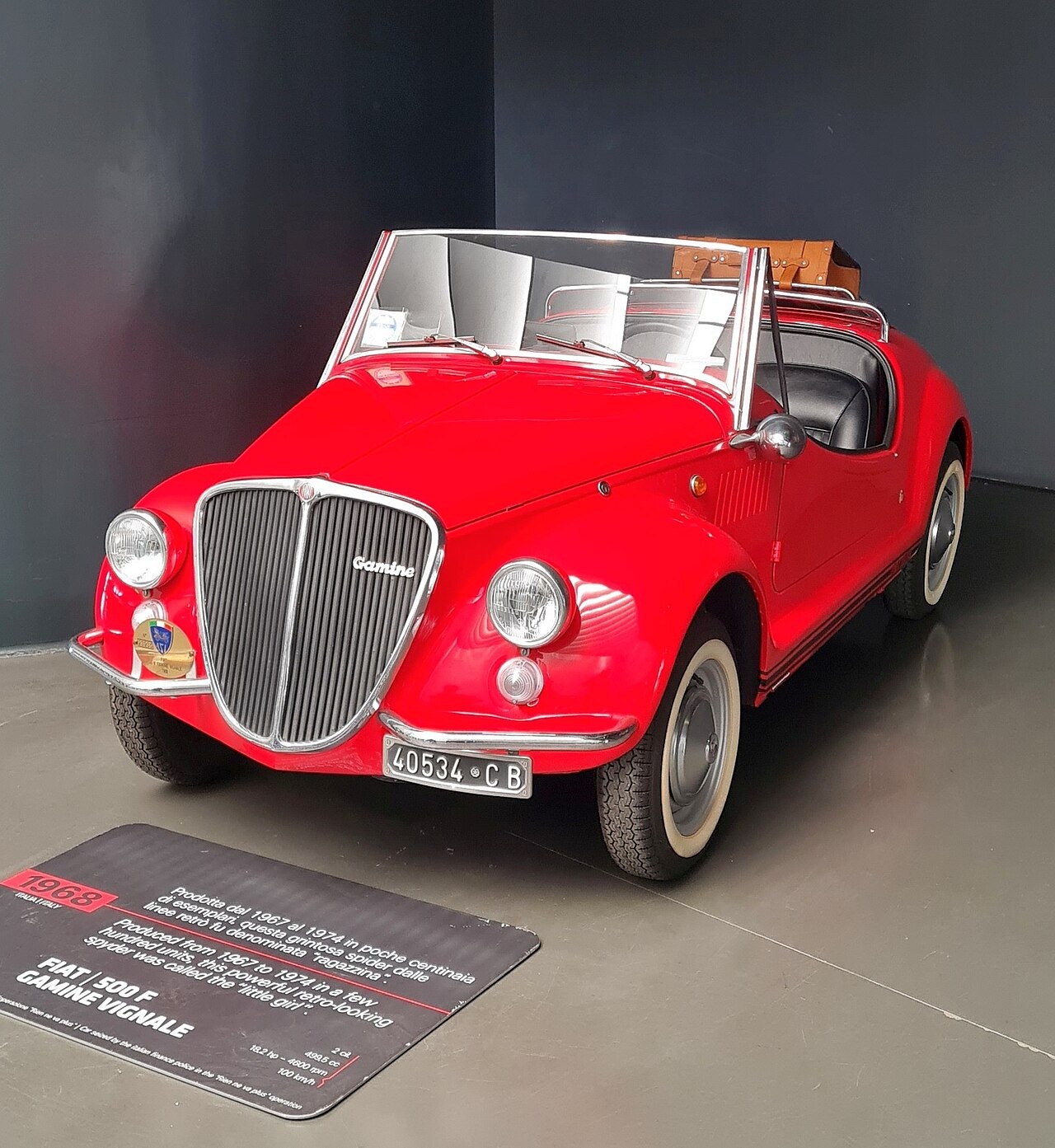
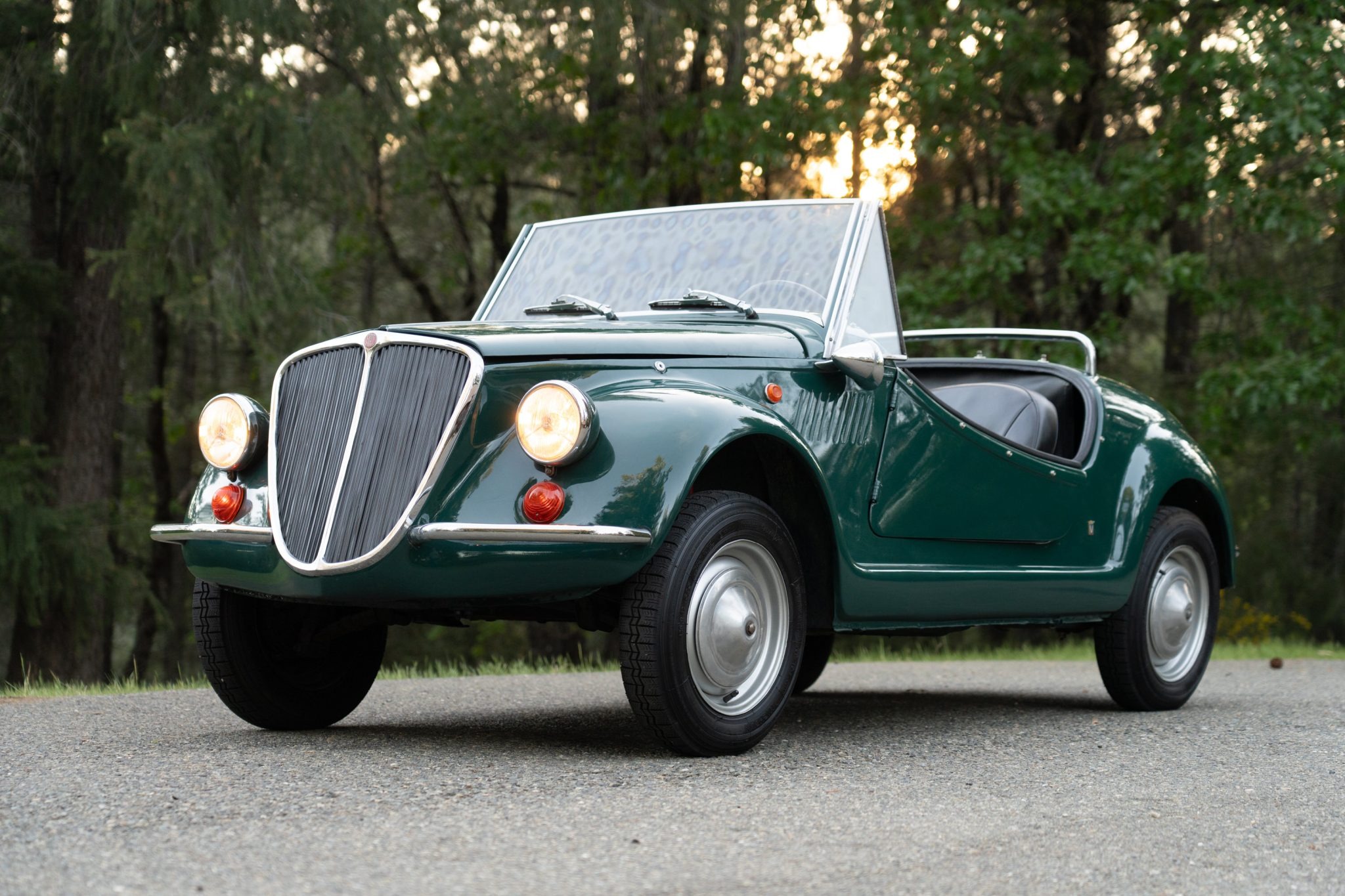
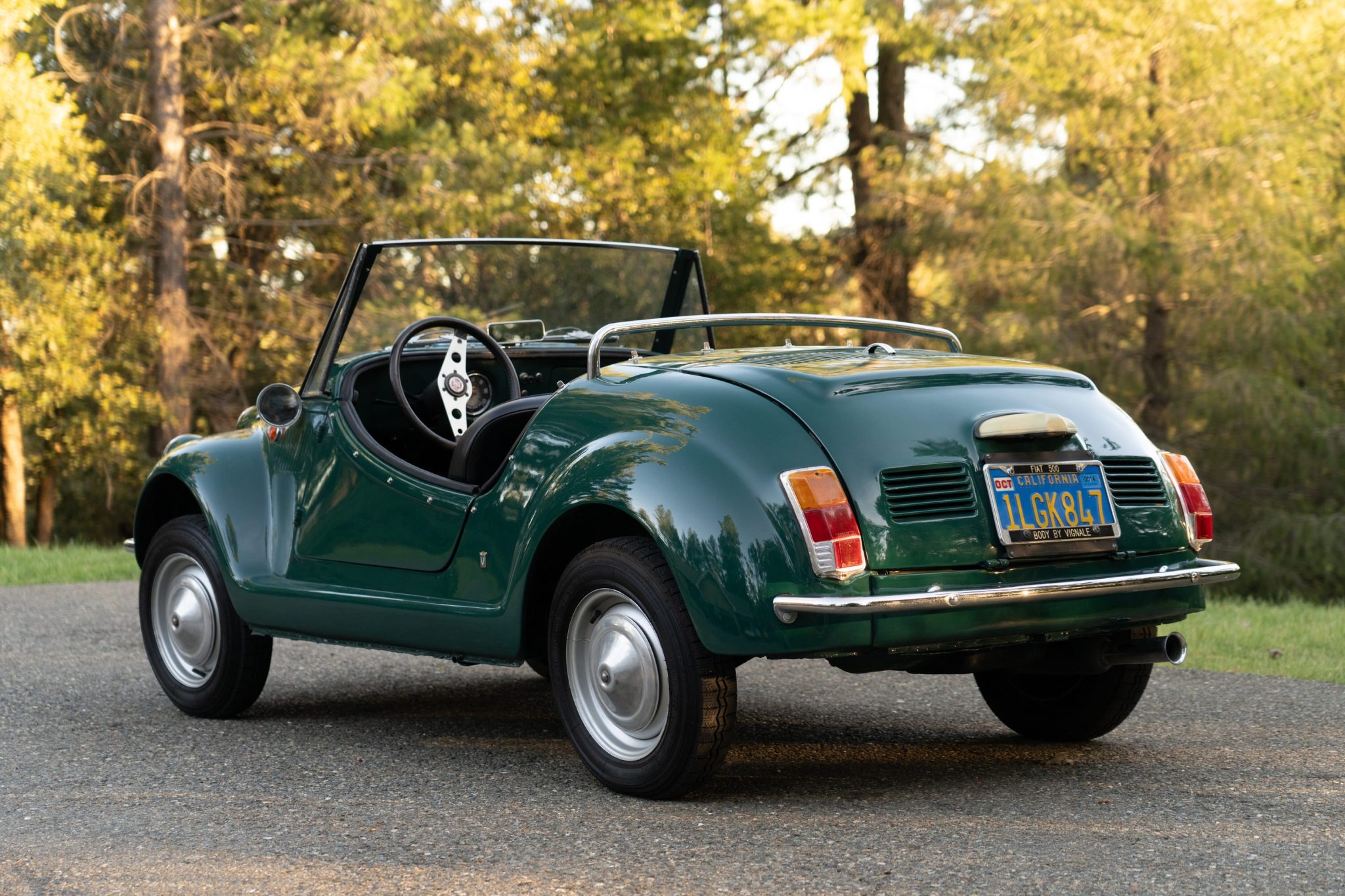
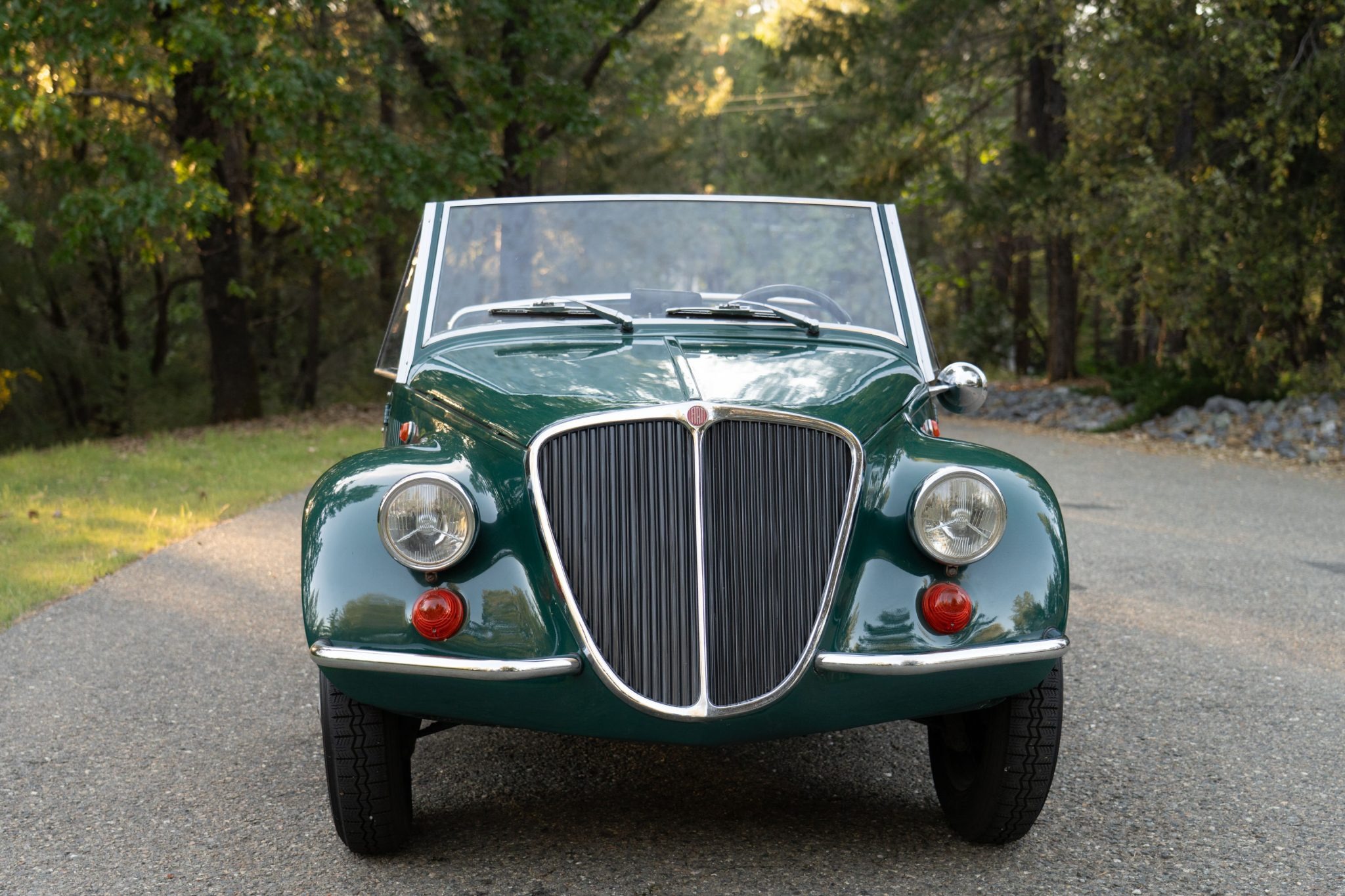
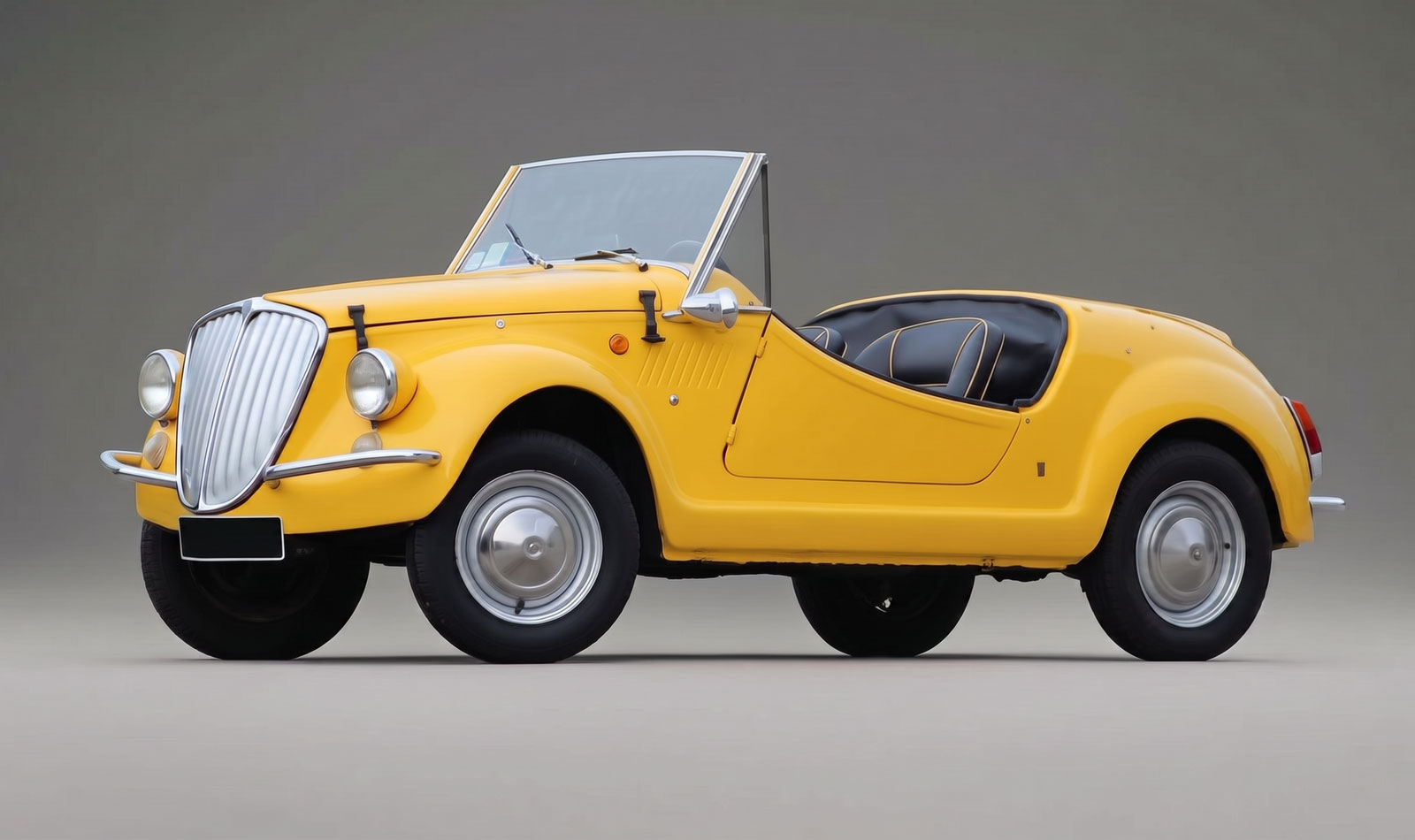
The Vignale Gamine was a small rear-engined roadster produced by Carrozzeria Vignale from 1967 until 1971. Based on the Fiat 500F, it combined contemporary mechanical components with deliberately retro styling inspired by 1930s Fiat models, particularly the Fiat 508 Balilla Coppa d’Oro.
The project began when Osvaldo Geminiani, owner of the Monte Carlo dealership G.A.M., approached Alfredo Vignale with a request for an open-top two-seater with nostalgic design cues.
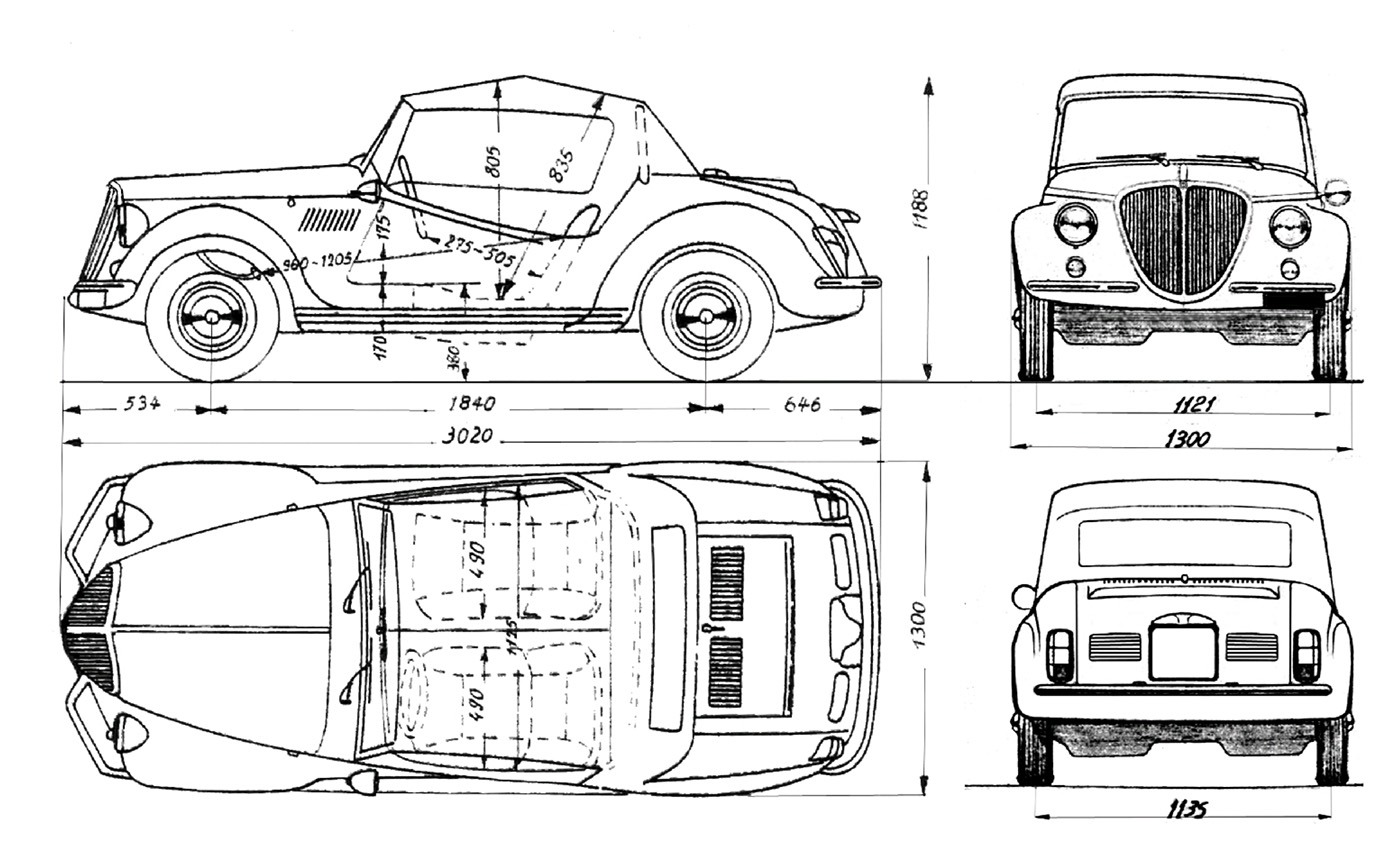
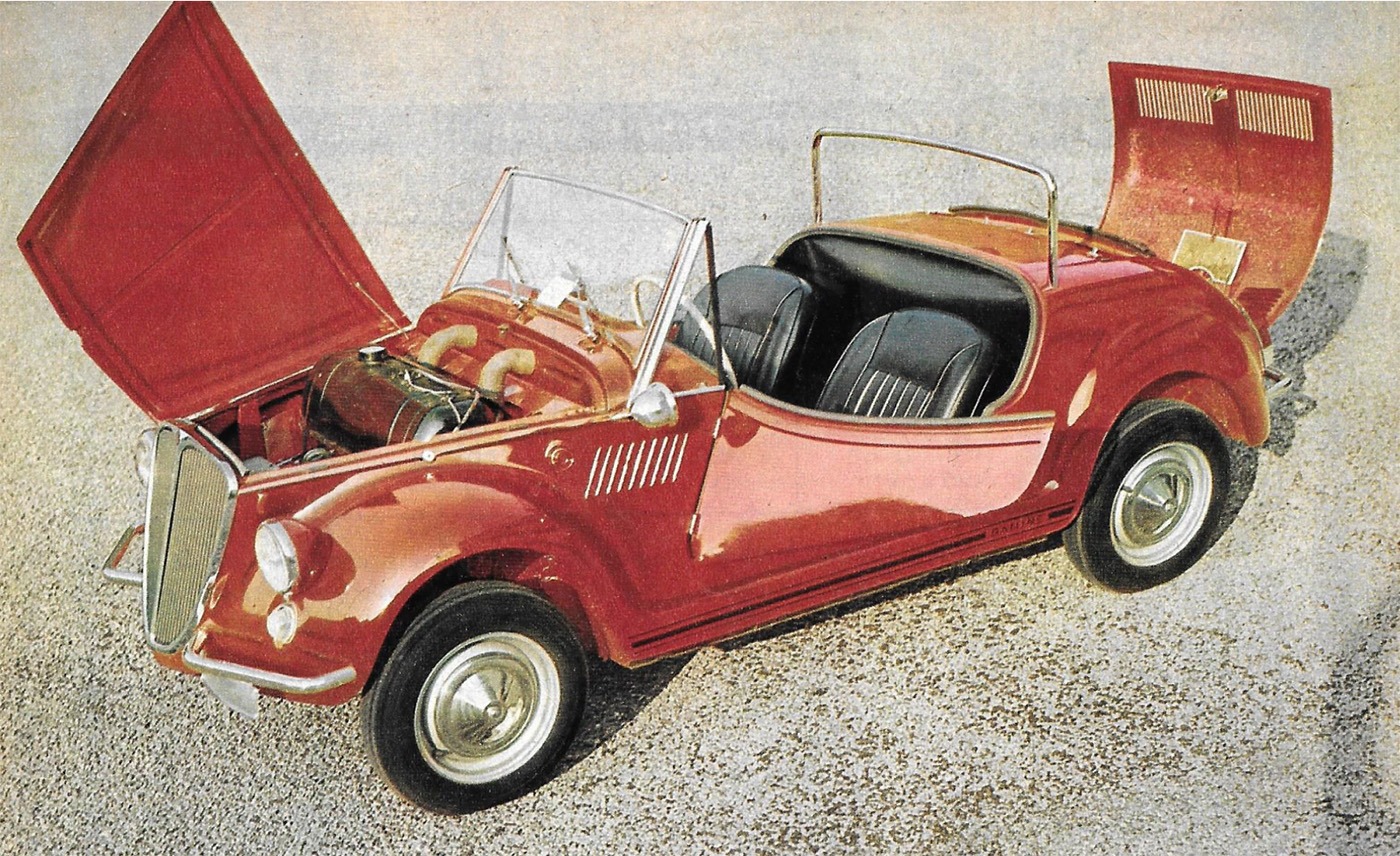
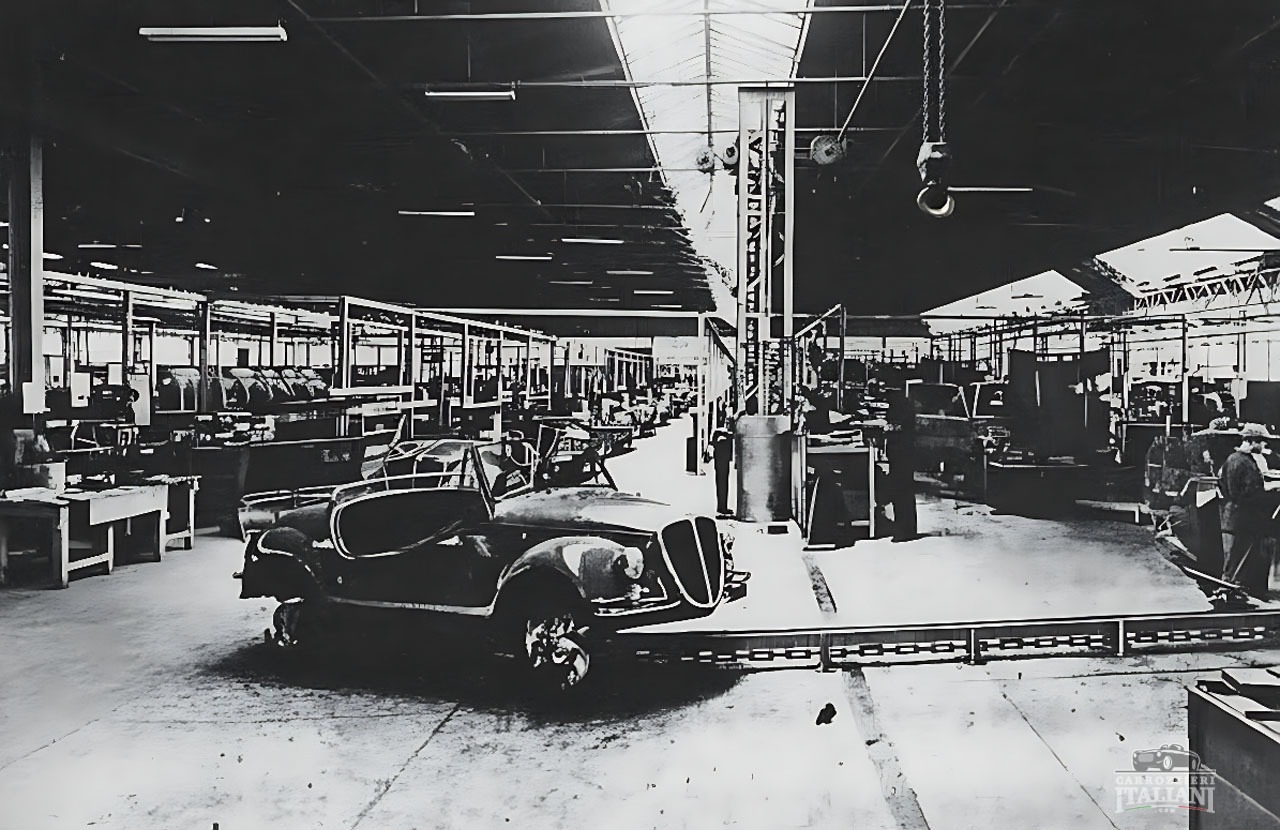
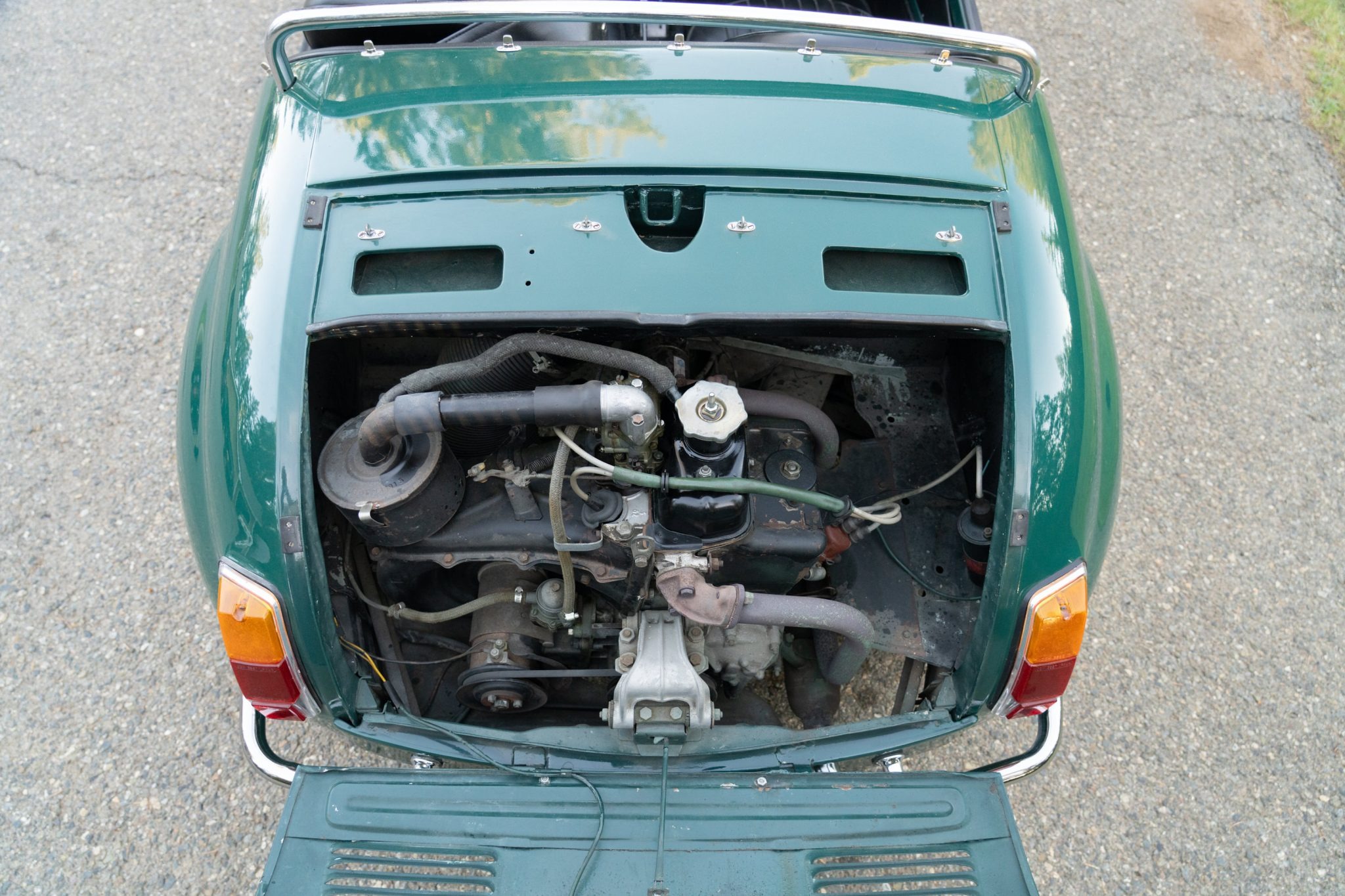
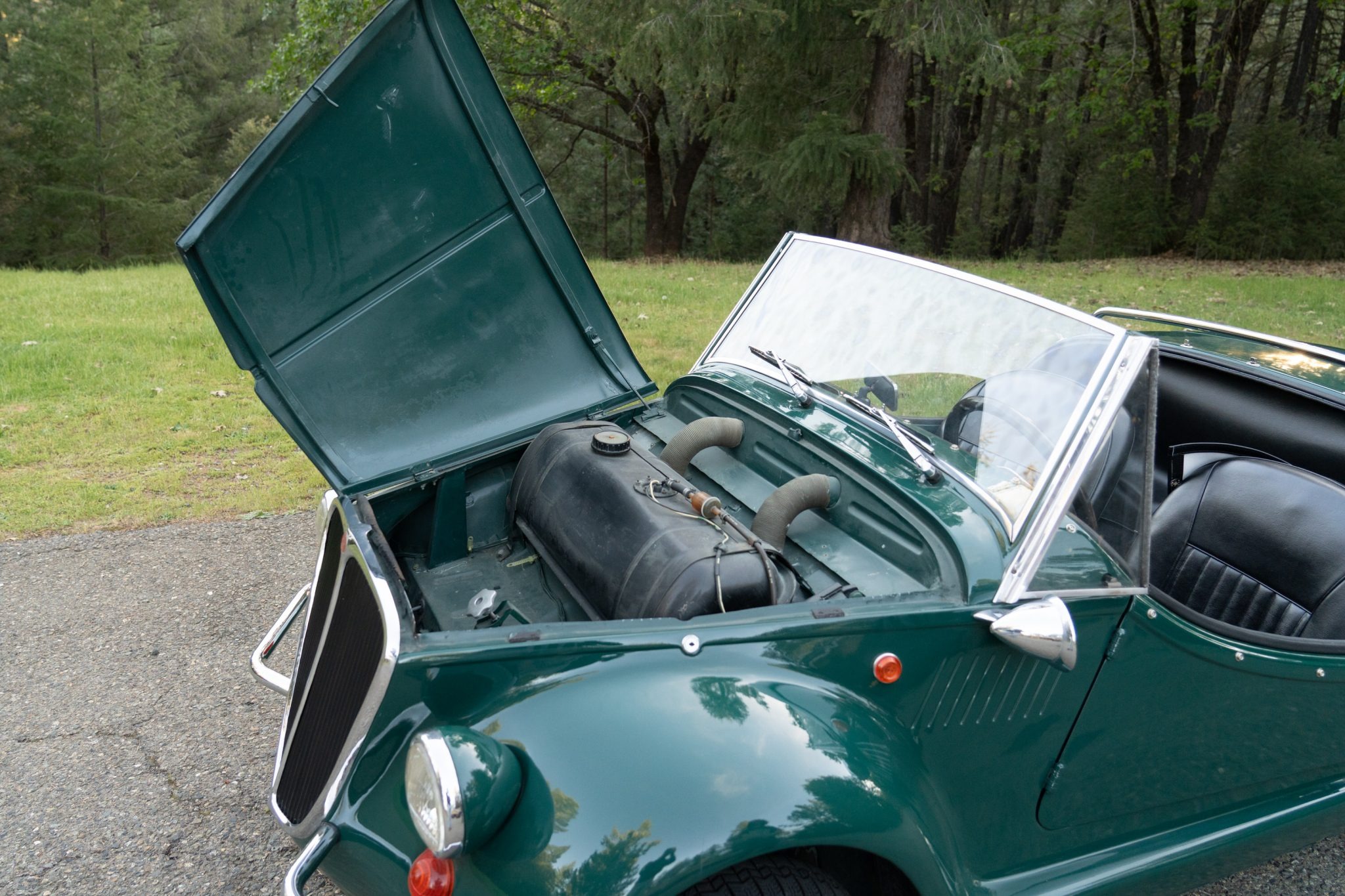
Production started in late 1967 at Vignale’s workshop in Turin. The Gamine used the Nuova 500’s chassis, with a wheelbase of 1,840 mm, and retained the rear-mounted 499.5 cc air-cooled two-cylinder engine from the 500F and 500 Sport. In Vignale’s configuration, the engine produced 21.5 PS, giving the car an official top speed of approximately 97 km/h, or 60 mph. Only one engine version was offered throughout production.
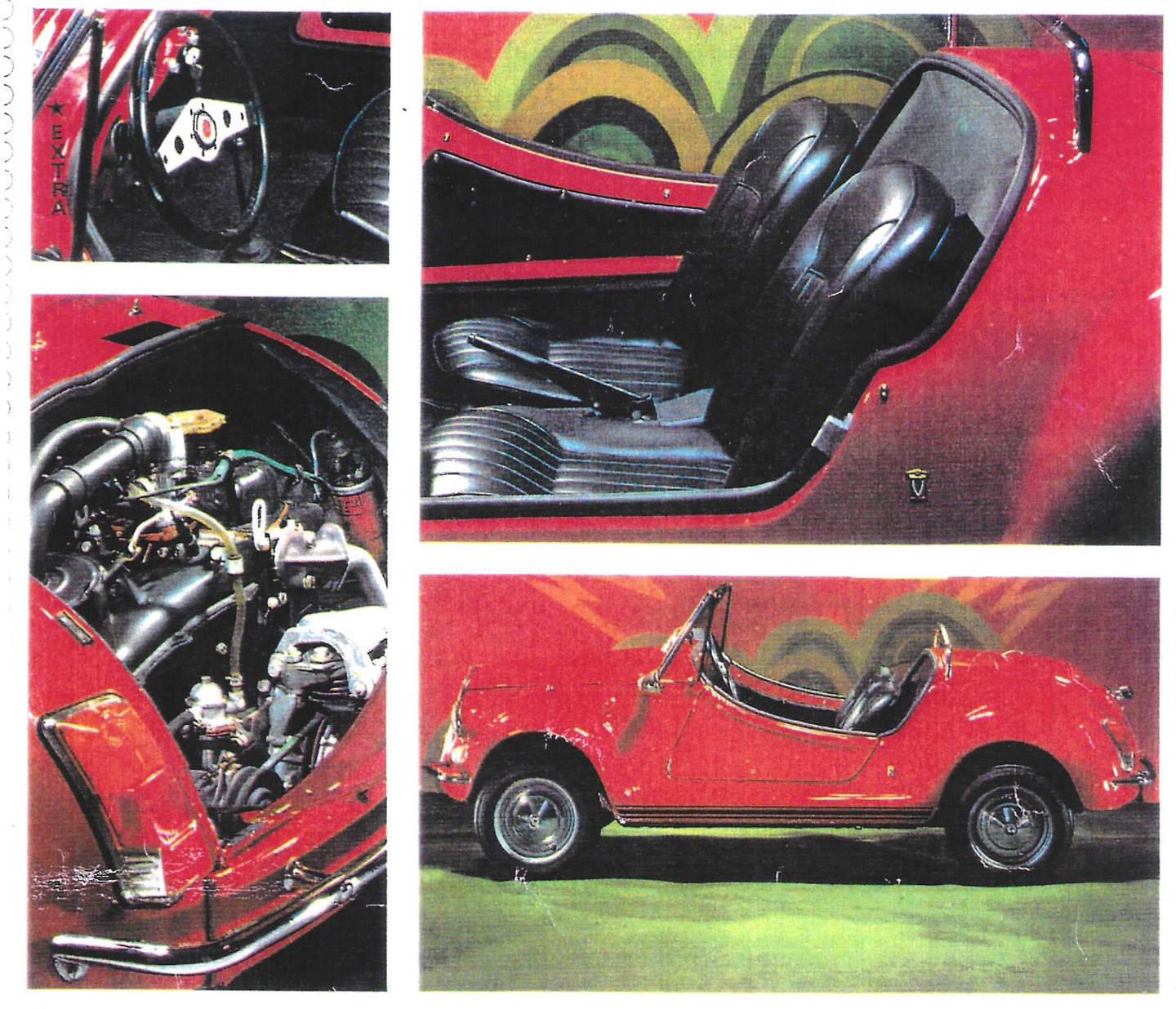
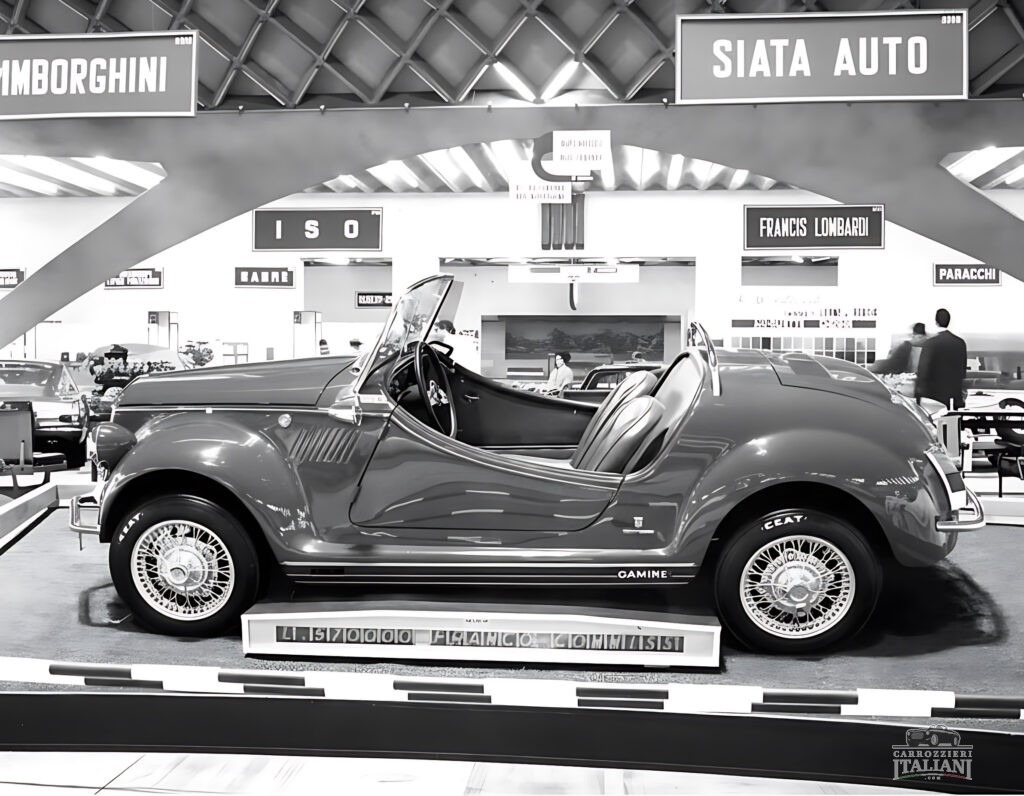
Despite its old-fashioned appearance, the Gamine was built around modern Fiat 500 mechanics. Skilled craftsmen hand-formed the steel body panels, including separate curved fenders over each wheel, a distinctive faux radiator grille and chrome-trimmed bumpers.
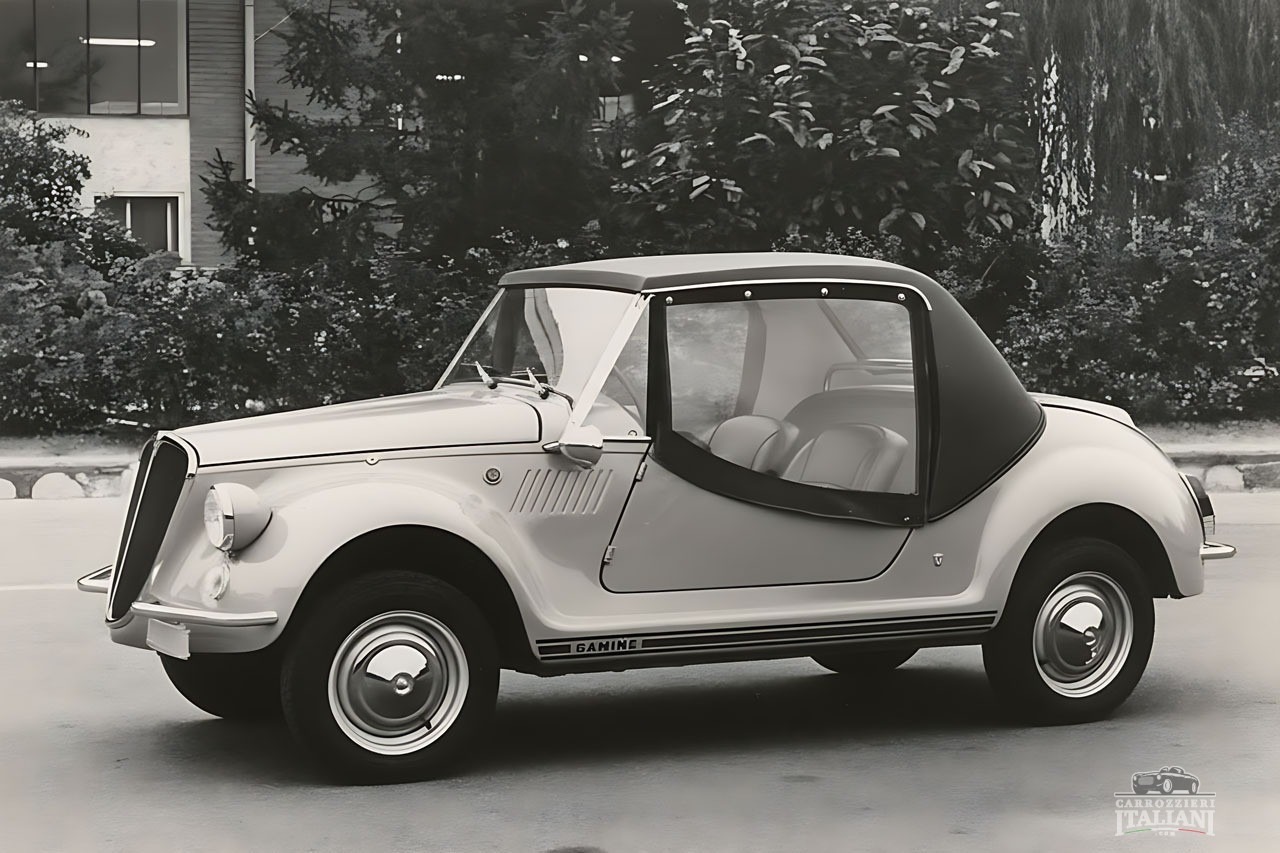
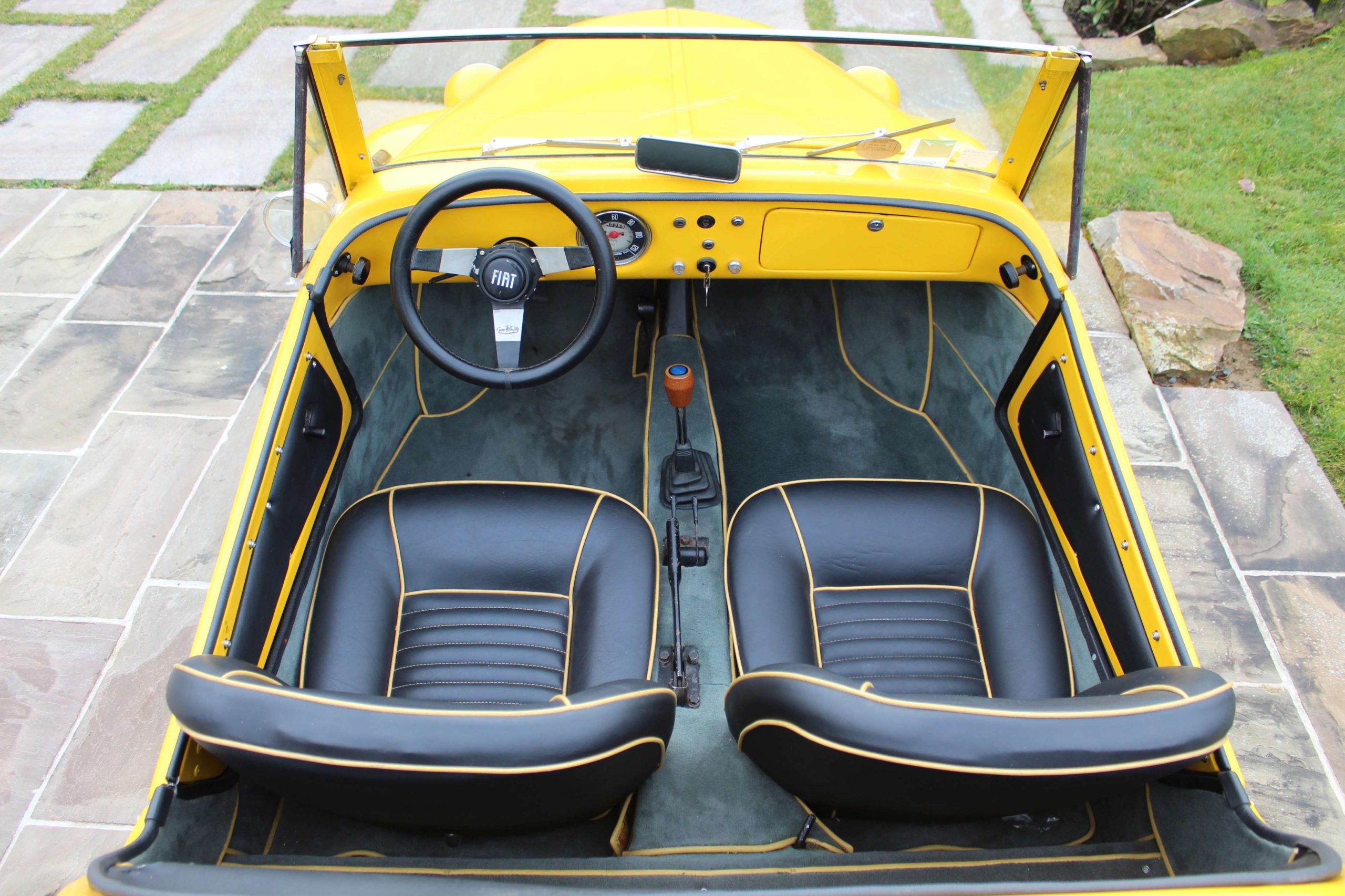
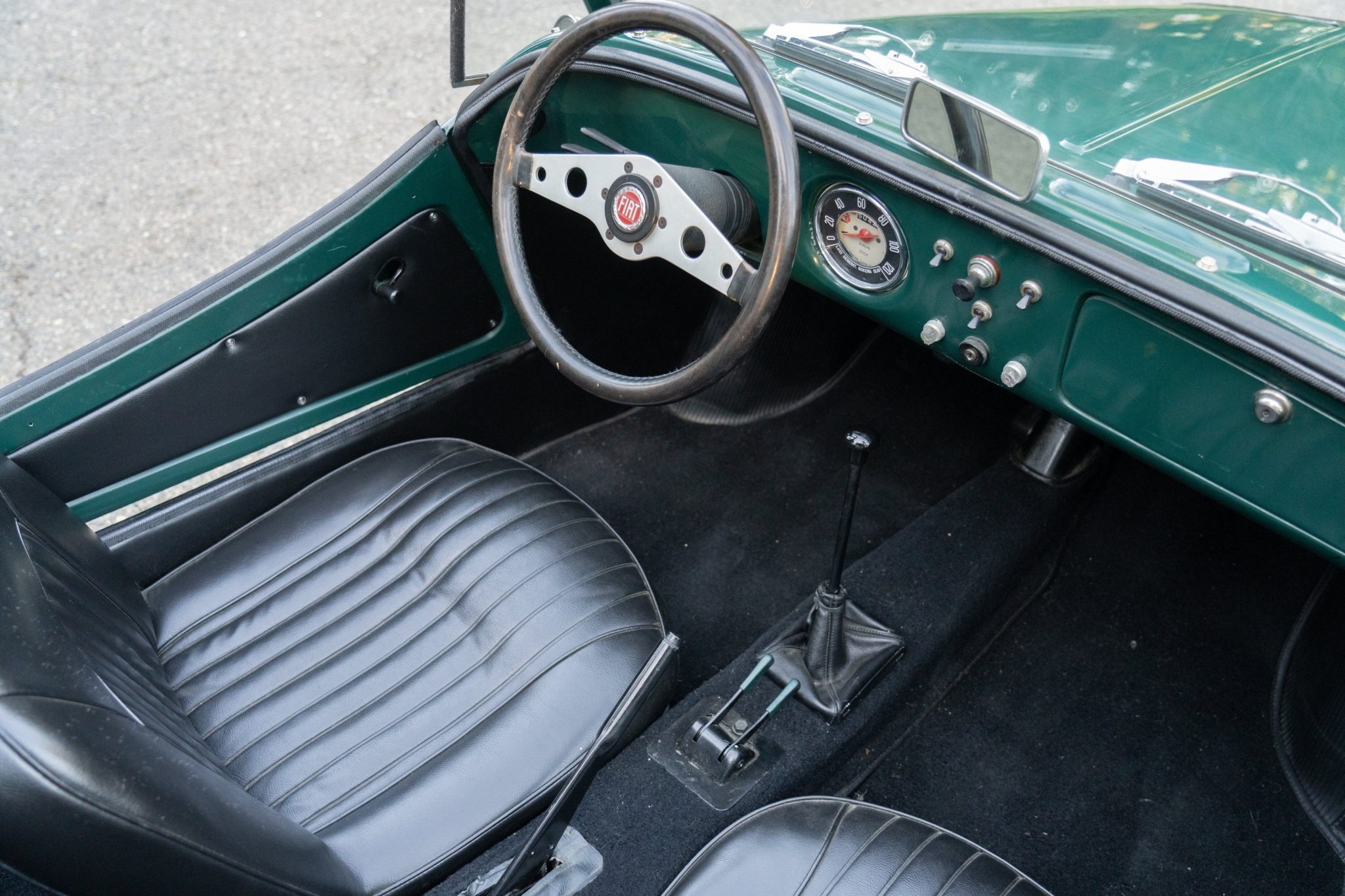
The interior featured Vignale’s more refined materials, such as leather or vinyl upholstery and thicker carpeting, while Fiat-sourced instrumentation was retained. The car was offered as a two-seat convertible with a folding soft top and zip-in plastic side windows. An optional removable hardtop was also available, though examples fitted with this feature are now considered rare.
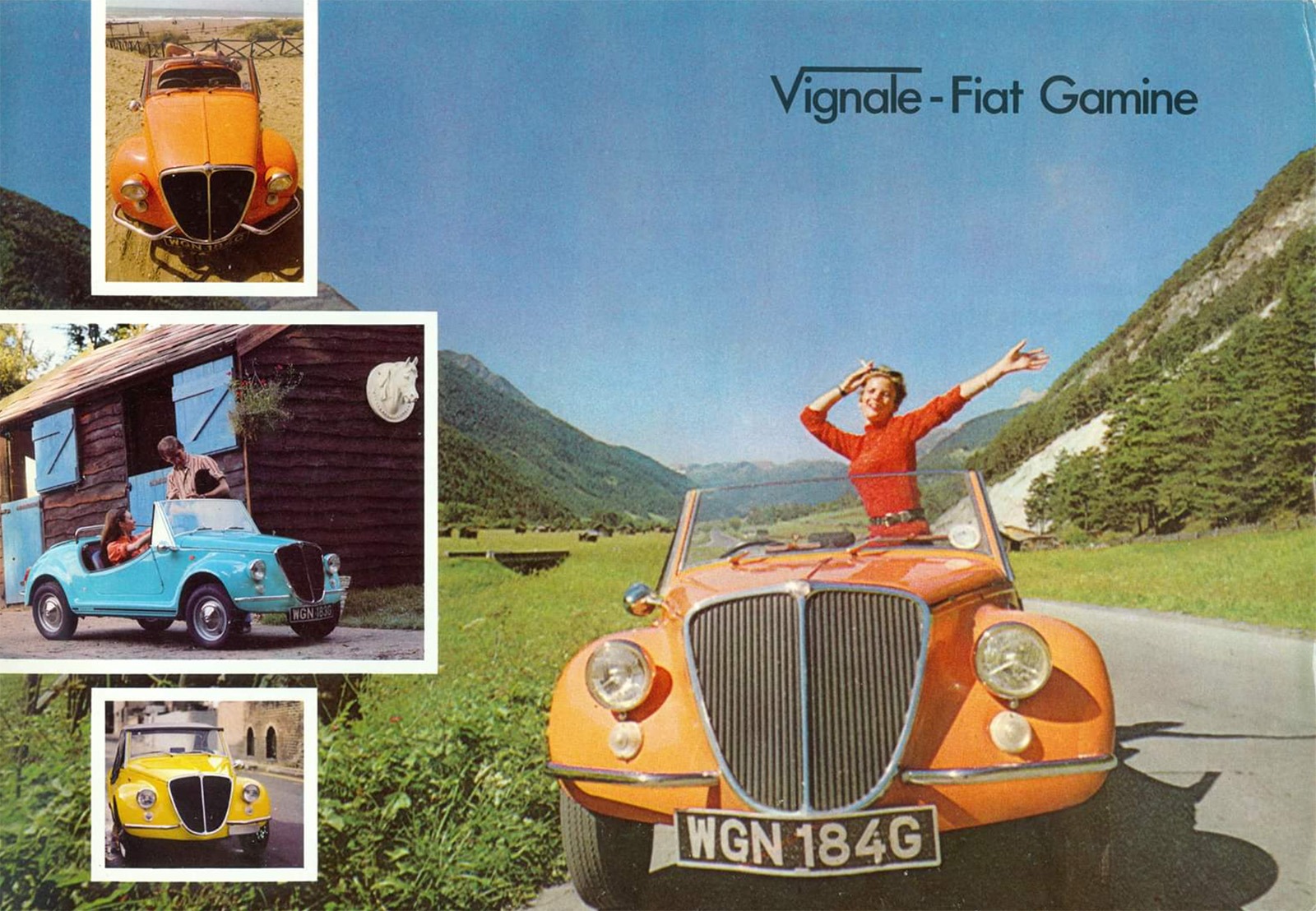
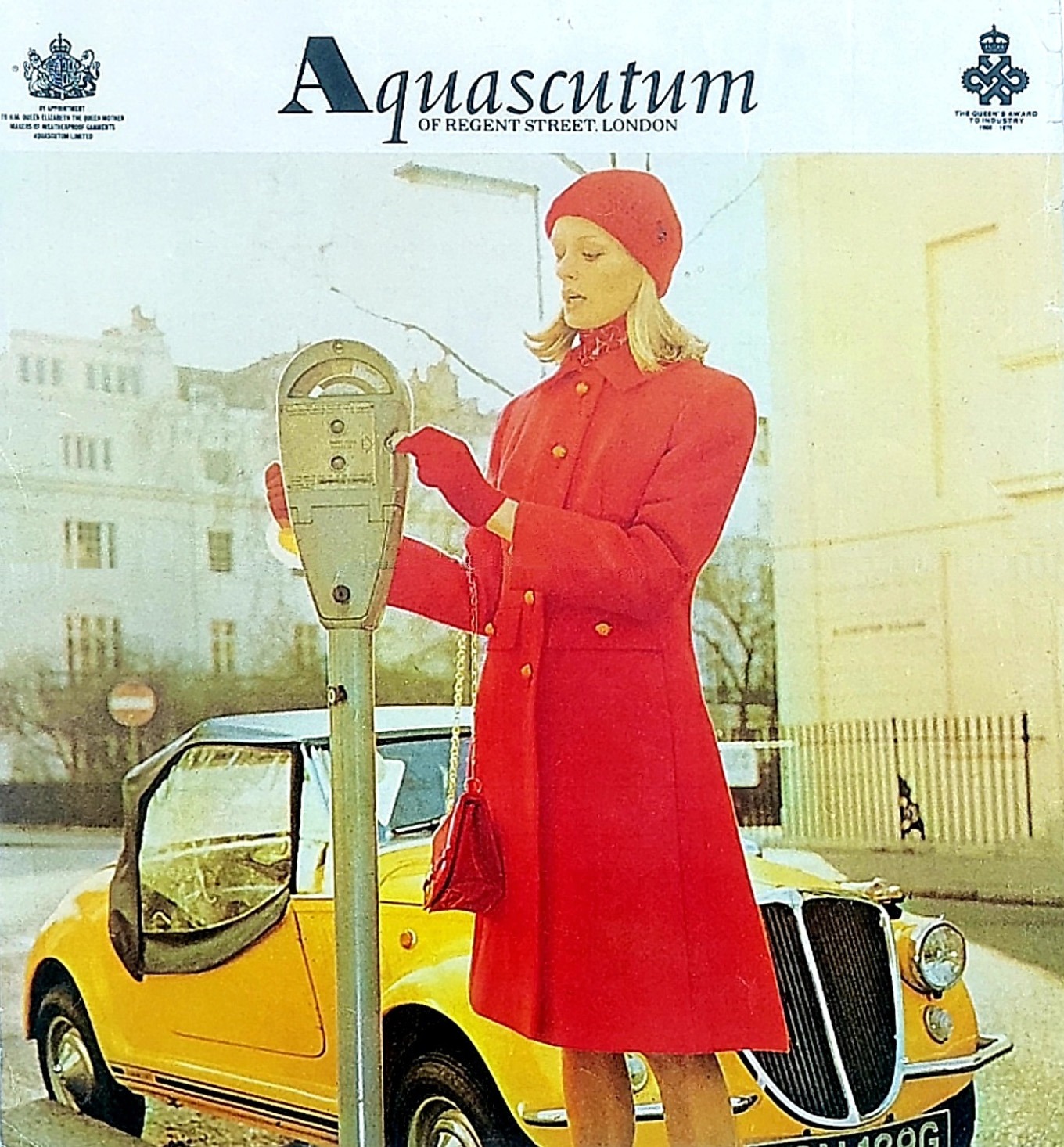
The Gamine made its international debut at the Earls Court Motor Show in London in October 1968. The model attracted particular attention in the United Kingdom after Frixos Demetriou, a Greek-Cypriot entrepreneur, discovered the car and negotiated import rights.
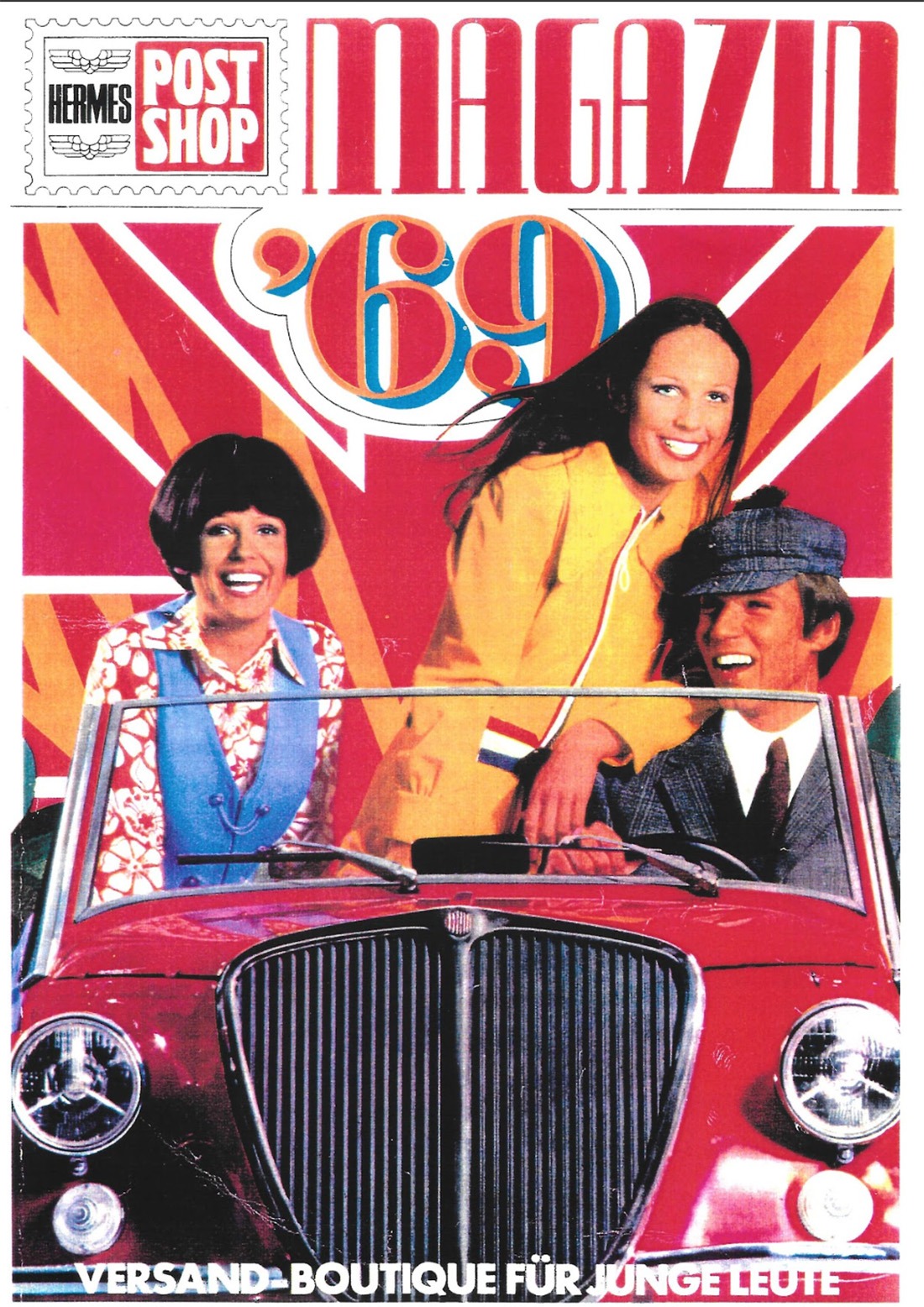
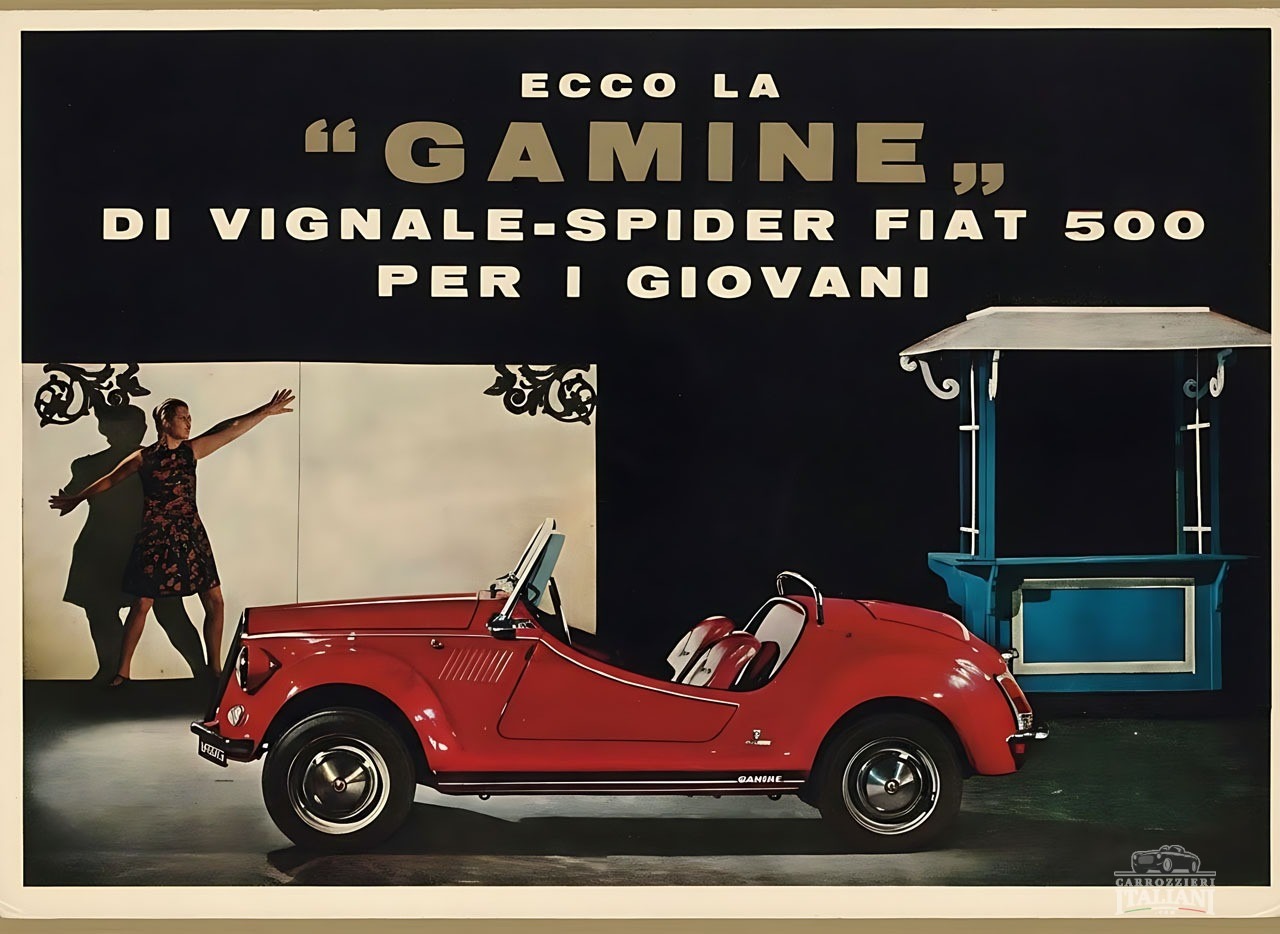
Demetriou placed an immediate order for 200 vehicles and requested right-hand-drive conversions. He became the Gamine’s sole UK importer and marketed the car primarily to female buyers with advertising campaigns that emphasised its fashionable and playful character.
By late 1969, approximately 800 Gamines had been sold worldwide, with around 200 delivered in the United Kingdom. For a low-volume coachbuilt model, this represented a notable level of interest. However, sales ultimately fell short of expectations.
The Gamine was significantly more expensive than a standard Fiat 500, reflecting the labour-intensive construction methods used by Vignale. Its modest performance and limited practicality further restricted its appeal to a narrow segment of buyers seeking a stylish city car rather than conventional transportation.
The commercial difficulties surrounding the Gamine contributed to wider financial problems at Carrozzeria Vignale. Slow sales, combined with the bankruptcy of G.A.M., placed considerable strain on the company. In 1969, Alfredo Vignale sold his business to Alejandro de Tomaso. The Gamine remained in production until 1971, but only a few hundred examples were built in total, making surviving vehicles rare and sought after by collectors.
The Gamine’s distinctive appearance and playful character left a cultural mark beyond its limited production run. Its toy-like design has been associated with the children’s stories featuring Noddy’s car, and the model is often remembered as one of the most personal expressions of Alfredo Vignale’s vision.
Today, the Gamine is appreciated primarily for its design, rarity and connection to the final chapter of independent Italian coachbuilding before industrial production became dominant.