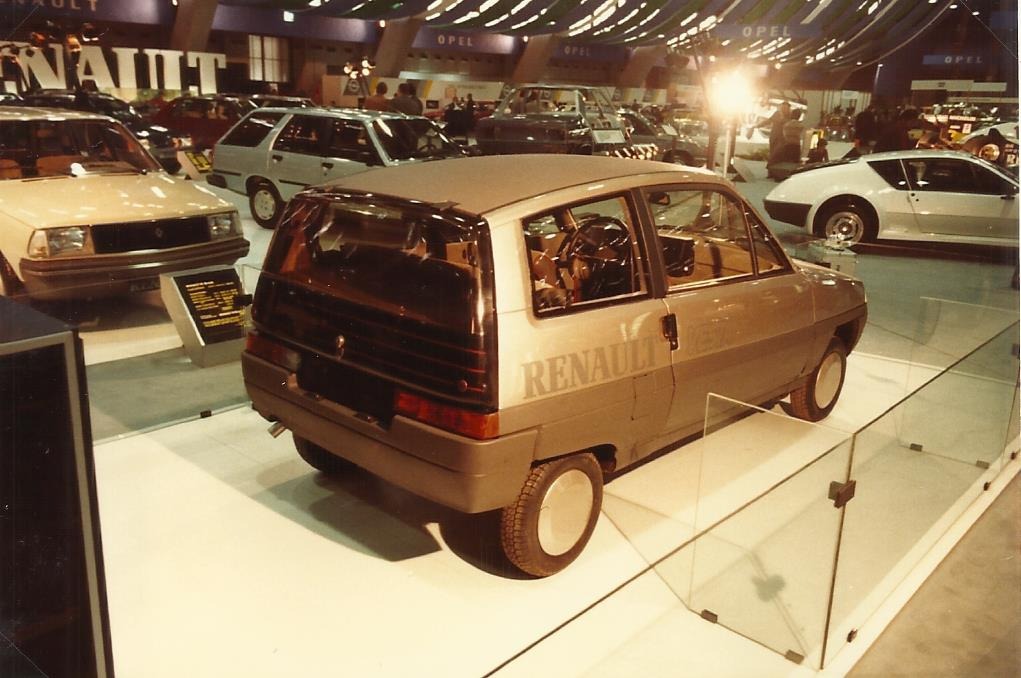
Renault Vesta

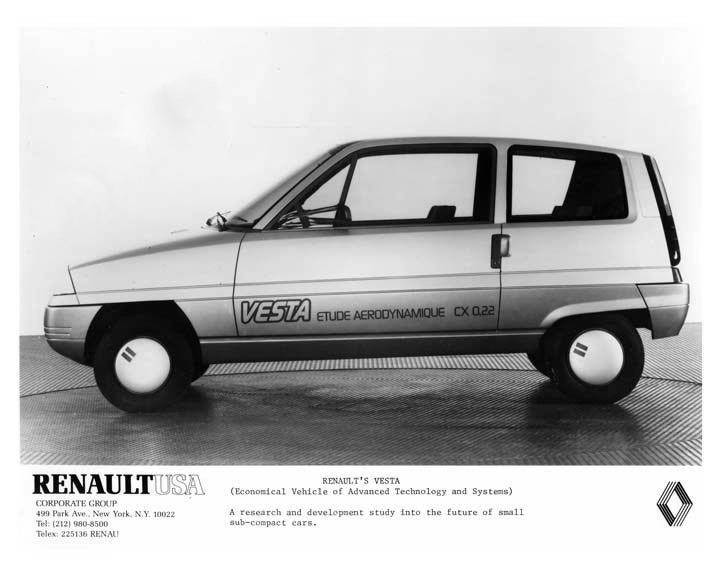
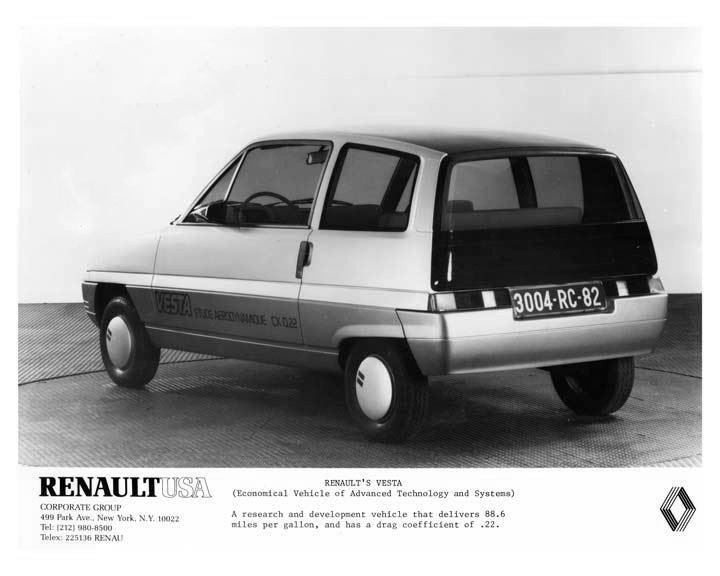
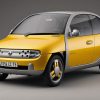
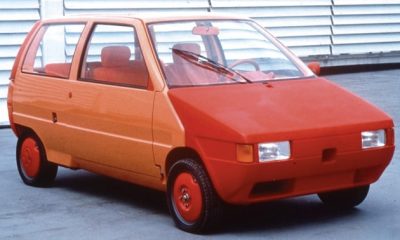
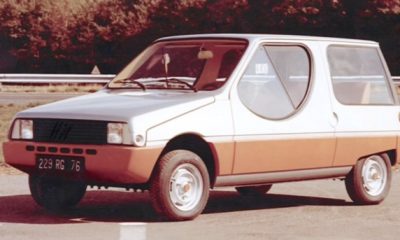
Renault Vesta was conceived as a research and development study focused on the future of small subcompact cars.
The resulting vehicle achieved fuel consumption equivalent to 88.6 miles per gallon and featured an exceptionally low drag coefficient of 0.22.
In 1980, the French Ministry of Industry, anticipating a long-term rise in hydrocarbon prices, challenged the nation’s leading automakers to create the most economical car possible.
The brief was strict: combined-cycle fuel consumption could not exceed 3 liters per 100 kilometers. The challenge caught the attention of Renault’s design chief and renowned aerodynamicist Gaston Juchet.
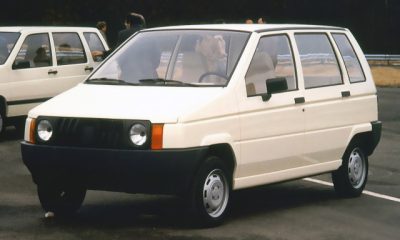
In 1983, Renault built two first-generation VESTA prototypes, though their results fell short of expectations.
The VESTA was powered by a three-cylinder engine displacing 716 cc and producing 32.5 hp at 4,250 rpm, with peak torque of 60 Nm at 2,500 rpm. In terms of size, it measured 3,270 mm in length and 1,520 mm in width, with a wheelbase of 2,225 mm.
Progress came in 1985 with the EVE (Economy Vehicle Elements) prototype based on the Renault 18, followed by an improved EVE+.
Juchet soon realized that true efficiency would only be achieved through carefully optimized aerodynamics and significant weight reduction. This philosophy ultimately led to the creation of the car unveiled in 1987 as the VESTA II.