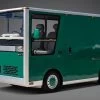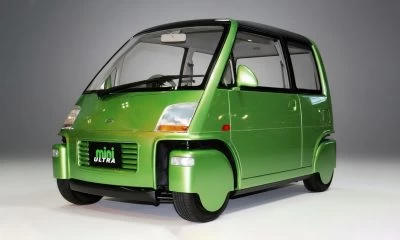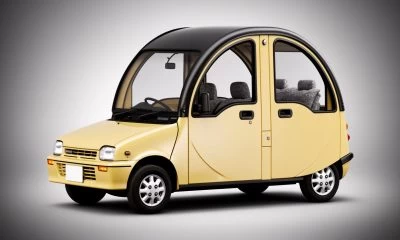

Daihatsu BCX-5

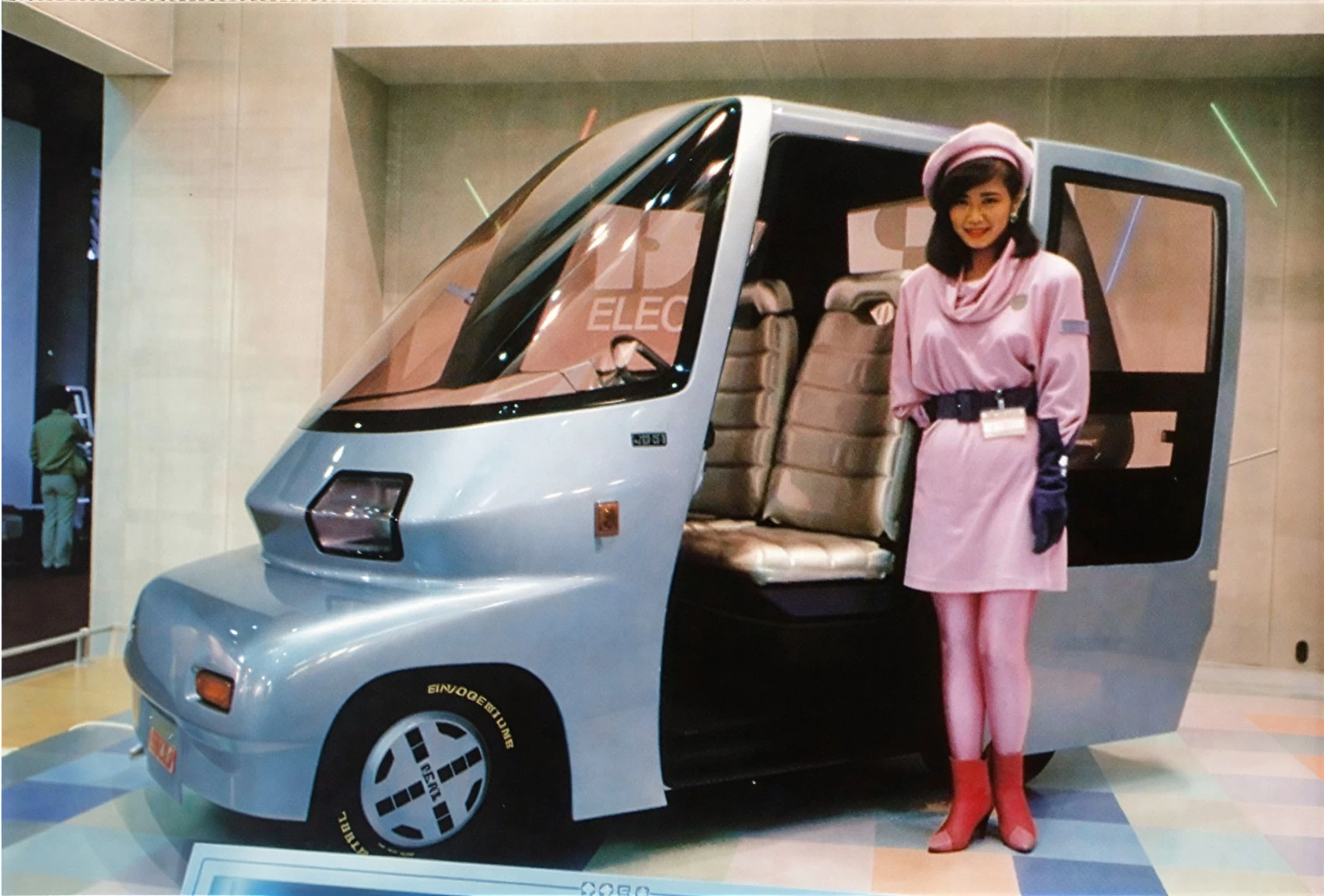
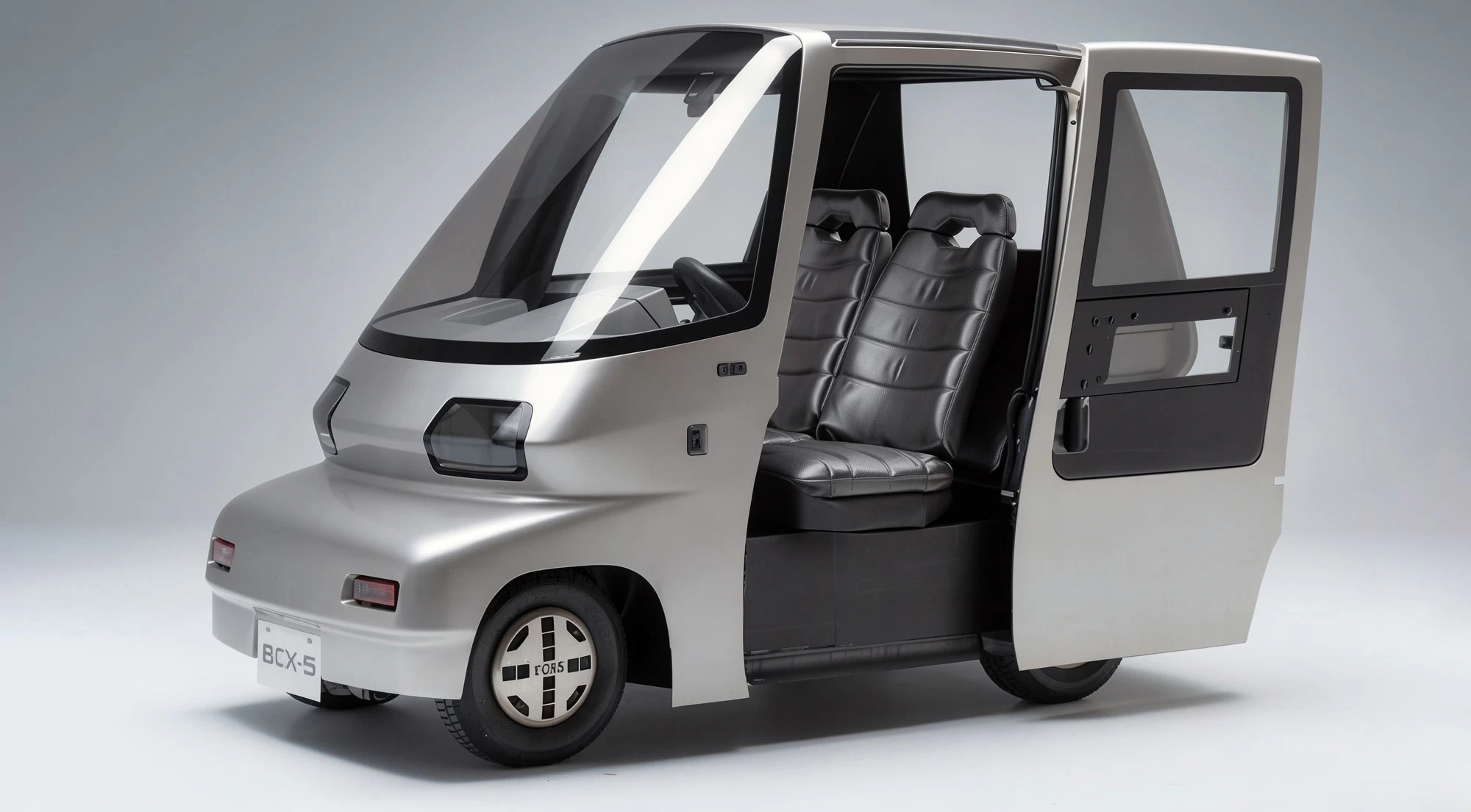
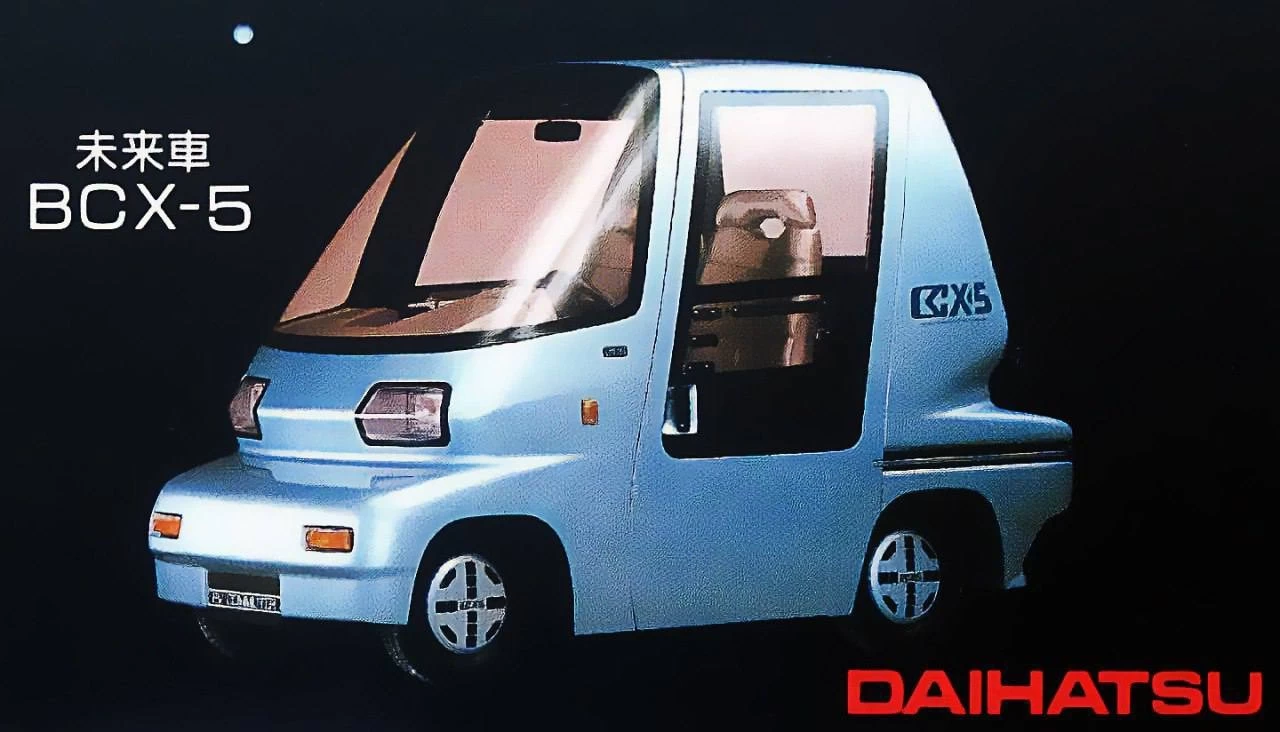
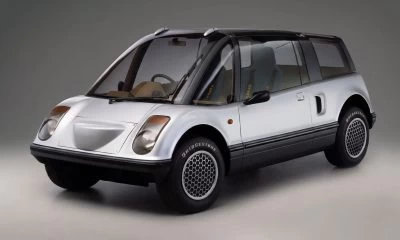
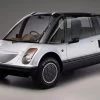
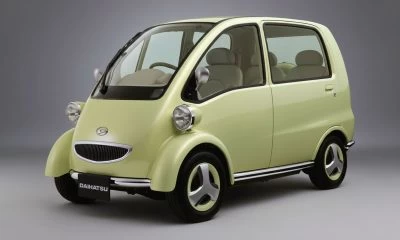
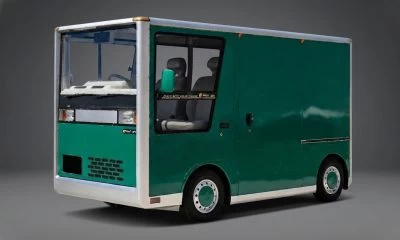
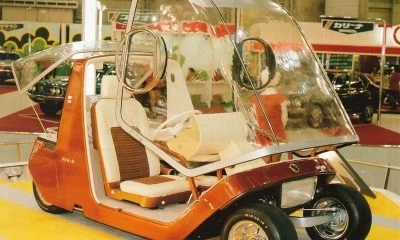
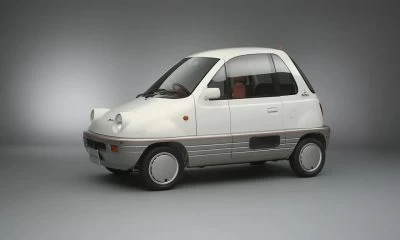
The 1985 Daihatsu BCX-5 Concept was an early vision of an electric urban commuter, conceived long before car-sharing became a practical reality.
Designed to be used within a shared mobility system and activated via a credit card, the BCX-5 anticipated ideas that would only gain real traction some 25 years later.
Daihatsu unveiled the prototype at the 1985 Tokyo Motor Show, positioning it as a forward-looking solution for dense city environments.
The compact electric car relied on 150Ah batteries powering a modest 4.7 kW electric motor, which limited top speed to around 50 km/h — sufficient for short urban trips.
Its dimensions underscored its city-focused intent: roughly 2700 mm long, 1300 mm wide, and 1800 mm tall, with a curb weight of about 720 kg.
While basic by modern standards, the BCX-5 stands as a surprisingly prescient experiment in electric mobility and shared transportation.