POEM Eleksuria

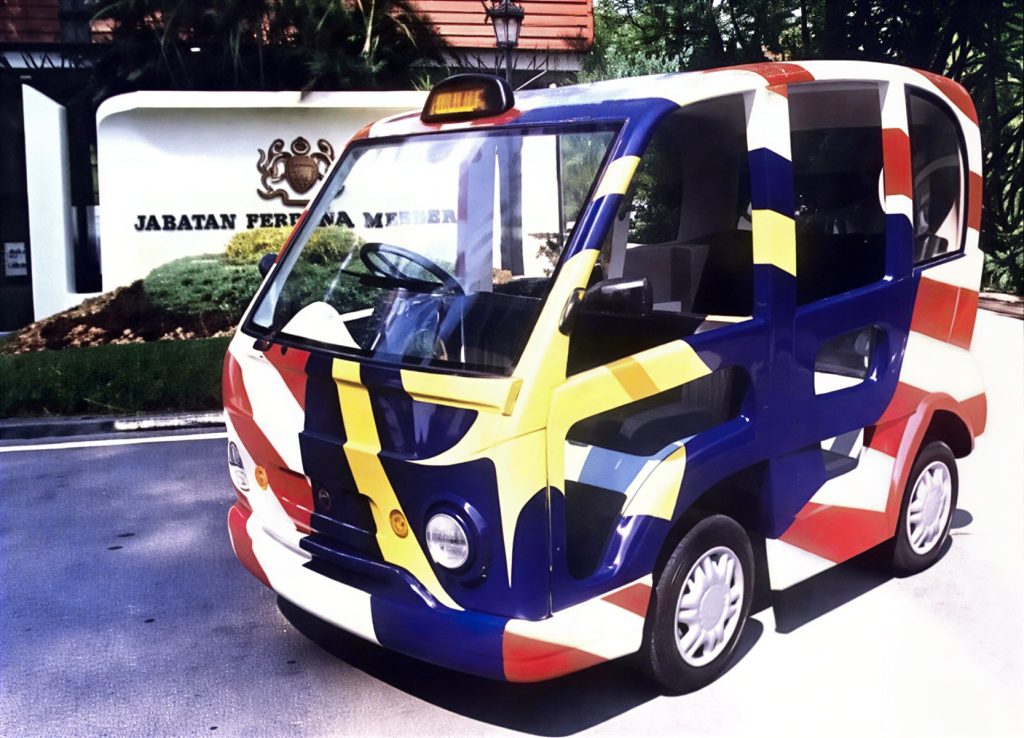
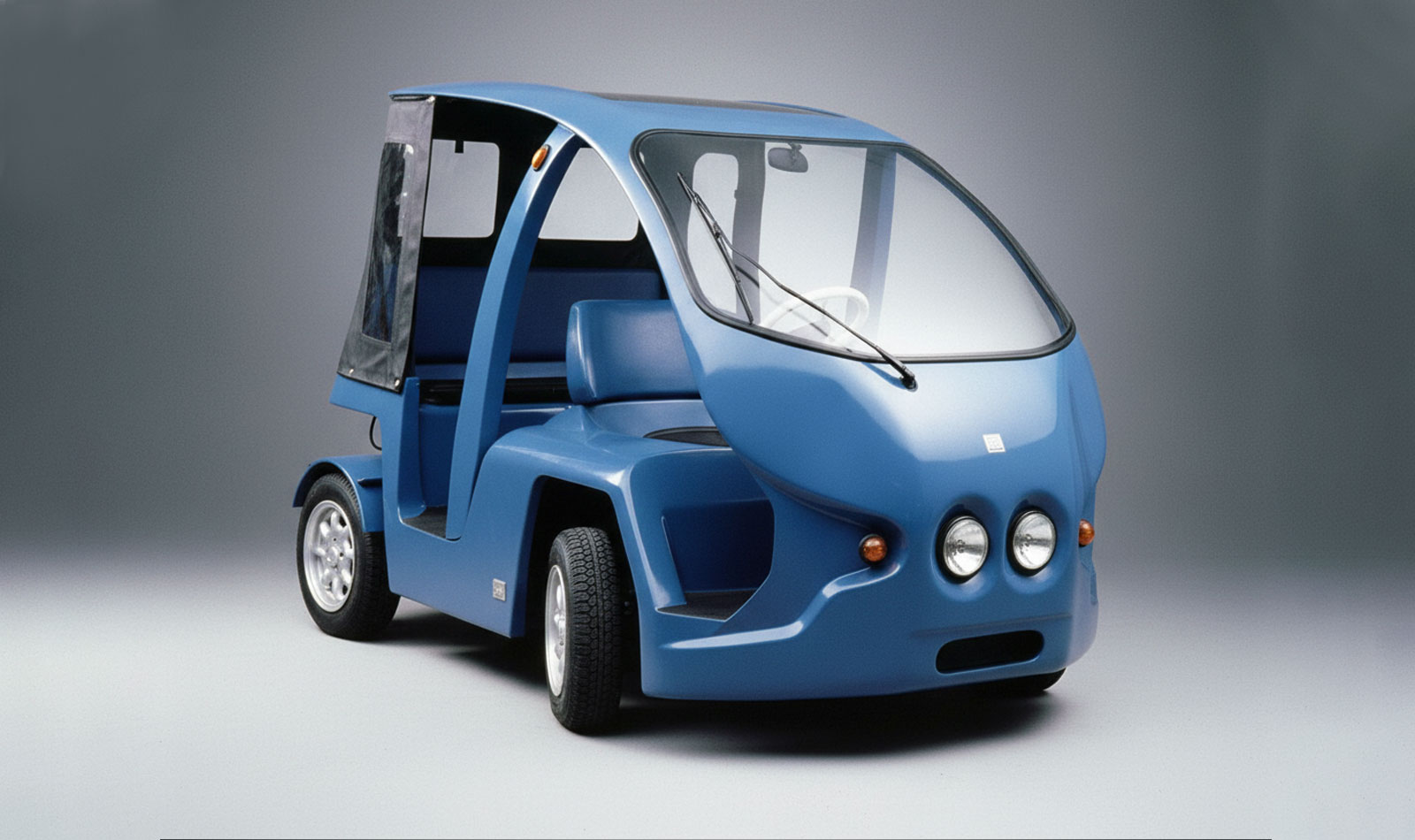
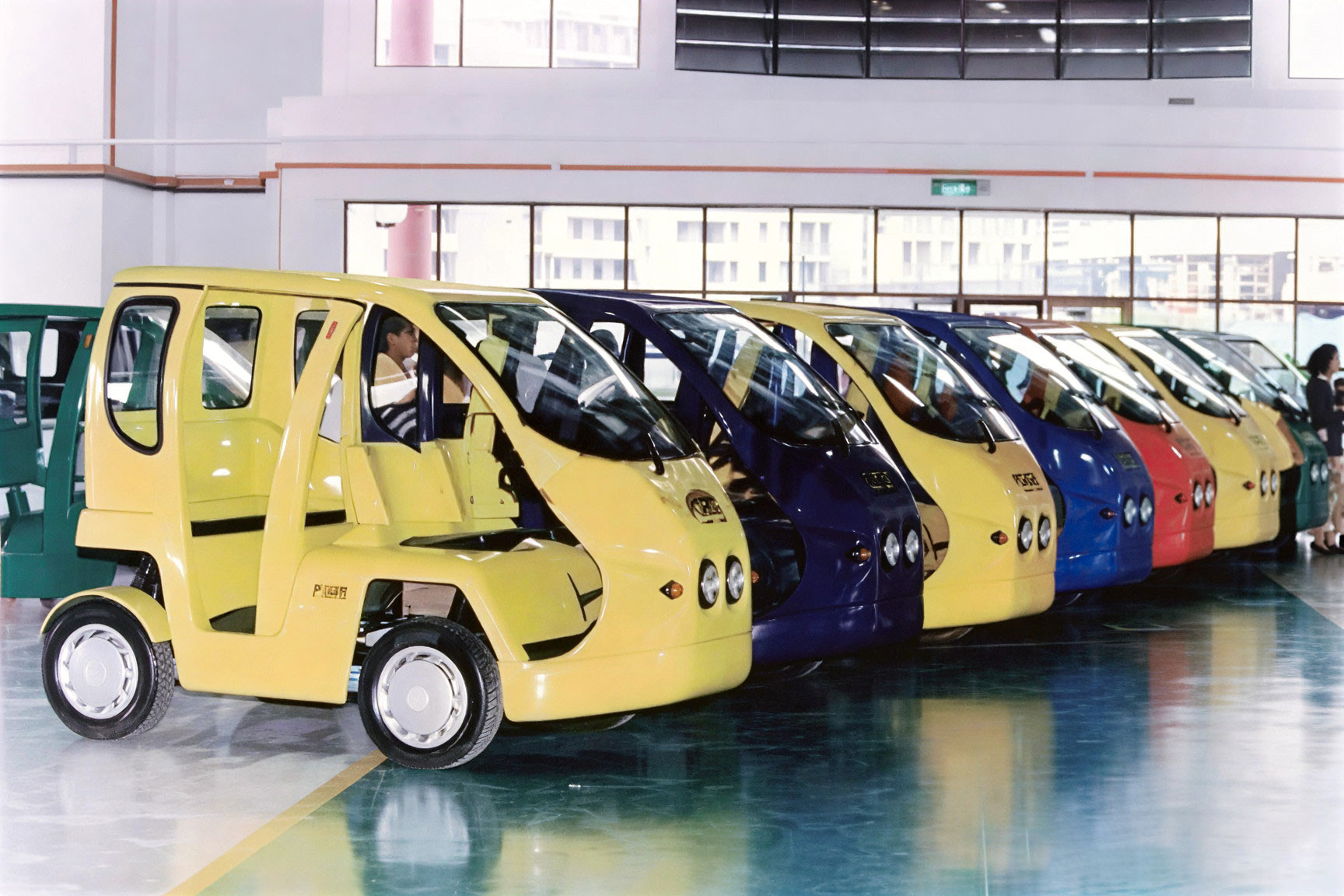
The Eleksuria became the first vehicle produced by POEM, entering the market on December 1, 1997. It was not an original design, but a locally licensed adaptation of the Solar Baby, an electric buggy-style vehicle created by the British engineering firm Frazer-Nash Research (FNR).
The original Solar Baby used four 2.3 kW DC electric motors, one driving each wheel. It was capable of reaching 70 km/h and offered a quoted driving range of up to 120 kilometers. Energy was stored in lead-acid batteries that required roughly six hours for a full charge, while roof-mounted solar panels fed into the battery system and could extend the range by an additional 10 to 15 kilometers under favorable conditions.
POEM reportedly offered the Eleksuria in four configurations: the standard Eleksuria, a Golf Buggy version, an Airport Buggy, and a Harrods-branded model.
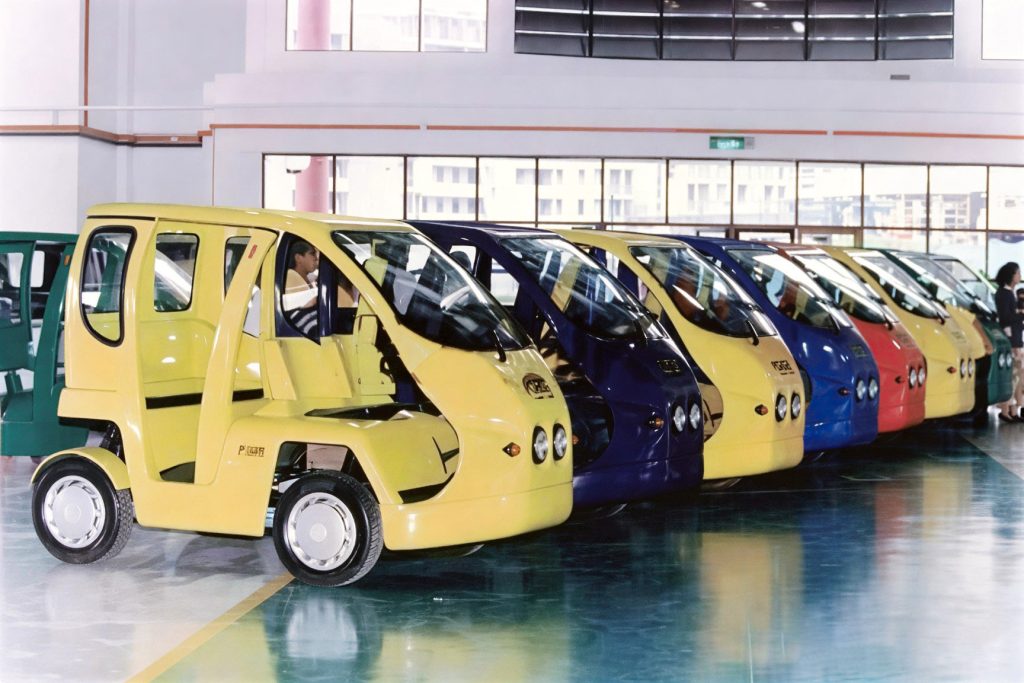
The Harrods edition was sold exclusively through the London department store, which was said to have placed an initial order of 100 units valued at RM 26 million. The vehicles also saw high-profile use as transport at the 1998 Kuala Lumpur Commonwealth Games and later at the 2000 Sydney Olympic Games.
For the Sydney Olympics, FNR acted as an official sponsor and supplied approximately 350 electric and solar-assisted vehicles through its Australian subsidiary, Frazer-Nash Australia (FNA). During the Games themselves, the fleet reportedly operated without major issues and received positive feedback. Problems emerged only after the event, when organizers sold the vehicles to the public.
According to a 2002 Sydney Morning Herald report, many of the buggies soon proved unreliable and suffered frequent mechanical failures. The situation worsened when FNA was cut off from its UK parent company, leaving owners without parts or technical support. Burdened by heavy debt, the Australian subsidiary was unable to honor repairs, and frustrated owners were left with inoperable vehicles.
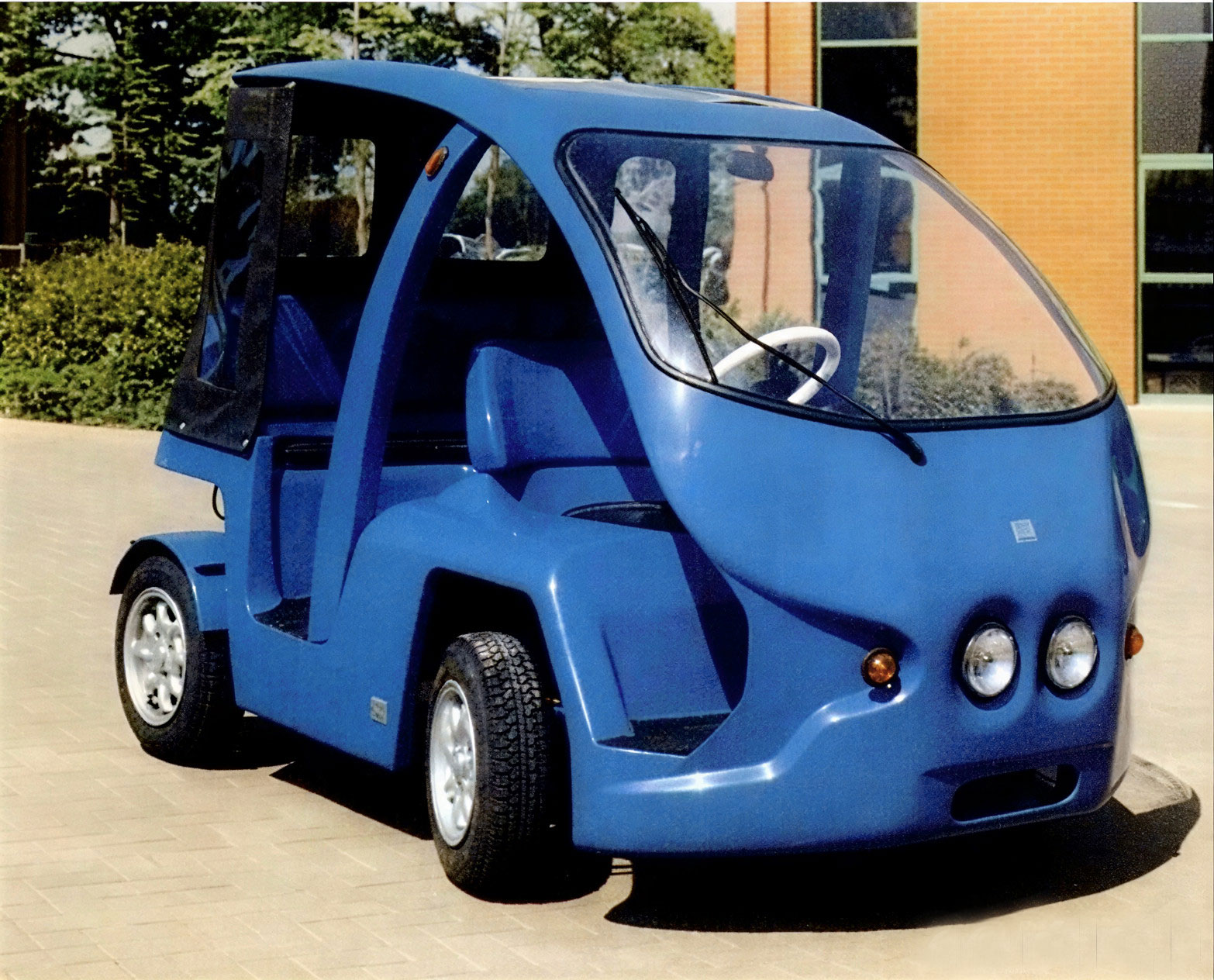
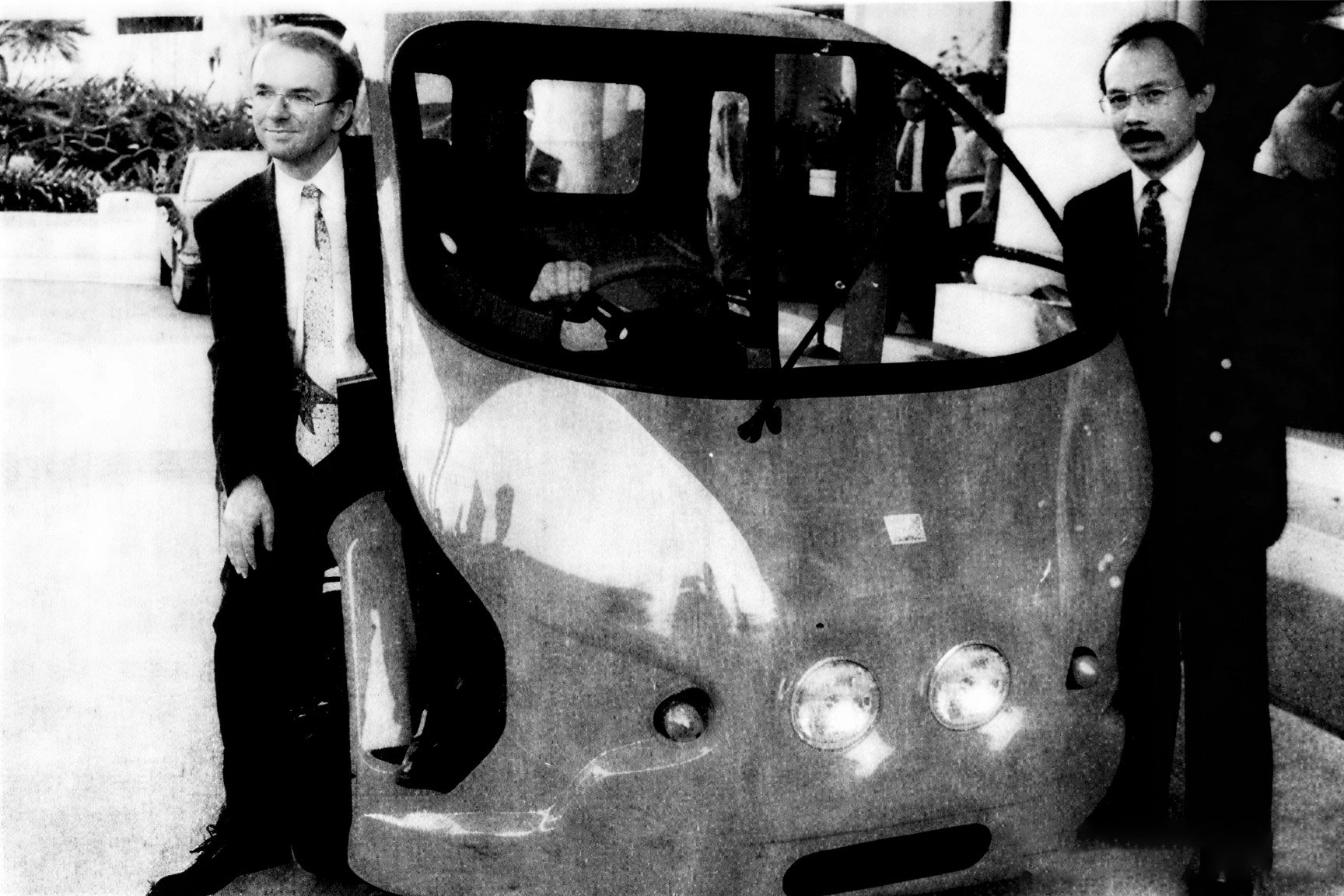
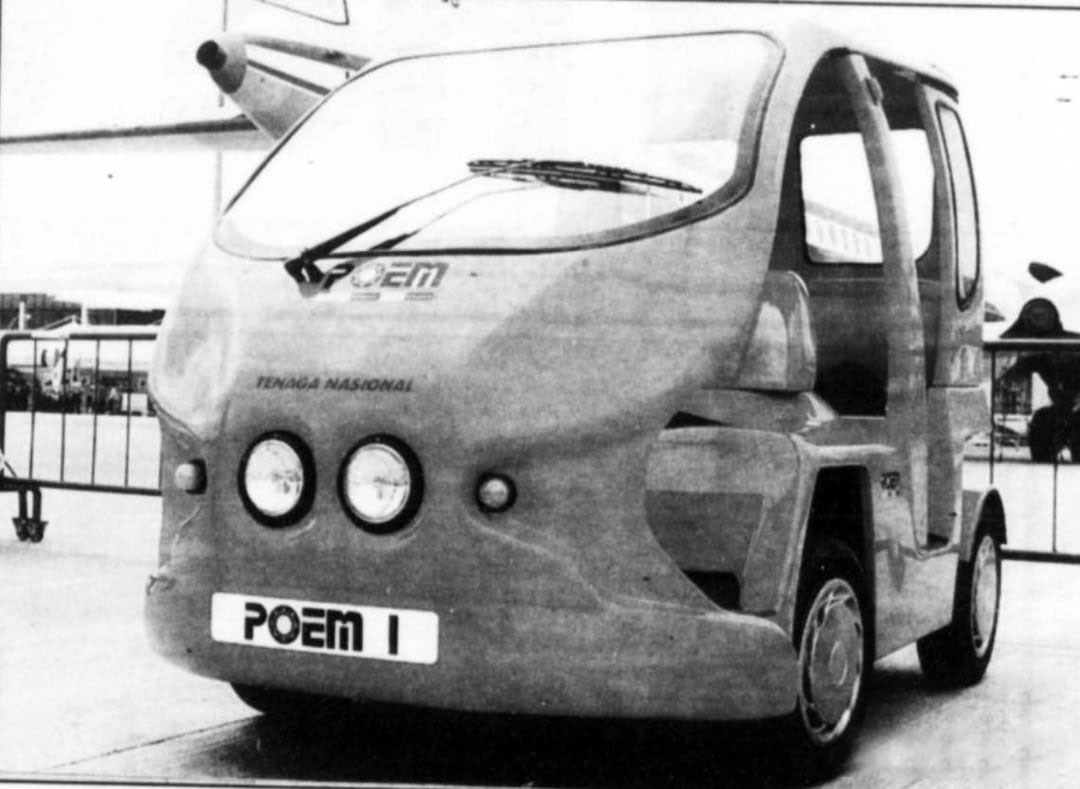
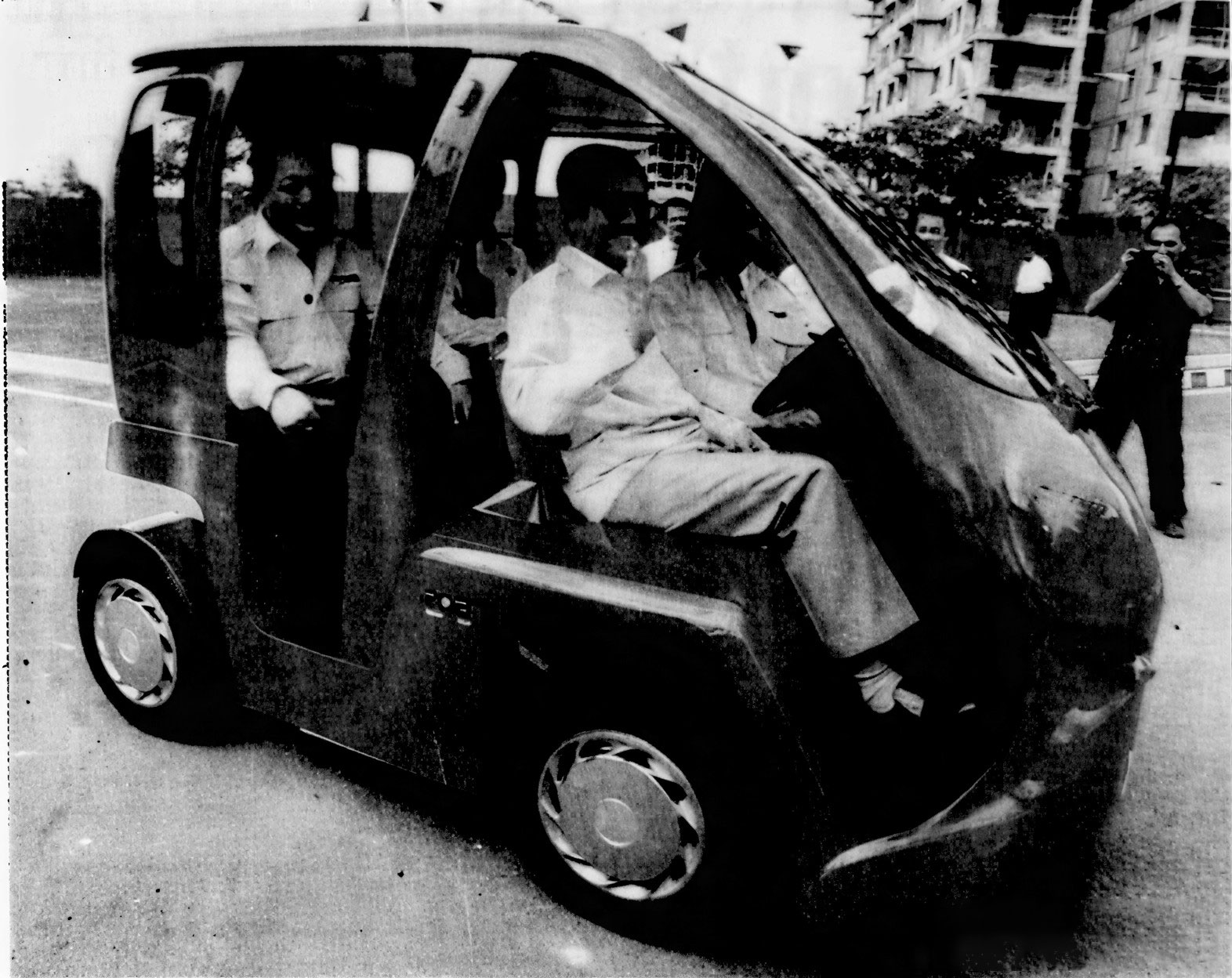
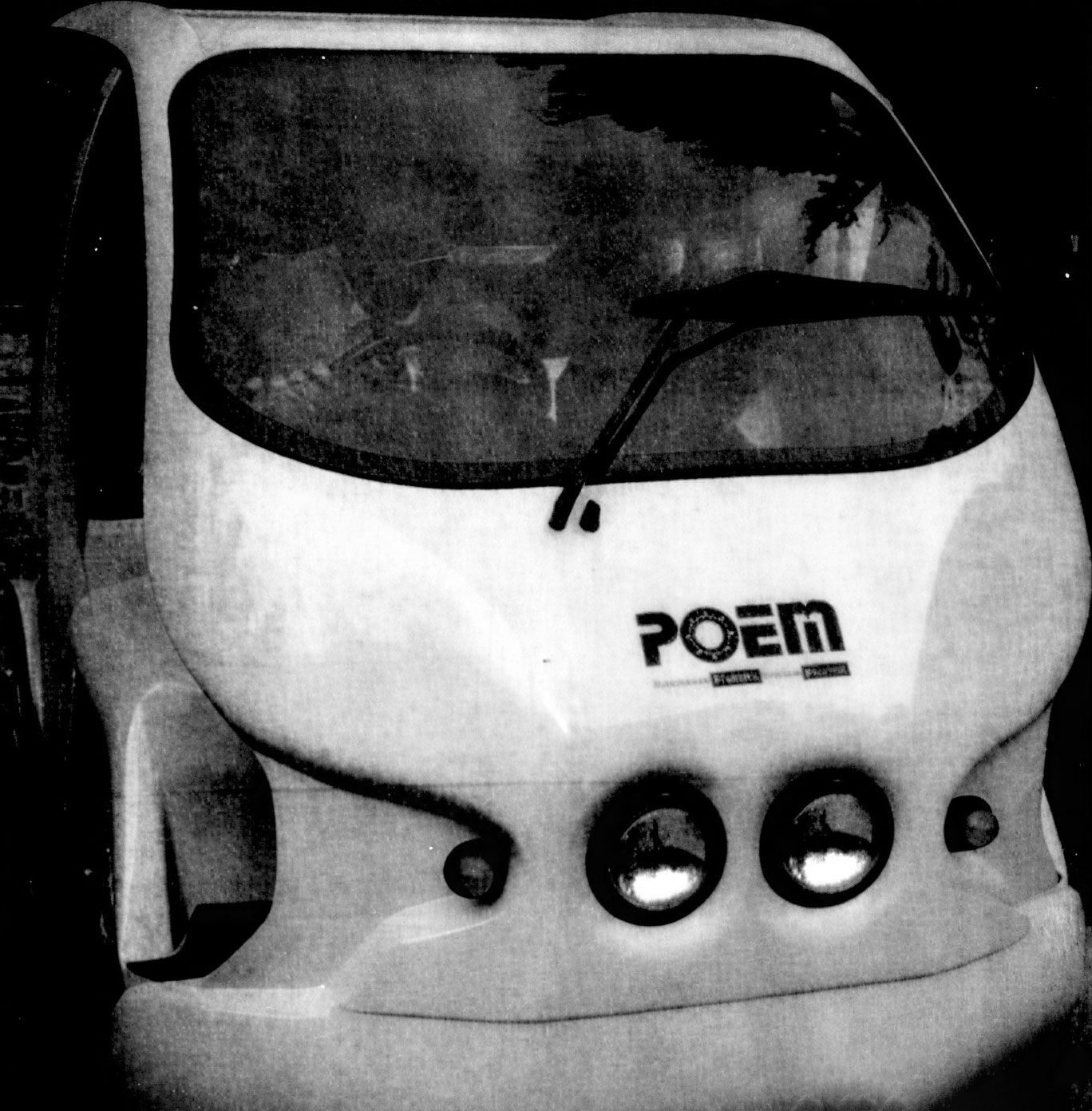
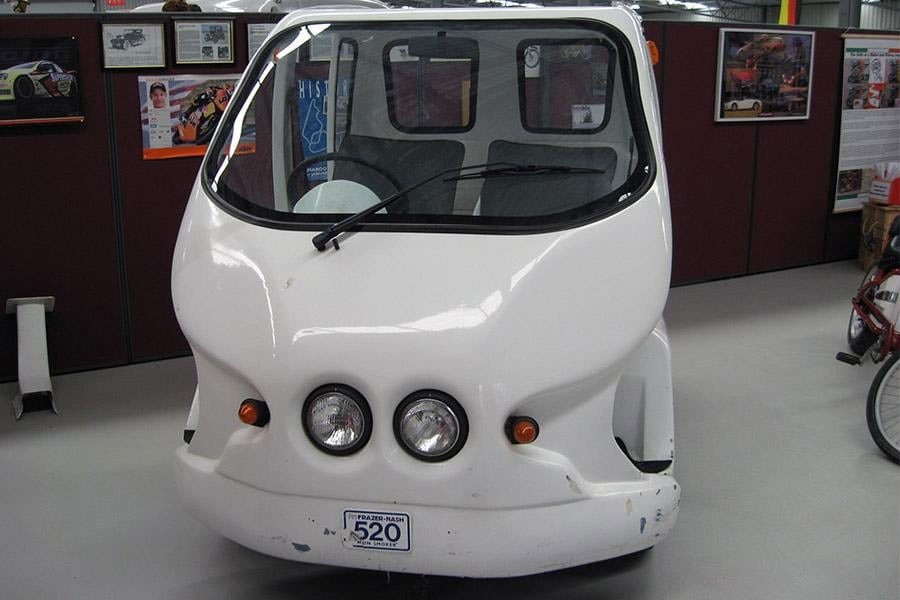
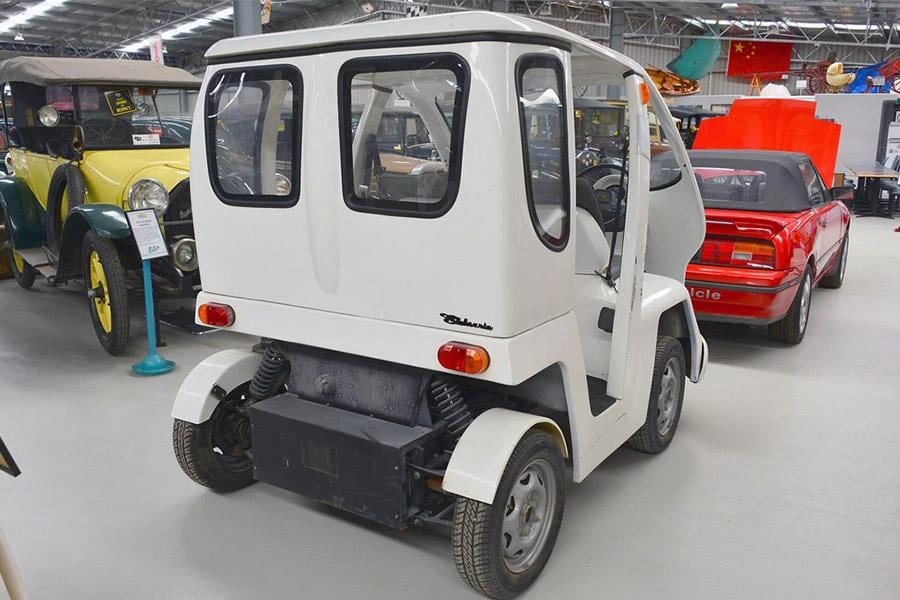
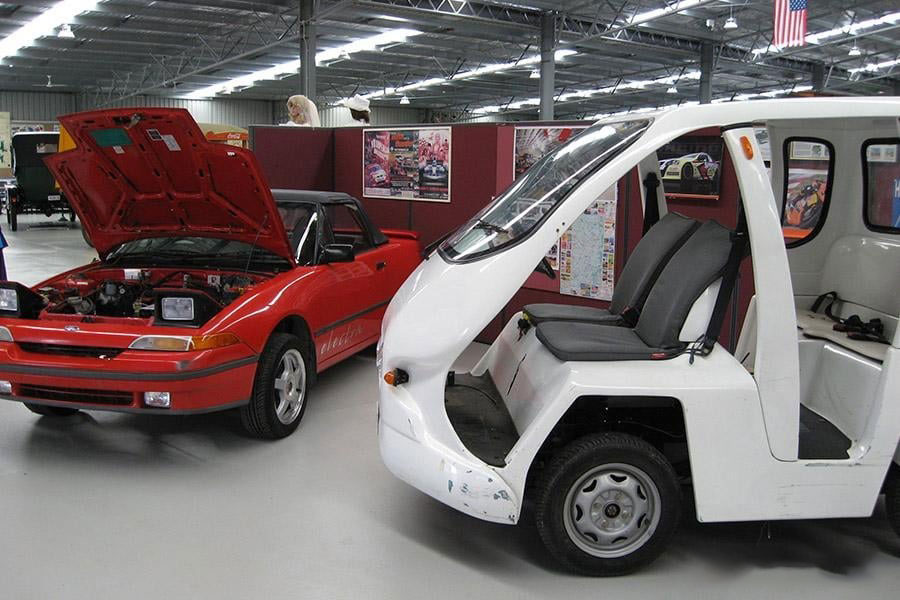
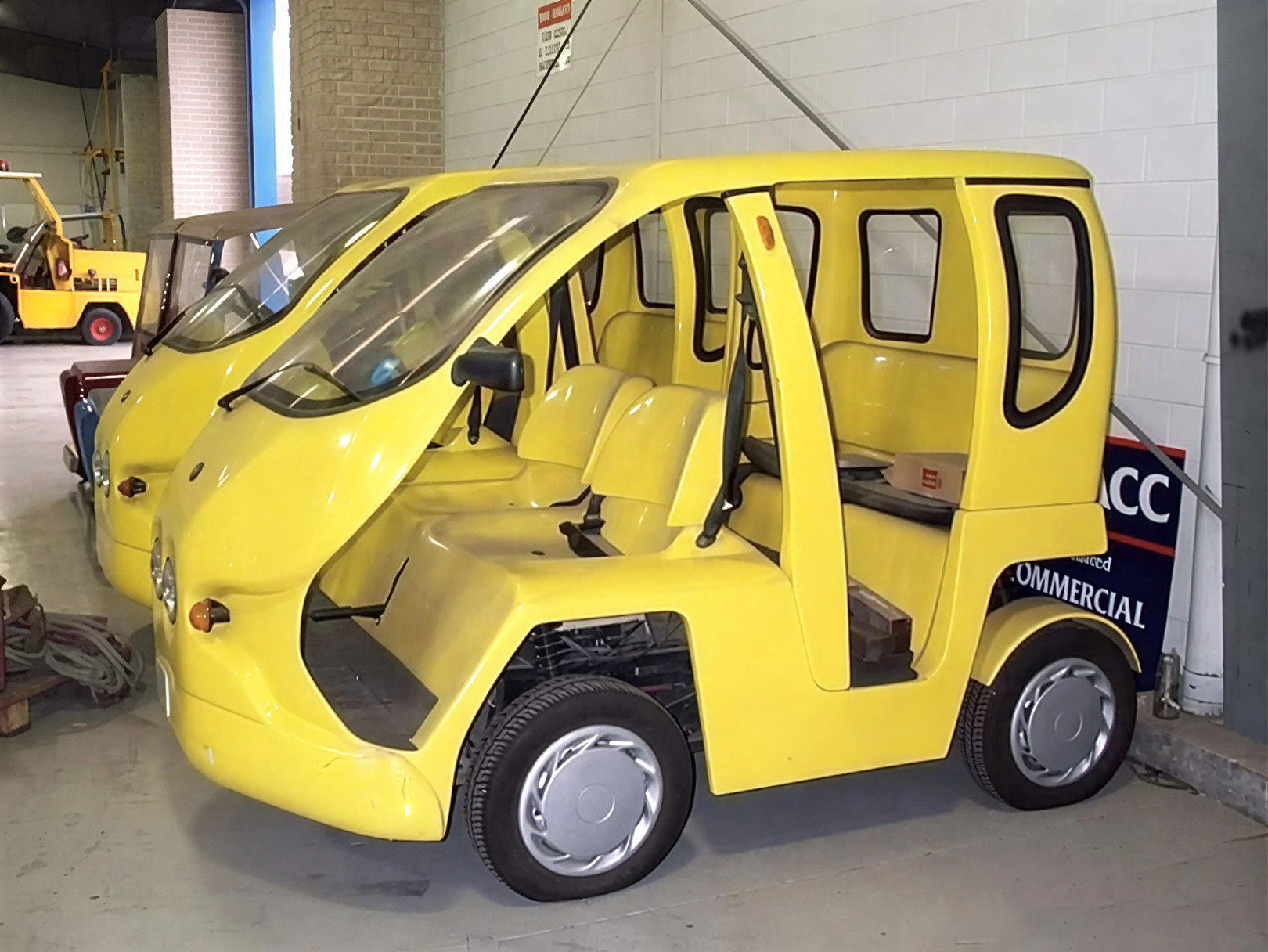
An updated Eleksuria with a more conventional appearance was introduced in 1998, but by then momentum had already faded. The Asian Financial Crisis caused POEM’s stakeholders to withdraw one by one, undermining the project’s viability.
In 2000, Tenaga Nasional Berhad sold its controlling stake in POEM to FNR, but the British company itself was struggling financially. Soon after, the National Electric Car Project was effectively abandoned, bringing the Eleksuria’s brief and turbulent story to an end.