OSI City-Daf

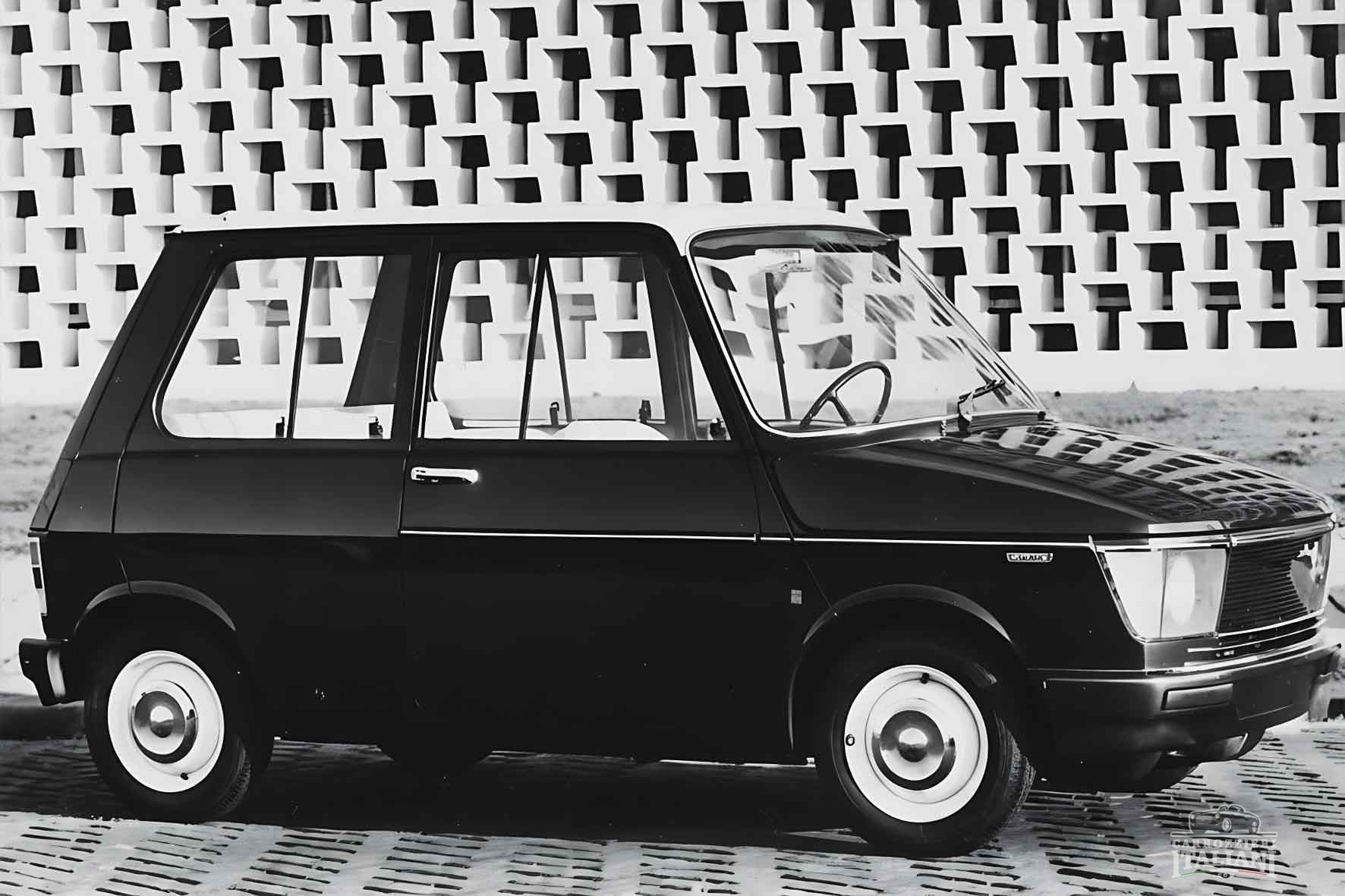
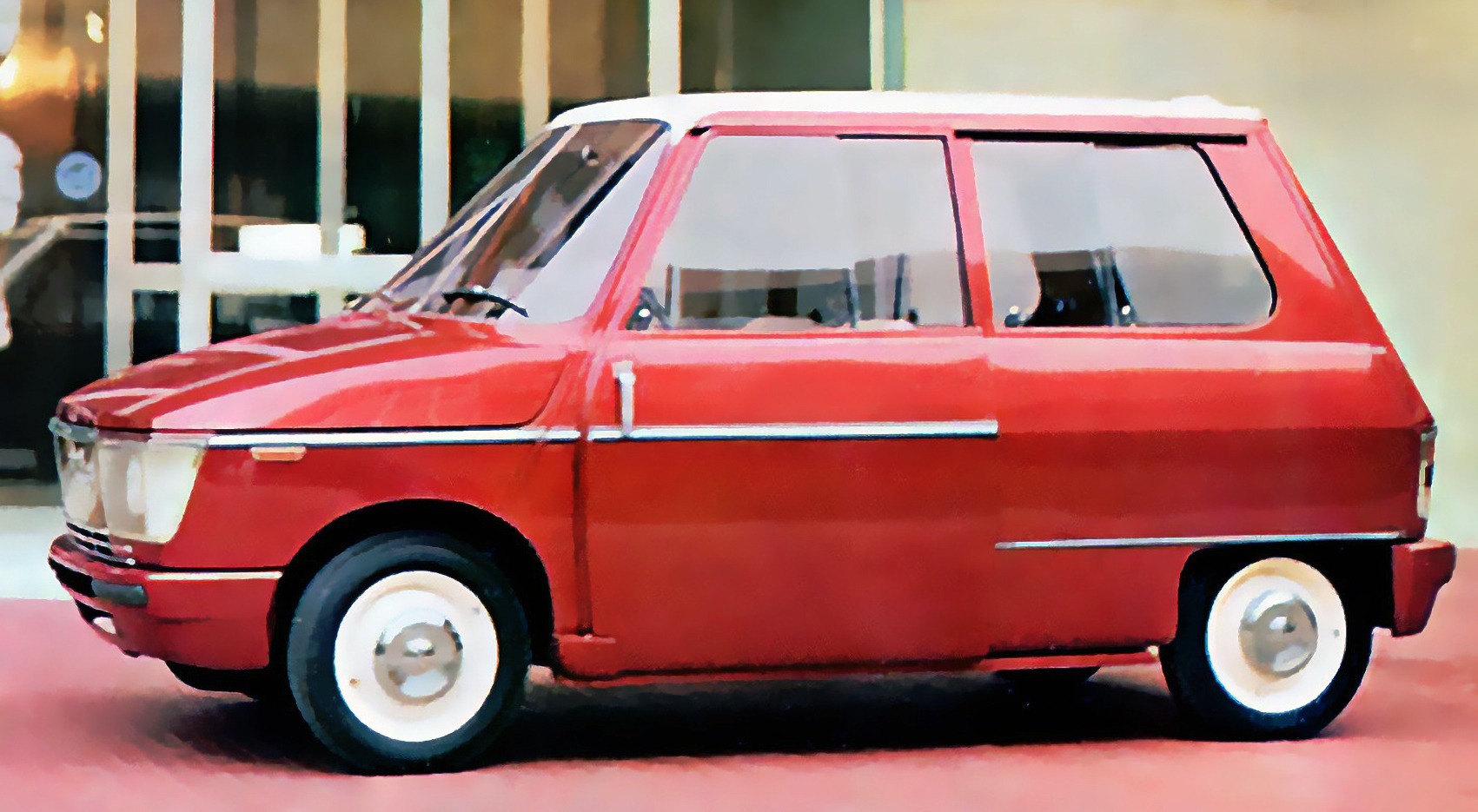
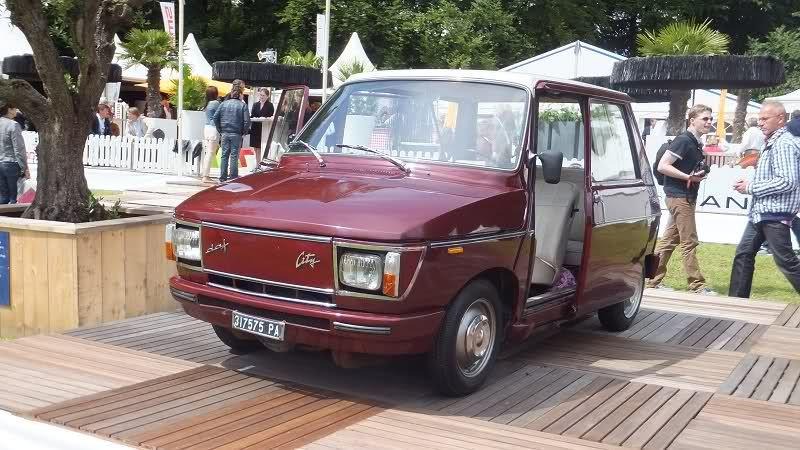
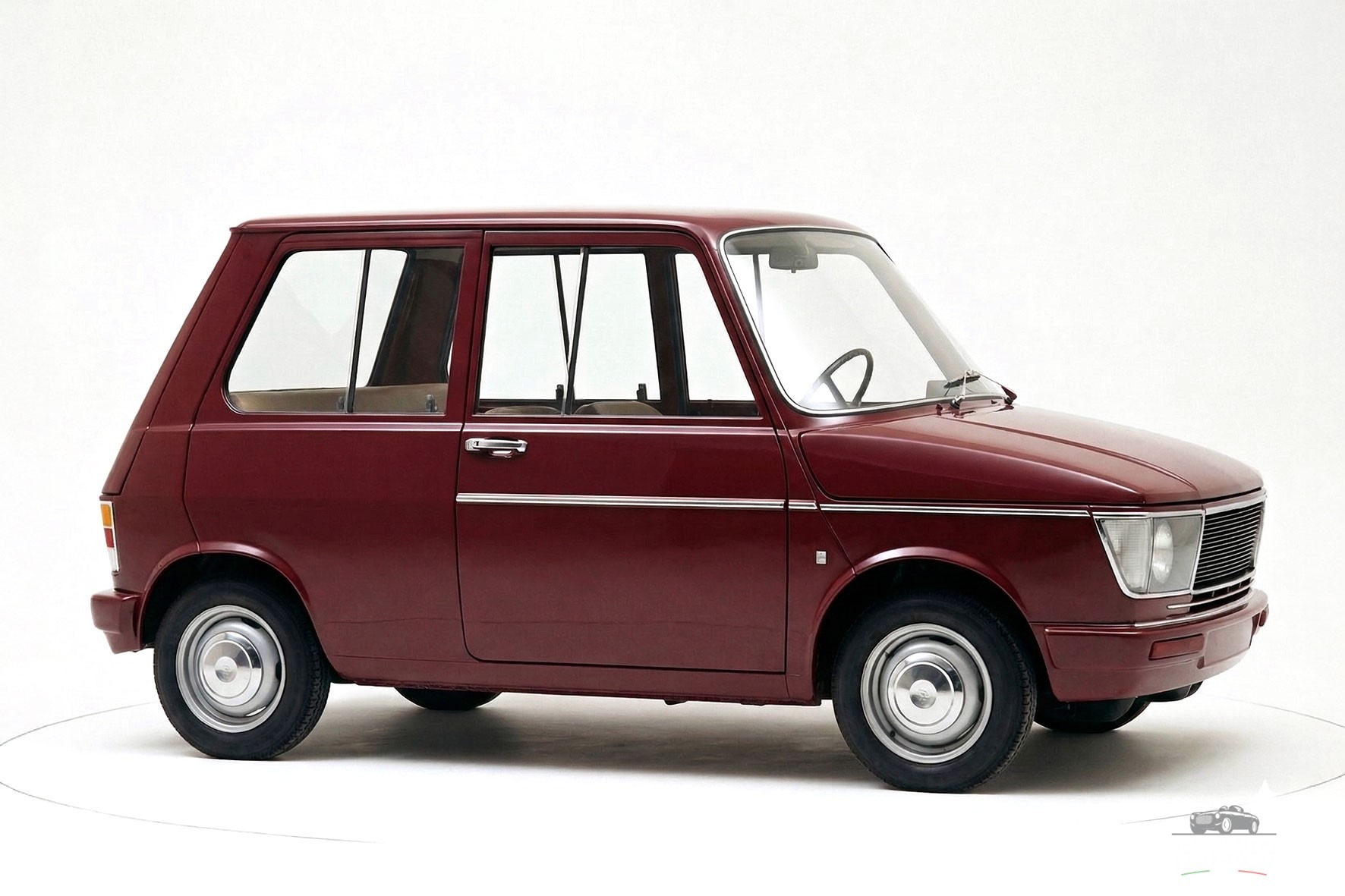
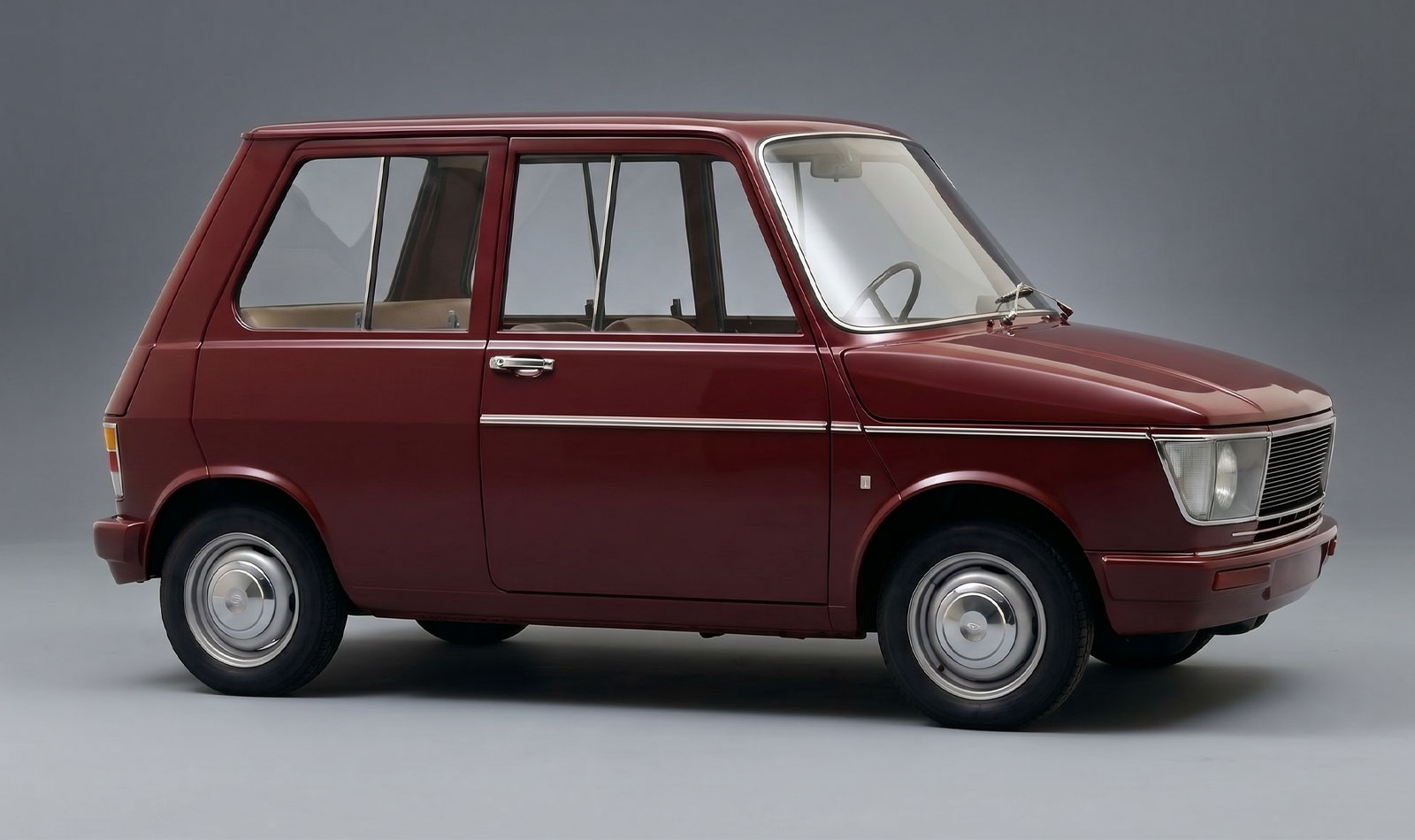
The DAF City, also known as the OSI City-Daf, was one of the most unusual small-car concepts of the 1960s.
Revealed at the 1966 Turin Motor Show, it was designed by Sergio Sartorelli at OSI, the Turin-based styling and coachbuilding firm that was active during the era’s most creative years. Built on a shortened DAF Daffodil chassis, the project aimed to imagine a smarter city car long before the word “supermini” became part of the automotive vocabulary.
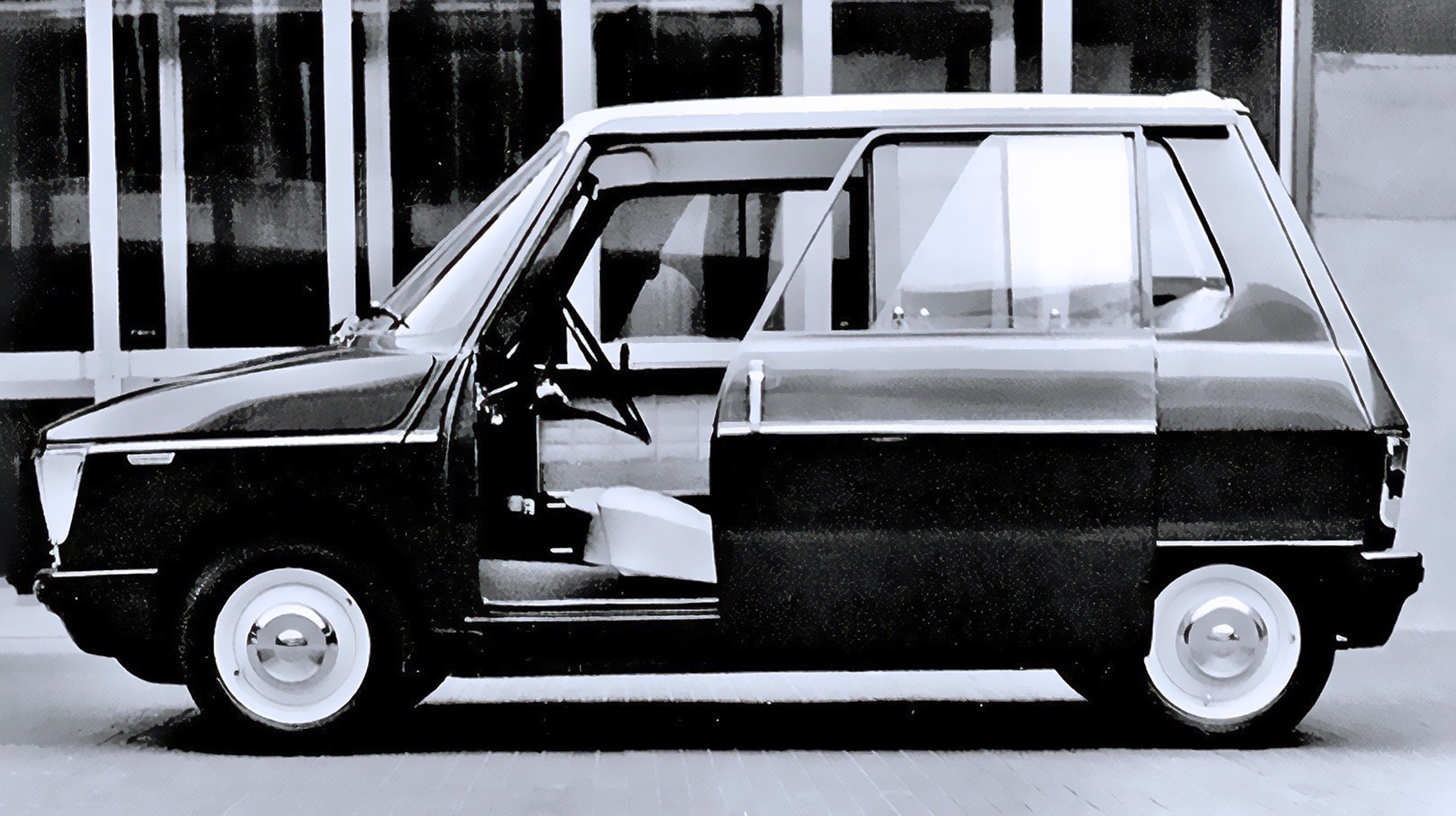
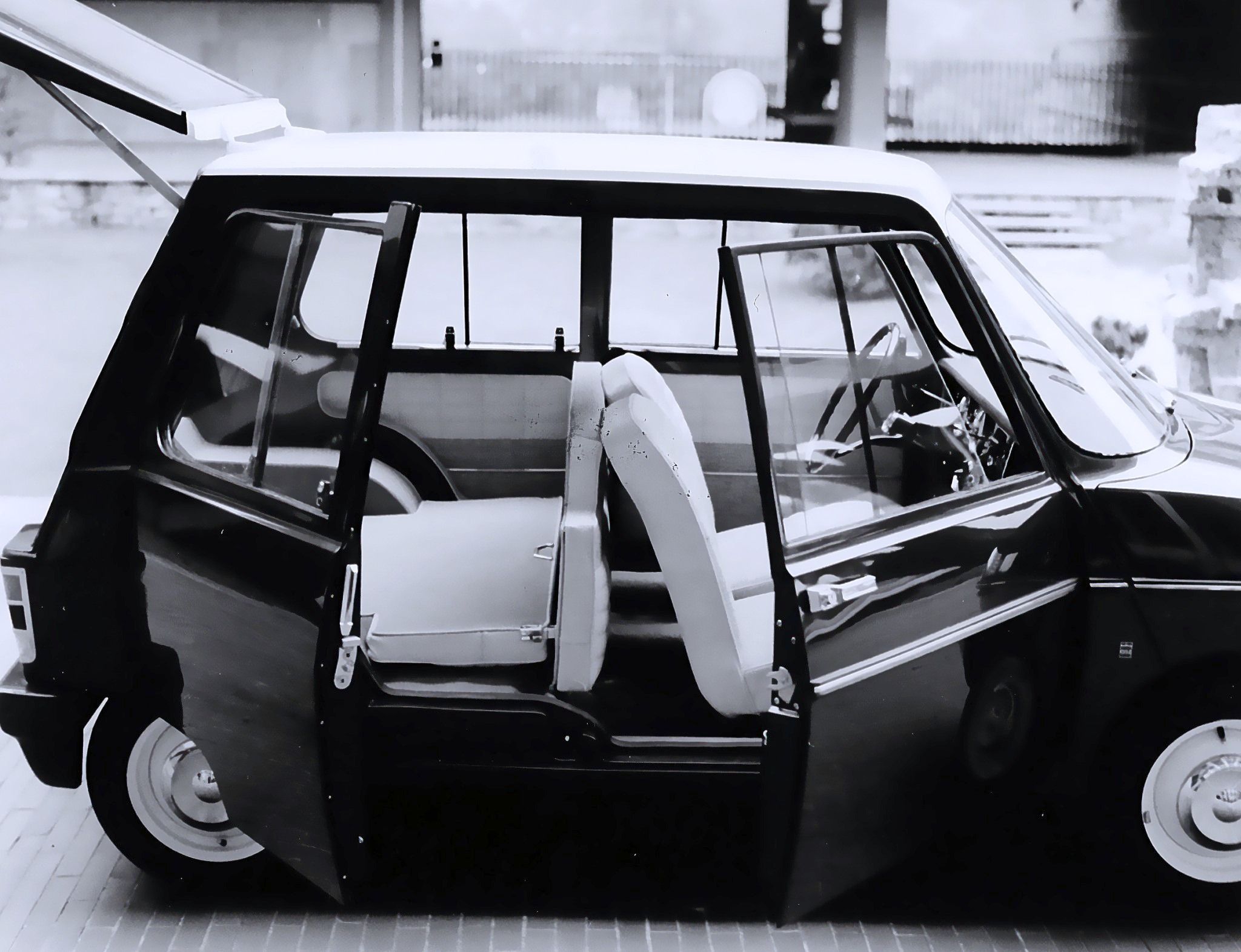
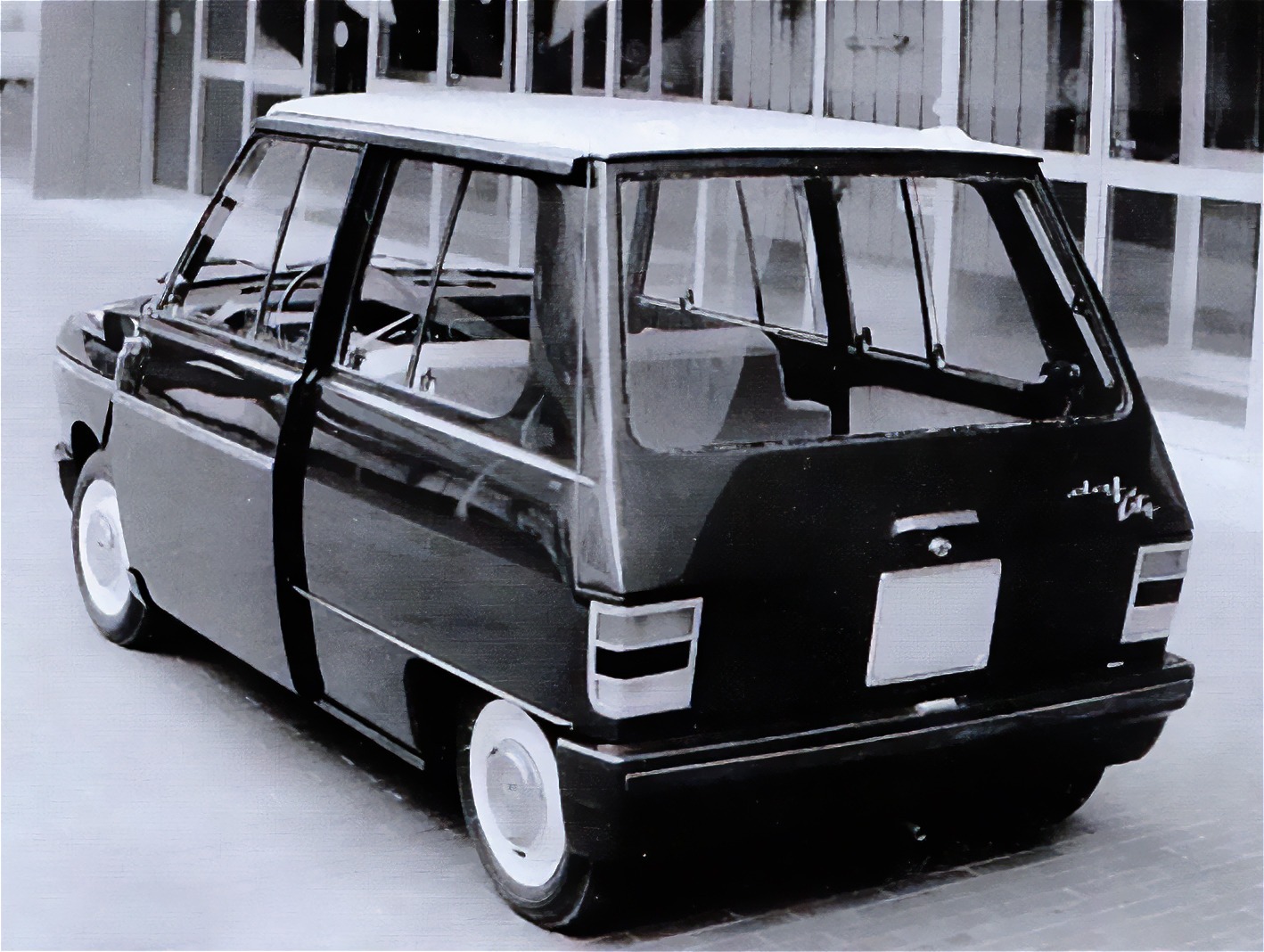
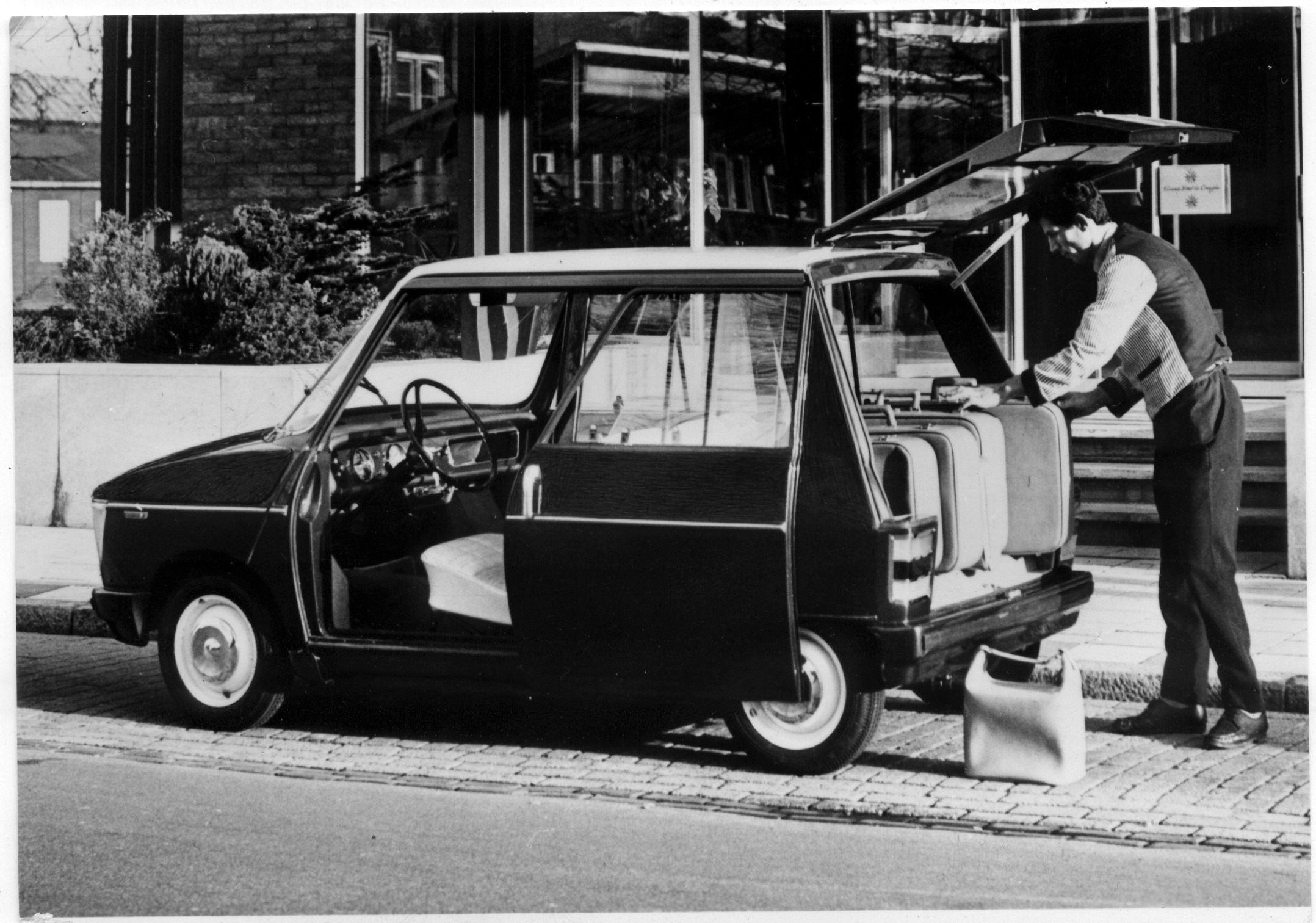
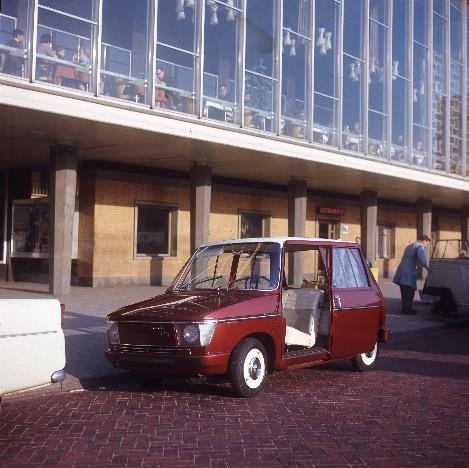
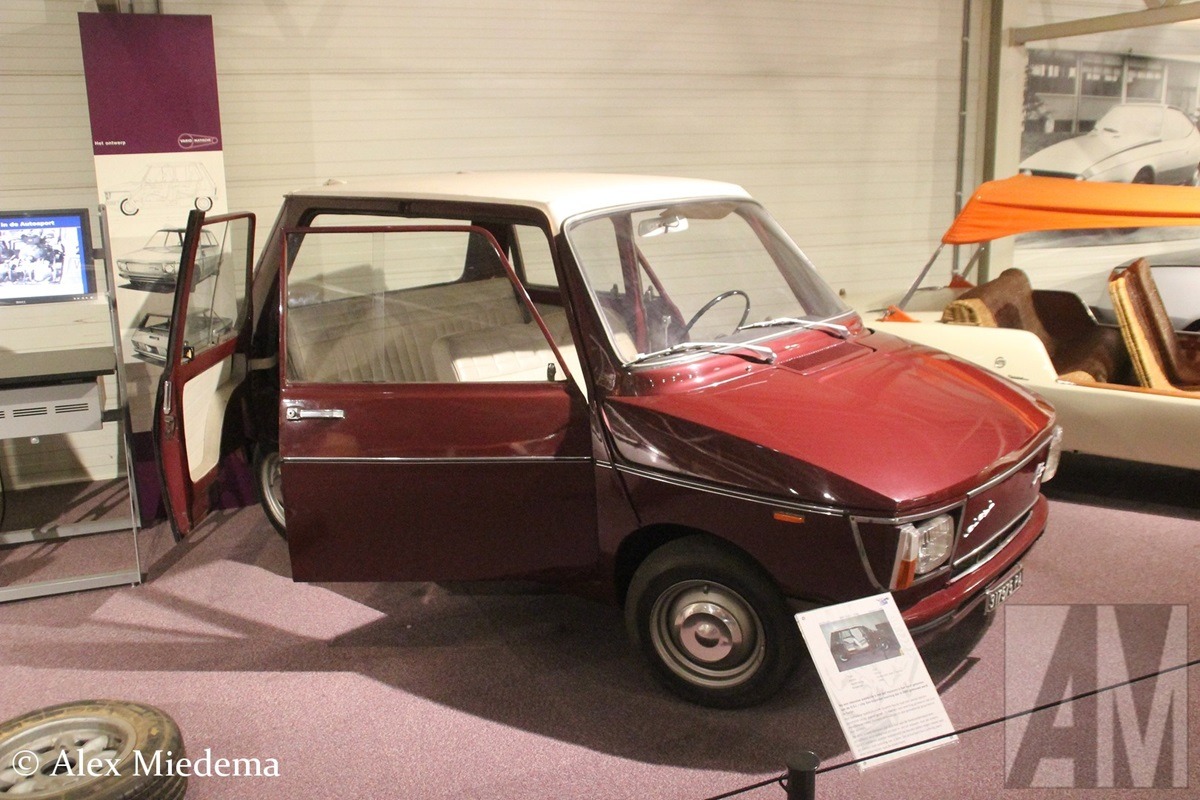
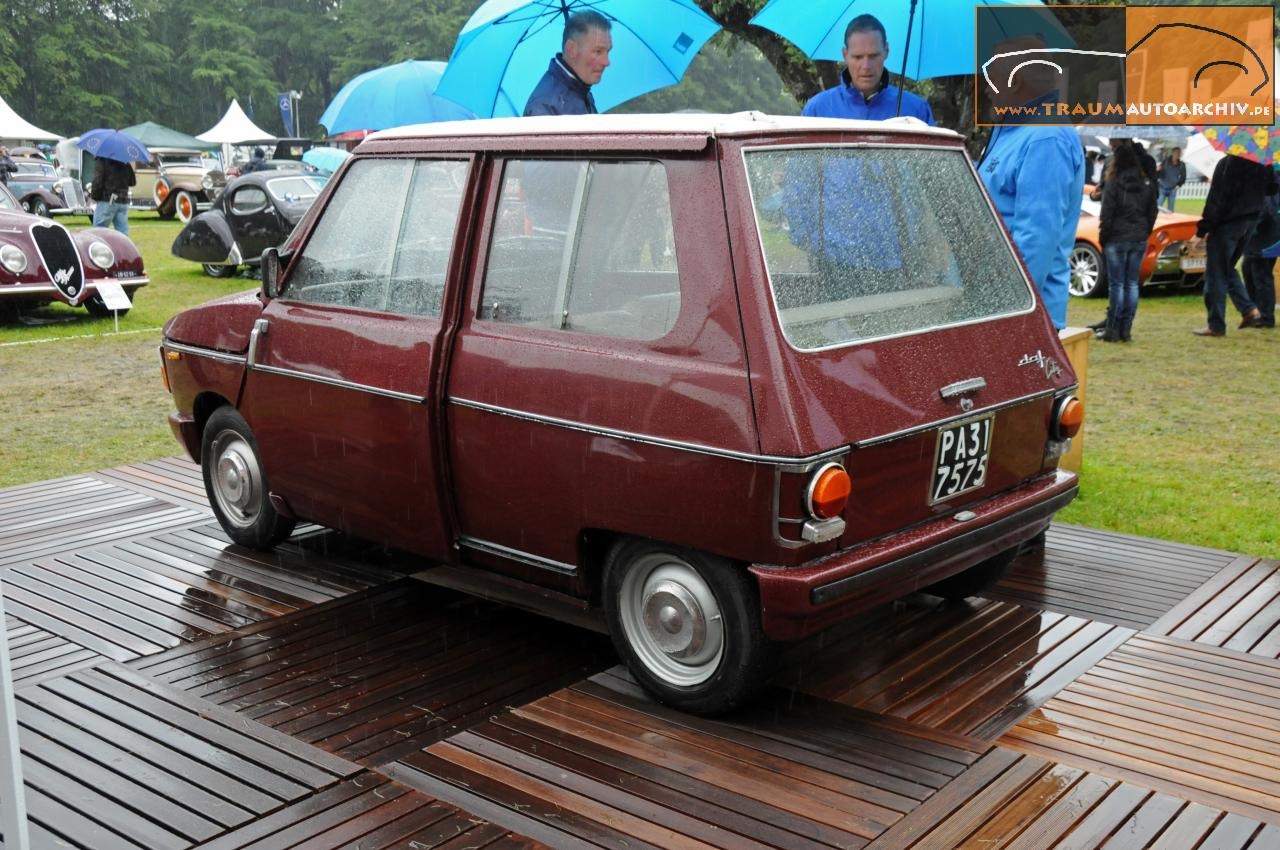
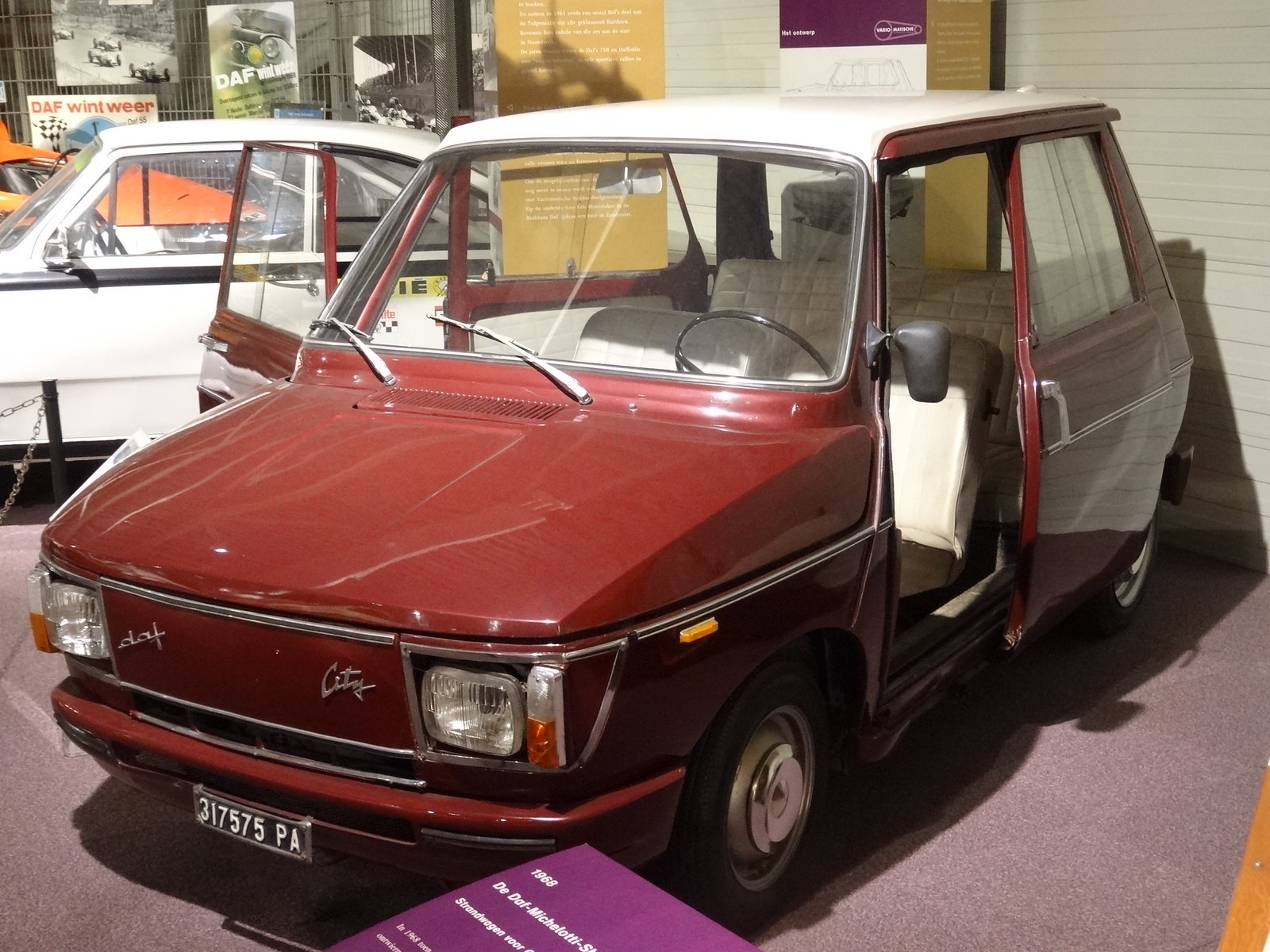
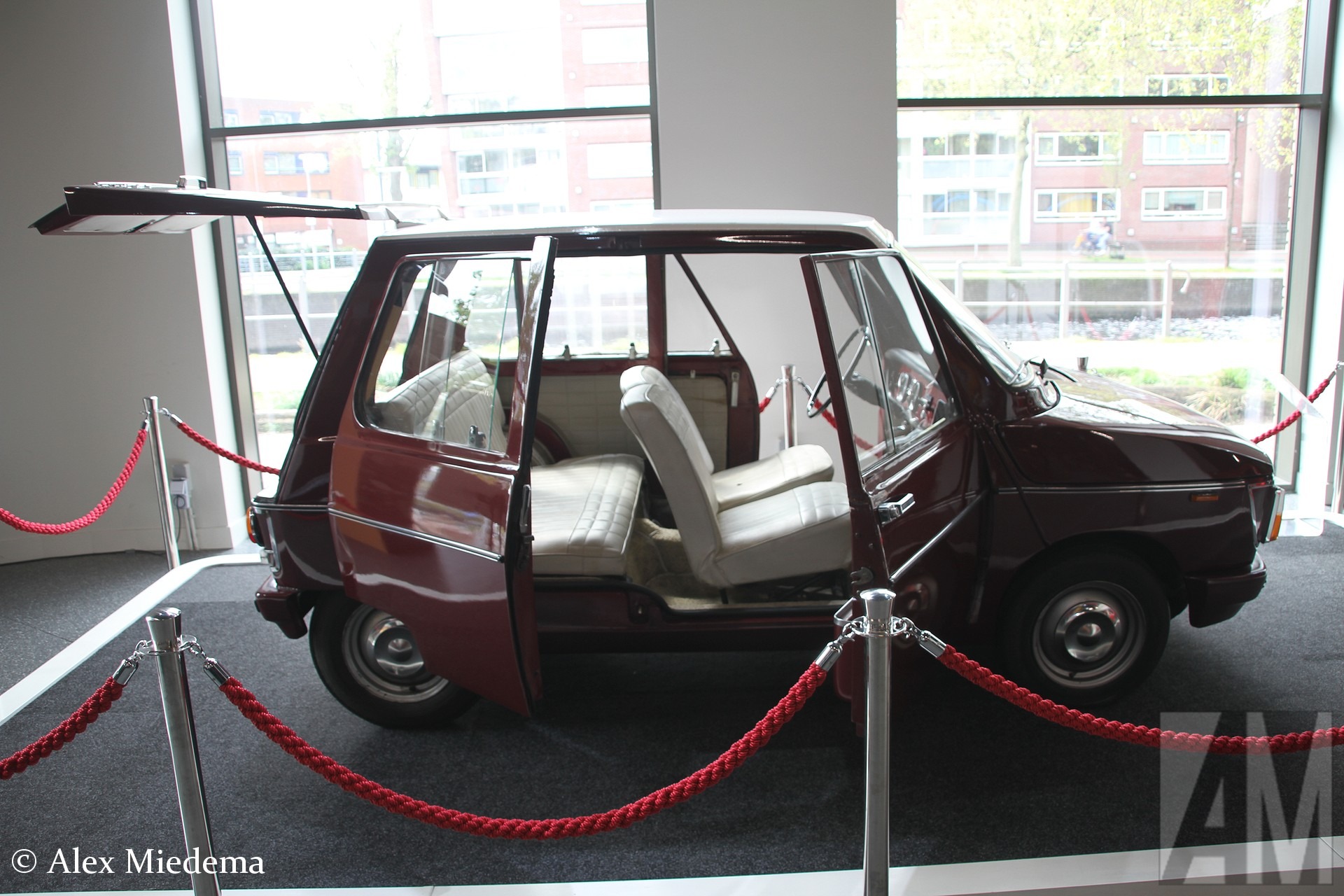
What made the DAF City stand out was not just its compact proportions, but its highly original access layout. On the driver’s side, the car used a single sliding door that operated on a rail-and-ball system similar to commercial vehicles, allowing the driver to enter without swinging a door into traffic. On the passenger side, OSI fitted a conventional front door and a rear suicide door, creating a wide opening for easier entry and exit from the pavement side.

Under the skin, the City stayed close to DAF’s existing small-car hardware. It retained the 746 cc, two-cylinder engine and the brand’s famous Variomatic CVT, using V-belts and variable-diameter pulleys rather than a conventional gearbox. The wheelbase was shortened to about 197.5 cm, which helped give the prototype its compact urban footprint.
The concept also included practical touches that made it feel more advanced than many production cars of the time. Reports mention sliding side windows, storage compartments in the dashboard and doors, reversing lights, and rubber protection on the bumpers to reduce damage during parking. The rear seat could be folded to expand cargo space, making the car more versatile than its tiny dimensions suggested.
OSI’s design was boxy but intelligent, and every shape served a purpose. The high roofline made the cabin feel more usable, while the unusual door arrangement improved access in tight urban spaces. The rear hatch was hinged in the roof panel, further emphasizing the car’s practicality and maximizing loading flexibility.

According to period descriptions, the City-Daf measured about 3.015 meters long and 1.47 meters high, placing it roughly between the Fiat 500 and the Mini in size. That was a very forward-looking formula in 1966, when most small cars still followed more basic, less space-efficient layouts.
Despite its originality, the DAF City never reached production. DAF lacked the resources to turn OSI’s proposal into a commercial model, so the project remained a one-off show car. Even so, it was well received for its creativity and practical thinking, and it became one of those concept cars that hinted at the future without ever reaching the road.
In hindsight, the DAF City looks like a prototype that arrived too early. Its focus on compact packaging, easy access, and urban usability anticipated ideas that would become common much later in small European cars. Today, it stands as an interesting collaboration between Dutch engineering and Italian design — a reminder that some of the smartest city-car ideas were already being explored in the mid-1960s.