The iconic single-seater Multicar is making a digital comeback

Vehicles from the East German Multicar brand are still used by enthusiasts and some municipalities to this day, and many people also remember the iconic single-seat M22. It was created more than 60 years ago, and it has now brought it back in a modern form.
Small Multicar trucks are known for their versatility and year-round usability. Many of you will surely remember the enclosed, single-seat M22, which featured a driver’s seat, a steering wheel, two gauges, and an astonishing top speed of less than 25 km/h.
The original 800cc engine, initially producing just 15 horsepower, was never designed to set the world on fire. That simply wasn’t what the Multicar was about. Thanks to its narrow 1.36-meter width, the vehicle could even be driven on sidewalks while still carrying up to two tons of cargo.
The Multicar 22 was produced for 11 years, specifically from 1964 to 1975. During that time, nearly 43,000 examples were built. And now, in 2026, designer Rostislav Prokop has brought the model back to life.
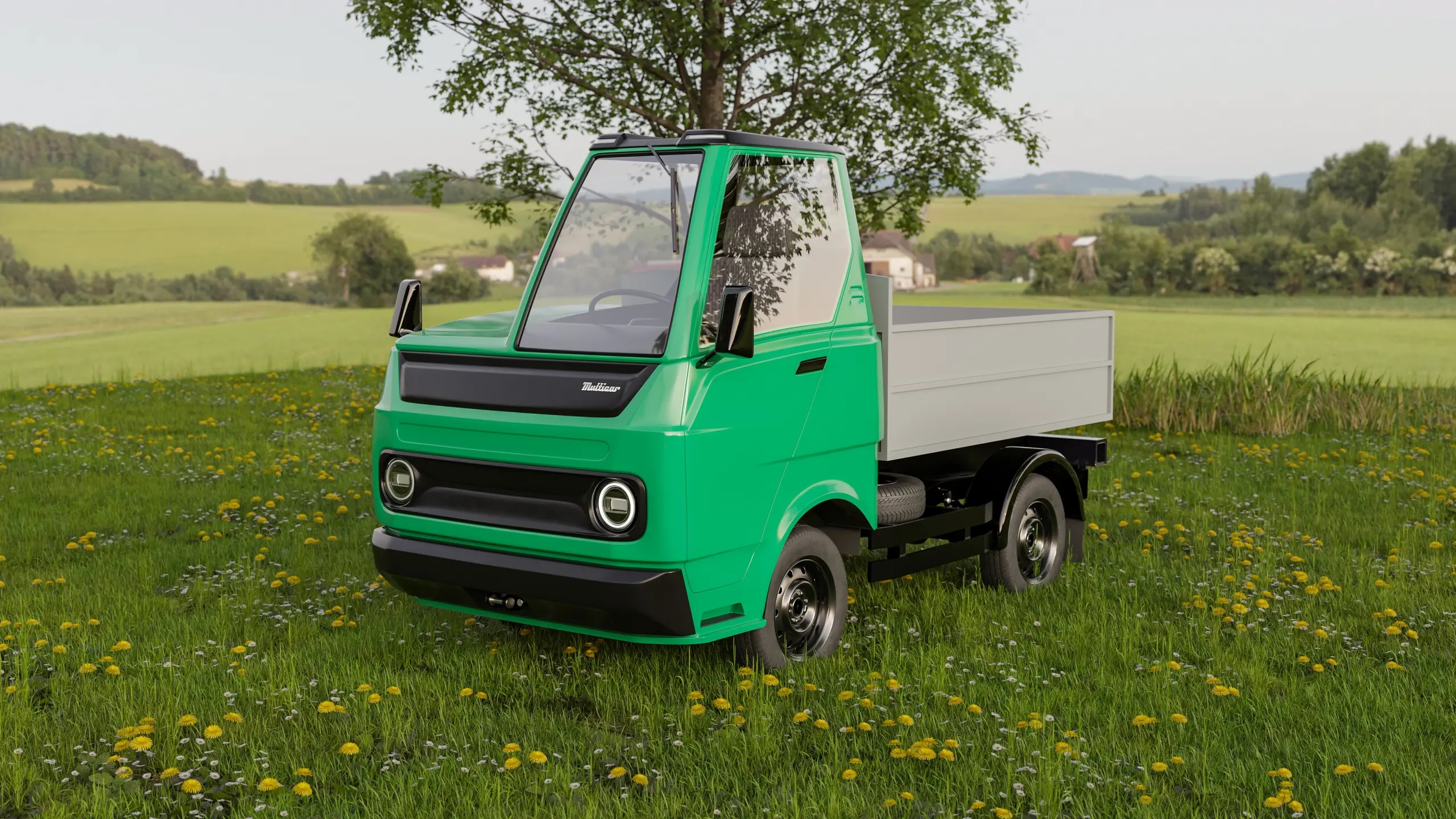
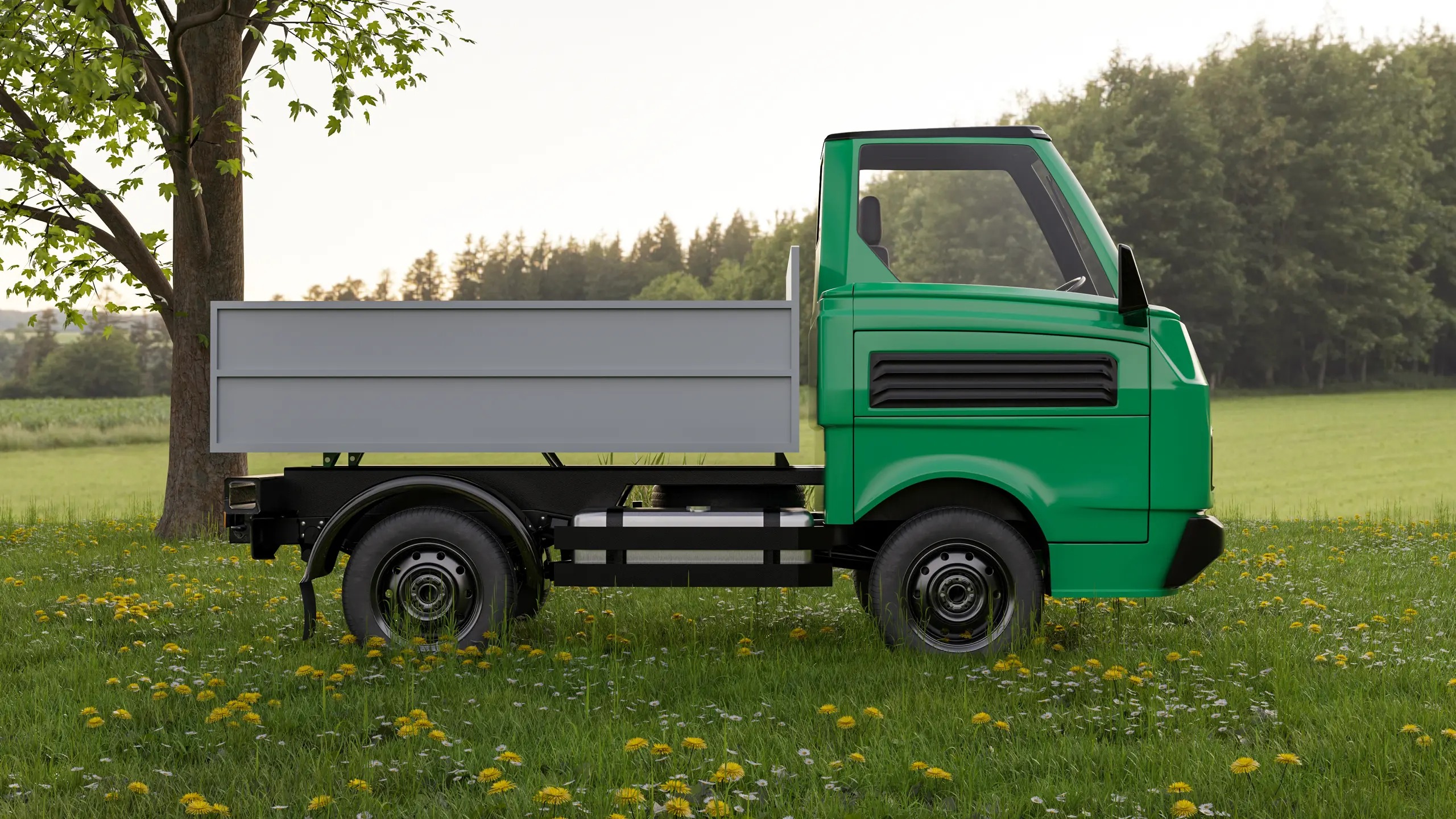
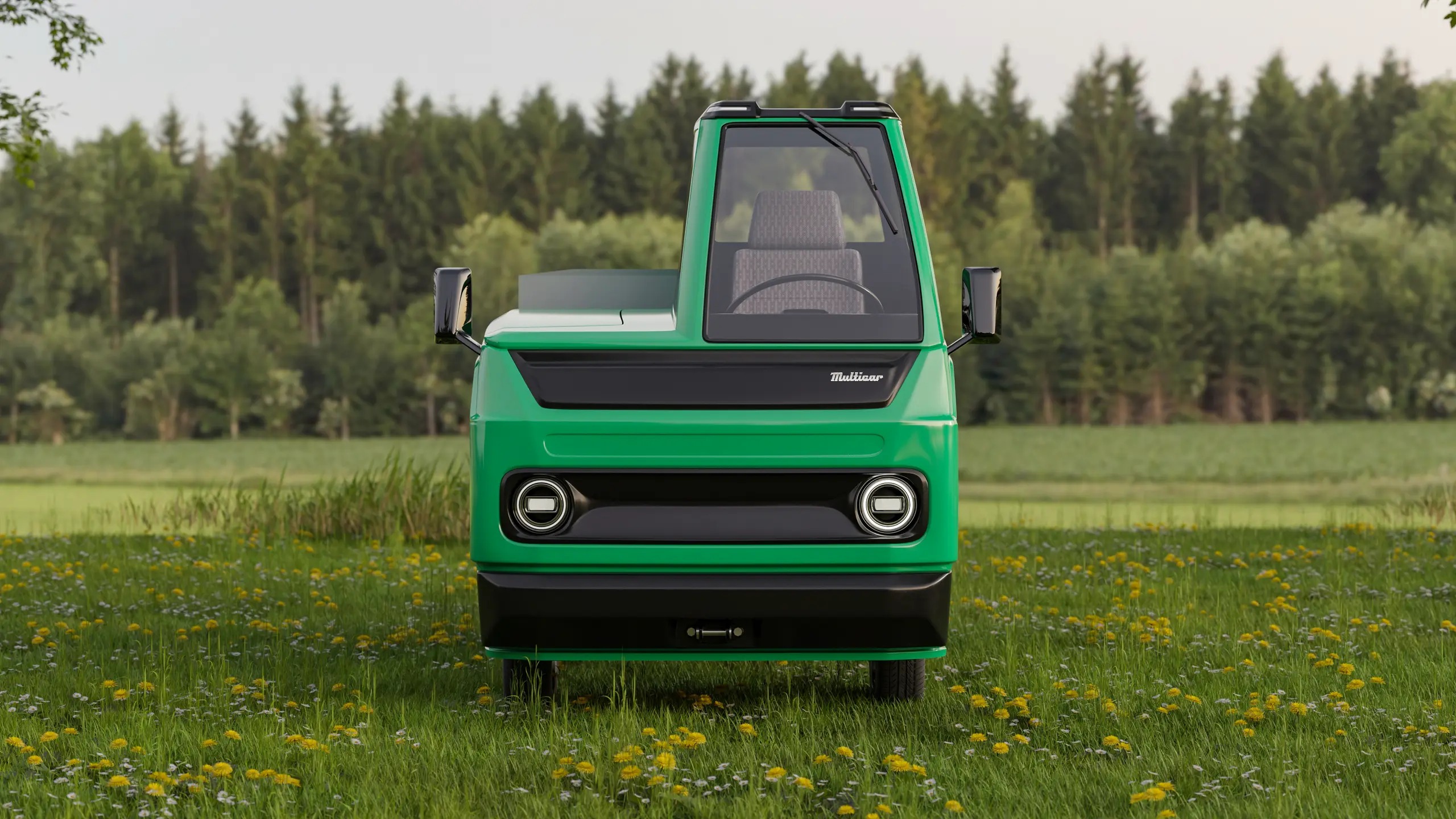
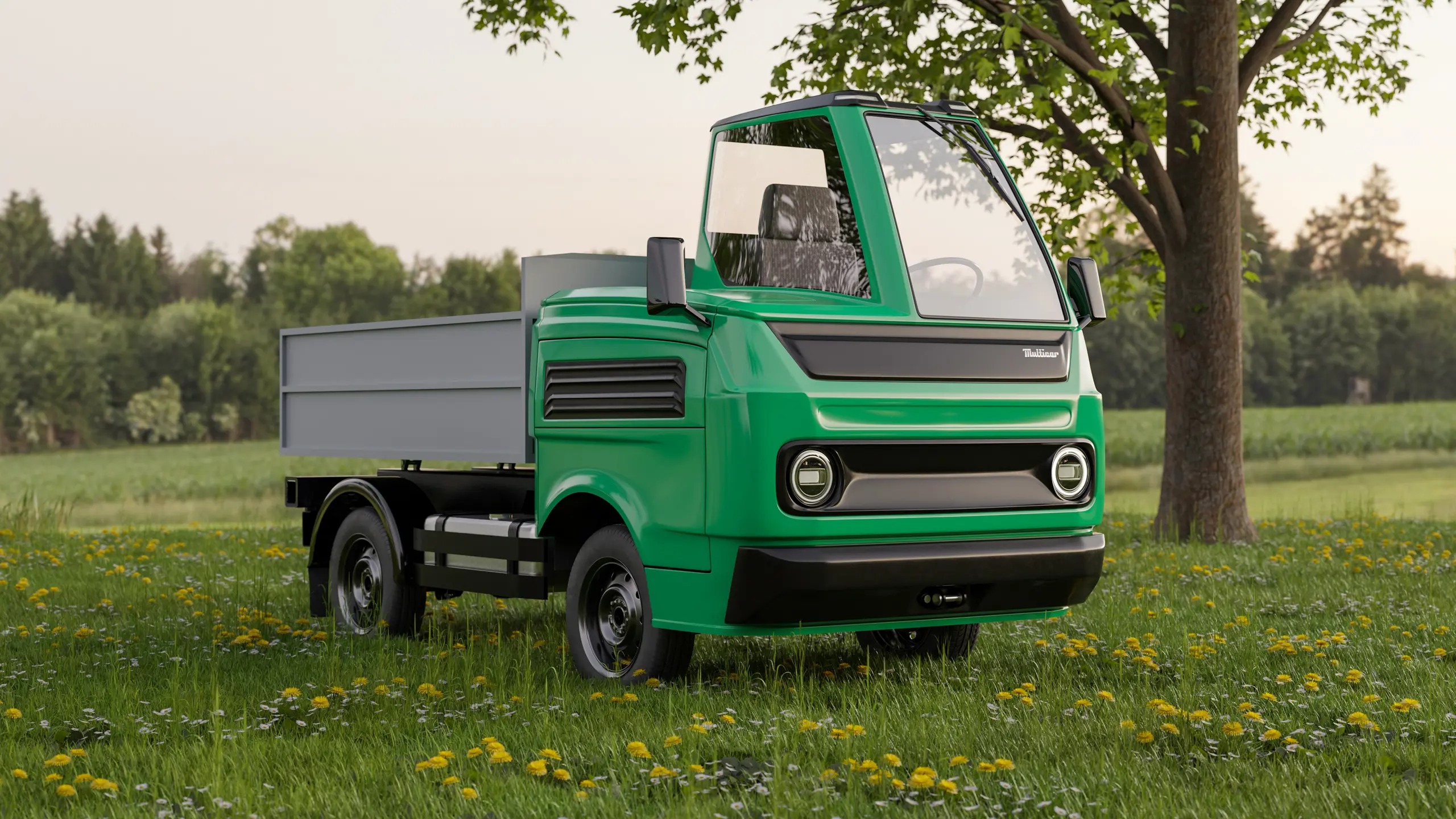
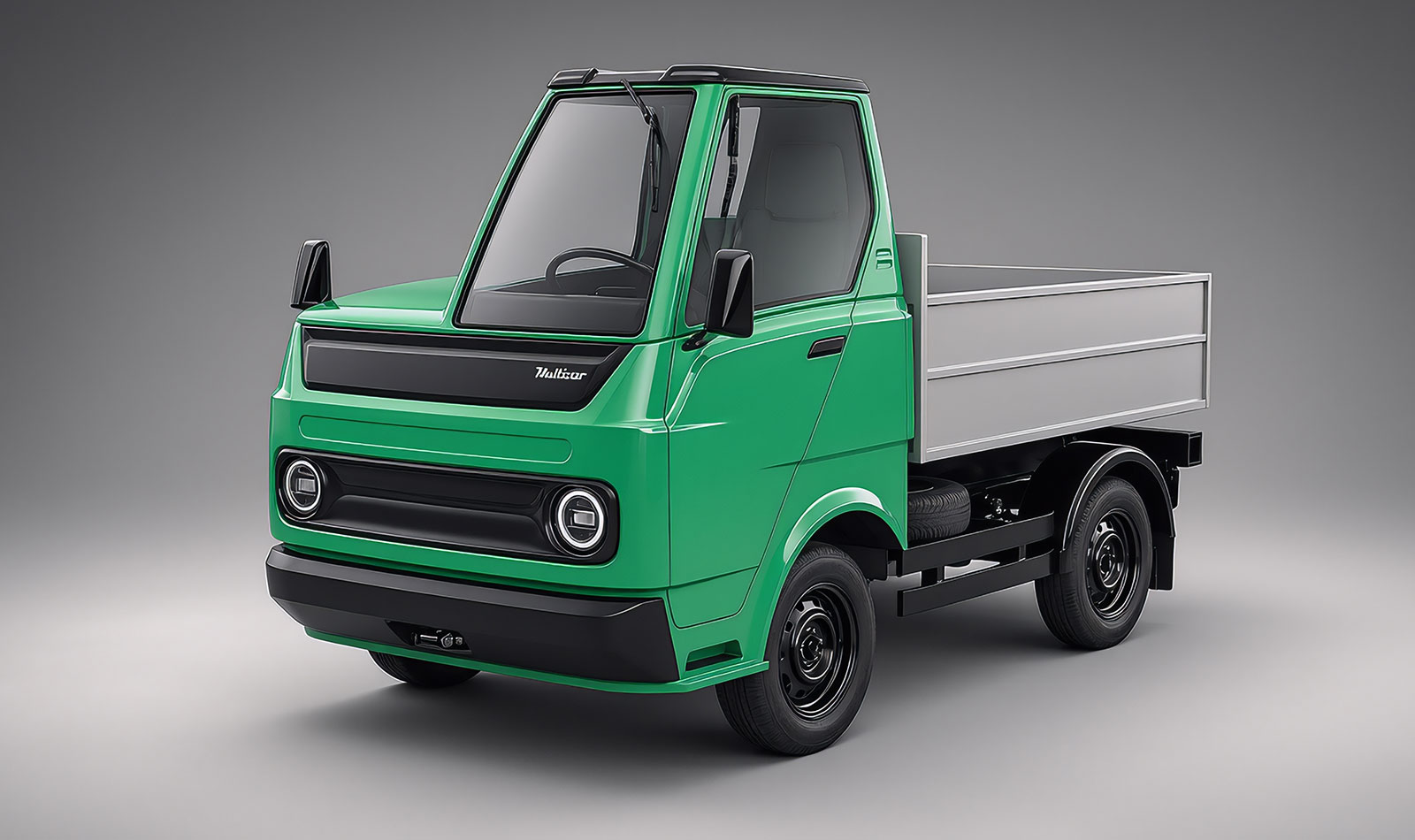
The modern M22 retains the traditional shape of its narrow single-seat cab, but in a much more rounded form. The glazing has also been improved, as has the rearward visibility thanks to larger rear-view mirrors (some M22s did not have mirrors at all).

The design also respects the vehicle’s original iconic features, such as the round lights, which are now LED units with integrated turn signals. The massive towing eye has also been retained in the front bumper, although a small winch could theoretically be installed there.
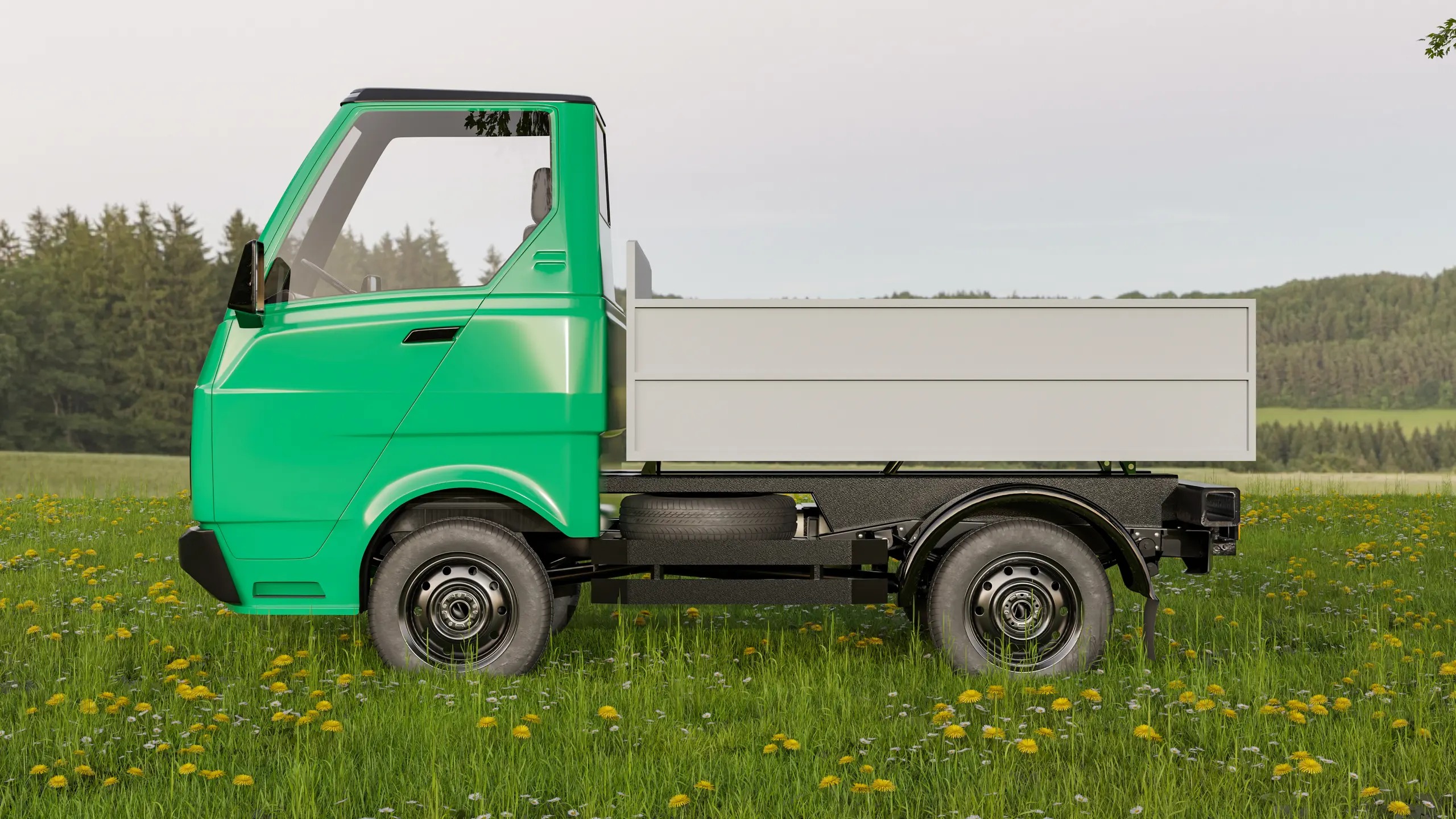
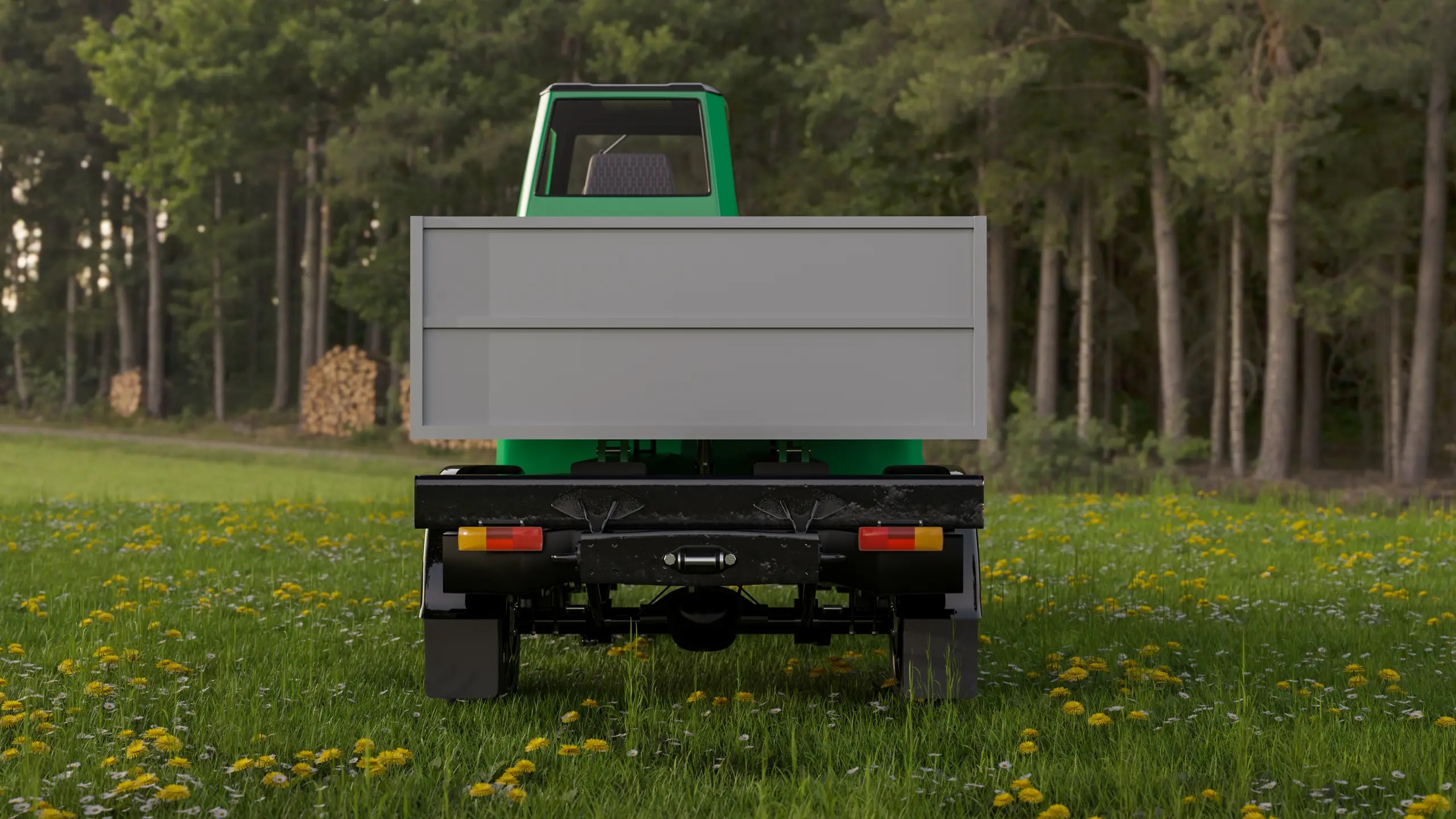
Other features of the frame-based vehicle include simple door handles, a huge steering wheel, underrun protection, auxiliary roof lighting, a windshield wiper, and black steel wheels, including a spare, fitted with all-season tires.
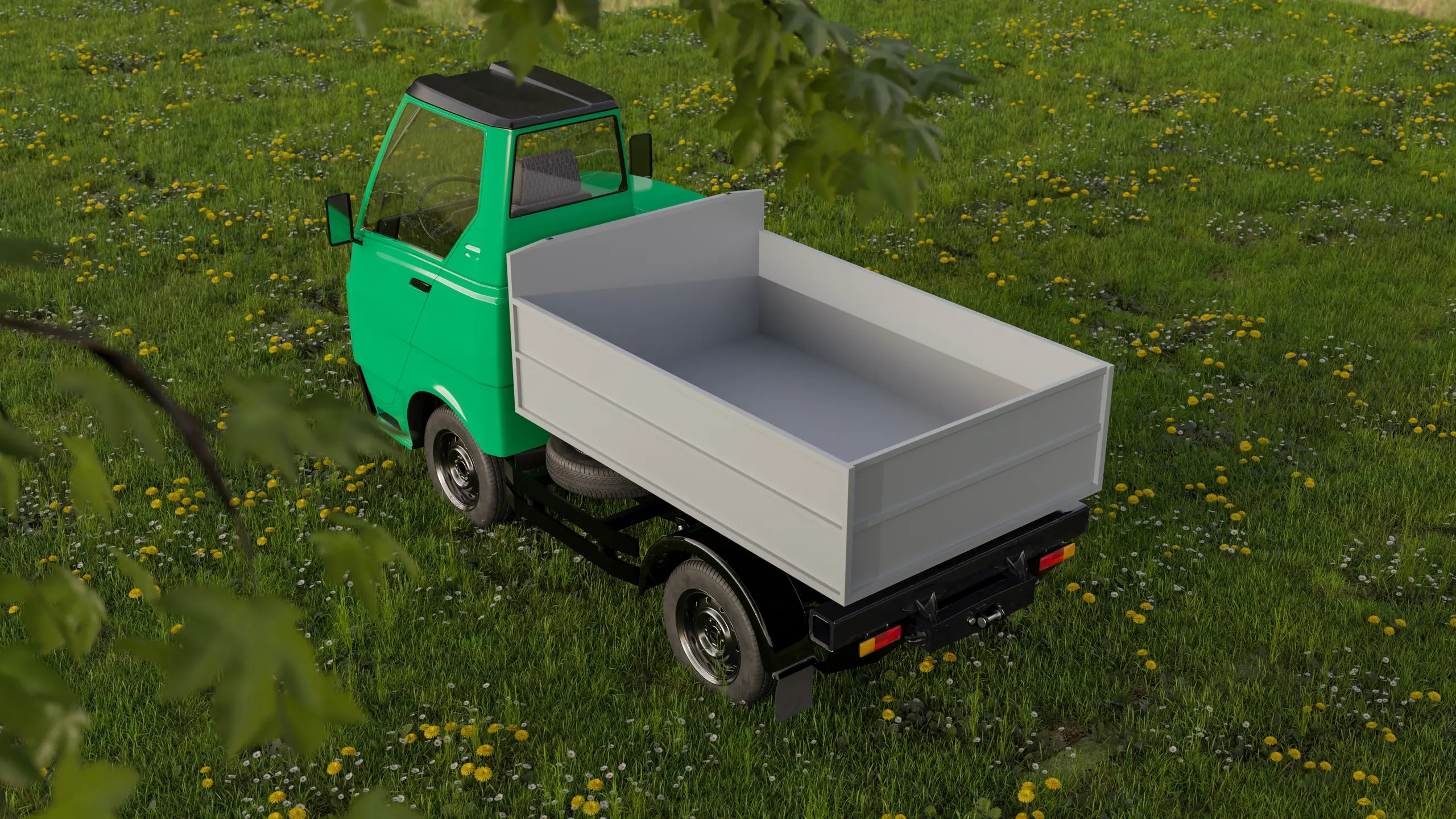
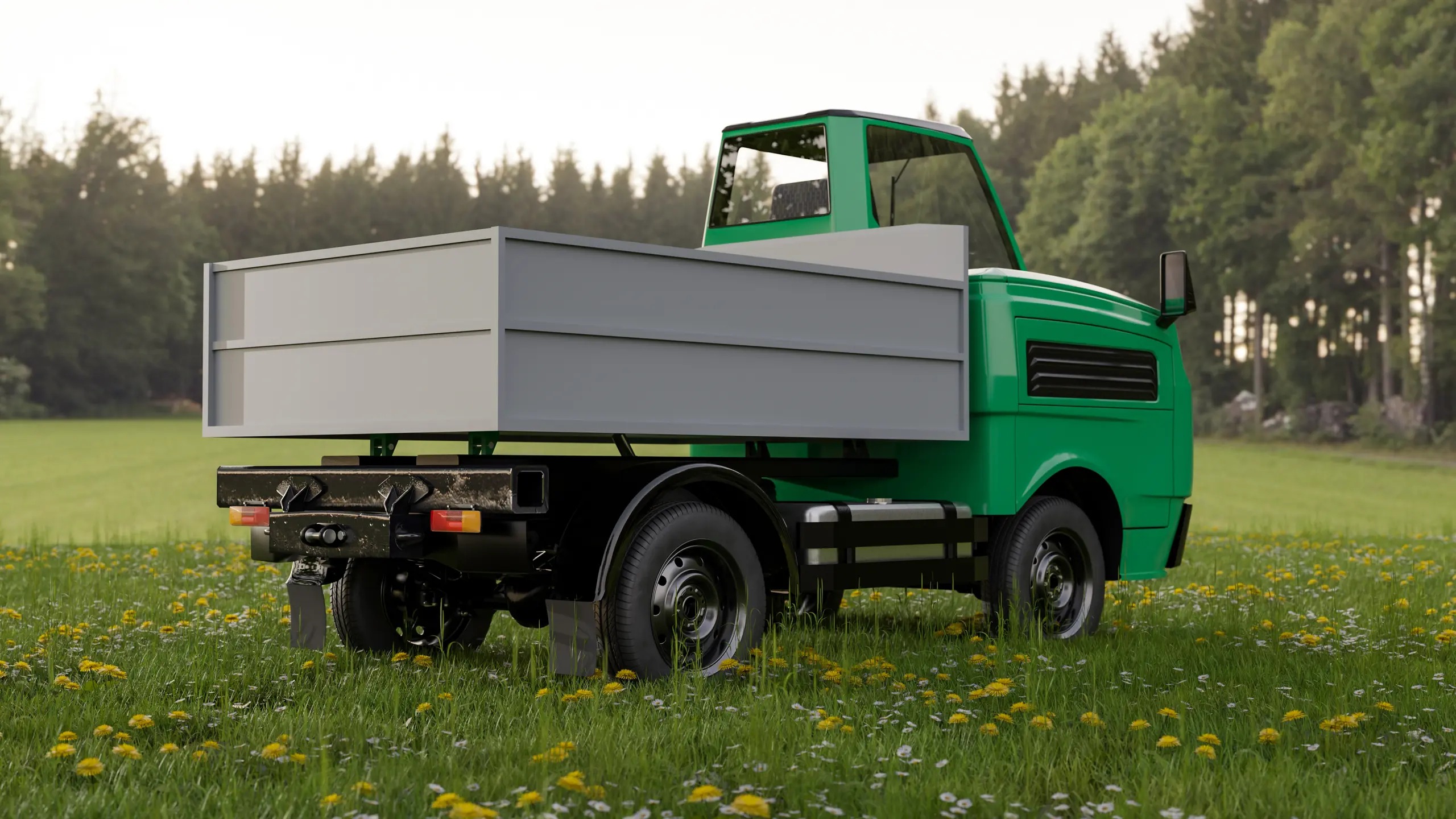
The green-painted workhorse has simple LED lights at the rear, a towing eye, and a single-sided dump bed, which can be replaced with another type of body or equipment.
The internal-combustion engine is mounted at the front next to the driver. It draws fuel from a tank mounted on the side and sends torque through a mechanical differential to the rear wheels.
The design of the modern Multicar 22 is therefore not merely a vision of a work machine, but a design object that pays tribute to the 1960s while presenting the era in a more modern form with a slightly playful twist.
But who knows? Perhaps today’s municipal services would actually welcome an extremely narrow utility vehicle like the Multicar, especially if it were offered at an affordable price.