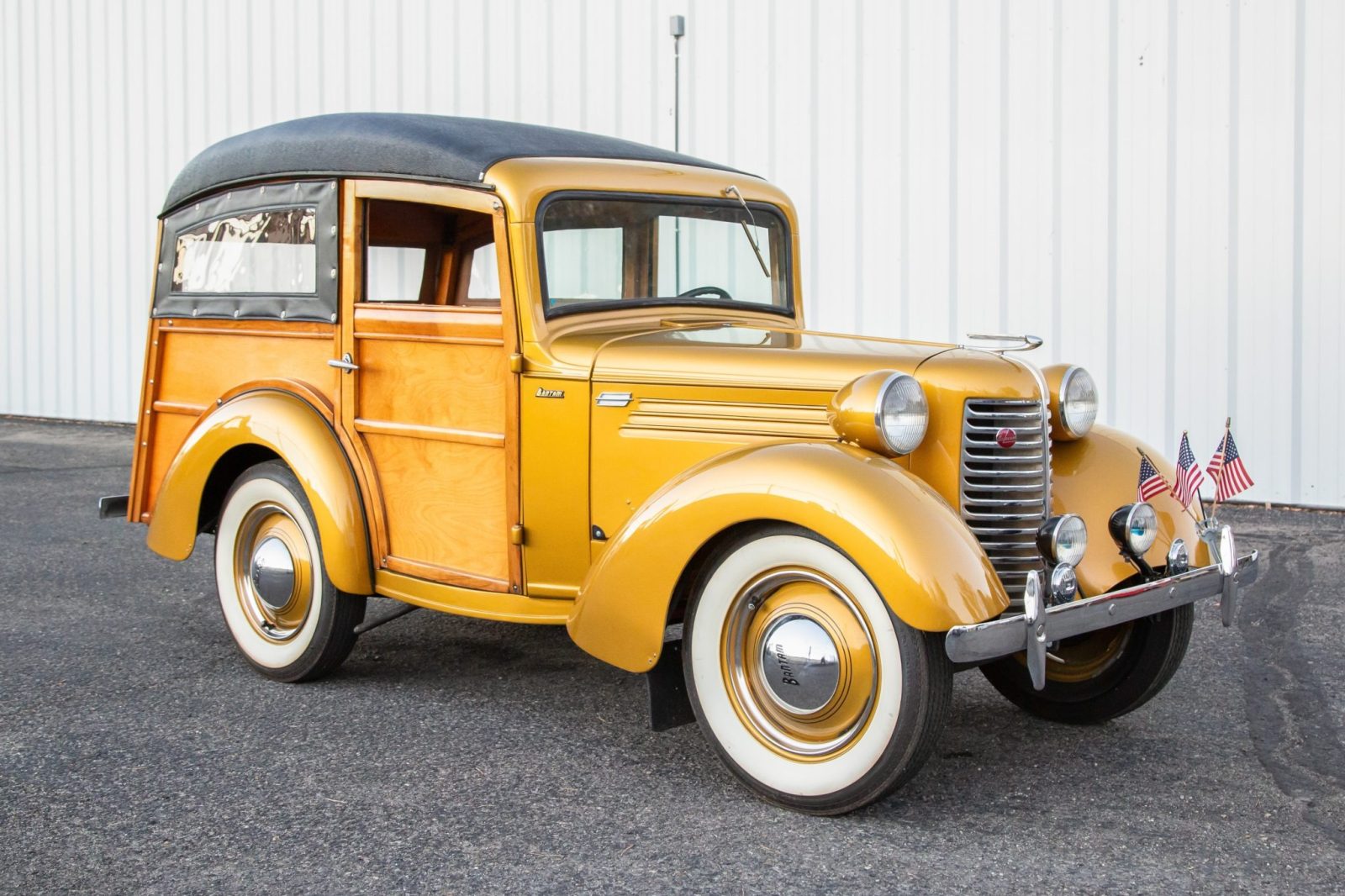
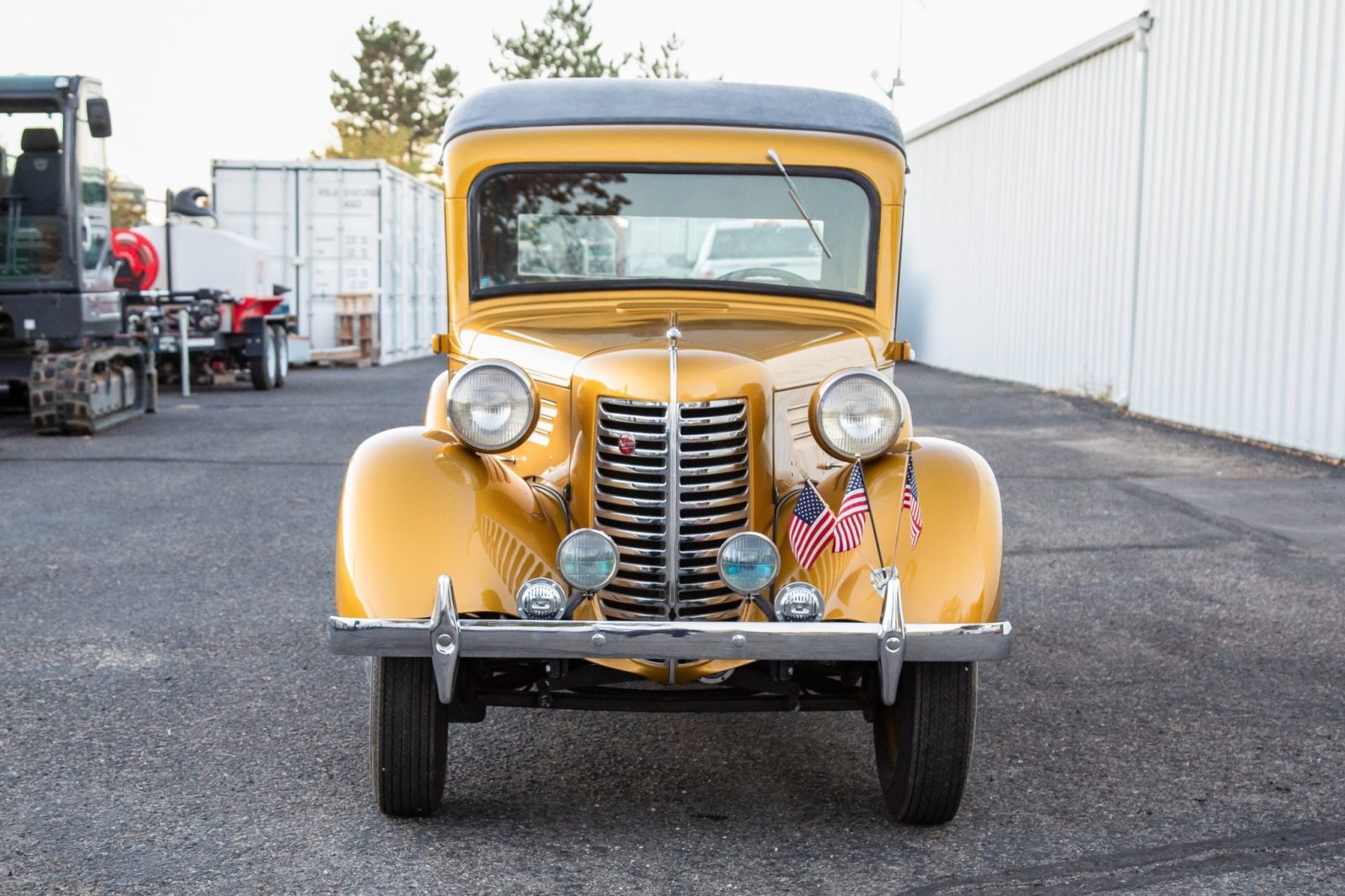
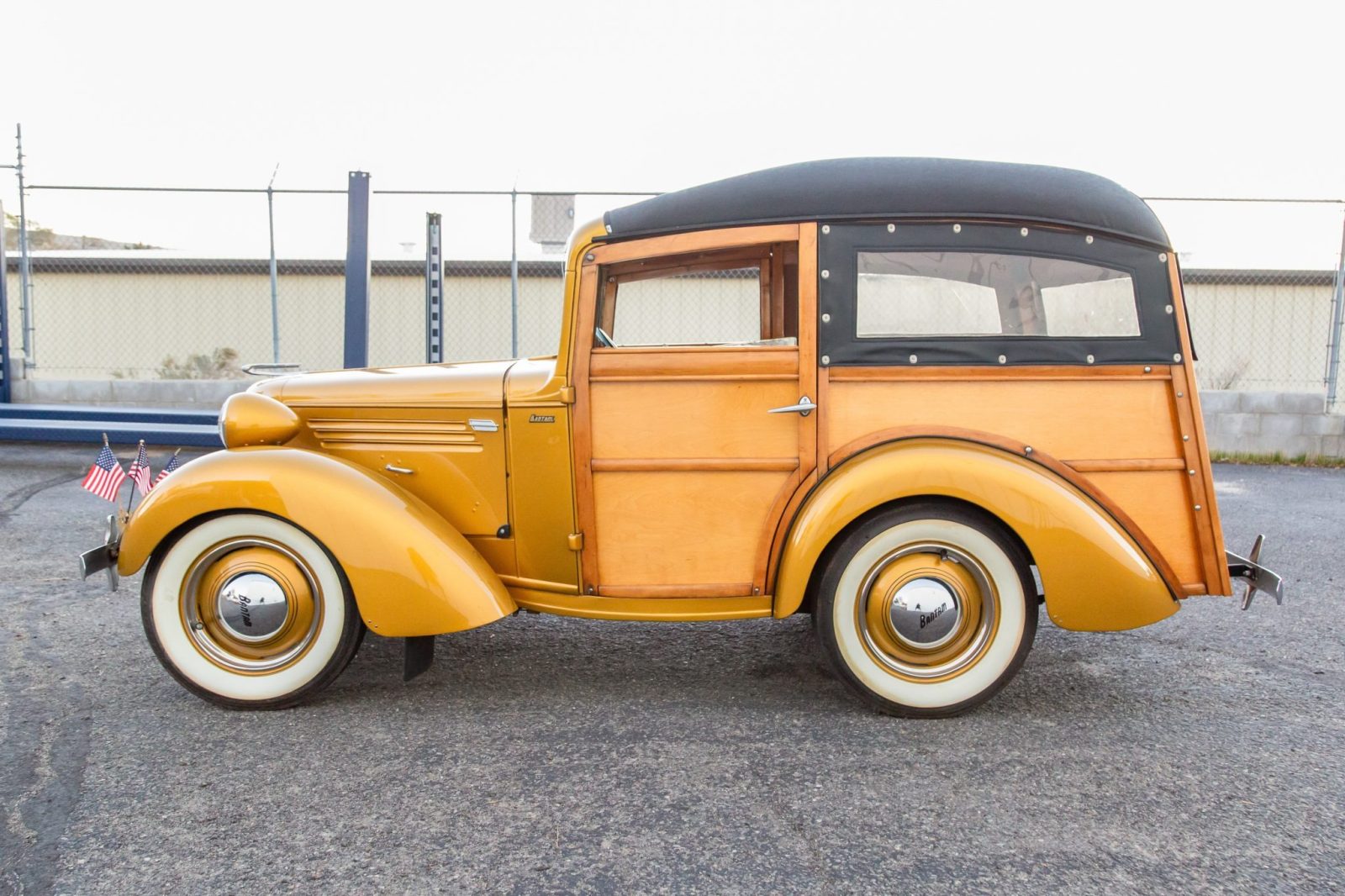
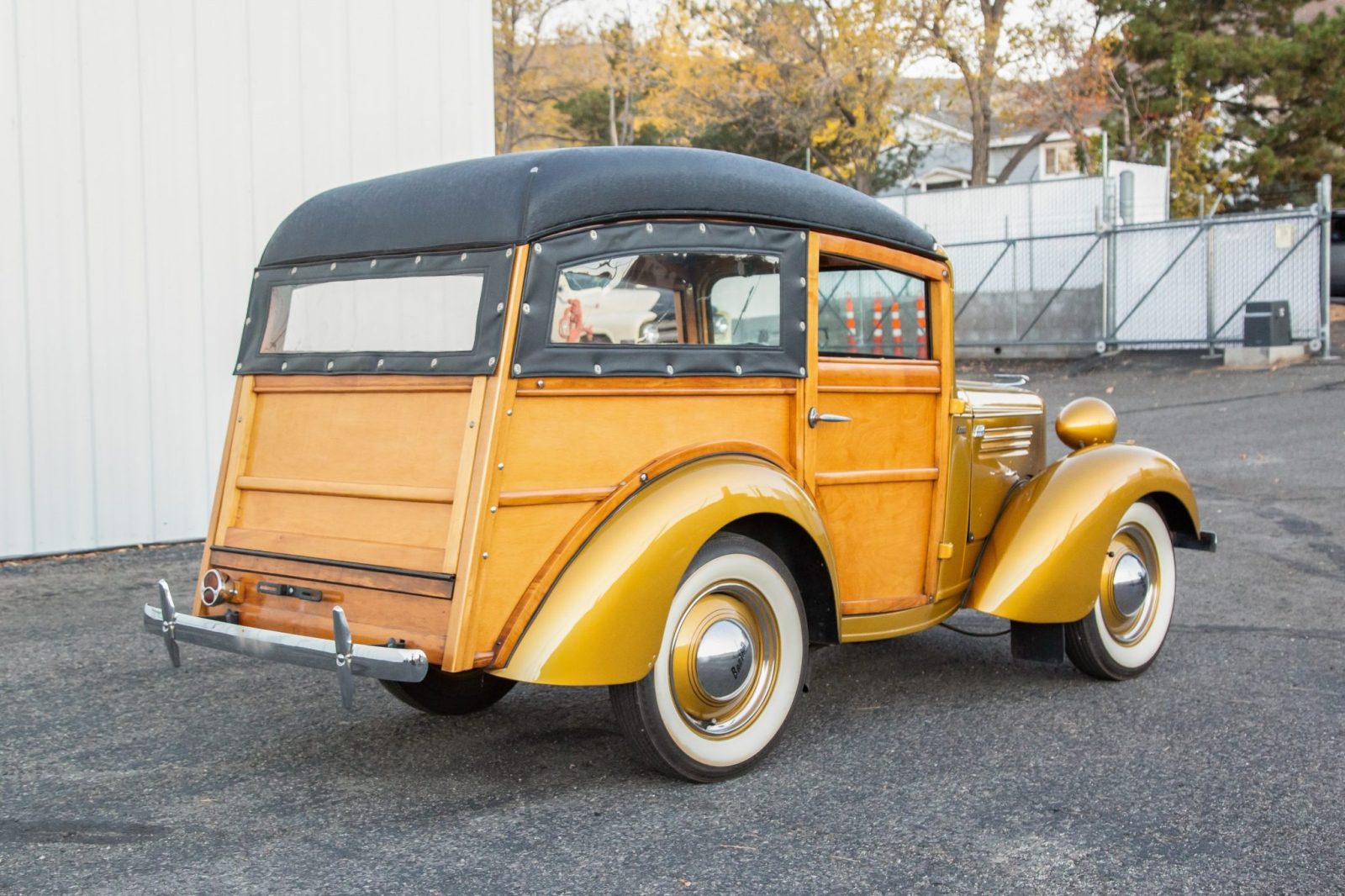
1939 American Bantam Model 60 Station Wagon

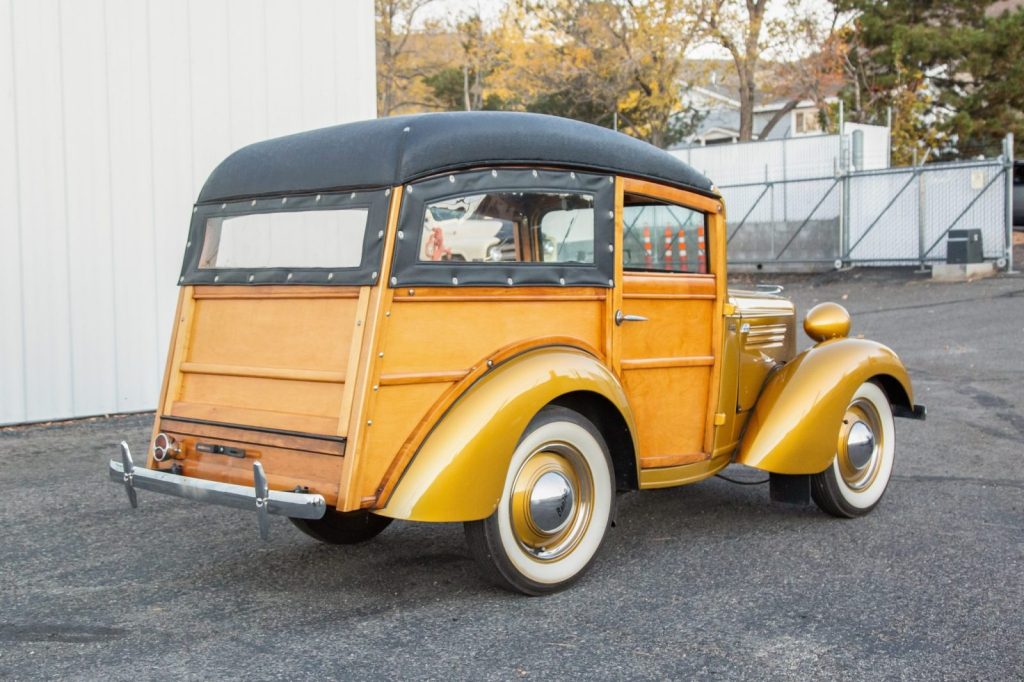
This 1939 American Bantam Model 60 station wagon is one of roughly 317 wood-bodied wagons produced over a two-year period. Refurbished under previous ownership, it was acquired by the seller in 2018 and is finished in gold with wood rear body panels.
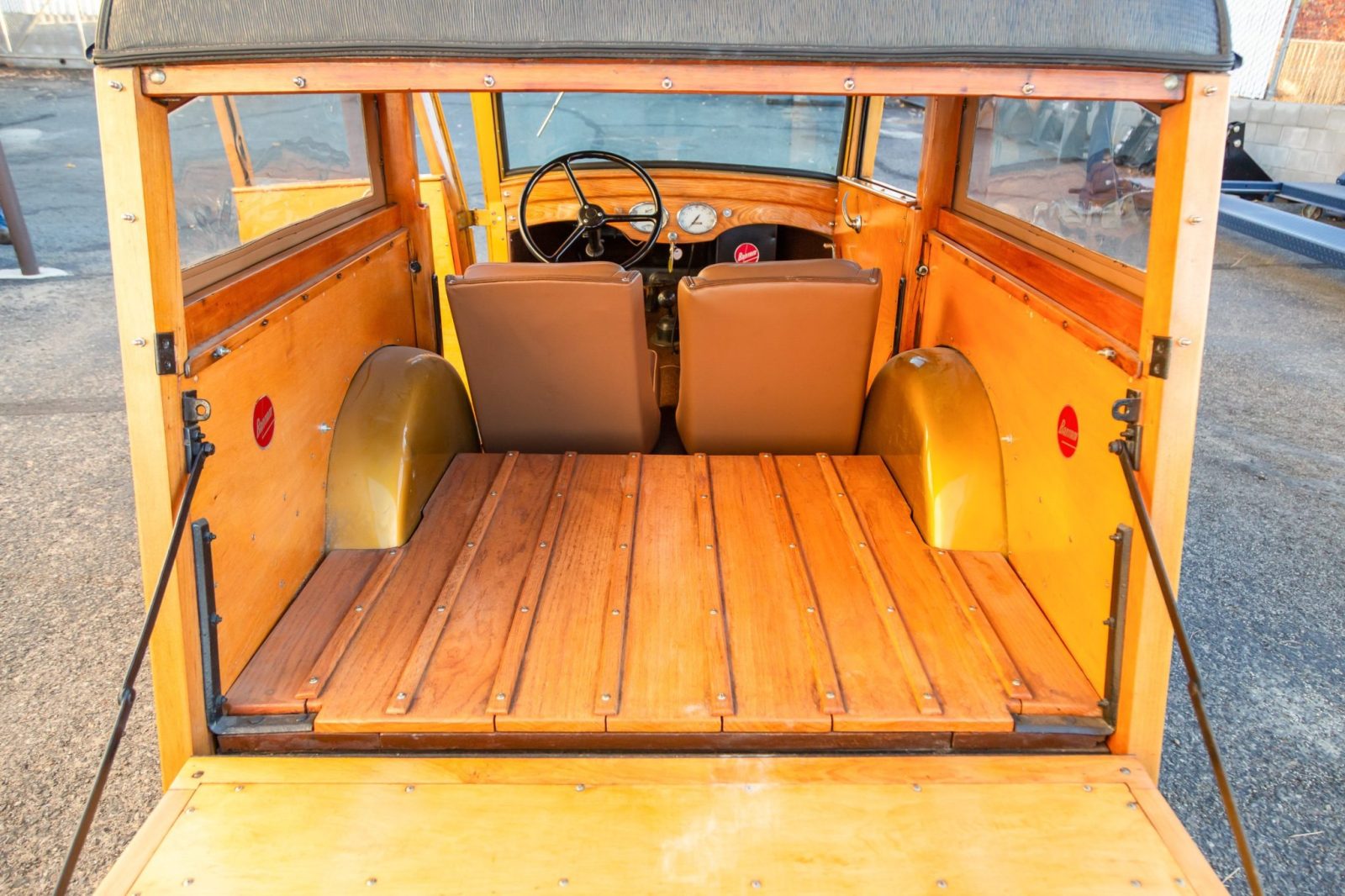
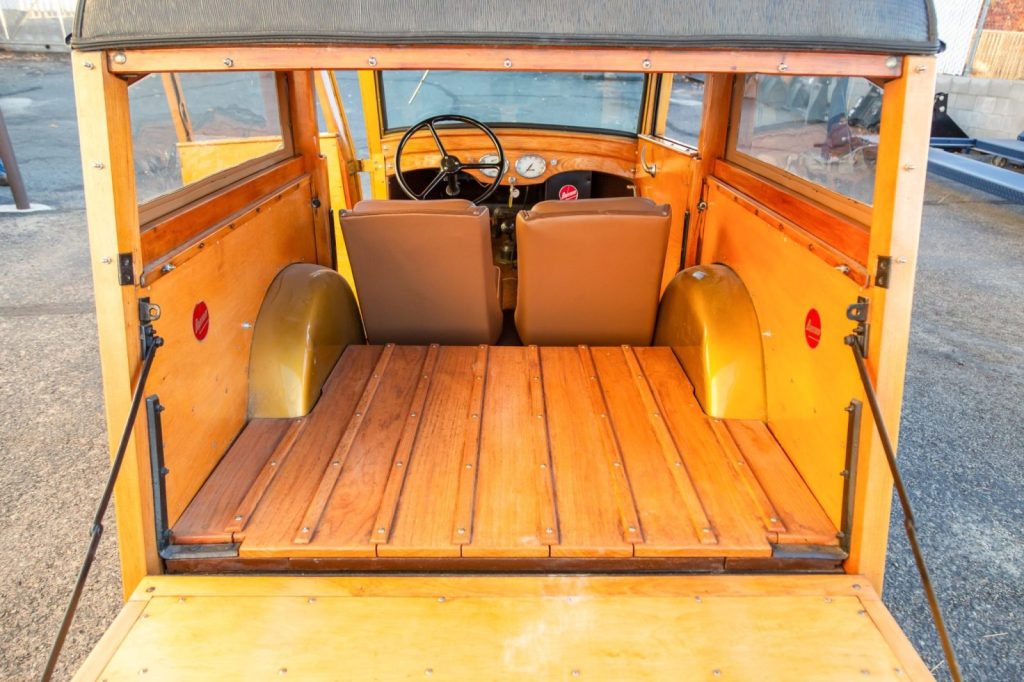
Power comes from a 45.6-cu-in L-head inline-four fed by a single downdraft carburetor, paired with a three-speed manual transmission. Equipment includes mechanically actuated four-wheel drum brakes, 15-inch gold-painted pressed-steel wheels, tan vinyl bucket seats, and a wood-lined cargo area that can be enclosed with removable side curtains.
The car is offered with model literature, a tool kit, tan rubber floor mats, and a clean Nevada title in the seller’s name listing it as a 1939 AEUT Woodie.
The American Bantam has its roots in the American Austin Car Company, founded in 1929 in Butler, Pennsylvania, to produce a U.S. version of the British Austin Seven.
After the company went bankrupt in 1934, former Austin salesman Roy Evans revived it in 1935 and hired designer Alexis de Sakhnoffsky to restyle the Seven into what became the American Bantam. Production resumed in 1937, with the compact Bantam riding on a 75-inch wheelbase and offered in a variety of two-door body styles.
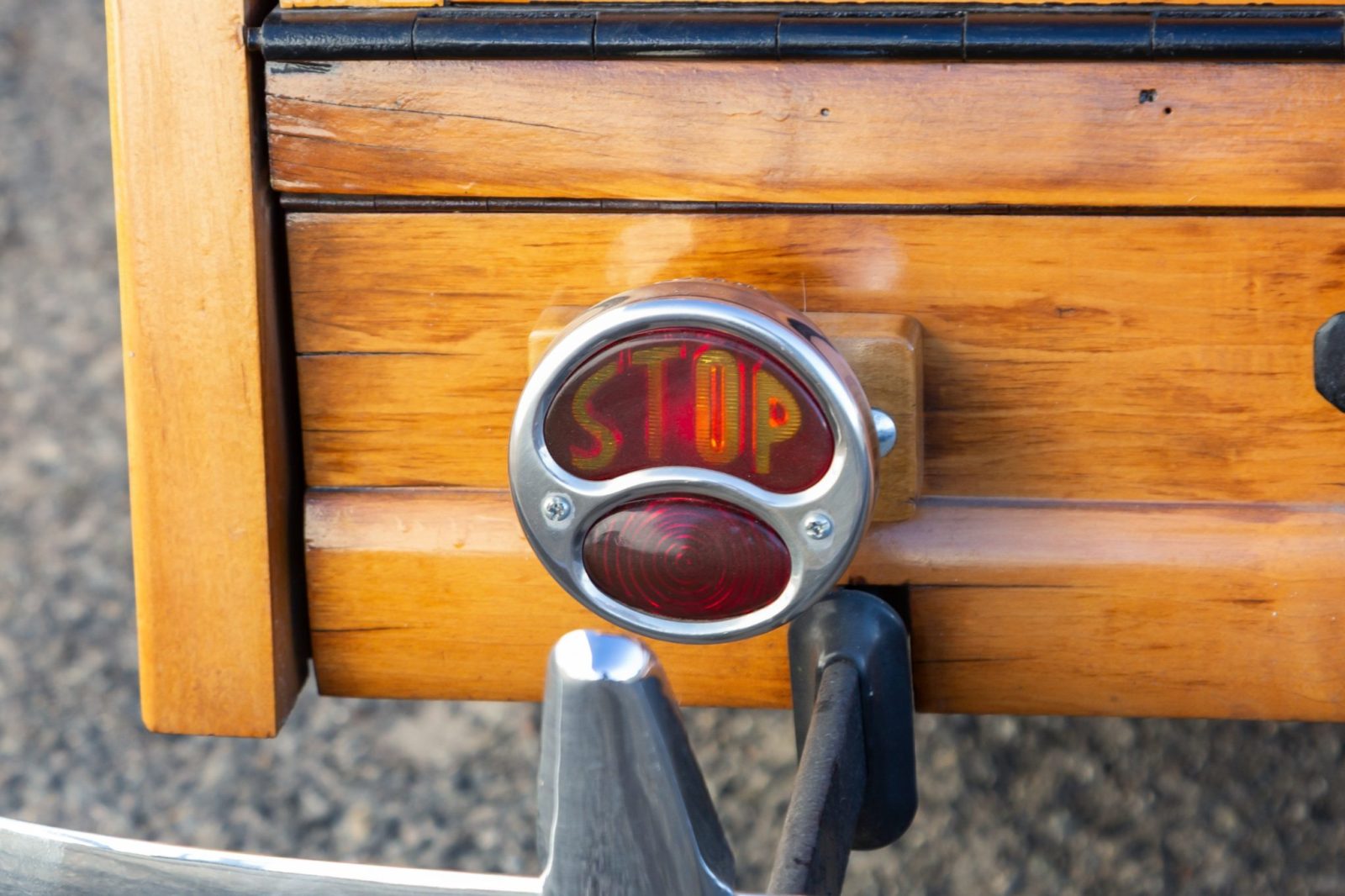
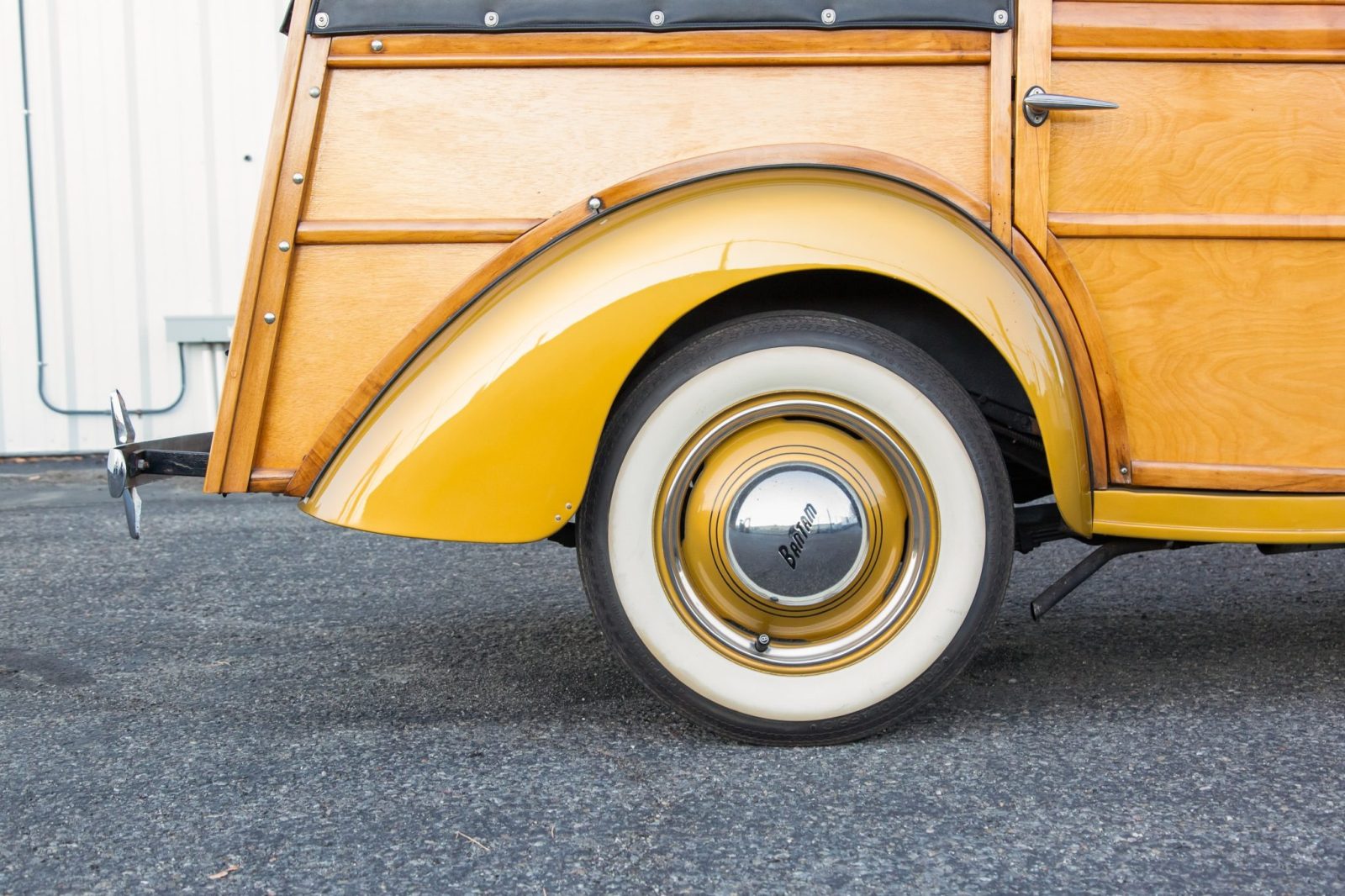
This refurbished example features gold-painted steel hood panels and fenders complemented by two-tone wood bodywork at the rear. Details include front and rear bumpers with guards, a fabric-covered roof, front fog lamps, a bumper-mounted flag holder, and a tailgate. An area of wear is noted on the roof covering.
Gold-painted 15-inch pressed-steel wheels with chrome hubcaps and trim rings are mounted with 5.60-15 Coker Classic wide-whitewall tires. Braking is provided by mechanically actuated drums on all four corners.
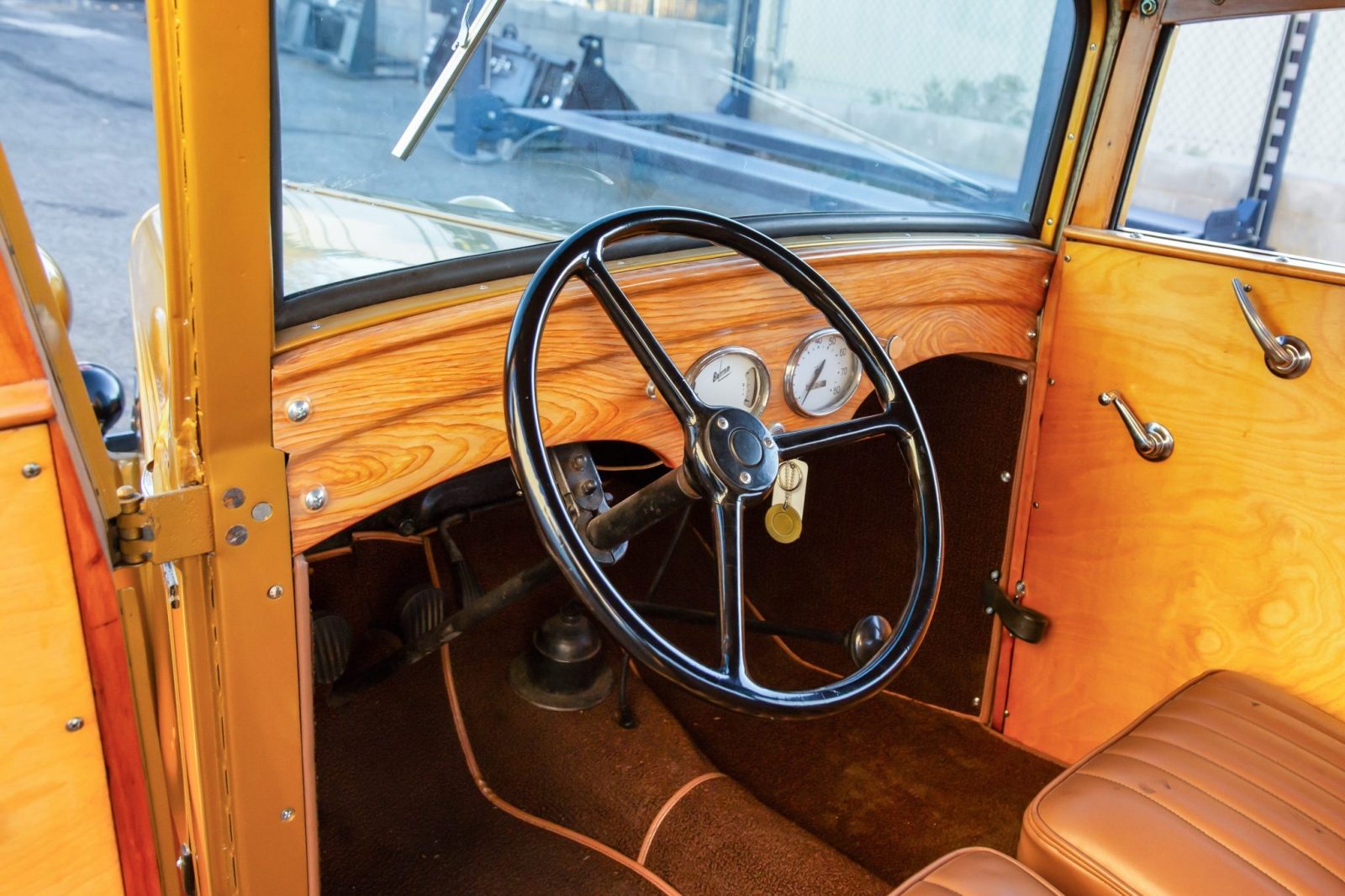
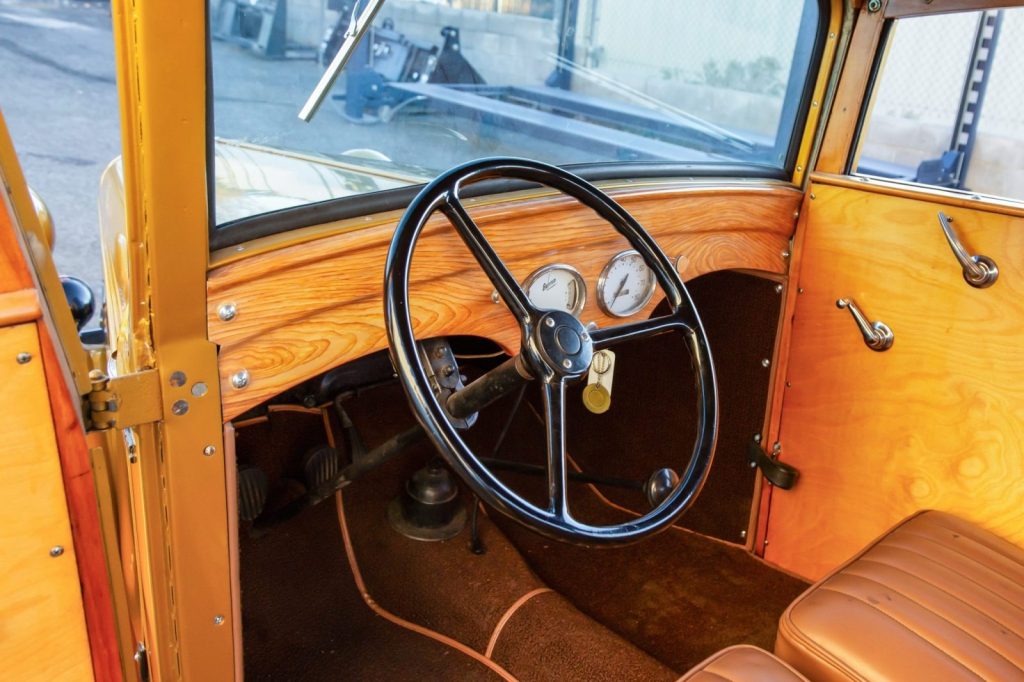
Inside, the wagon is fitted with tan-upholstered bucket seats and brown loop carpeting on the front floor and kick panels. Additional features include wood-trimmed inner door and rear panels, a floor-mounted shifter, heater, roll-up front windows, open rear windows that accept black side curtains, and a wood-lined cargo area with floor runners.
A three-spoke steering wheel fronts a wood dashboard with an 80-mph speedometer and a combination gauge for amperage, fuel level, and oil pressure. The five-digit odometer shows 26,000 miles, about 100 of which were added by the seller.
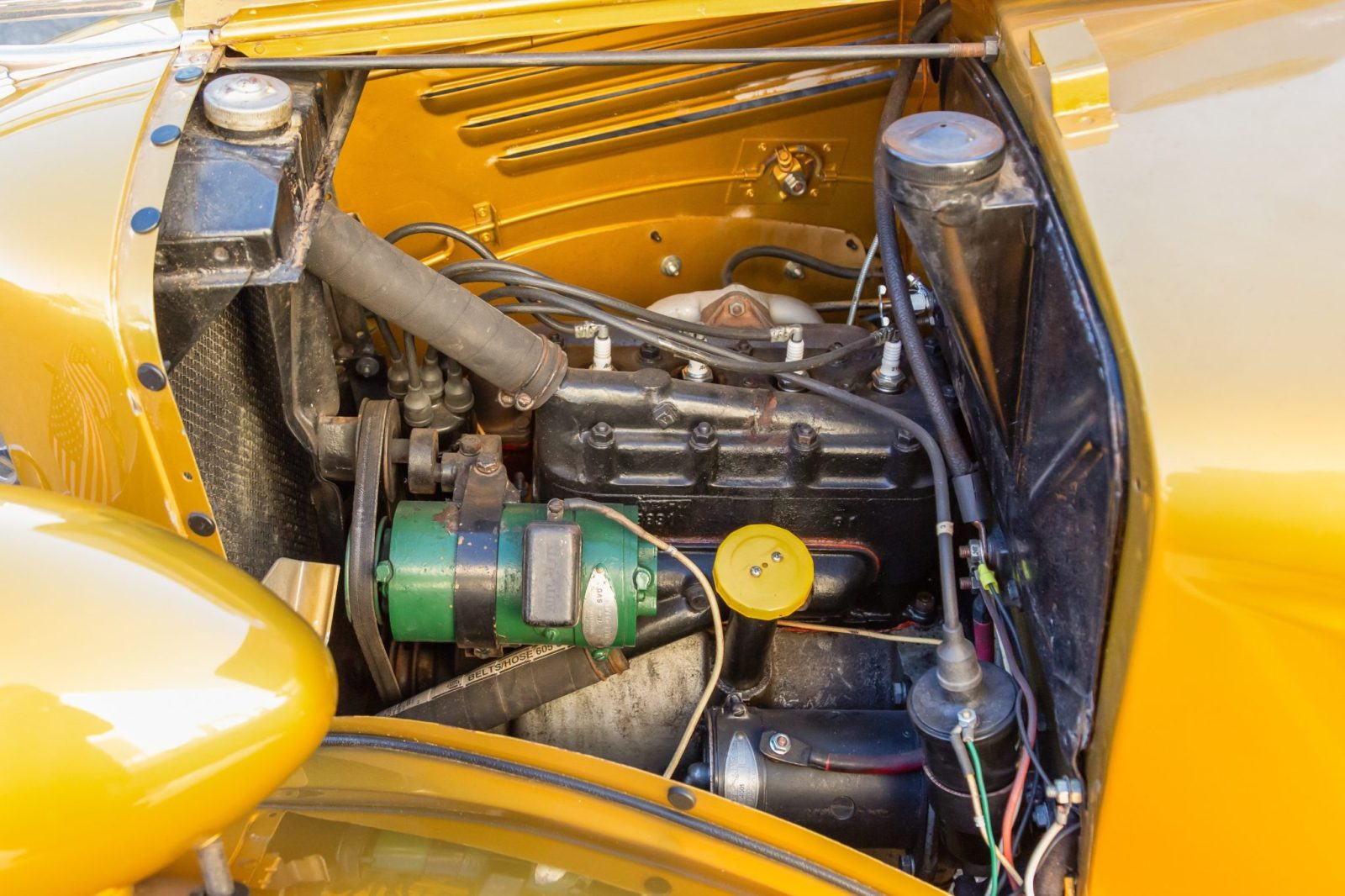
The 45.6-cu-in inline-four uses a single block casting with an aluminum crankcase, detachable cylinder head, side valves, and a single downdraft carburetor. Factory output was 20 horsepower. The engine received an oil change in 2025.
Power is delivered to the rear wheels through a three-speed manual gearbox with synchromesh on the upper two gears. The suspension consists of solid axles with a transverse leaf spring up front, semi-elliptical leaf springs at the rear, and friction shock absorbers all around.