

ASD Hobo

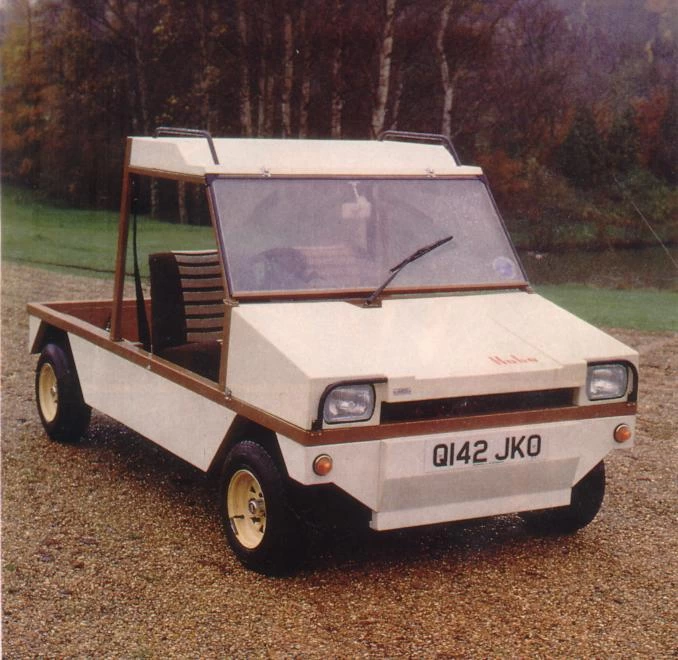
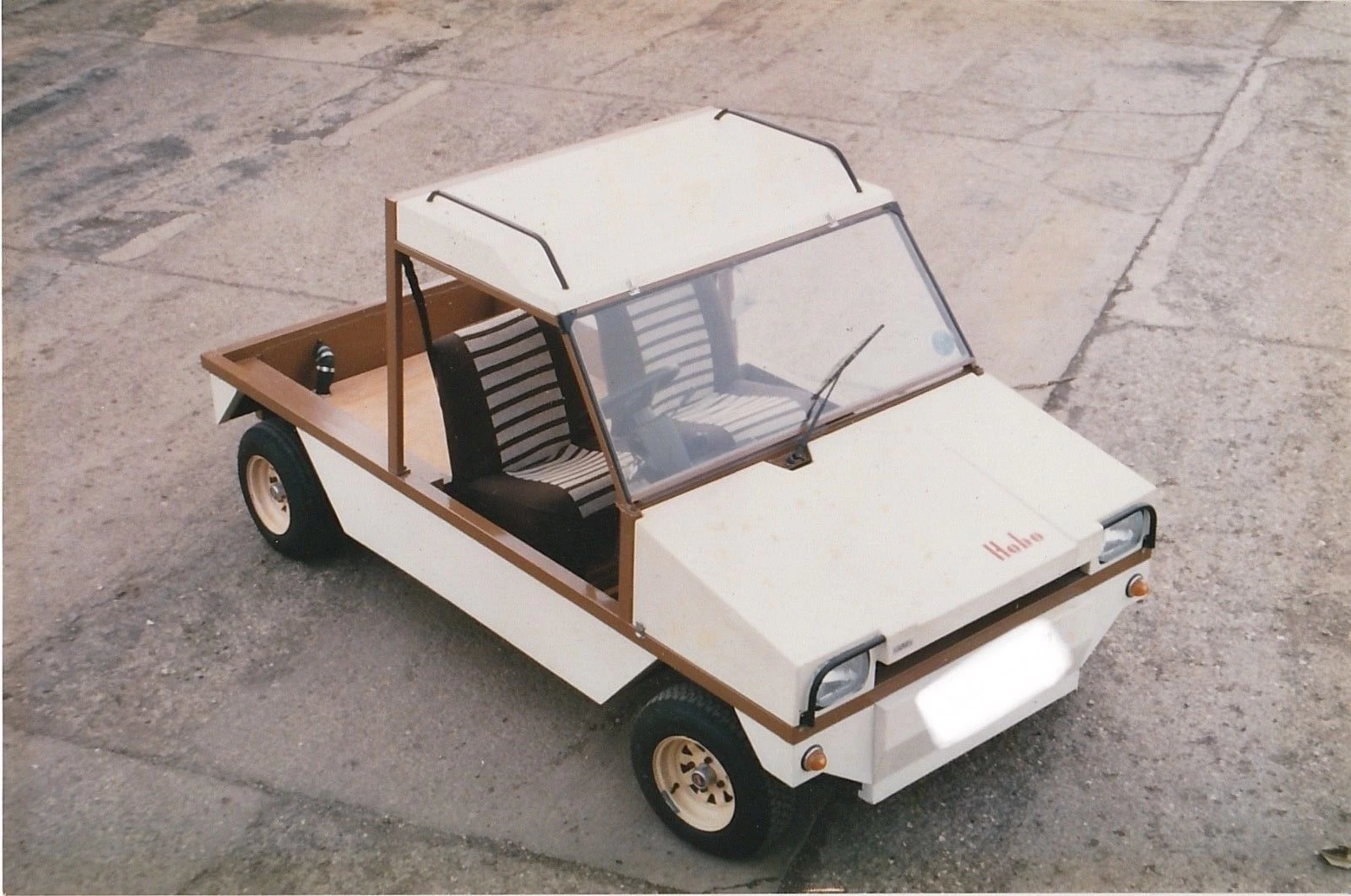
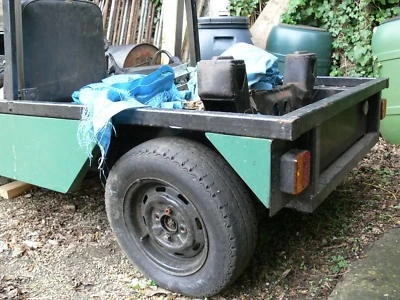
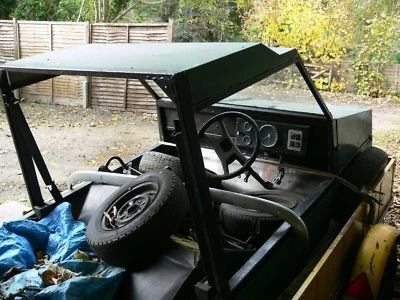
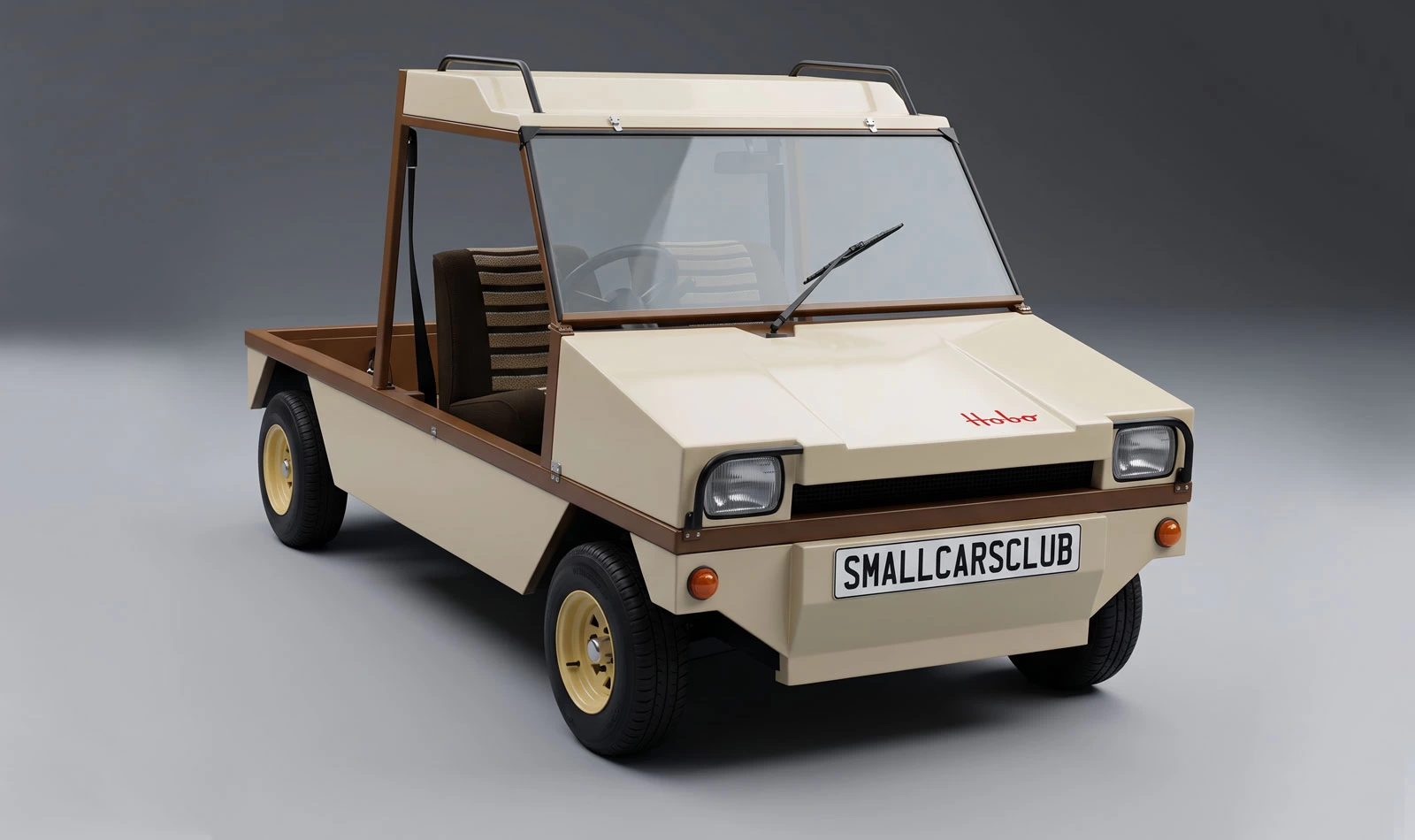
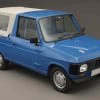
The ASD Hobo was an unusual British utility vehicle developed by Automotive Systems Developments, a small manufacturer founded by engineer Bob Egginton.
Introduced in 1987, it was based on the classic Mini and took clear visual inspiration from the Mini Moke, combining an open body with the familiar mechanical components of Britain’s best-known small car.
However, the Hobo was conceived for a rather different purpose than the Moke. Its development was inspired by the logistical difficulties associated with the famine in Sudan, prompting Egginton to think about a simple, inexpensive vehicle that could be used in developing countries. The idea was to create something lightweight, practical and easy to transport, rather than another leisure vehicle for wealthy holidaymakers.
Unlike the Mini’s conventional monocoque construction, the Hobo used a separate steel chassis supporting a body made from individual panels. These panels could be rearranged or exchanged to suit different requirements, allowing the vehicle to serve as a passenger carrier or a light goods transporter. This adaptable construction was one of its main selling points, as highlighted in a January 1988 feature in Kit Cars & Specials.
Weighing less than 500 kg (1,102 lbs), the Hobo was designed to be exceptionally lightweight and straightforward. Its components were reportedly compact enough for the parts needed to assemble 20 vehicles to fit into a single shipping container. This approach was intended to make transporting the vehicles to distant markets easier and potentially allow them to be assembled closer to their final destinations.
The project attracted interest from overseas. According to a retrospective account published by Total Kitcar, representatives of an unnamed African country travelled to Egginton’s base in Maidstone to test the Hobo. They reportedly liked the vehicle and wanted to order a substantial batch, but negotiations broke down because the two sides could not agree on the terms of the deal. Despite this promising interest, the Hobo never entered volume production.
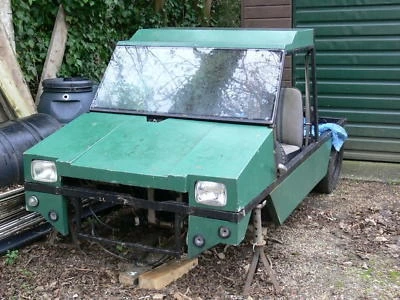
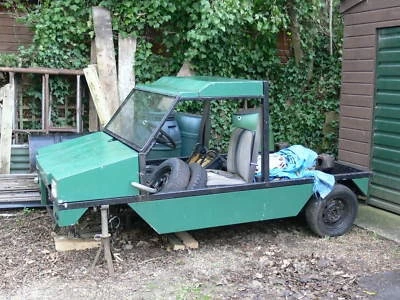
Only four examples had reportedly been completed by 1991, making it one of the rarest Mini-based utility vehicles. The Hobo remains a little-known creation of the British kit-car industry, with its unusual humanitarian ambitions and modular construction setting it apart from more conventional Mini derivatives.