

ASD Minim

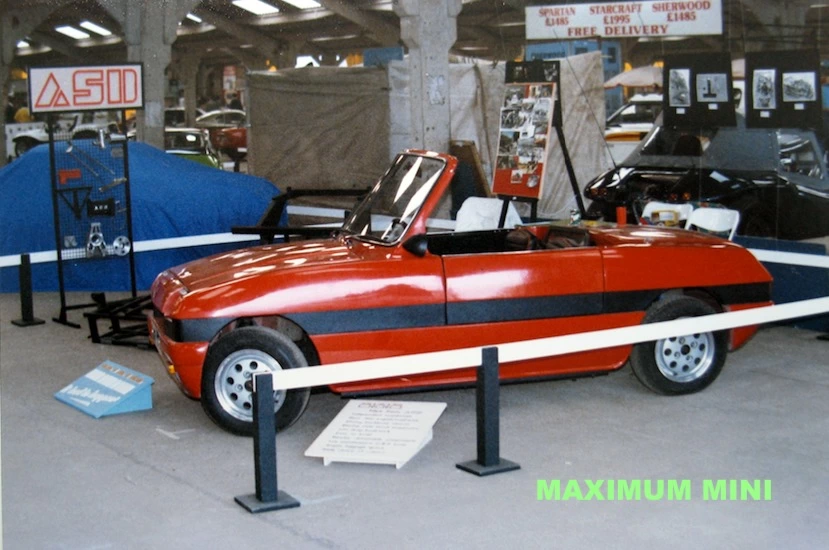
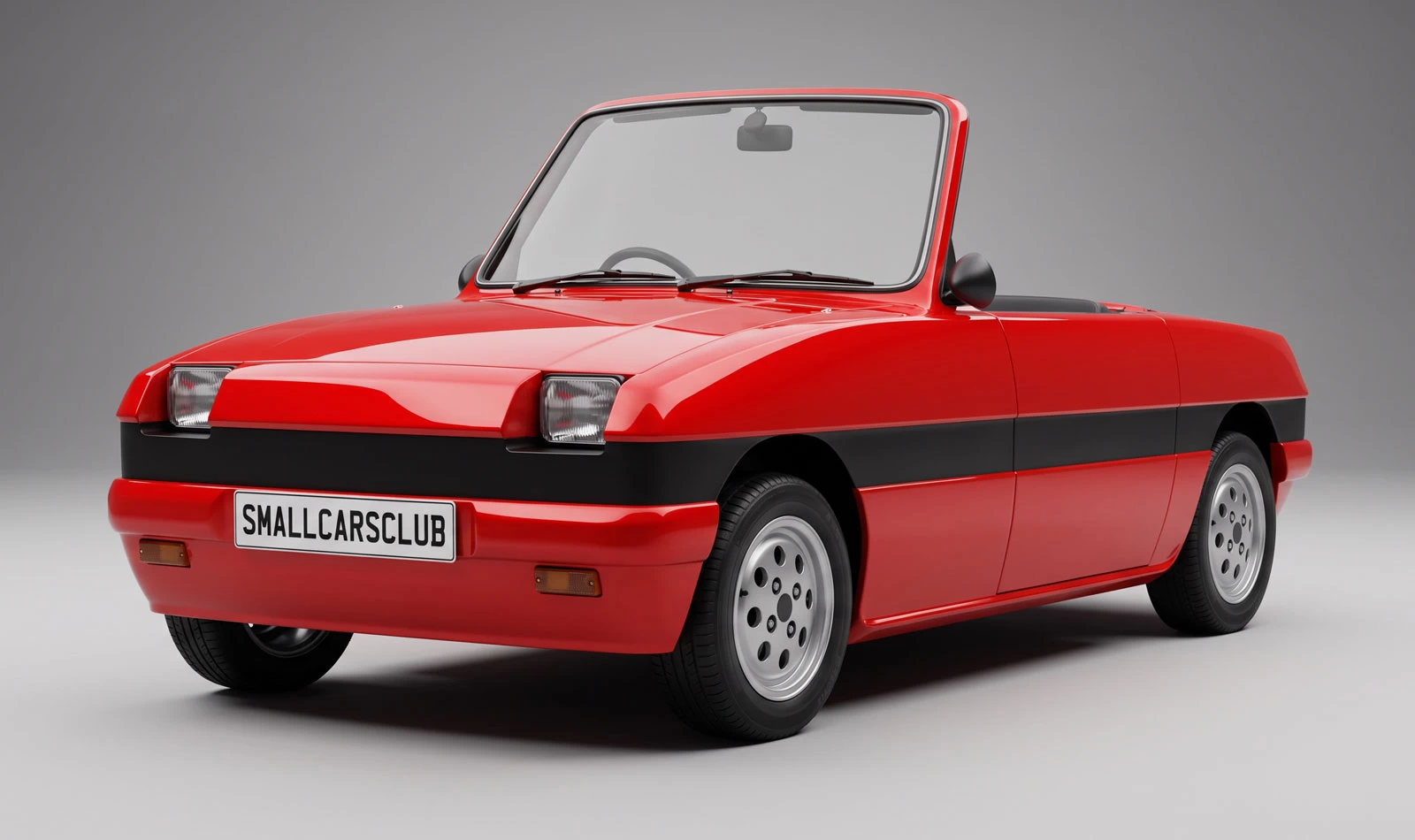
The ASD Minim was an unusual British sports car developed by Automotive Systems Developments, a small manufacturer founded by Bob Egginton. Based on Mini mechanical components but featuring a bespoke chassis and body, it combined a mid-engined layout with the open-top styling of a compact roadster. Development began around 1984, although the first known completed example dates from 1986.
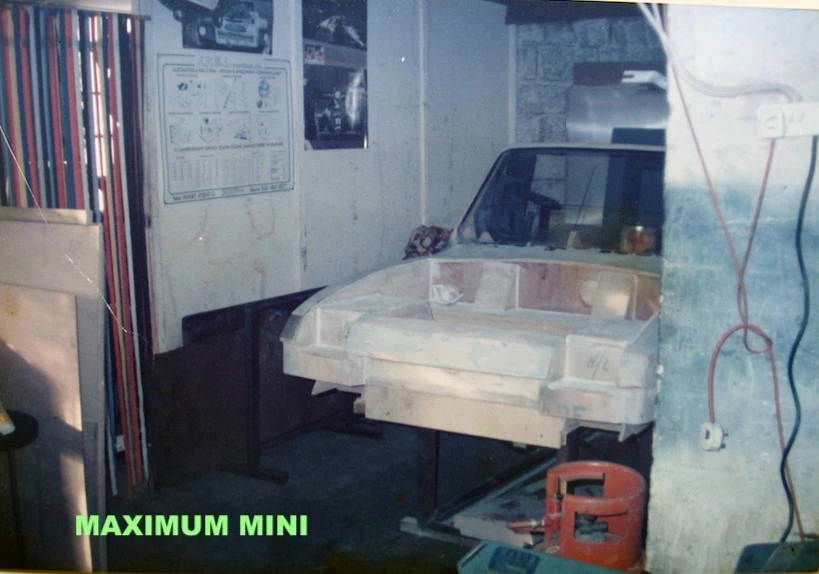
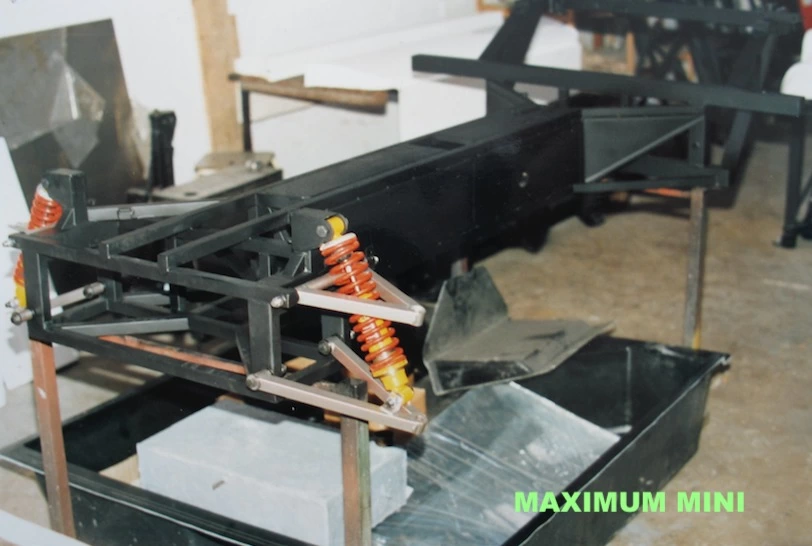
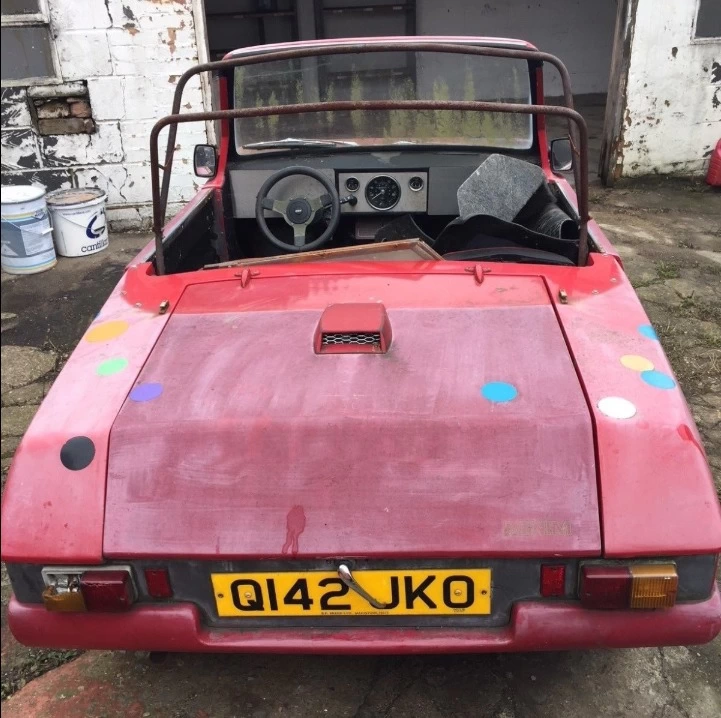
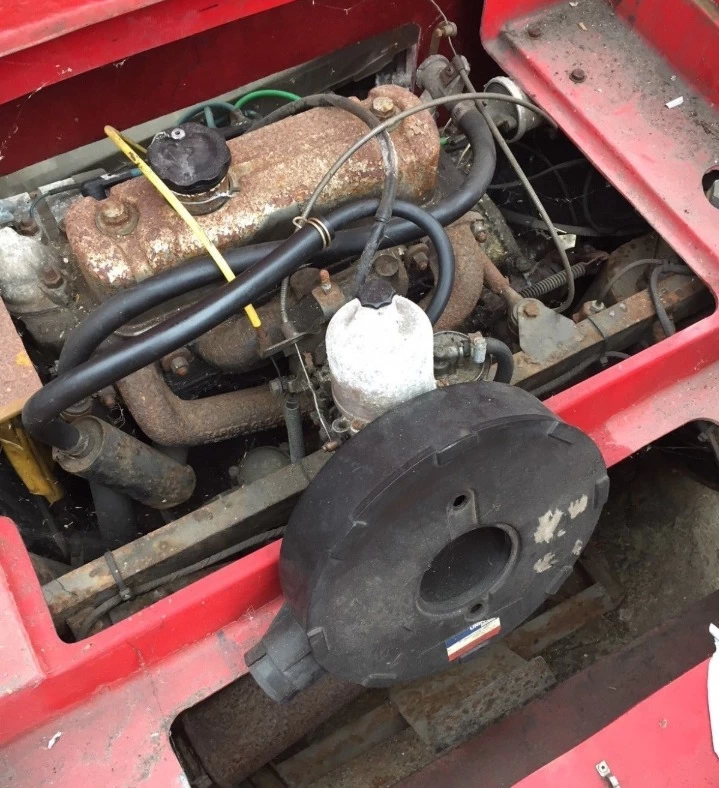
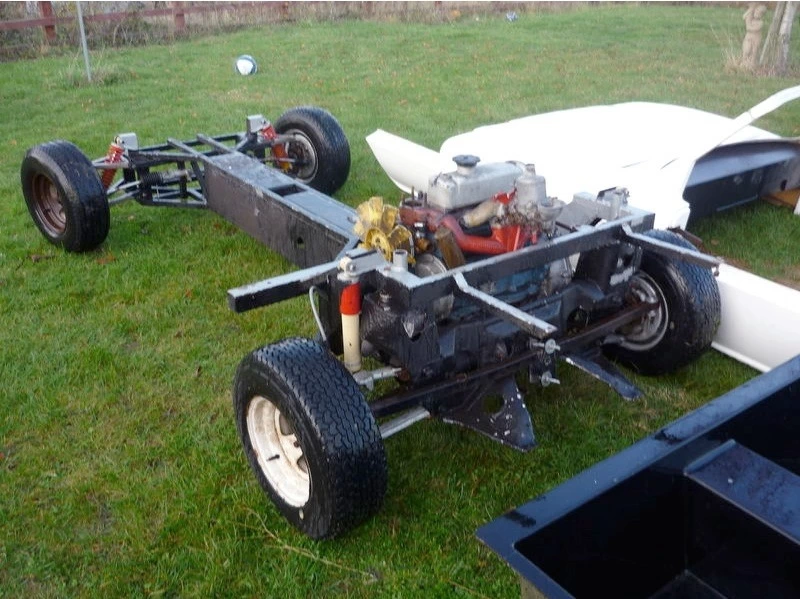
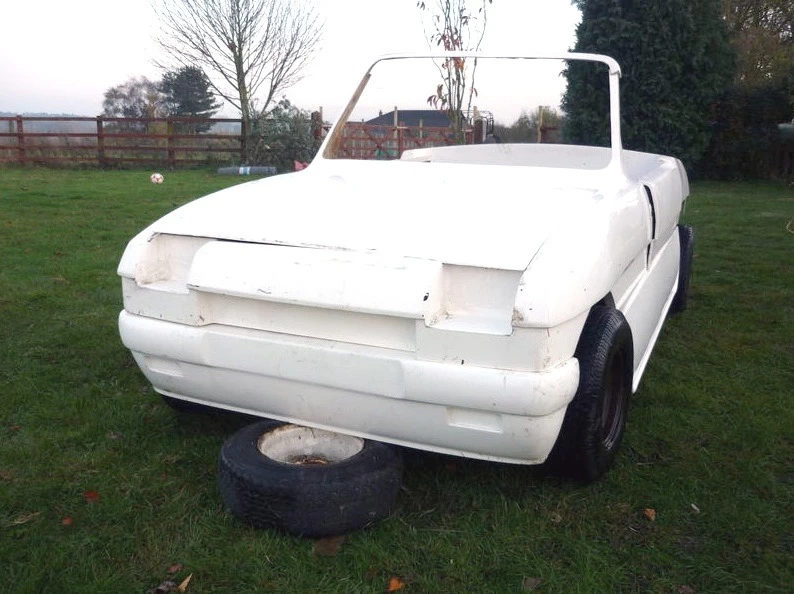
Rather than using the Mini’s original monocoque structure, the Minim featured a steel backbone chassis and a bolt-on fibreglass body with small half-doors. Its engine was mounted behind the seats, driving the rear wheels and giving the little roadster an unconventional layout compared with the front-engined Mini. The chassis had a distinctive construction that Jeroen Booij, writing for Maximum Mini, likened to Lotus engineering.
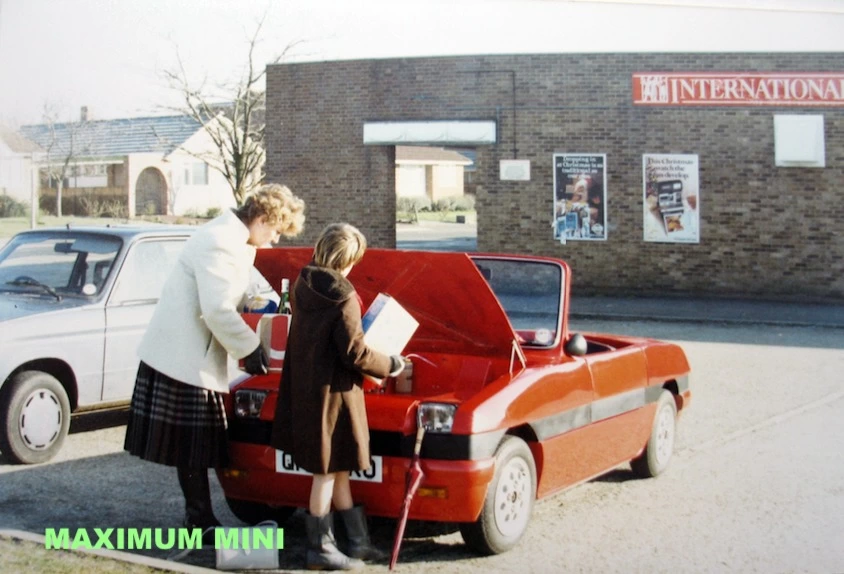
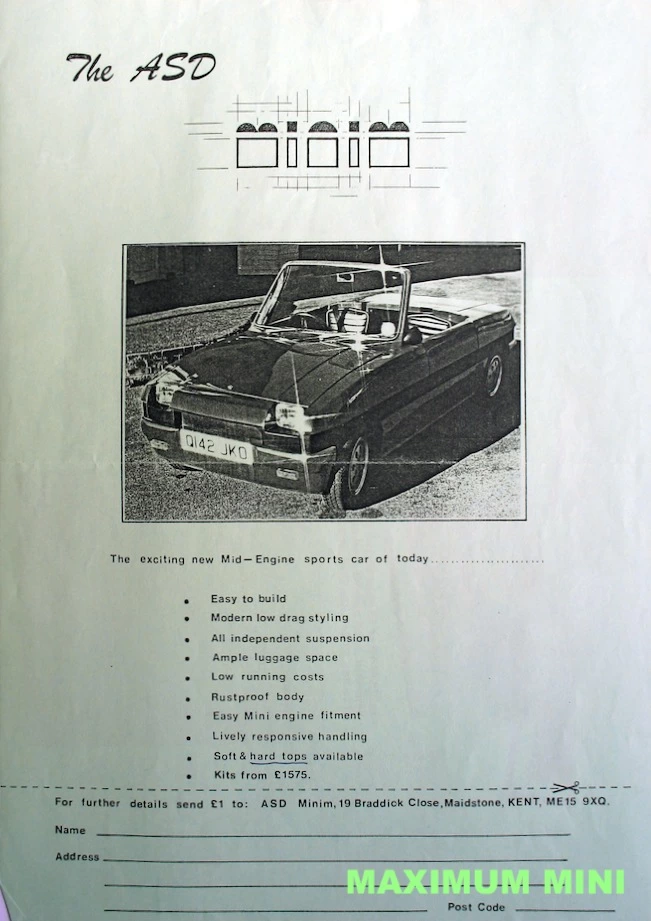
Despite its sporty appearance and mid-engined configuration, the Minim was not intended to be a high-performance machine. Egginton conceived it as an affordable family car that could be driven by every member of the household. The 1986 sales brochure emphasised its practicality, particularly the unusually generous front luggage compartment. Egginton later recalled that it could hold enough shopping for an entire week.
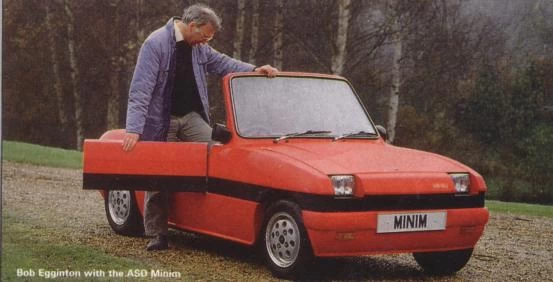
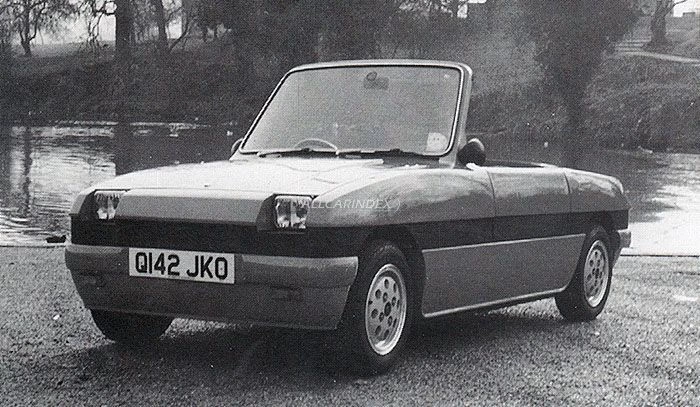
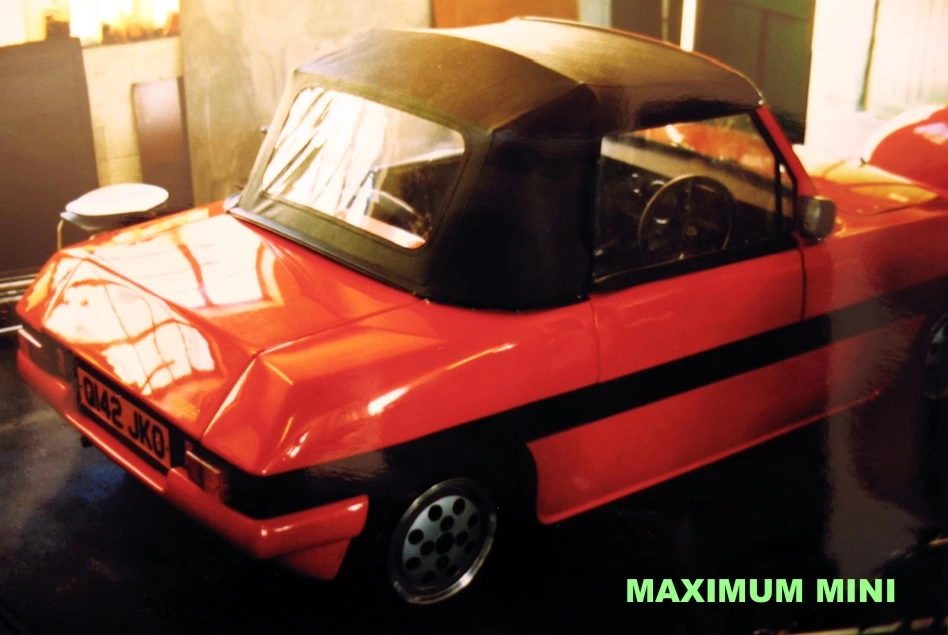
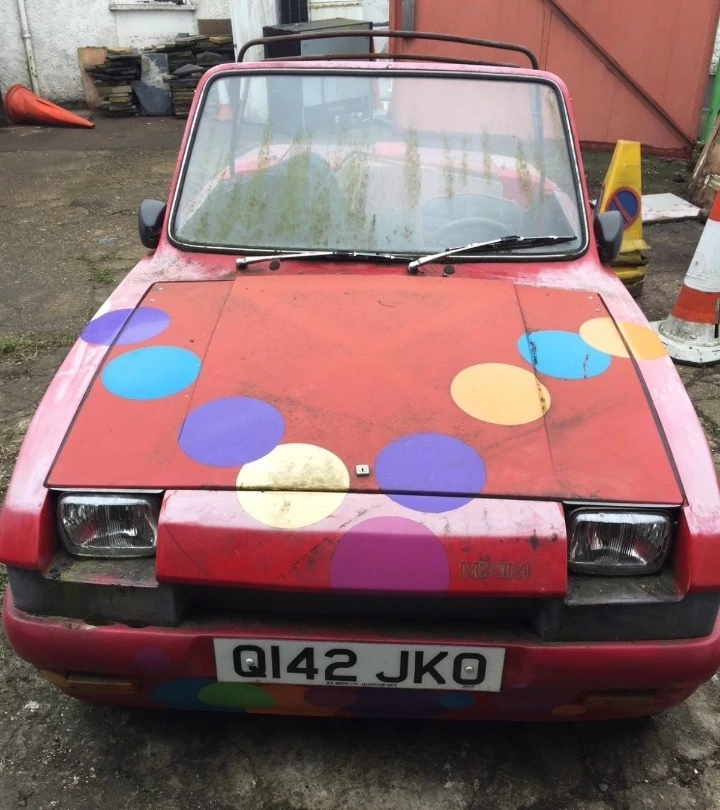
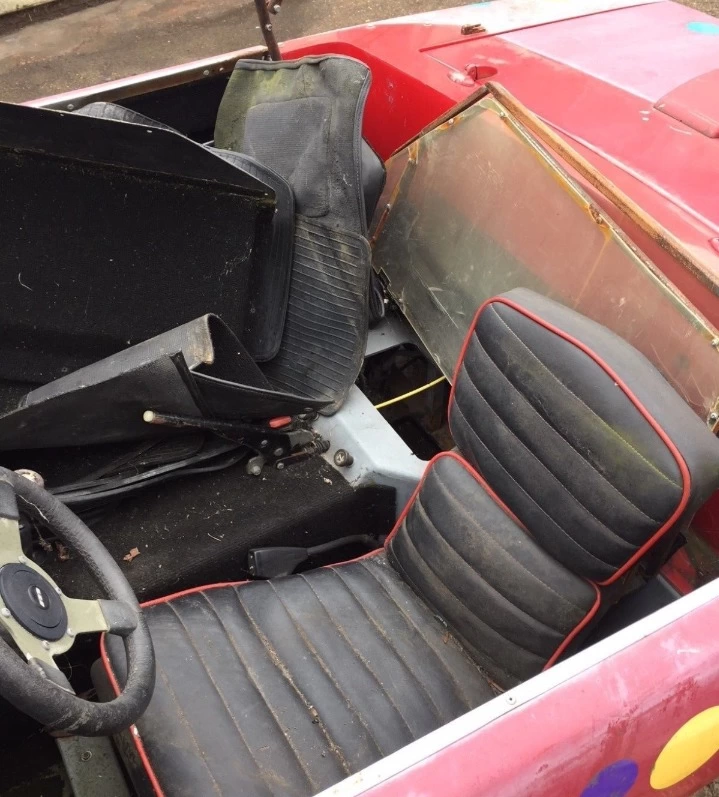
The first car, registered Q142 JKO and carrying chassis number M86/001, served as the prototype, press demonstrator and brochure vehicle. It was powered by a 1,000cc Mini engine and was photographed extensively for motoring magazines and promotional material. The prototype was later converted from right-hand drive to left-hand drive, although the reason for the change is unclear.
The Minim received a disappointing response from the motoring press and never achieved the commercial success Egginton had hoped for. In a 2010 interview with Jeroen Booij, he complained that journalists were too focused on performance and power to appreciate what the car was designed to offer. As he recalled, reviewers seemed to expect engines with enormous displacement, whereas the Minim was supposed to provide affordable motoring, family-friendly usability and surprisingly generous luggage space.
Production was extremely limited. Egginton estimated that around six examples were built, although he reportedly gave a figure of seven on another occasion. Еhe production period was between 1984 and 1990. The exact number of completed Minims was 6 to 7.
The original prototype resurfaced in 2018, when it was offered for sale in Bexleyheath. It subsequently changed hands and appeared again in a 2026 classified advertisement, described as a non-running barn find requiring a full restoration. Despite its poor condition, the car remains an important surviving piece of ASD history and a rare example of a British Mini derivative that combined a mid-engined layout with an emphasis on everyday practicality.