Fiat Cinquecento Fionda

The Fiat Cinquecento Fionda, created by the Italian coachbuilder Coggiola, was one of the most striking concepts to emerge from Fiat’s 1992 initiative that invited leading design houses to reinterpret the newly introduced Cinquecento.
The results were unveiled at the 1992 Turin Auto Show, where a diverse lineup of one-offs appeared alongside well-known projects such as Bertone’s Rush and Stola’s Cita. Among them, the Fionda stood out for its radically different visual language.
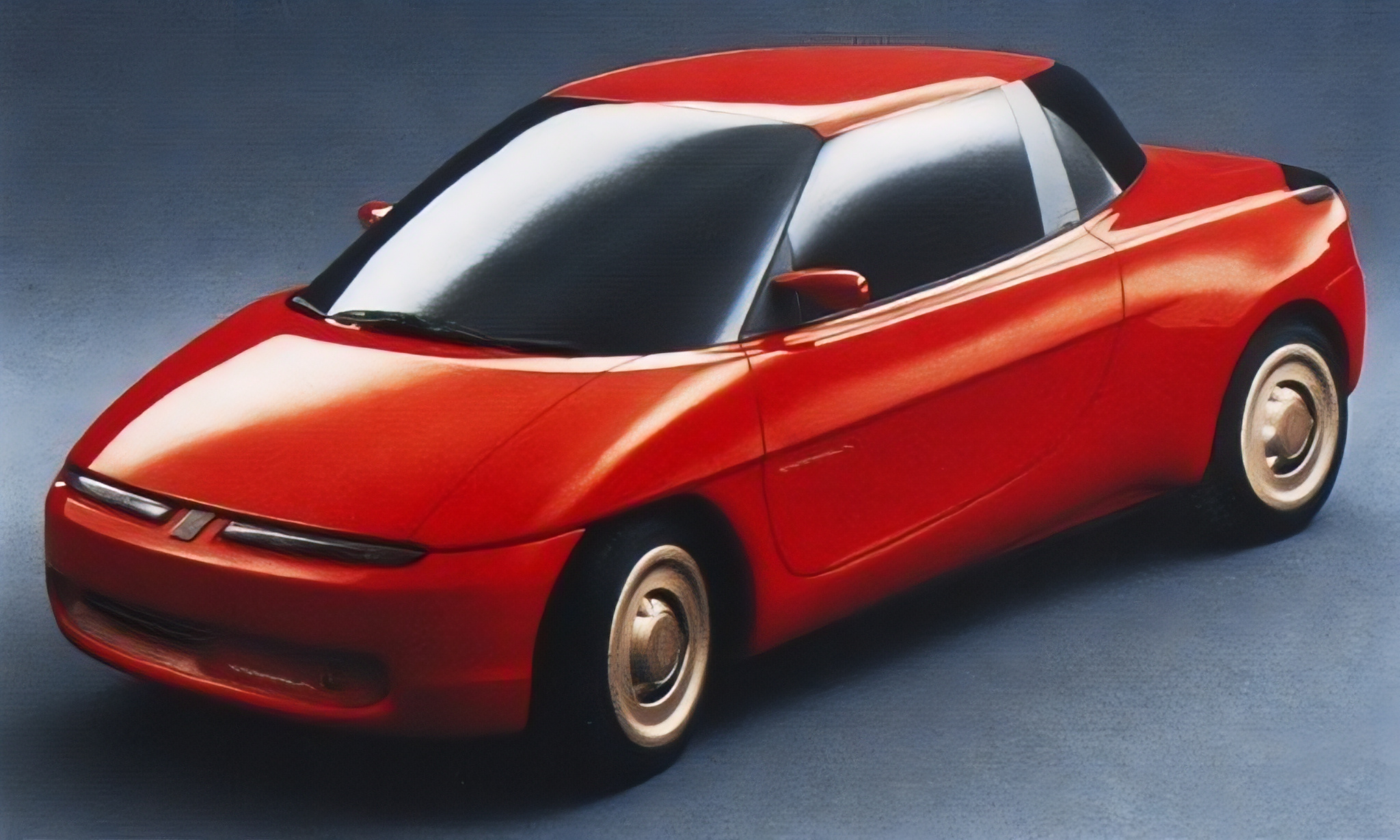
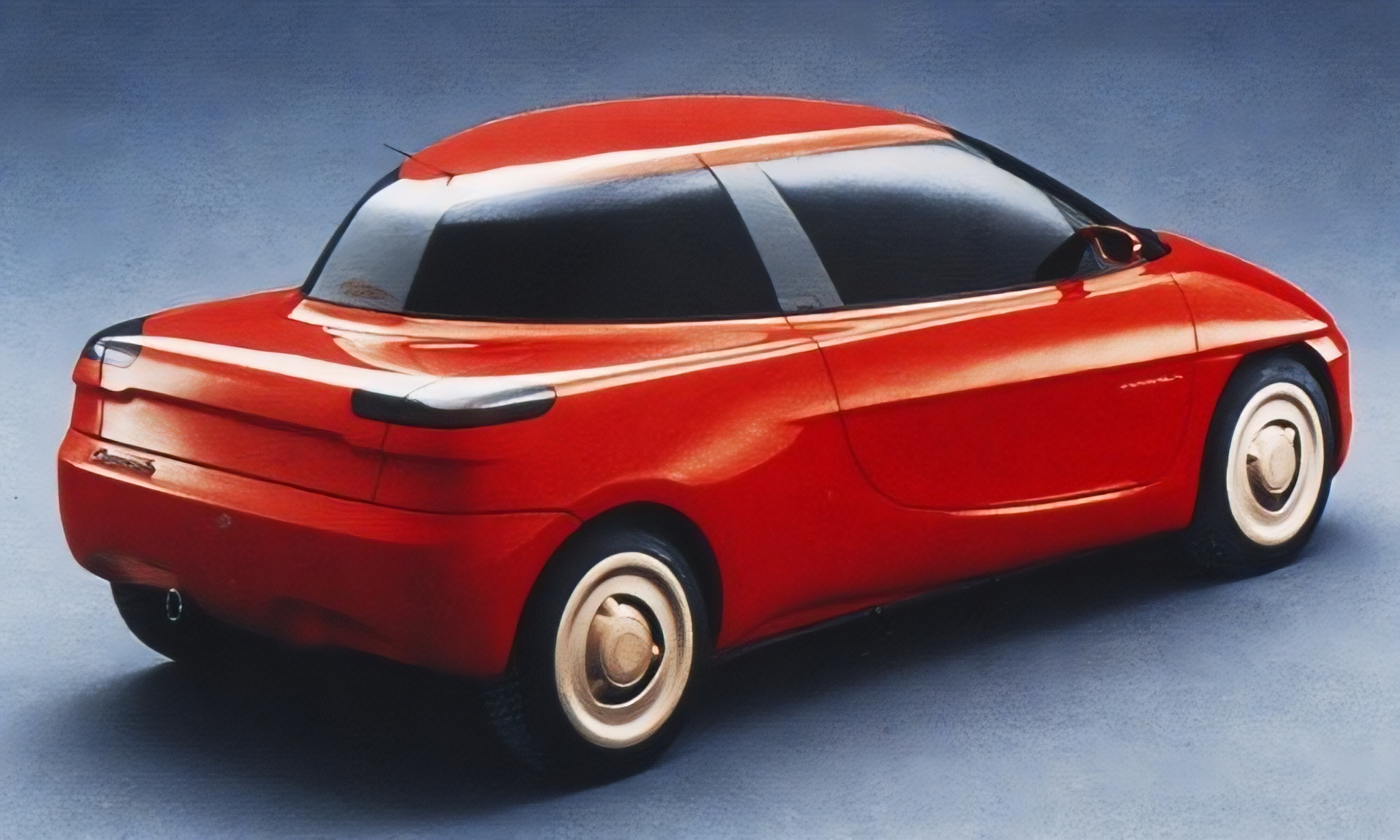
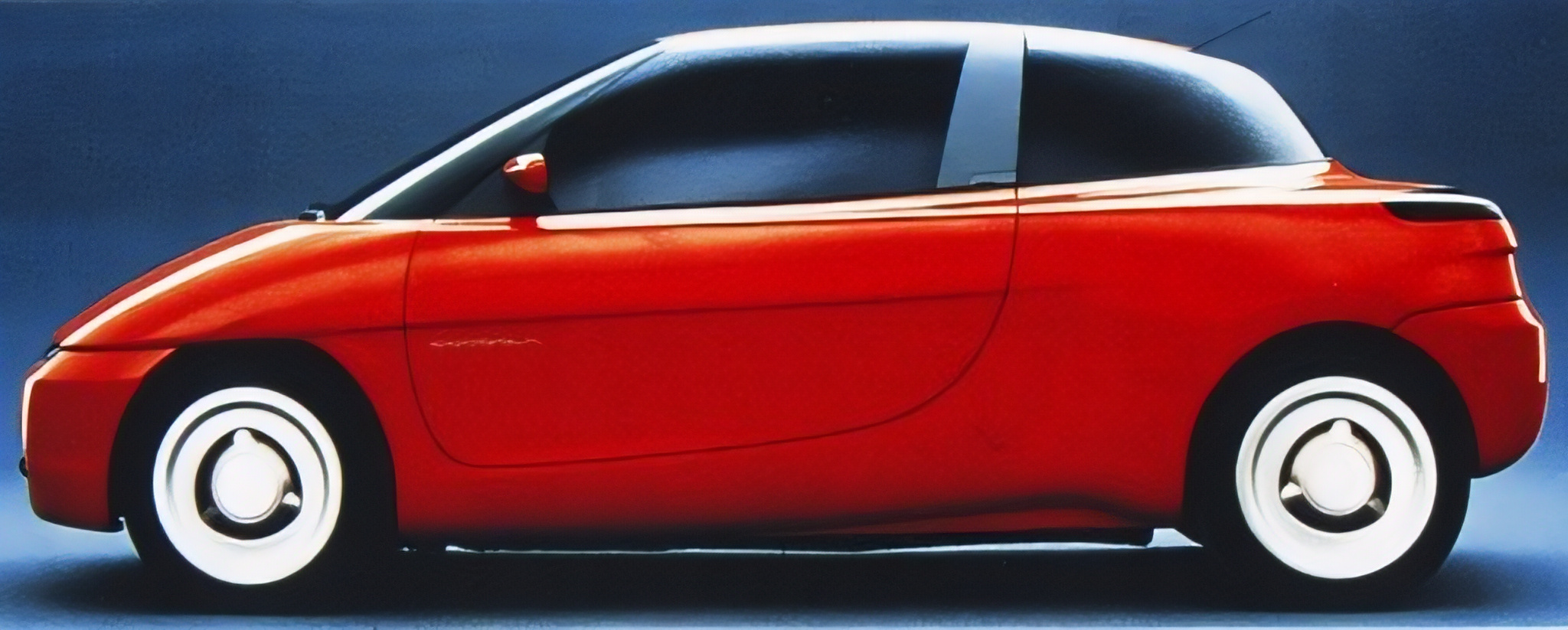
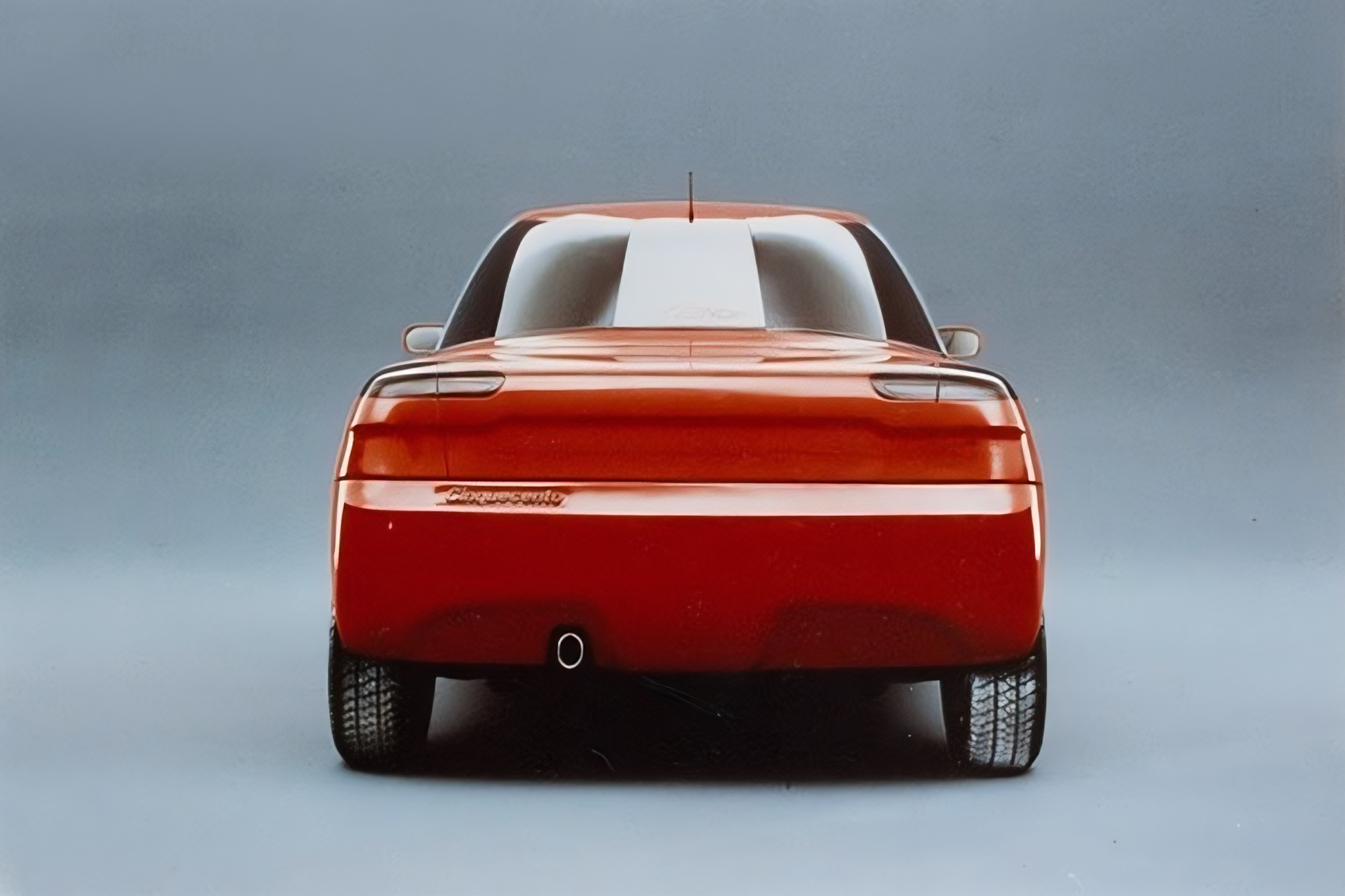
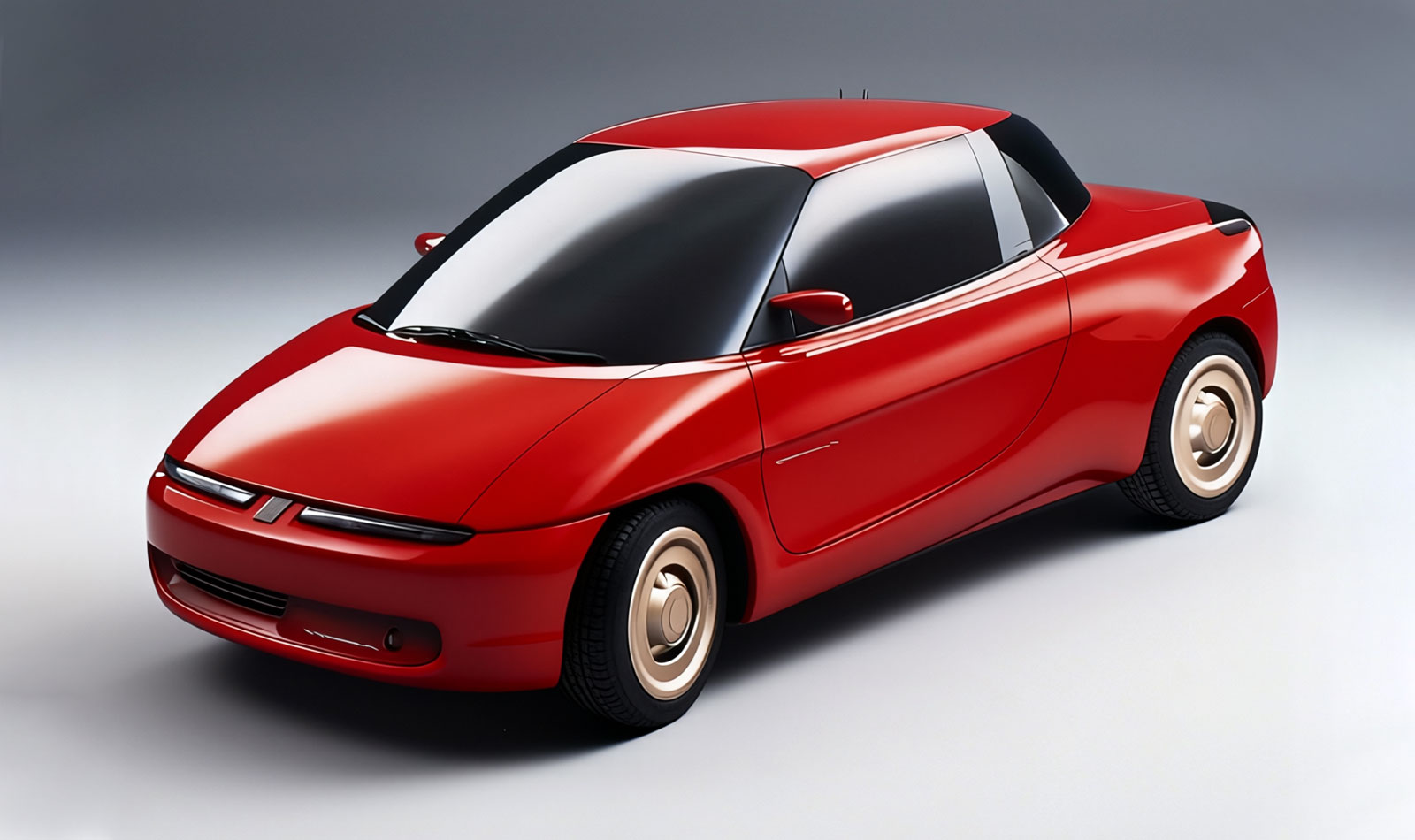
Technically, the Fionda retained the standard Cinquecento platform and mechanical layout, but its bodywork pushed far beyond the familiar shape of the production car. The most distinctive element was its futuristic glass cabin, which tapered toward the rear.
Supported by a single structural pillar, the expansive tinted glazing gave the car a light, airy feel and a distinctly modern character. Visually, it opened up the cabin and improved outward visibility, though in practice the narrowing glasshouse compromised interior space and everyday usability.
Coggiola reinforced the Fionda’s avant-garde identity through a series of carefully considered details. The rear lights were positioned at the crossline of the rear deck and the vertical body panel, an unusual solution that emphasized the car’s clean, technical lines.
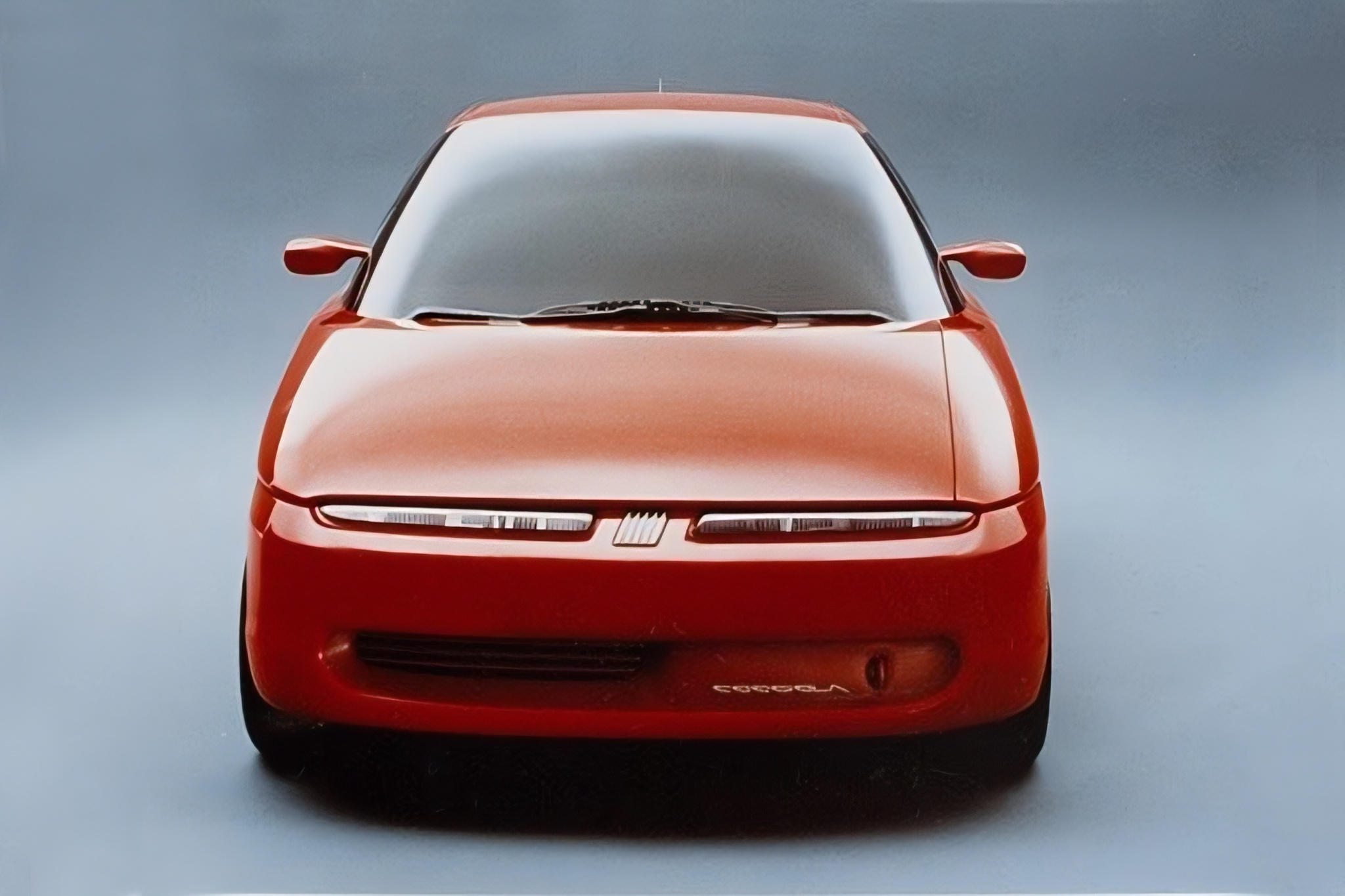
At the front, extremely slim headlights added to the refined, forward-looking appearance. Uncommon for a car of this size, the Fionda also adopted a clear “three-box” profile, giving it a more formal, structured silhouette compared to the softer, rounded shapes typical of small city cars of the era.
Although the Fionda was never intended as a practical production proposal, it succeeded as a design exercise. It demonstrated Coggiola’s willingness to challenge conventions and explore unconventional forms and materials within the constraints of a compact urban car.
Today, the Cinquecento Fionda remains a memorable and daring reinterpretation of Fiat’s city car, reflecting the experimental spirit that defined Italian automotive design in the early 1990s.