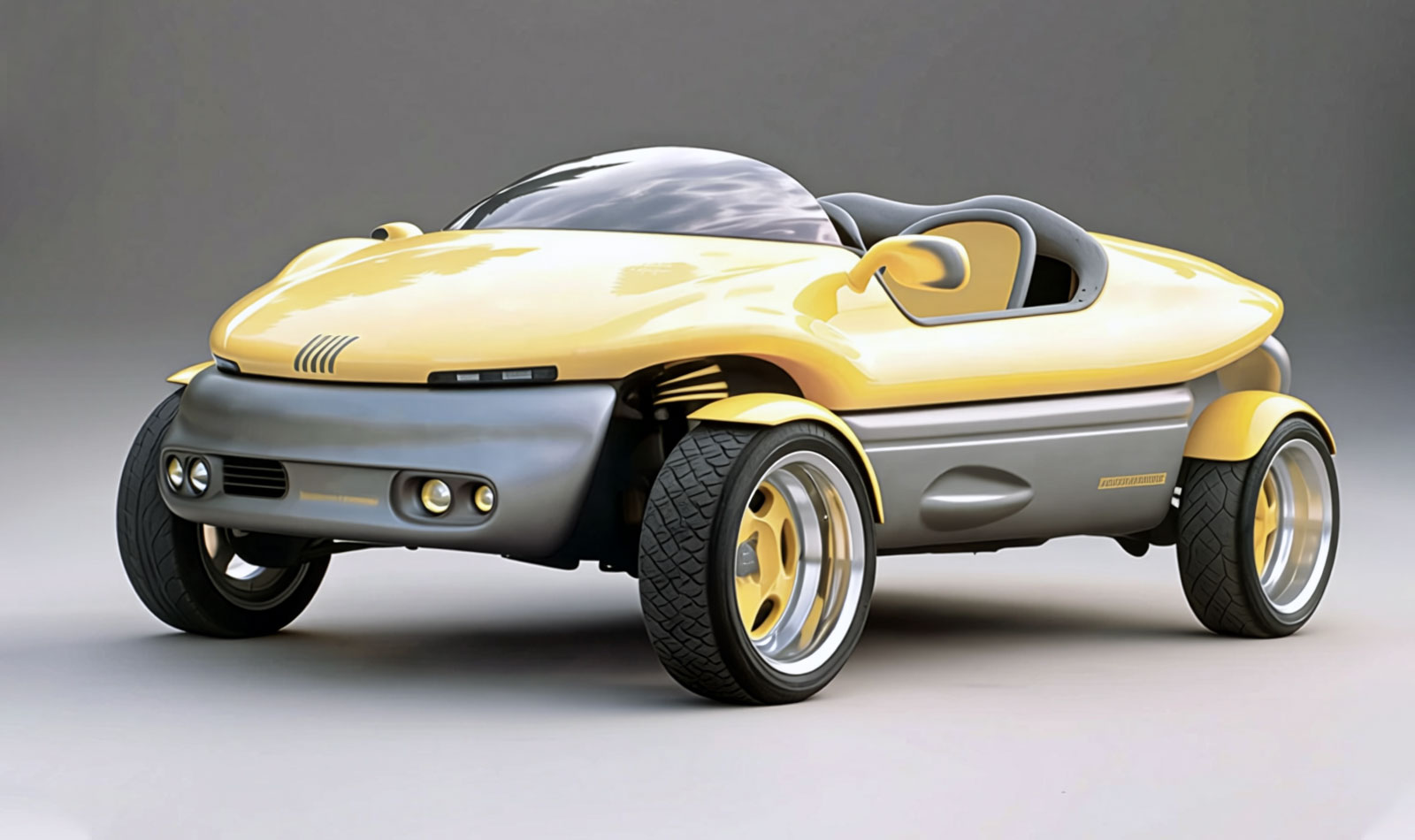
Fiat Cinquecento Rush

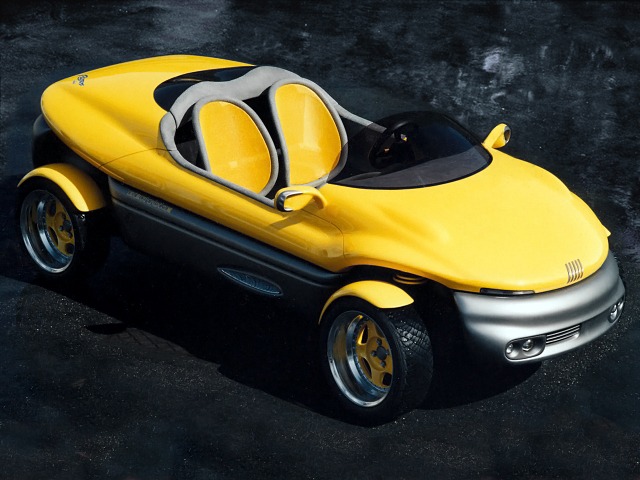
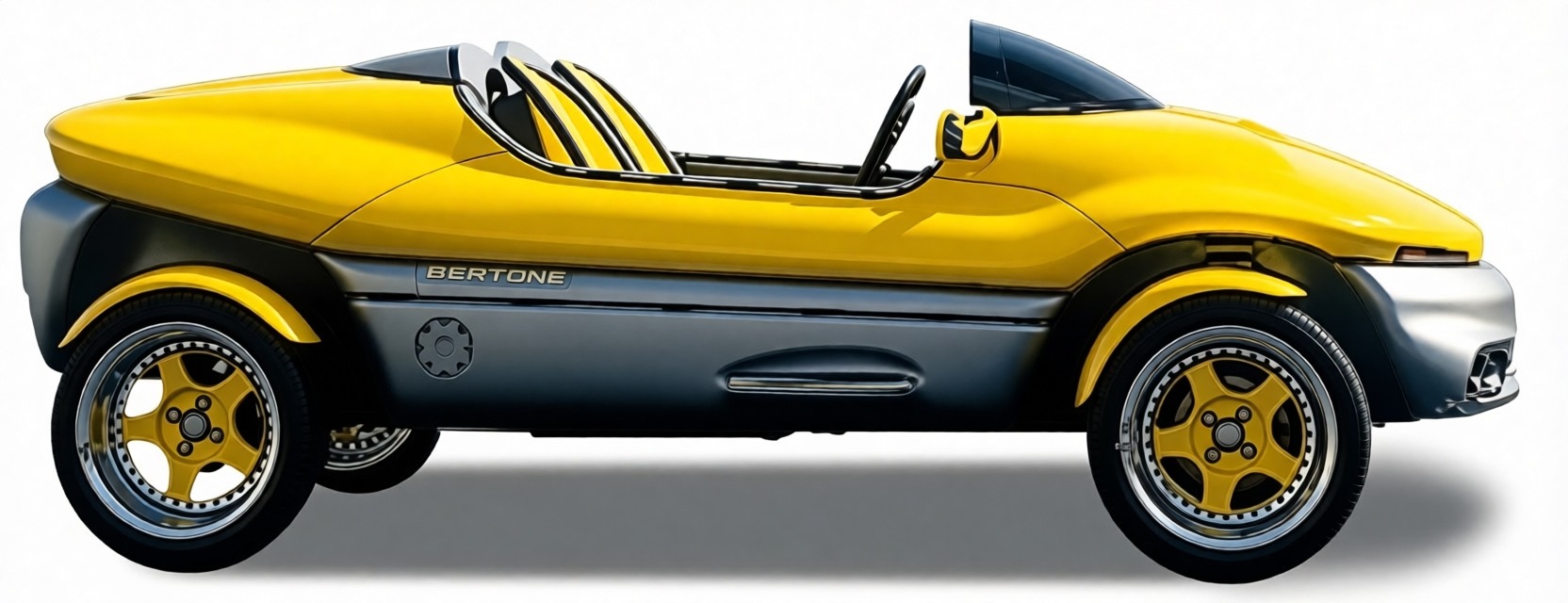
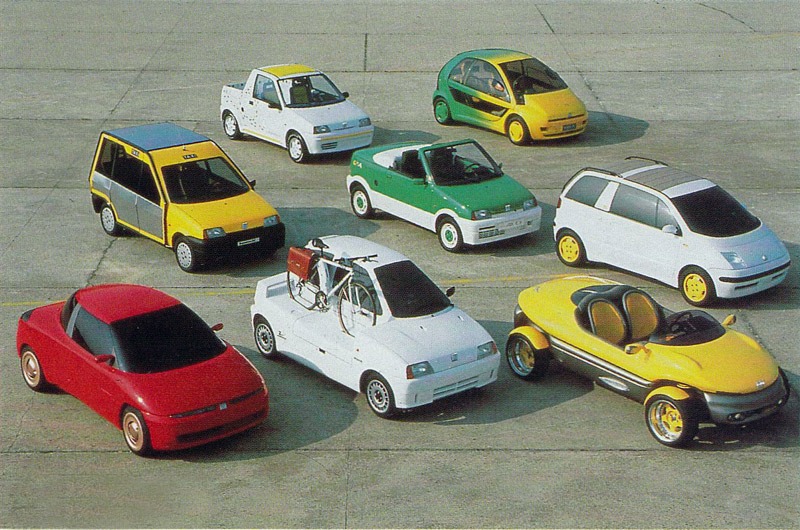
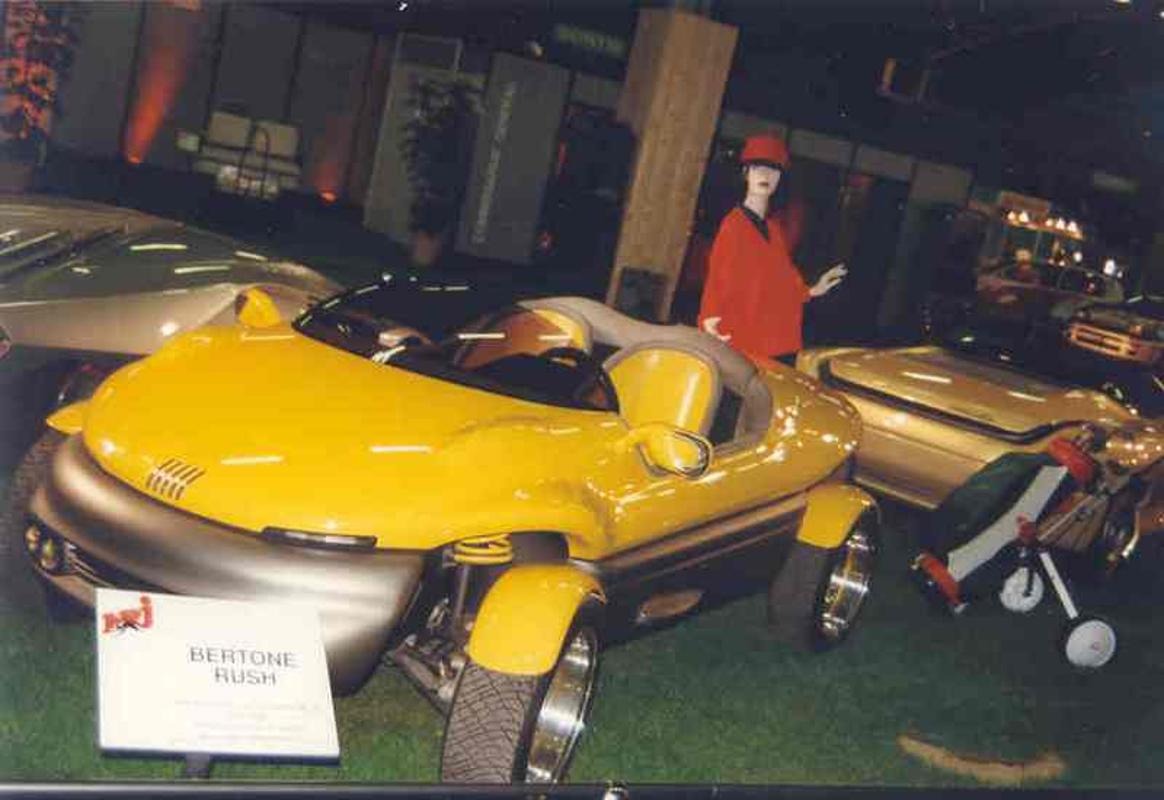
The Fiat Cinquecento Rush was born from Bertone’s particularly inspired period in the spring of 1992 and made its public debut at the Turin Motor Show.
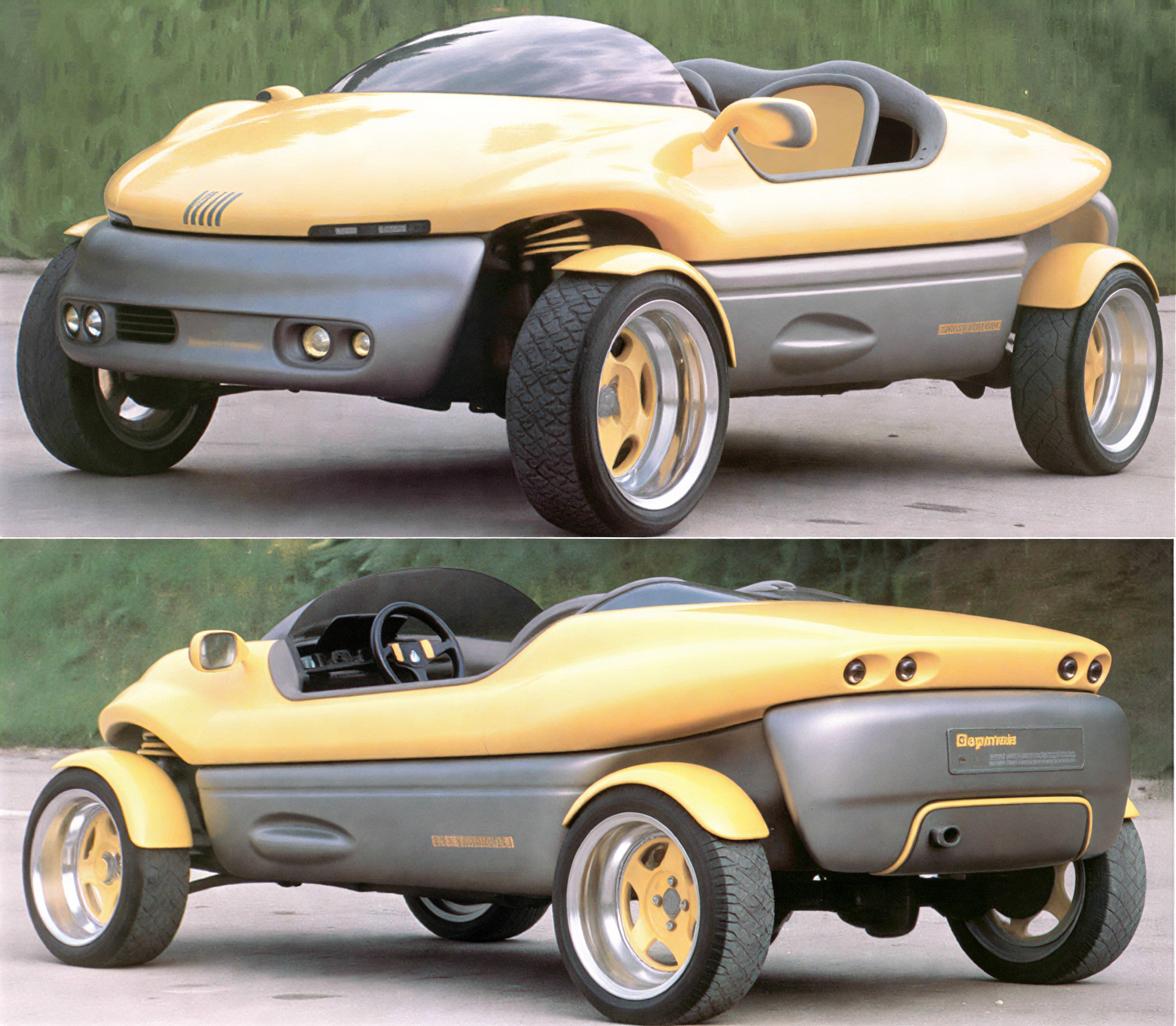
Rather than a simple styling exercise, the concept reimagined the familiar Fiat Cinquecento with a deliberately provocative twist, retaining its mechanical spirit while radically reshaping its visual identity.
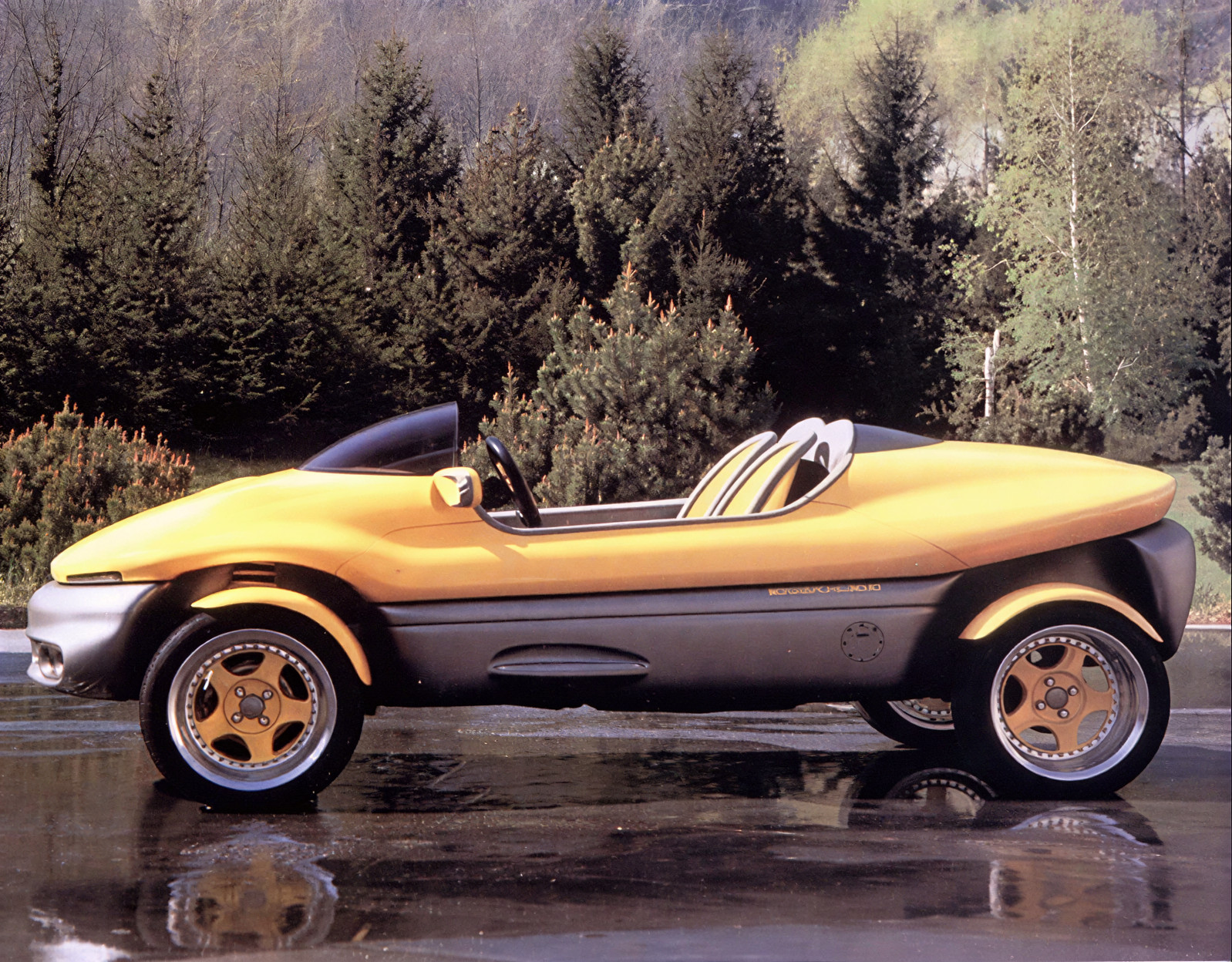
Conceived as a playful and unconventional vehicle, the Rush drew on the free-spirited attitude of 1960s dune buggies such as the Chrysler Shake, as well as the stripped-down exuberance of radio-controlled cars.
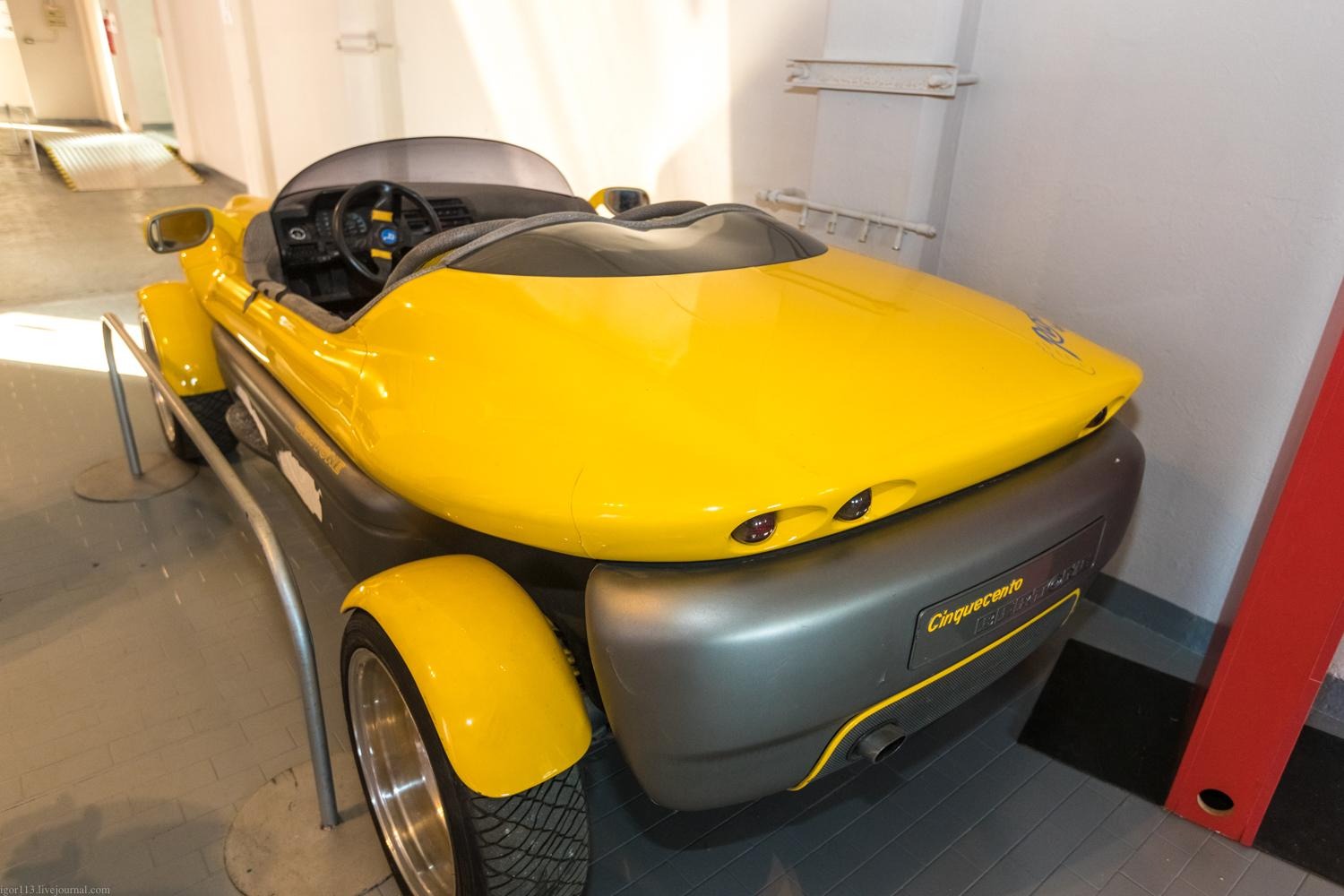
At its core was an affectionate tribute to the Cinquecento, a model that had represented Italian mobility and mass transportation for decades. Bertone reduced the car to its essentials, exaggerating proportions and exposing large, dominant wheels to create a design that emphasized fun, movement, and experimentation.
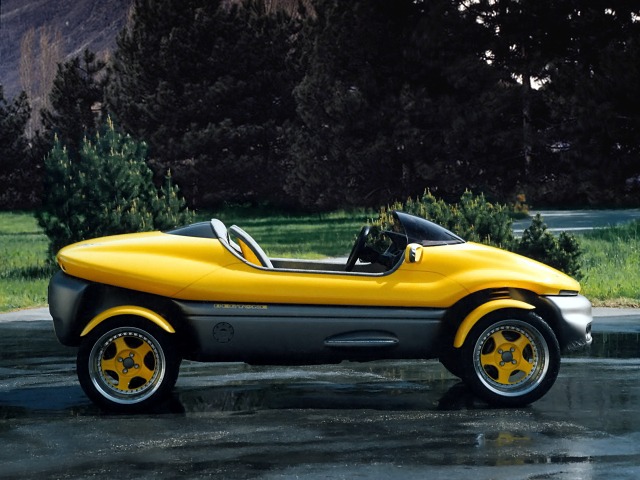
With its minimal mechanical layout and open two-seat configuration, the Cinquecento Rush was imagined as a machine for escapism—equally at home skimming along empty beaches or tackling rough terrain. A lightweight structure and sparse components reinforced a sense of carefree driving, turning the act of motion itself into the main attraction.
Despite its radical appearance, the Rush was not a purely whimsical exercise. Developed by Bertone’s Style Centre in Caprie, it was intended as a credible industrial design study, demonstrating how a familiar platform could be transformed into something emotionally and visually daring. By blending recognizable heritage with bold contemporary forms, the Cinquecento Rush highlighted Bertone’s talent for balancing nostalgia and innovation.
Ultimately, the Fiat Cinquecento Rush stood as a clear expression of Bertone’s creative confidence in the early 1990s: a concept that celebrated the legacy of an Italian icon while exploring how classic ideas could be reinterpreted for a new, more adventurous automotive future.