
Ford Econocar

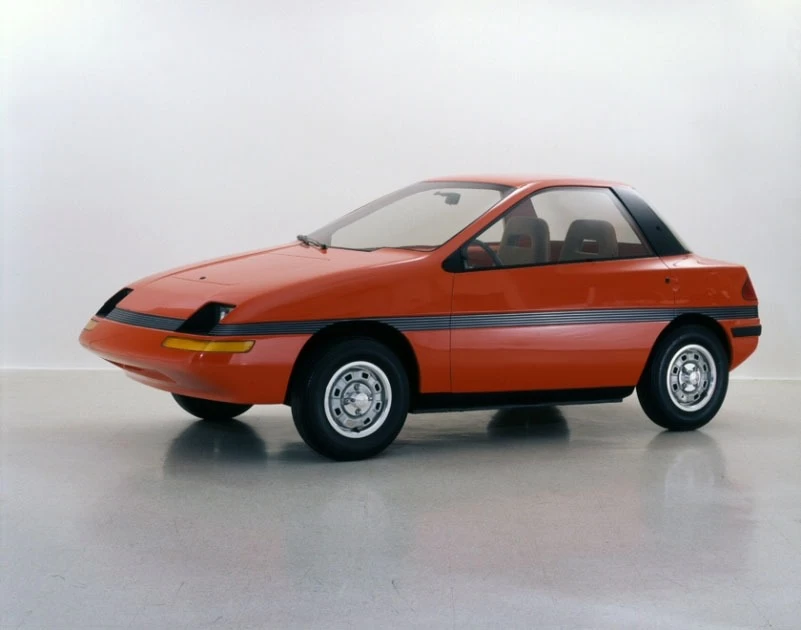
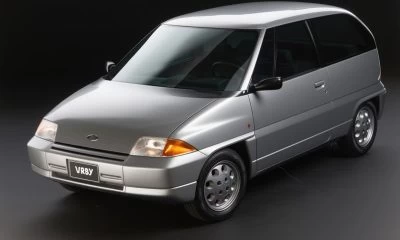
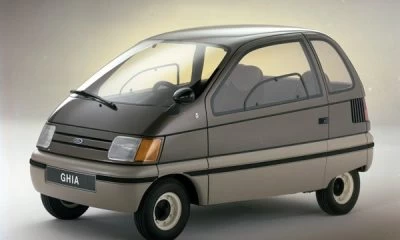
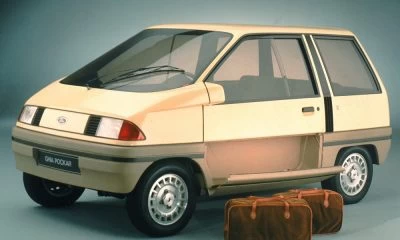
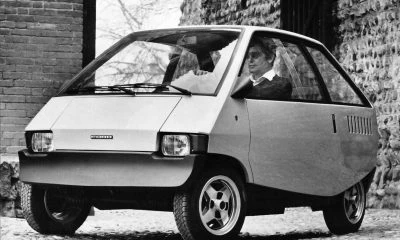
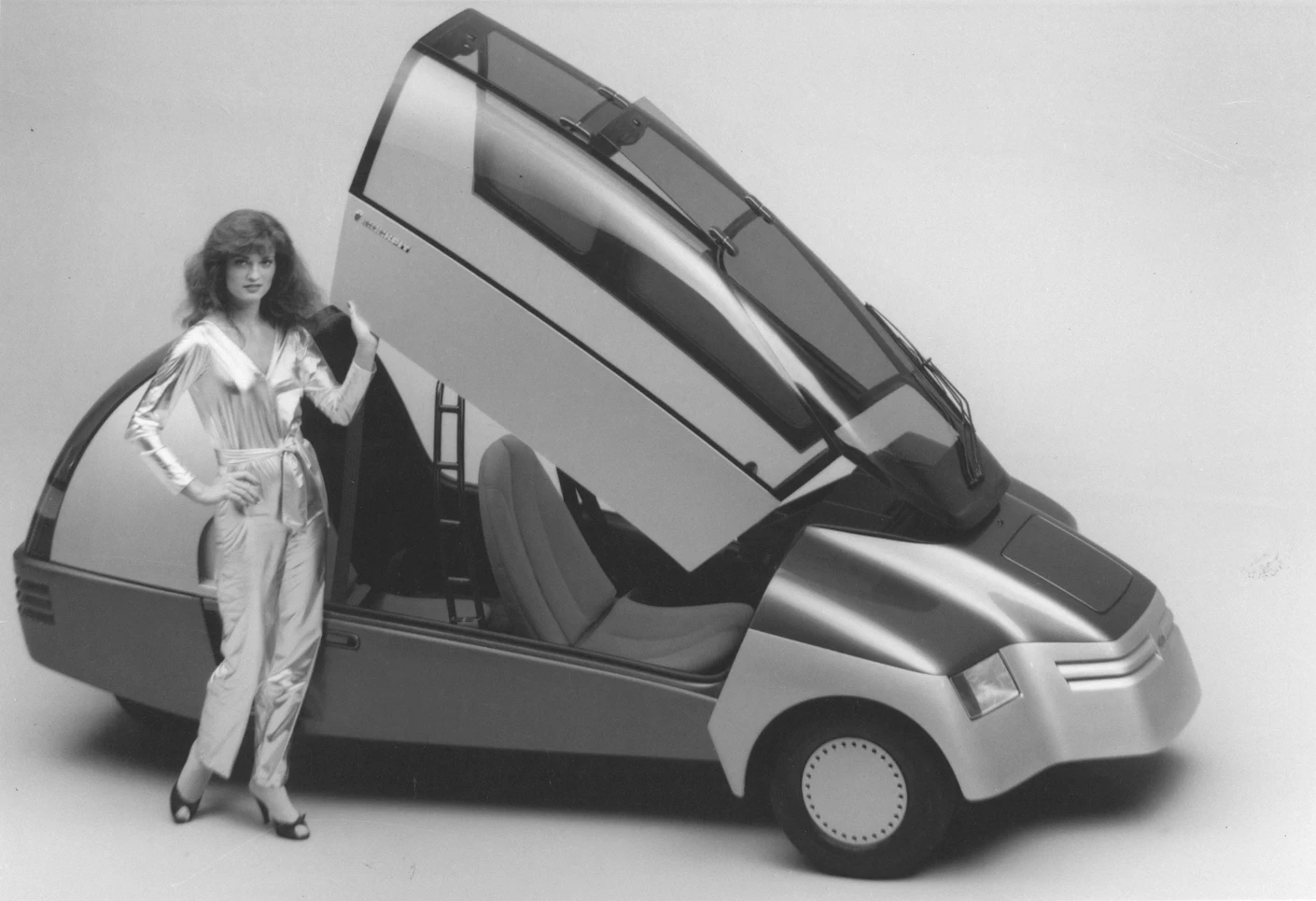
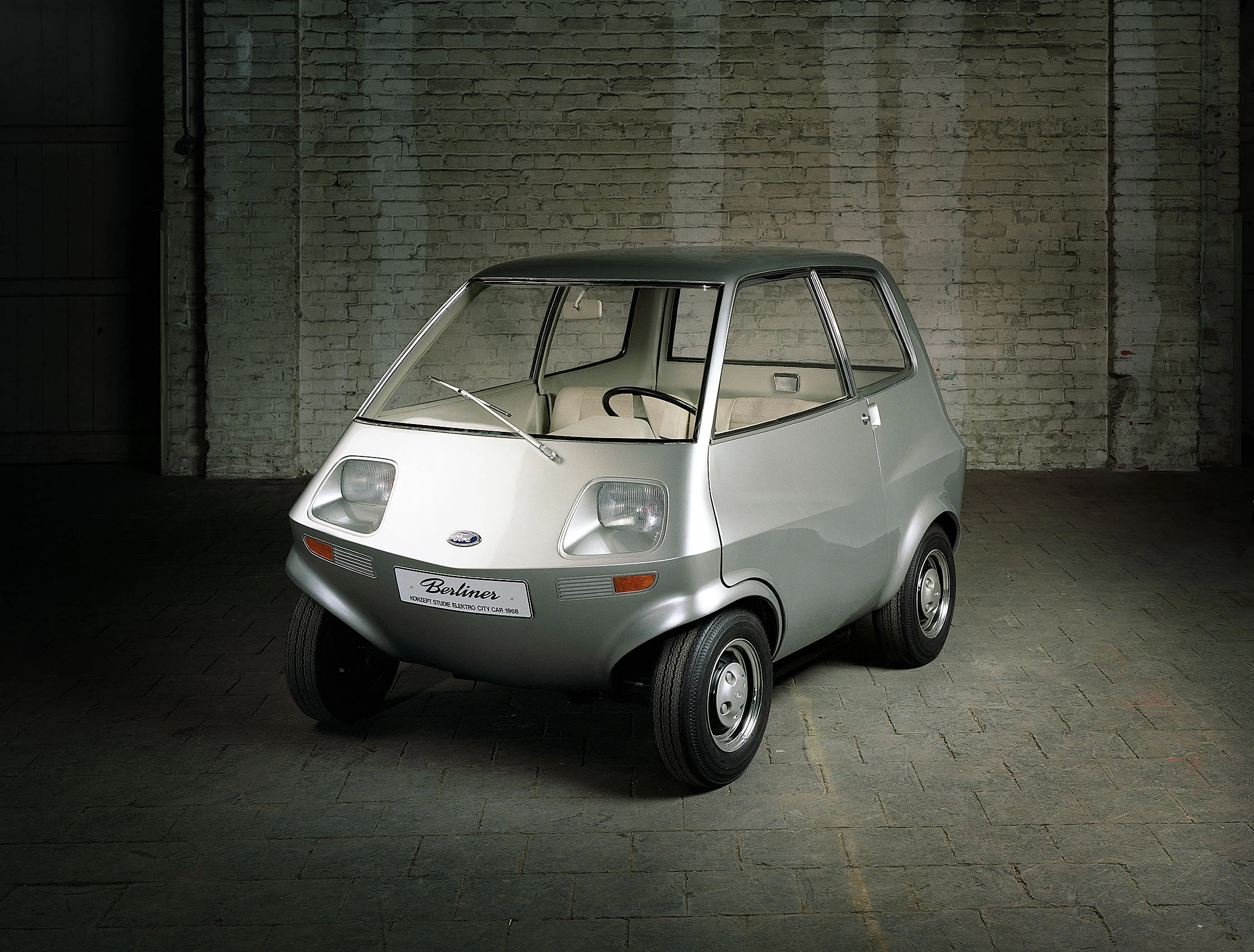
In the wake of the fuel shortages of the late 1970s, Ford Motor Company created this two-seat concept as a study for ultra-efficient personal transportation.
The vehicle sits midway between a full-size clay model and a functioning prototype: it can roll, but lacks an engine, steering, and suspension. Despite that, it features a complete interior fitted with non-functional instruments and controls.
Known as the “Econocar,” the project explored the idea of an extremely low-cost, high-efficiency student and commuter car powered by a small gasoline engine, with targets that hinted at fuel economy approaching 100 miles per gallon as a response to the energy crisis.
Originally envisioned as a potential 1982 production model, the concept reached this stage just as fuel supplies stabilized.
With the crisis fading, Ford concluded there was no viable market for such a minimal, purpose-built vehicle. Finished in orange with black trim, the fiberglass concept was eventually donated to the Henry Ford Museum in 1988.