Honda Super-One

Forget the whisper-quiet efficiency of today’s EVs — Honda is taking a far more mischievous approach. The company is reviving some of its wild 1980s energy for the electric age, drawing inspiration from the legendary City Turbo II and channeling it into a new, compact performance EV.
After previewing a prototype at the Japan Mobility Show, Honda has revealed the production-ready Super-One.
This isn’t merely a dressed-up version of the N-One e:. The Super-One is positioned as a genuine city-sized hot hatch, featuring a wider body, revised chassis tuning, and an electric drivetrain enhanced with synthetic sound effects designed to recreate the character of a combustion engine. Honda openly describes it as a spiritual successor to the City Turbo II “Bulldog” of the 1980s.
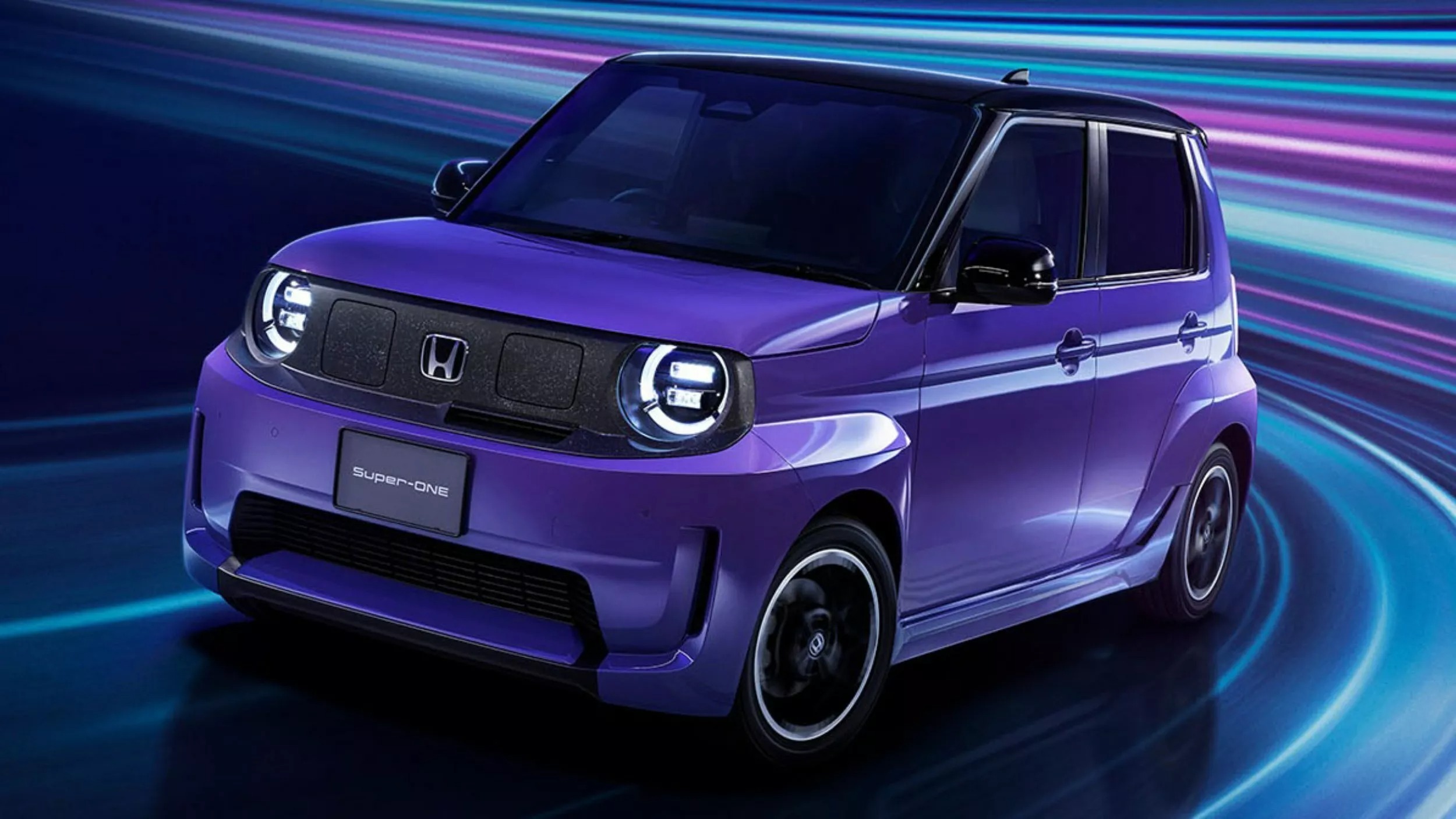
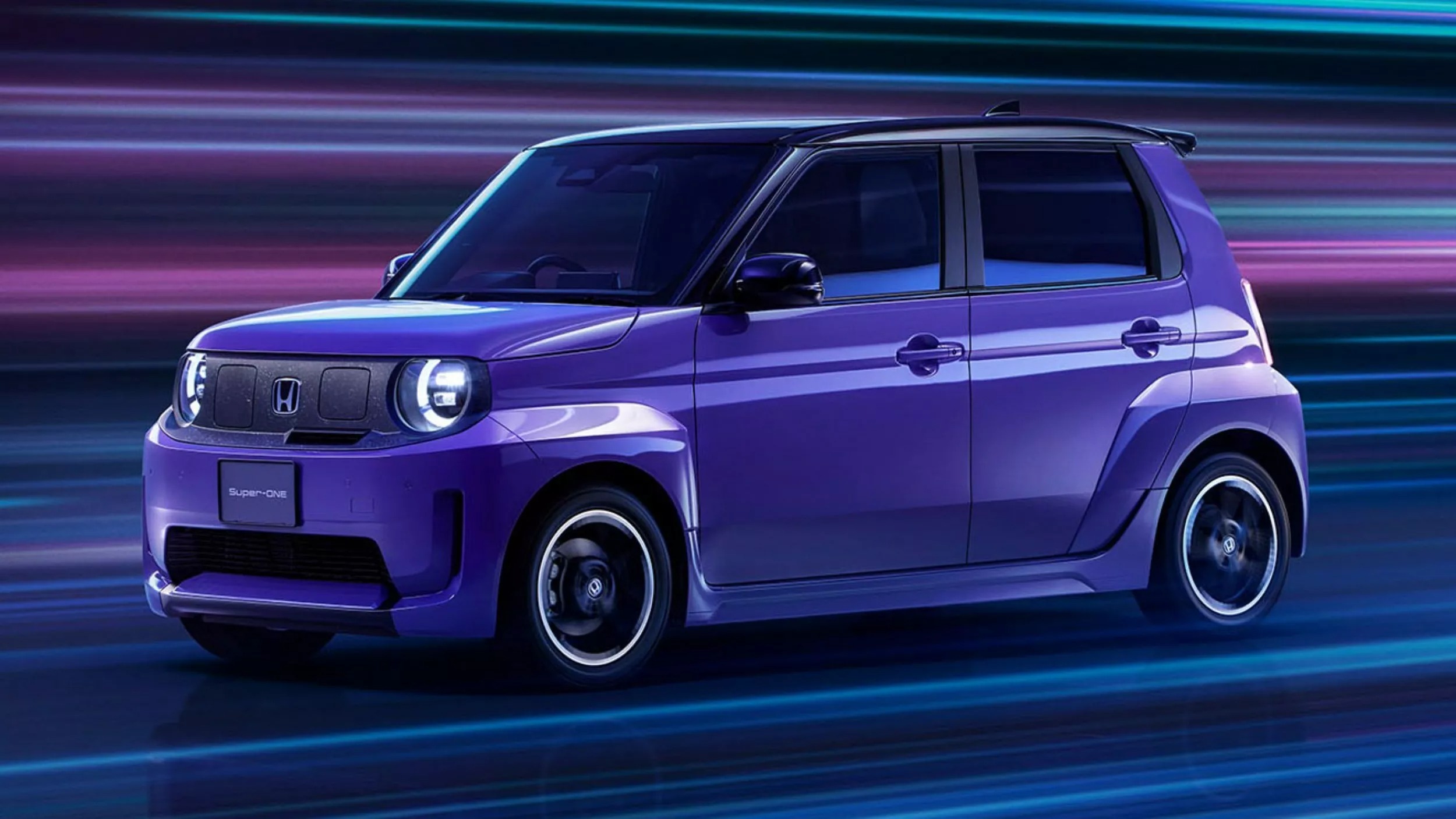
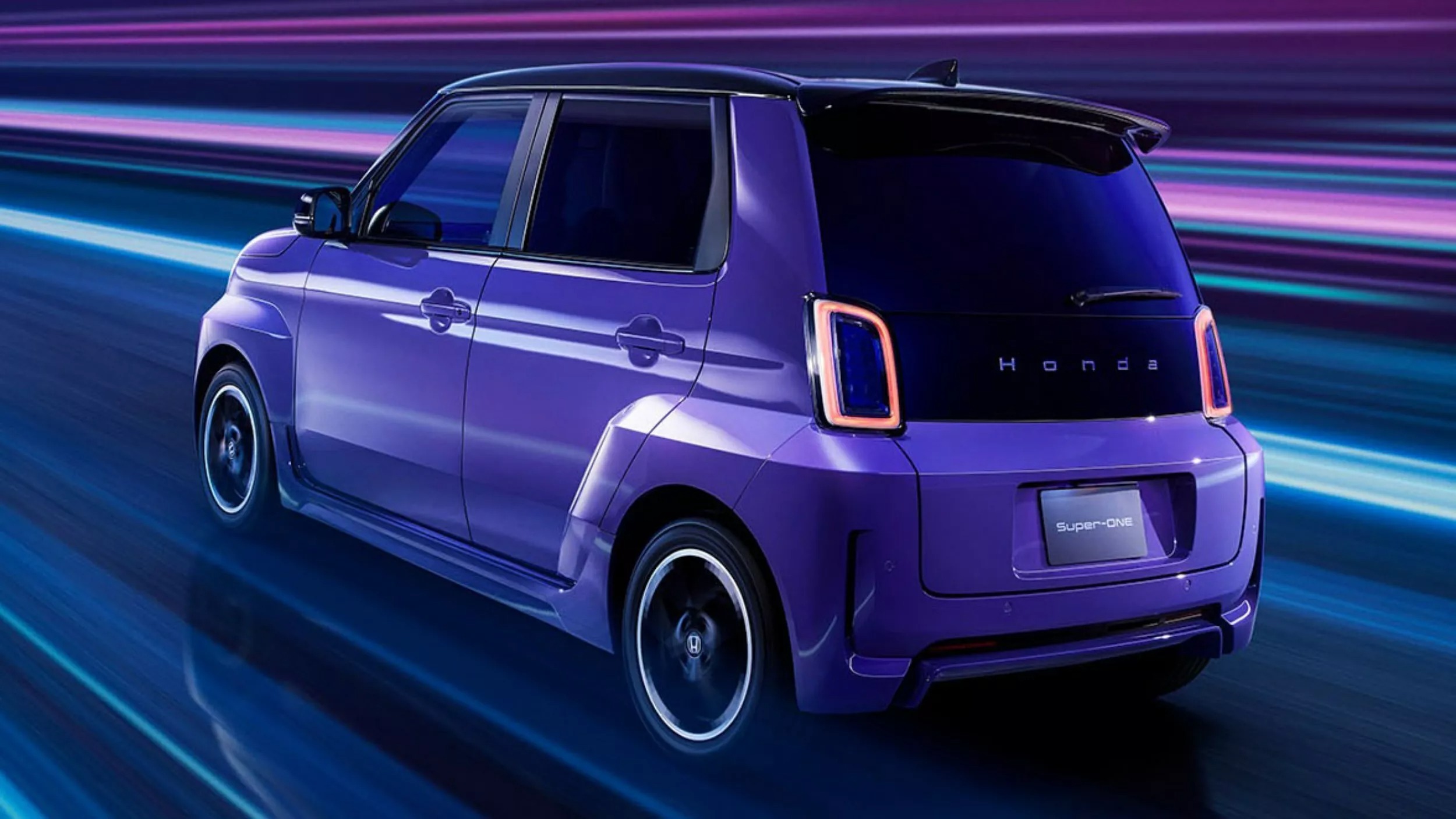
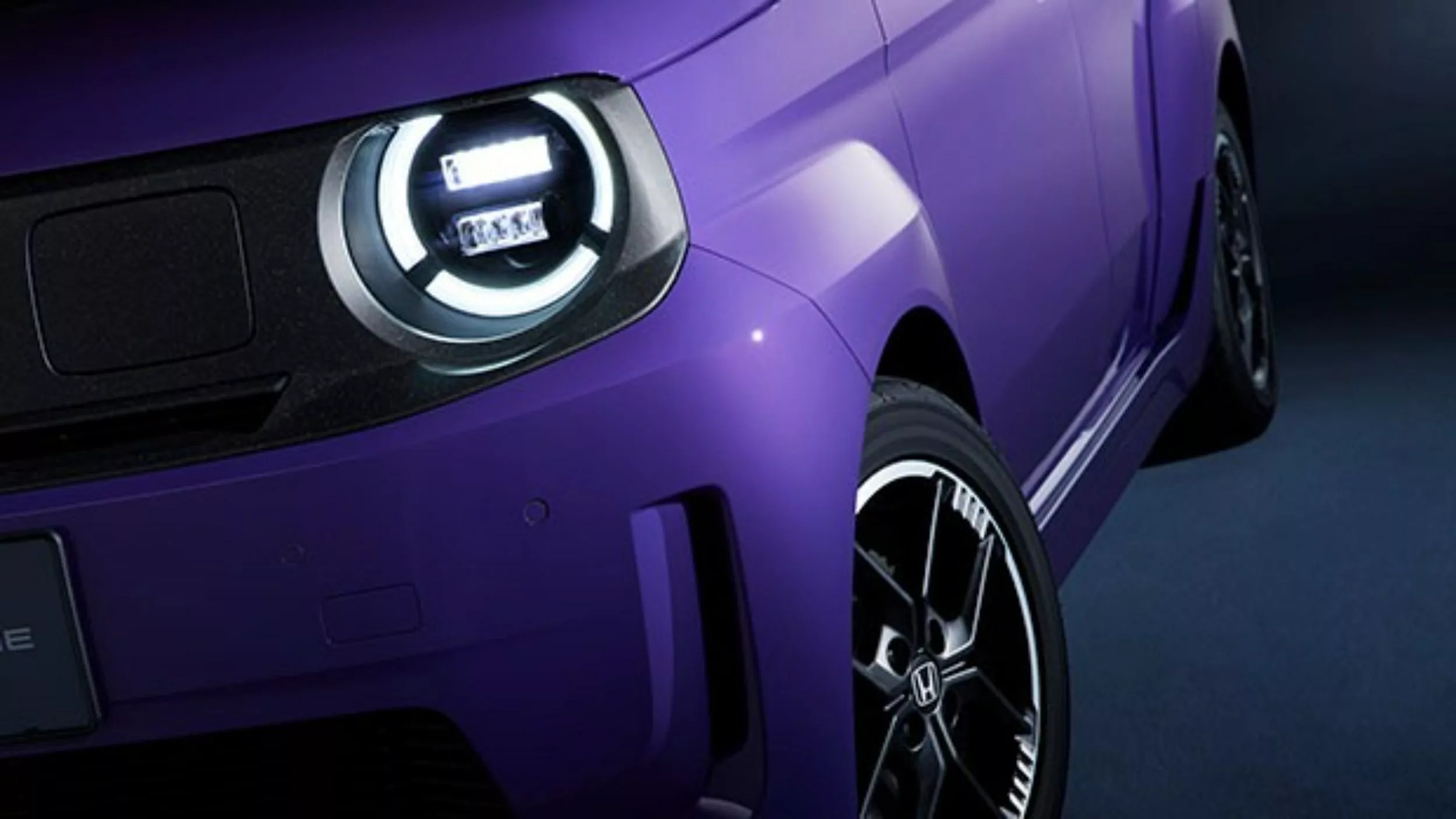
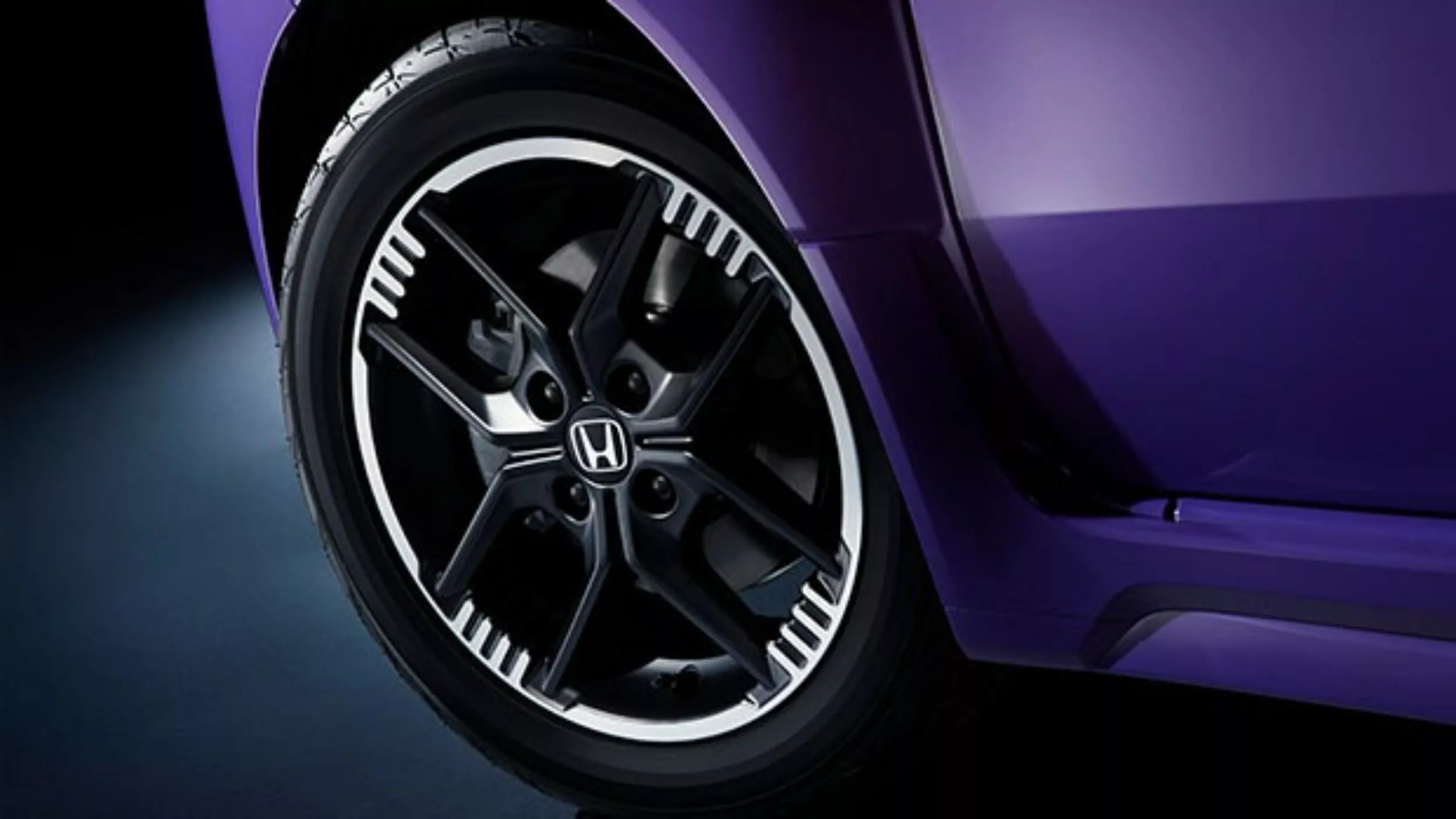
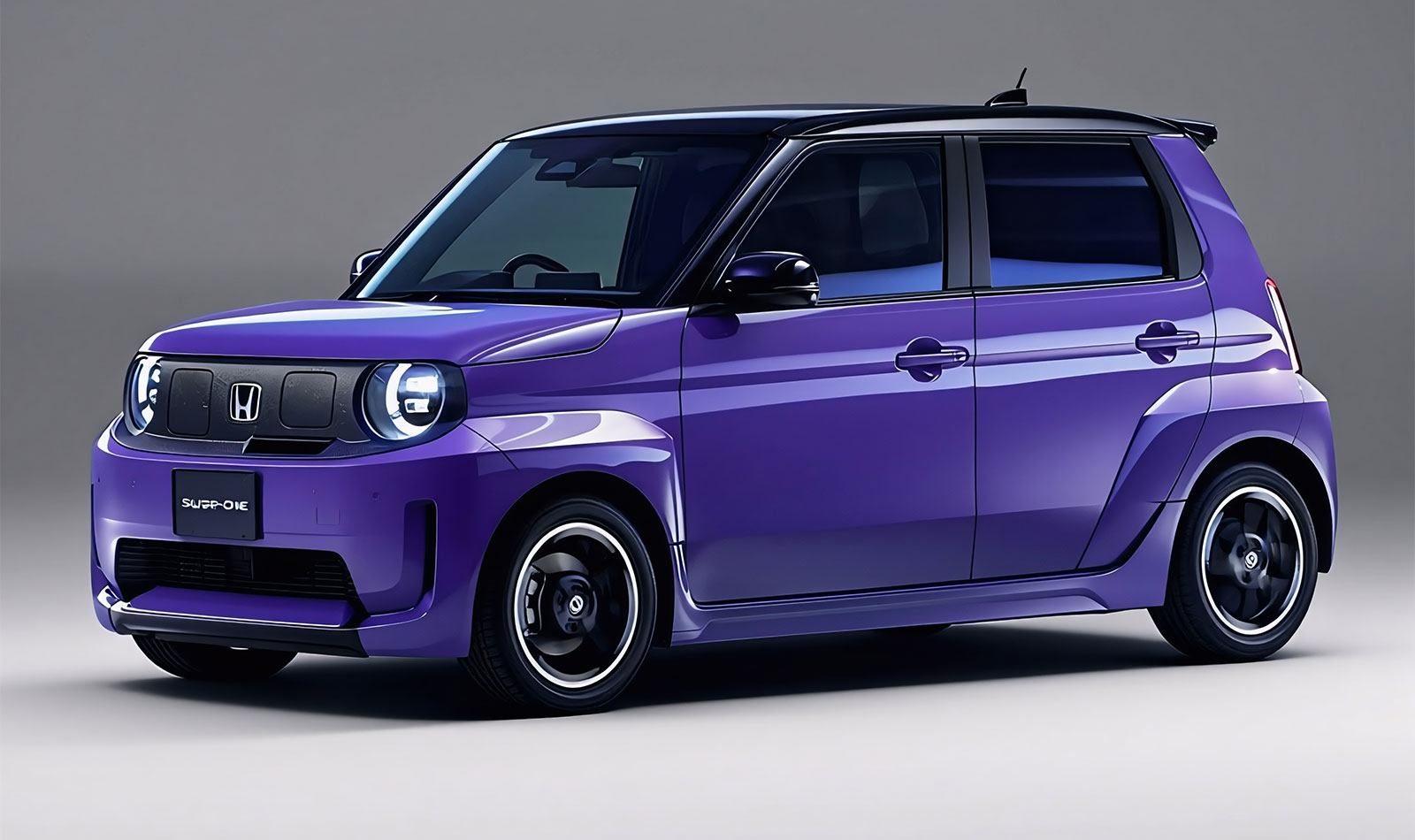
Visually, the Super-One separates itself from the standard model with more aggressive bumpers incorporating functional air ducts, flared “blister” fenders, and a prominent roof spoiler. It rides on newly designed 15-inch alloy wheels finished in matte Berlina Black with machined faces, wrapped in wider Yokohama tires.
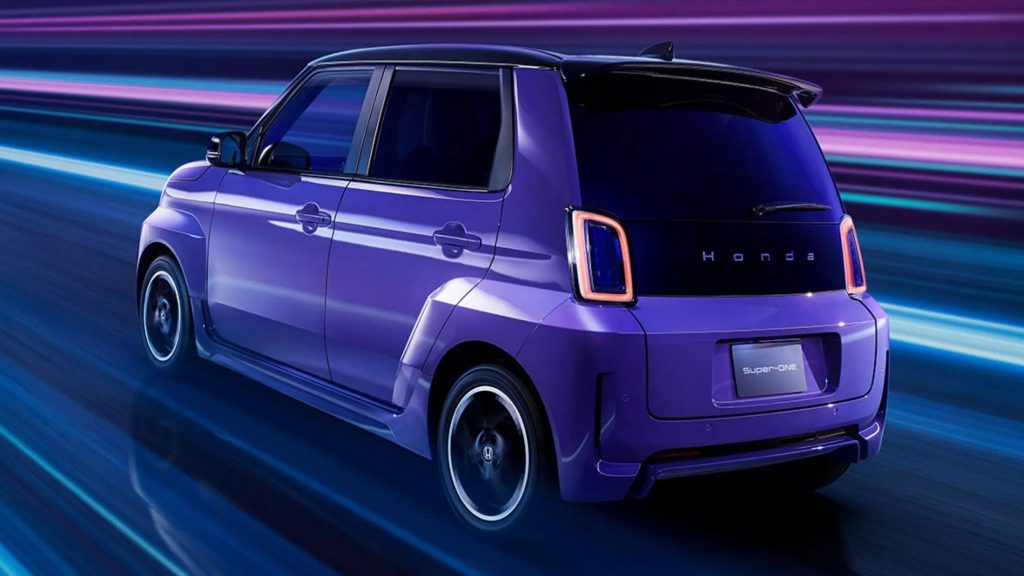
In terms of dimensions, the Super-One measures 3,589 mm in length, 1,573 mm in width, and 1,616 mm in height. Compared to the N-One e:, it is 194 mm longer, 98 mm wider, and 71 mm taller, while retaining the same 2,520 mm wheelbase. The broader stance shifts it out of kei car territory and into the regular passenger vehicle category.
A new exclusive paint option, Boost Violet Pearl — inspired by lightning — headlines the color palette. Buyers can also choose from Platinum White Pearl, Crystal Black Pearl, Citron Yellow Pearl, and Mono Gray, each available in monotone or bi-tone finishes.
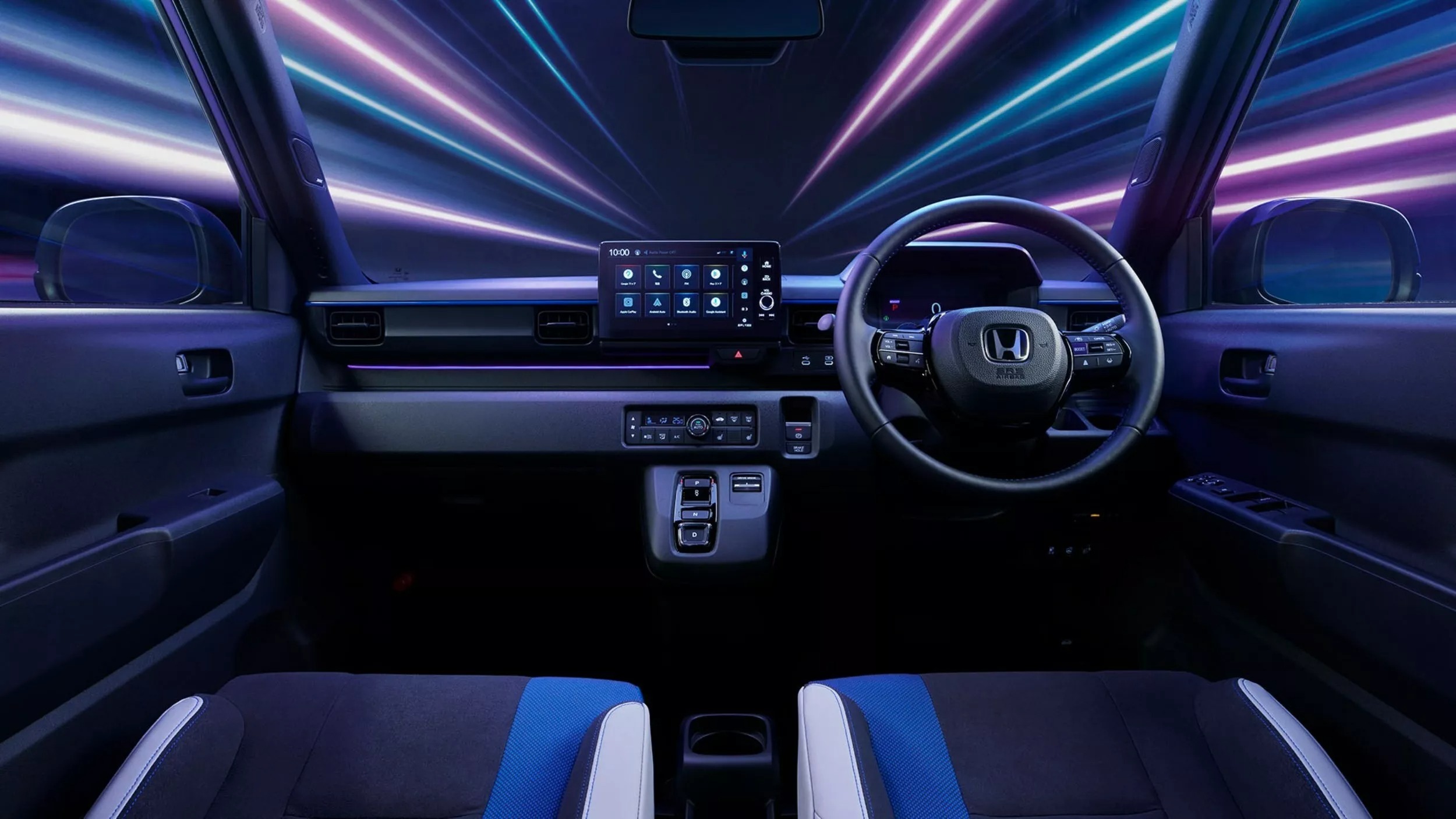
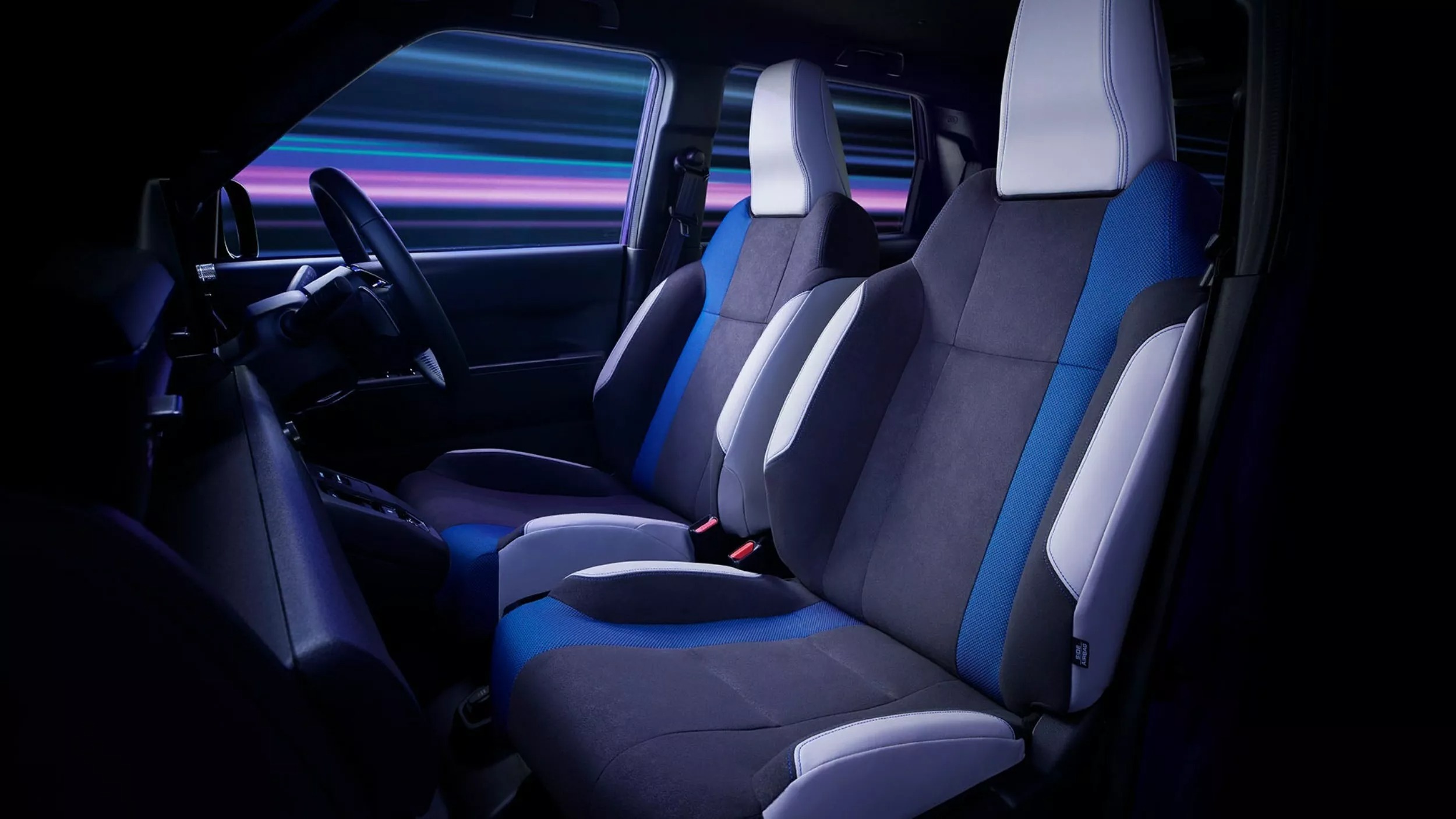
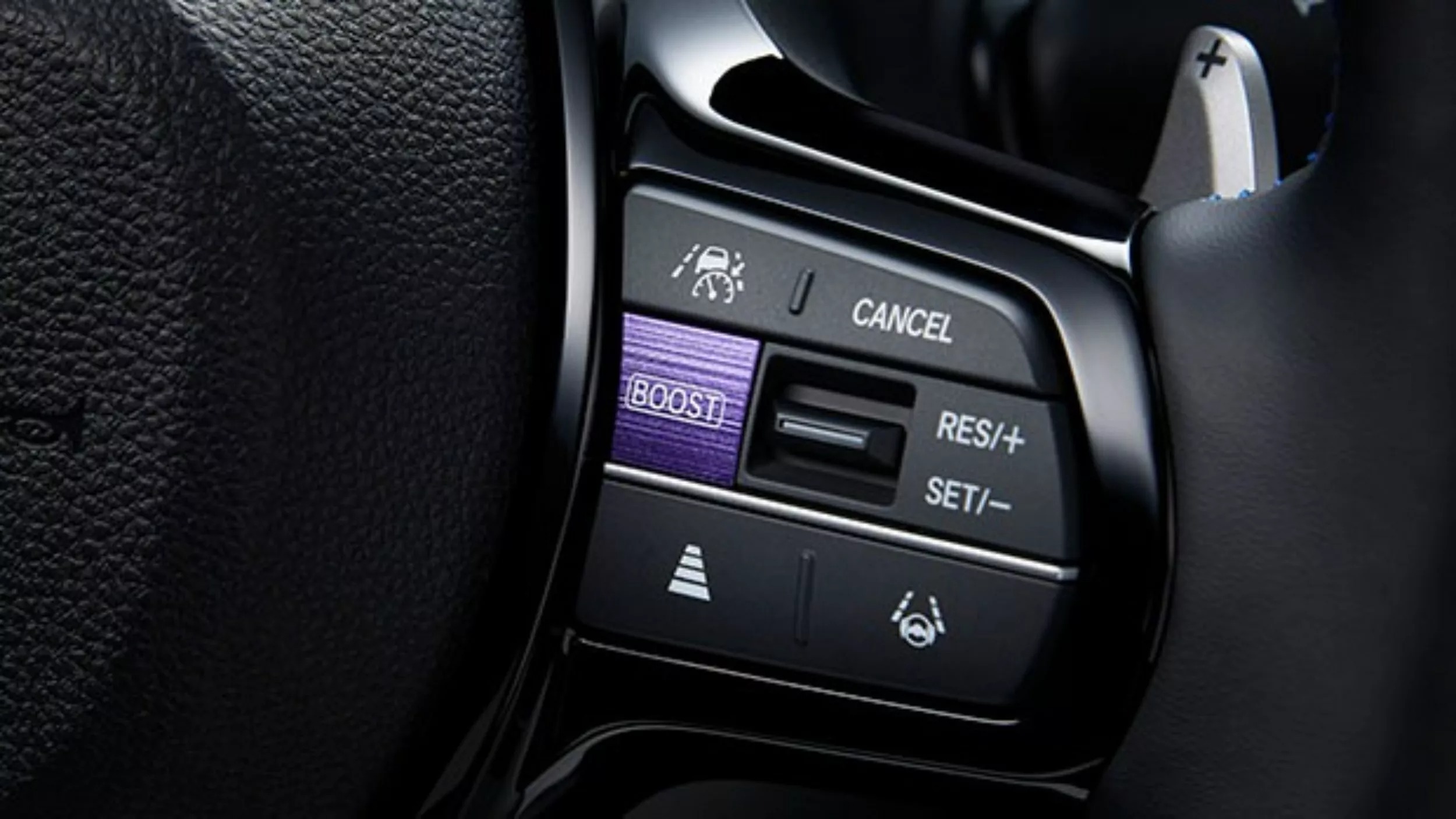
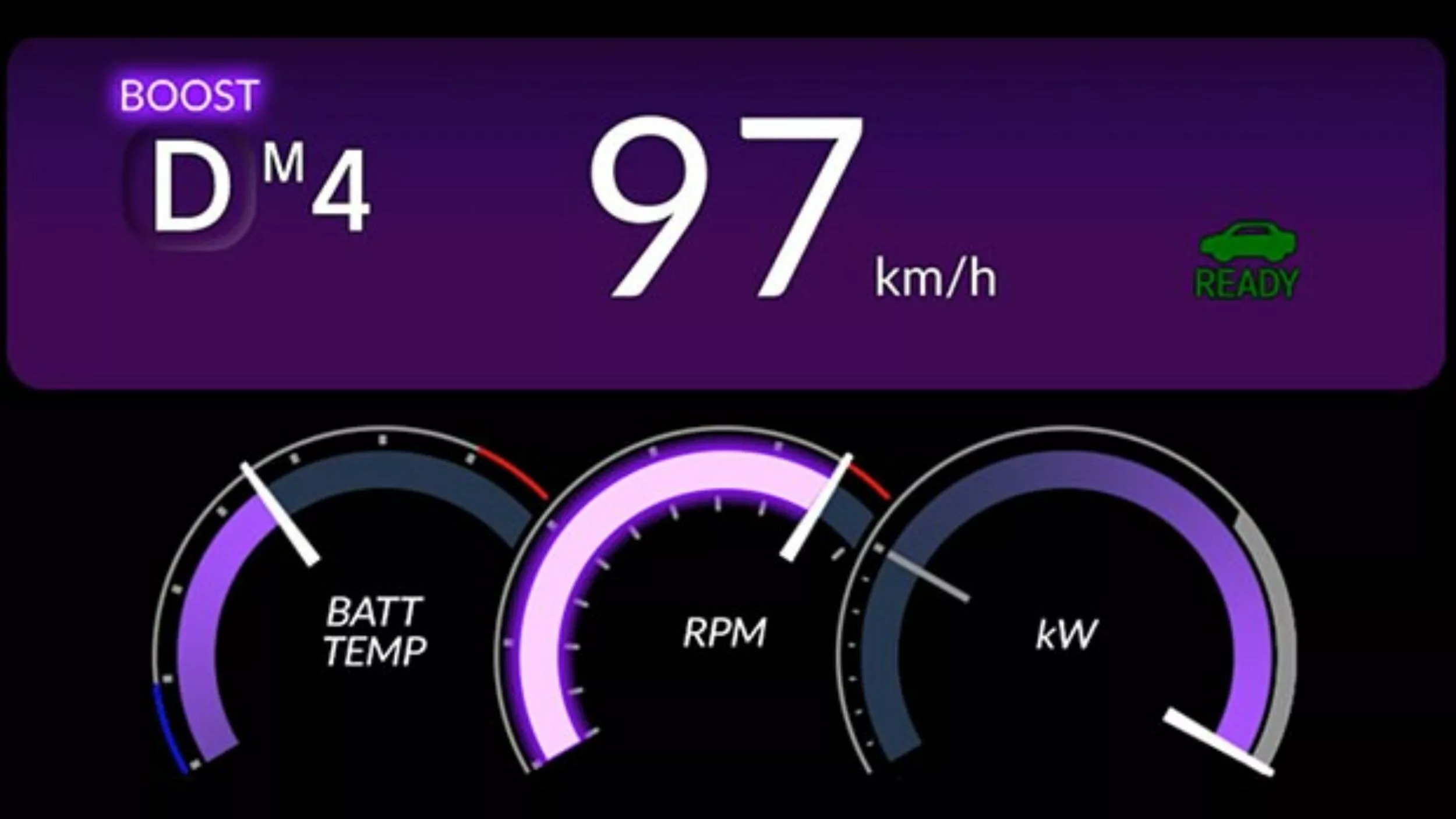
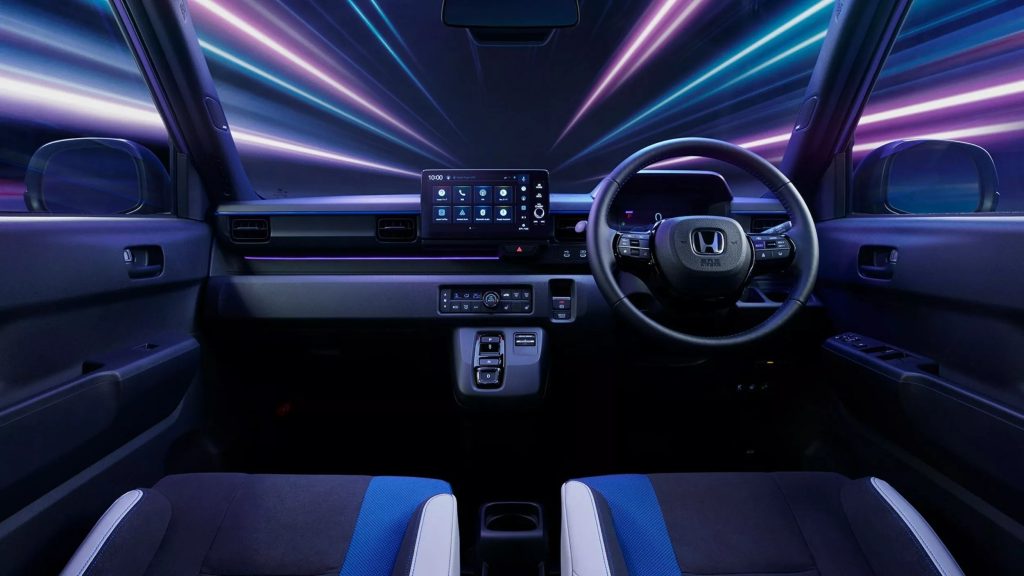
Inside, the dashboard architecture largely mirrors the N-One e:, but the Super-One introduces sportier details. The seats feature more pronounced bolstering with purple accents, while the 7-inch digital instrument cluster gains unique graphics. Activate Boost Mode, and the display transforms to show a simulated tachometer.
Honda leans into the theater with its Active Sound Control system, which pipes synthesized engine notes and faux gearshift effects through an eight-speaker Bose audio system. Standard equipment includes a 9-inch infotainment screen, heated front seats, a heated steering wheel, and a full suite of advanced driver assistance systems.
The Super-One is powered by a front-mounted electric motor. While official specifications are still pending, earlier information suggests output rises to 94 hp (70 kW / 95 PS) in Boost Mode — a notable increase over the N-One e:’s 63 hp. That said, it remains less powerful than the discontinued Honda e, which offered up to 152 hp in its strongest form.
Honda has yet to disclose battery capacity or range figures, though the N-One e: uses a 29.6 kWh battery pack. Beyond the power bump, the Super-One benefits from a bespoke chassis setup, including lowered suspension and wider tracks aimed at sharpening handling dynamics.
Reports from Japan suggest Honda is targeting a range between ¥3,000,000 and ¥3,500,000 (roughly $19,700 to $22,900) before incentives. That places it above the standard N-One e:, which starts at ¥2,699,400 and can drop significantly with subsidies.
Following its Japanese debut, the Super-One is expected to roll out to additional markets including the UK, Europe, Australia, New Zealand, and select Asian countries — bringing a dose of retro-flavored electric fun to city streets worldwide.