Mitsubishi Lynx

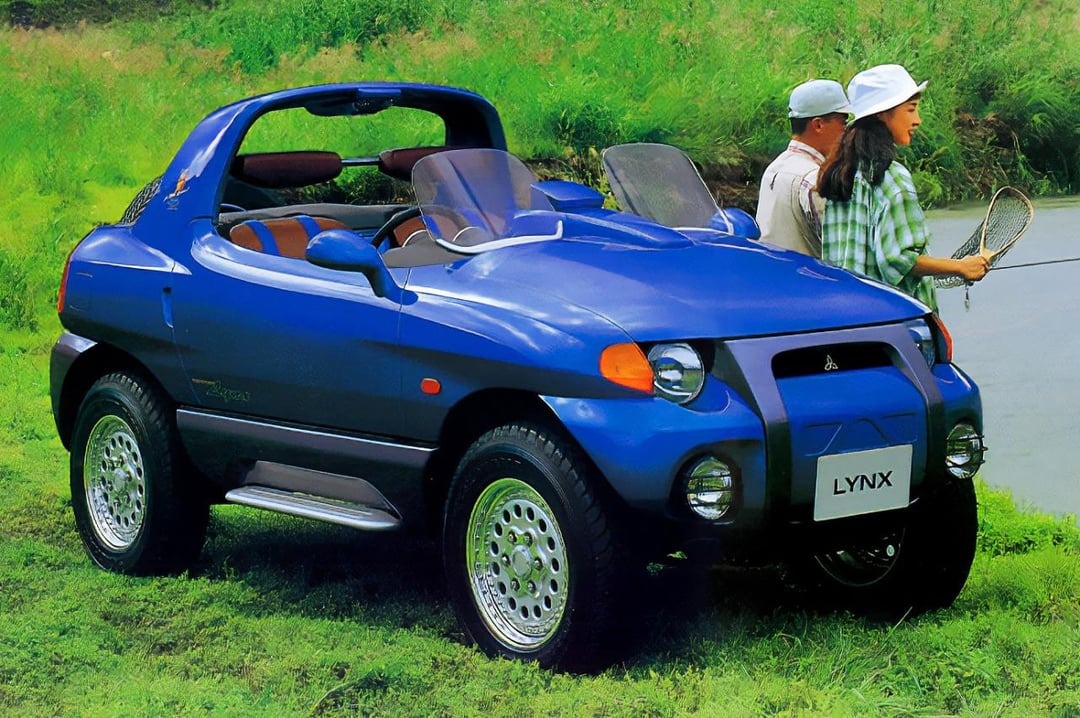
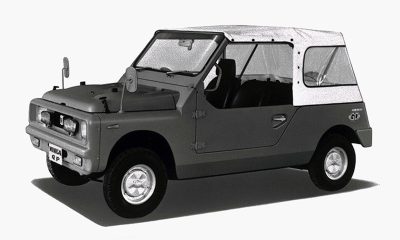
The experimental all-terrain vehicle known as Mitsubishi Link was conceived as a lightweight recreational machine built for outdoor adventures. Its creators described it as a vehicle for leisure, entertainment, and trips into nature.
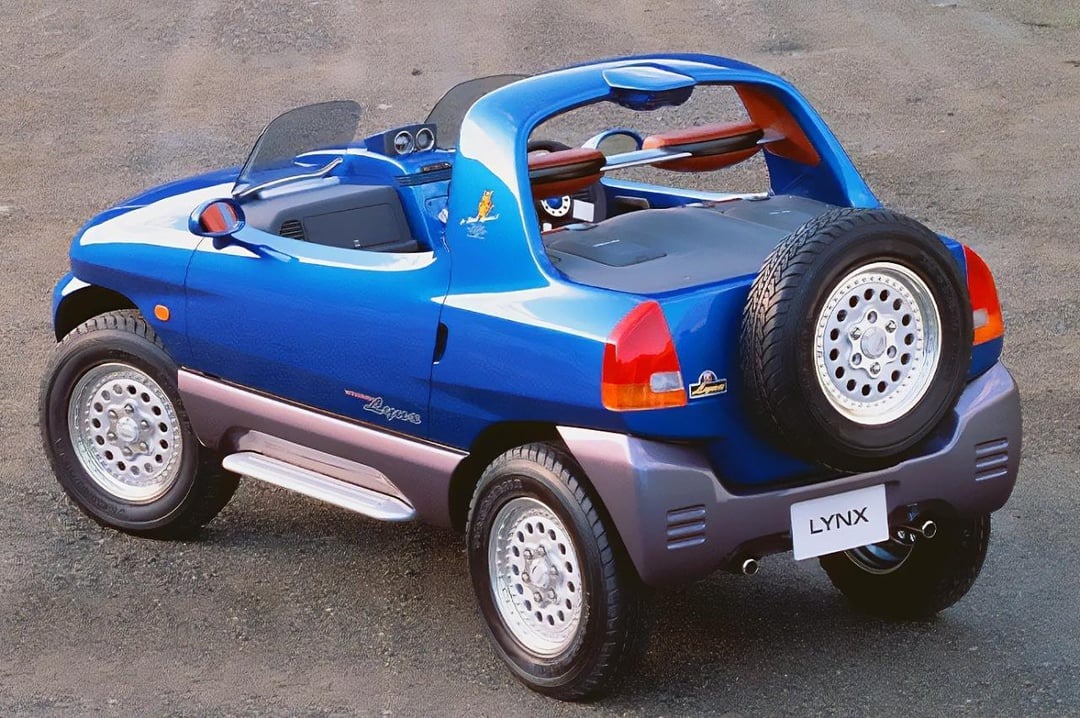
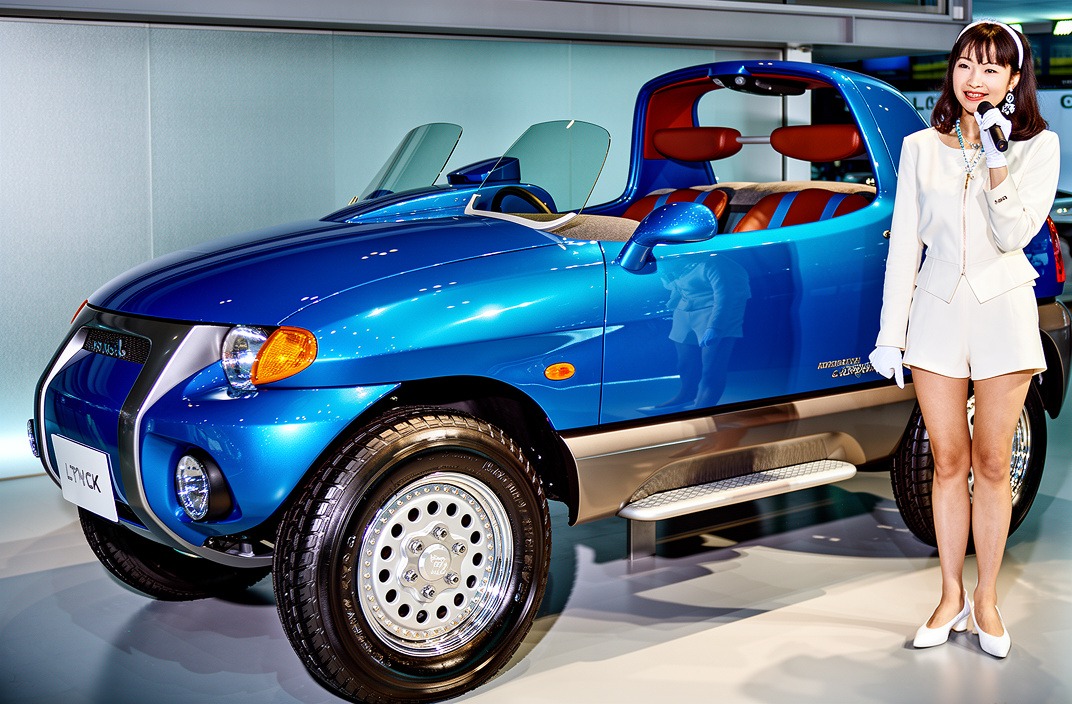
The design deliberately avoided many traditional comforts: there is no roof, no luxury equipment, and even the conventional windshield has been replaced by two transparent wind deflectors.
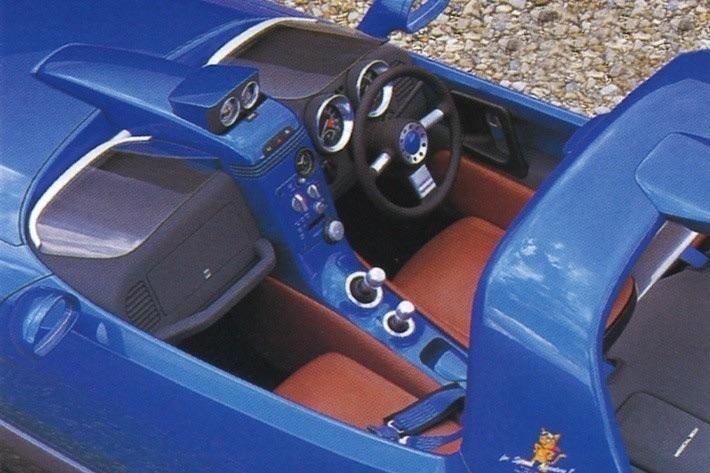
Inside are just two anatomical seats and a protective roll bar. The idea was that driver and passenger should experience the environment directly — the wind, sounds, and smells — much like riders on a motorcycle.
Although intended primarily for off-road exploration, the Lynx could also be driven in the city. In that case, the front axle could be disengaged, leaving the vehicle operating in rear-wheel drive.
Power came from a 650 cc four‑cylinder DOHC 20‑valve engine producing the kei‑class maximum of 64 hp. For such a small unit, it featured a surprisingly advanced design, including turbocharging, fuel injection, and five valves per cylinder.

Despite its compact dimensions the Lynx appeared tightly packaged and relatively heavy, with a curb weight of around 750 kg.
Its length of about 3.3 m, width under 1.4 m, and height around 1.6 m placed it firmly in the Japanese kei category while providing a high seating position and good visibility. The wheelbase was about 2200 mm.
The cockpit was designed in an unusual style reminiscent of a light aircraft. At the push of a button, an inclinometer paired with an altimeter rose from the dashboard between the wind deflectors — a device intended to help monitor steep climbs, as the designers jokingly suggested, when “scaling Mount Fuji.”
The central console featured two levers with distinctive rounded knobs. The forward lever controlled the five-speed gearbox, while the rear one disengaged the front-wheel drive system. Looking ahead through the twin wind deflectors, the Lynx seemed ready for whatever terrain lay in front of it — a compact machine designed to tackle hills, trails, and the open outdoors.