BMW E1 (Z15)

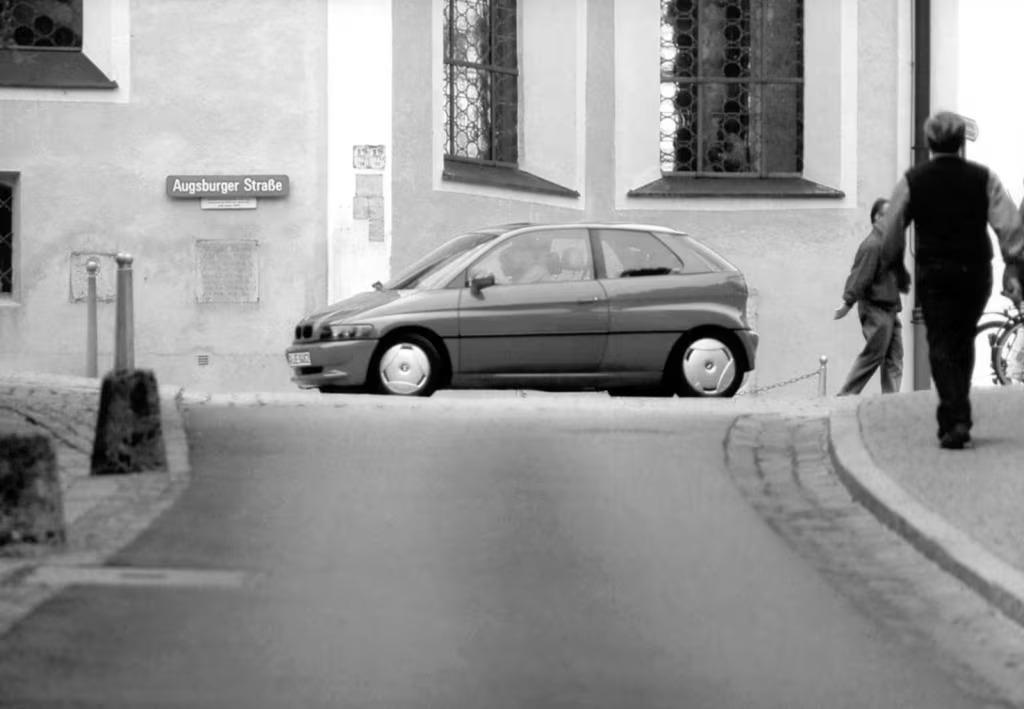
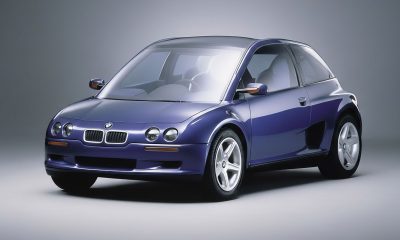
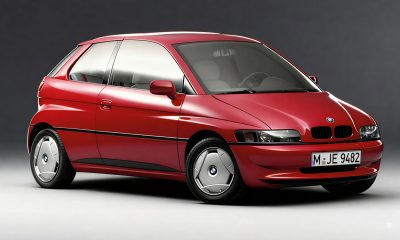
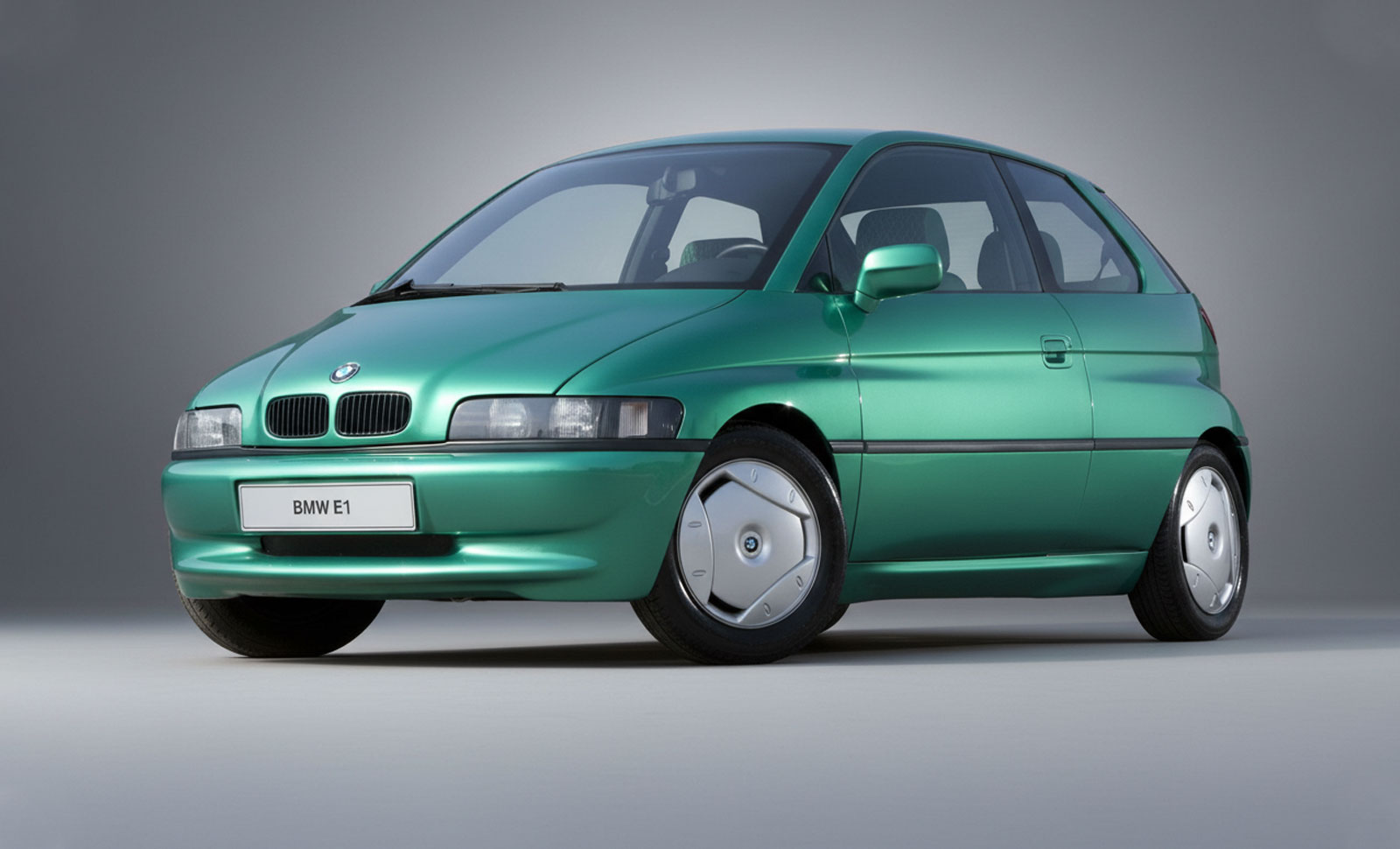
The second-generation BMW E1 prototype, internally designated Z15, was unveiled on September 9, 1993, at the International Motor Show Germany.
This evolution of the E1 concept marked a notable leap forward, as it was developed in both fully electric and hybrid forms.
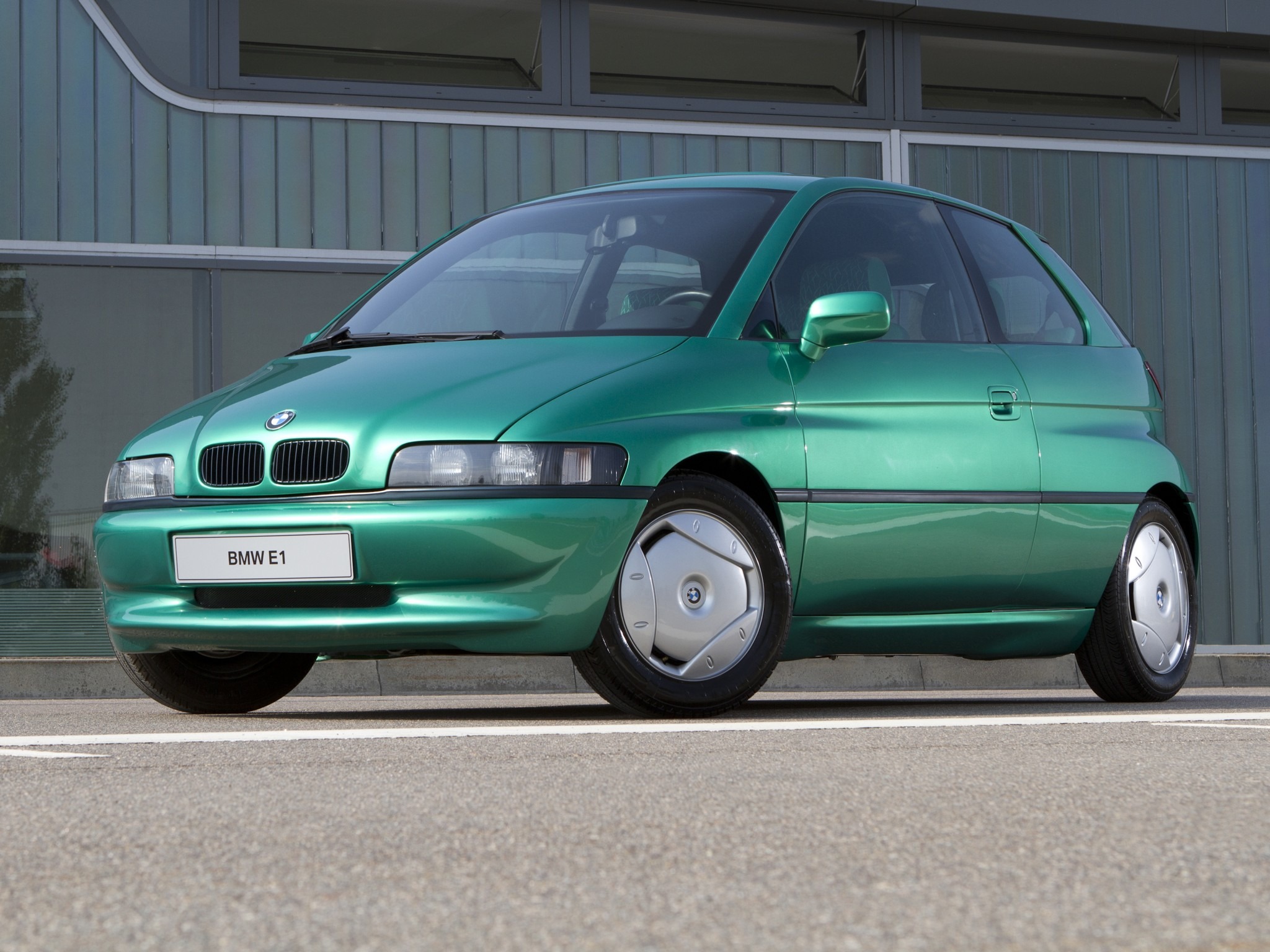
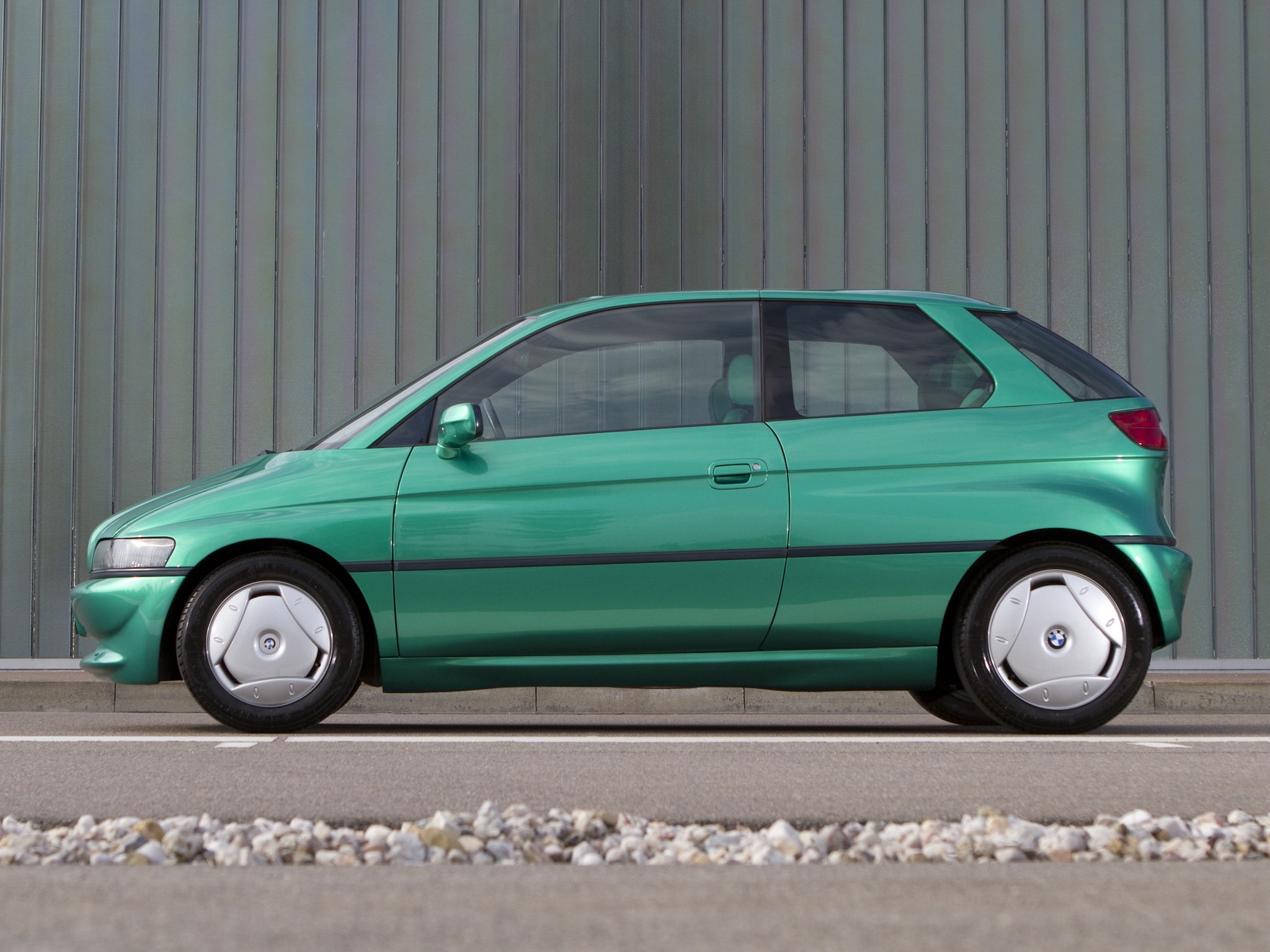
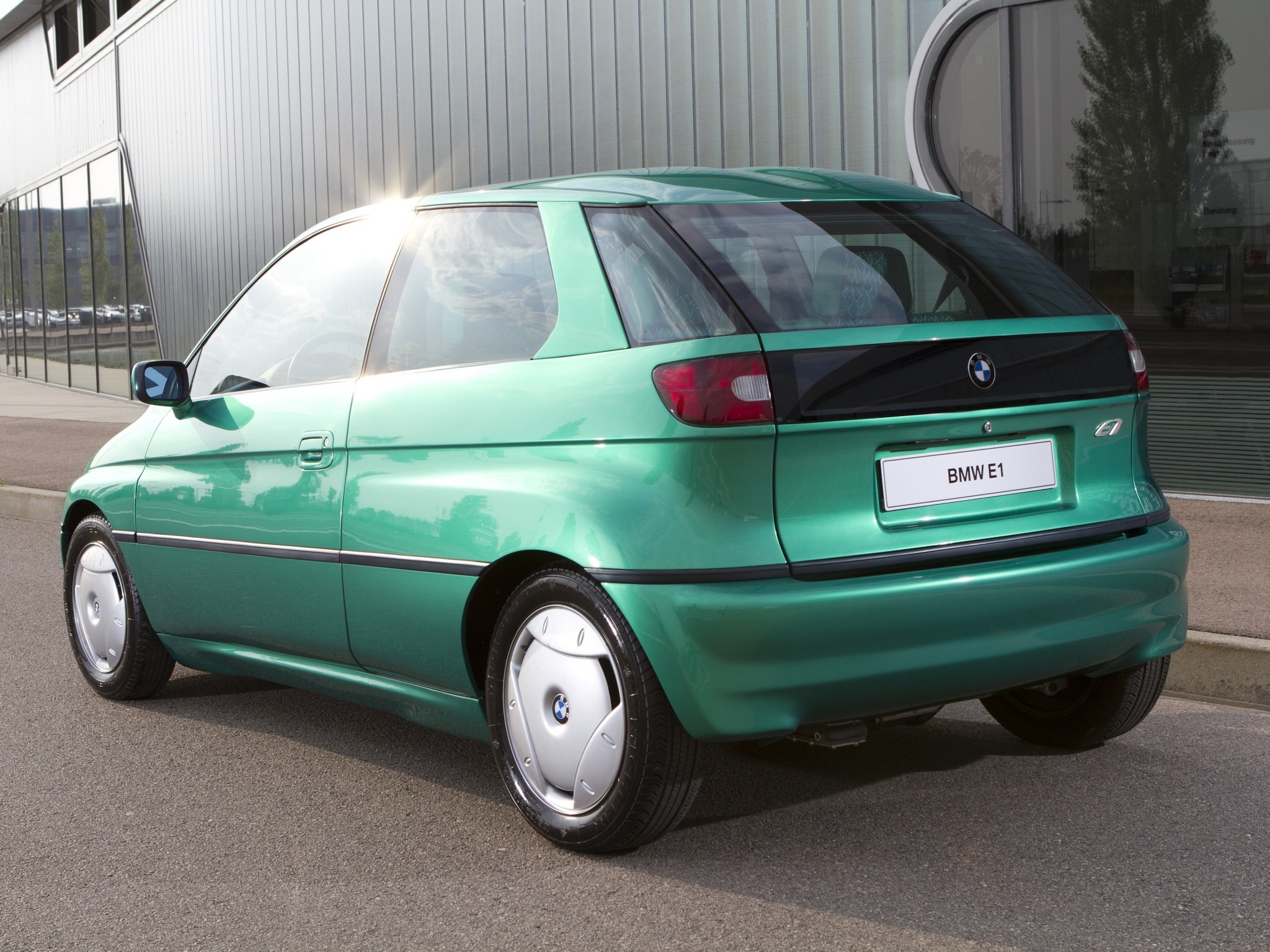
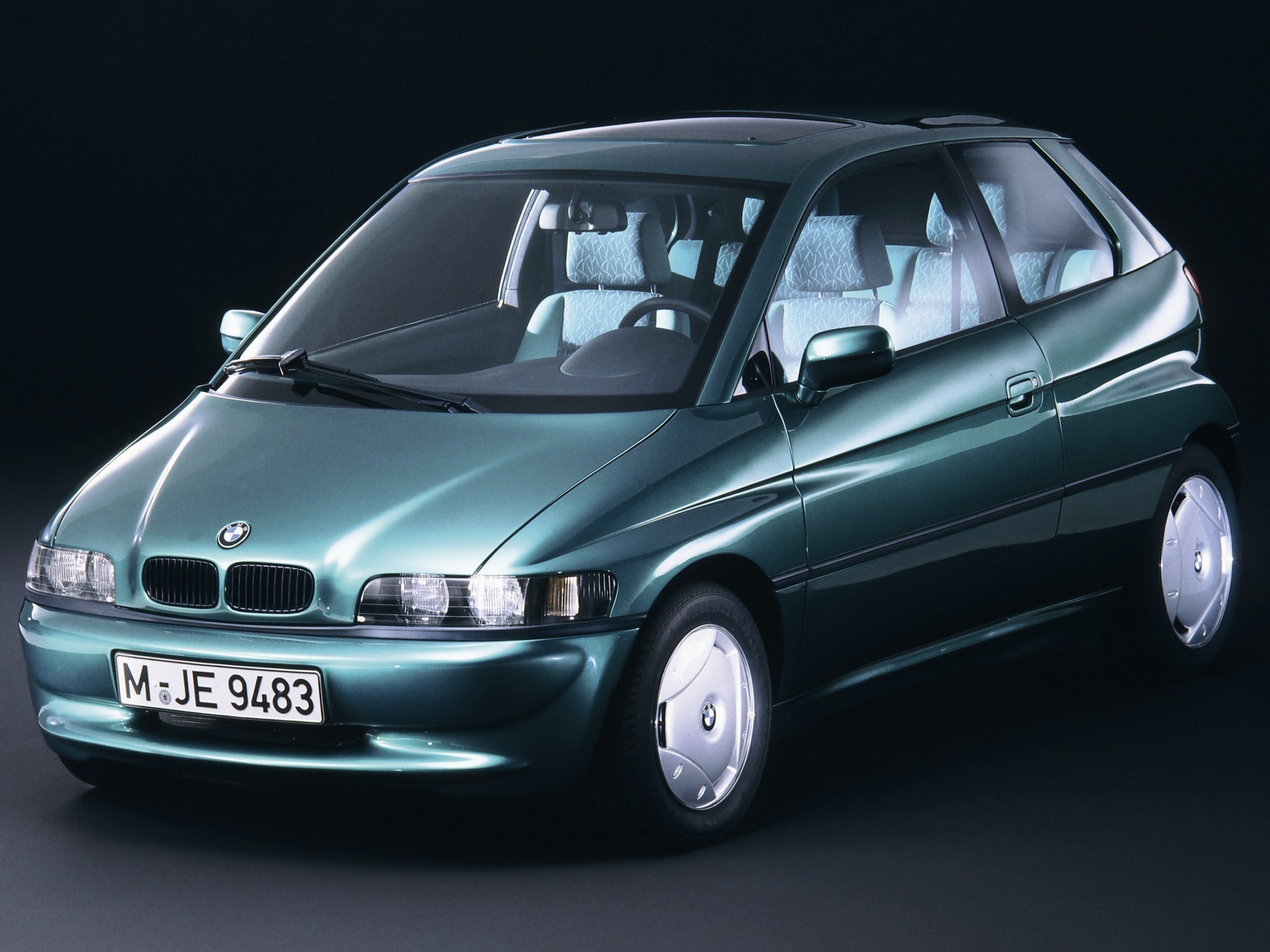
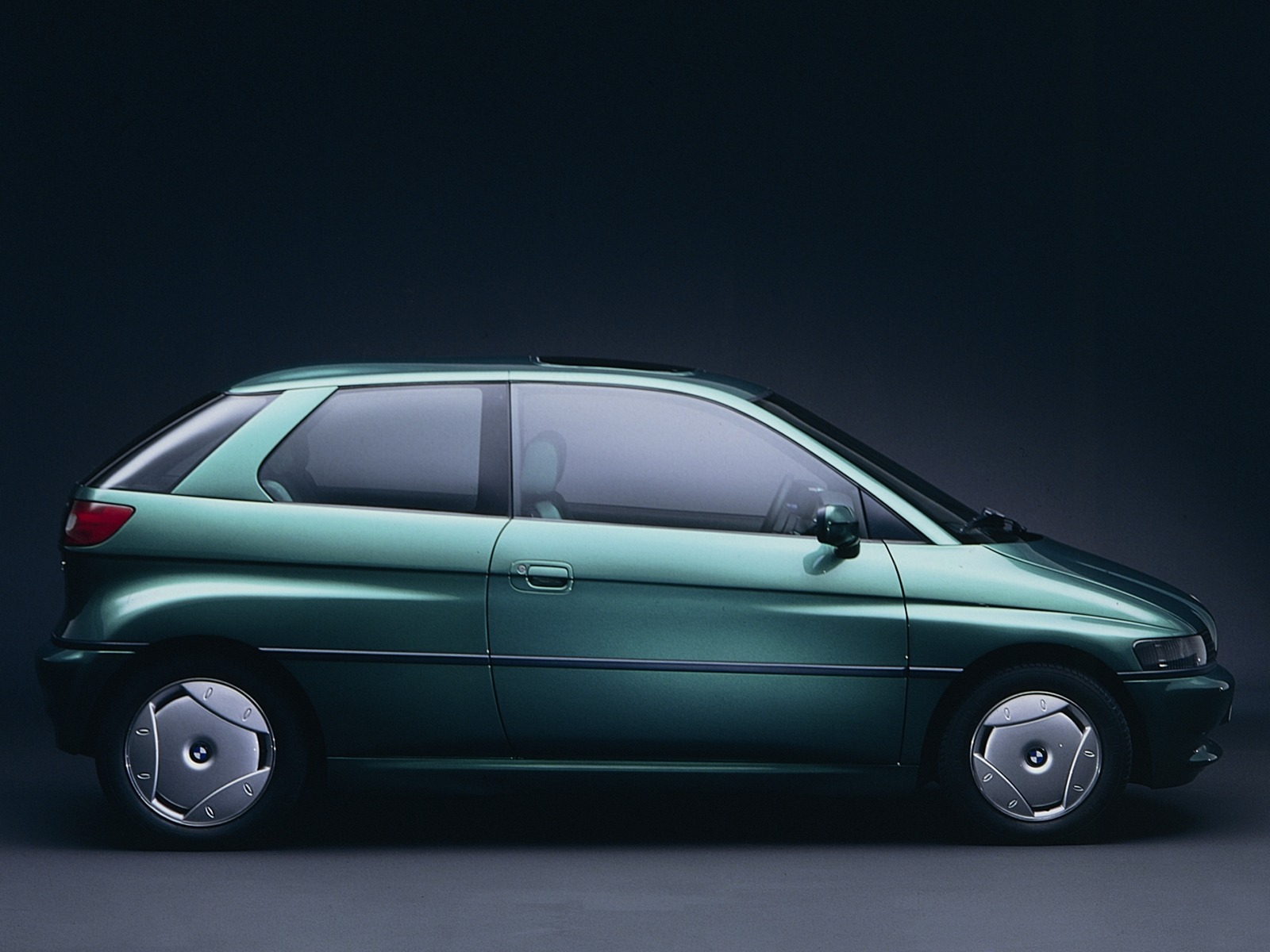
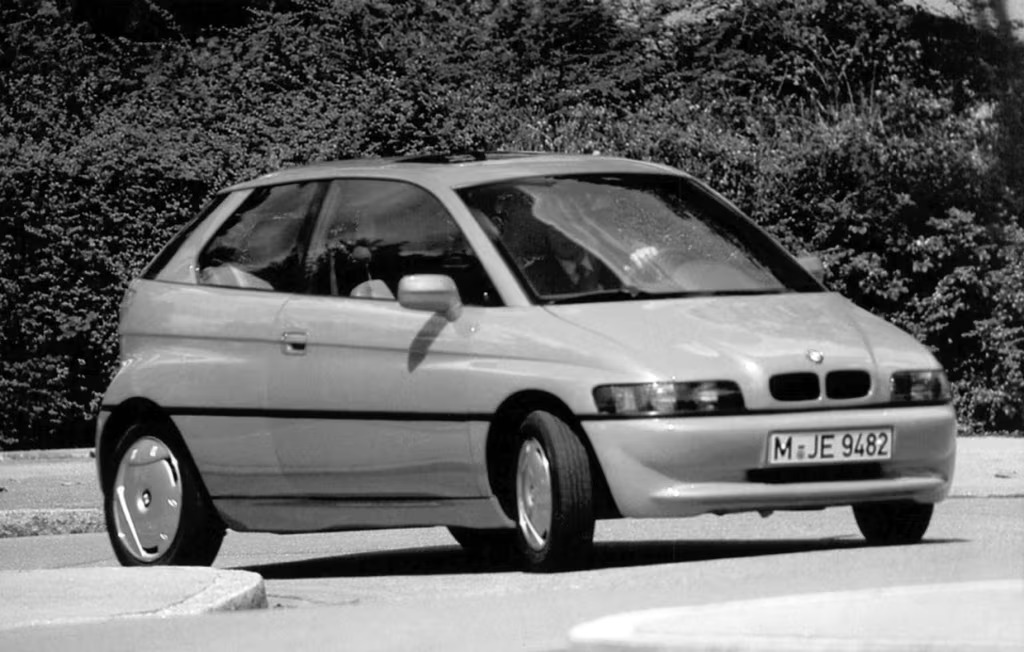
Like the earlier Z11, the Z15 was conceived as a compact three-door city car with seating for four, aimed squarely at urban mobility.
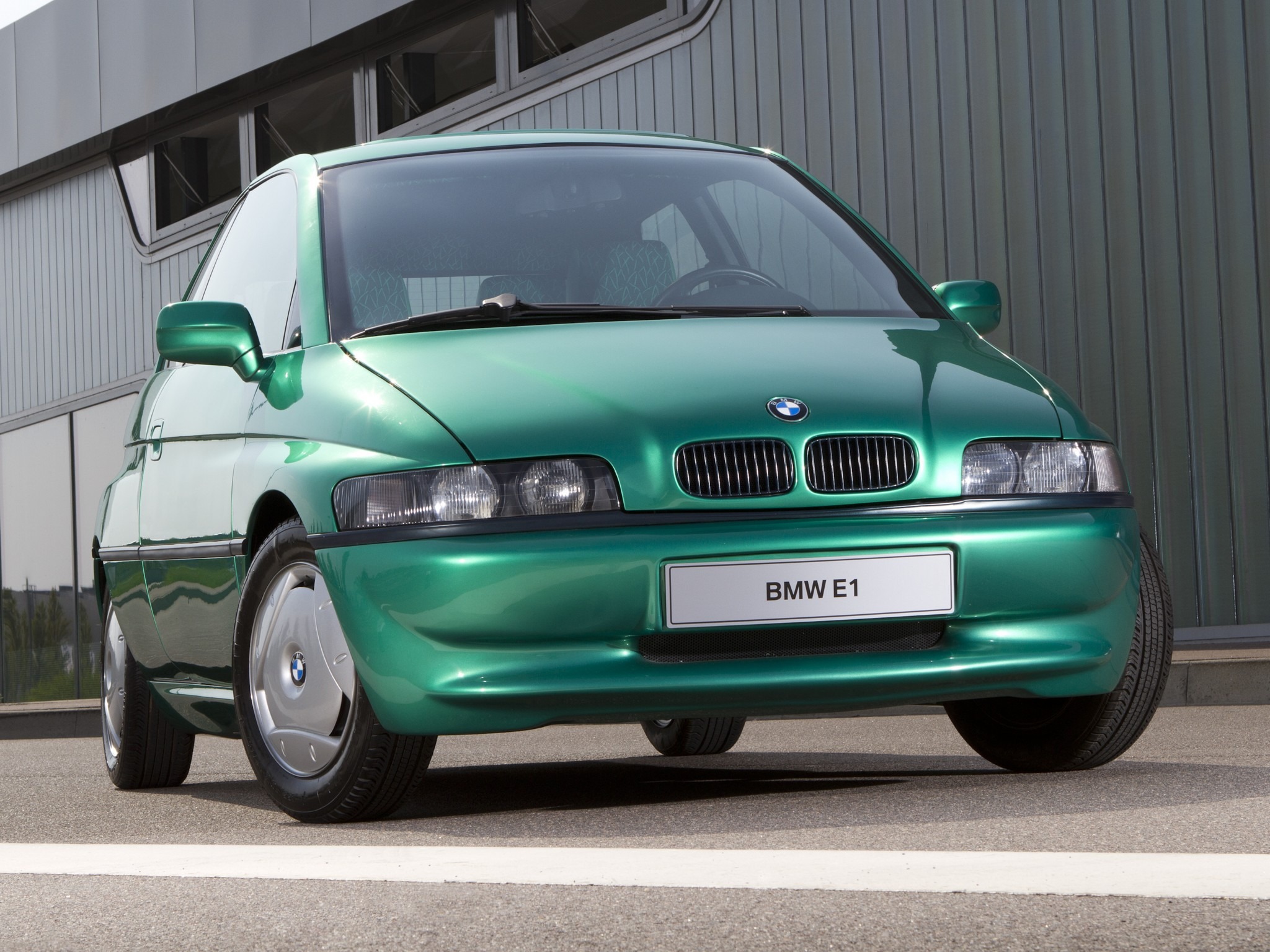
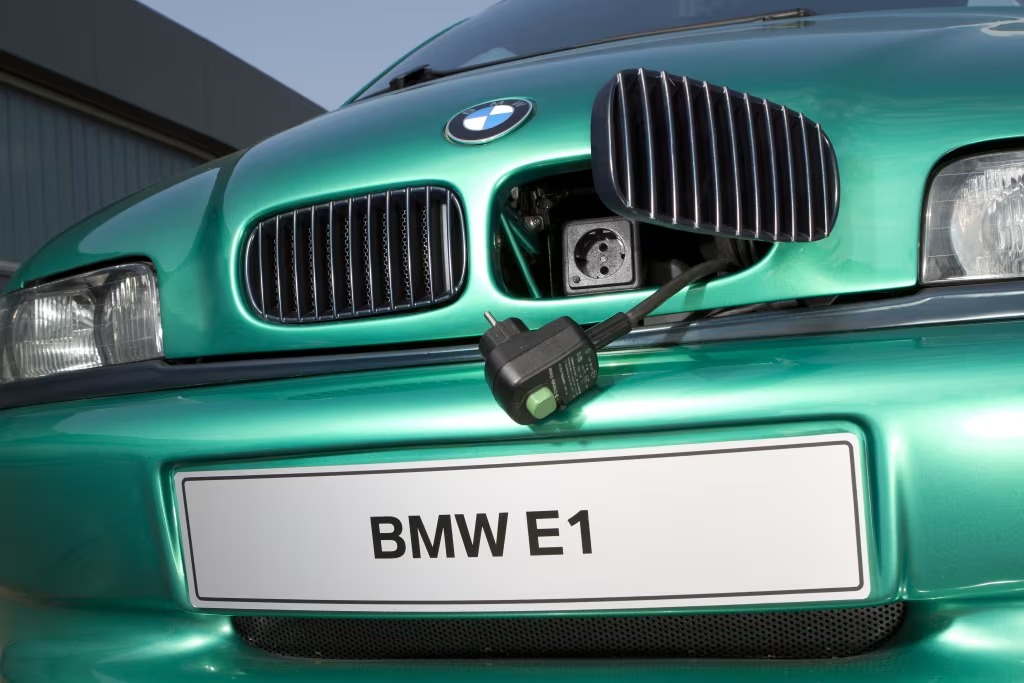
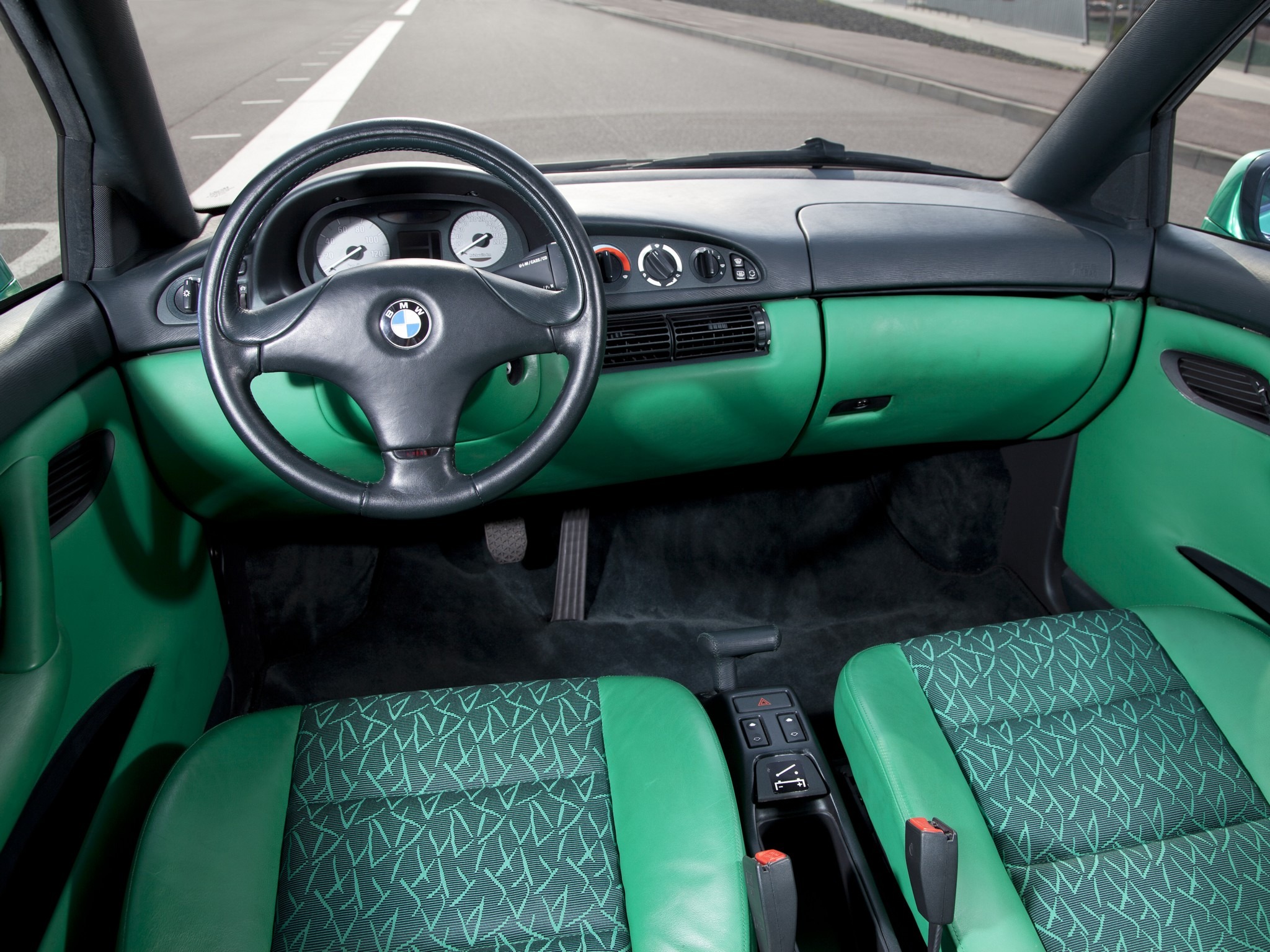
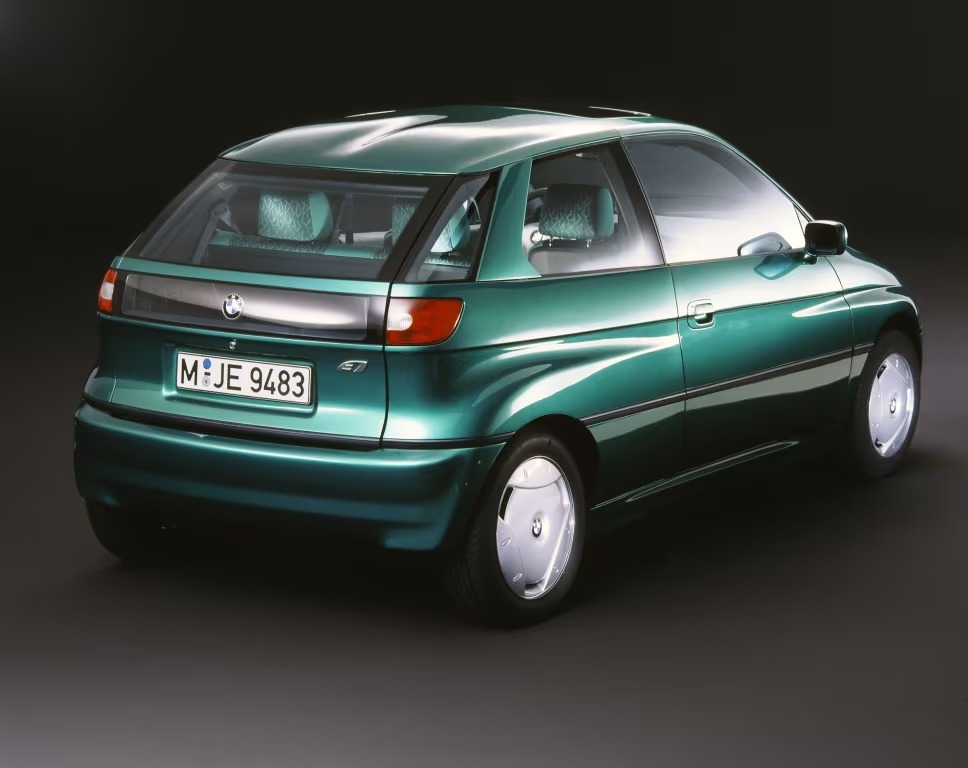
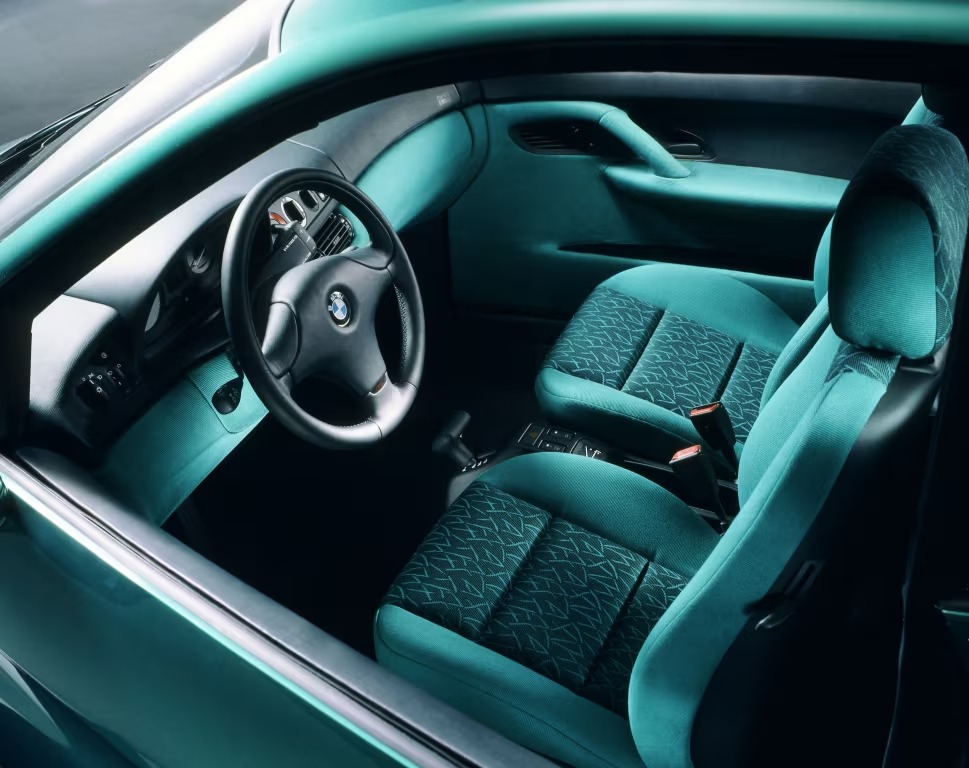
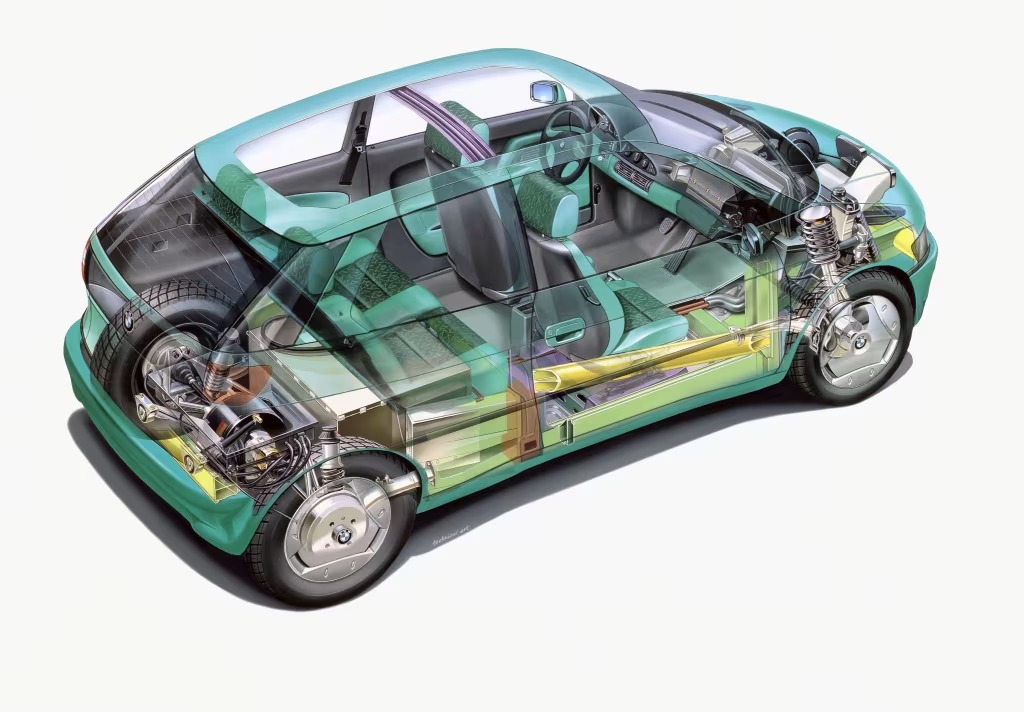
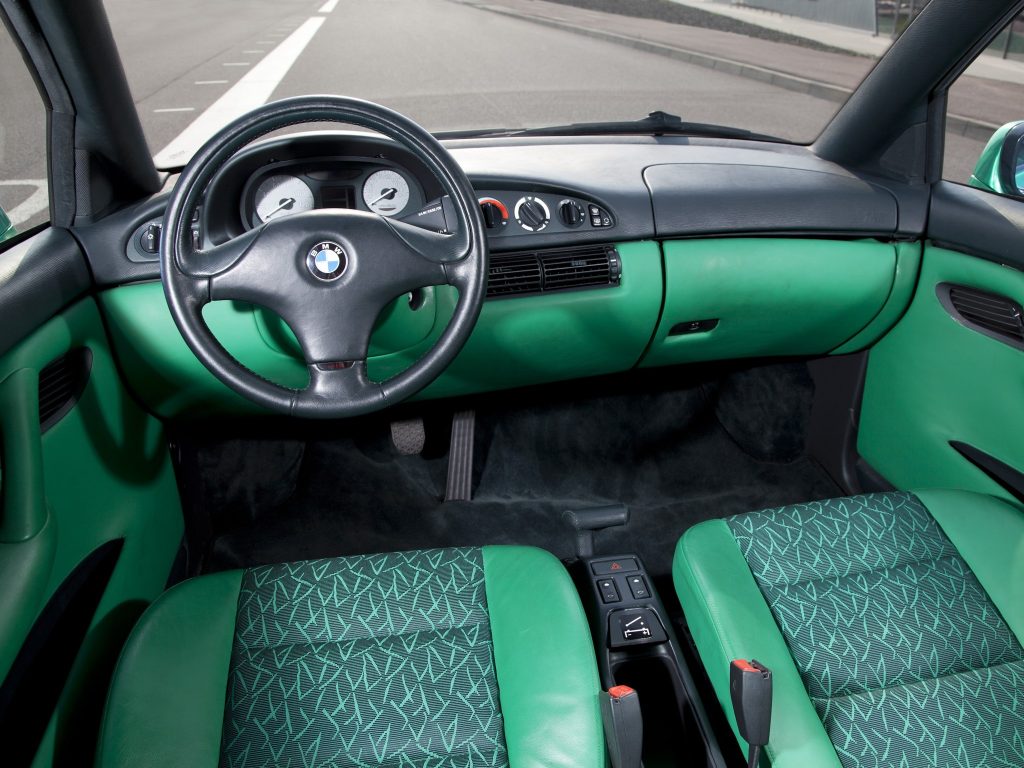
In its electric configuration, the Z15 used a 19.2 kWh sodium–nickel chloride battery feeding an electric motor, allowing the car to reach a top speed of 130 km/h. This version stood out visually thanks to its green metallic exterior, paired with a coordinated green interior that underlined its zero-emissions character.
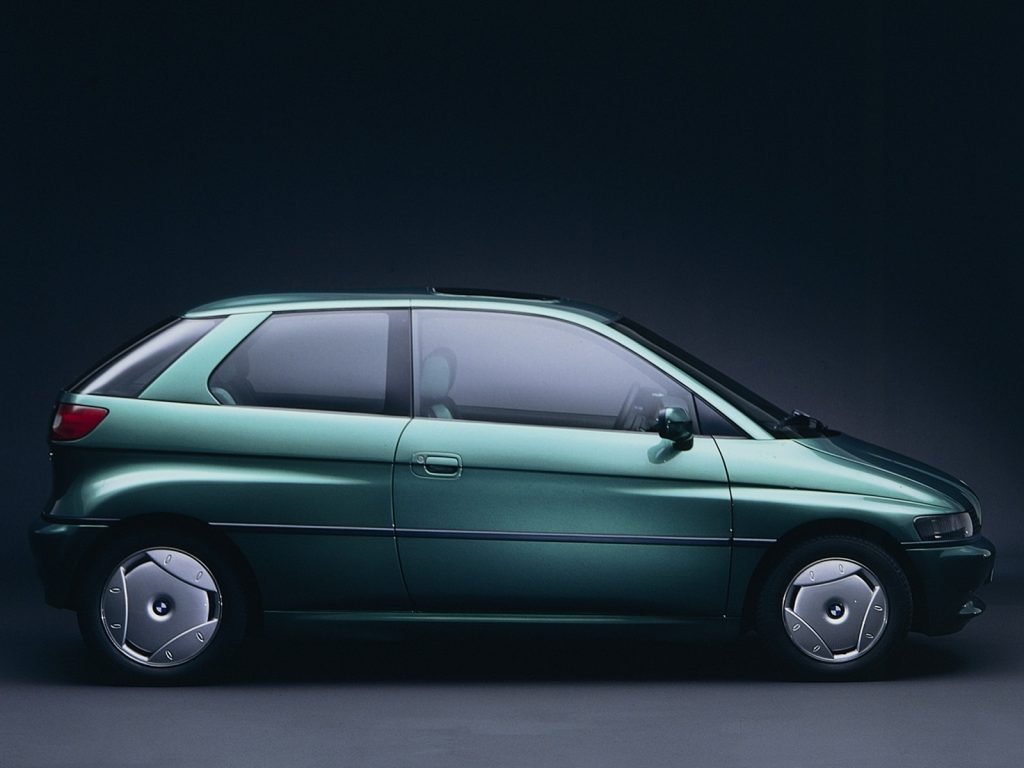
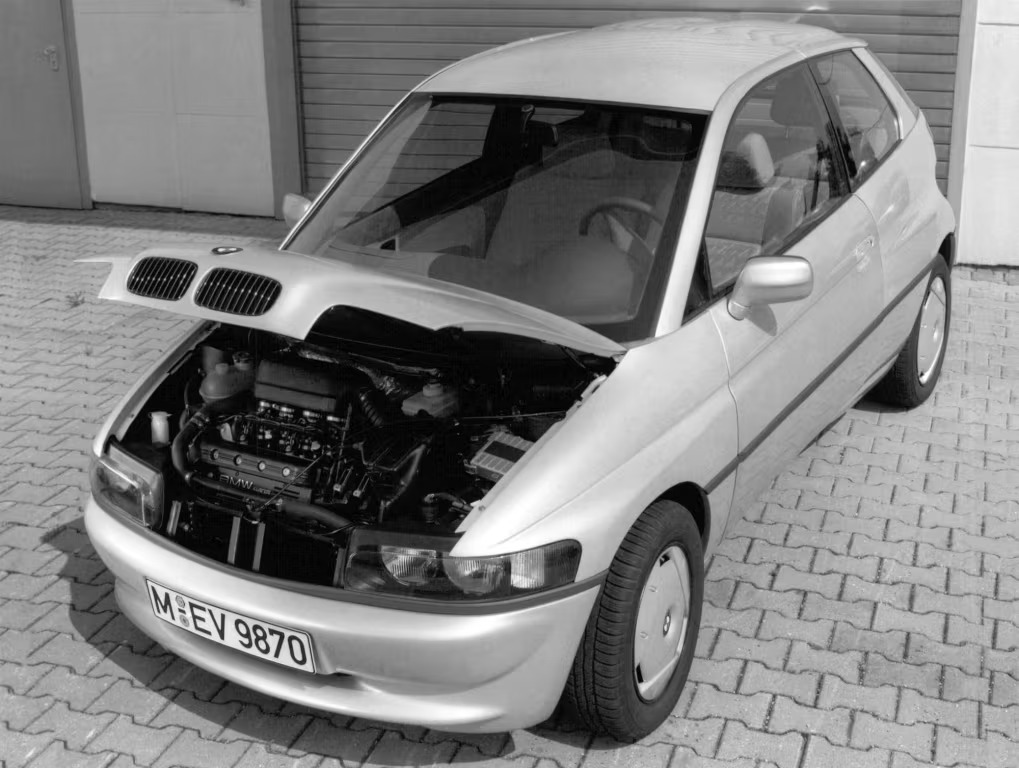
Despite the added complexity of a combustion engine, both versions retained a lightweight structure made from aluminum and plastic, continuing the construction philosophy introduced with the 1991 E1 Z11.
BMW’s experimentation with the Z15 extended further. Engineers tested a version powered exclusively by a 1.1-liter four-cylinder engine from the K1100 motorcycle and also explored the idea of a gasoline–electric hybrid, though neither of these directions advanced beyond the prototype stage.
Even so, the project yielded valuable technical insights. BMW Technik ultimately determined that battery technology still needed significant development before electric cars could become commercially viable, but the knowledge gained fed directly into the company’s long-term electric vehicle strategy.
Design played a key role in the E1 program, with Henrik Fisker deeply involved in shaping the concept cars. Joining BMW Technik in Munich in 1989, Fisker’s first assignment was the original E1 electric concept.
His influence is evident in the Z15’s futuristic yet clean exterior, which evolved the earlier design while preserving its compact proportions and 2+2 layout. Fisker sought to balance modernity with elegance, an approach that later became a hallmark of his work.
Taken as a whole, the BMW E1 Z15 concept embodied a forward-looking vision of city transportation, experimenting with electric and hybrid technologies at a time when sustainable mobility was only beginning to enter mainstream automotive thinking.