Mitsubishi MUM 500

Mitsubishi MUM 500 is one of those little‑known Japanese concepts from the early 1990s that actually explain quite well how carmakers imagined the future of urban transportation.
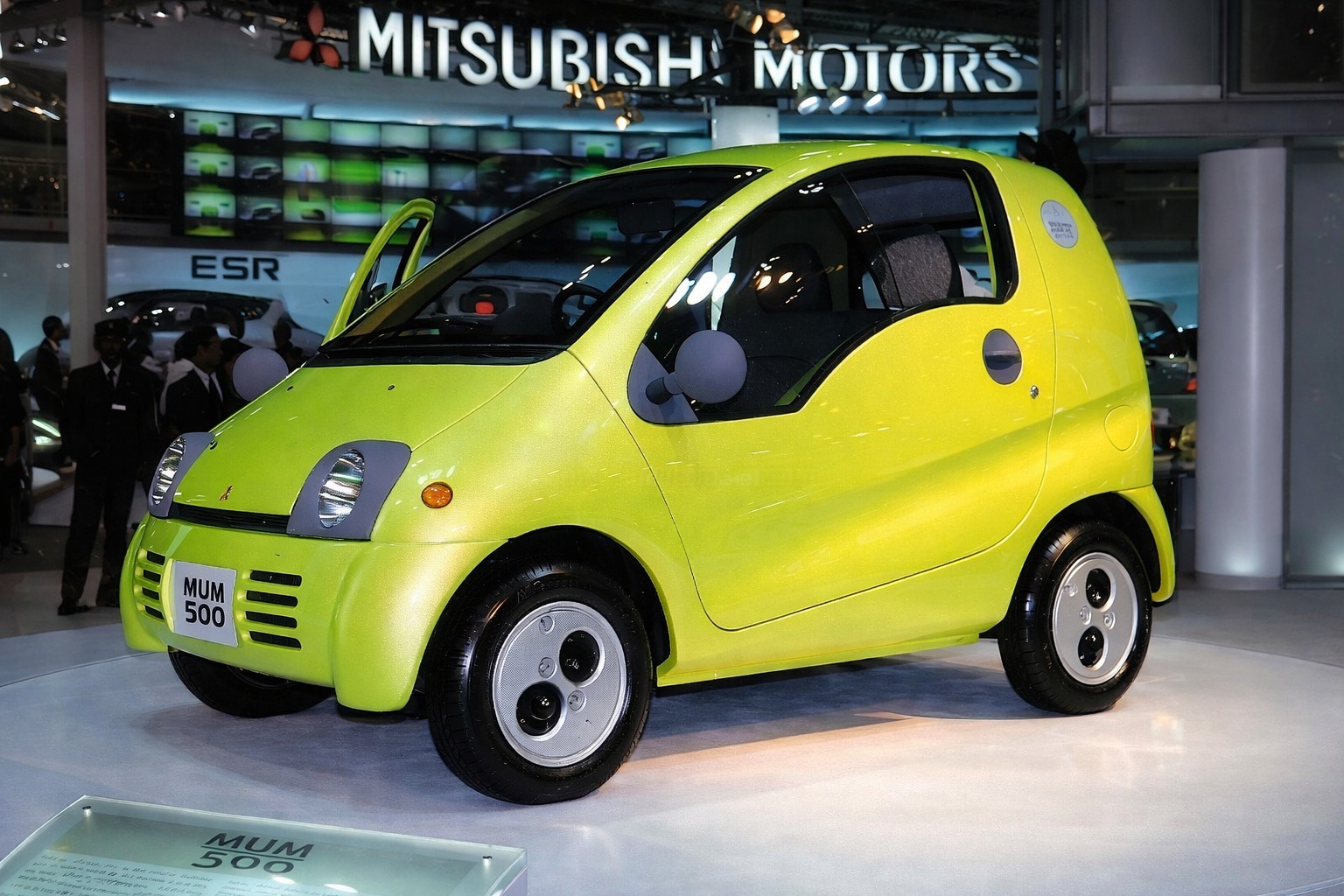
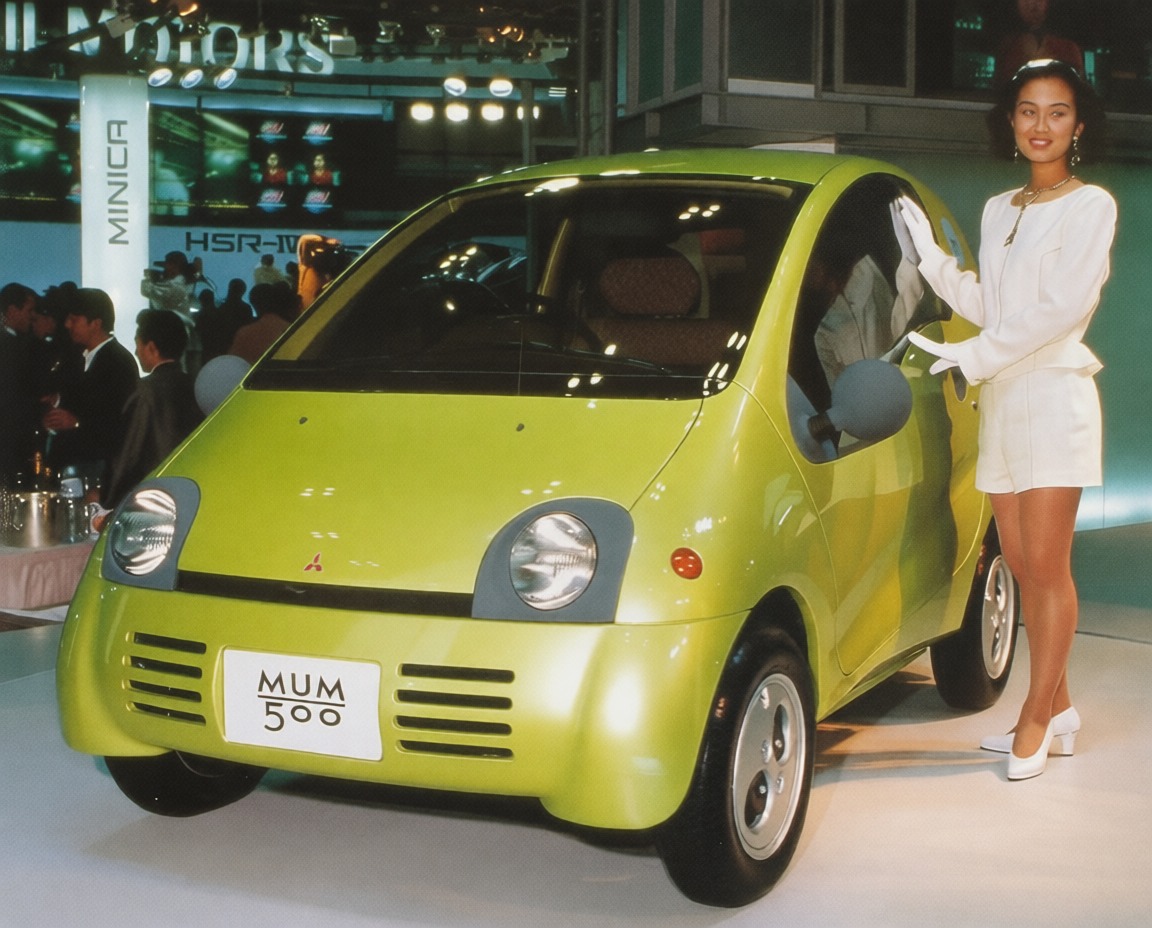
First shown at the 1993 Tokyo Motor Show, this tiny kei‑class car was conceived as a radically compact means of transport for Japan’s overcrowded megacities.
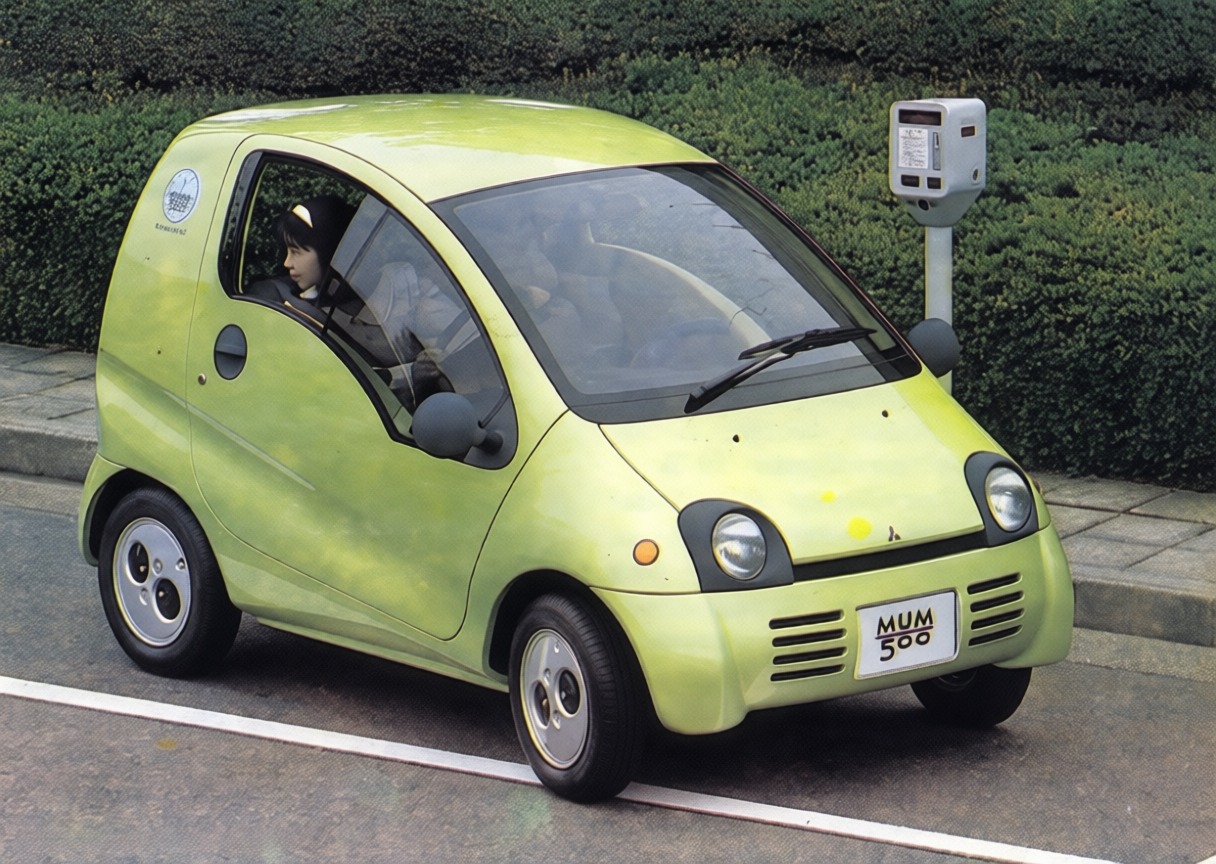
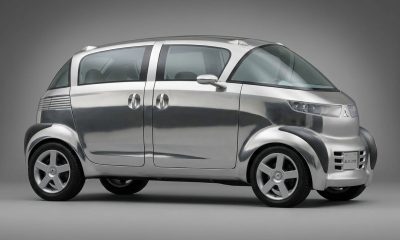
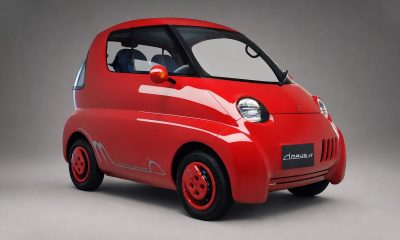
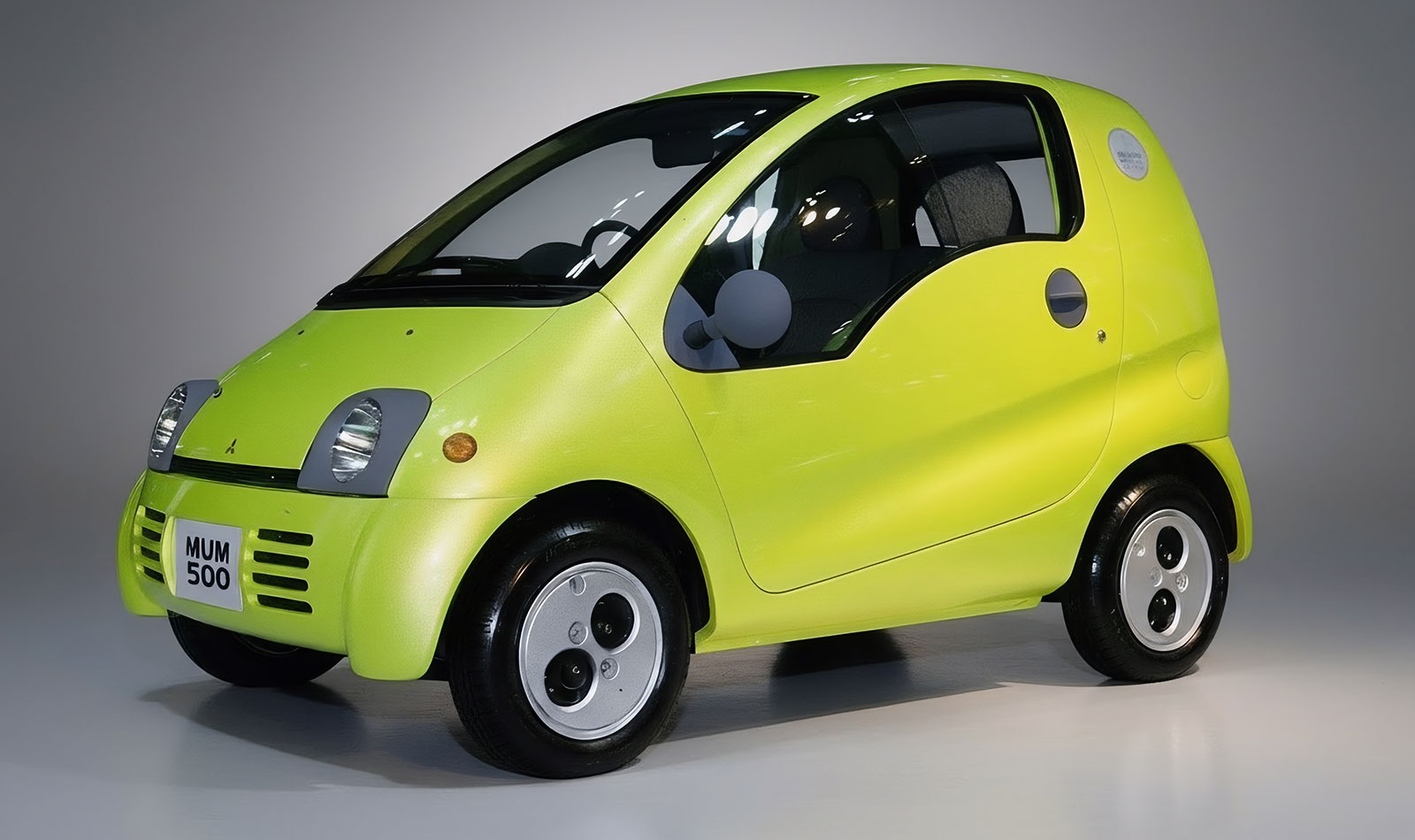
It was designed for just two people and took up a minimum of space on the road and in parking areas, while offering an unusually tall body and a maximally “vertical” use of the interior space.
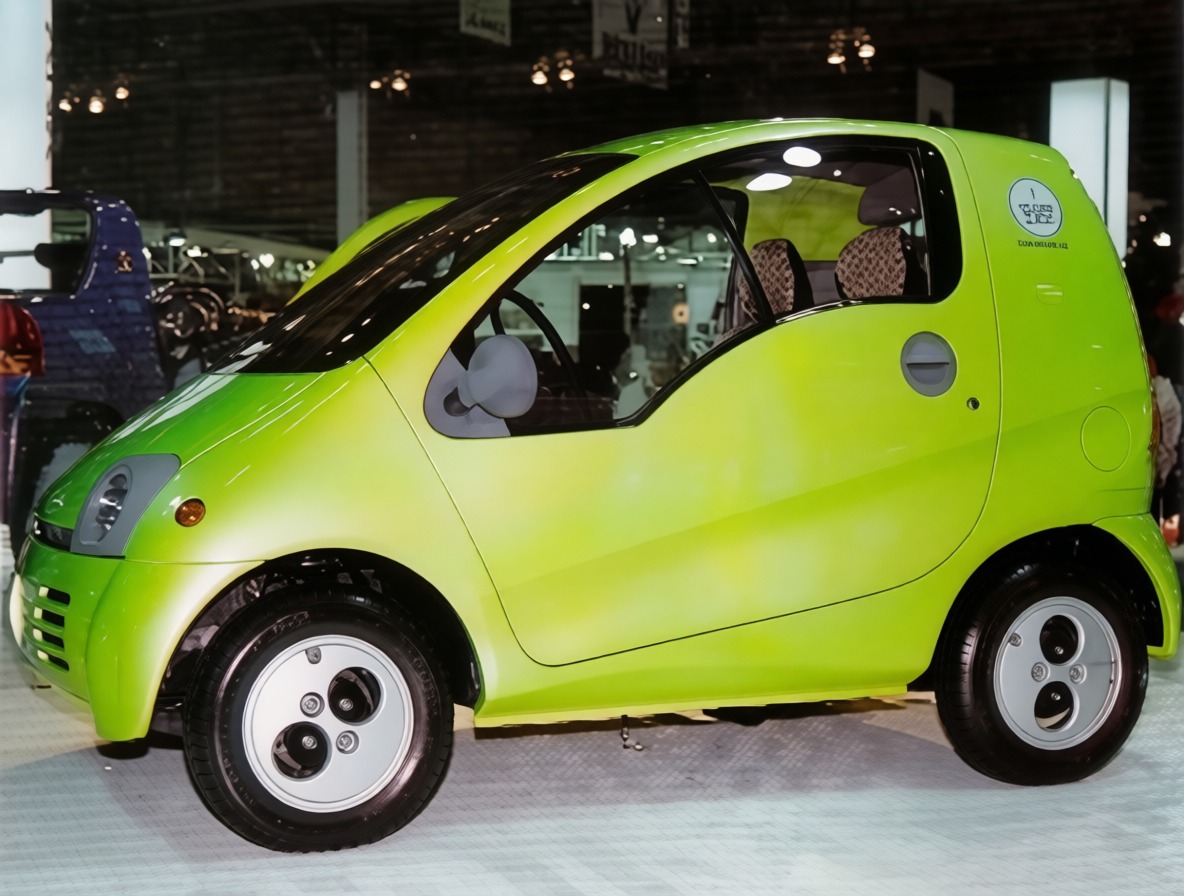
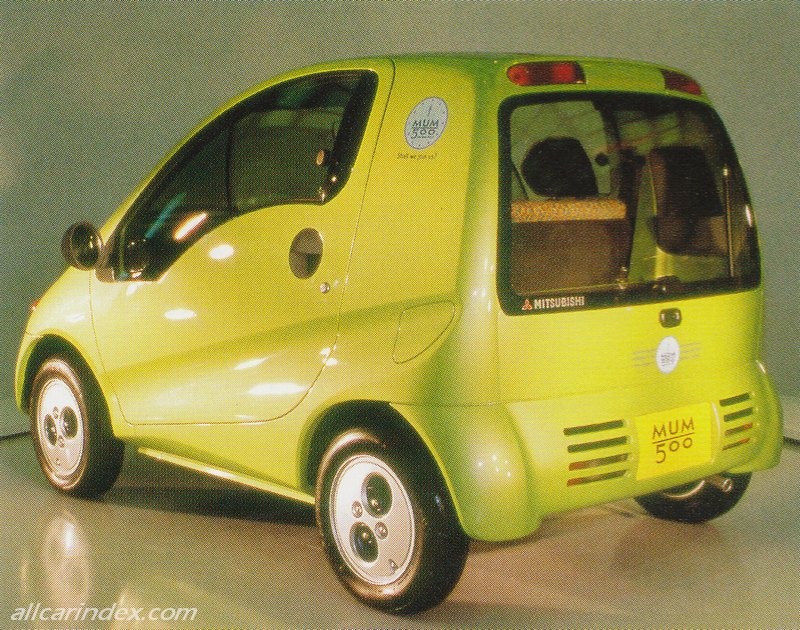
The appearance of the MUM 500 stood out because of its proportions. The body was short and tall, with minimal overhangs, which made the car look like a cross between a micro‑minivan and a capsule.
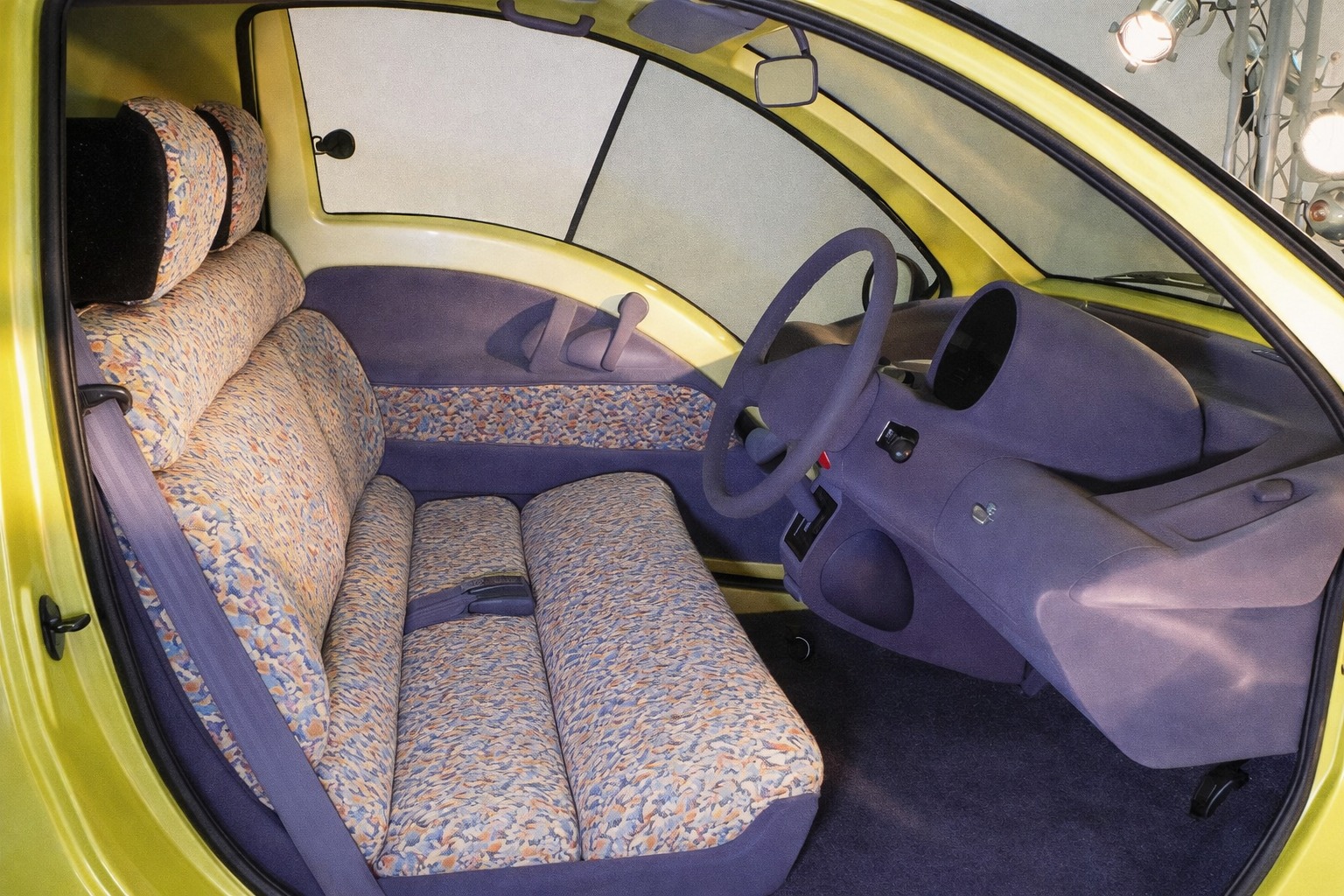
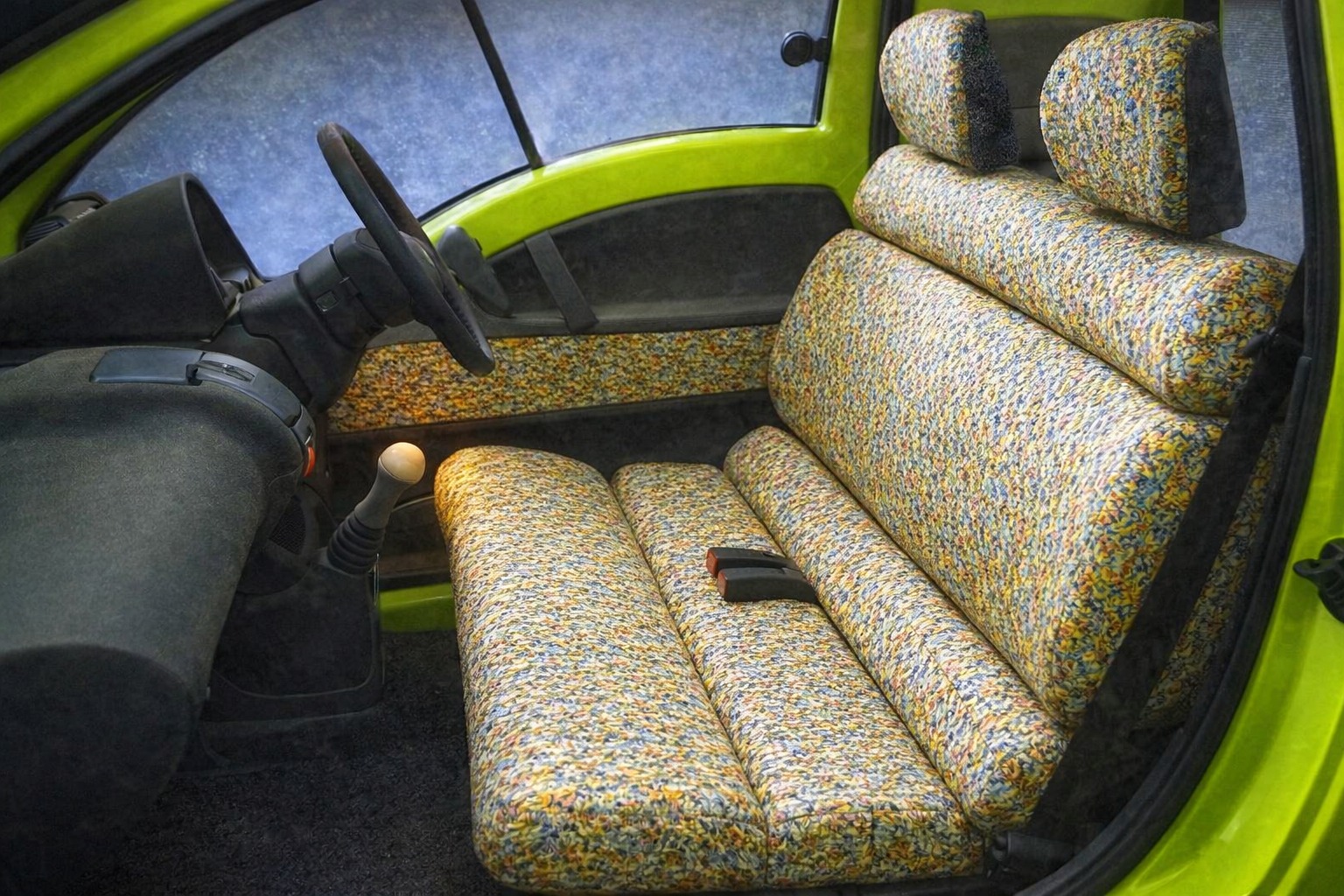
The tall “dome” of the roof allowed the driver and passenger to sit almost upright, like on a chair rather than reclining as in a regular passenger car, which made getting in and out easier in tight urban conditions. Large glass areas and a short nose improved visibility, and the simple, smooth body surfaces emphasized the utilitarian, slightly futuristic character of the prototype.

In essence, the MUM 500 was a study in extreme compactness without giving up a certain level of comfort. The kei format imposed strict limitations on overall dimensions and engine displacement, but Mitsubishi’s engineers and designers wanted to show that even within these boundaries it was possible to create a comfortable city car for two.
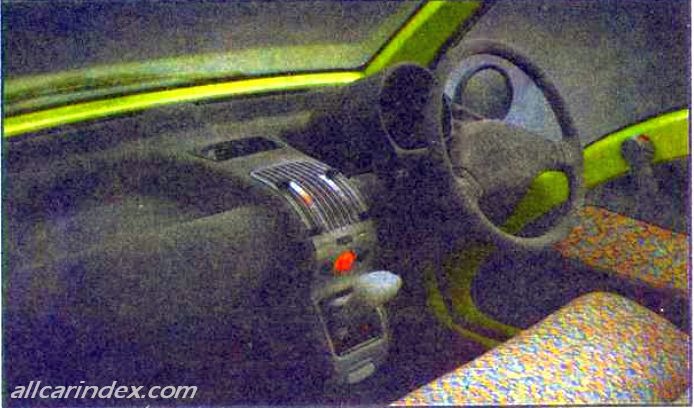
The high seating position and vertical interior layout made it possible to gain headroom and legroom despite the car’s minimal length, while the simplified, almost “modular” body architecture hinted at the potential ease of production and cost reduction for future series solutions.
It is also important to understand the context of the time. In the early 1990s, Japanese cities were already struggling with a chronic shortage of parking spaces, traffic jams, and a growing number of single‑occupant trips, when most of the time there was only one person in the car.
Concept cars like the Mitsubishi MUM 500 were an attempt to respond to these challenges: to offer a car that does not take up much space, is easy to maneuver, and exerts minimal load on infrastructure. In a sense, the MUM 500 anticipated the idea of ultra‑compact two‑seater city cars that other brands would later popularize, including the Smart Fortwo that appeared in the late 1990s.

At the same time, the MUM 500 itself remained a show car. It was equipped with a rear-mounted 3-cylinder 500 cc engine rated at 30 hp. Dimensions were 2570 x 1395 x 1500 mm, with a wheelbase of 1660 mm. Weight: 450 kg
Its role was not to give the market a specific model, but to outline Mitsubishi’s line of thinking: a shift from conventional small cars to specialized “urban tools” for short trips, where convenience in a dense city environment matters more than speed or range.
Today, the MUM 500 is remembered mainly by fans of unusual cars—as an interesting, somewhat forgotten step in the evolution of urban mobility and a characteristic example of how boldly Japanese companies experimented with the shape and format of the automobile in the 1990s.