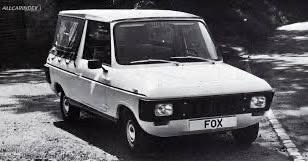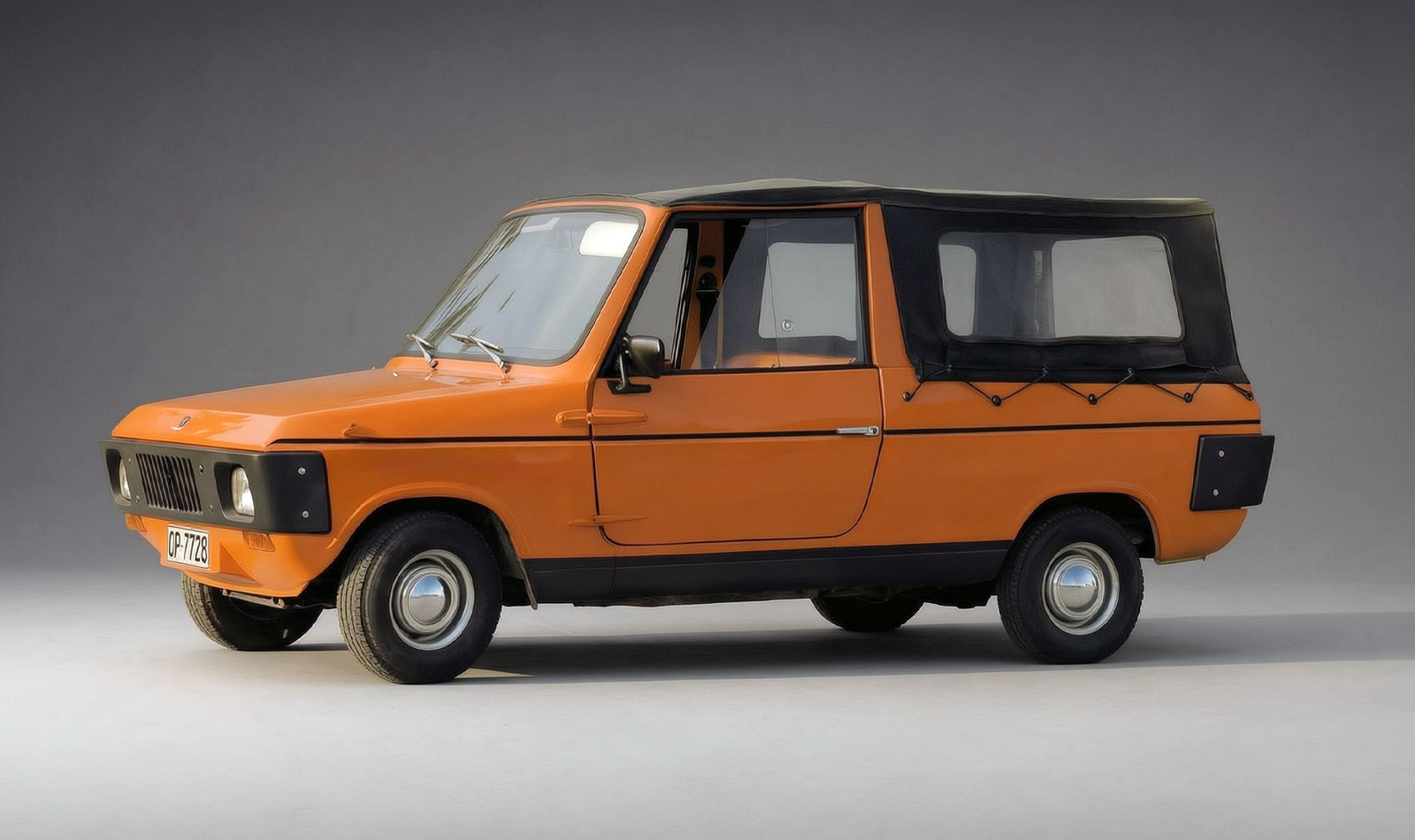
MEBEA Fox

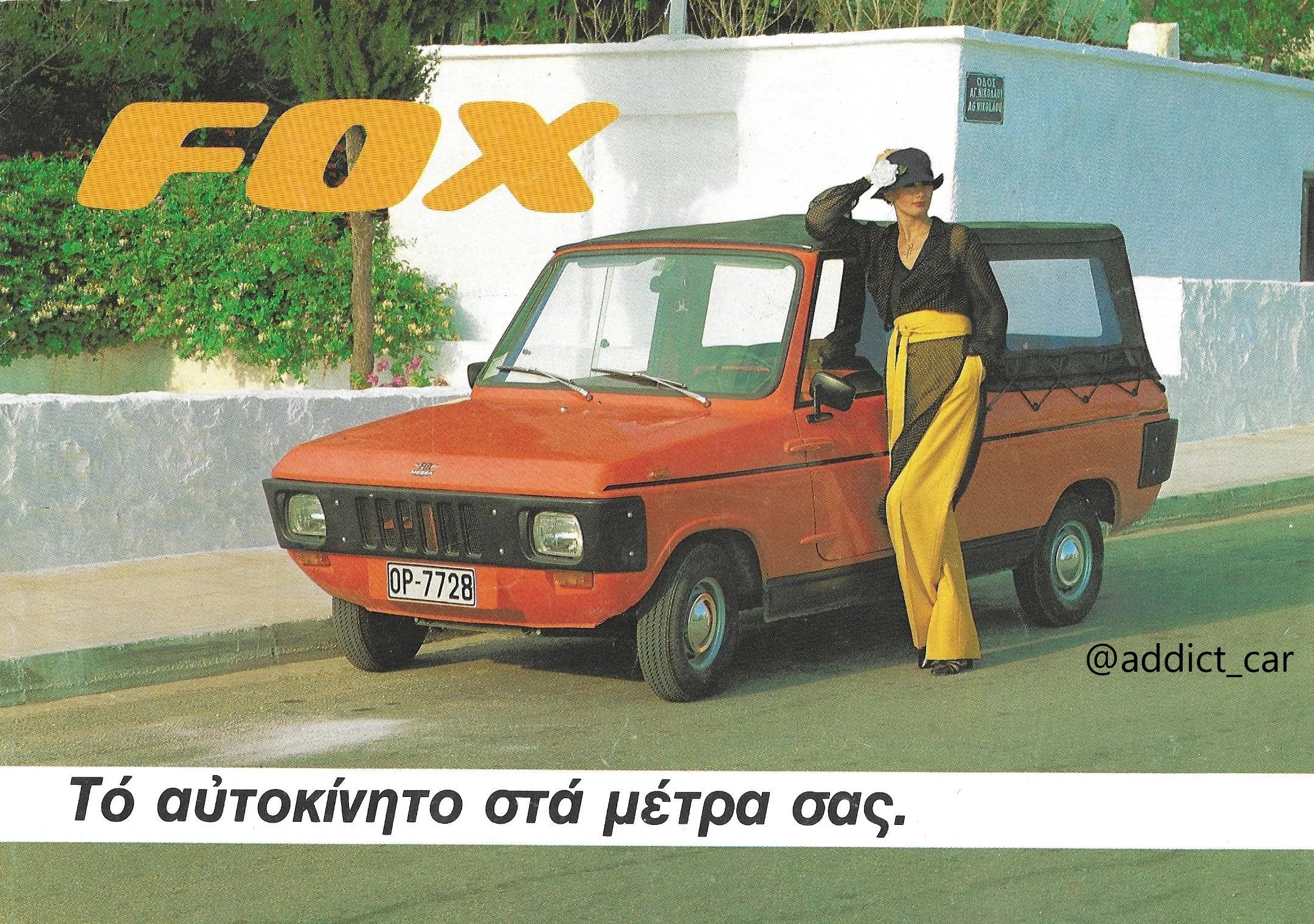
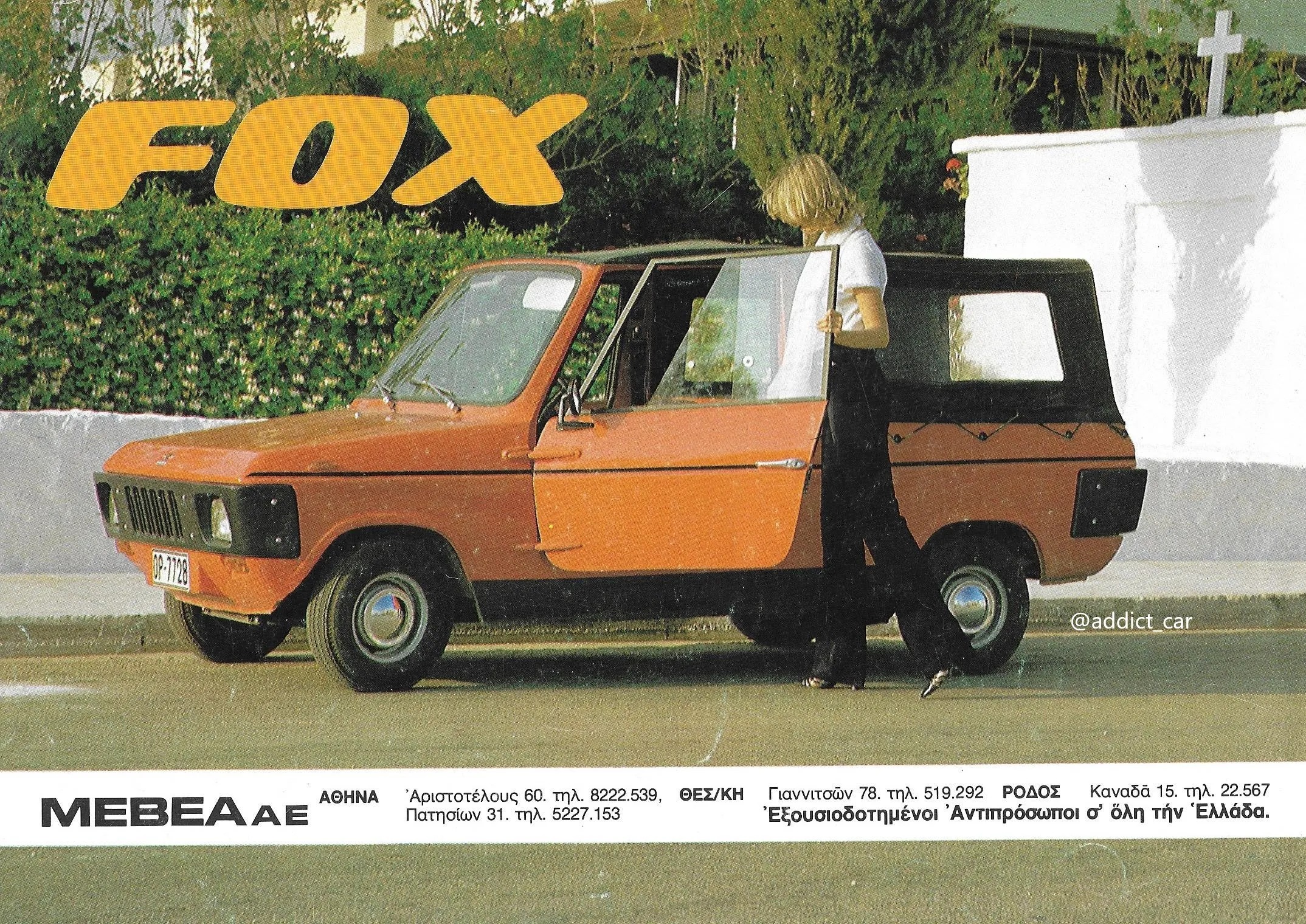
MEBEA Fox was a small Greek utility vehicle launched in 1979 and developed in cooperation with Reliant, building on a long-running relationship between the two companies.
It emerged at a time when Greece had a strong market for light, practical vehicles, and it joined other locally relevant utility models such as the Pony and the Farma.
The Fox was originally created by MEBEA on a modified Reliant Kitten chassis, engine, and running gear, but the final project was certified as a joint development with Reliant to help navigate Greek regulations for passenger vehicle production.
MEBEA’s earlier experience assembling Reliant three-wheelers in Greece made the partnership a natural one, and the Fox became the company’s own four-wheeled answer to the demand for a vehicle that offered car-like usefulness while still fitting the country’s tax classification for light commercial vehicles.
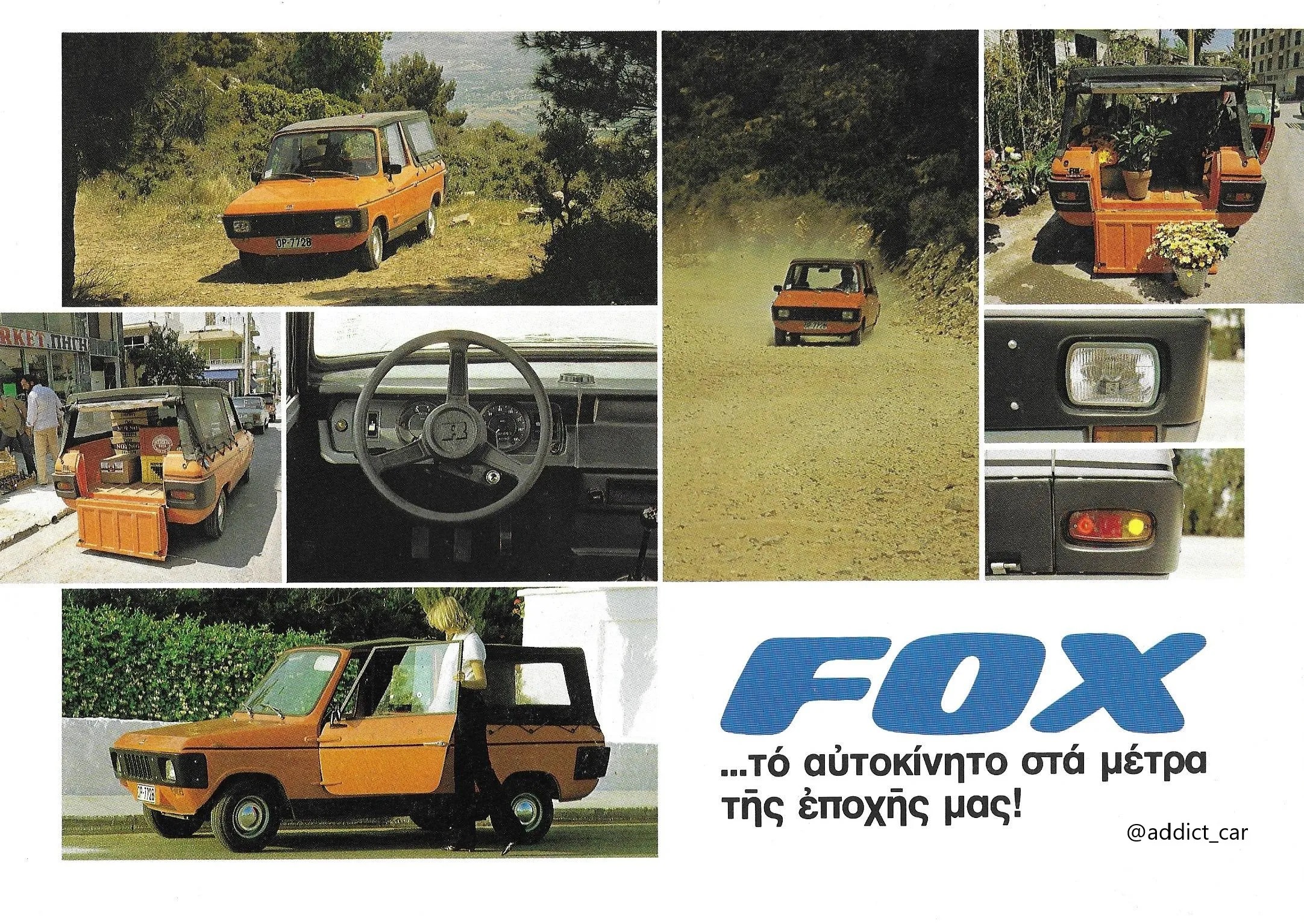
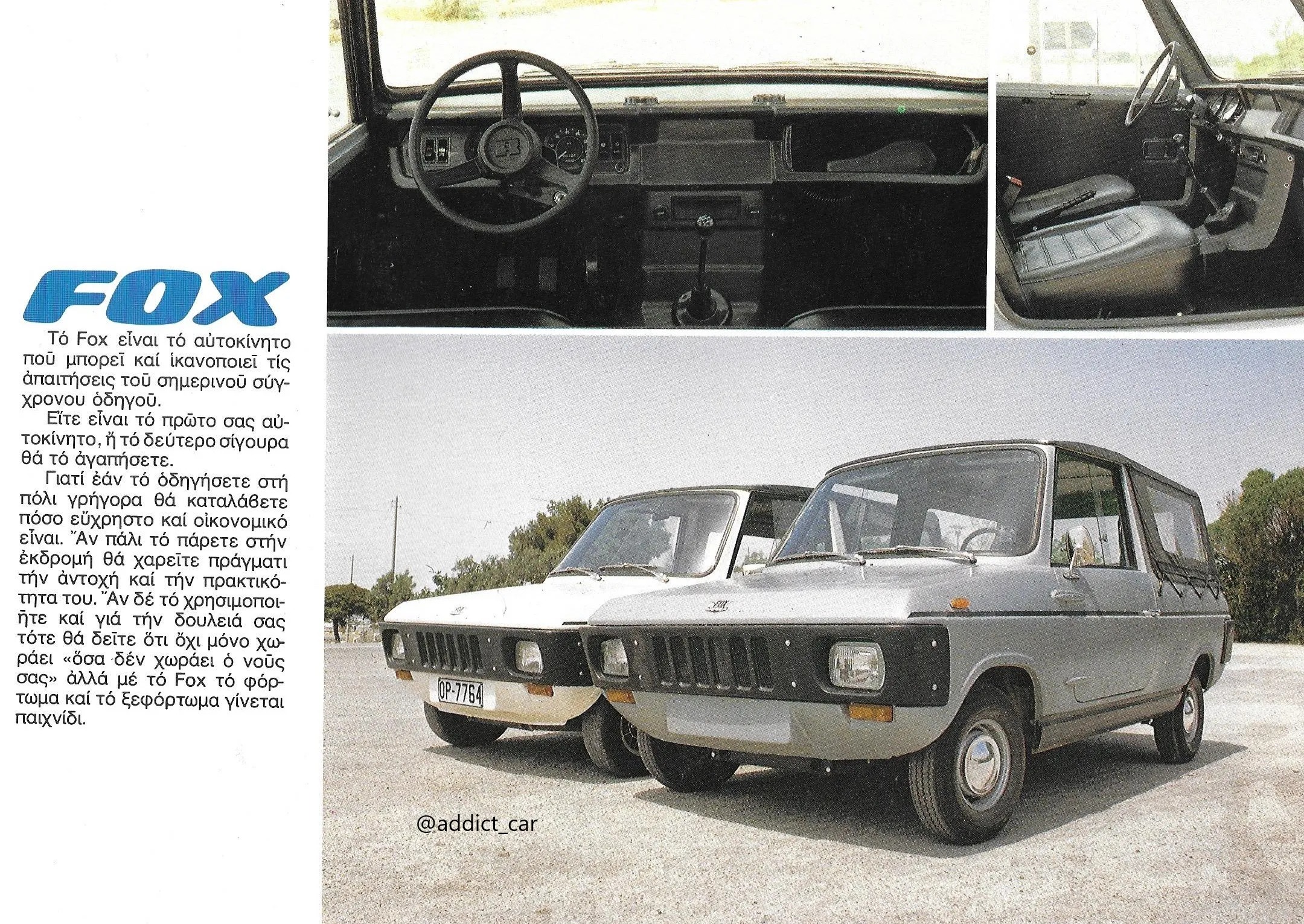
Its body was made from GRP, and the concept was deliberately versatile. Depending on the version, the Fox could be configured as a van, estate, or convertible, with a canvas-covered rear and removable back seat among the later UK-market features.

The design was aimed at practicality rather than style, but it had the flexibility needed for both work and leisure use.
The model sold well in Greece until 1983, when changes to taxation laws removed the advantage of classing it as a utility vehicle. Once that happened, prices rose sharply and sales collapsed. Around 3,000 Foxes had been sold by then, and the model was effectively finished in its original market.
Reliant then decided to continue the Fox in Britain, moving production to Tamworth and selling it there from 1983 to 1990. The British version used an 848 cc engine and retained the glassfibre body, while a removable rear seat and canvas rear section kept the car’s modular character intact. Despite its versatility, only about 600 examples were sold in the UK.
The Fox was one of the last products of MEBEA’s cooperation with Reliant, and its decline marked the end of the company itself soon afterward. What began as a practical Greek utility car ended up becoming a rare example of a cross-border micro-utility project shaped as much by tax policy as by engineering.