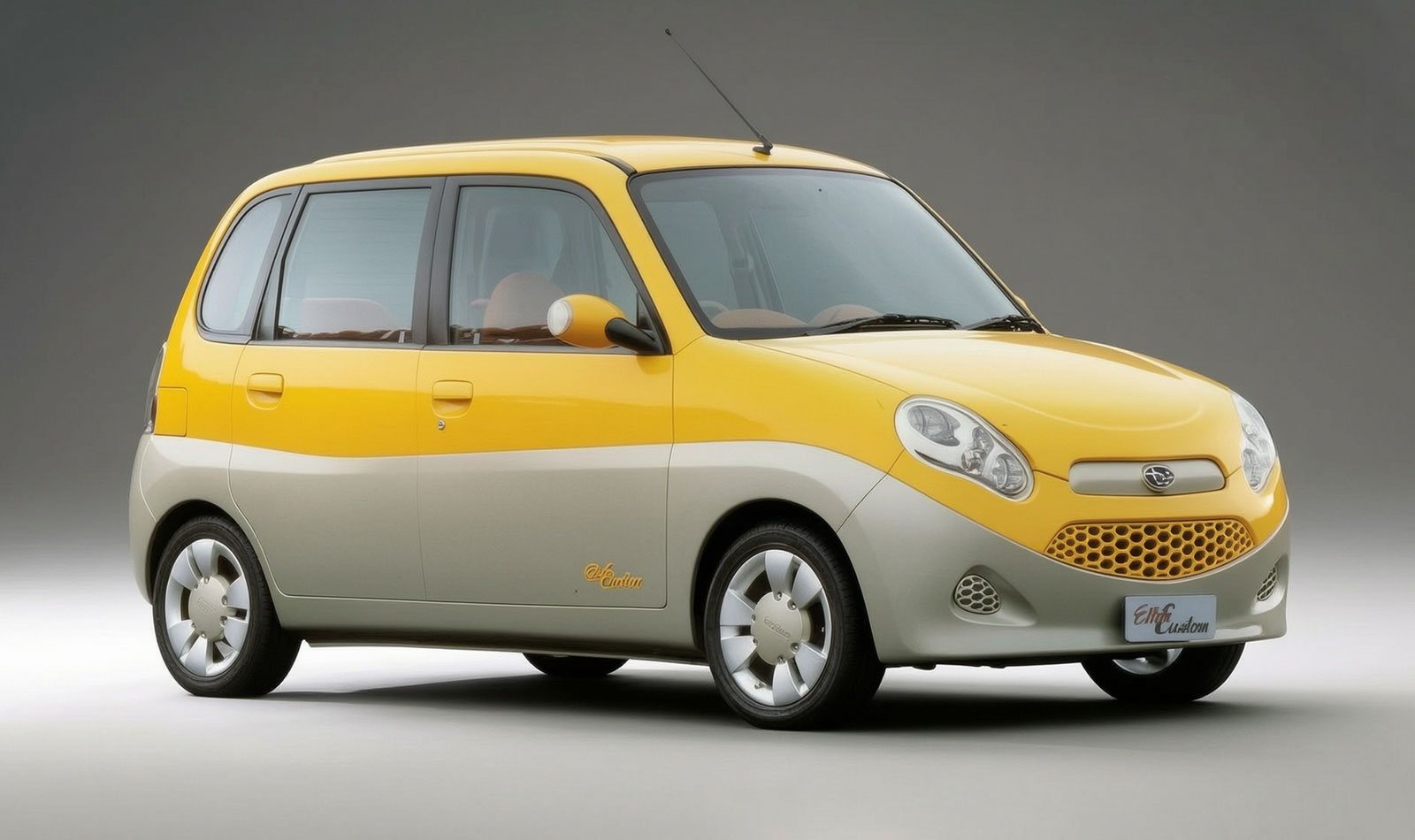
Subaru Elten Custom

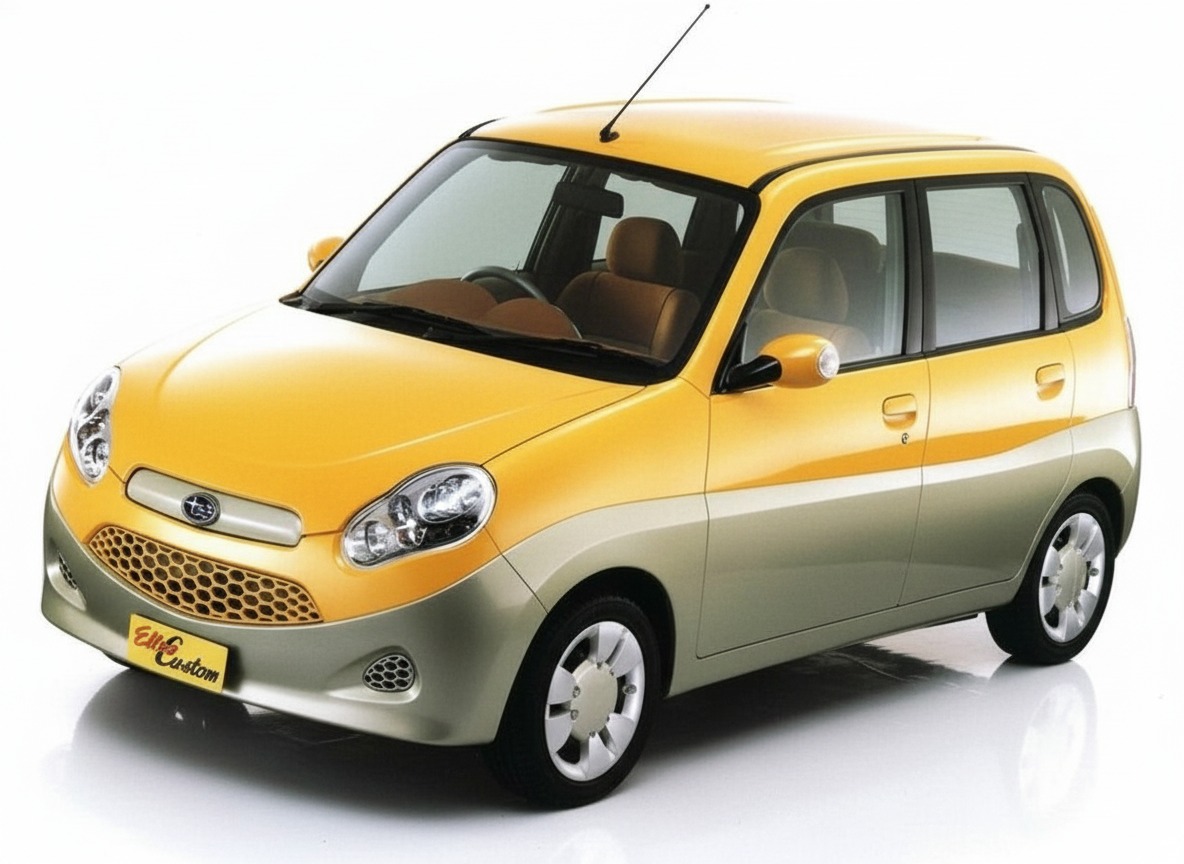
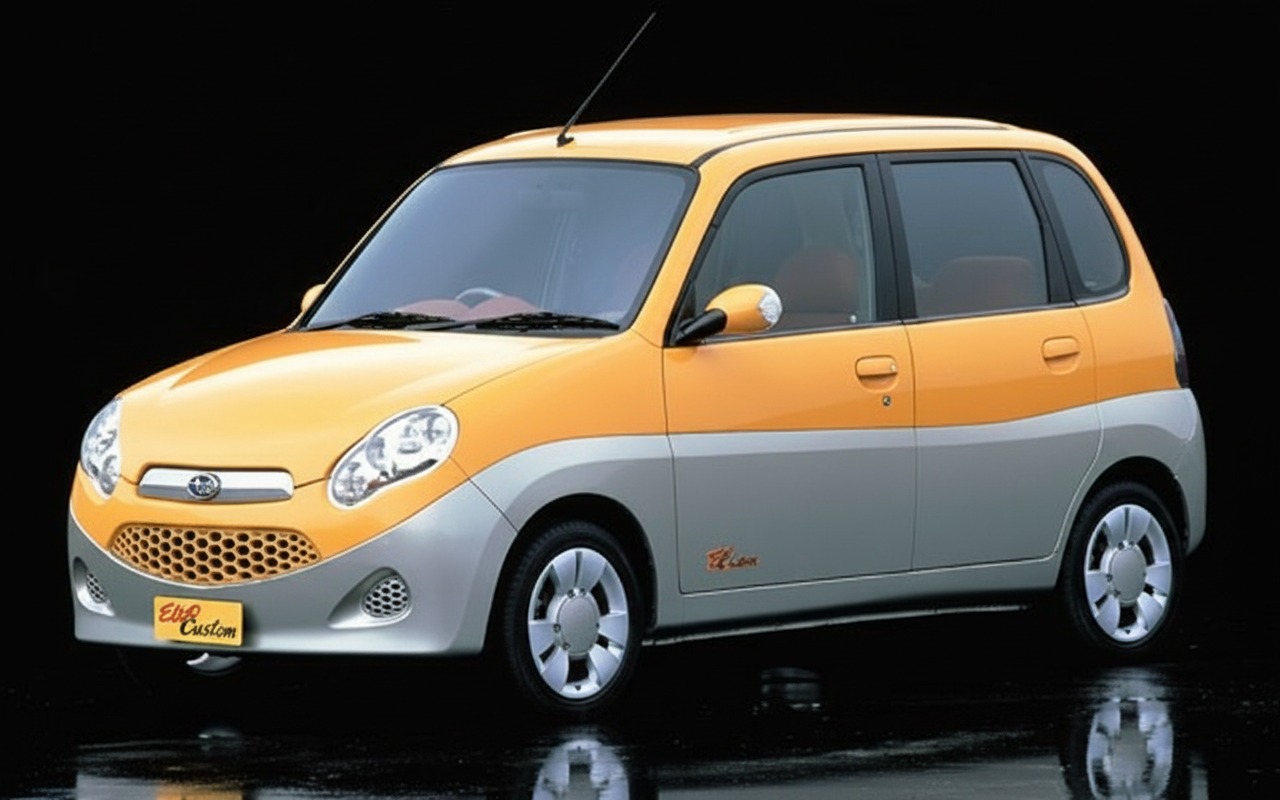
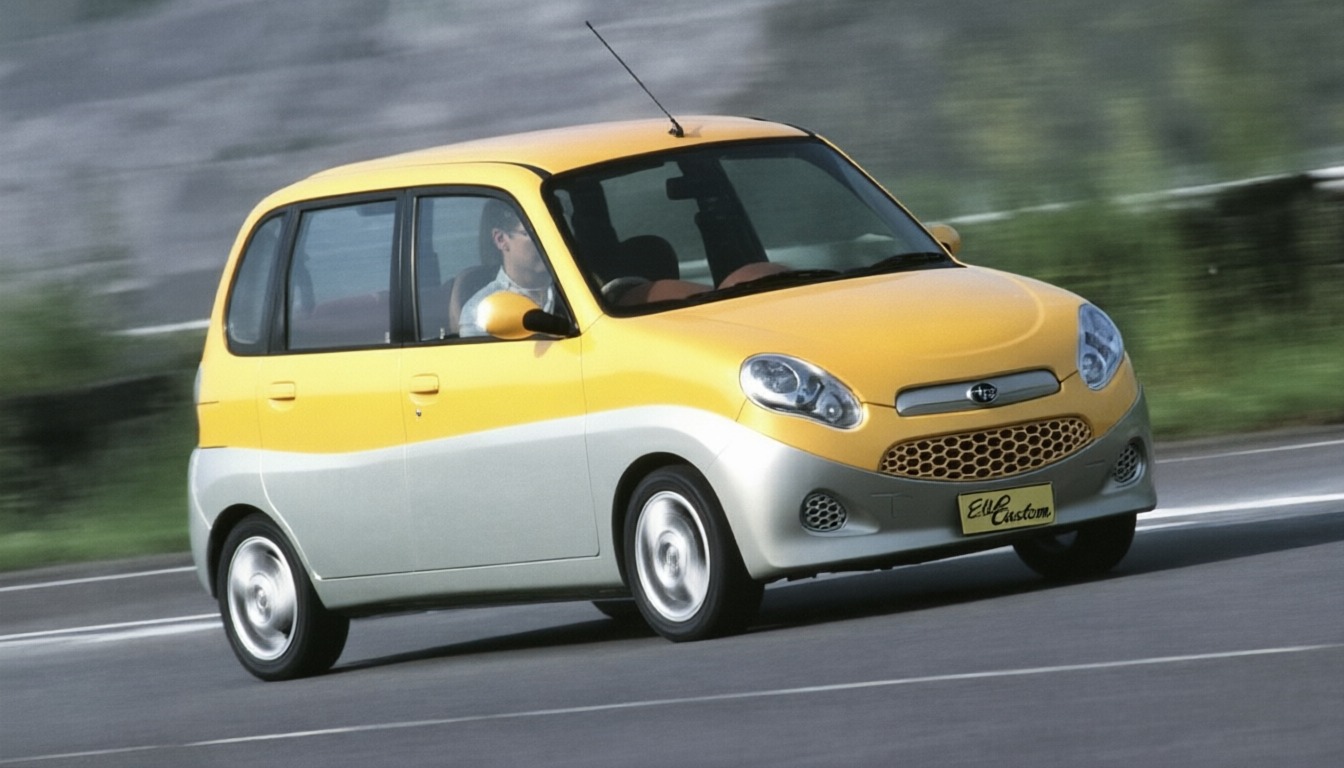
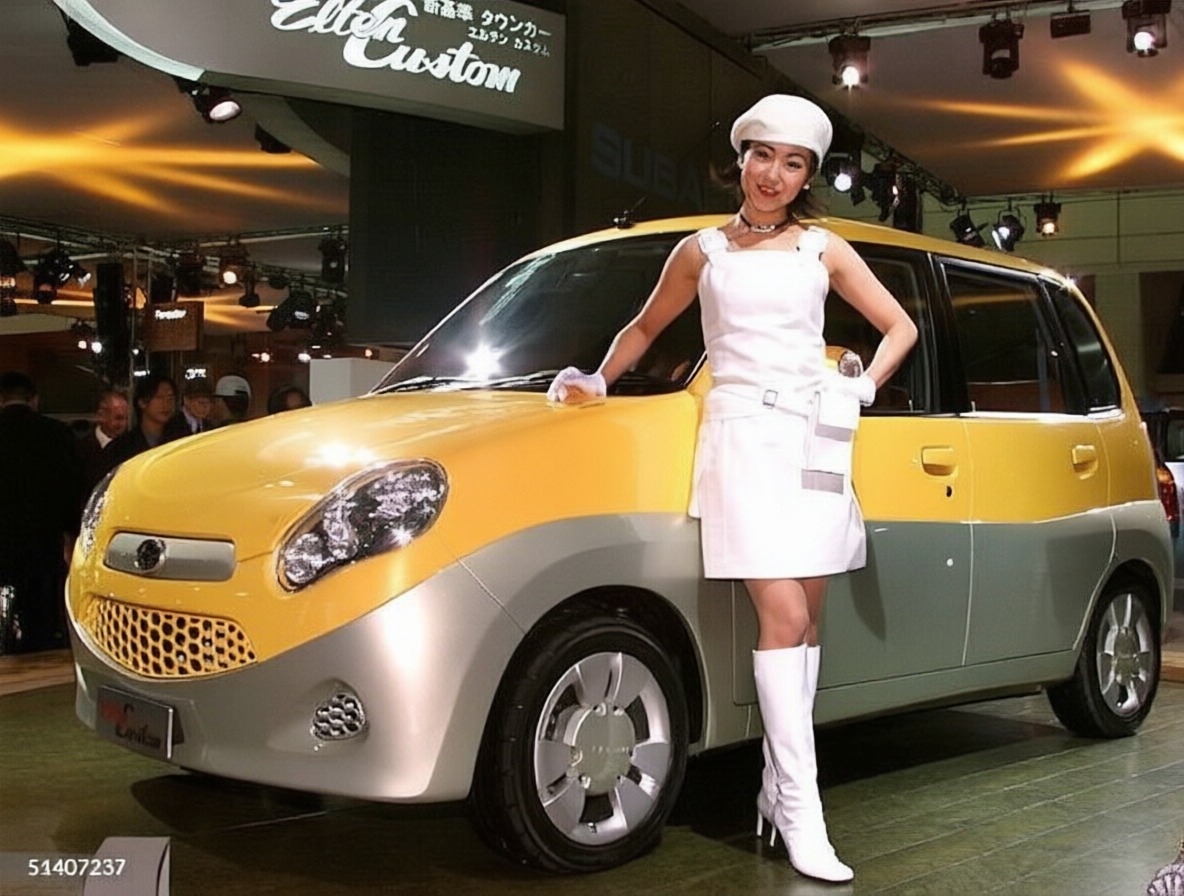
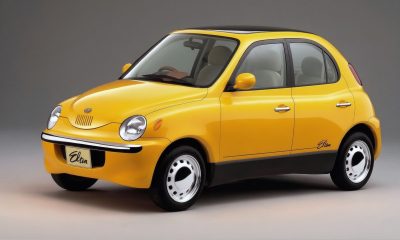
The Subaru Elten Custom was a 1999 Tokyo Motor Show concept that presented Subaru’s idea of a compact city vehicle for the 21st century.
Developed under the original Japanese name スバル エリテン カスタム, it was built as a hybrid four-wheel-drive hatchback with a clear focus on urban usability, stable packaging, and the kind of everyday drivability Subaru wanted to associate with its future compact cars.
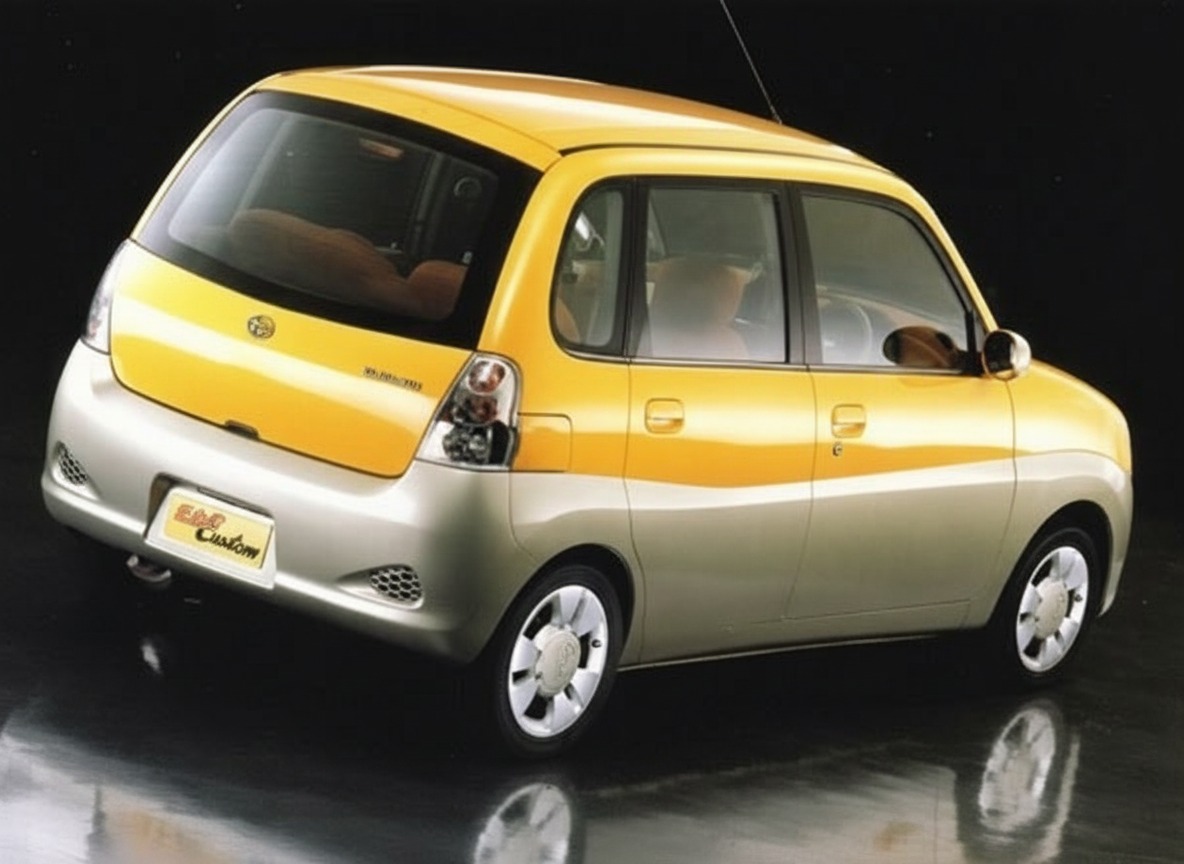
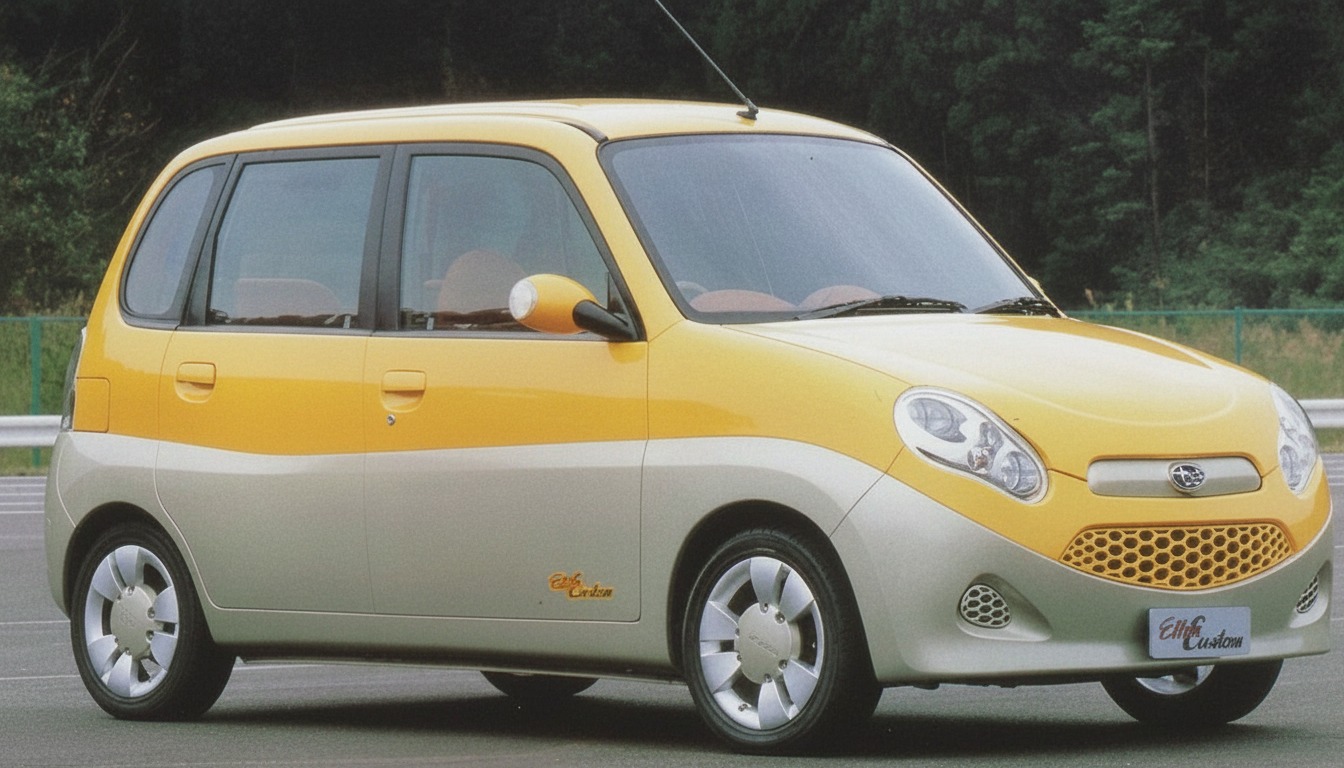
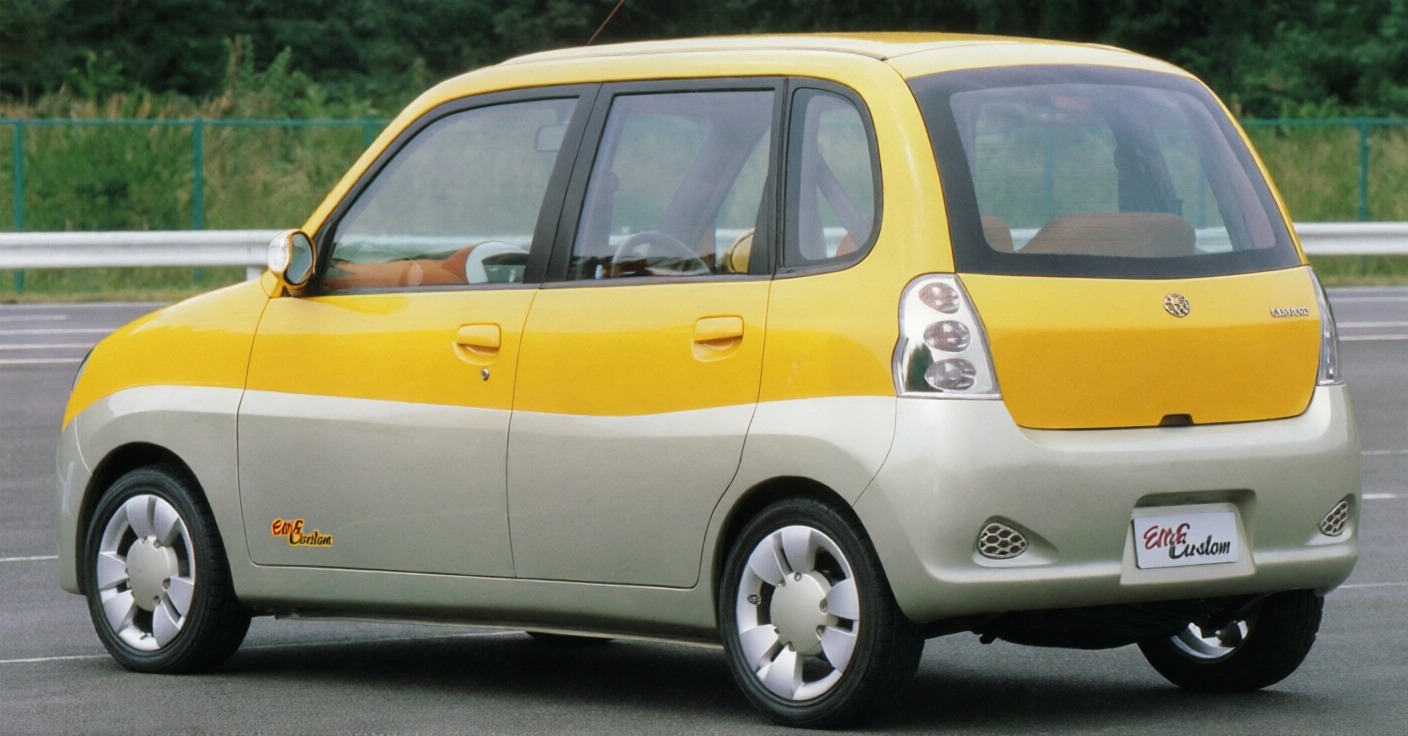
Its body carried over the basic Elten theme but used a more mature hybrid layout and a shape tuned for city use.
Subaru described it as a new-generation city vehicle with compact hybrid power, good high-speed and dynamic performance, and a balanced relationship between height, length, width, and visibility. Large windows gave it a wide panoramic view, while the overall proportions were intended to make it easy to handle and comfortable in tight urban traffic.
The Elten Custom measured 3,440 mm in length, 1,520 mm in width, and 1,525 mm in height, with a wheelbase of 2,310 mm and a curb weight of 920 kg. It seated four passengers.

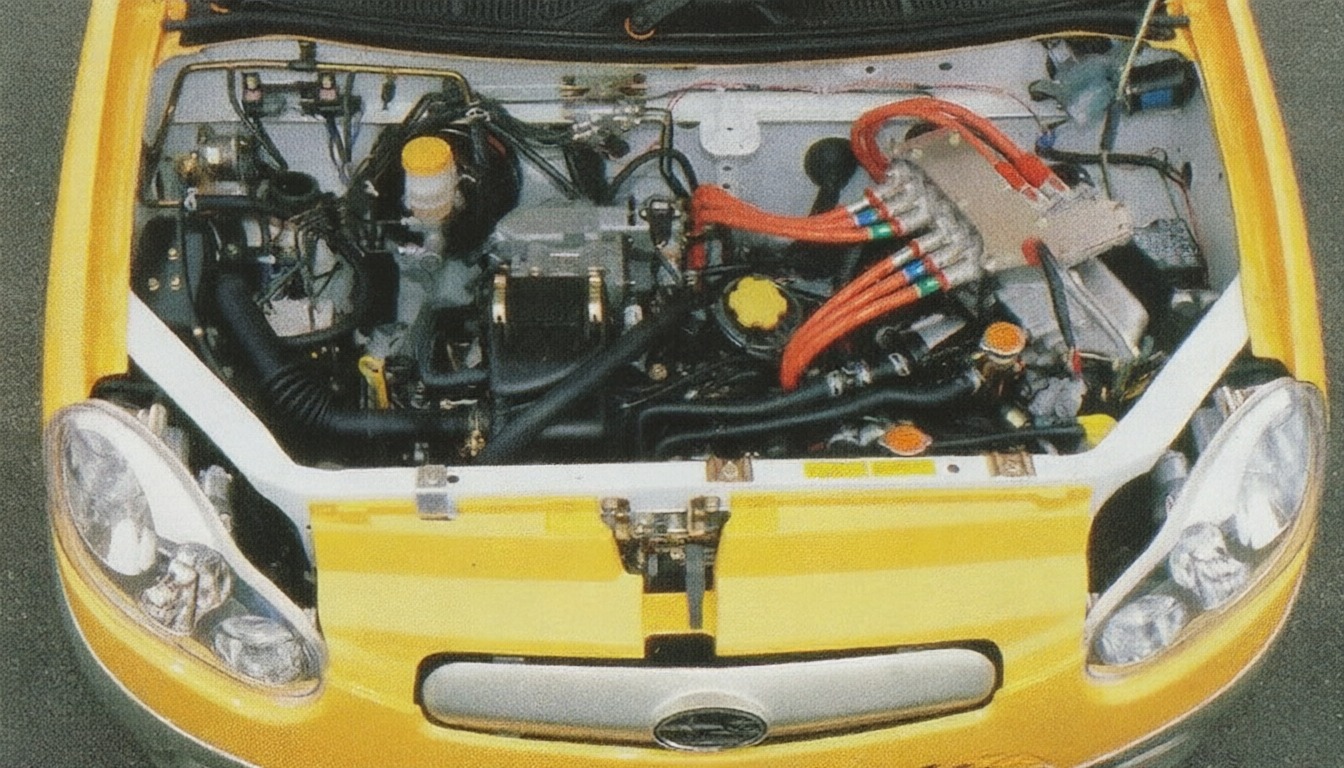
Power came from a front-mounted 658 cc inline four-cylinder SOHC gasoline engine rated at 42 hp at 6,000 rpm and 50 Nm at 5,000 rpm. The hybrid system used Subaru’s SHPS architecture, combining the gasoline engine with two electric motors, a torque divider, CVT, inverter, and nickel-metal hydride batteries.
Compared with the earlier Elten concept, the Custom version used two motors, one for driving and one for charging, and could operate in both series-hybrid and parallel-hybrid assist modes. Japanese sources also mention a 10-15 mode fuel consumption figure of 33.0 km/l and note that the body was based on the Subaru Pleo kei car.
A solar-cell roof and battery charging support were also part of the concept’s energy-management approach, reinforcing Subaru’s attempt to make the car feel as advanced as a modern efficiency-focused city car.
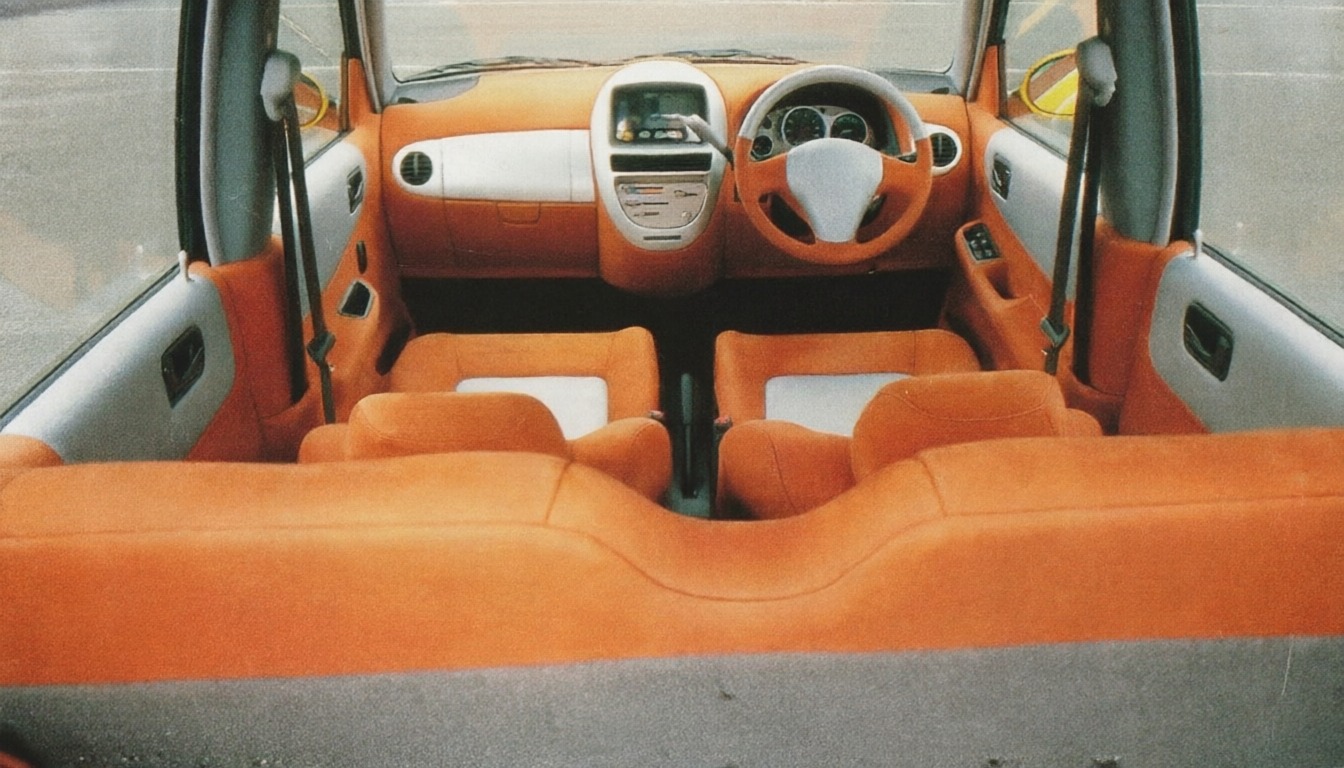
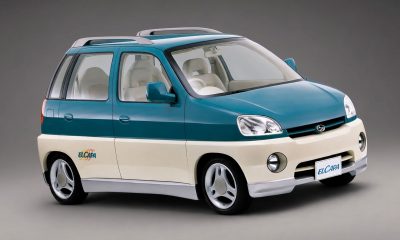
The design itself was meant to feel friendly and contemporary rather than aggressive. Subaru highlighted a well-balanced shape, a roomy cabin for four adults, and a coordinated interior with bright colors and a comfortable atmosphere. RFRB concept parts gave the front and rear bumpers a simple but sturdy appearance, while aero rails emphasized the roofline and the car’s compact, efficient character.