

Smart #2

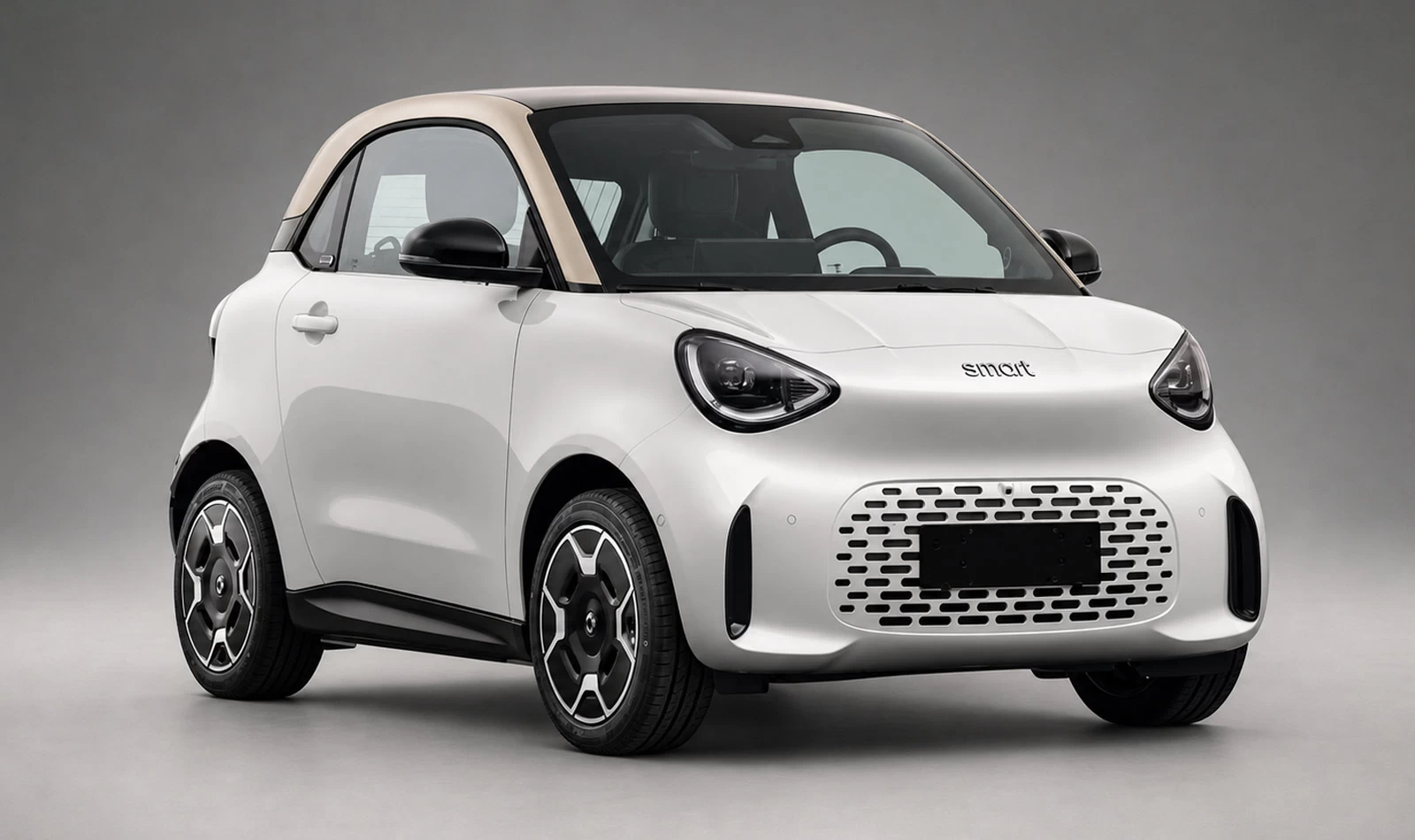
The new Smart #2 is a two-seat micro EV jointly developed by Geely and Mercedes-Benz and designed as a direct successor to the Smart Fortwo.
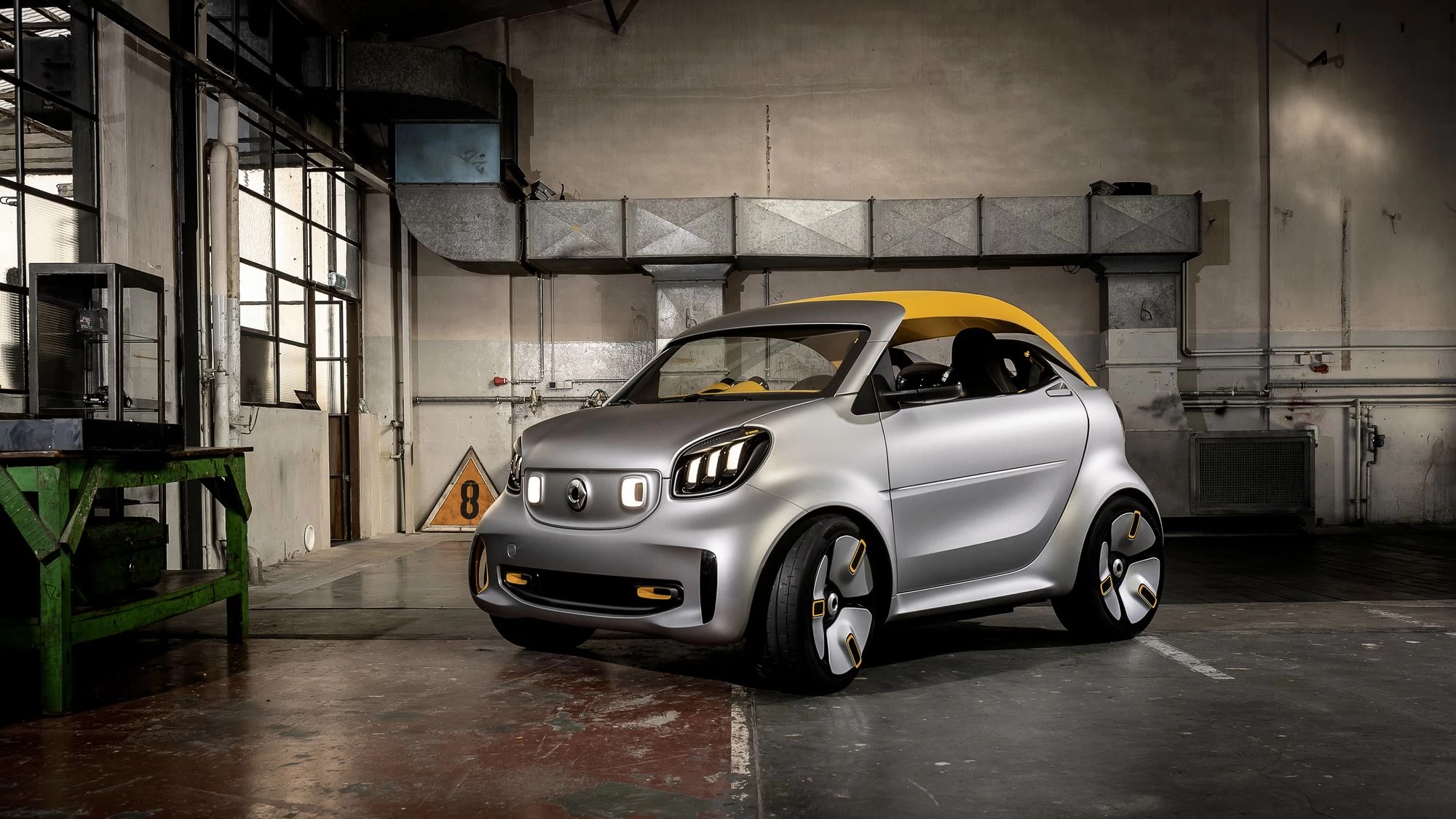
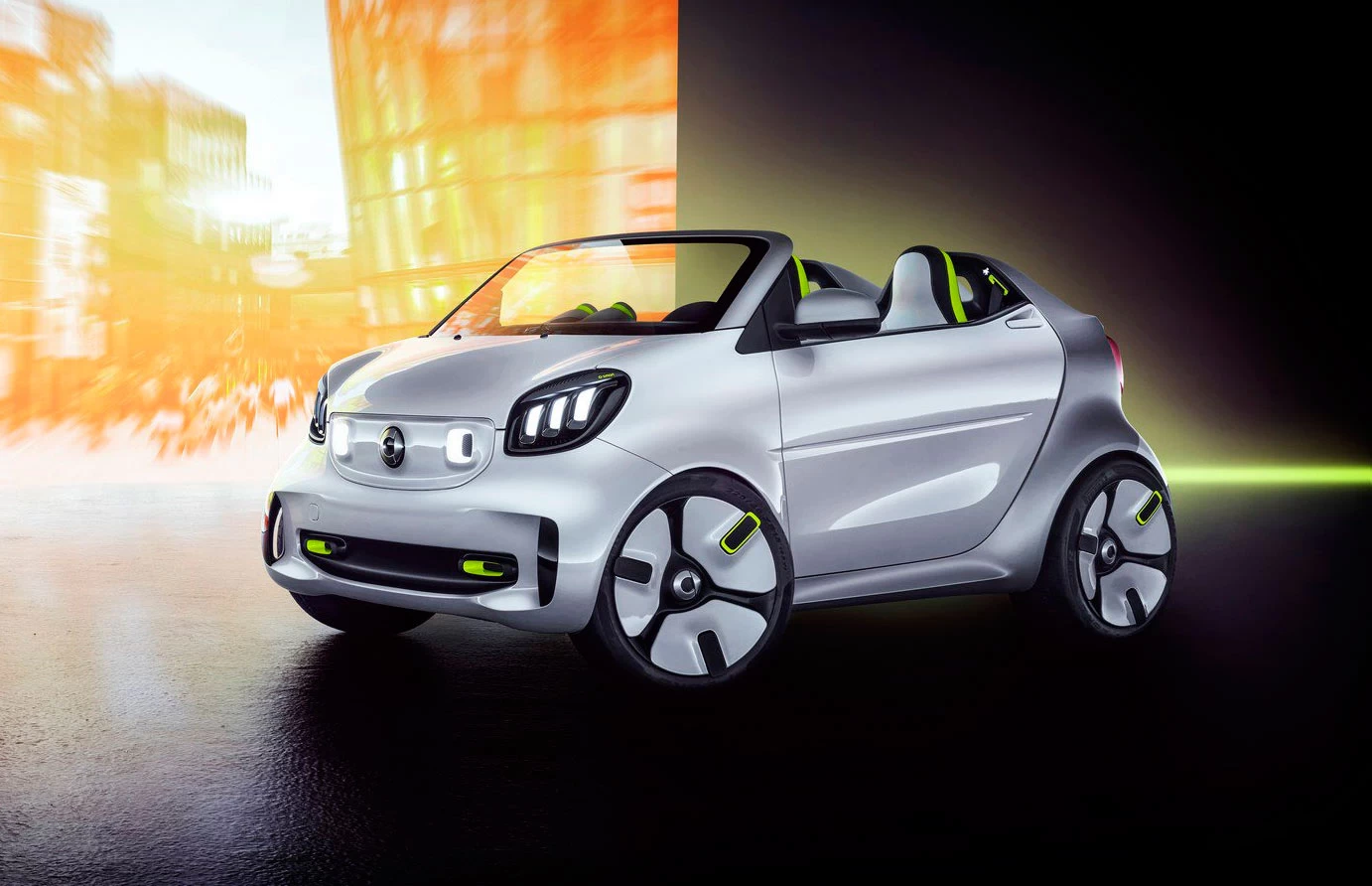
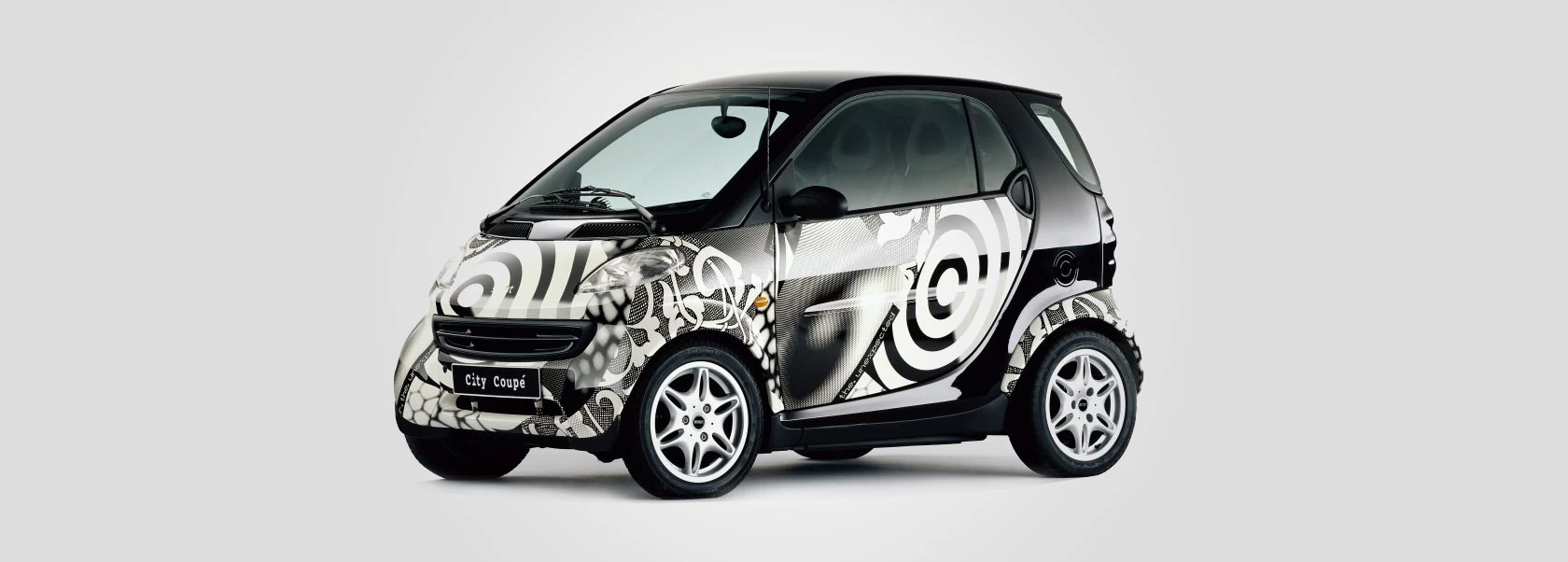
The original two-seater city car, introduced 30 years ago and later known as the Fortwo, was discontinued in 2024. The production Smart #2 debuted at the Paris Motor Show six months after the Smart Concept #2, retaining the basic idea of a compact urban EV while adopting a more restrained production design.
The car is produced by Zhejiang Haoqing Automotive Co., Ltd. and is intended as a compact urban commuter with room for two passengers. It will be offered in two body-length versions, measuring 2,751 mm and 2,764 mm respectively. Both variants are 1,669 mm wide and 1,555 mm tall, with a 1,875 mm wheelbase. The car has a curb weight of 1,130 kg and a gross vehicle weight of 1,315 kg, while its top speed is rated at 140 km/h.
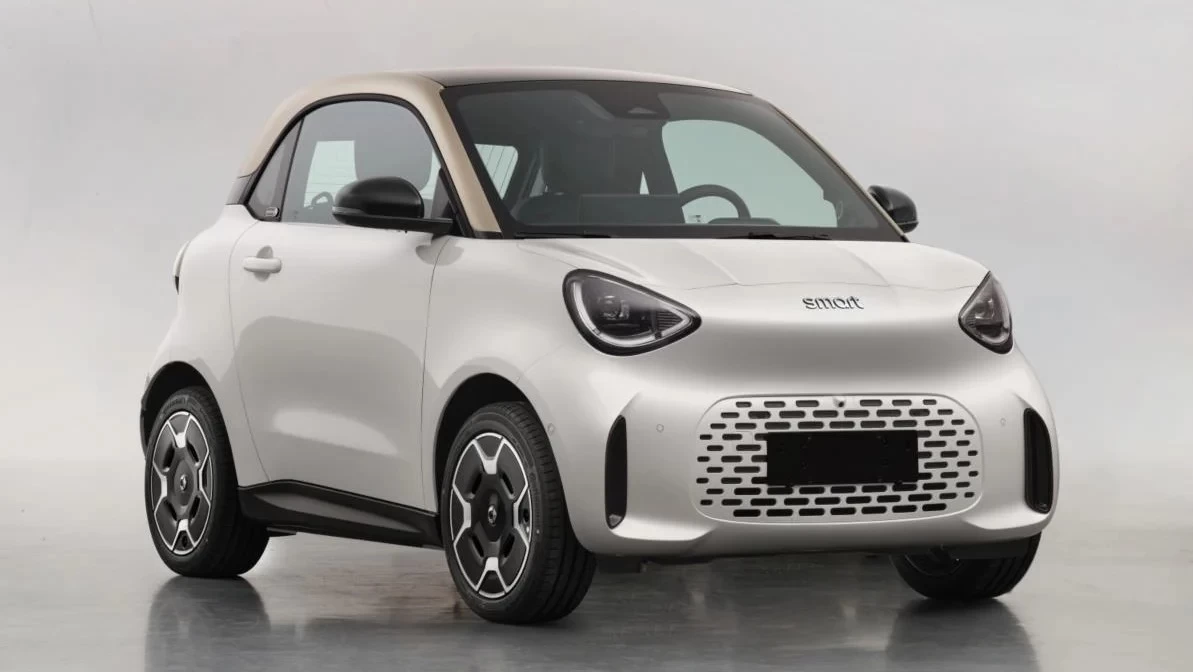
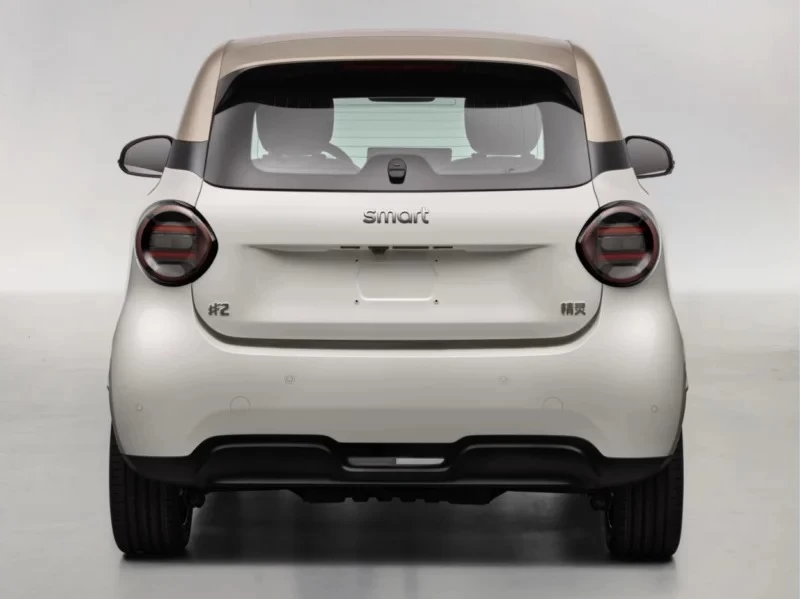
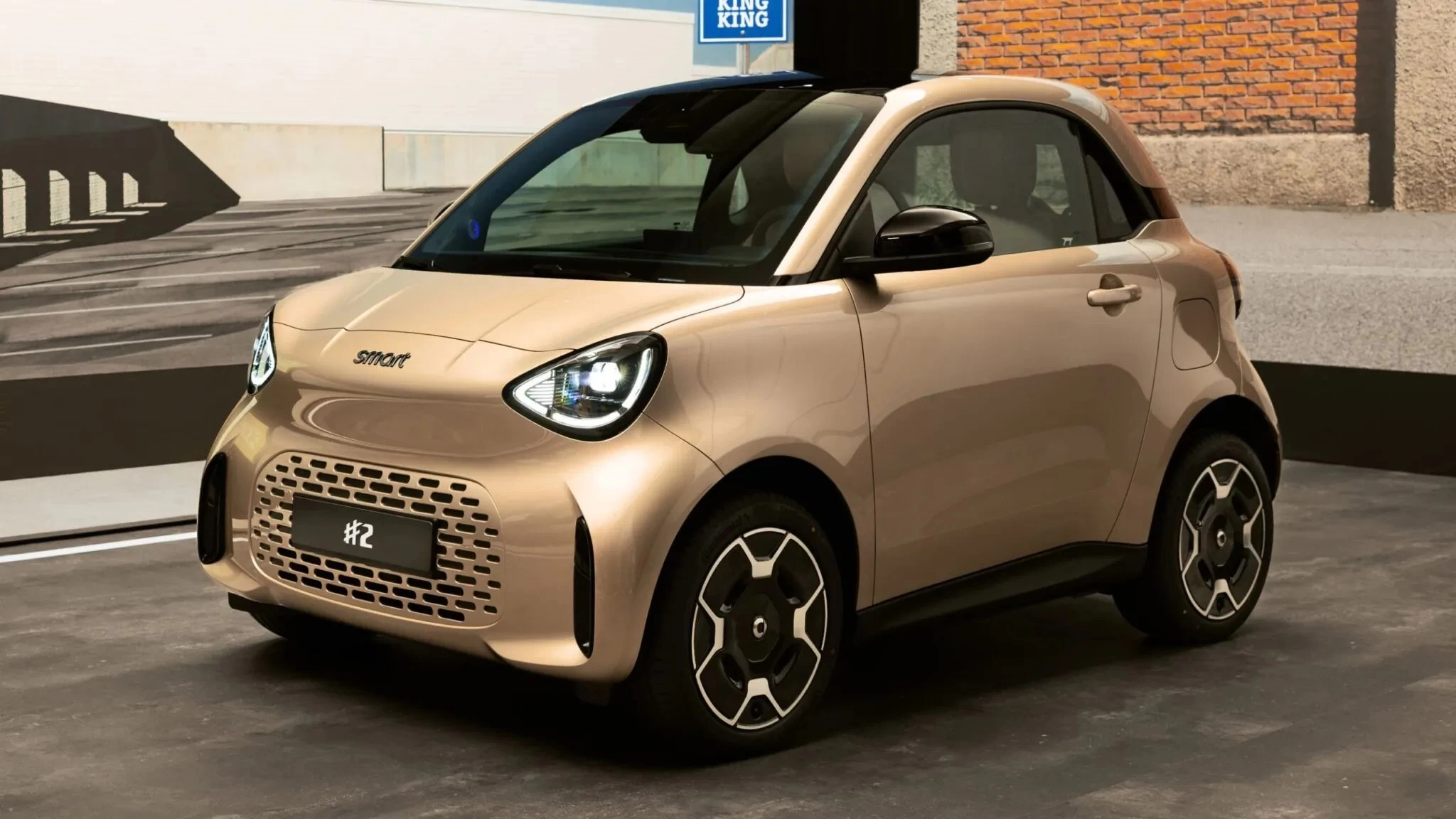
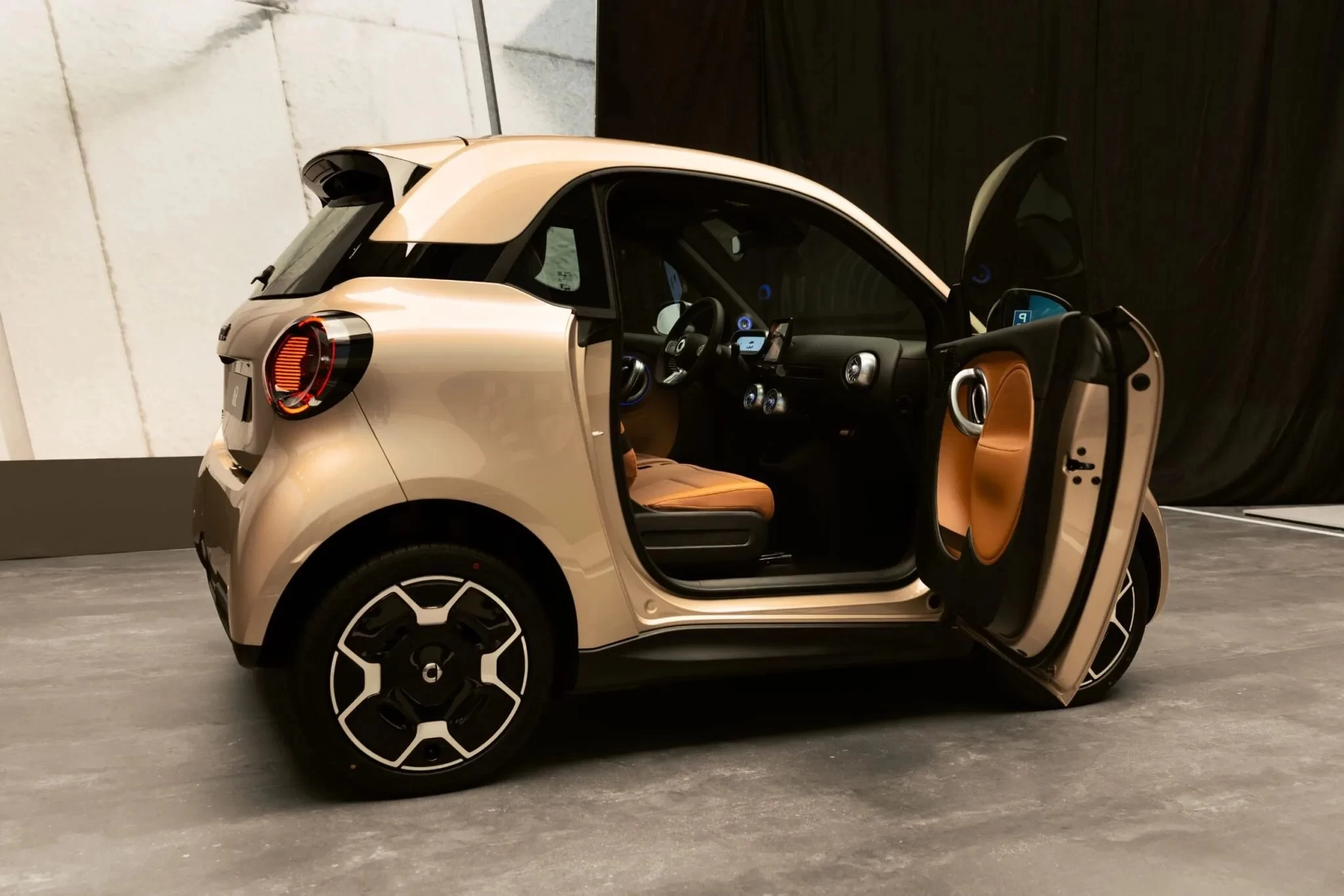
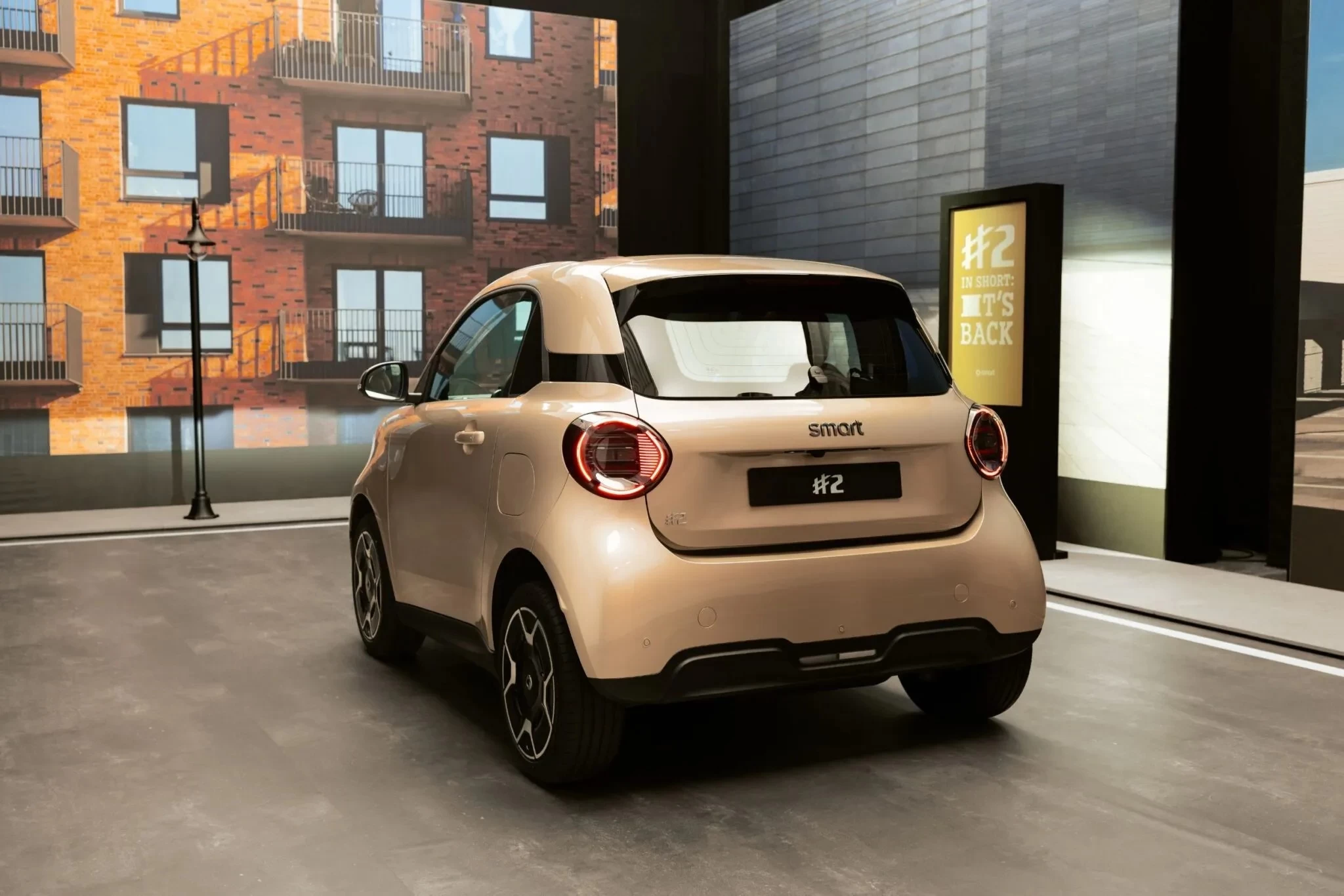
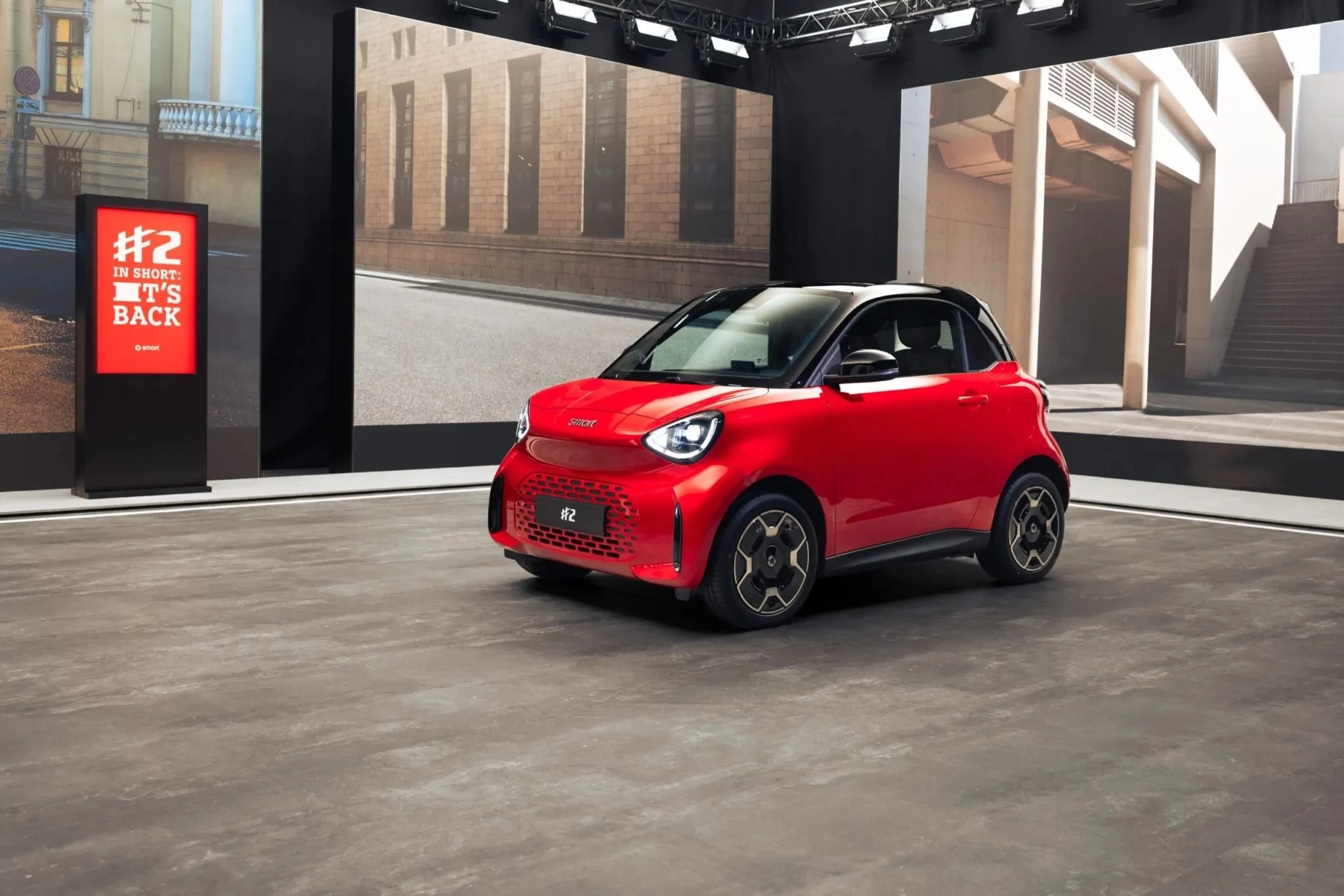
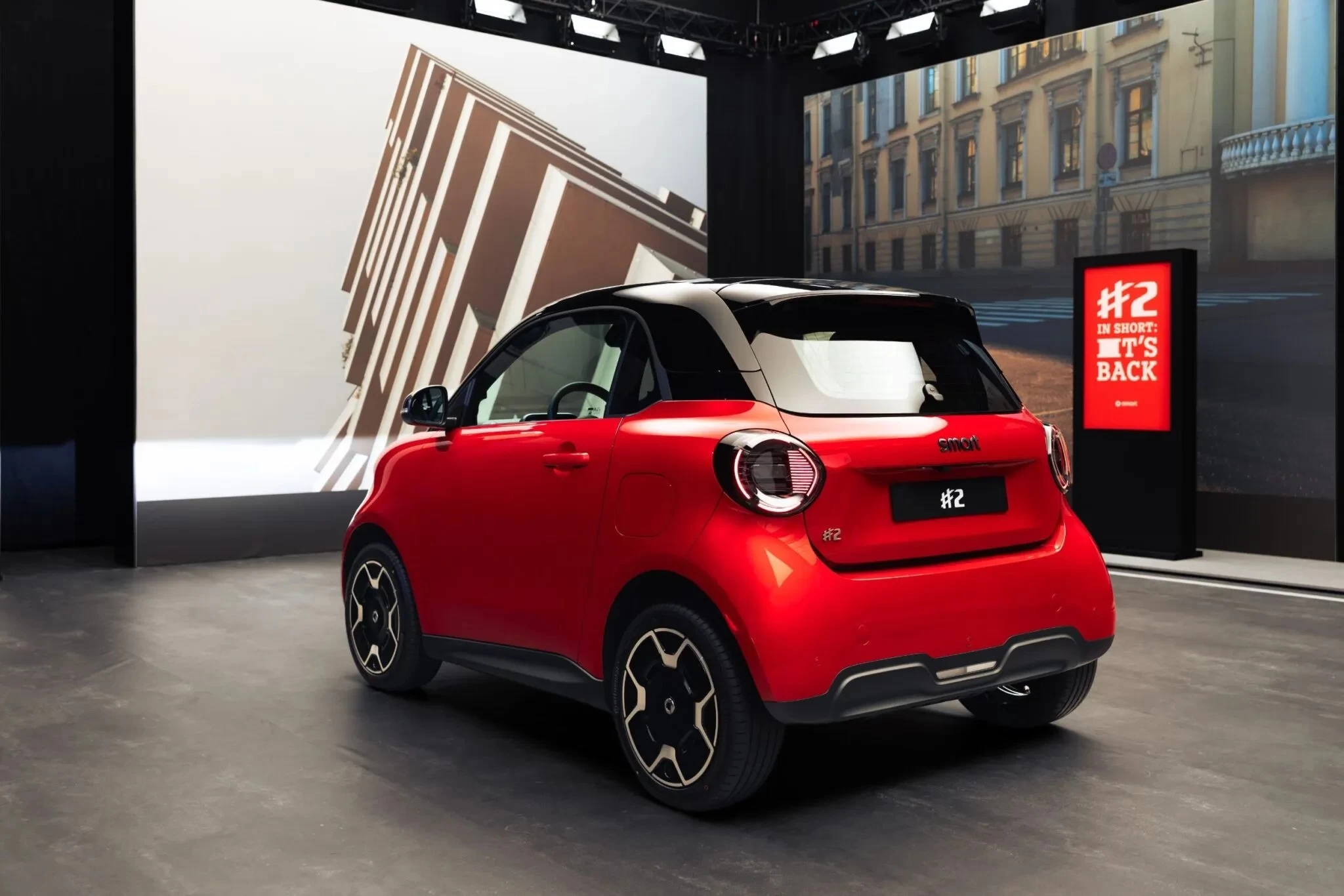
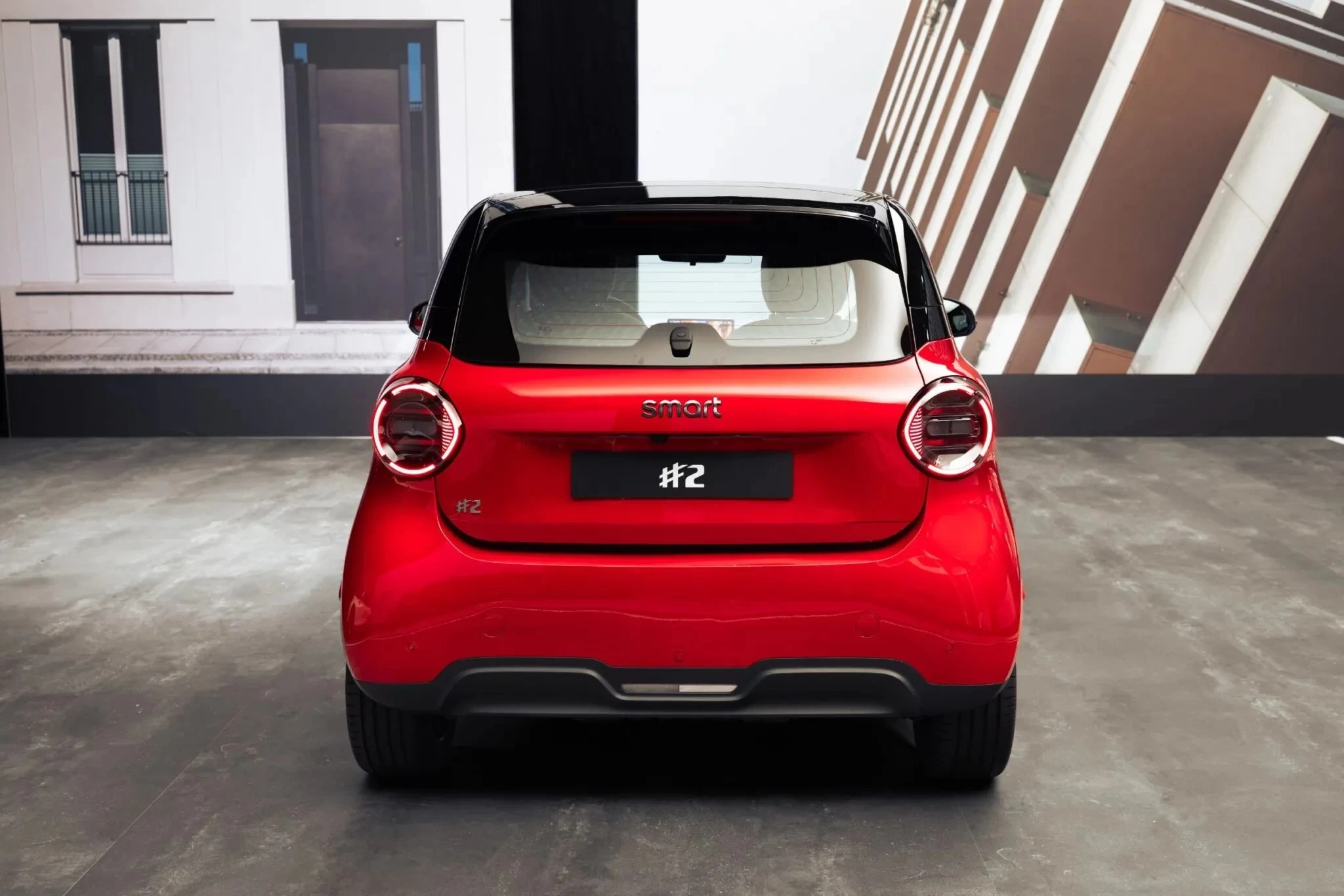
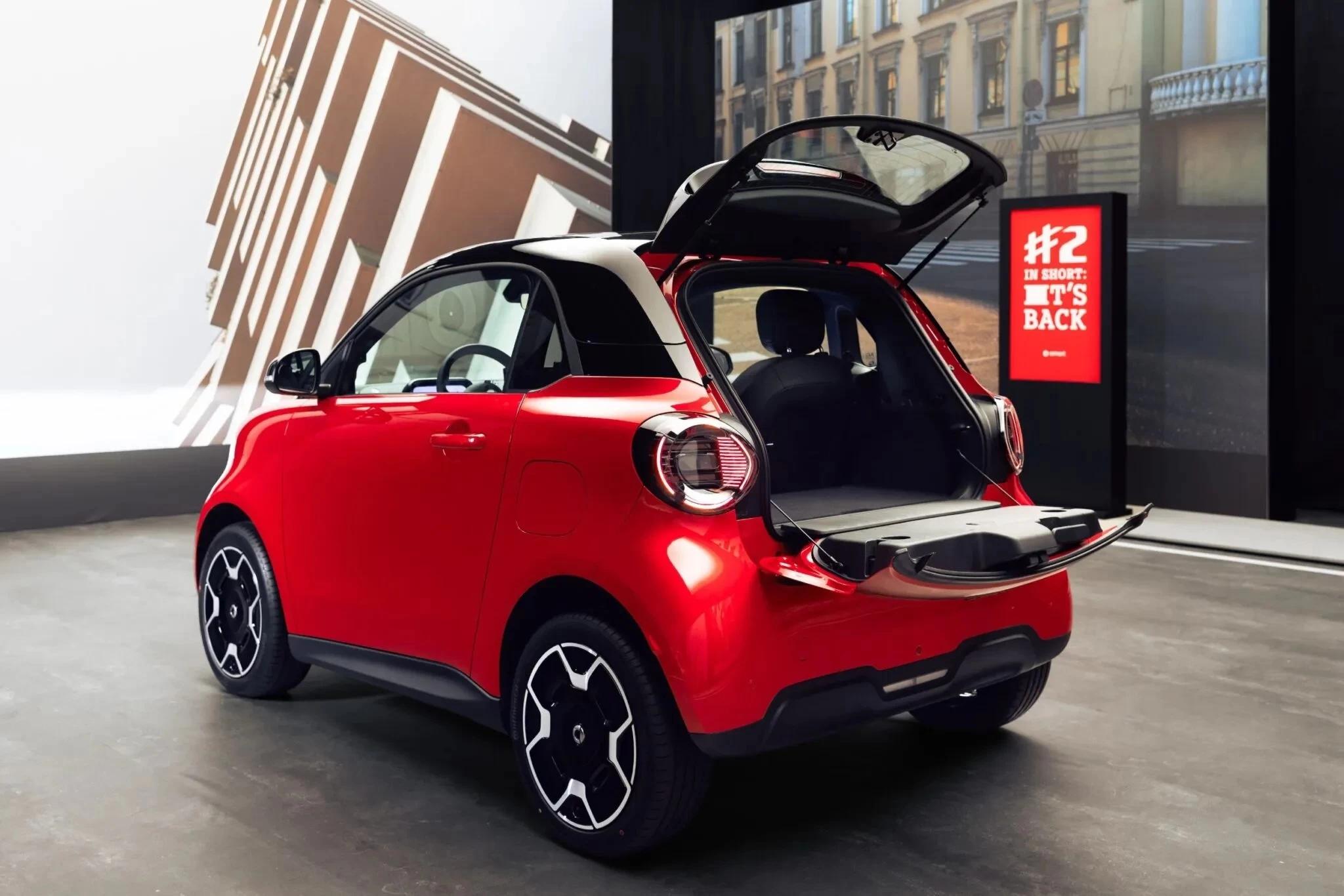
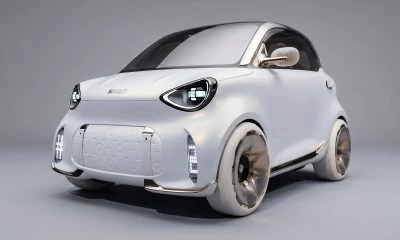
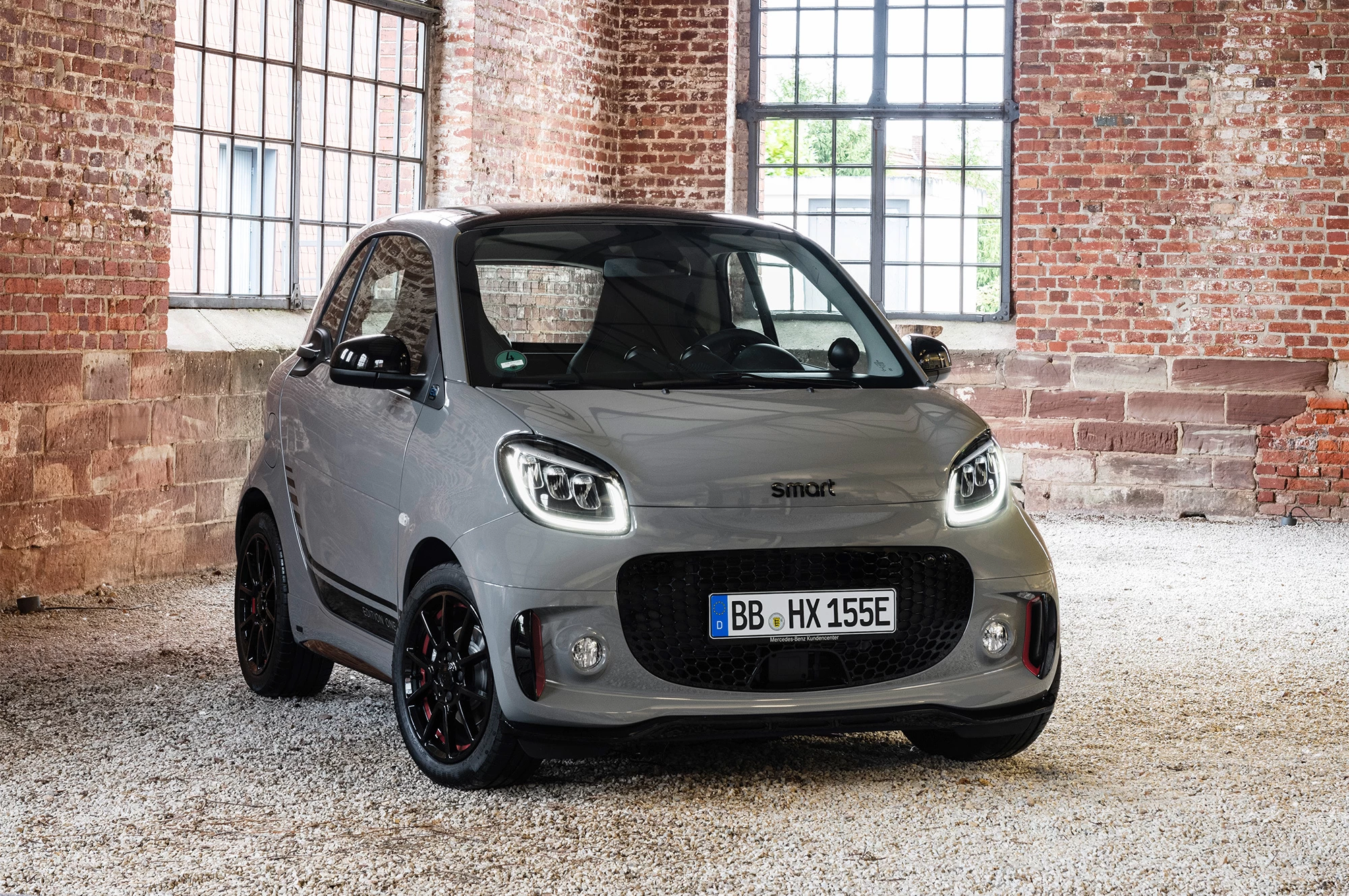
Visually, the #2 looks like an evolution of the Fortwo, although many of the more extreme design elements from the concept have been softened. The production version has redesigned graphics in the aggressive headlights, round taillights, smaller alloy wheels, conventional door handles and simplified bumpers.
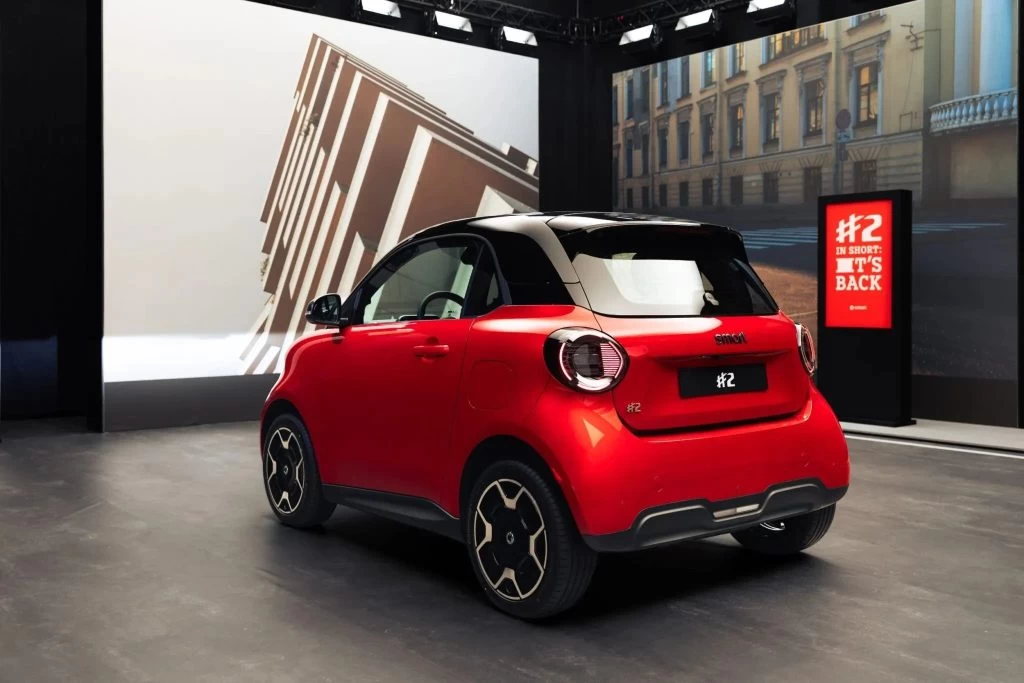
The hood shut line has been moved higher on the nose, while the front bumper’s side intakes no longer use the concept’s pixel screens. Other exterior details include body-coloured mesh in the grille, a floating roof, frameless windows and a traditional split tailgate.
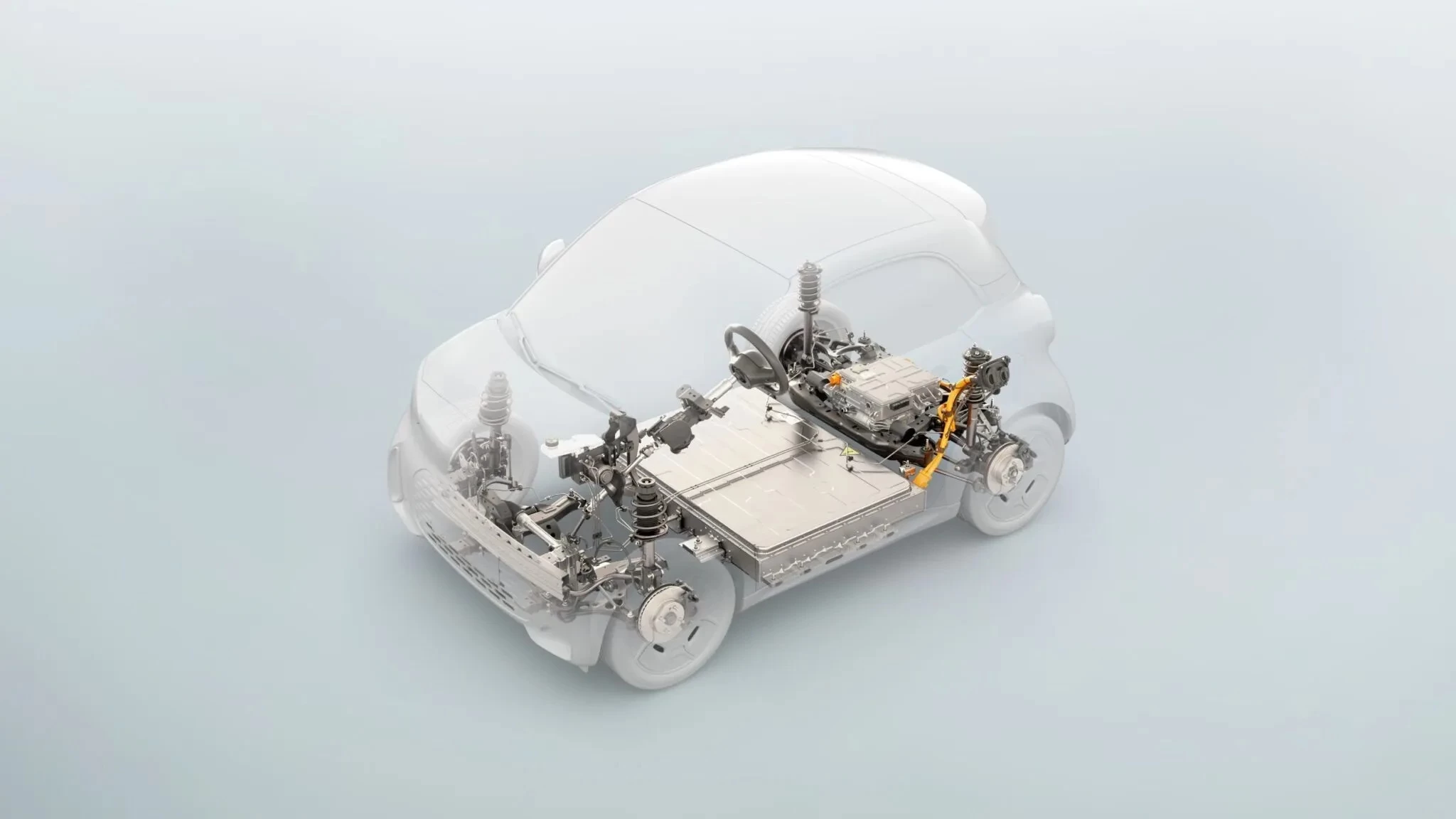
The Smart #2 is built on Geely’s bespoke Electric Compact Architecture (ECA), rather than a conventional Mercedes platform. Its powertrain consists of a rear-mounted Infimotion (Jiaxing) TZ160XS00A electric motor producing 60 kW, or 80 hp, with 130 Nm of torque.
The motor is supplied by a 35.7 kWh lithium iron phosphate (LFP) battery, with individual cells made by CATL and the complete pack assembled by Geely. The car has a WLTP range of around 300 km.
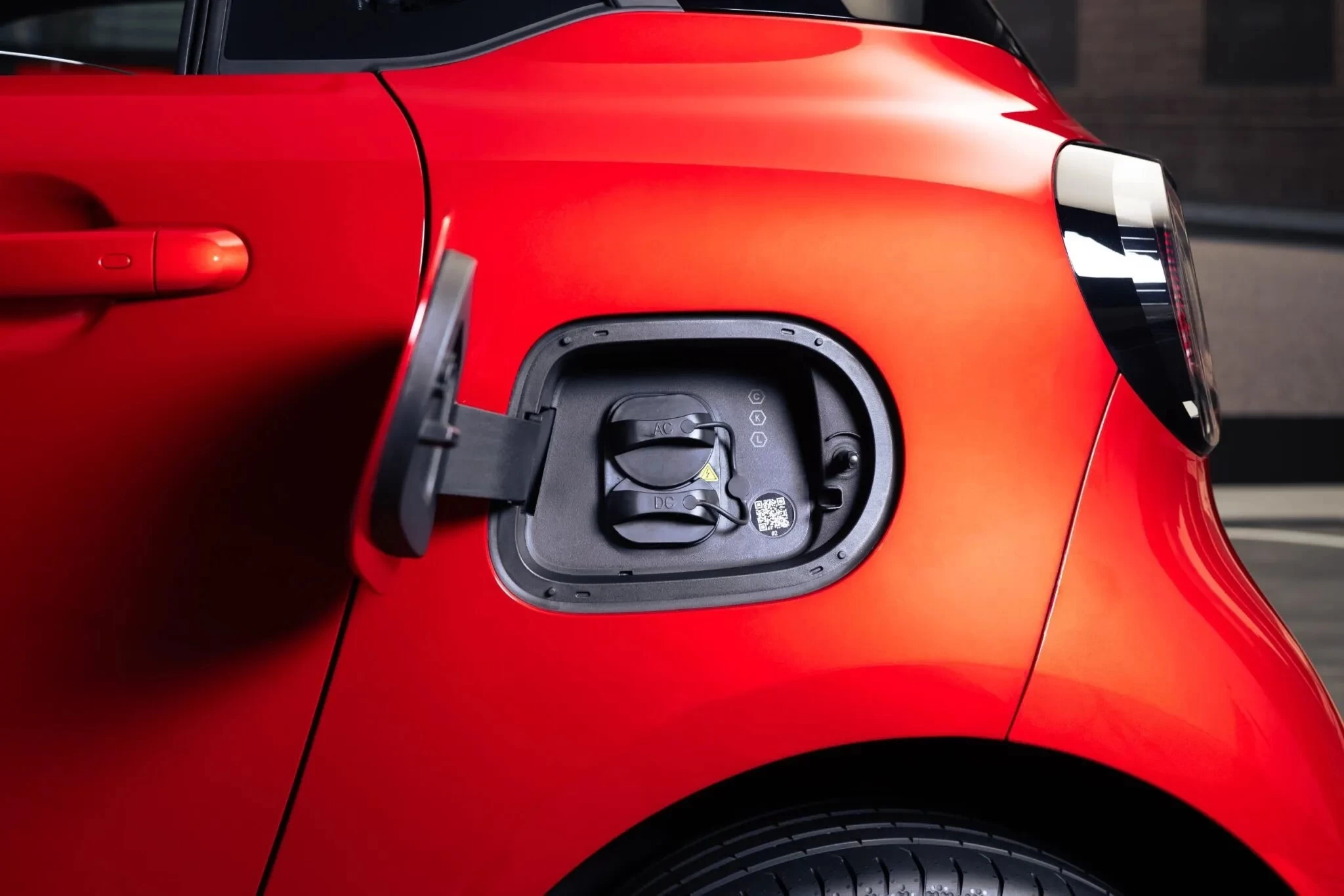
The battery supports 65 kW DC fast charging, allowing a 10–80% charge in approximately 20 minutes. The vehicle also supports vehicle-to-load functionality, or V2L. Despite its urban focus, Smart has emphasised driving dynamics through wider tracks, a low centre of gravity and a five-link rear suspension described as unique in the segment.
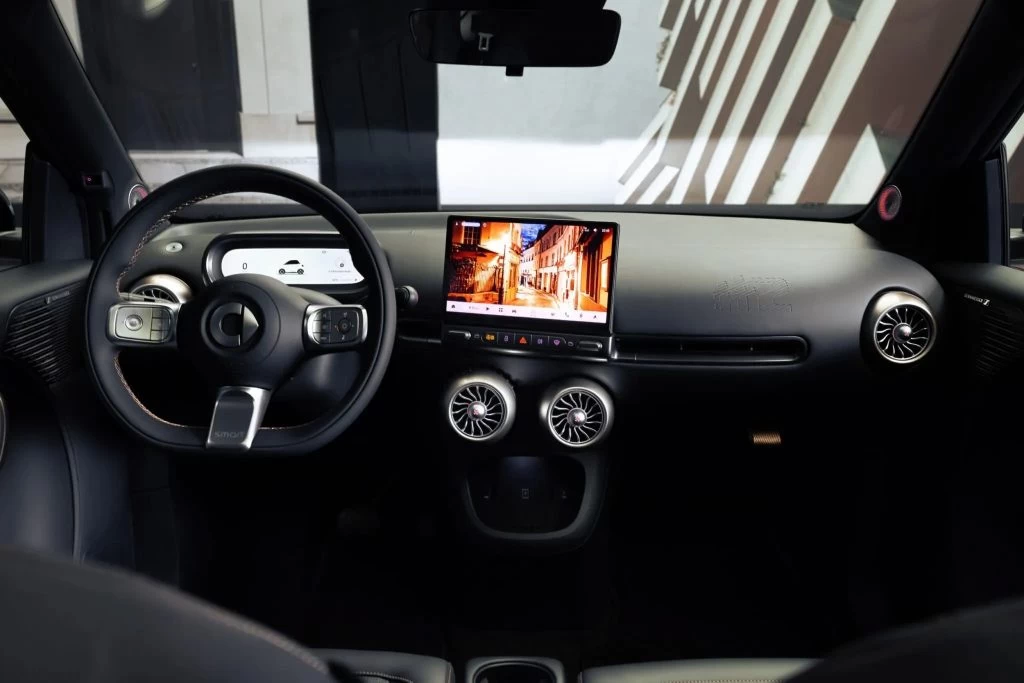
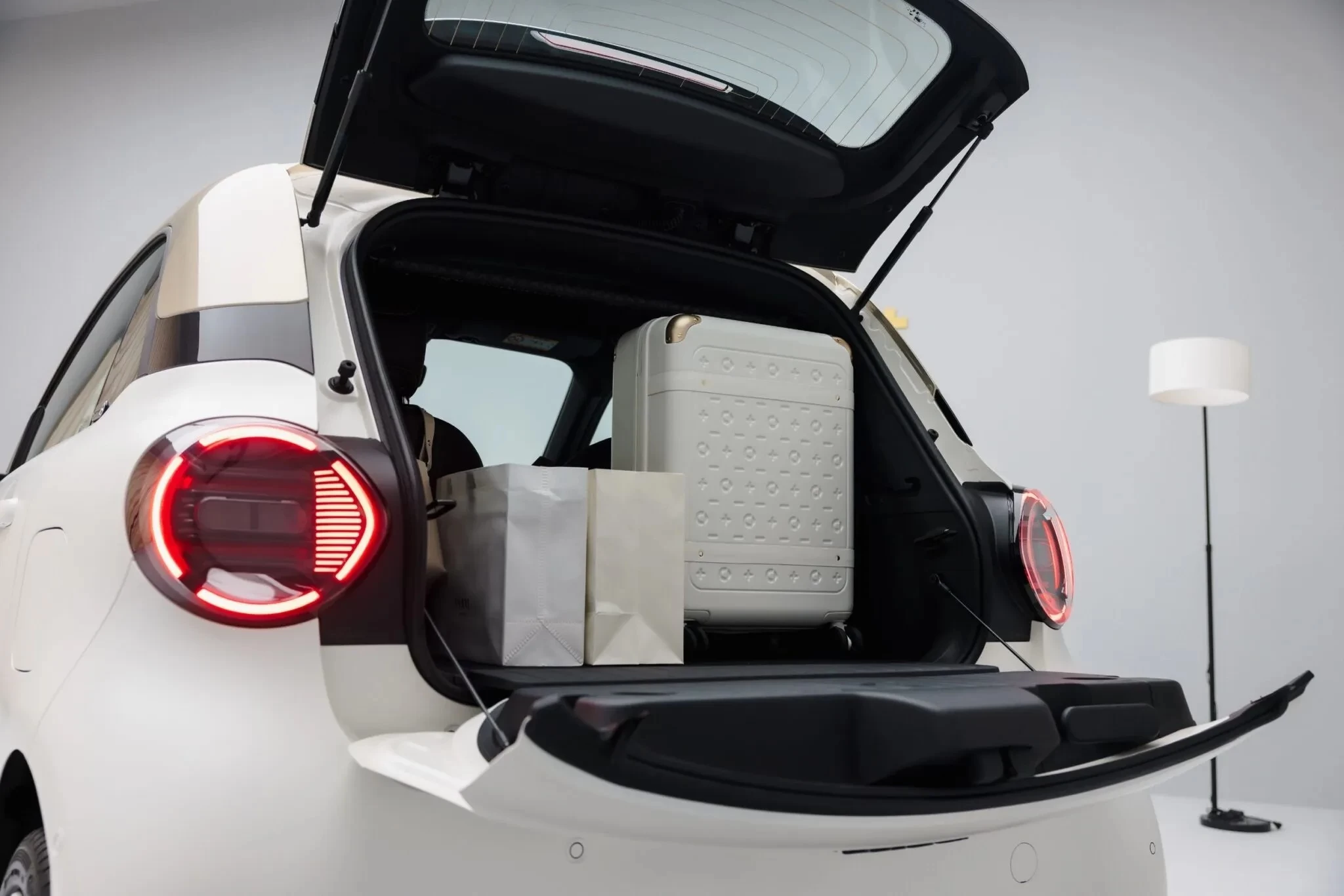
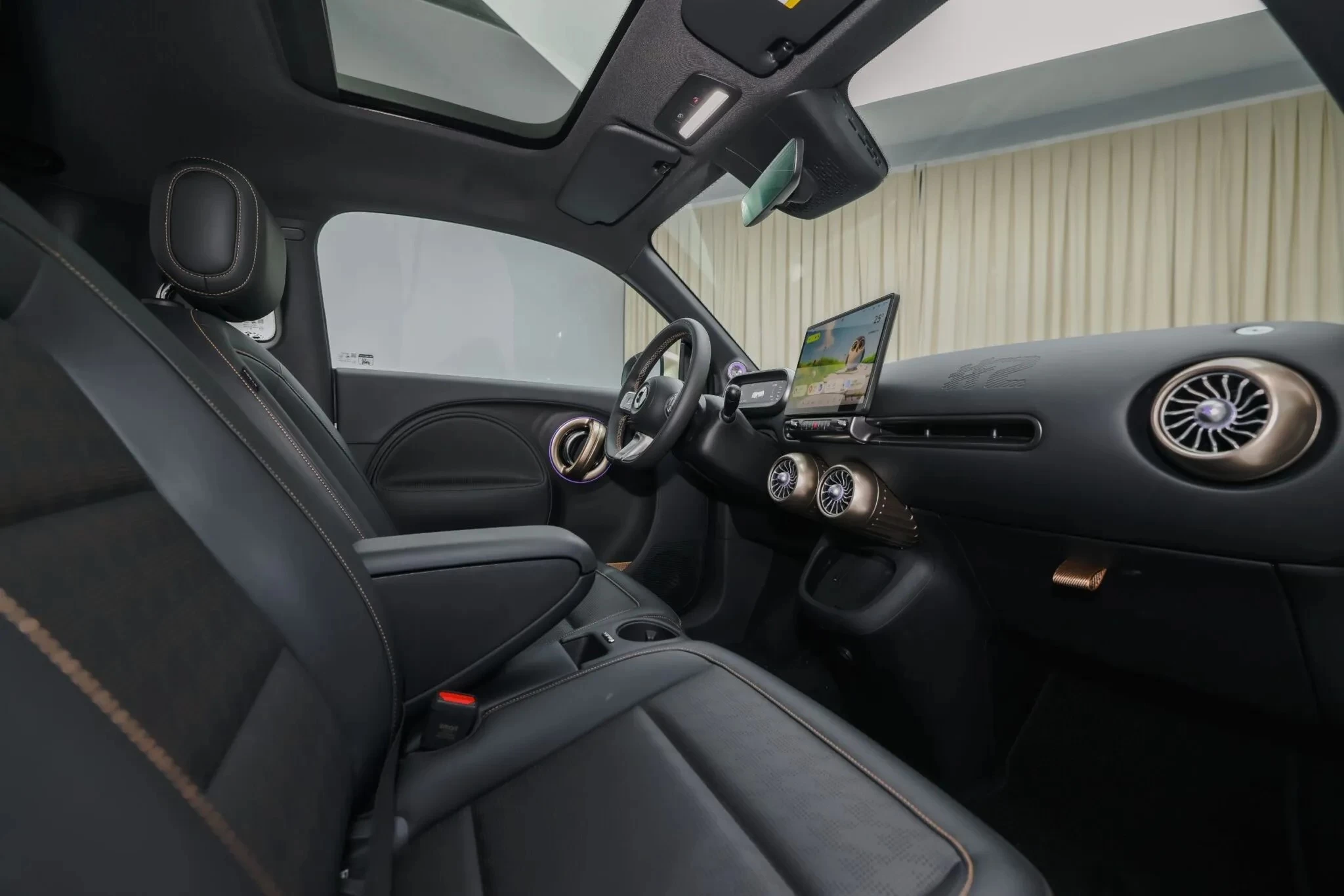
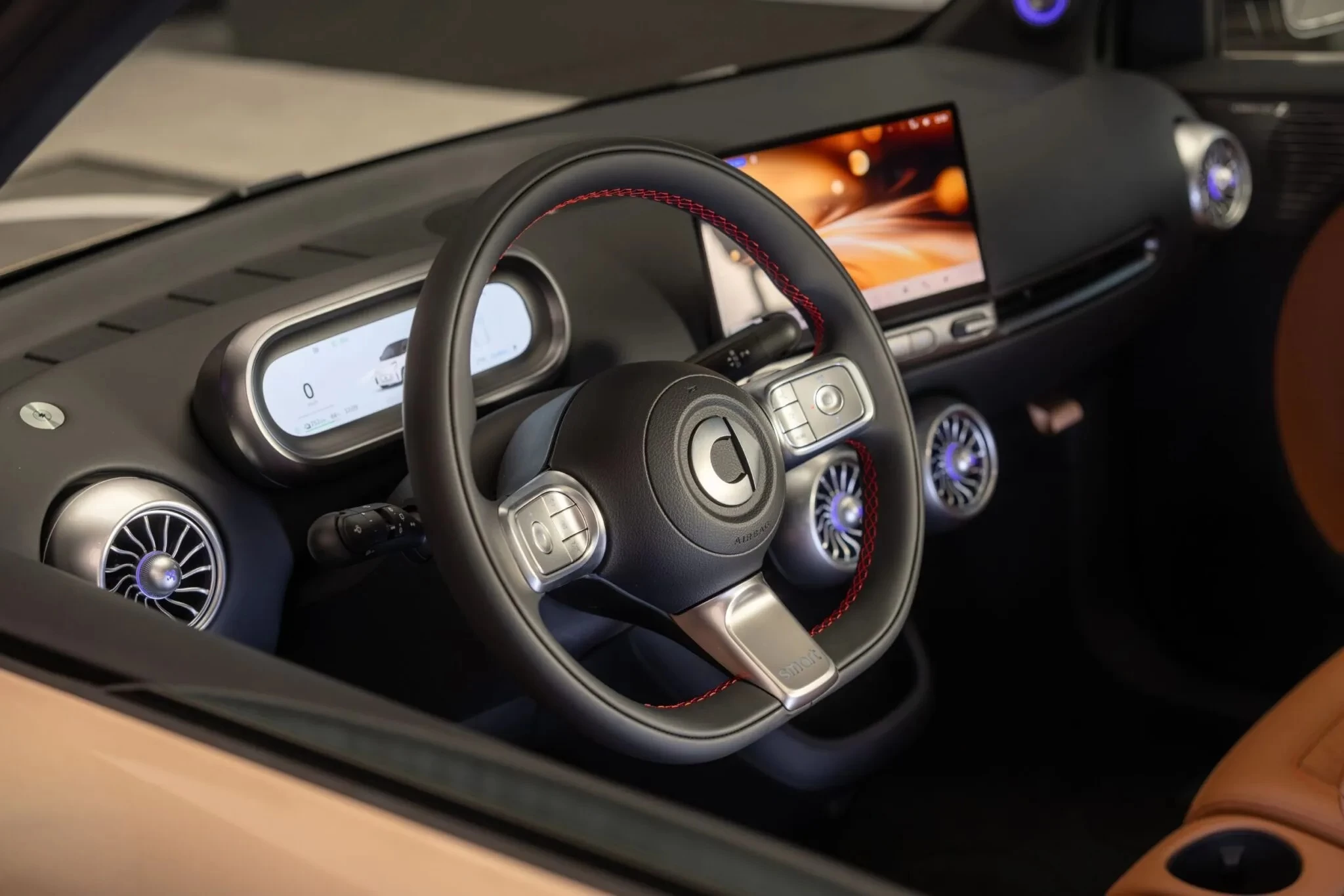
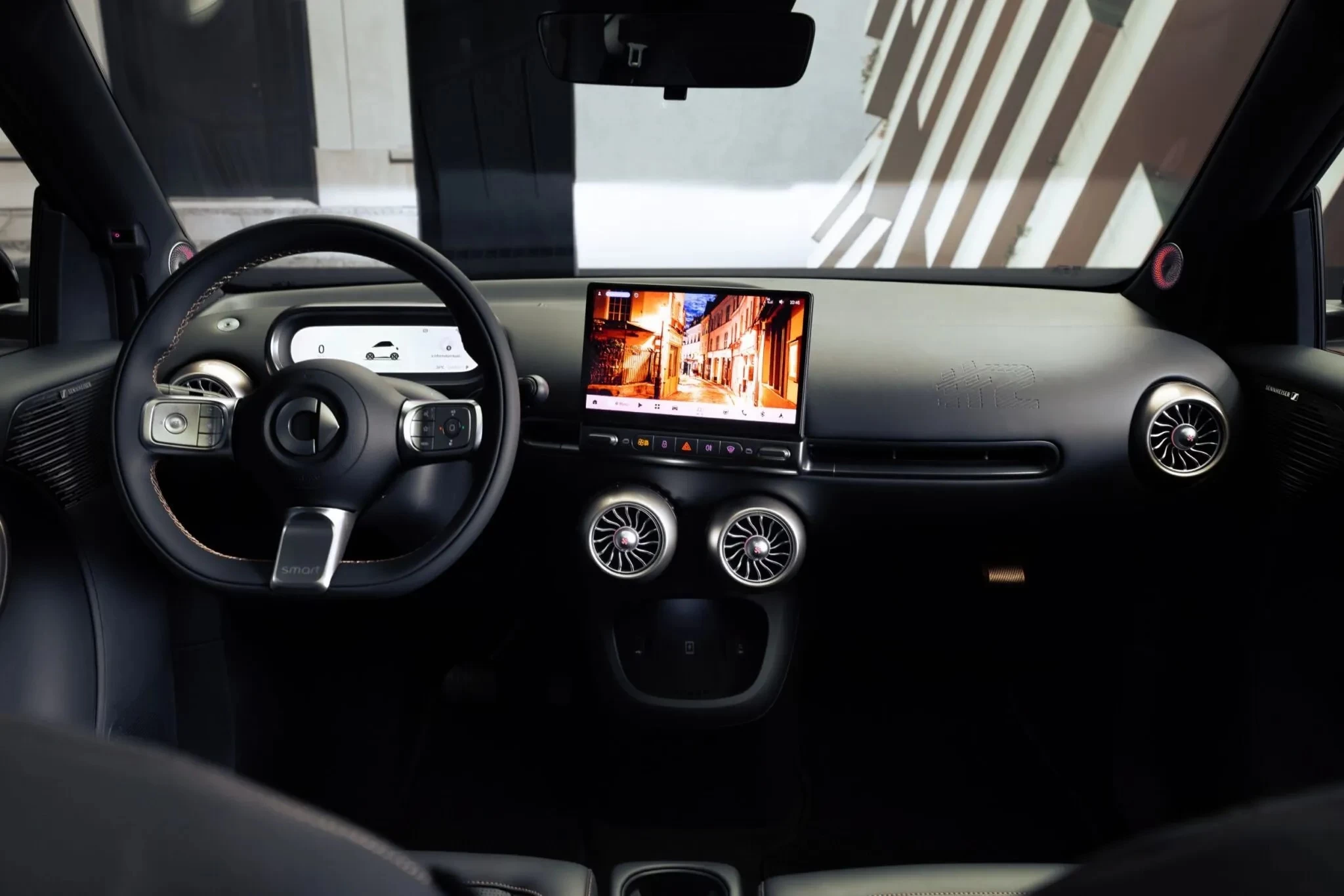
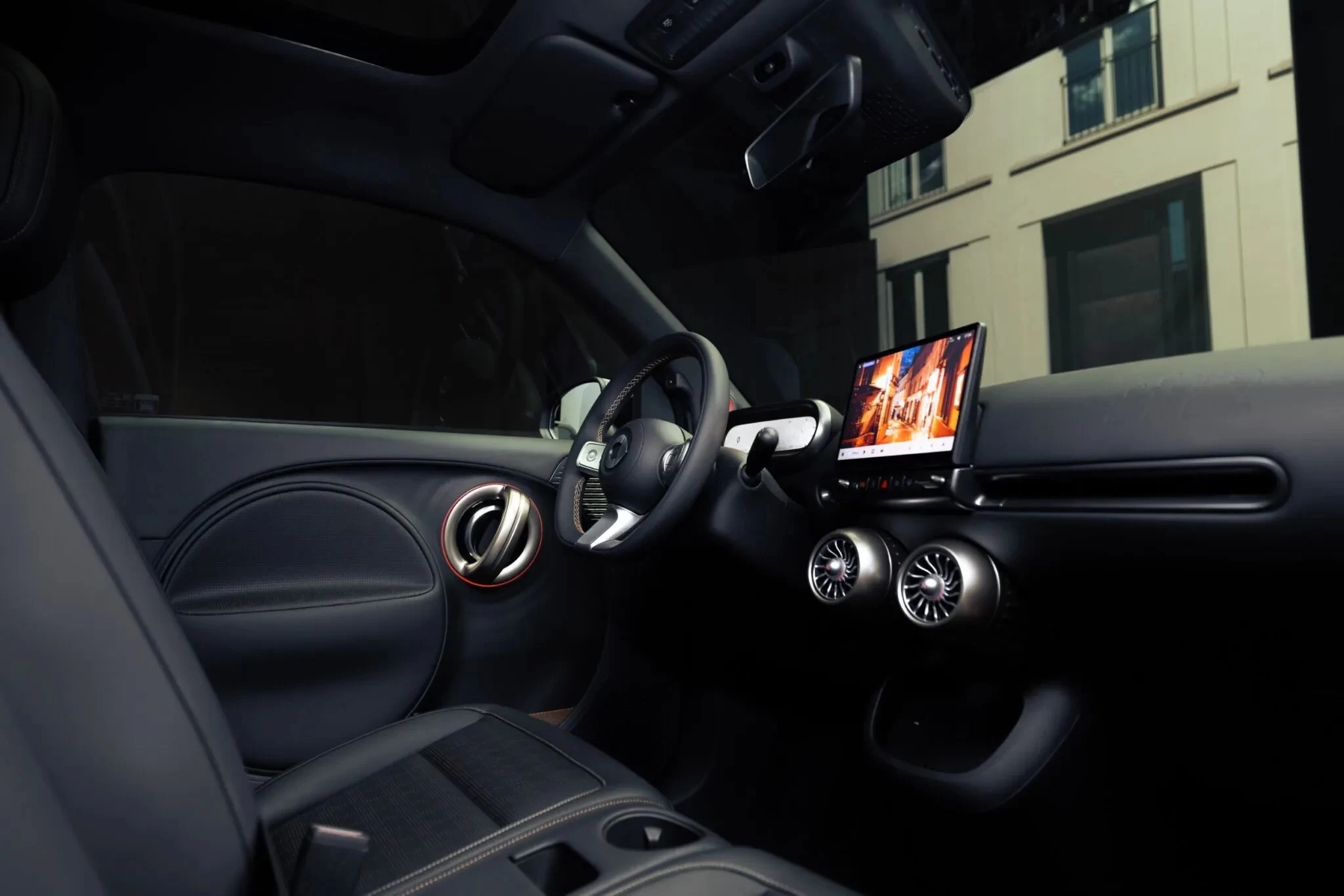
The interior uses a simple dashboard layout with round climate vents, a standard 10.1-inch infotainment display and an 8.8-inch digital instrument cluster. It also includes a mounting base for gadgets and a three-spoke steering wheel with integrated buttons. The cabin has bench-style seats and offers 305 litres of cargo capacity.
Equipment varies by trim. The range includes Pure, Pure+ and Premium versions. The flagship Premium comes with a glass roof, heated seats, faux leather upholstery and a seven-speaker Sennheiser sound system. The car also includes ABS and an event data recorder, while an electronic toll collection system is available as an option.
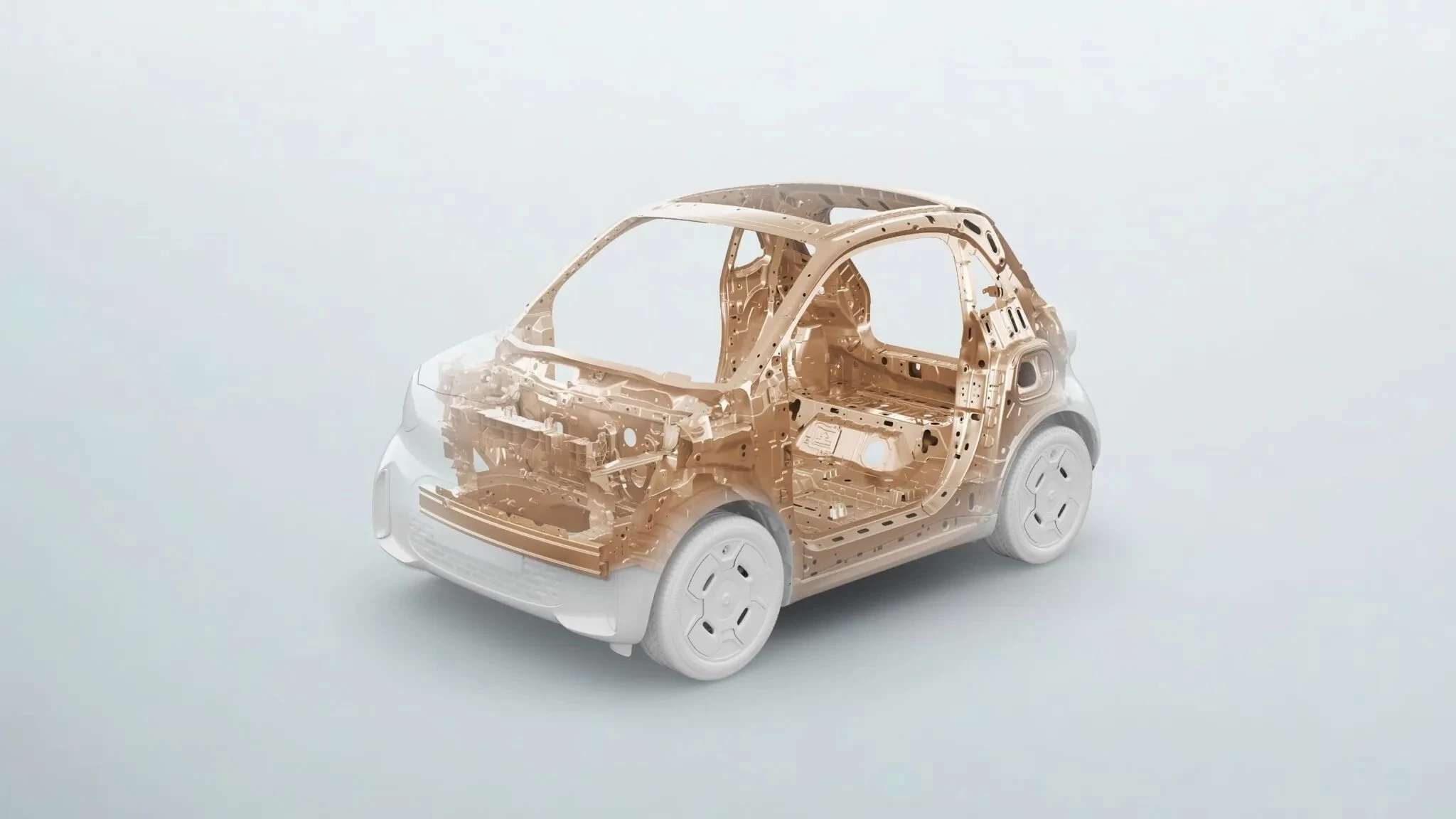
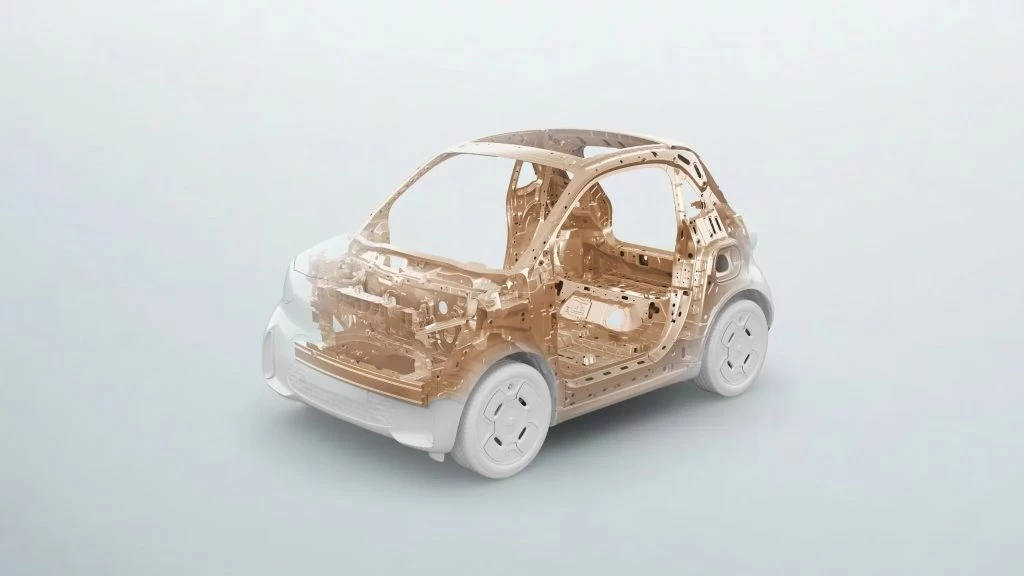
Safety equipment includes a new version of Smart’s Tridion Cell Evo structure and a range of driver-assistance systems. These include Pilot Assist, adaptive cruise control, blind-spot detection, rear collision mitigation and rear cross-traffic alert. Smart states that the #2 was tested on proving grounds, in wind tunnels and on public roads across different climates.
Buyers can choose between two tyre configurations: 165/65R15 front and 185/60R15 rear, or 185/50R16 front and 205/45R16 rear. The car can also be ordered with a black or body-coloured roof, different headlights, radar sensors, side decorative panels, rear ornaments, front grilles, mirror accents and various wheel designs.
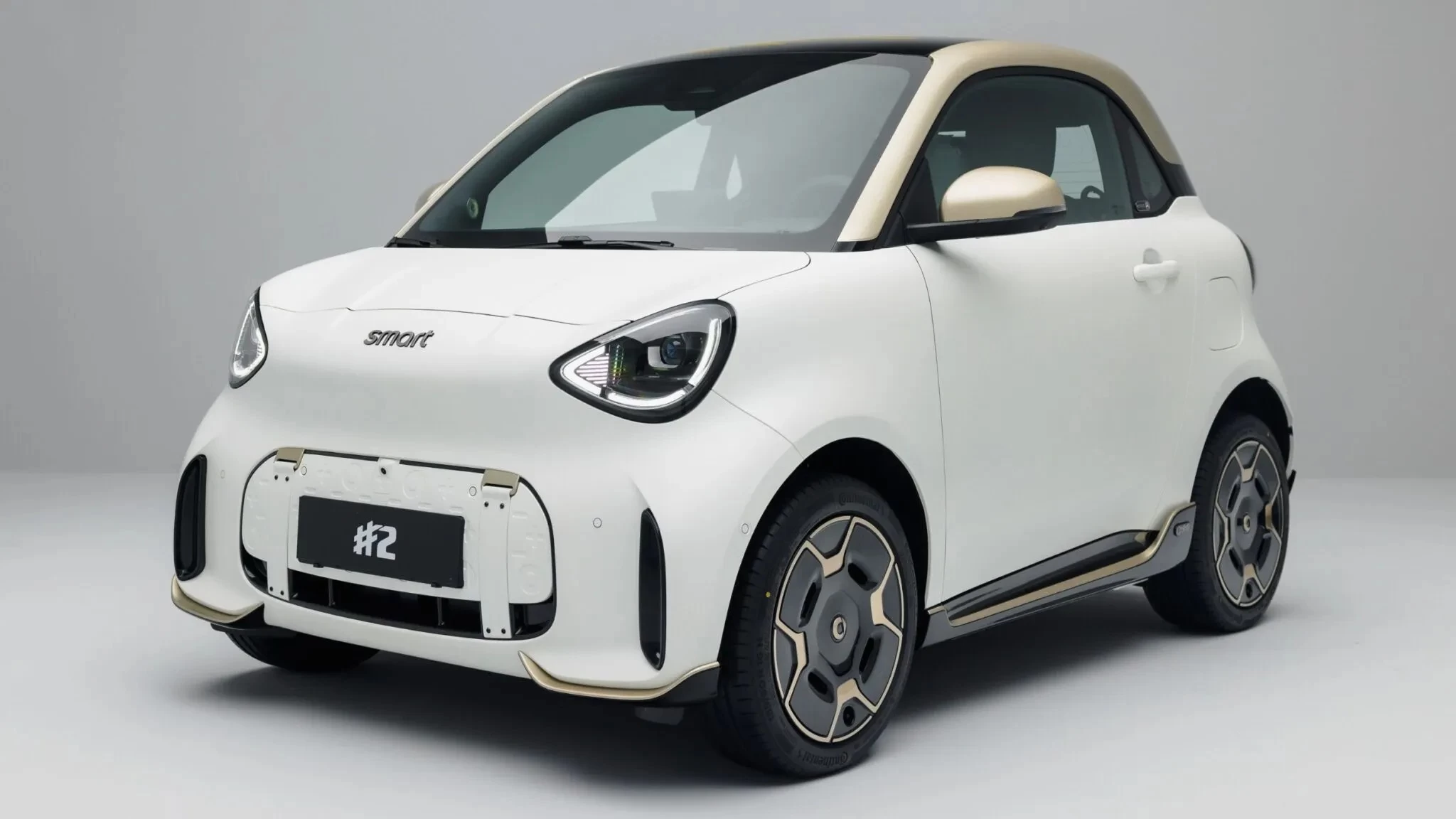
A special concept-inspired #2 Couture Edition will be limited to 999 units in Europe. It is distinguished by a grille cover inspired by a Louis Vuitton bag, along with aerodynamic extensions on the front and rear bumpers. The body is painted Atelier White Matte with a Platinum Gold roof, and it rides on 16-inch Lyra wheels with gold accents. The bumper extensions add 18 mm to the car’s length.
Despite its greater length, Smart has retained the original Smart’s 6.95-metre curb-to-curb turning radius. The #2 is 51 mm longer than the final Fortwo and 246 mm longer than the original Smart from the late 1990s.
The #2 could also help Smart reconnect with the image that originally made the brand famous. Sales of Smart’s larger models have been weak, with dealers reportedly struggling to clear unsold inventory. Perhaps the problem is that many customers still associate Smart primarily with tiny city cars—and the #2 fits that image perfectly.
Smart has not yet revealed official pricing, but Autocar reports that the #2 will start at £17,900, or approximately $23,700, in the United Kingdom. The car will be sold in Europe, the UK and other markets including China. Its closest rivals are not two-seat heavy quadricycles such as the Citroën Ami or Fiat Topolino, but small four-seat urban EVs including the Renault Twingo E-Tech, Nissan Pixo, Dacia Spring EV and the upcoming Volkswagen ID Up.