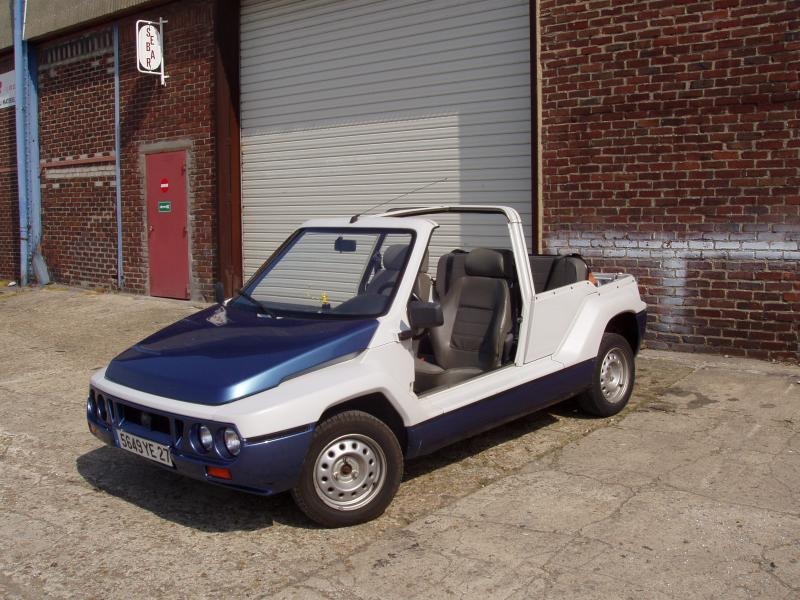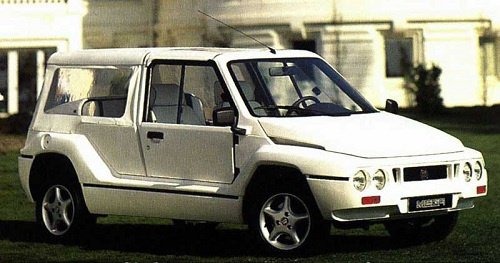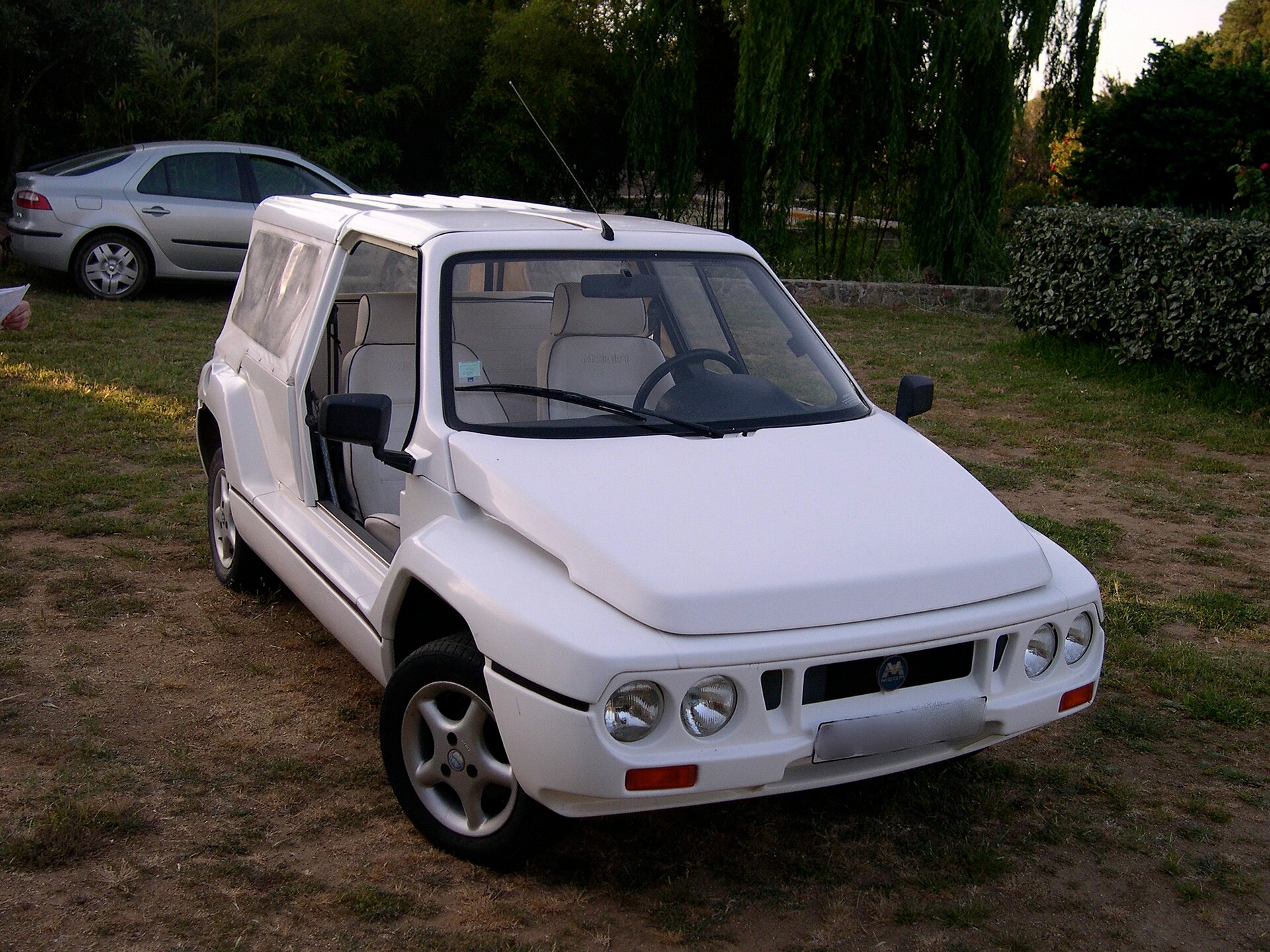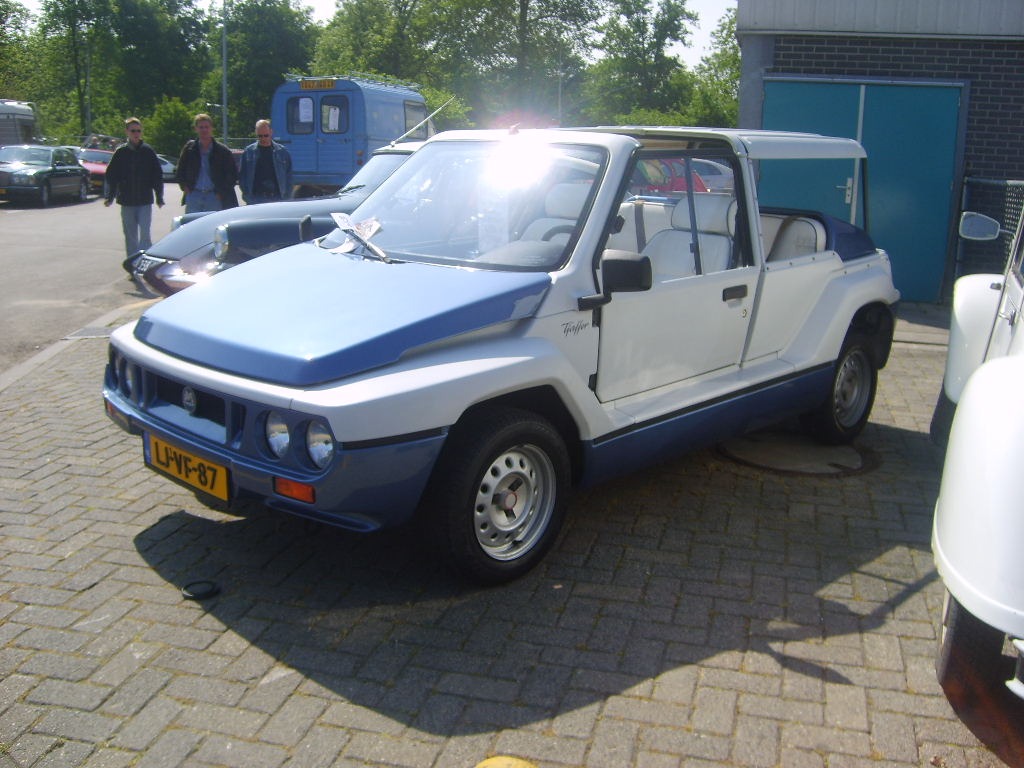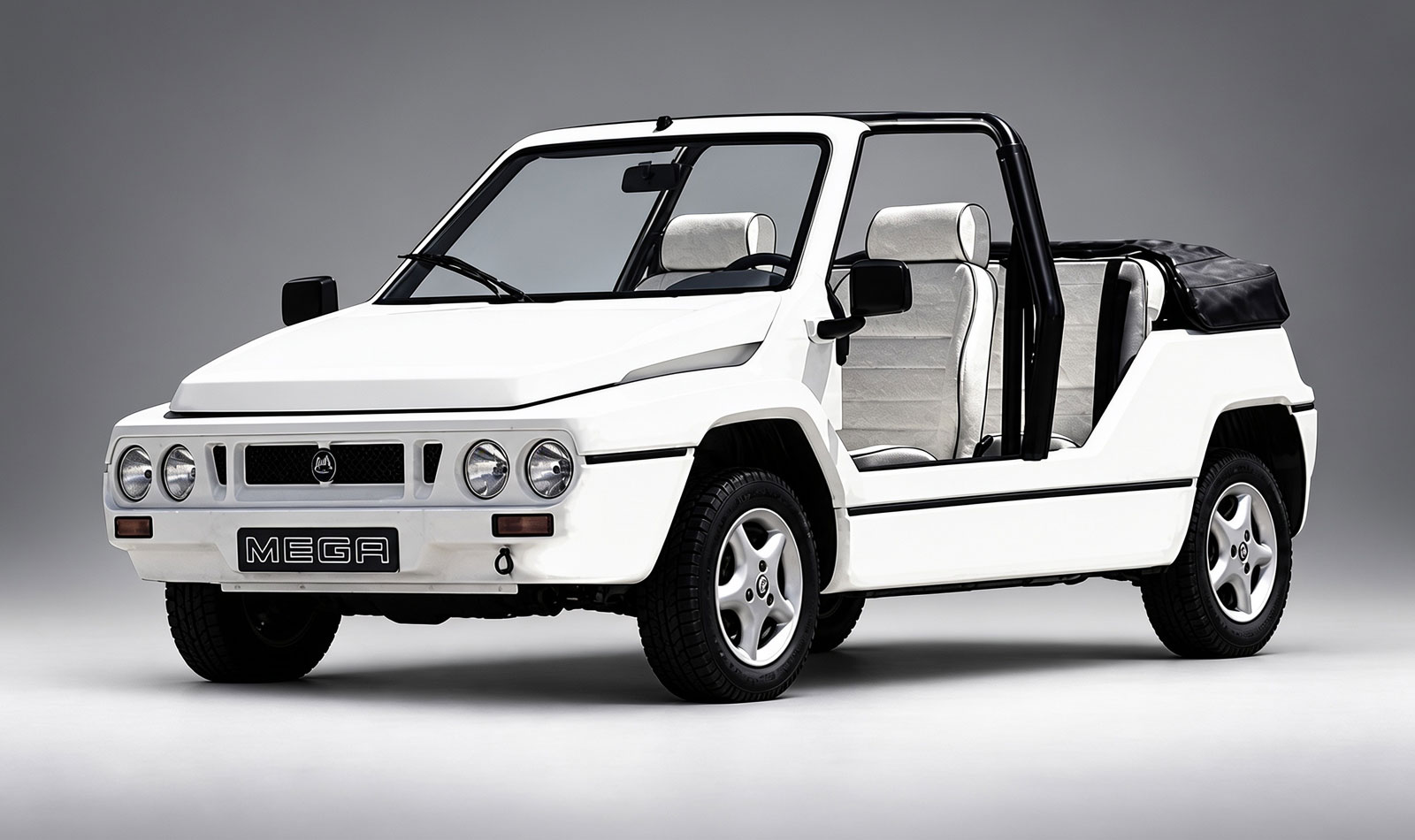
Mega Club / Ranch / Tjaffer

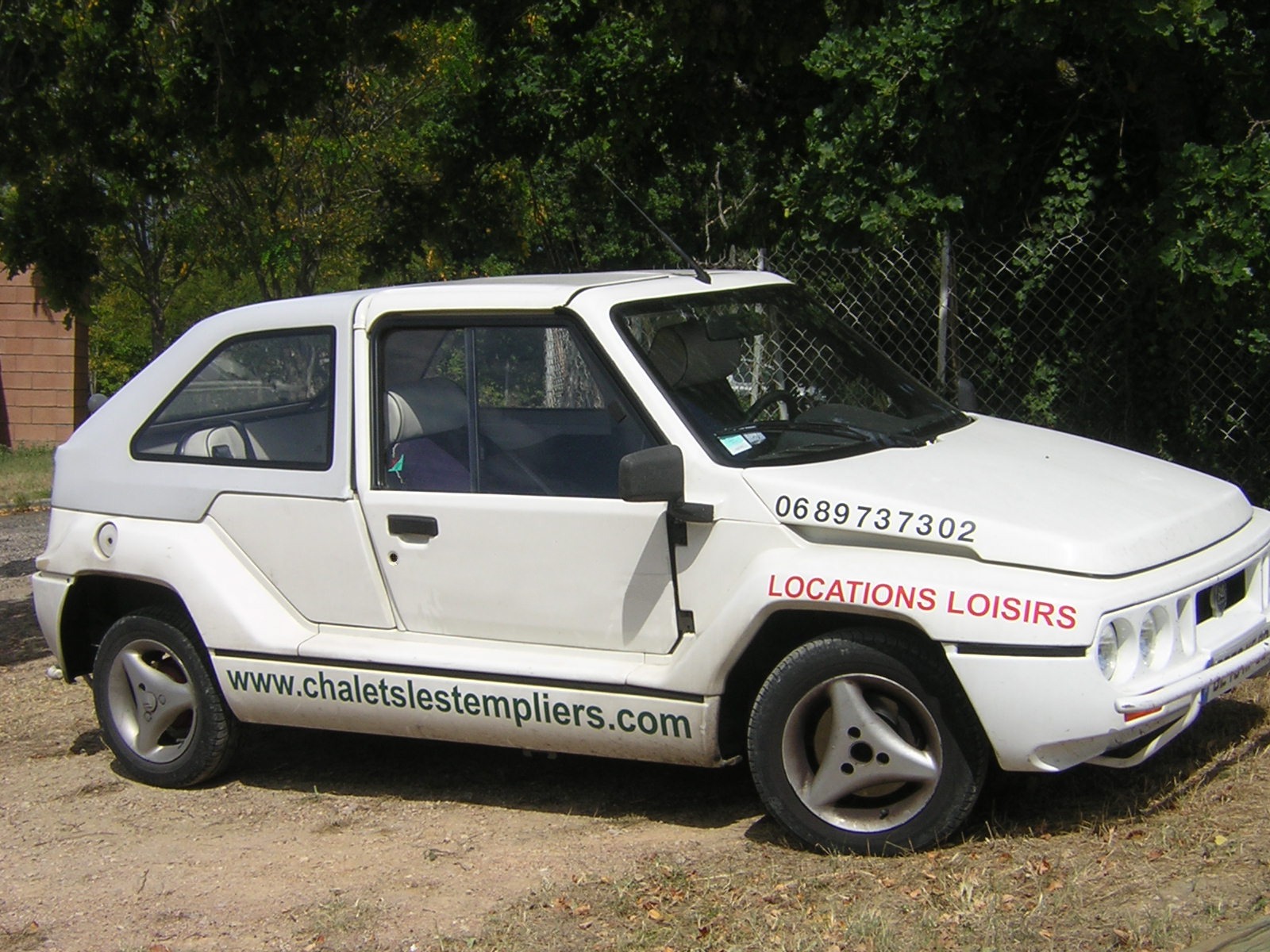
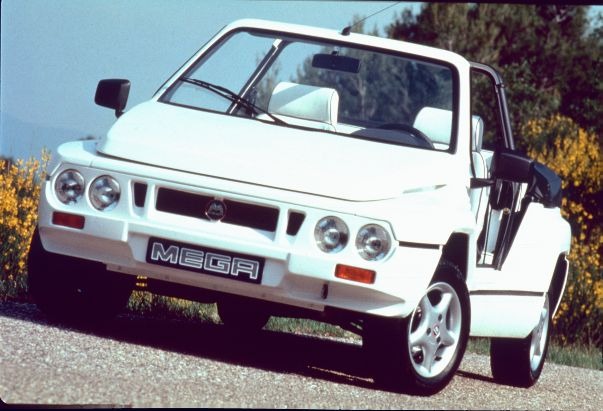
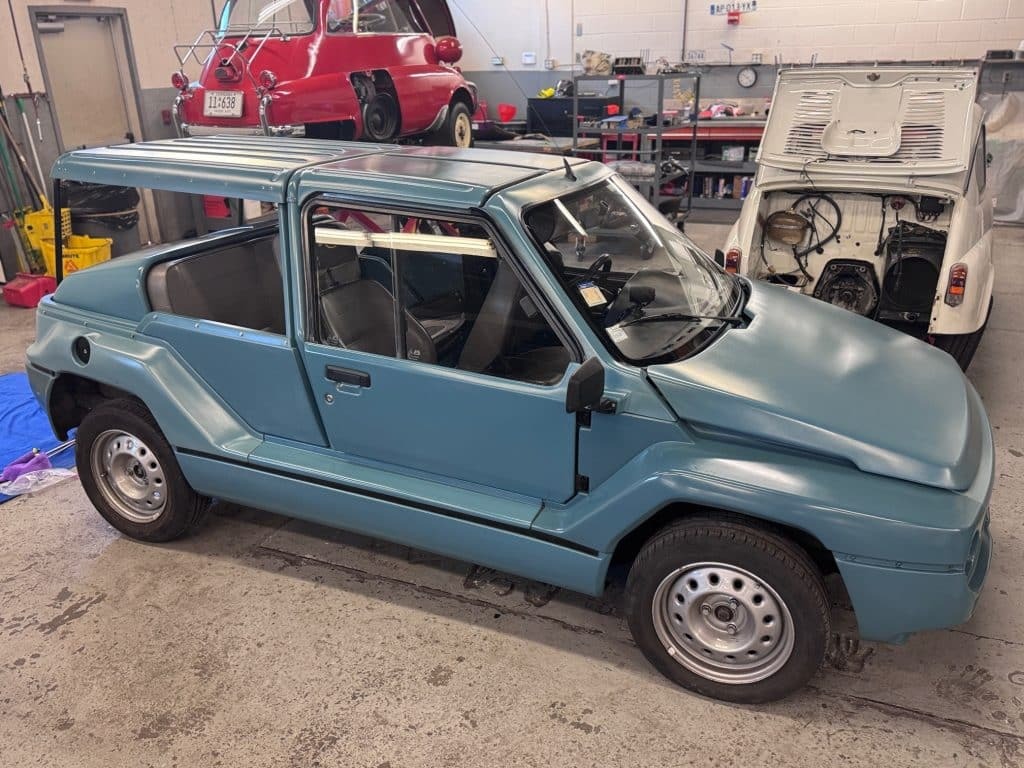
The Mega Club was a leisure vehicle produced by French manufacturer Aixam under its Mega sub-brand from 1992 to 1998.
The Mega brand was established in 1992 to cater to a more affluent customer segment than Aixam’s traditional microcar buyers, with the Club becoming its best-known product.
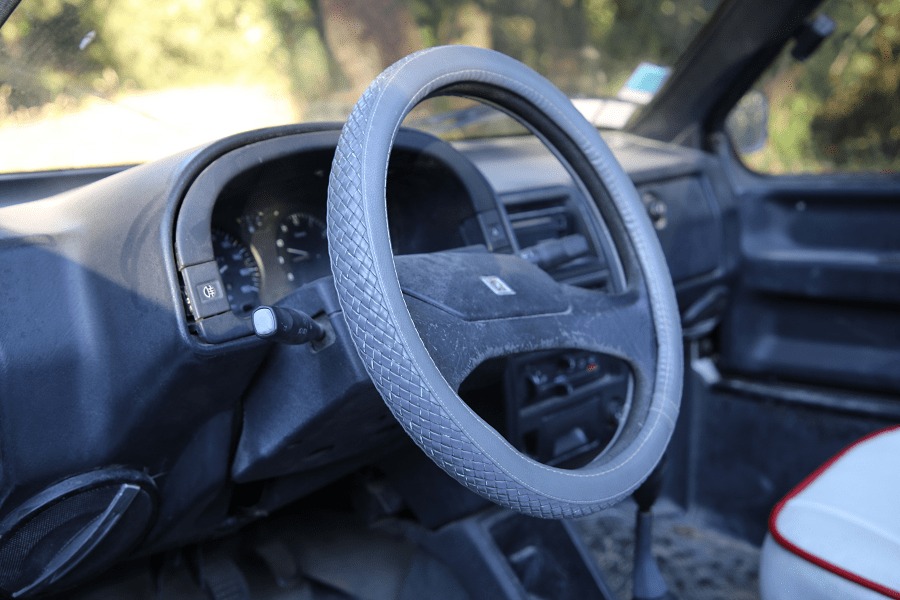
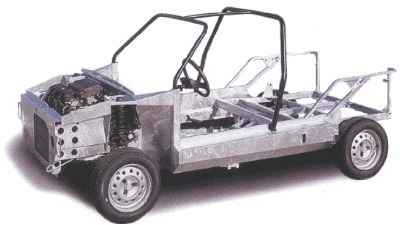
The vehicle was based on the Citroën AX platform, using PSA’s TU petrol and diesel engines. The body was mounted onto the AX base and constructed from acrylic-coated polycarbonate rather than the ABS plastic used on the Citroën Méhari, making it less prone to cracking and fading with age.
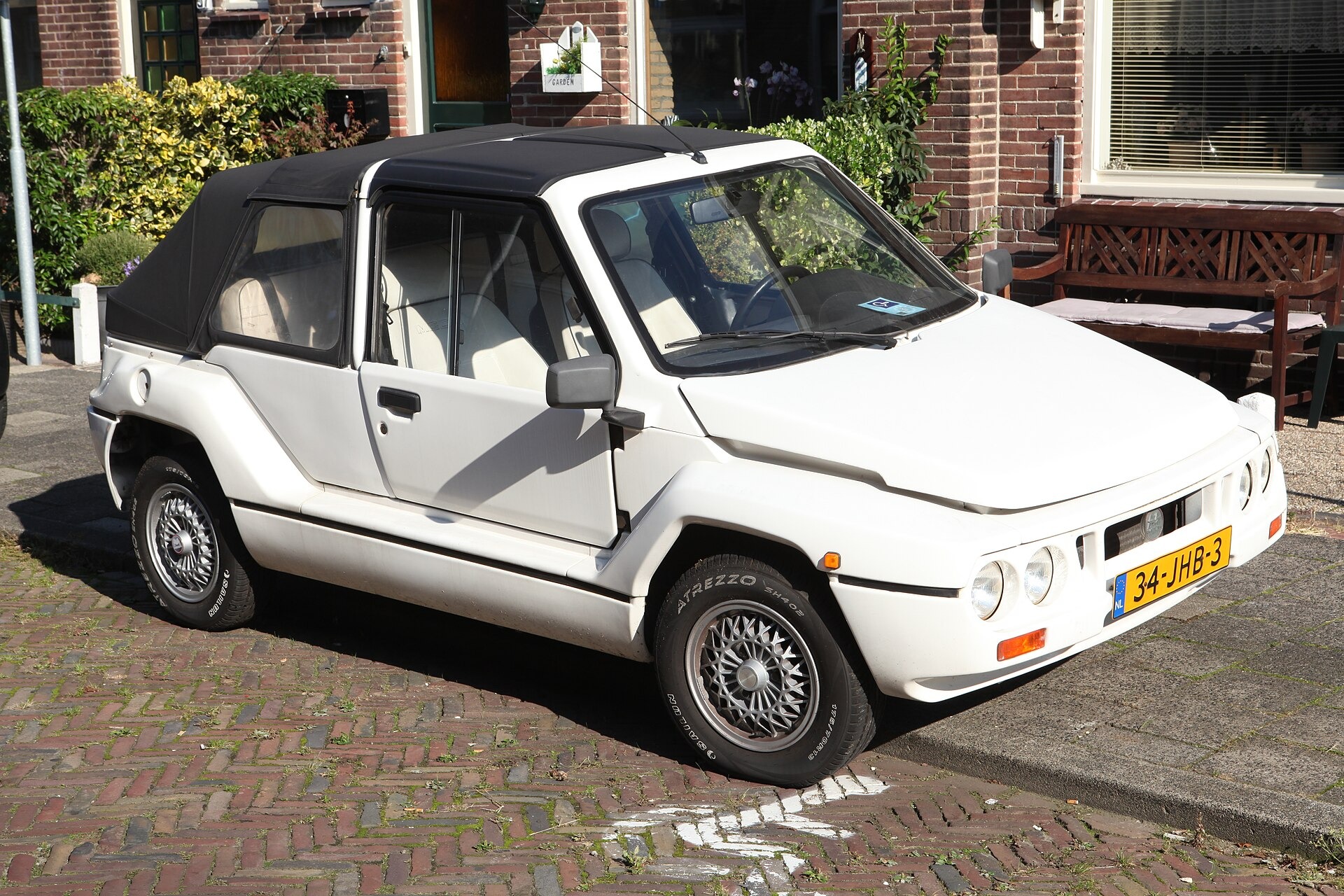
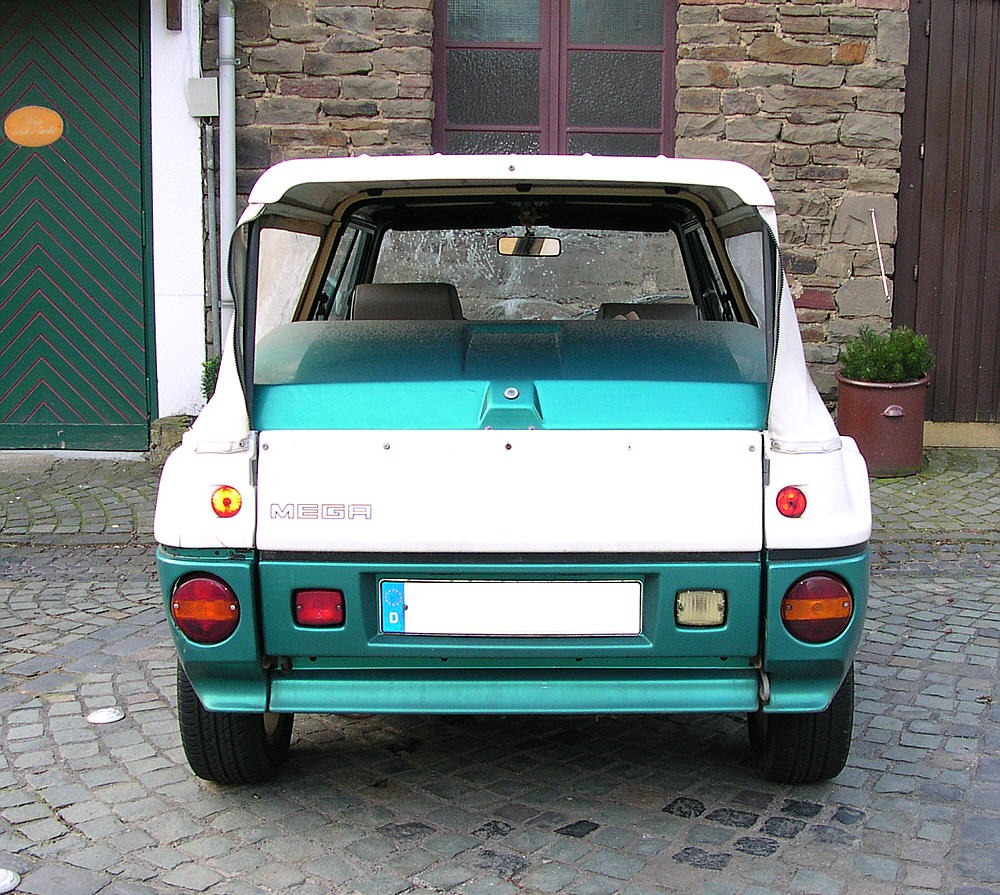
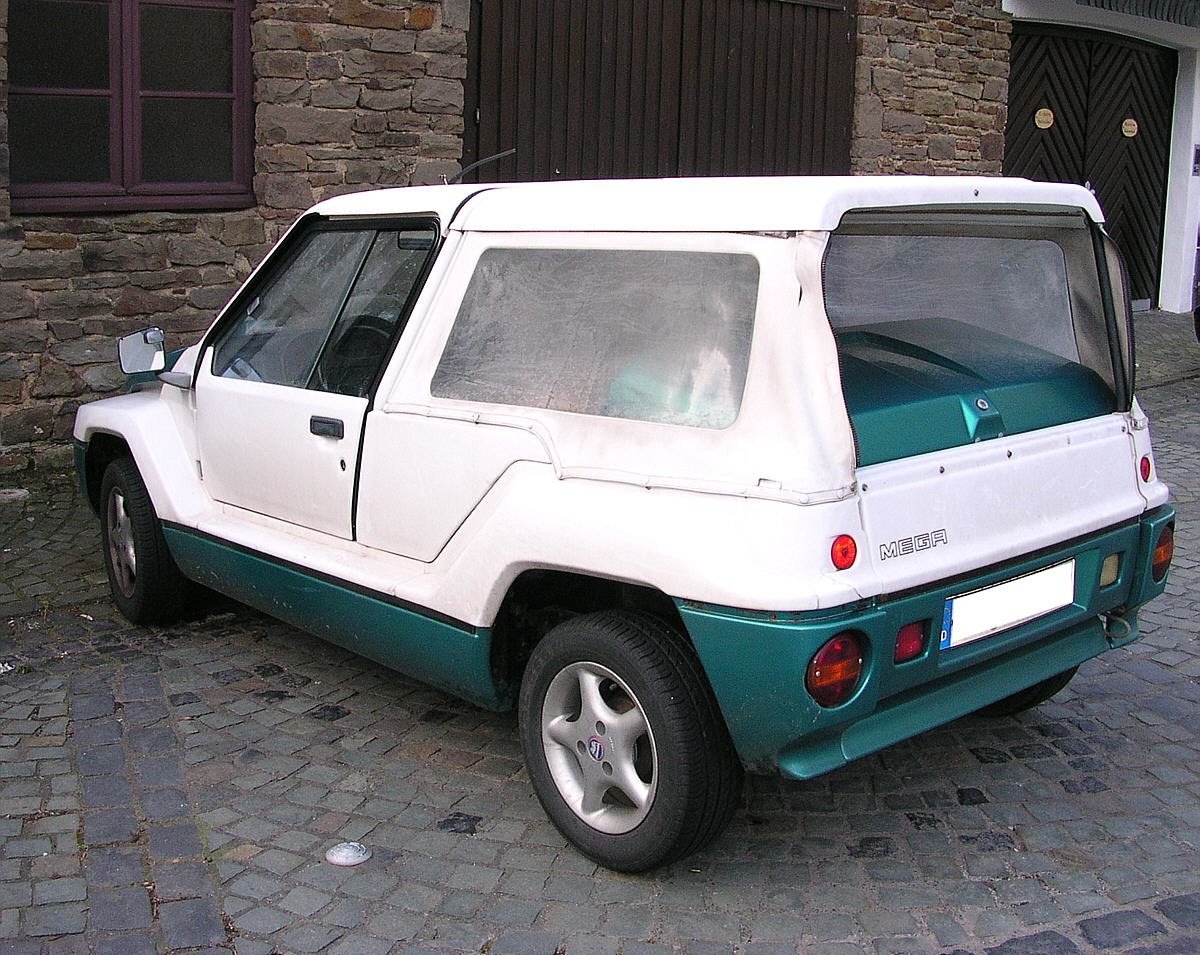
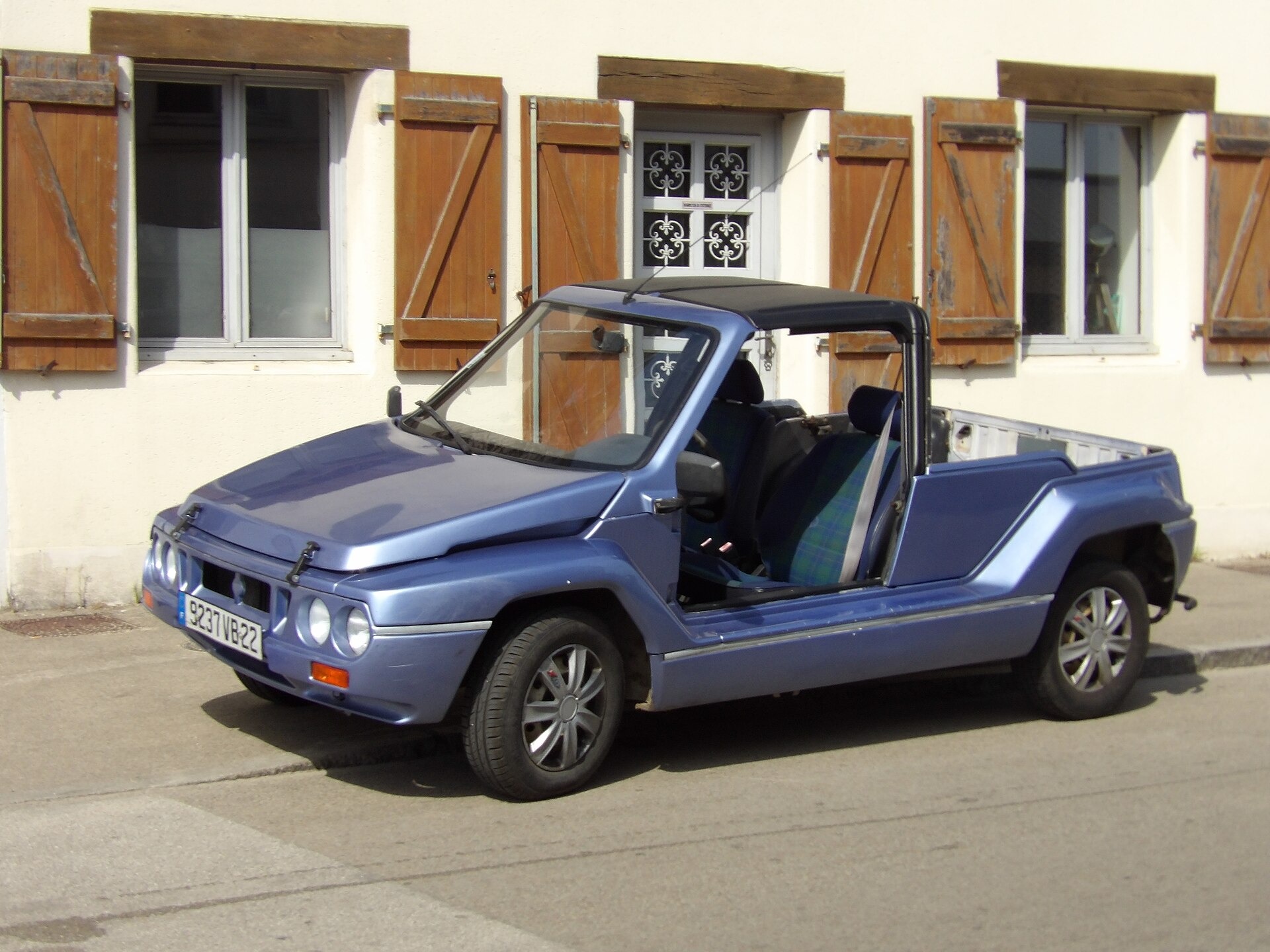
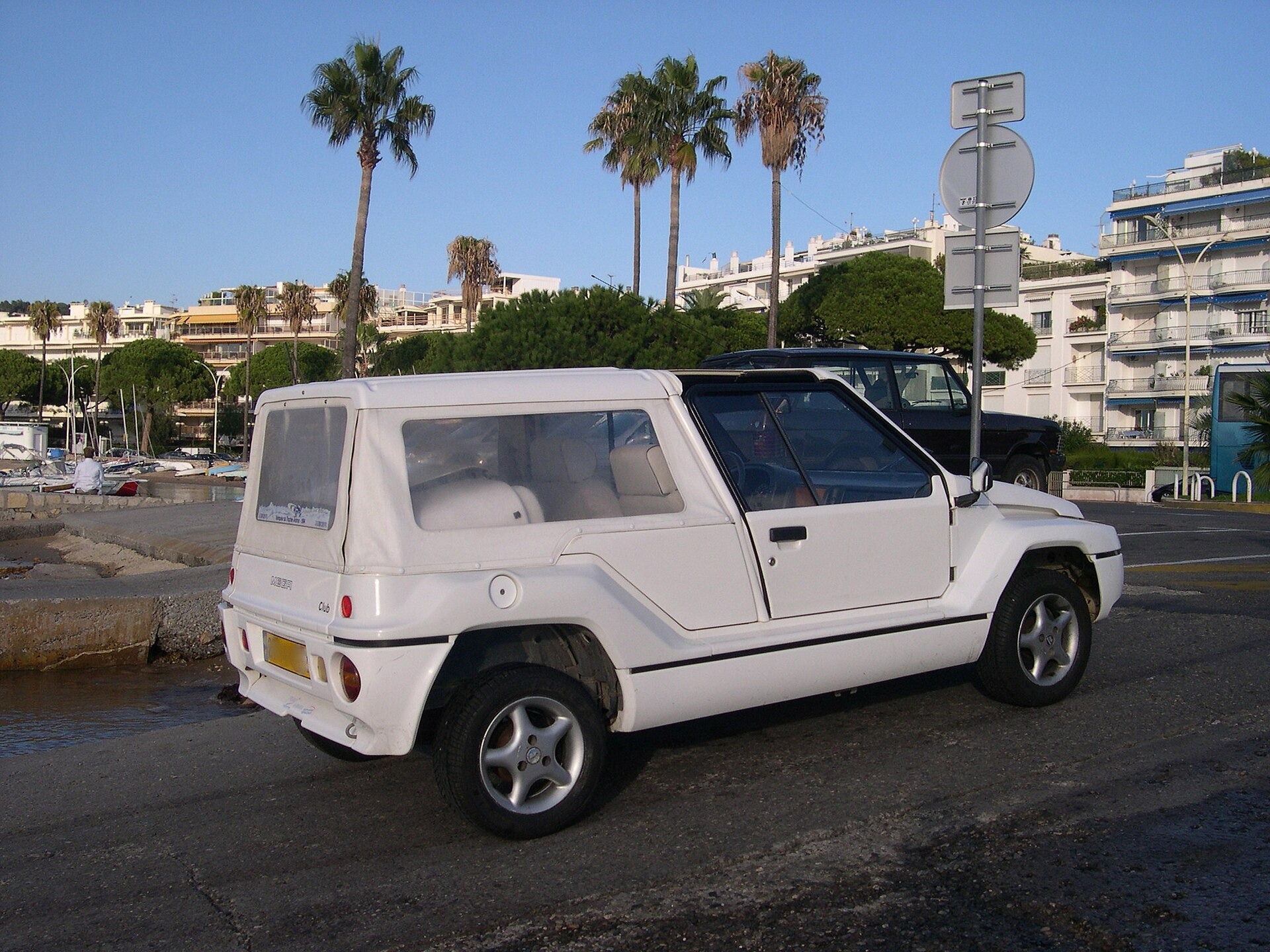
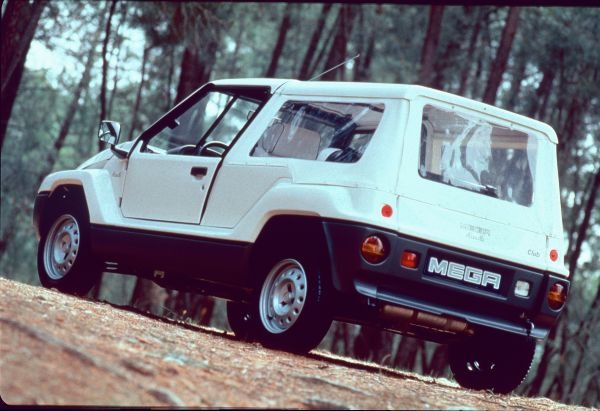
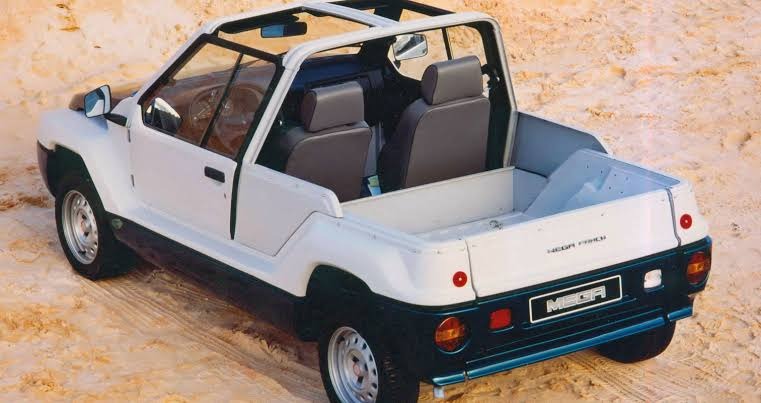
The modular design allowed the vehicle to be configured in three main variants: the Méga Ranch as a two-seat vehicle that could be configured as a pickup or utility vehicle, the Méga Club as a four-seat vehicle that could be fitted with a rigid roof and optional side canvas or hard top, and the Méga Cabriolet as a variant of the Club with specific fittings for a folding cabriolet-type canvas.

Mechanically, the vehicle used two petrol engines (1.1 and 1.4 liter, carbureted then injected) and two diesel engines (1.4d and 1.5d) directly taken from the AX phase 2.
The 1.1-liter petrol engine produced 60 hp at 6,200 rpm, the 1.4-liter petrol produced 75 hp at 6,200 rpm with 111 Nm of torque at 4,000 rpm, and the 1.5-liter diesel produced 58 hp at 5,000 rpm. Maximum speeds were 140 km/h for the 1.1-liter, 150 km/h for the 1.4-liter, and 145 km/h for the 1.5-liter diesel. The vehicle measured 3.51 meters in length and weighed 765 kg for the 1.1-liter version, 790 kg for the 1.4-liter, and 850 kg for the 1.5-liter diesel.
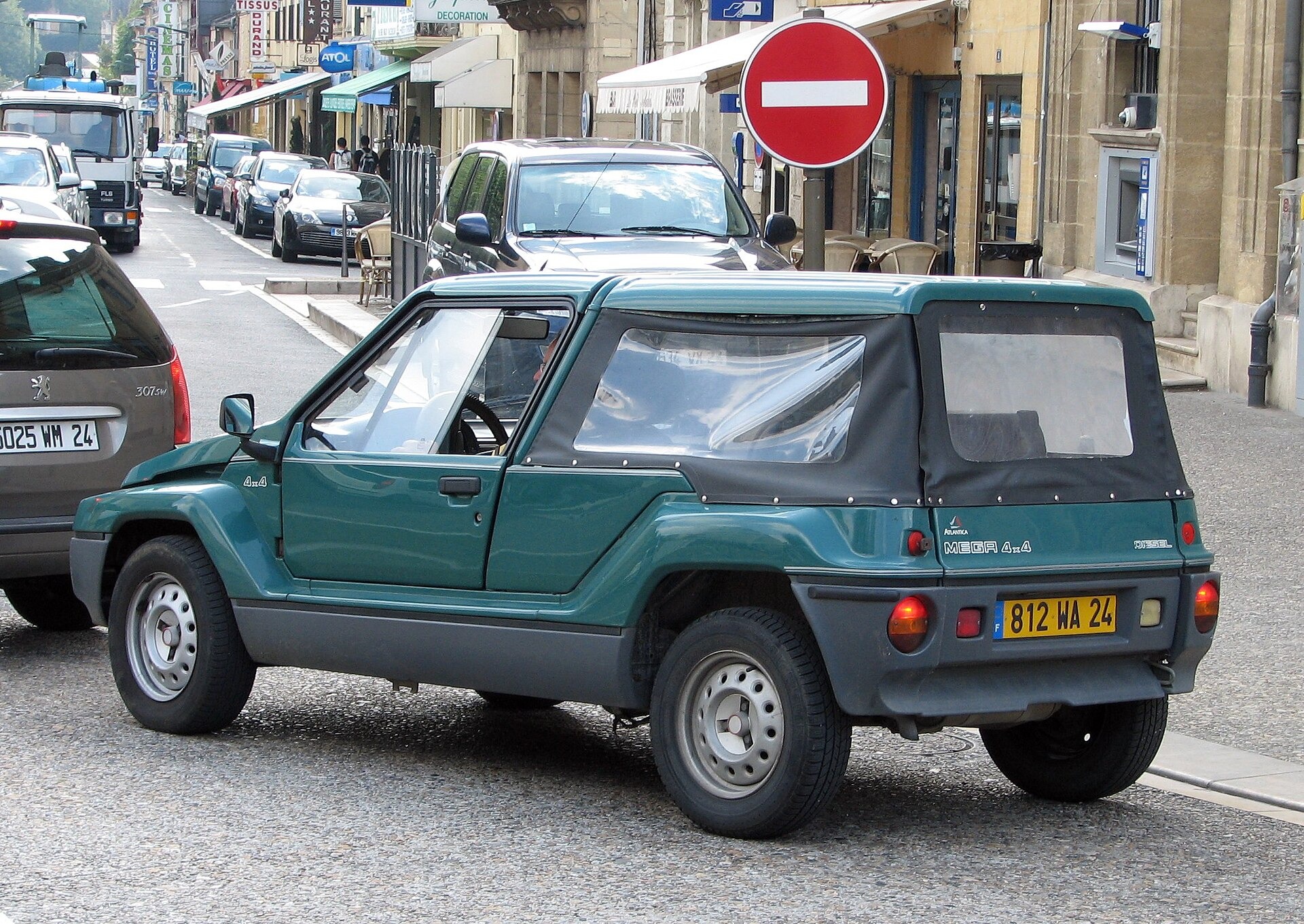
Standard configuration was front-wheel drive, but a 4×4 version was available, derived from the four-wheel-drive AX. The 4×4 was not a true off-road vehicle due to the lack of low gearing, but it could handle snow or mud effectively. The 4×4 version was 80 kg heavier than the standard version, and with 14-inch wheels, ground clearance was increased by 5 cm to 19 cm.
The upper body was largely removable. Owners could remove only the roof panels or demount the entire rear bodywork, which was attached with snap fasteners and zippers. For even more open-air driving, the doors could also be removed.

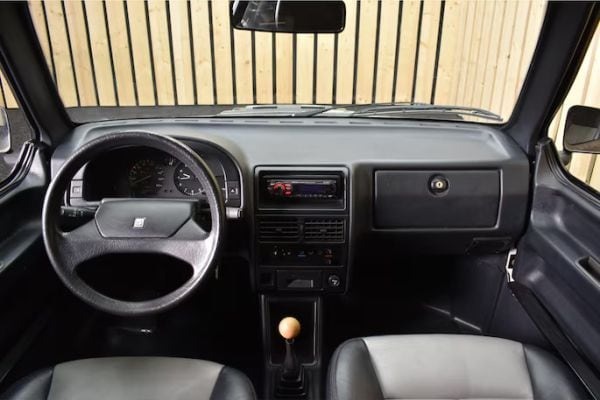
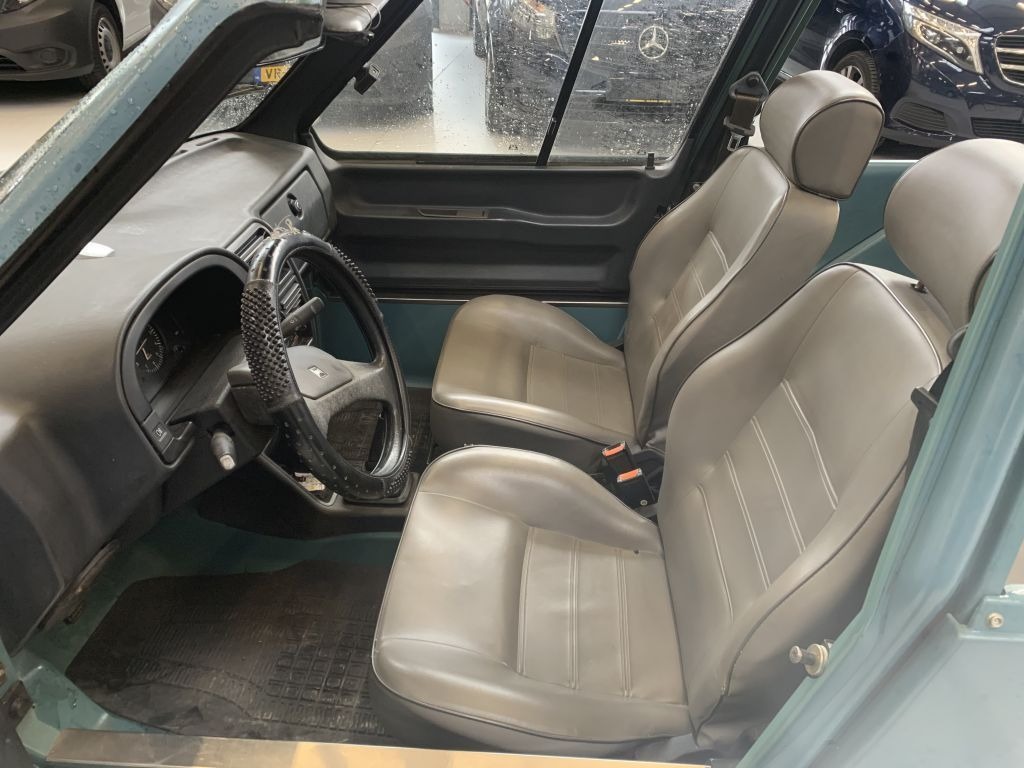
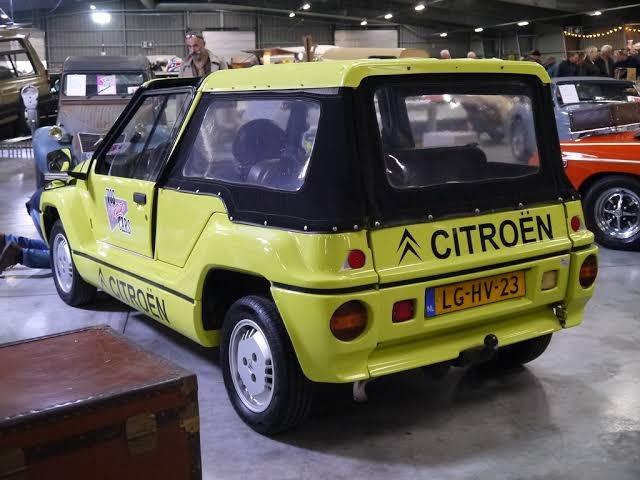
The seats were upholstered in skai (vinyl), making them moisture-resistant. In the Netherlands, the vehicle was sold as the Mega Tjaffer, a name coined by Dutch importer Jaap van den Broek, a Citroën specialist from Nieuwleusen.
He argued that the generic model names would not resonate with Dutch customers. The word ‘Tjaffer’ carries an affectionate connotation of a tough, unpretentious, hard-working companion in Dutch. Around 150 units were sold in the Netherlands alone, with many surviving in the hands of Dutch Citroën enthusiasts.
In France, prices ranged from 73,000 to 82,000 French francs in 1996. In the Netherlands, prices varied from 12,000 euros for the 1.1i to 18,600 euros for the 4×4 diesel. The car was delivered standard without roof and without doors, with break, coupé, or cabrio bodywork available separately as the so-called Wind & Waterdicht package.
Production ceased in 1998, with nearly 1,000 units built in total.