
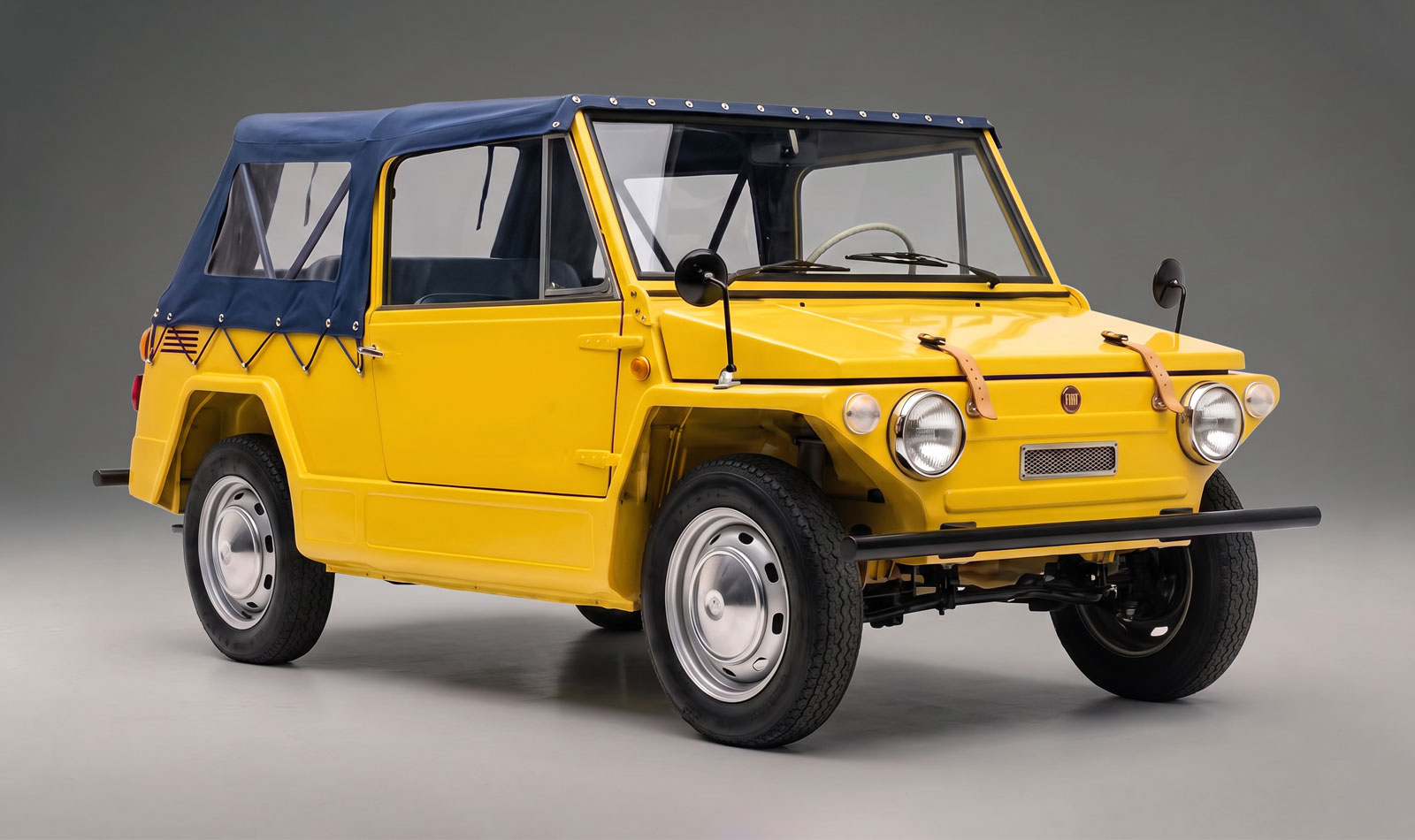
Fiat 600 Savio Jungla

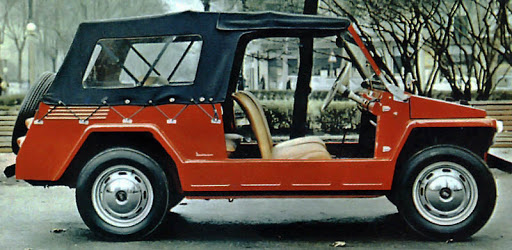
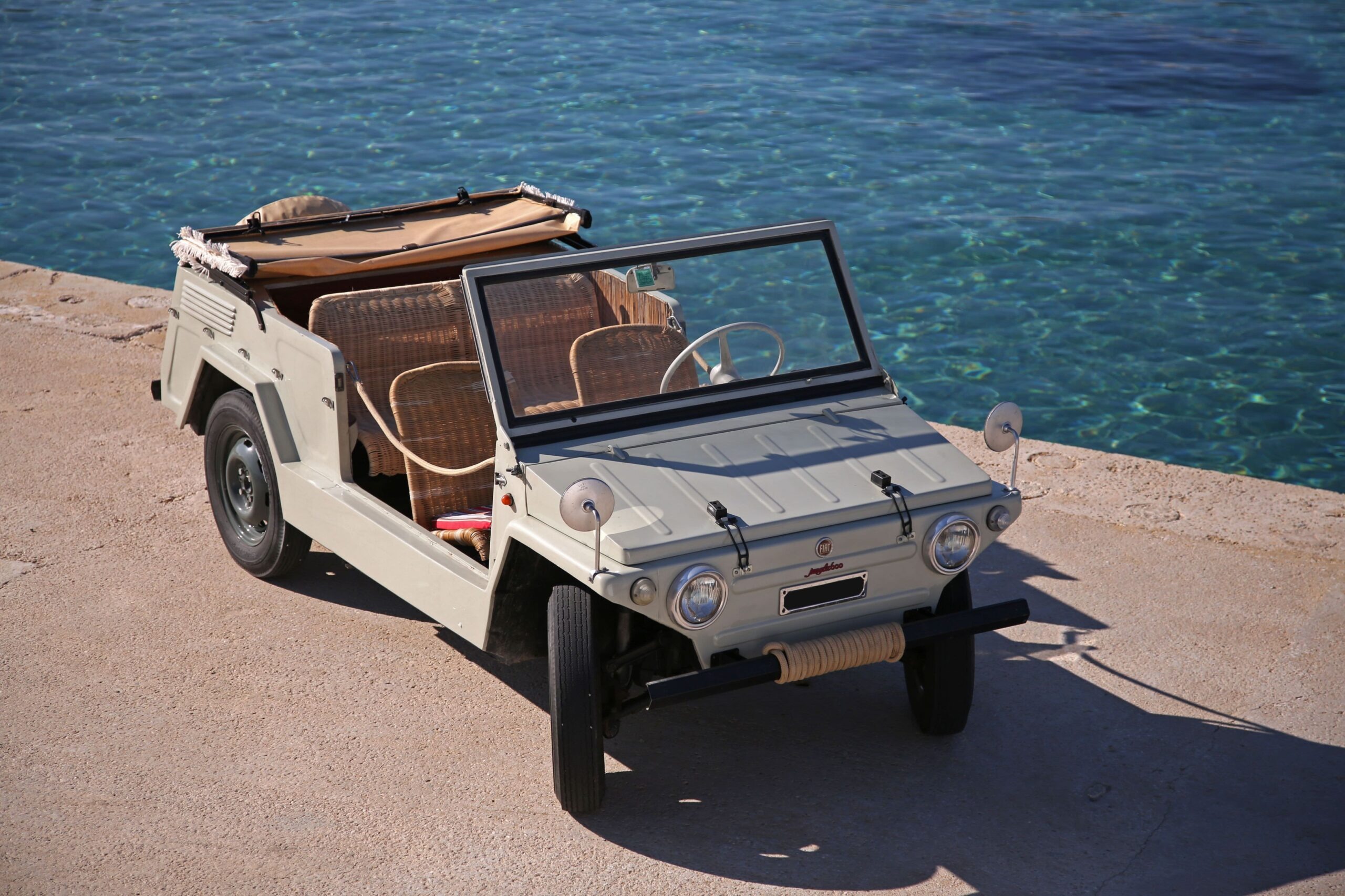
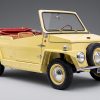
The Savio Jungla was a lightweight Italian utility vehicle developed by Carrozzeria Savio on Fiat 600D mechanicals.
Commissioned by Gianni Agnelli as an Italian answer to the Mini Moke, it combined a simple open body with compact Fiat components and was intended for military, public-service and civilian leisure use.
The model was introduced at the 1965 Turin Motor Show as the Giungla before its name was changed to Jungla.
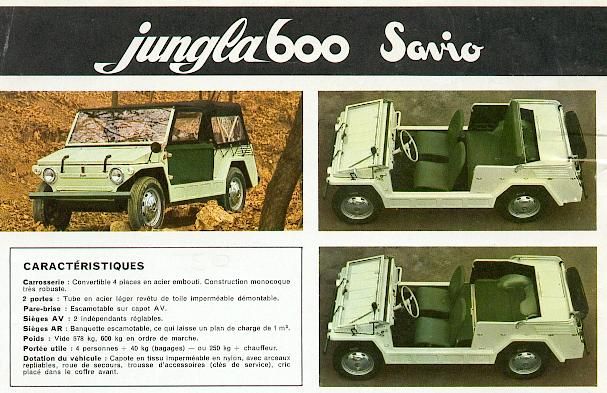
Carrozzeria Savio, the Turin firm run by Antonio and Giuseppe Savio, created the Jungla around the rear-engined, rear-wheel-drive Fiat 600D platform. Its 767 cc water-cooled inline-four produced 32 hp and drove through a four-speed manual gearbox. With a curb weight of approximately 578 kg, the four-seat vehicle could reach 95 km/h. It could also carry around 40 kg of equipment and climb gradients of up to 36.5 percent.
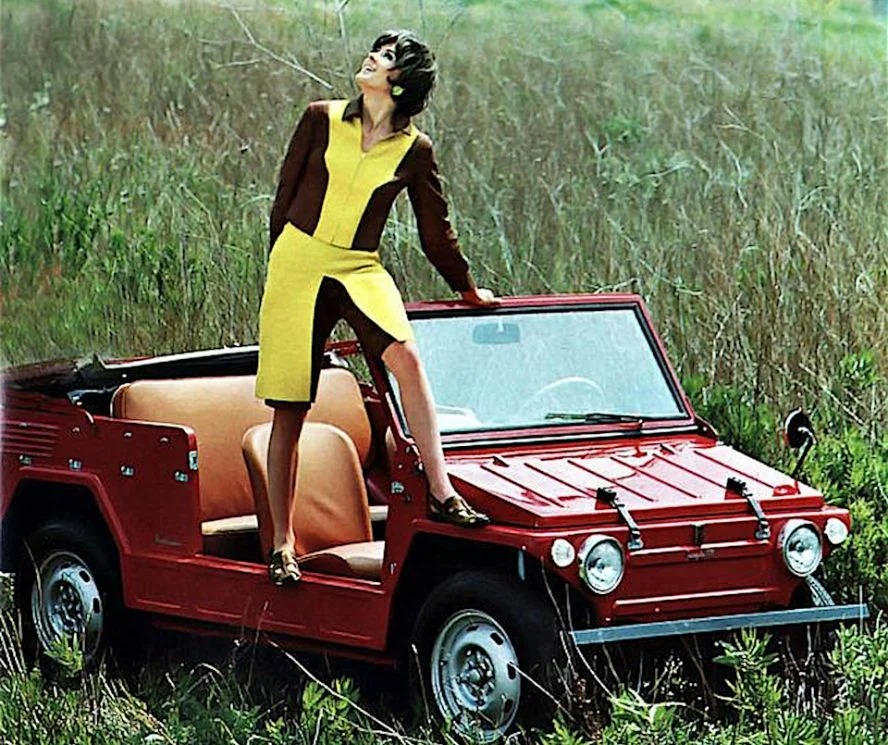
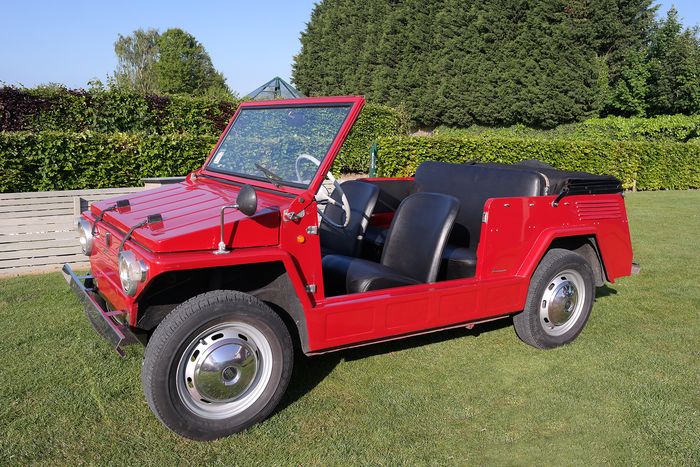
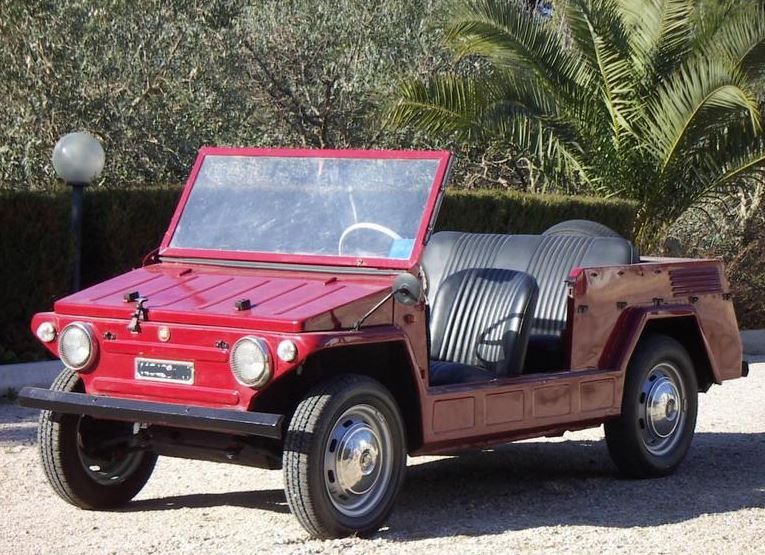
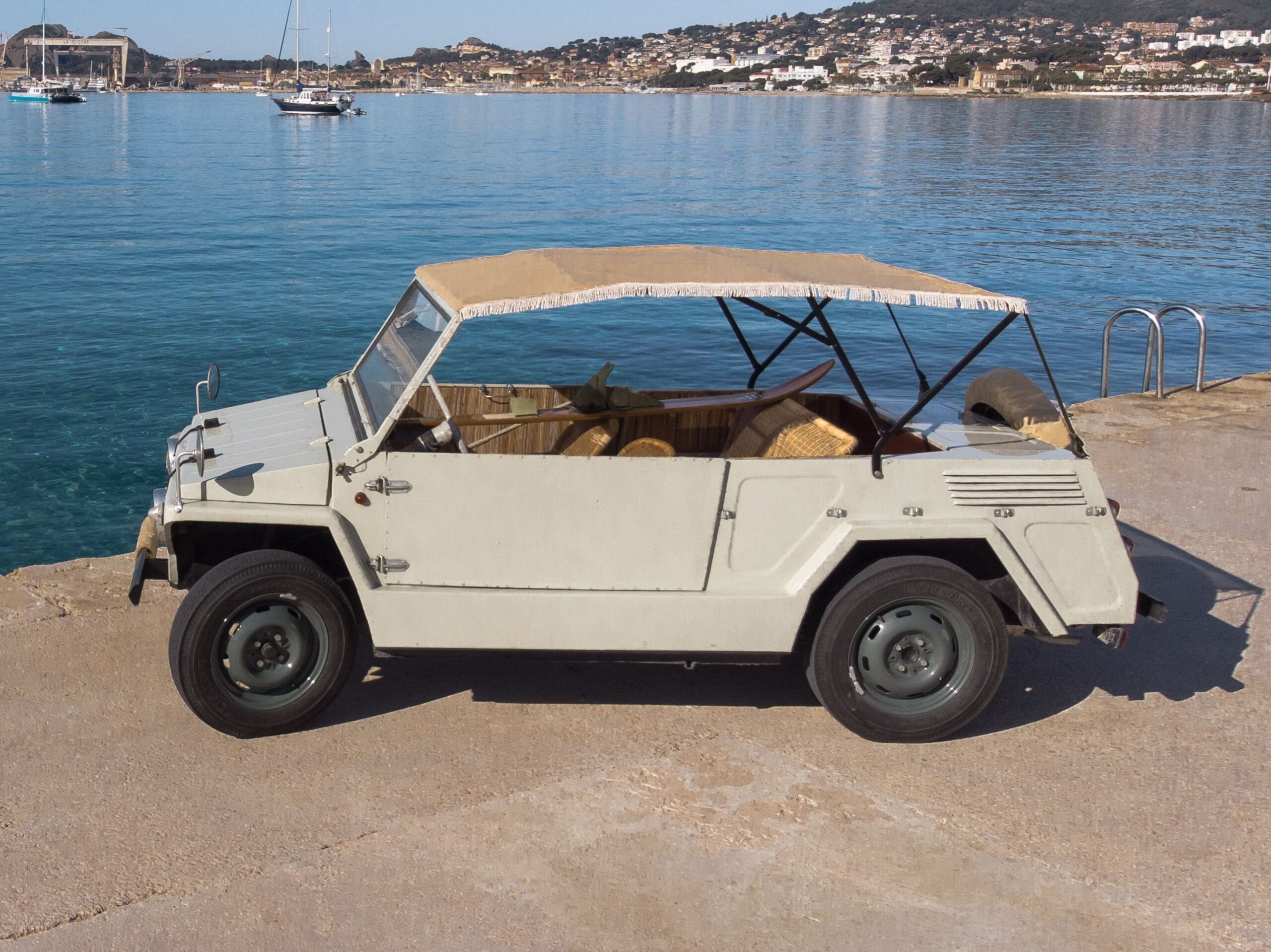
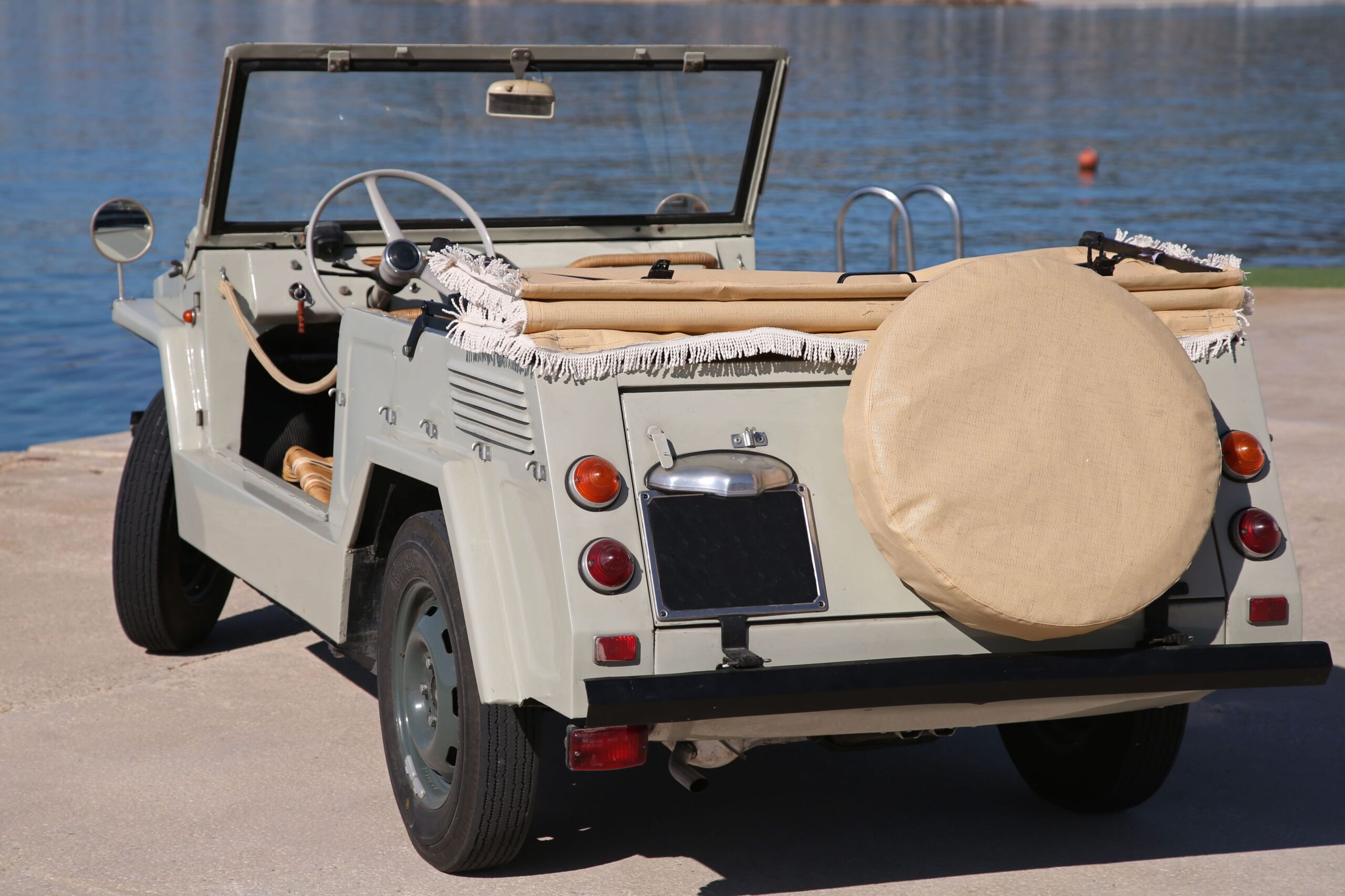
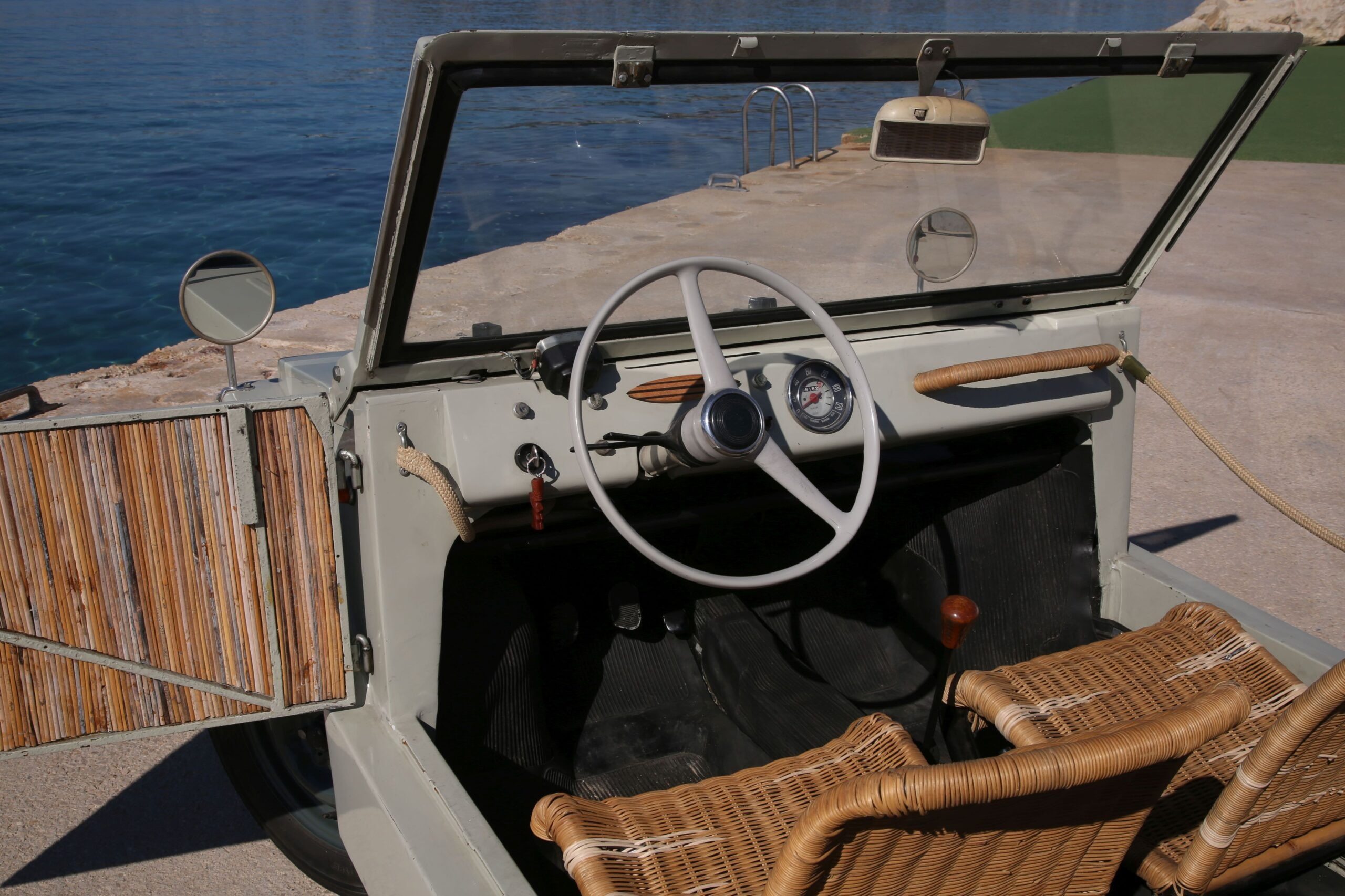
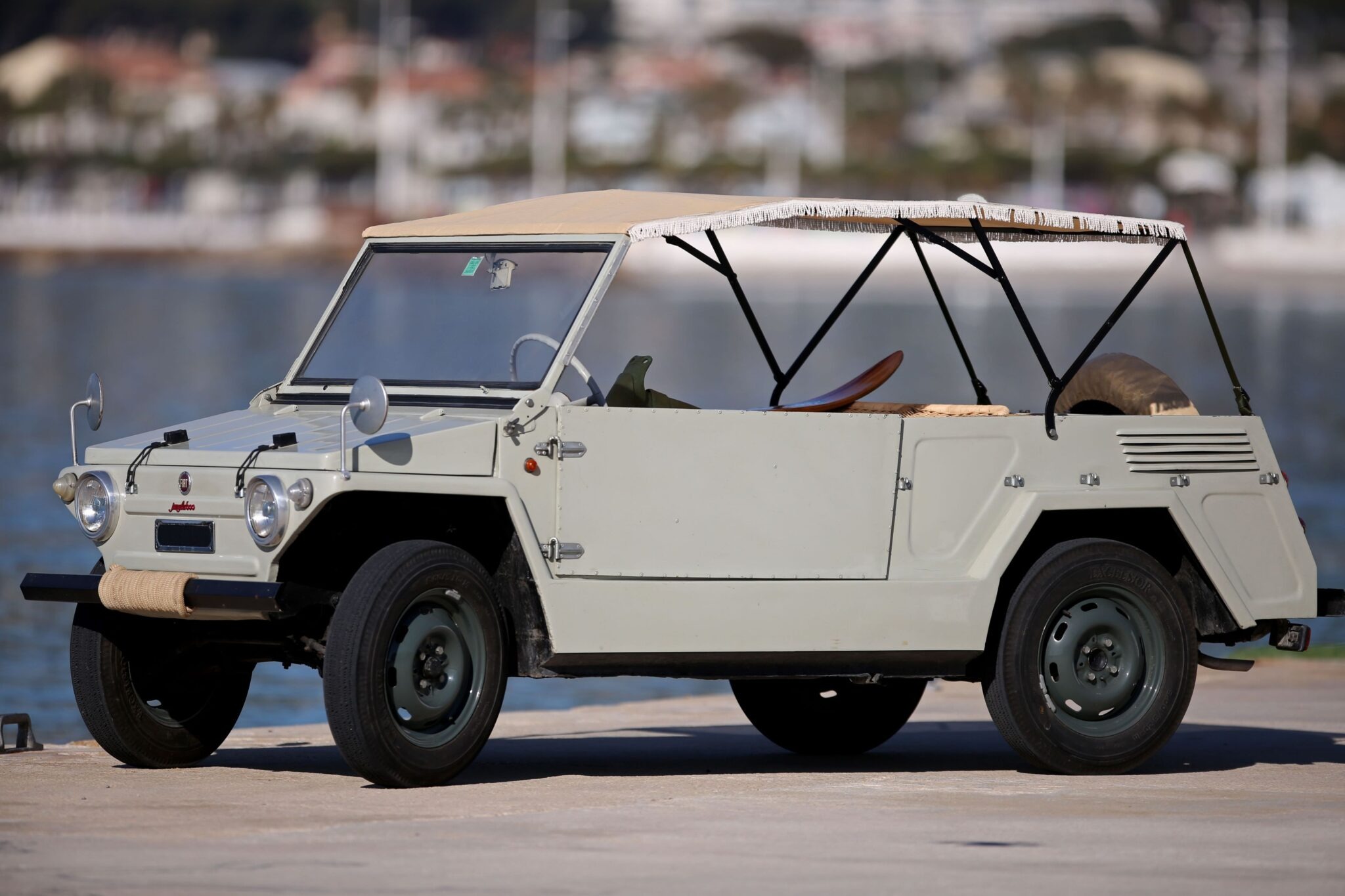
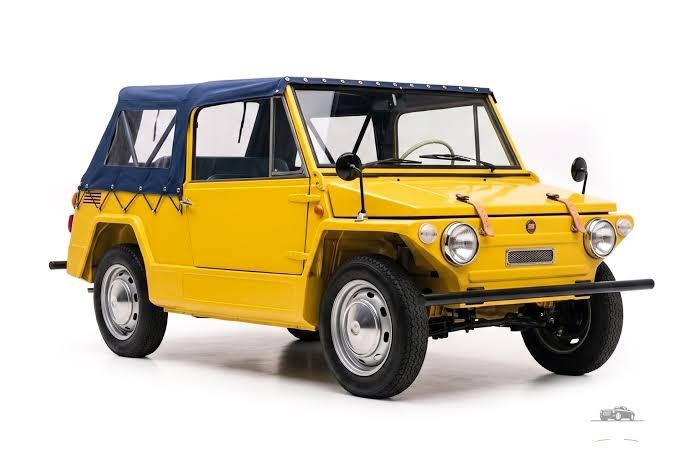
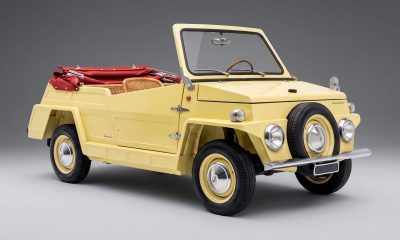
The body was deliberately basic and squared-off. It had removable or canvas doors, a soft top, a folding windscreen and an external spare wheel mounted at the rear. In early cars, the screen folded forward onto rubber supports on the bonnet.
Instrumentation was minimal: the layout used a Fiat 500 odometer placed to the right of the steering wheel, supplemented by warning lamps for oil pressure, fuel reserve, generator charging, high beam and coolant temperature. A single driver-side windscreen wiper was fitted as standard.
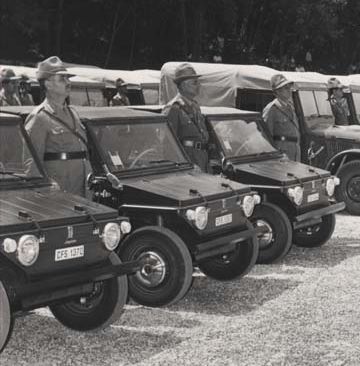
Three pre-series examples were built before full production. One was light green and later repainted cream with a light-coloured roof; a grey car with a black roof was later destroyed in an accident; and an ivory example with a black roof was later repainted blue. The latter featured a modified rear compartment and an extendable rear backrest, allowing it to carry loads of up to 250 kg. It was also used as a basis for supplying the Italian armed forces through Cecchignola.
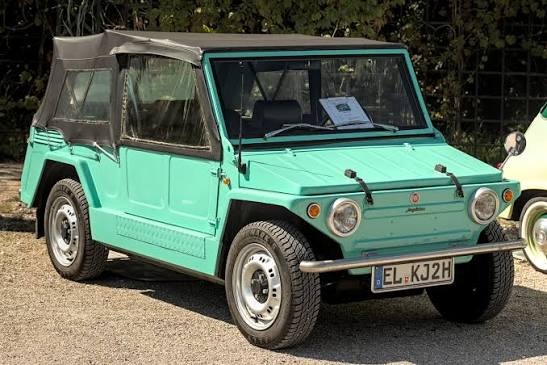
The Jungla was offered in eight colours: military green, sage green, red, orange, yellow, white, blue and beige. It was not confined to private buyers.
Examples were supplied to organisations including Enel, Stipel, the Forestry Guard, Carabinieri and hunting police. Approximately 300 vehicles were equipped with an extra-low reduction gear known as the primino, intended to improve low-speed capability.
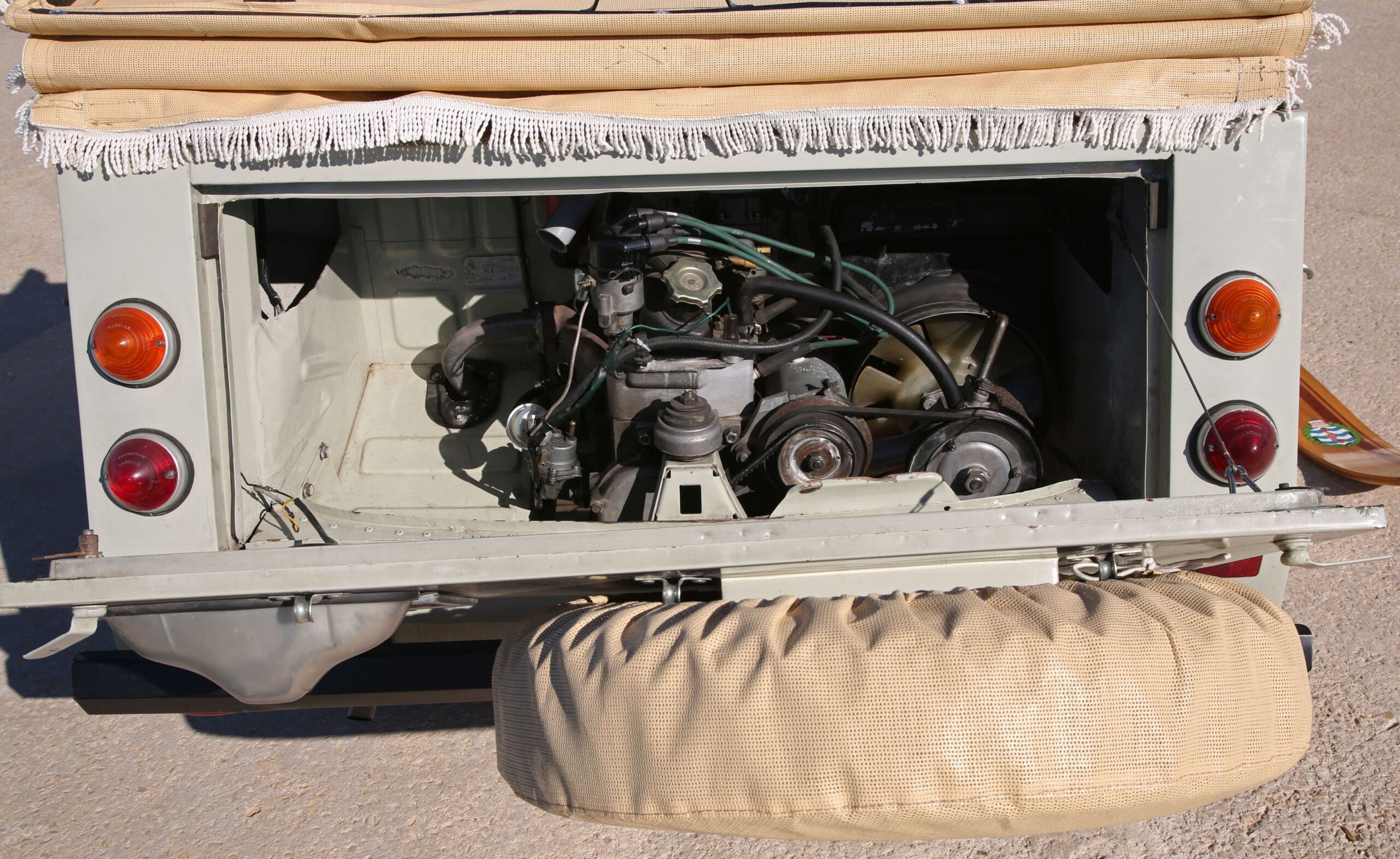
In 1969, Savio revised the design. Canvas door frames were replaced by sheet-metal doors, and the rear engine cover received new hinges so that it could be opened without removing the spare wheel.
The side panels were strengthened and given ribs below the air intakes, while the front underbody protection was reinforced. A second windscreen wiper was added in response to customer demand; buyers could also specify washer jets, a pump and a fluid reservoir.
When Fiat ended Italian production of the 600, Savio sourced donor vehicles and mechanical parts from SEAT in Spain, including the related SEAT 600E engine. Some later cars received fibreglass engine covers, while one example reportedly used Zastava mechanical components.
Savio later adapted the idea to the Fiat 126 platform, creating the 126 Jungla as a successor with an all-new body, a fixed rollover hoop and a folding windscreen.
Production of the Fiat 600 Savio Jungla continued from 1965 until 1974 and totalled about 3,200 vehicles. Its mixture of Fiat 600 reliability, open-body practicality and minimal equipment made it a distinctive small Italian alternative to the Mini Moke and other beach-oriented utility cars of the period.


You must be logged in to post a comment Login