Fiat 500 Savio Albarella

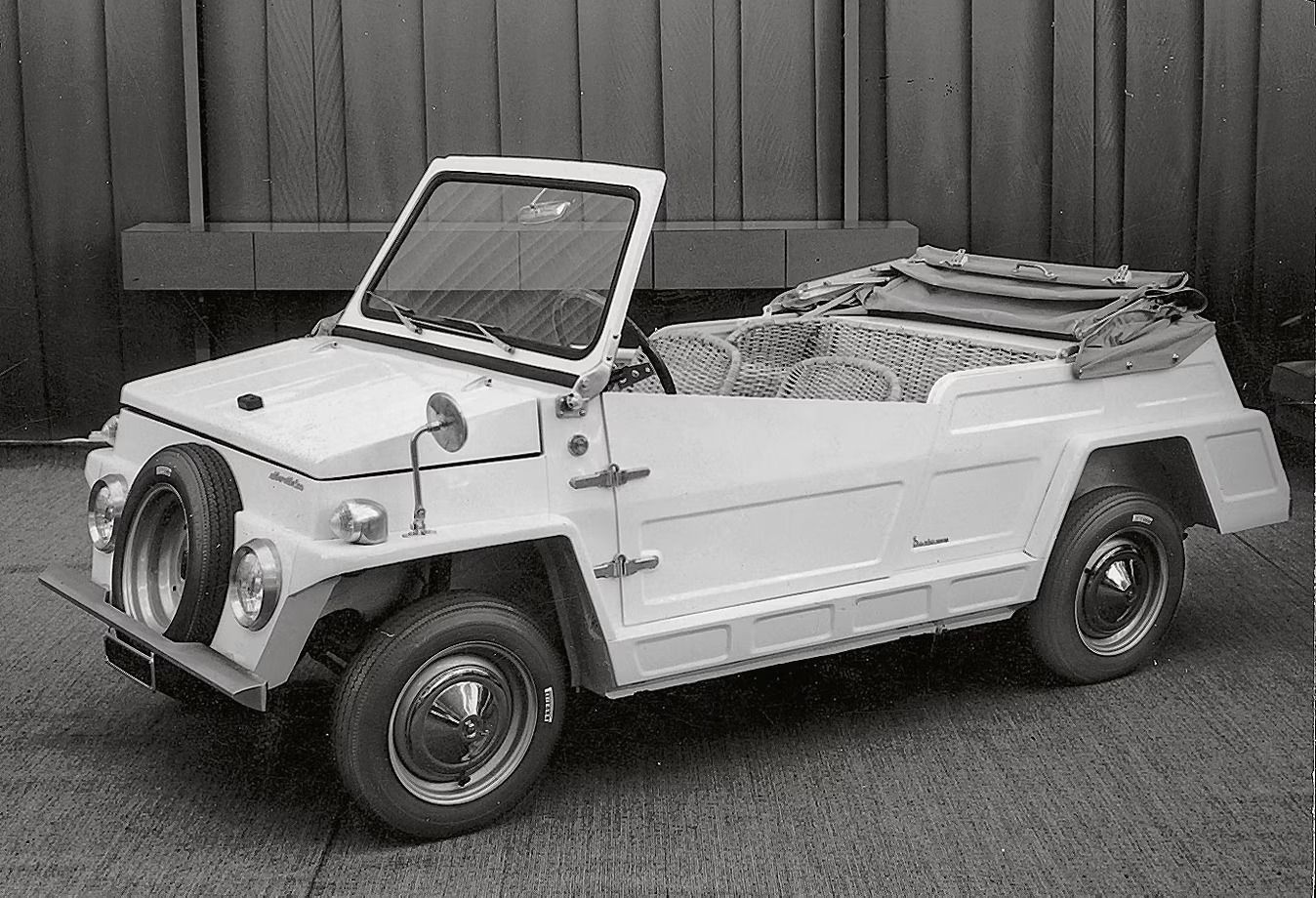
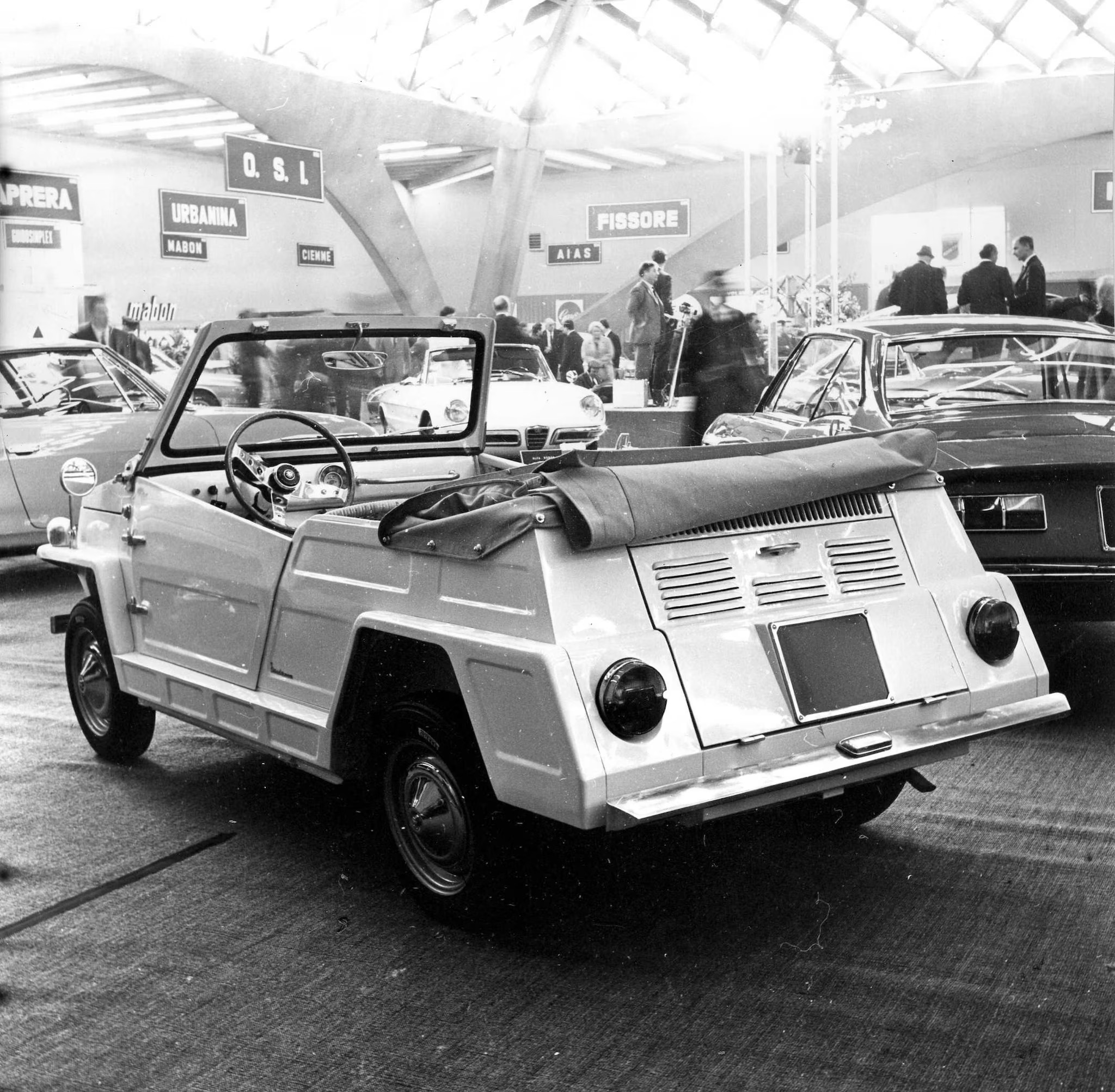
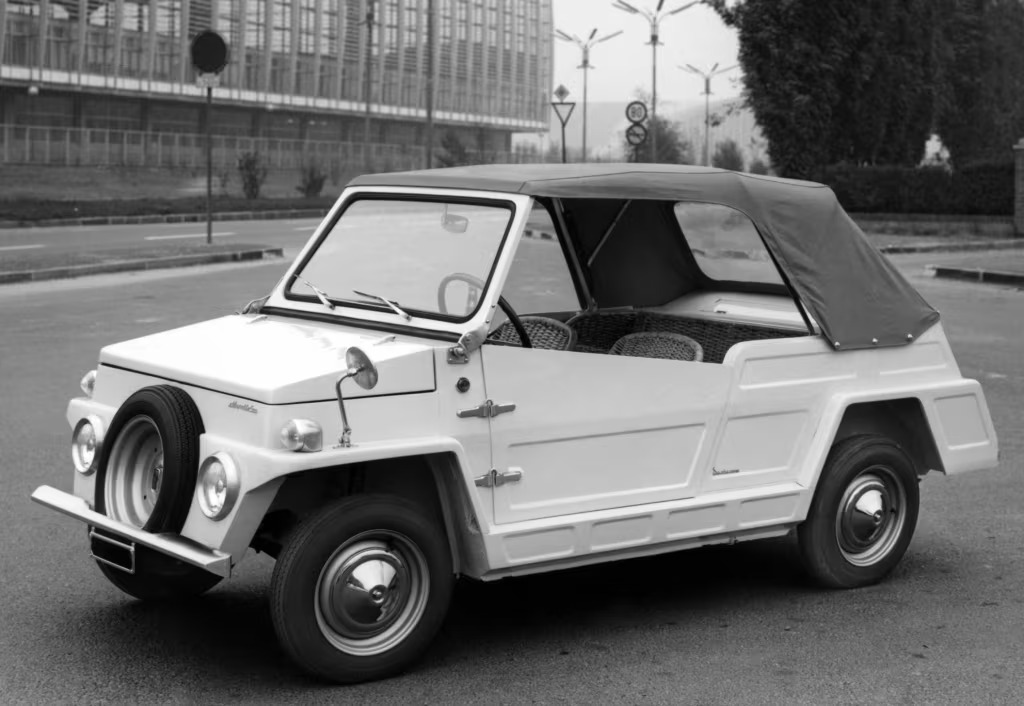
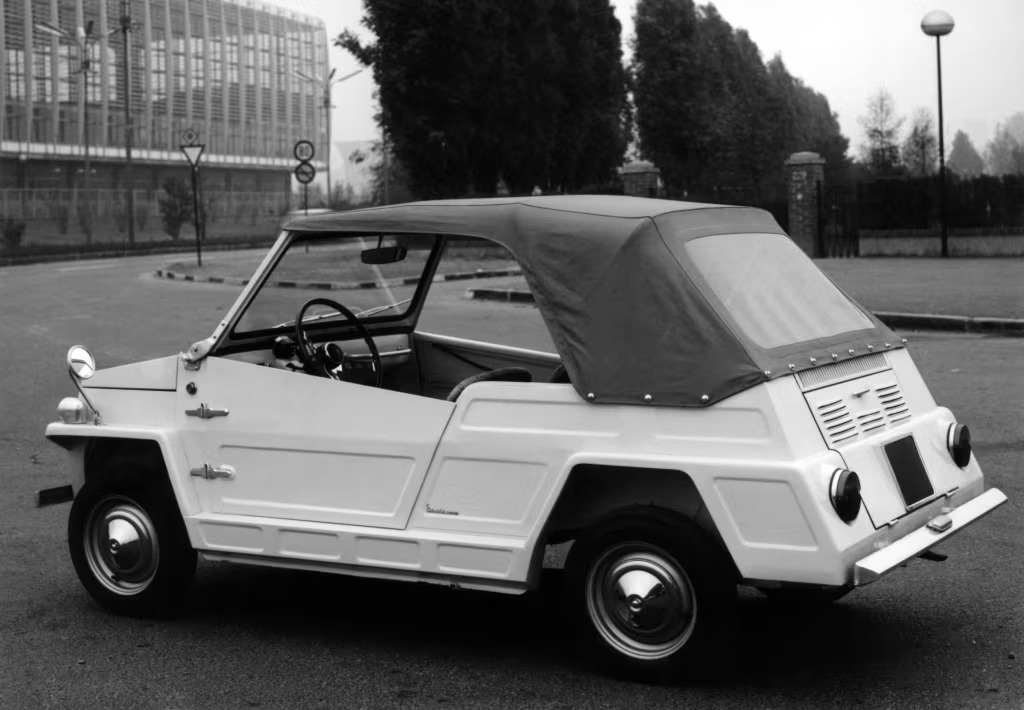
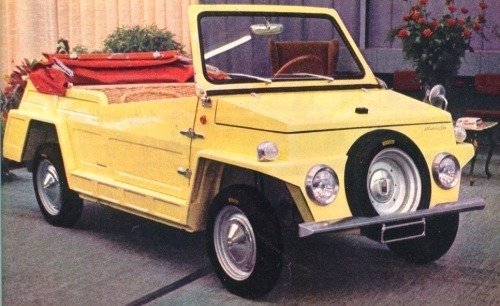
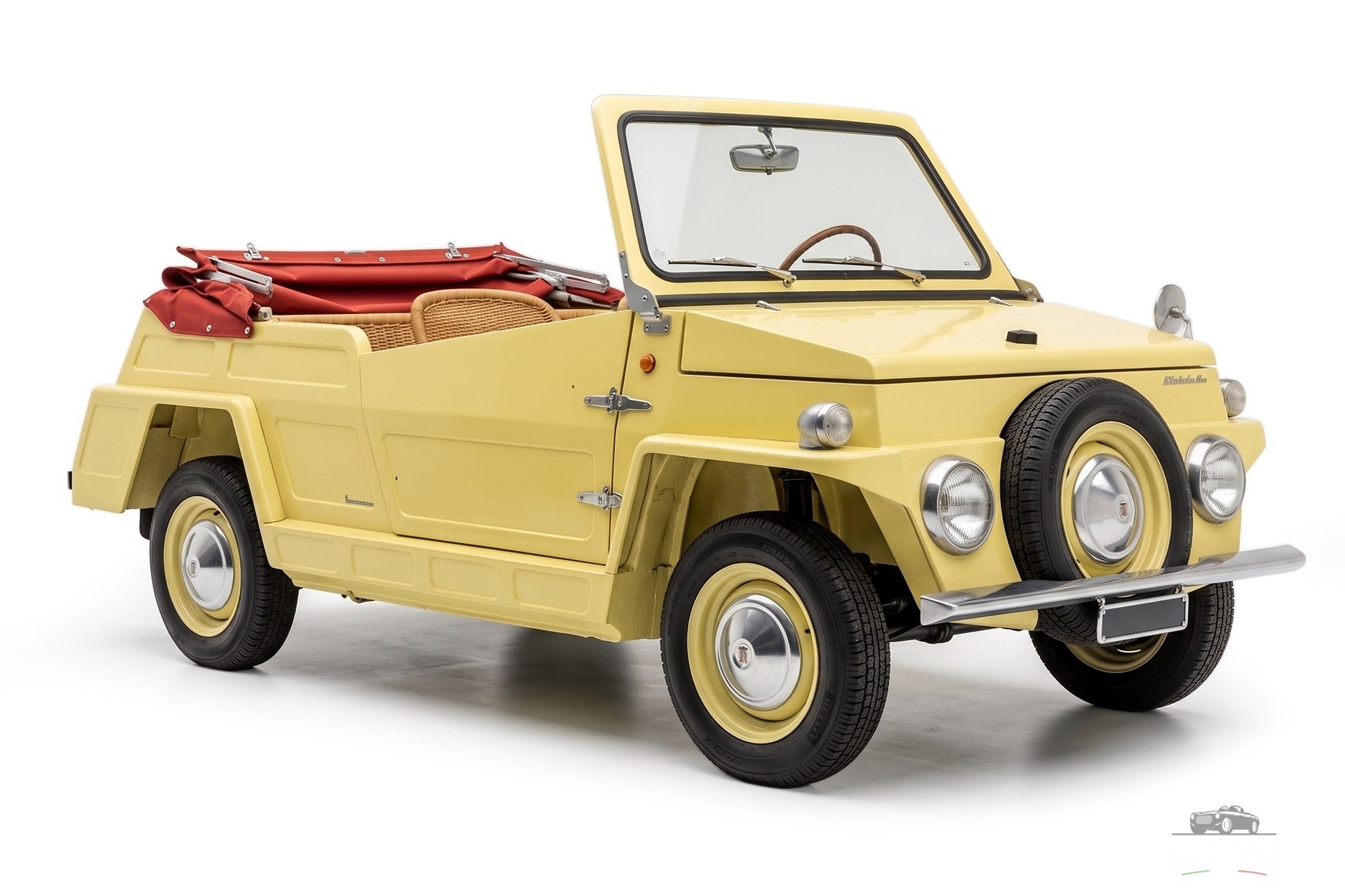
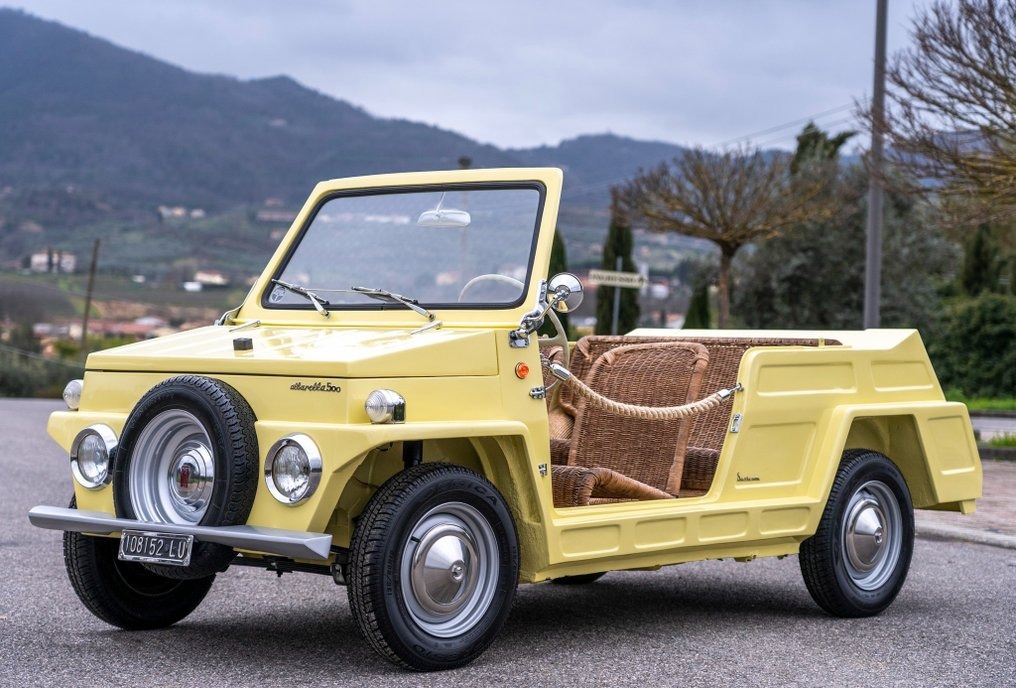
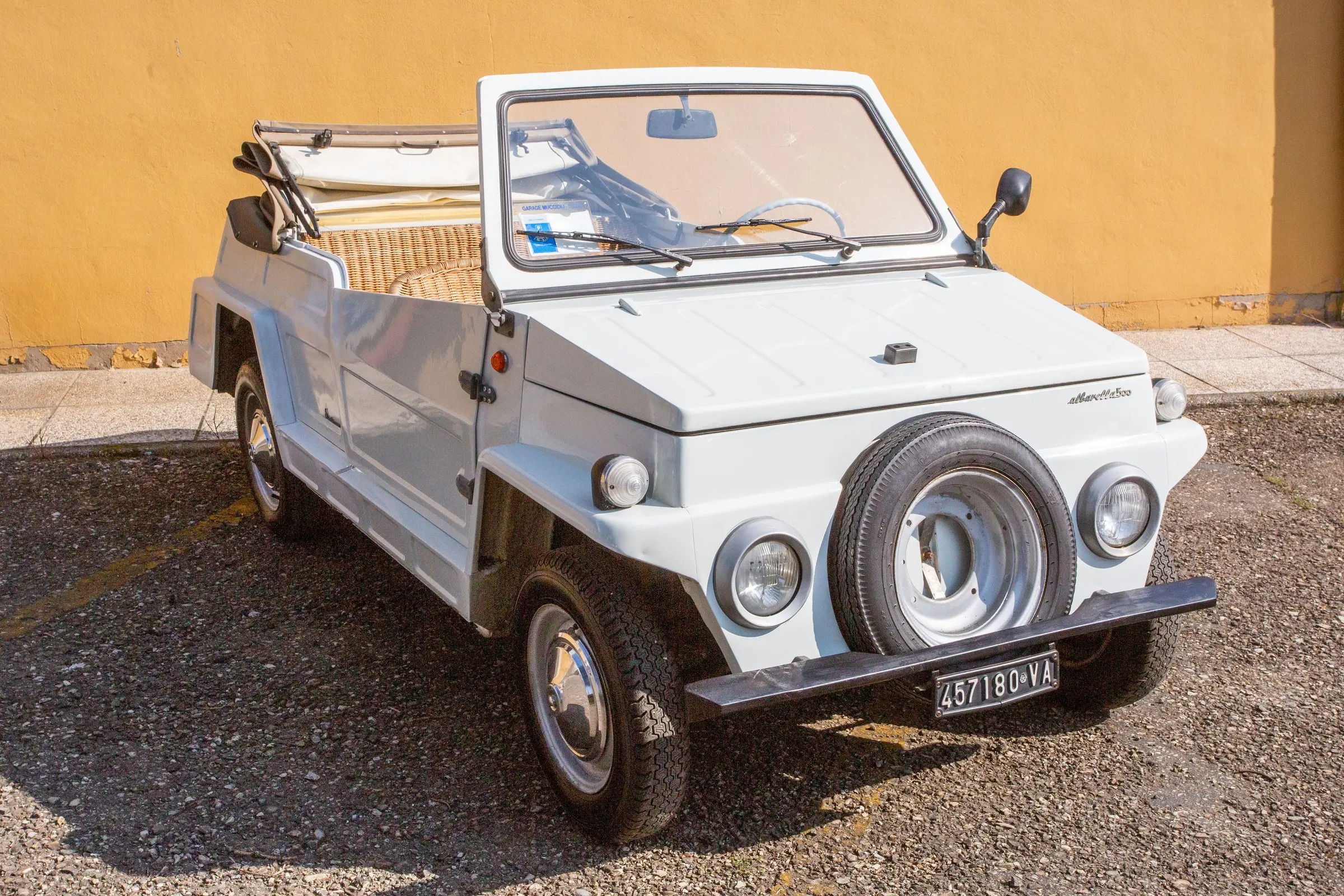
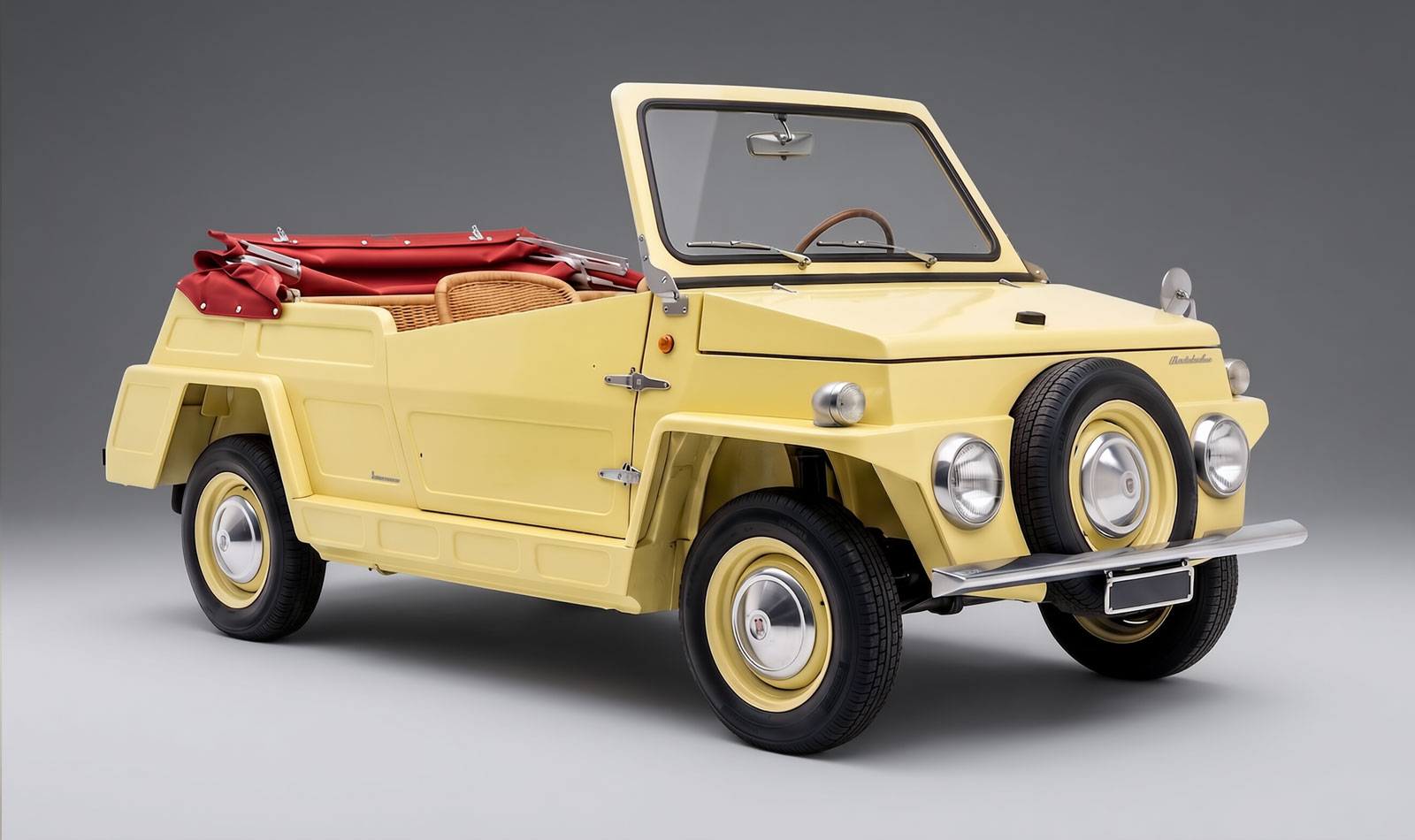
The Fiat 500 Albarella was a very limited-production Italian beach car developed by Carrozzeria Savio in Turin. Introduced in 1967 and produced until 1969, it was based on the Fiat 500F and represented a smaller, more open alternative to Savio’s Fiat 600-based Jungla.
The model took its name from Isola di Albarella, a private resort island in the Venetian lagoon.
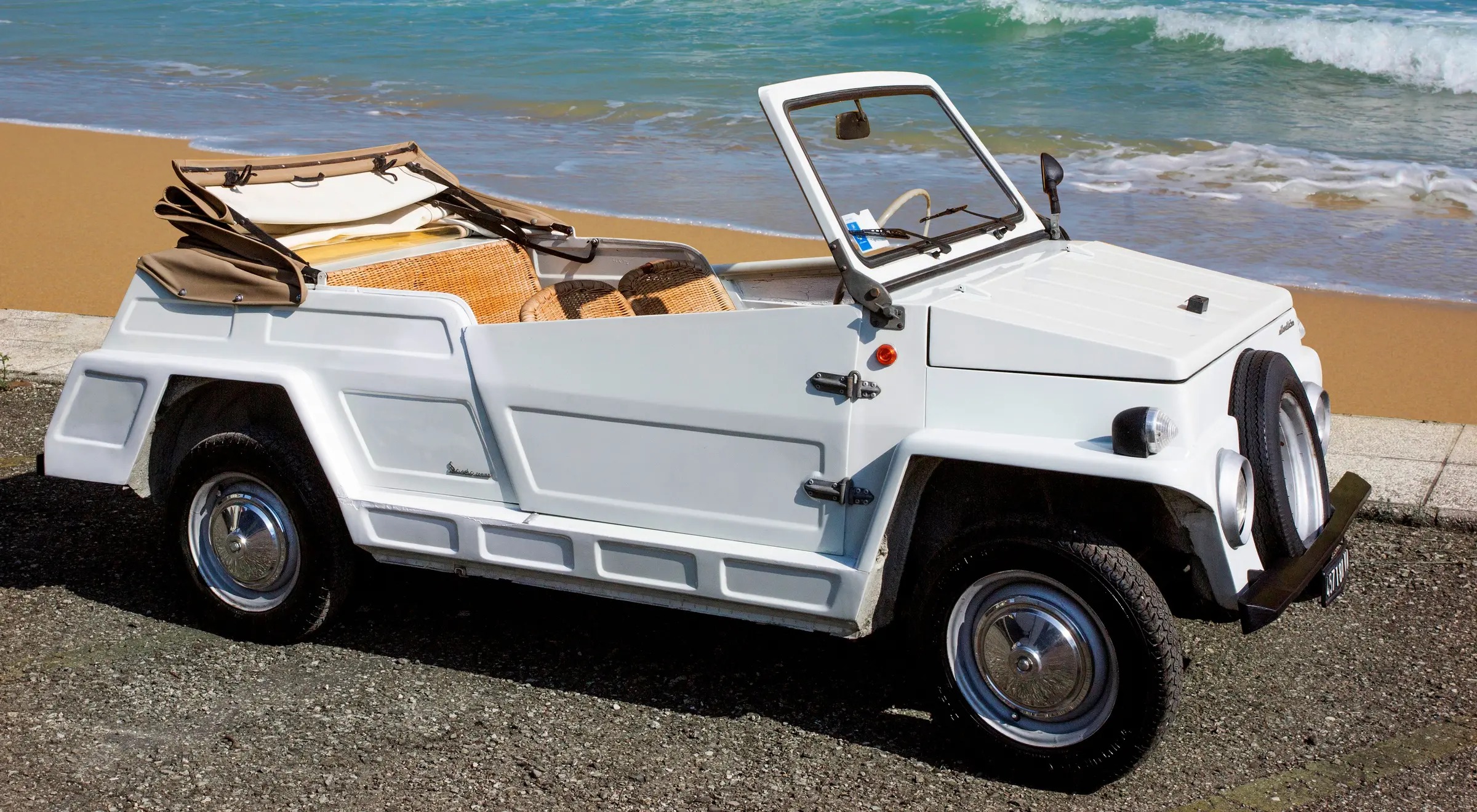
The Albarella belonged to the Italian spiaggina tradition. These lightweight leisure cars became fashionable during the 1950s, when wealthy holidaymakers were photographed using customised Fiats at resorts on the Italian and French Riviera.
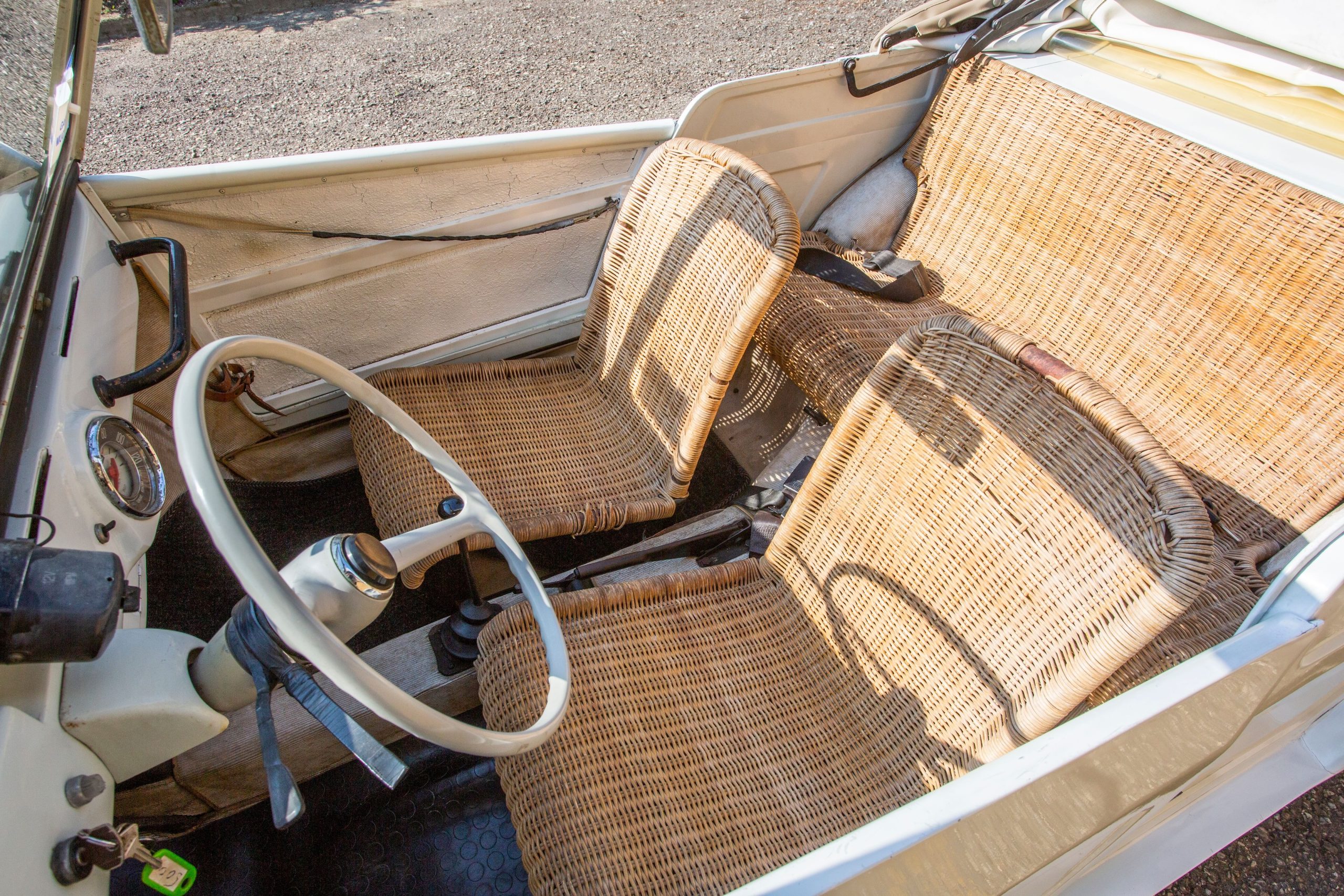
Coachbuilders removed the roofs, doors and side windows, then fitted waterproof wicker seats and simple open bodywork. Companies including Pininfarina, Ghia, Moretti and Savio produced such cars in small numbers for private clients and resorts.
Carrozzeria Savio, founded in 1920, specialised in special-bodied Fiat vehicles. The company’s Jungla, introduced in 1965 on the Fiat 600 platform, became its most successful beach-car design. Two years later, Savio applied the same general idea to the smaller Fiat 500F, producing the Albarella for seasonal and resort-area use.
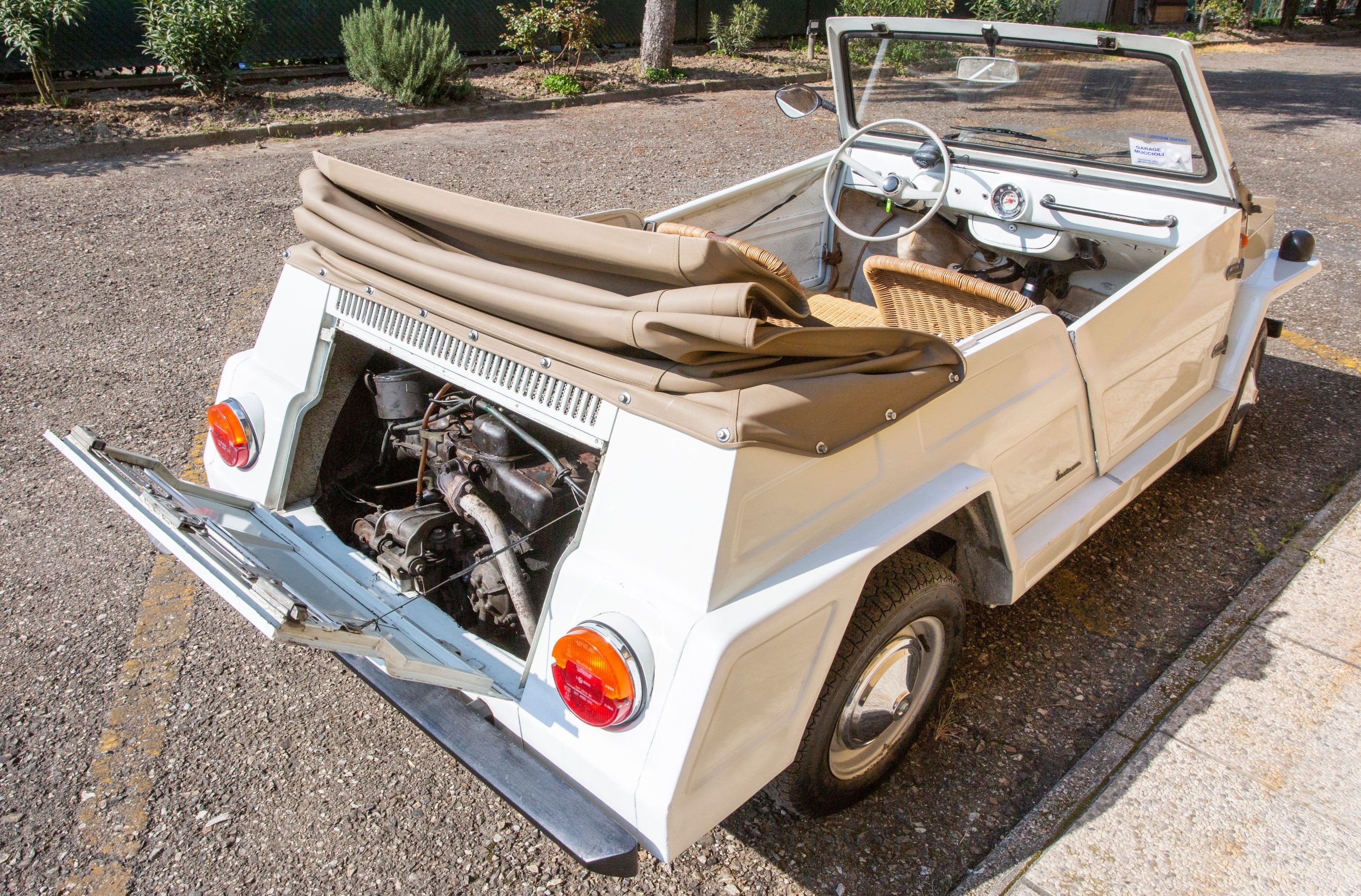
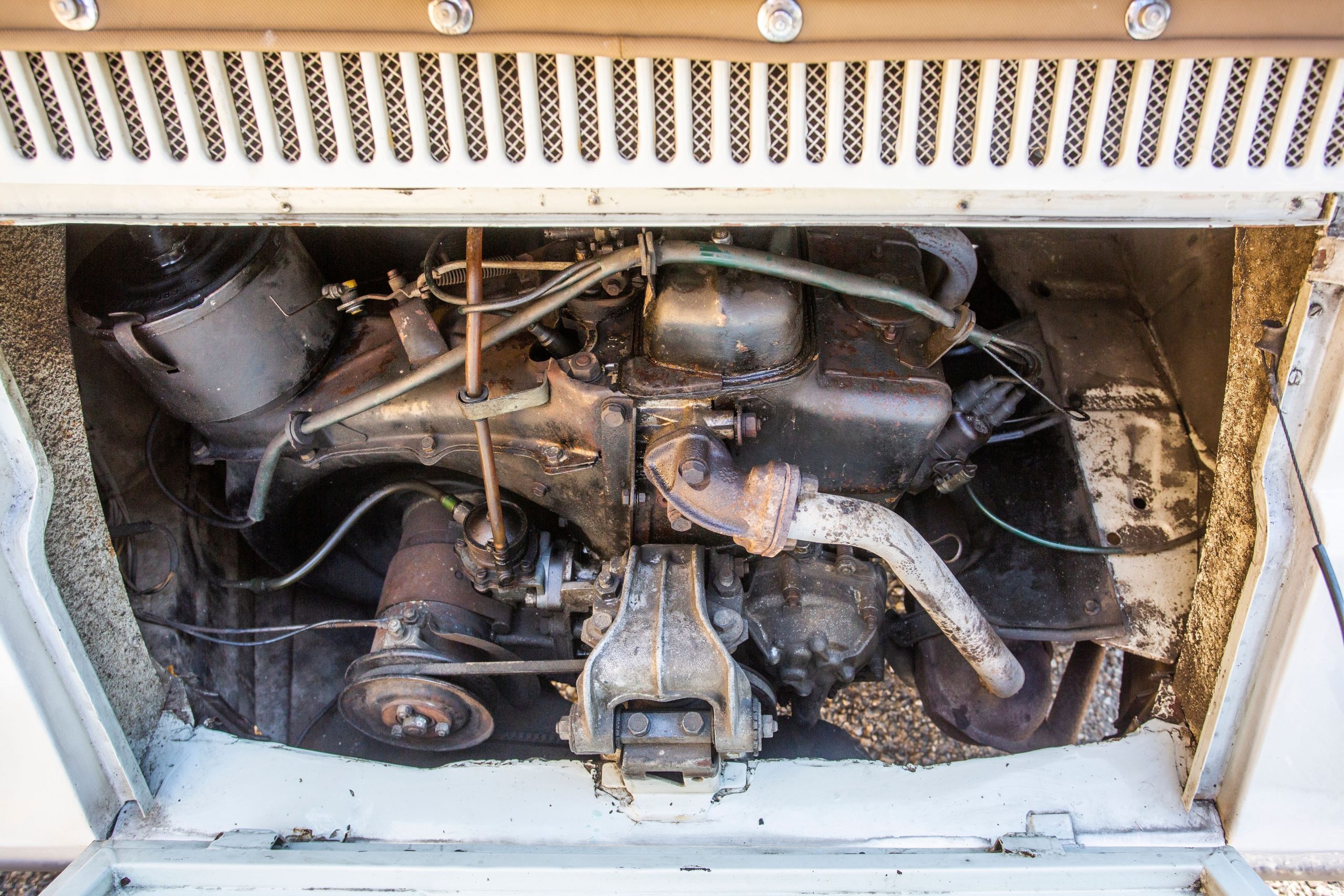
The Albarella retained the Fiat 500F’s rear-mounted, air-cooled two-cylinder engine. Its 499 cc unit produced between 18 and 22 hp, depending on the specification. Power was sent through a four-speed manual gearbox to the rear wheels. Independent suspension was fitted at both axles, with coil springs, while drum brakes were used on all four wheels. Its maximum speed was approximately 80 km/h under favourable conditions.
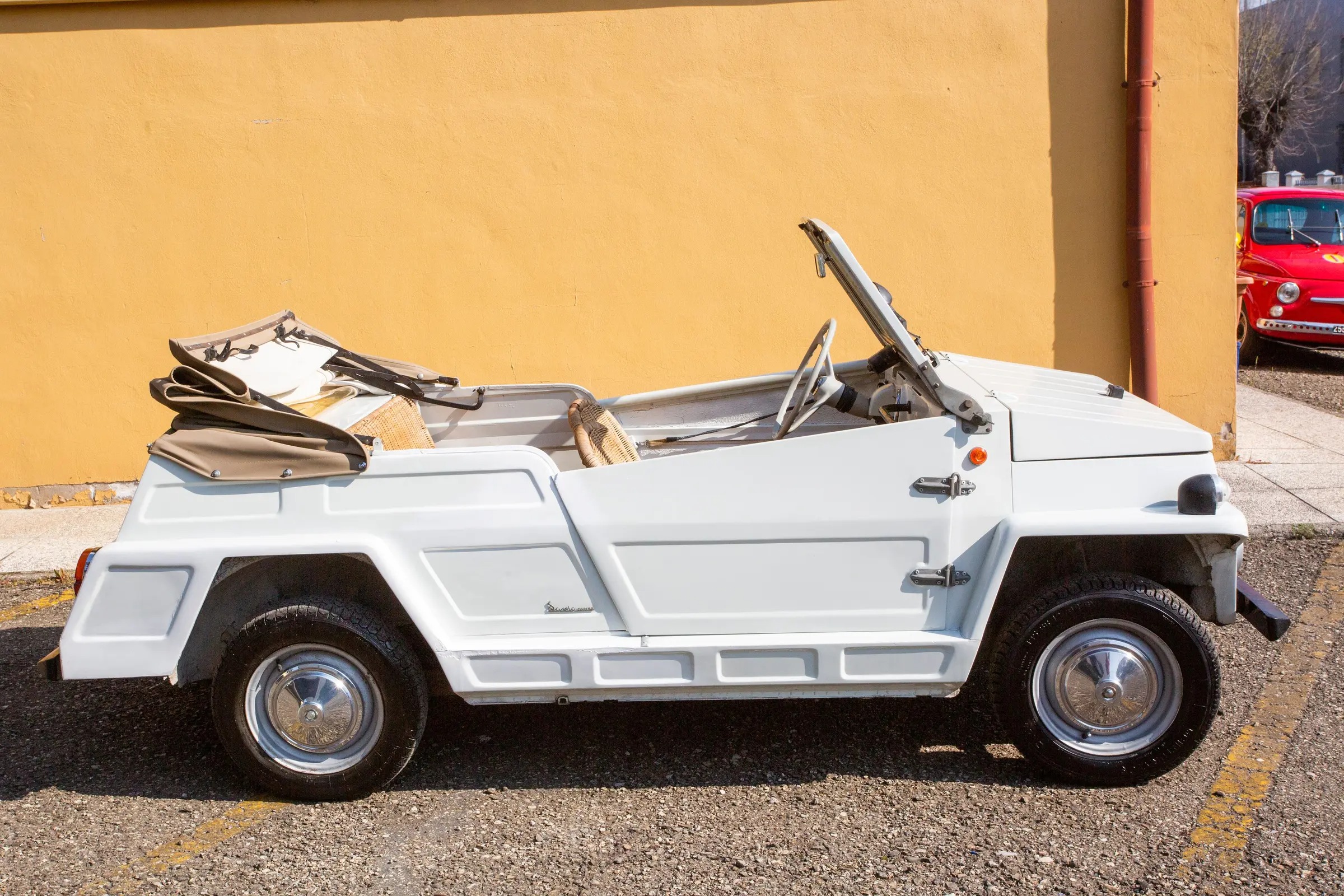
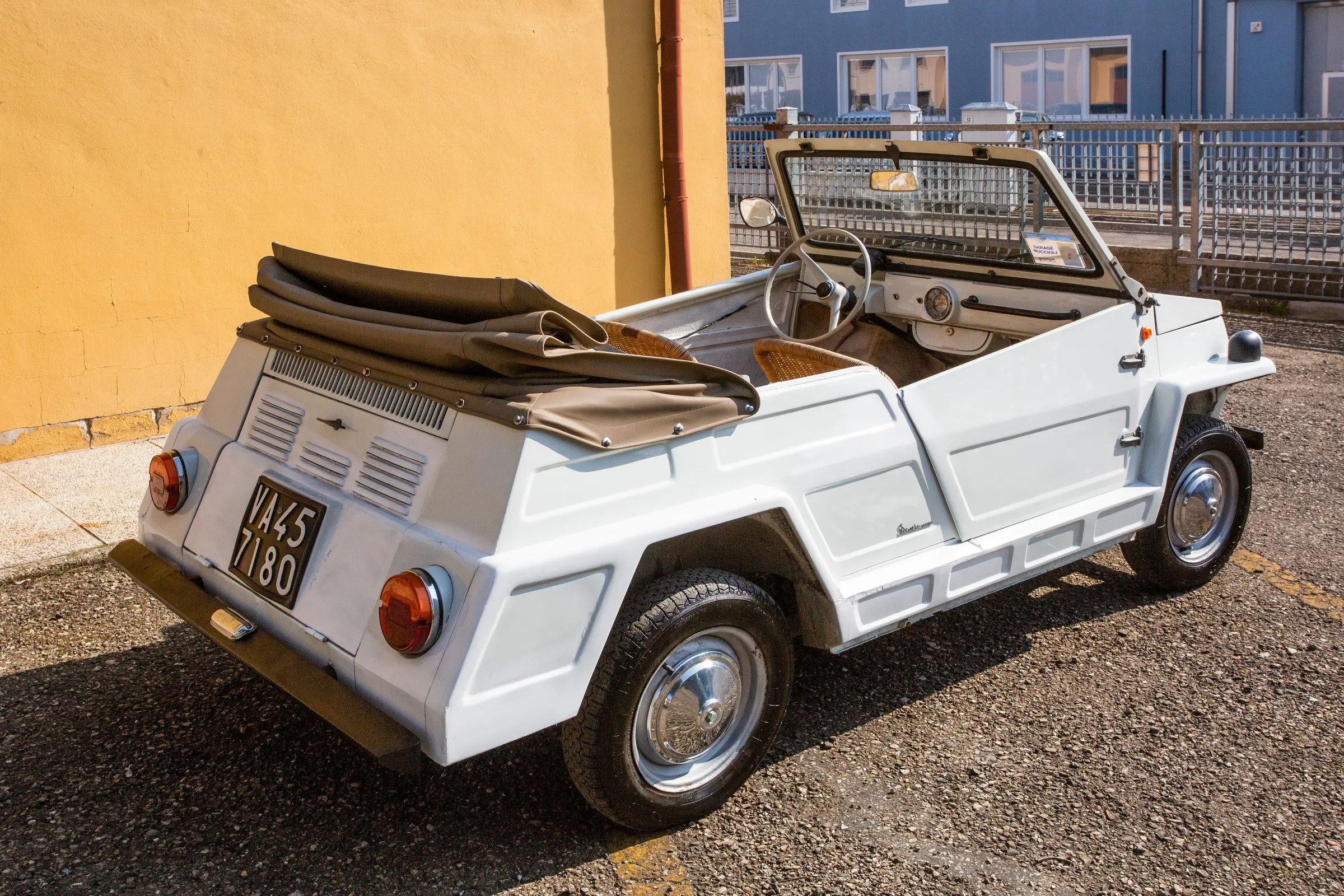
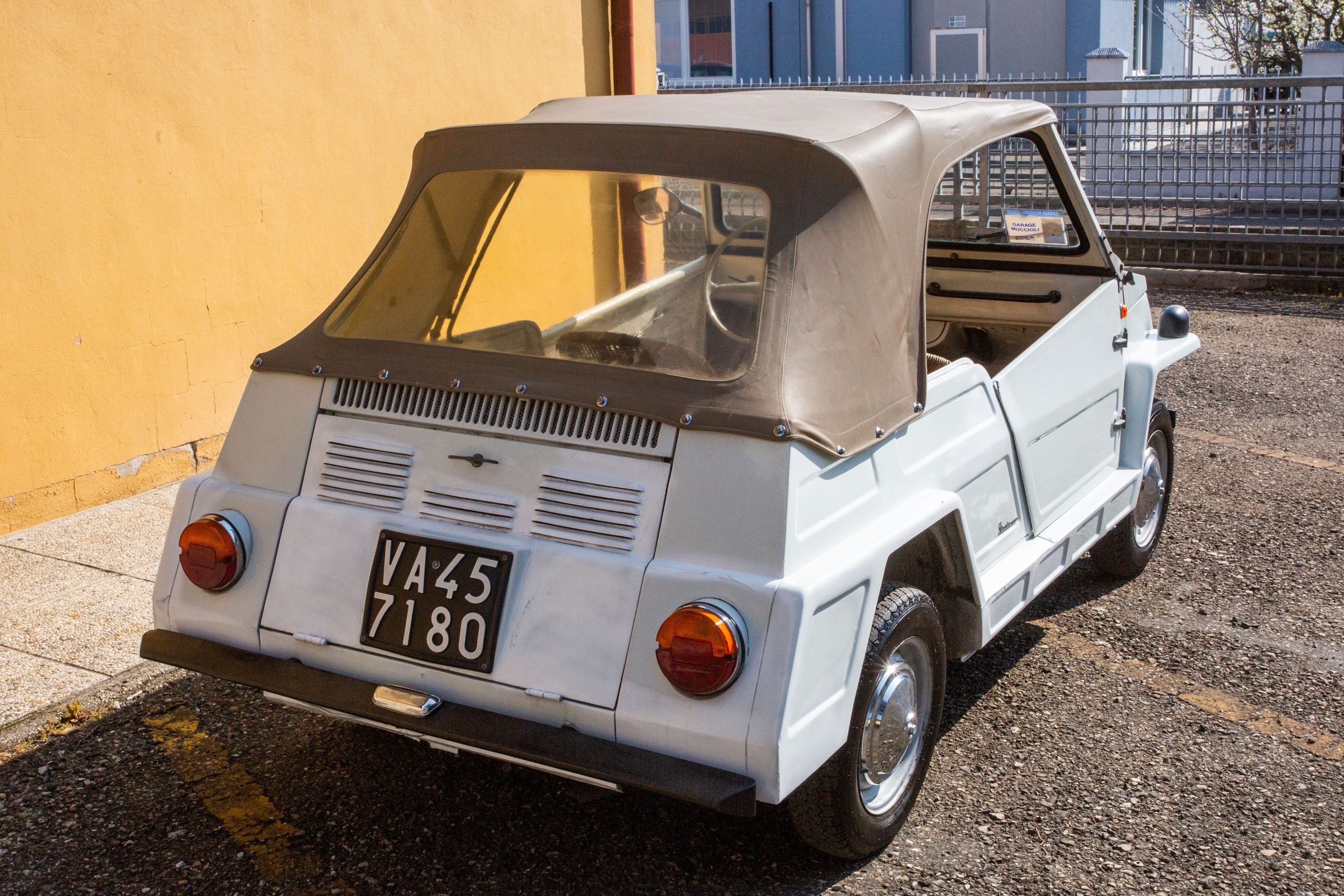
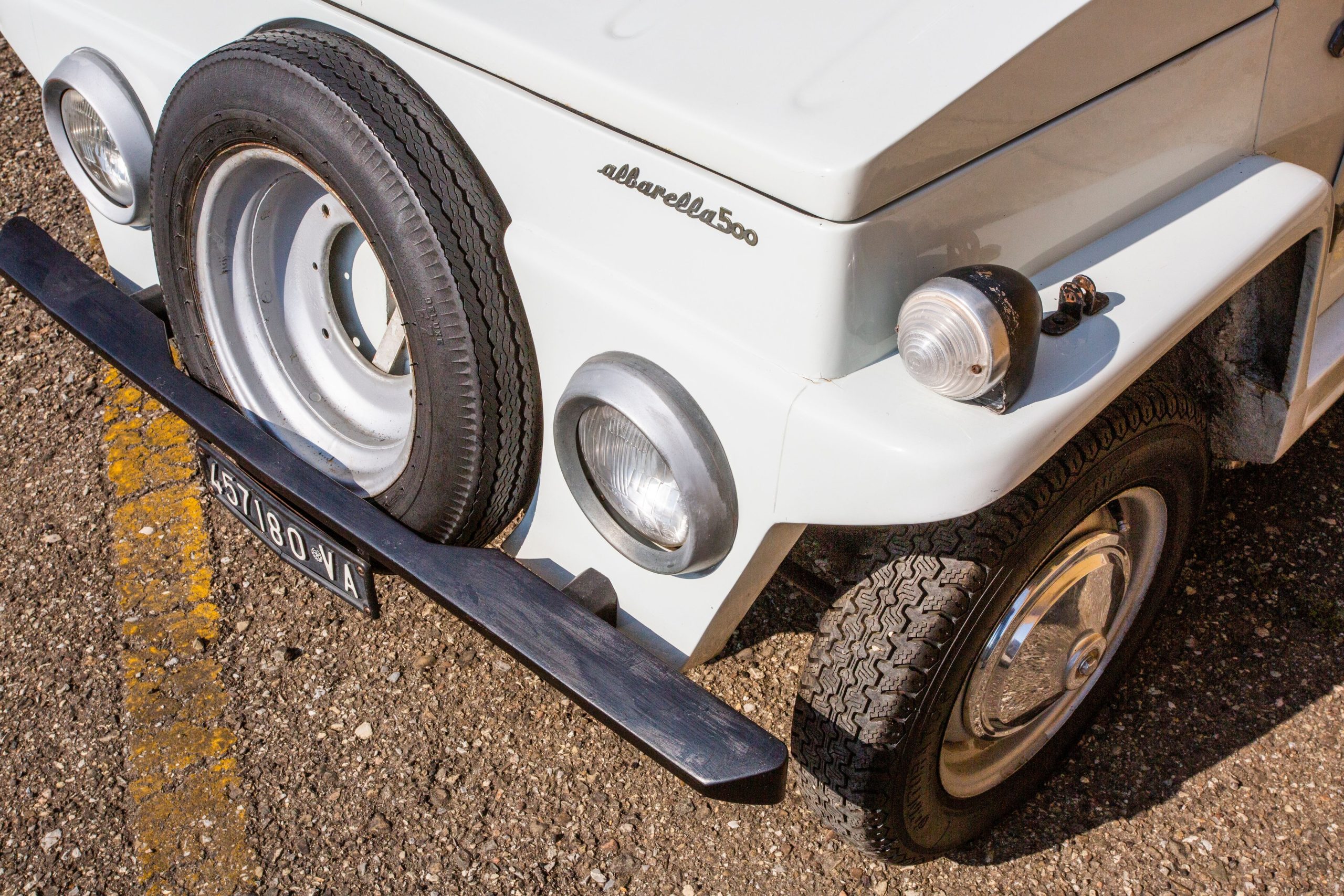
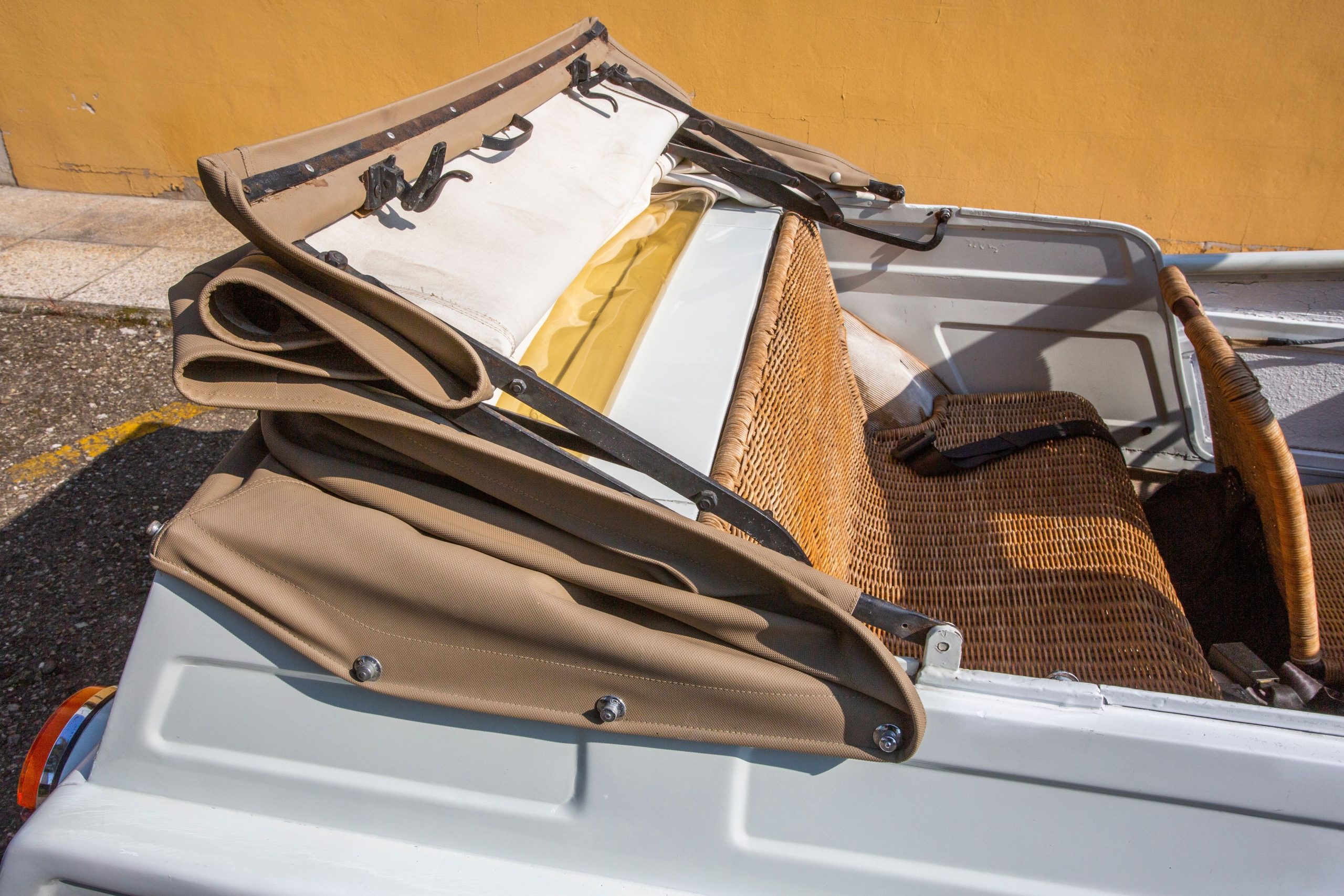
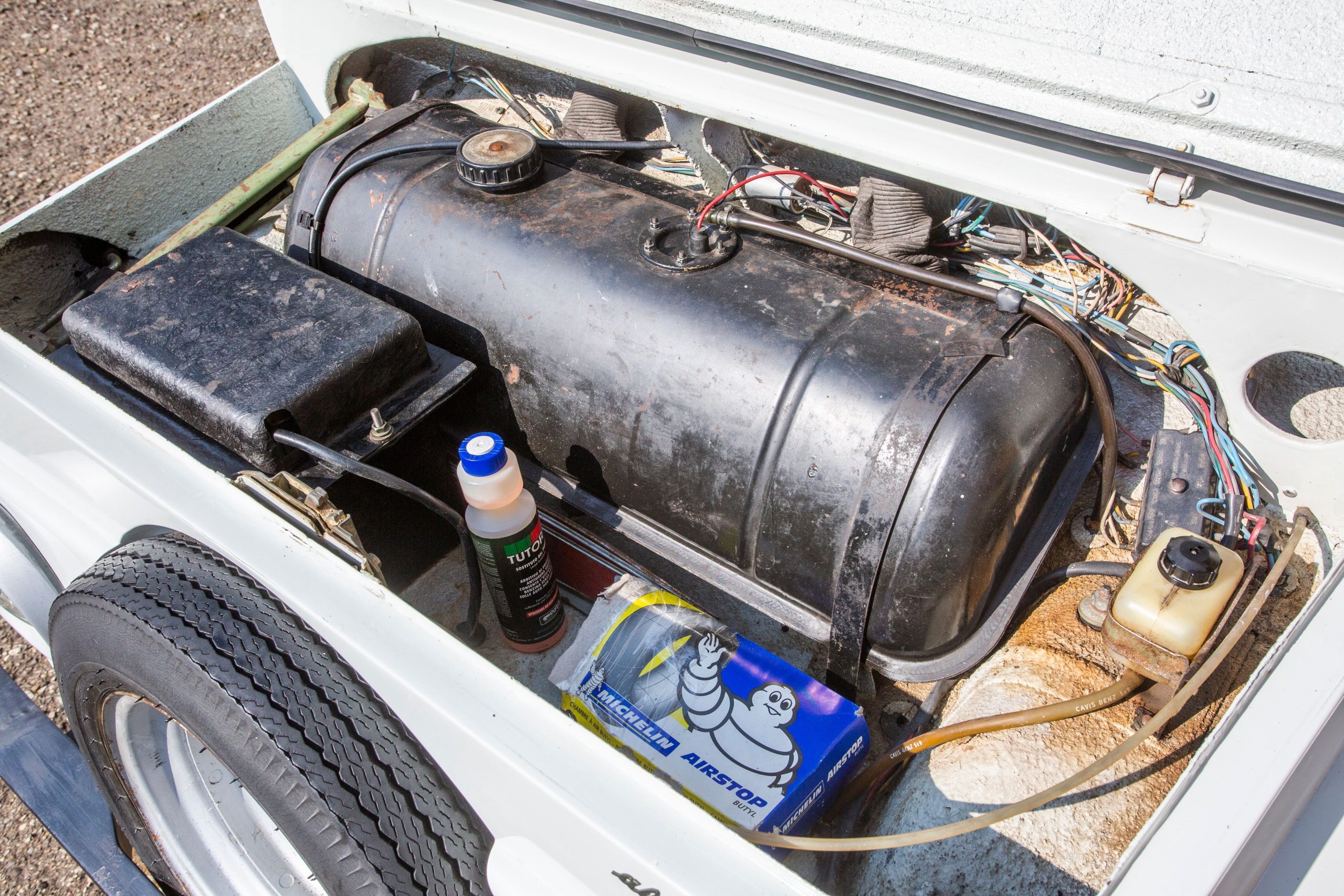
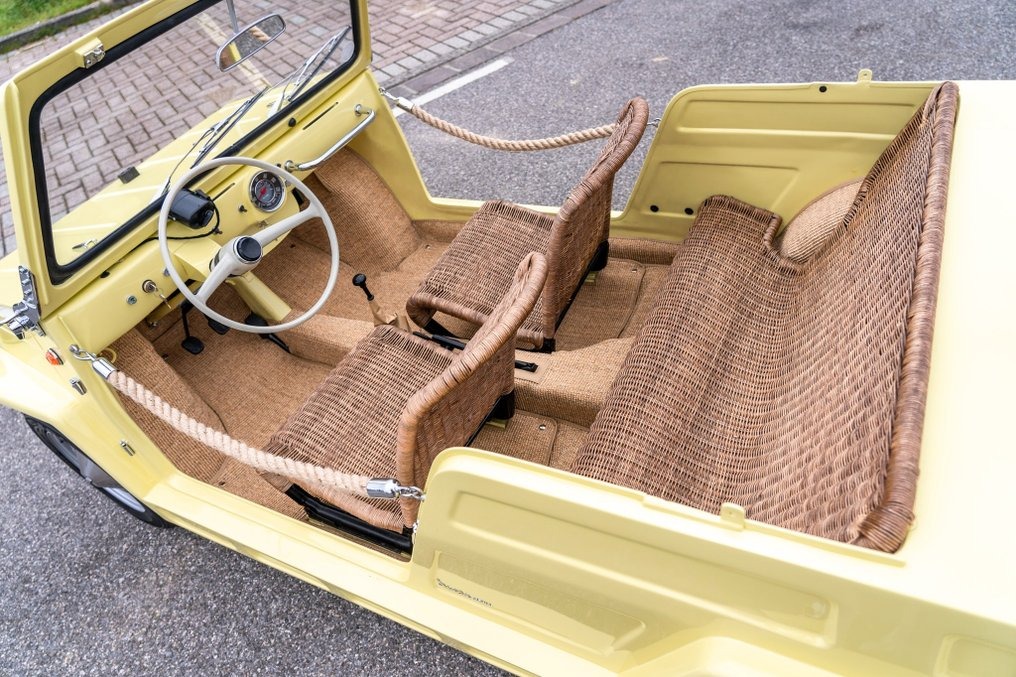
Savio modified the steel body by removing the roof, doors and much of the side structure. A simple folding canvas top offered limited protection from the weather. The open sides were finished with ropes and chrome hooks instead of conventional doors, reinforcing the Albarella’s informal holiday-car character. The vehicle also featured exposed wheels, squared-off rear bodywork and a spare wheel mounted at the front.
Inside, the standard Fiat 500 instrumentation and basic trim were largely retained. The most distinctive elements were the wicker or rattan-lined seats, which suited the car’s coastal purpose and reflected the typical construction of contemporary spiaggine. Compared with the more substantial and Jeep-like Jungla, the Albarella was a lighter and more openly styled leisure vehicle.
The small Savio was not a commercial success. Its 500 cc engine made it less capable than the Jungla, while its price was reportedly difficult to justify against the larger model. Production was extremely limited, with many accounts citing approximately 20 examples.
The cars appear to have been assembled in small batches or built to order rather than produced through a regular high-volume manufacturing programme.